

Tourist hotspots around the globe are in an unprecedented bind as the number of visitors swells past their sustainable capacity. From the eroding foundations of Venice to the citizens’ protests in Barcelona, the tourism business is at a tipping point. Places that used to love hosting visitors now struggle with congested streets, escalating real estate prices, and overburdened infrastructure. The issue is not whether tourism generates economic gains — it is whether the gains outweigh increasing expenses to local ways of life and environments.
Below are 18 key points that highlight why the decision between overtourism and other options is now one of the most urgent faced by contemporary travel destinations. There are lessons in each situation regarding achieving balance between economic opportunity and community welfare.
Venice fights rising waters
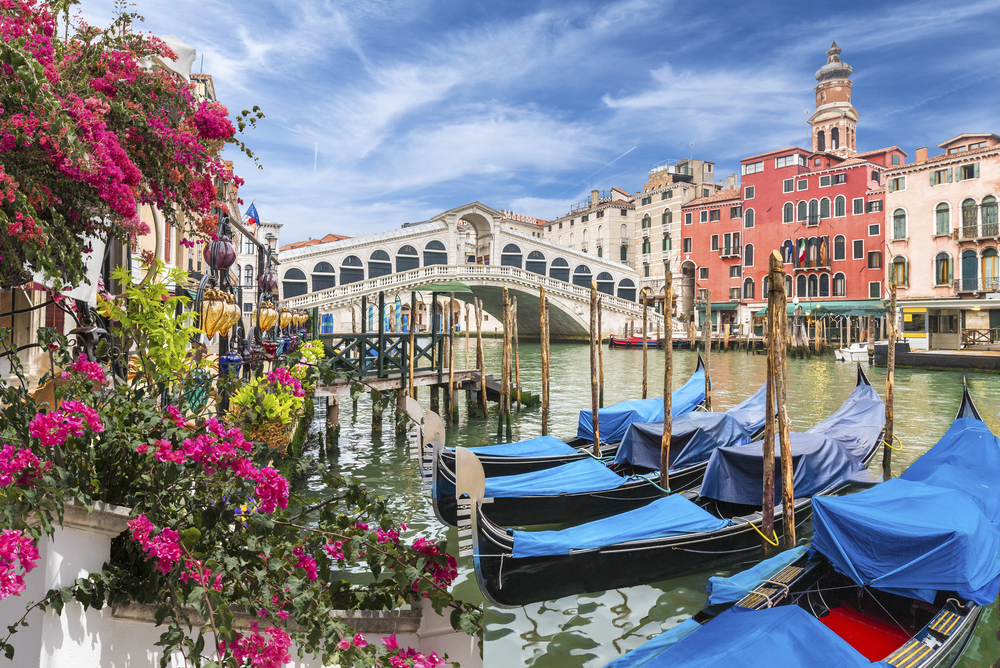
Venice welcomes more than 30 million visitors a year, but has just 50,000 permanent inhabitants in its ancient city. The impact of mass tourism literally causes the city to sink, and cruise ships leave waves that undermine ancient foundations. Local authorities now impose day-trip charges and cap group numbers, although critics maintain that these actions come decades too late.
Barcelona’s residents push back
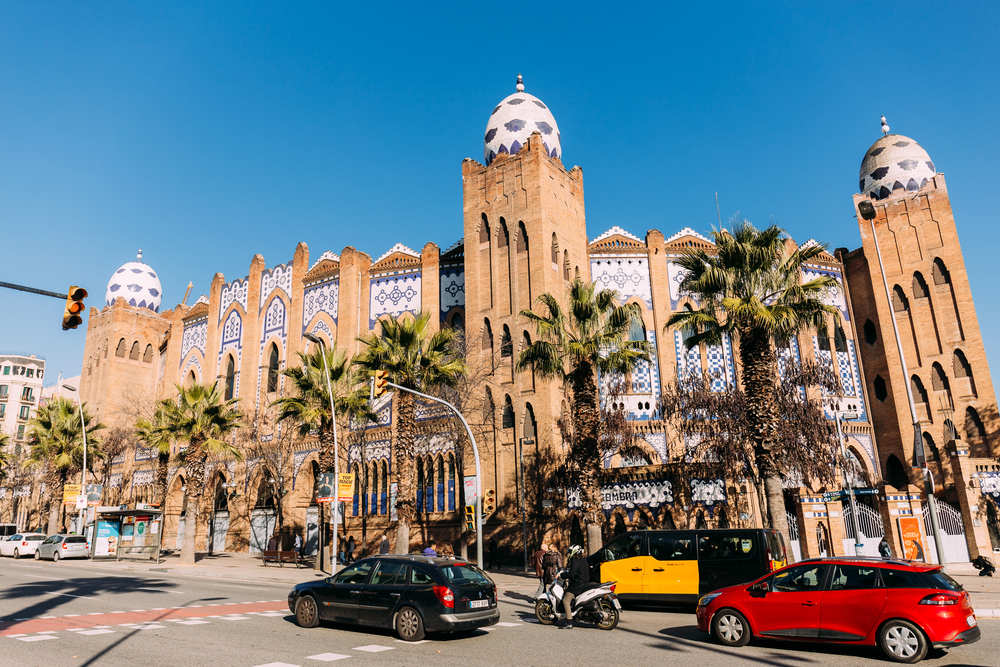
Neighborhood protests have become common in Barcelona’s Gothic Quarter, where short-term rentals displaced longtime families at alarming rates. Graffiti reading ‘Tourists Go Home’ appears regularly on walls throughout the city center. The local government has banned new vacation rental licenses in the city center, yet housing costs continue to climb faster than residents’ wages.
Like Travel Pug’s content? Follow us on MSN
Santorini’s cliff-edge crisis
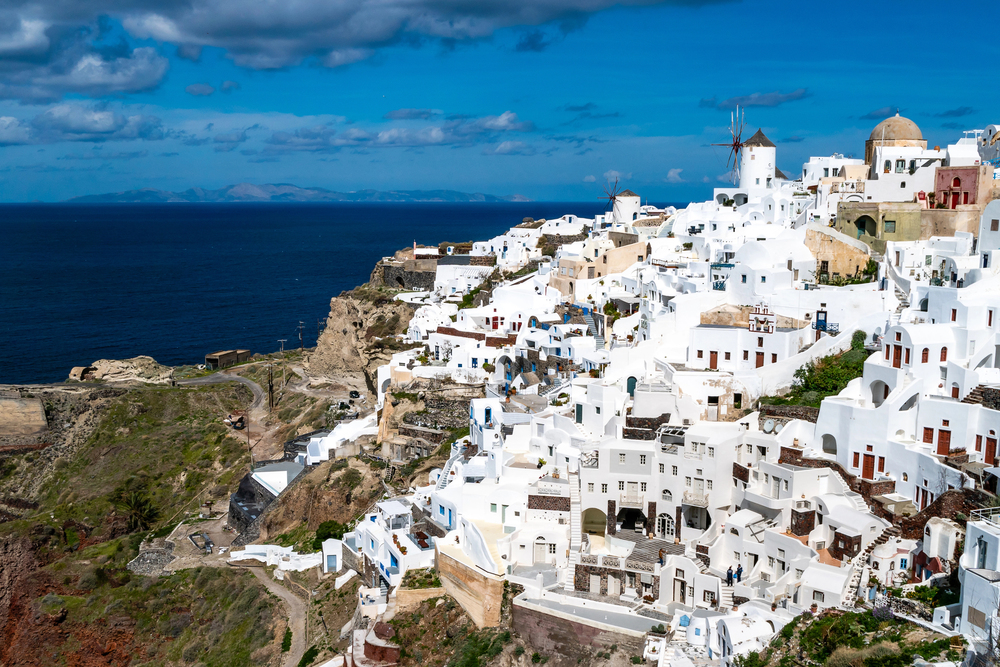
The country’s narrow island streets are barely able to manage the 17,000 cruise tourists who fill its beaches in the peak summer season. Regular traffic congestion for hours is common, while residents undergo drought due to water requirements for hotels. Regular authorities limit the number of cruise ships coming each day, but the infrastructure cannot support the number of visitors nowadays.
Iceland promotes hidden gems

Rather than limiting access to popular sites, Iceland’s tourism board actively promotes lesser-known destinations through social media campaigns and improved road access. The Diamond Circle route offers an alternative to the crowded Golden Circle, featuring equally stunning landscapes without the crowds. This strategy has successfully redistributed visitor patterns while maintaining overall tourism revenue.
New Zealand caps conservation access

New Zealand implements booking systems and visitor limits at its most fragile natural sites, prioritizing environmental protection over unlimited access. The Great Walks require reservations months ahead, while popular filming locations from major movies have restricted viewing hours. These policies maintain pristine conditions but frustrate spontaneous travelers.
Like Travel Pug’s content? Follow us on MSN
Croatia spreads island tourism

Croatia actively promotes its lesser-known islands through marketing campaigns highlighting unique attractions beyond Dubrovnik and Split. Ferry connections to remote islands improved significantly, while accommodation development focuses on previously overlooked destinations. The strategy has created new economic opportunities for island communities while reducing pressure on established hotspots.
Portugal champions interior destinations

Portugal’s national tourism strategy deliberately highlights inland cities and rural regions through international marketing campaigns. The country invested heavily in rural accommodation and cultural attractions, making interior destinations more accessible and appealing to international visitors. These efforts have created jobs in economically depressed regions while maintaining the coastal areas’ appeal.
Scotland embraces responsible travel

Scotland’s tourism board promotes ‘responsible tourism’ through educational campaigns encouraging visitors to respect local communities and environments. The initiative includes practical guidelines about waste disposal, wildlife interaction, and supporting local businesses. Visitor surveys indicate increased awareness of tourism impacts, though changing actual behavior remains challenging.
Like Travel Pug’s content? Follow us on MSN
Digital nomads discover alternatives

Remote workers are increasingly choosing secondary cities over traditional digital nomad hotspots, such as Lisbon or Barcelona, driven by lower costs and a better work-life balance. Cities like Porto, Brno, and Tbilisi now actively court location-independent professionals with co-working spaces and visa programs. This trend redistributes tourism spending while reducing pressure on oversaturated destinations.
Seasonal redistribution gains traction

Many destinations now offer significant discounts and special events during traditionally quiet seasons, encouraging visitors to travel outside peak periods. Shoulder season campaigns highlight unique advantages, such as fewer crowds, better weather, and more authentic local experiences. While successful in extending tourism seasons, these strategies require careful balance to avoid year-round overtourism.
Communities demand tourism benefits

Successful destinations are increasingly ensuring that tourism revenue directly benefits residents through employment programs, infrastructure improvements, and community development funds. Bhutan’s high-value, low-impact tourism model demonstrates how visitor fees can fund education, healthcare, and conservation while maintaining cultural authenticity. However, implementing similar systems requires strong governance and community consensus.
Transportation creates natural limits

Some destinations use transportation constraints as unofficial visitor management tools, maintaining limited parking, infrequent public transport, or restricted road access. These natural bottlenecks prevent overcrowding but can frustrate visitors and limit economic opportunities for local businesses. The approach works best when combined with alternative transportation options and clear communication.
Like Travel Pug’s content? Follow us on MSN
Accommodation rules reshape destinations

Cities worldwide implement strict regulations on short-term rentals, limiting licenses, requiring permits, or banning vacation rentals in residential neighborhoods entirely. These policies aim to preserve housing for residents while maintaining some tourism accommodation options. Success varies significantly based on enforcement capabilities and local housing market conditions.
Culture competes with commercialization
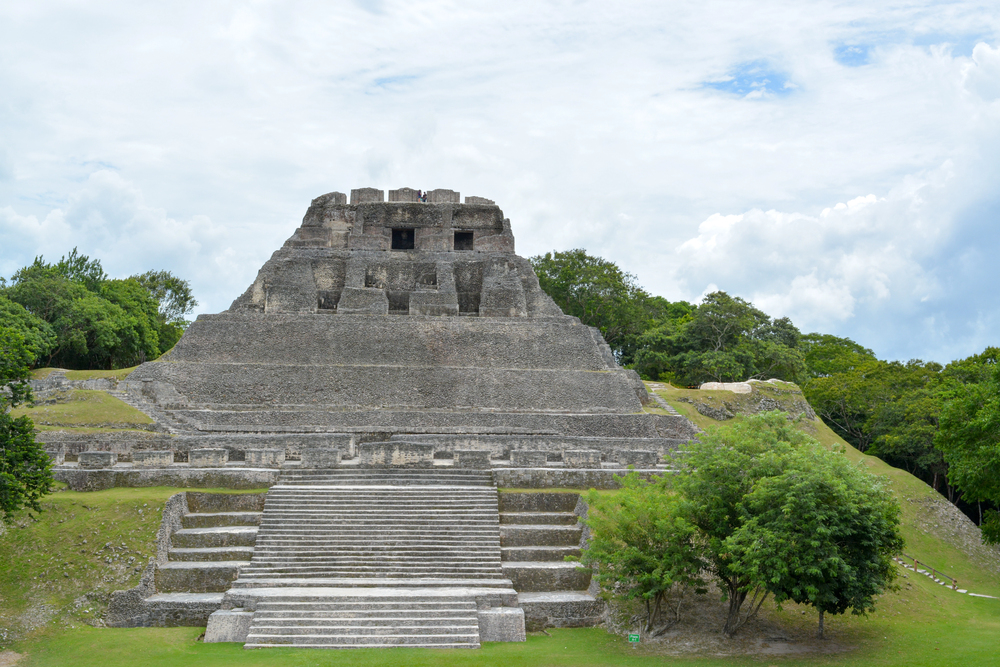
Historic sites and cultural attractions struggle to balance preservation with access, often implementing visitor limits, guided tour requirements, or restricted photography policies. Machu Picchu’s daily visitor cap and timed entry system protect the archaeological site while disappointing some hopeful visitors. These trade-offs between protection and access define modern heritage management.
Economic dependency creates dilemmas

Communities heavily dependent on tourism face difficult decisions when visitor numbers become unsustainable, as limiting access threatens livelihoods built around the industry. Small island nations and resort towns often lack economic alternatives to tourism, making gradual transitions toward sustainability particularly challenging. Diversification strategies require significant time and investment.
Environmental monitoring drives decisions

Advanced monitoring systems now track tourism’s environmental impact in real-time, measuring everything from soil erosion to changes in wildlife behavior. This data helps destinations make evidence-based decisions about visitor limits and activity restrictions. However, translating scientific findings into practical policies often requires navigating complex political and economic interests.
Like Travel Pug’s content? Follow us on MSN
Technology manages crowd flow

Smart city technologies increasingly help destinations manage visitor flows through apps that provide real-time crowd information, alternative route suggestions, and reservation systems for popular attractions. These tools can effectively distribute crowds while improving visitor experiences, though they require significant investment and maintenance. Digital solutions work best when combined with physical infrastructure improvements.
Future models prioritize sustainability

Emerging tourism models emphasize quality over quantity, focusing on longer stays, deeper cultural engagement, and measurable positive impacts on destinations. Costa Rica’s certification programs for sustainable tourism businesses demonstrate how industry standards can drive positive change. These approaches require industry-wide cooperation and consumer willingness to pay premium prices for responsible travel experiences.
The path forward demands balance

The decision between overtourism and detours is not a zero-sum option — successful tourism destinations strike a balance between growth and maintaining the essence of what drew visitors in the first place. Venice’s day-trip fees, Iceland’s route diversification, and Bhutan’s high-value tourism each present unique solutions to a common problem. The most effective models blend visitor management with local engagement to ensure that tourism provides for both economic imperatives and quality of life.
Instead of deciding between preservation and tourism, visionary destinations are finding that sustainable efforts tend to improve both visitor experiences and local rewards. The future is in the hands of destinations that can innovate without sacrificing their true identity.
Like Travel Pug’s content? Follow us on MSN
More from Travel Pug

- 20 Best Beach Towns in the Carolinas
- 13 Destinations Where Tourists Regularly Regret Their Trip
- 20 Things You Actually Get in First Class
- 20 Small Airports With Aviation Museums
- 20 Places in the U.S. That Are Perfect for a Reset Trip
Like Travel Pug’s content? Follow us on MSN