

Guam sits in the western Pacific, roughly 6,000 miles from the continental United States, and it carries a cultural identity that stretches back over 4,000 years. The Chamorro people, the island’s indigenous inhabitants, still make up more than 37 percent of the population, and their traditions remain remarkably alive despite centuries of Spanish colonization, Japanese occupation during World War II, and American influence.
What makes visiting Guam so rewarding is how accessible this culture remains. You won’t need to hunt for it or book expensive private tours because Chamorro traditions are woven into everyday island life, from the food at local markets to the ancient stone pillars scattered across the landscape.
Here is a list of 15 ways to experience Chamorro culture in Guam, ranging from culinary adventures to hands-on workshops and ancient archaeological sites.
Explore Chamorro Village Night Market

Every Wednesday evening, the capital village of Hagåtña transforms into a lively celebration of local culture. Chamorro Village Night Market fills its Spanish-inspired plaza with the smoke of sizzling barbecue, the sounds of live music drifting from the main pavilion, and vendors selling everything from fresh produce to handcrafted jewelry.
The market stays open late into the night, giving you plenty of time to wander between food stalls serving traditional dishes like kelaguen and red rice. Local dance groups often perform, and you might even spot a karabao, the water buffalo that has become a beloved symbol of old Guam, giving cart rides to children.
Feast On Traditional Chamorro Cuisine
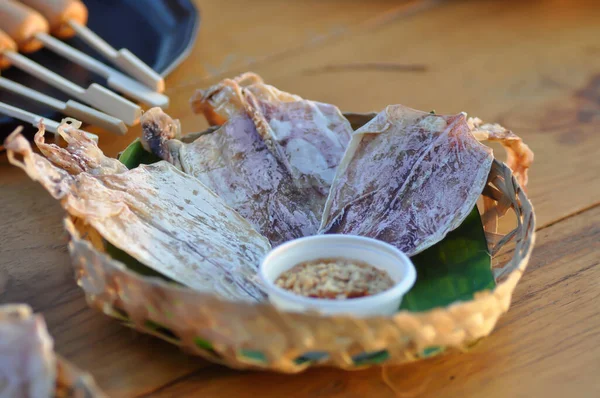
The fiesta table sits at the heart of Chamorro gatherings, and the dishes arranged on it follow a specific order that has been passed down through generations. Red rice, colored with annatto seeds from the achote plant, anchors almost every celebration and holds the position of honor at the head of the table.
Kelaguen, a citrus-marinated dish made with chicken, shrimp, or fish, offers a tangy contrast that works perfectly scooped into soft titiyas, the local coconut-flour tortillas. Finadenne, the all-purpose dipping sauce made from soy sauce, vinegar, onion, and hot peppers, appears at virtually every meal.
The barbecue deserves special mention too because Chamorro-style grilling involves marinating ribs and chicken for hours in a mixture of soy sauce, vinegar, and garlic before cooking them over tangan-tangan wood embers.
Visit Ancient Latte Stone Sites

The latte stone has become the most recognizable symbol of Chamorro identity, appearing on everything from government seals to village bus stop shelters. These distinctive stone pillars, topped with hemispherical capstones, served as foundations for important buildings constructed between roughly 1200 and 300 years before the present.
Angel Santos Memorial Park in Hagåtña displays eight authentic latte stones that once supported ancient Chamorro homes, making it one of the most convenient spots to see these structures up close. For something more dramatic, the Latte of Freedom rises 80 feet above the Governor’s Complex at Adelup, offering panoramic views of the western coastline from its observation deck.
Learn Basic Chamorro Greetings

You’ll hear it the moment you step off the plane: ‘Håfa Adai,’ the universal Chamorro greeting pronounced roughly like ‘huh-fah-day.’ The phrase literally translates to something like ‘what’s happening’ or ‘how are you,’ but it functions as a warm welcome that locals use with everyone.
Business owners, restaurant staff, and strangers on the street will greet you with it, and responding in kind earns immediate smiles. A few other useful phrases include ‘Si Yu’os Ma’åse’ for thank you, ‘Adios’ for goodbye, and ‘Mamaolek ha’ yu” to say you’re doing well.
Attend A Village Fiesta

Each of Guam’s 19 villages celebrates its own patron saint with an annual fiesta that combines Catholic religious traditions with Chamorro hospitality. These aren’t exclusive events reserved for locals. Visitors are genuinely welcomed to attend, and you’ll find village mayors working alongside residents to ensure everyone gets fed.
The celebrations typically include a nobena, a nine-day rosary leading up to the main event, followed by a procession and festal Mass. After the religious ceremonies, families open their homes and yards to feed anyone who shows up.
The Malojloj Fiesta in Inarajan, held each May in honor of San Isidro, ranks among the most popular, featuring coconut husking competitions, water buffalo racing, and three solid days of food and music.
Try Traditional Weaving At Gef Pa’go

Tucked into the southern village of Inarajan, Gef Pa’go Chamorro Cultural Village operates as a living museum staffed primarily by elder Chamorros who grew up practicing traditional arts. The compound consists of about eight thatched-roof huts, each representing different architectural styles and housing different demonstrations.
You can try your hand at weaving sleeping mats from pandanus leaves, learn to make rope from coconut fibers, or watch master weavers create intricate baskets and bags. The practitioners here learned these skills from their own elders when woven items were essential for daily life, and they genuinely enjoy passing that knowledge to visitors.
The village also demonstrates traditional cooking methods, including how to husk coconuts and make coconut candy from scratch.
Take A River Cruise At Valley Of The Latte

The Talofofo River Valley in southern Guam holds archaeological evidence of human occupation dating back at least 1,700 years. Valley of the Latte Adventure Park offers guided river cruises that wind through this preserved wetland area while knowledgeable guides share stories about ancient Chamorro life.
The tour stops at a replica traditional village where you can observe fire-starting demonstrations, basket weaving, and see authentic latte stone sites in their natural jungle setting. The park also offers kayaking and stand-up paddleboarding for those who want to explore the river more actively, plus carabao rides through the botanical gardens for a slower-paced experience.
Watch Chamorro Dance Performances

Francisco ‘Frank’ Rabon revived indigenous Chamorro dance in the 1980s after studying historical documents and drawing inspiration from other Pacific Island traditions. His work created the foundation for performances you can see today throughout the island.
The Bailan Uritao, or Young Man’s Dance, features energetic jumping and the crashing of long tunas sticks to showcase warrior prowess. The Bailan Lina’la’, or Dance of Life, involves flowing movements performed in traditional coconut leaf skirts and sadi’ thu garments.
The Chamorro Village Wednesday Night Market regularly features dance performances, and the Dinana’ Minagof Festival in February brings together dance groups from across the island for competitions that draw large crowds.
Celebrate Liberation Day

July 21 marks the most significant holiday on the Chamorro calendar, commemorating the day in 1944 when American forces liberated Guam from Japanese occupation. The three years of occupation represent the darkest period in modern Chamorro history, and Liberation Day honors both the survivors and the 1,170 Chamorros who died during that time.
The celebration centers on a grand parade down Marine Corps Drive in Hagåtña, featuring floats, marching groups, and participation from American military forces. The Liberation Day Queen Pageant adds glamour to the festivities, and carnivals, concerts, and fireworks continue into the evening across the island’s villages.
Experience Mes Chamoru In March

The entire month of March is designated Mes Chamoru, or Chamorro Month, dedicated to celebrating and preserving indigenous heritage. Cultural events pop up across the island, including traditional cooking demonstrations, language workshops, and historical exhibits.
One highlight is the Guam Discovery Day celebration in the scenic southern village of Umatac, which features guided heritage walking tours and a theatrical reenactment of Portuguese explorer Ferdinand Magellan’s landing in 1521. Local schools use the month to teach students about traditional practices, so you’ll often encounter schoolchildren learning chants, dances, and crafts at various venues during this time.
Visit Sagan Kotturan Chamoru

Perched on nine acres overlooking Tumon Bay, the Sagan Kotturan Chamoru, or Chamorro Cultural Center, focuses specifically on promoting and perpetuating indigenous culture. The center comprises eight houses, each dedicated to different aspects of Chamorro heritage, where local artisans lead hands-on workshops in weaving, cultural dancing, and chanting.
Live demonstrations of carving, painting, and traditional blacksmithing give you insight into crafts that have been practiced on the island for centuries. The center also houses a small museum with artifacts dating back thousands of years, providing important historical context for everything you experience during your visit.
Understand The Pugua Tradition

Betel nut chewing, known locally as mama’on or simply chewing pugua, has been part of Chamorro culture for at least 1,500 years based on archaeological evidence of stained teeth in ancient remains. The tradition involves combining the nut with betel leaf, called pupulu, and slaked lime to create a mildly stimulating chewing quid.
Historically, the reddish staining on teeth was considered a mark of beauty and majesty. Today, sharing pugua remains a common way to extend friendship and hospitality during social gatherings, though the practice has declined among younger generations.
You’ll notice ‘no betel nut chewing’ signs in many public spaces, referring to the distinctive red stains that chewers sometimes leave behind.
Explore Chamorro Storytelling And Legends

Oral tradition has always been the primary method of passing knowledge between Chamorro generations, and the island’s mythology offers fascinating insights into indigenous beliefs. The legend of Sirena tells of a beautiful girl who loved swimming so much that her frustrated mother cursed her to become a mermaid.
Two Lovers Point, or Puntan Dos Amantes, commemorates a tragic tale of forbidden love between a Chamorro maiden and a Spanish soldier. Stories about taotaomo’na, the ancient spirits who inhabit the jungle, still influence how many Chamorros interact with nature today.
When entering jungle areas or passing ancient sites, some locals still ask permission from these ancestral spirits as a sign of respect.
Learn Traditional Crafts And Blacksmithing

Master blacksmiths on Guam have recently graduated new pupils through apprenticeship programs designed to preserve traditional metalworking techniques. These craftsmen create useful implements the old way, hand-forging coconut graters, hoes, machetes, and fishing spearheads from steel.
Betel nut scissors, weaving tools, and knives also come from these forges. Chamorro pottery, which archaeological finds date back more than 3,000 years, has also experienced a revival since the 1960s thanks to efforts by the University of Guam.
Traditional ceramics were made from red clay mixed with volcanic sand and decorated with geometric designs along the rim, a craft that had been discontinued during Spanish colonial rule but is now once again practiced by specialized artisans.
Participate In A Cultural Workshop

Several venues across Guam offer immersive workshops where you can spend a few hours learning specific skills rather than simply watching demonstrations. Valley of the Latte runs a workshop series that includes basket weaving, pandanus bracelet crafting, and coconut oil making, with all materials provided and an island barbecue lunch included afterward.
The Chamorro Cultural Center in Tumon offers similar programming with apprenticeship-style instruction from elder practitioners. These workshops provide a deeper understanding than passive observation because you leave with something you made yourself, whether that’s a woven item, a batch of coconut candy, or simply the satisfaction of having started a fire using traditional friction methods.
Where Tradition Meets Tomorrow

The Chamorro culture you encounter in Guam today represents something remarkable: a living tradition that has survived colonization, war, and rapid modernization while continuing to evolve. The elders teaching weaving at Gef Pa’go learned from their own grandparents during times when these skills meant survival, yet they now pass that knowledge to tourists from around the world alongside local schoolchildren reconnecting with their heritage.
Dance groups that perform ancient-style movements are interpreting historical documents rather than continuing an unbroken chain of tradition, and that creative reconstruction has given Chamorros a powerful tool for cultural identity. Whether you’re feasting at a village fiesta, greeting someone with ‘Håfa Adai,’ or watching latte stones cast shadows at sunset, you’re participating in something the Chamorro people have fought to preserve and share for over four millennia.
More from Travel Pug

- Underrated Italian Towns That Beat the Tourist Crowds
- Las Vegas Tourist Traps to Skip
- Prettiest Towns in Every US State
- 18 passport-free countries for Americans
- Signs Your Cruise Is Not Worth The Cost
Like Travel Pug’s content? Follow us on MSN.