

Although Hong Kong is known for being pricey, you’d be shocked at how much delicious food you can find without breaking the bank. From steaming bowls of noodles to freshly baked pastries that cost less than your morning coffee back home, the city’s dining scene is full of hidden gems where locals eat every day.
All you have to do is know what to order and where to look. Here are 20 strategies for locating the cheapest food in Hong Kong.
Cooked Food Centers
Some of the best inexpensive meals you’ll find anywhere can be found at these government-run food halls, which are located above wet markets throughout the city. Most were built in the 1970s when the government moved street vendors indoors, and they’ve been feeding hungry locals ever since.
At locations like Sheung Wan Cooked Food Centre or Tai Po Market Cooked Food Centre, where dozens of vendors vie for your business with everything from Italian pasta to Cantonese stir-fries, you can get a full meal for about HK$30–50.
Cha Chaan Teng Tea Restaurants
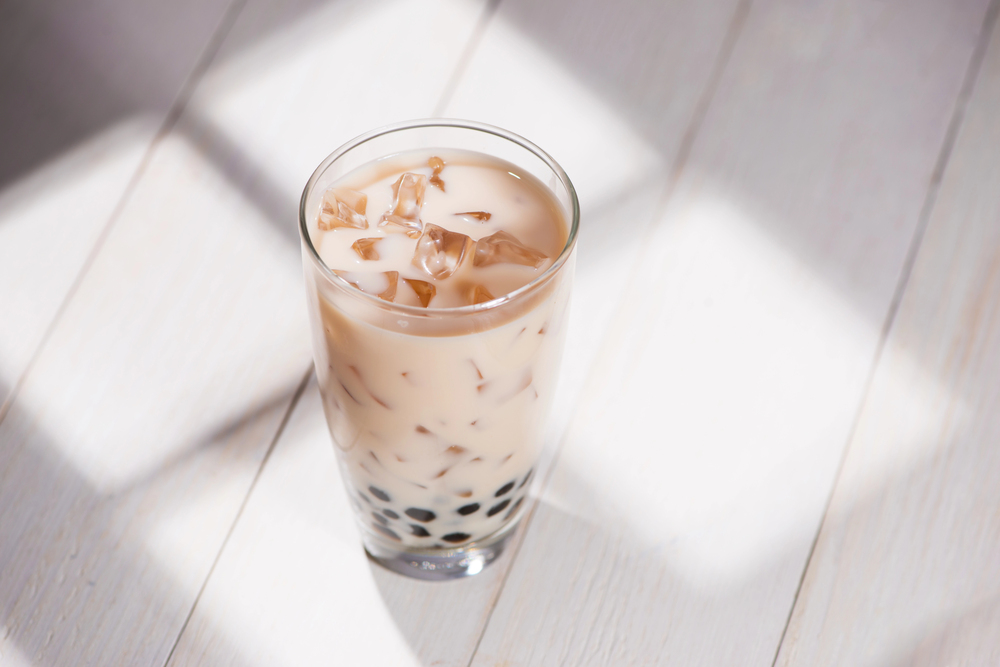
Working people eat breakfast before going to the office at these traditional Hong Kong restaurants. Like macaroni in soup with ham, egg sandwiches on fluffy white bread, or their trademark milk tea, the menu is this crazy combination of Chinese and Western dishes that somehow fits perfectly.
Many meals at places like Star Cafe in Tsim Sha Tsui or Kam Fung Restaurant in Happy Valley seldom exceed HK$60.
Chinese Bakeries
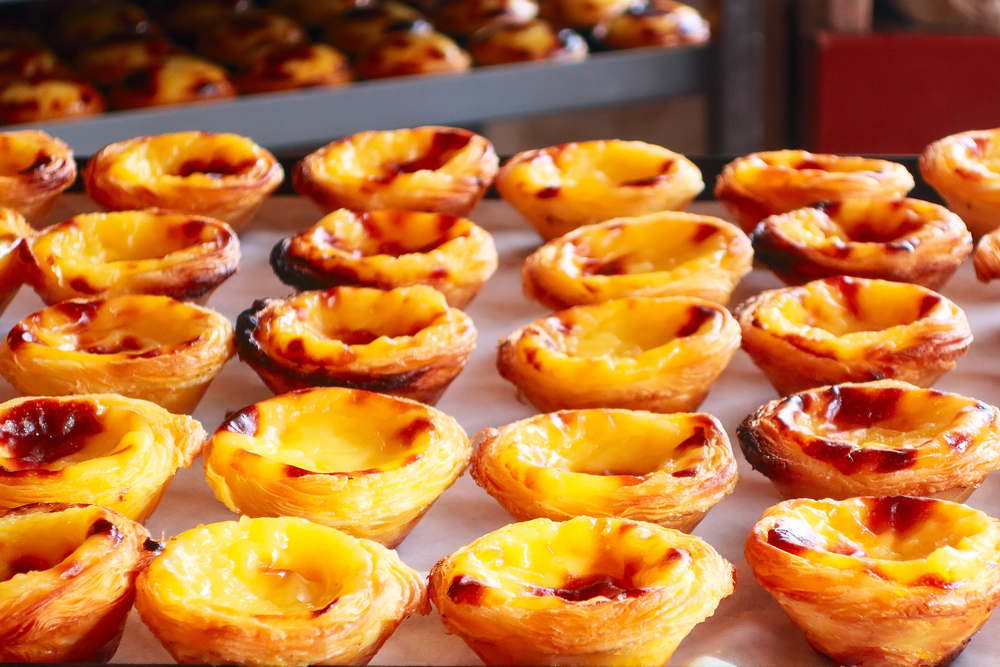
Walk down any street in Hong Kong, and you’ll stumble across a Chinese bakery every few blocks. These places are lifesavers when you need a quick, cheap bite that actually tastes good.
For HK$10–15, you can grab curry puffs, tuna baguettes, custard tarts, or the famous pineapple bun that doesn’t actually contain any pineapple.
Dai Pai Dongs
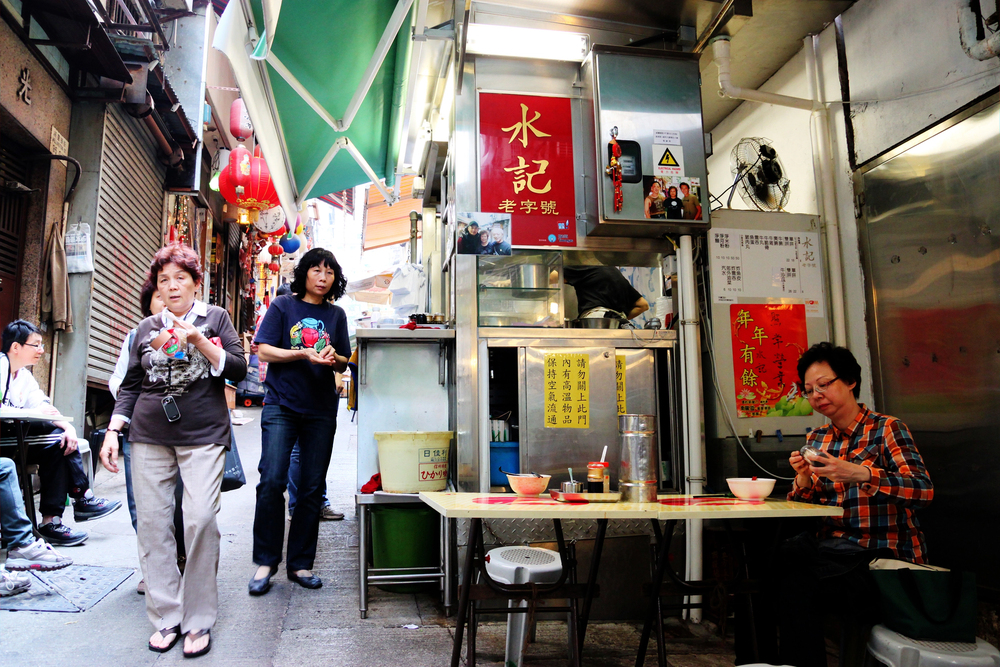
These open-air street food stalls are a dying breed in Hong Kong, but the ones that remain are absolute treasures. Think plastic stools, metal tables, and some of the most flavorful Cantonese cooking you’ll taste.
Dai pai dongs like Oi Man Sang in Sham Shui Po serve up classics like typhoon shelter crab and black pepper beef at prices that make you wonder how they stay in business.
Sham Shui Po Neighborhood
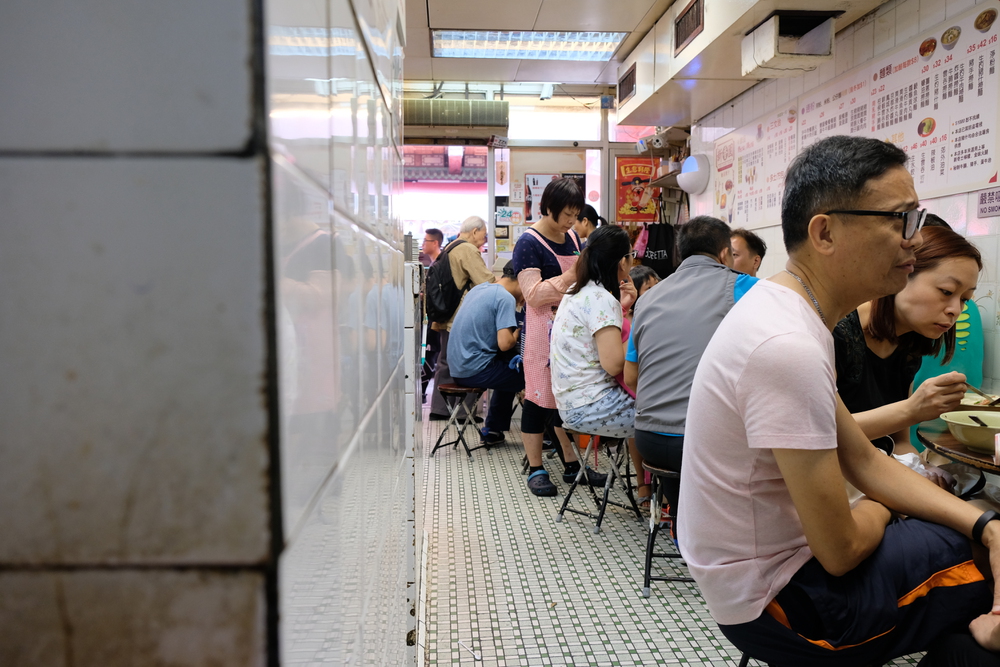
This working-class district is basically ground zero for cheap eats in Hong Kong. The streets are packed with affordable restaurants serving everything from tofu pudding at Kung Wo for under HK$20 to handmade noodles at Lau Sum Kee.
The area has a grittier vibe than Central or Causeway Bay, but that’s exactly why the food is so good and so cheap.
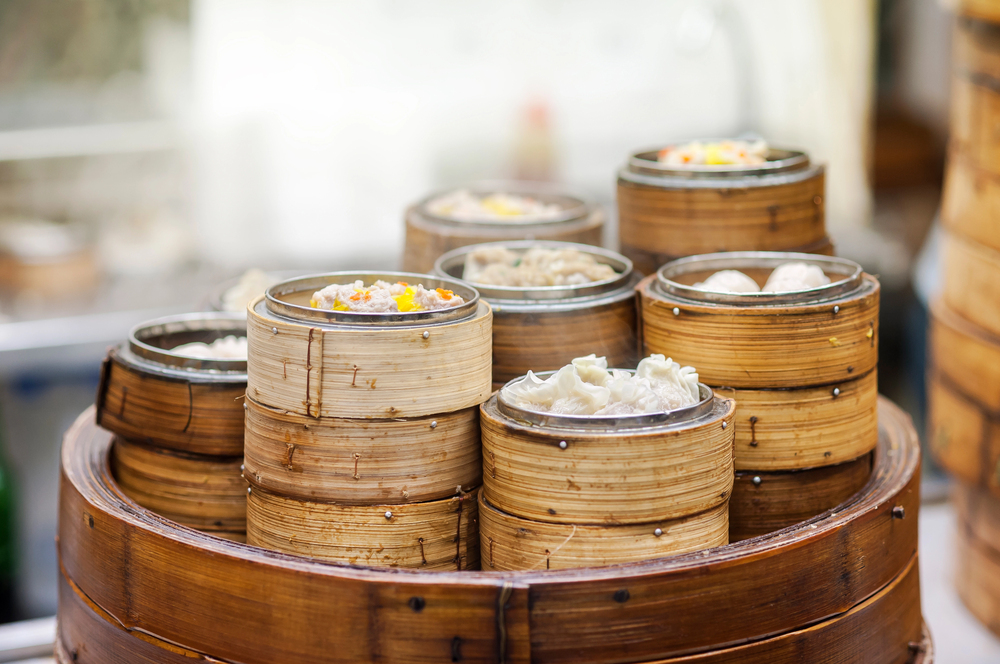
Dim Sum At Lunch
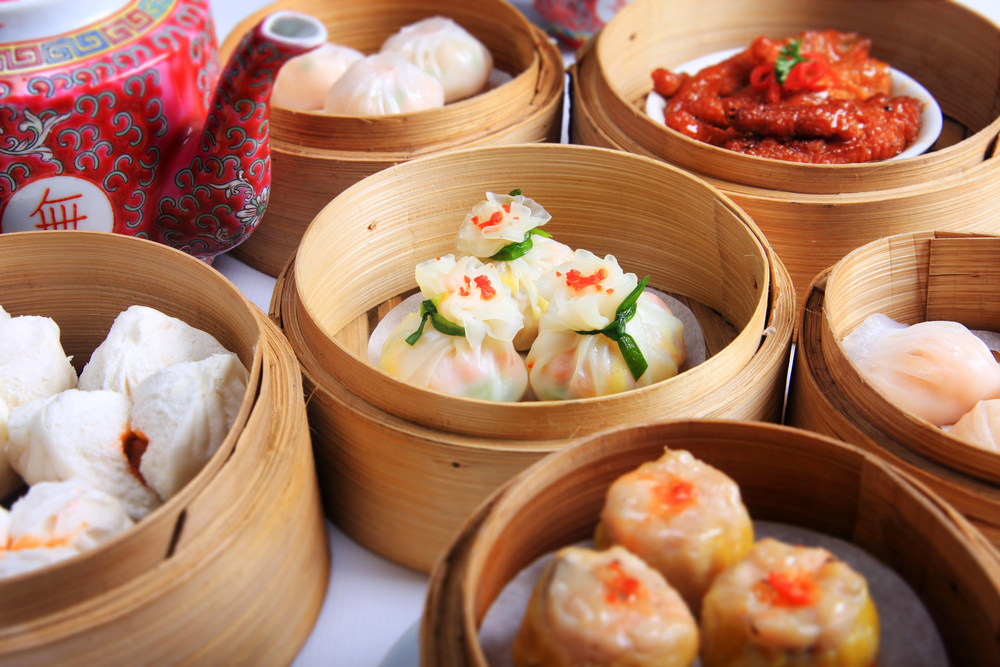
Forget dinner prices and head to dim sum restaurants during lunch hours when specials are running. Places like One Dim Sum in Prince Edward or Dim Sum Square in Sheung Wan offer baskets starting around HK$20.
You can easily fill up on har gow, siu mai, and char siu bao for less than HK$100 per person.
Tim Ho Wan
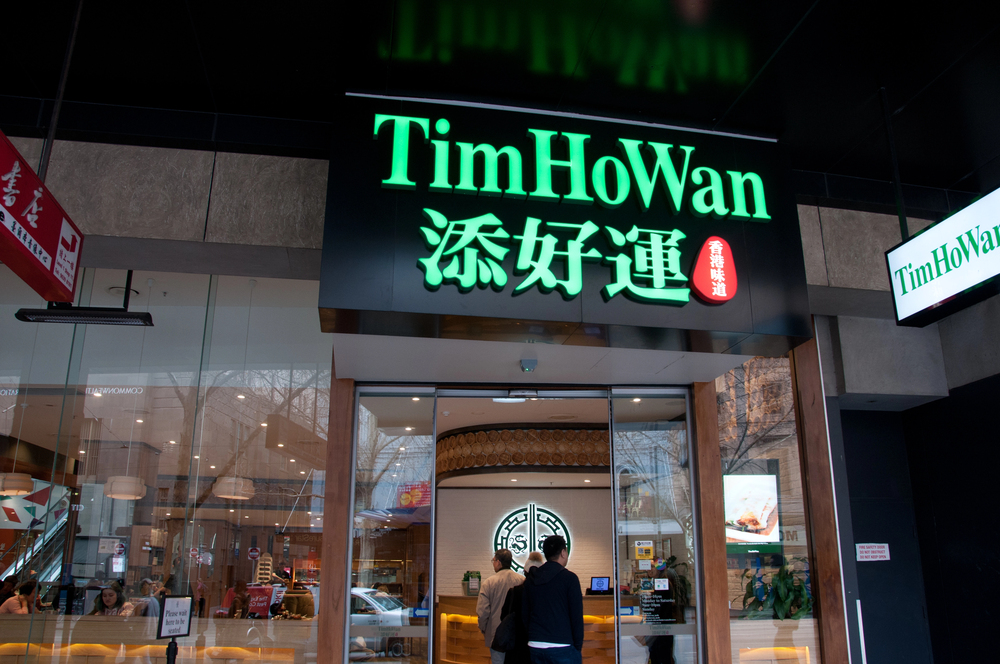
This Michelin-starred dim sum chain became famous as one of the world’s most affordable starred restaurants. Their baked barbecue pork buns are legendary, and you can still get out for around HK$50–80 per person.
Multiple locations across the city make it easy to find, and the Sham Shui Po branch is where it all started.
Egg Tarts From Local Bakeries
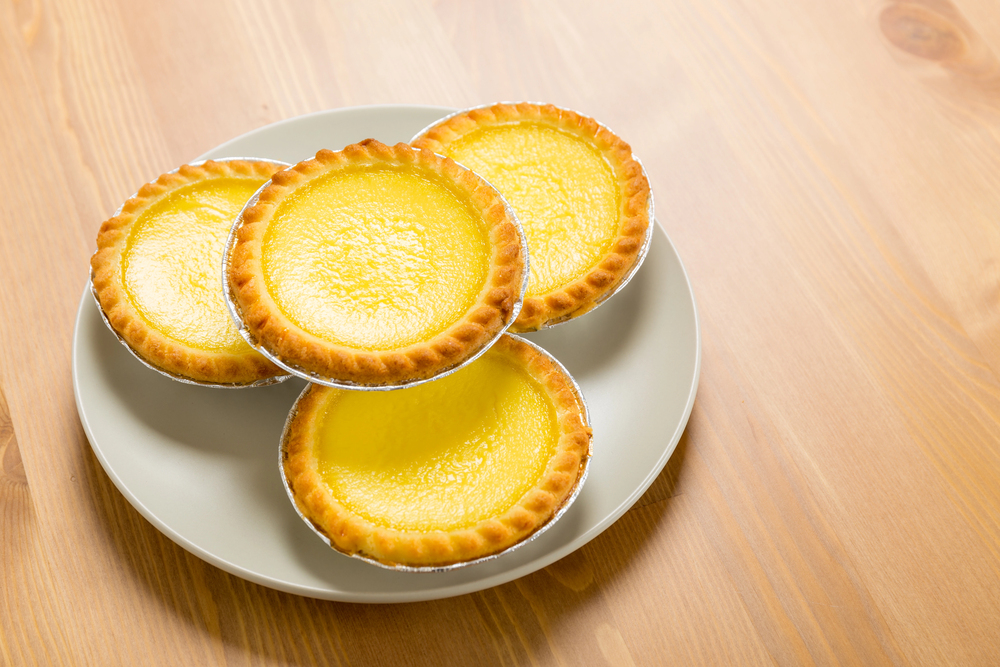
These sweet custard tarts in flaky pastry shells are Hong Kong comfort food at its finest. San Hing Bakery in Sham Shui Po sells them for just HK$4 each, while fancier versions at places like Bakehouse go for around HK$14.
Either way, they make for a ridiculously cheap snack or dessert.
Pineapple Buns With Butter
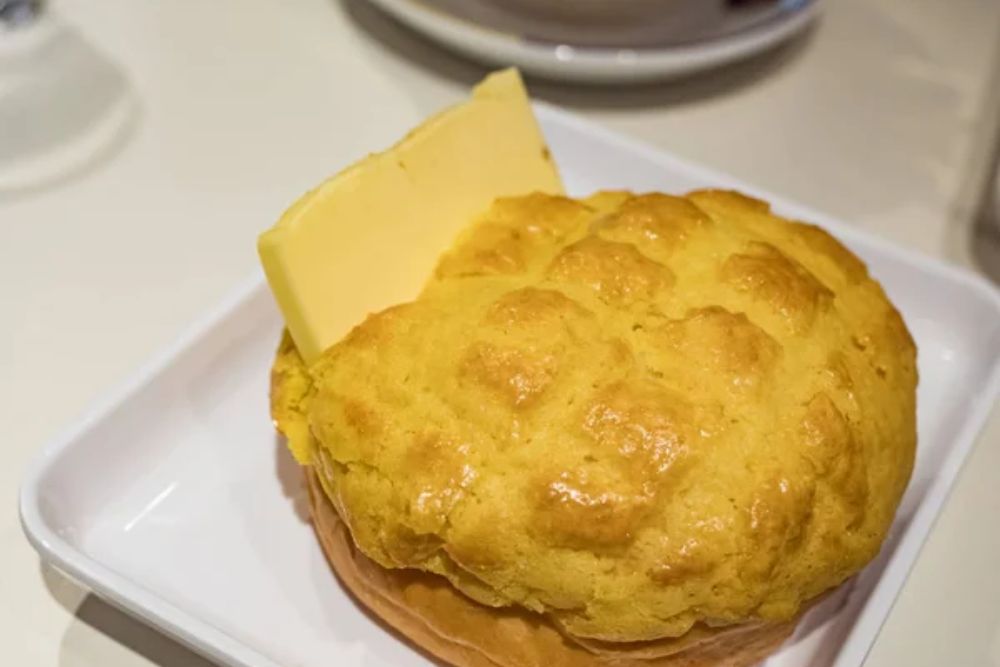
The iconic Hong Kong breakfast costs anywhere from HK$7–18, depending on where you go. Kam Wah Café is the most famous spot, but honestly, most cha chaan tengs make a decent version.
The crispy sugar topping paired with a cold slab of butter inside is worth every calorie.
Street Markets And Food Stalls
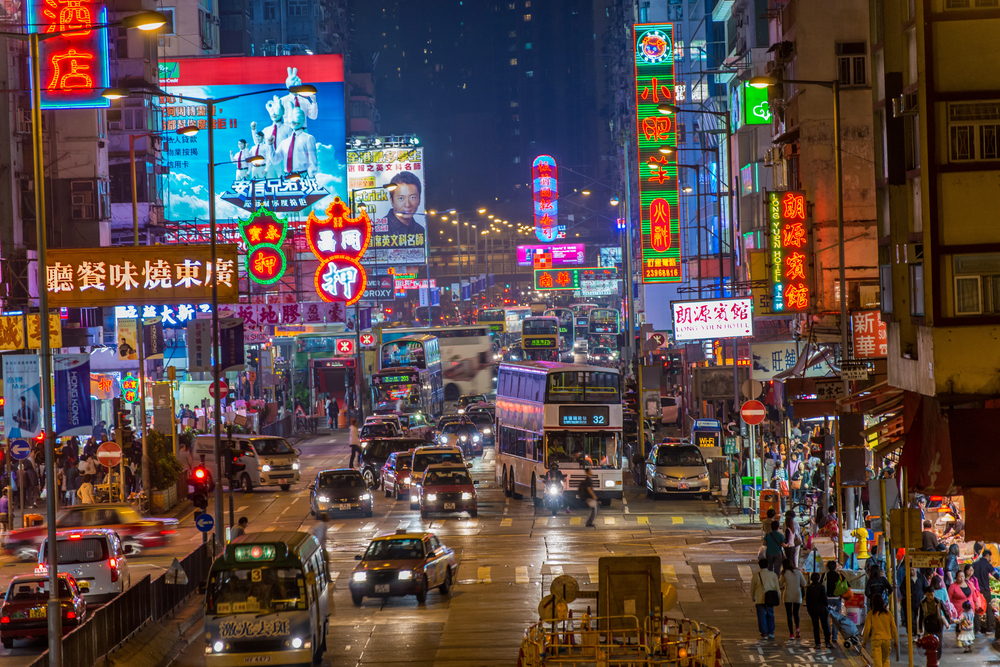
Spots like Fa Yuen Street Market in Mong Kok have food stalls tucked between the clothing vendors selling cheap skewers, curry fish meatballs, and stinky tofu. The vibe is chaotic, and the hygiene standards are questionable, but the prices are rock bottom, and the flavors are authentically local.
Congee Specialists
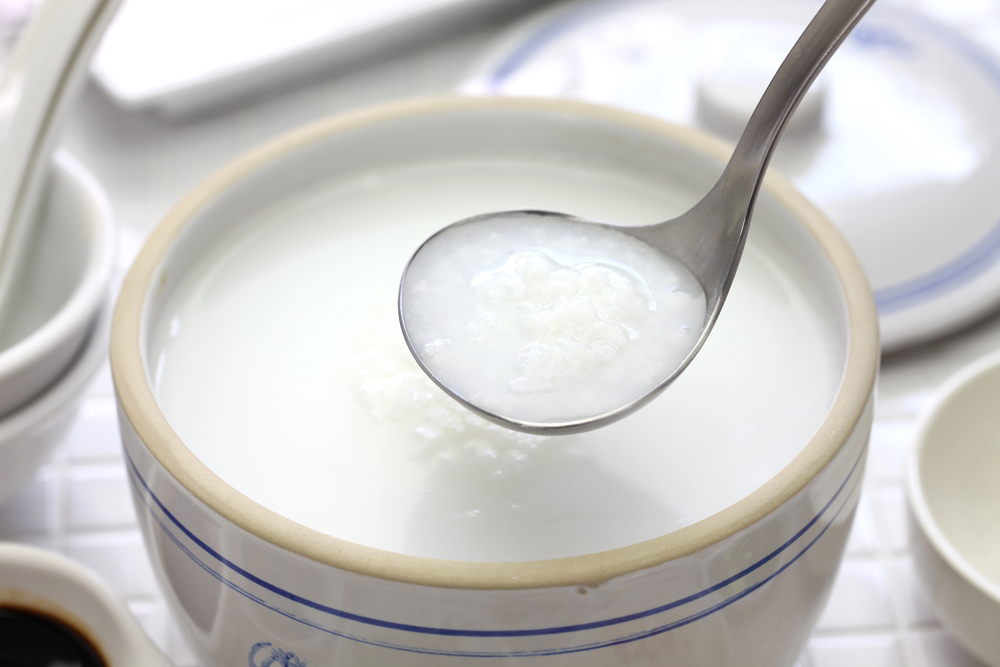
Hong Kong does rice porridge better than anywhere else, and congee shops serve steaming bowls from early morning until late afternoon. Wish You Well Congee in Kennedy Town charges HK$13–46 for varieties ranging from plain to loaded with fish, beef, or century egg.
It’s comfort food that sticks to your ribs without sticking to your budget.
Noodle Shops
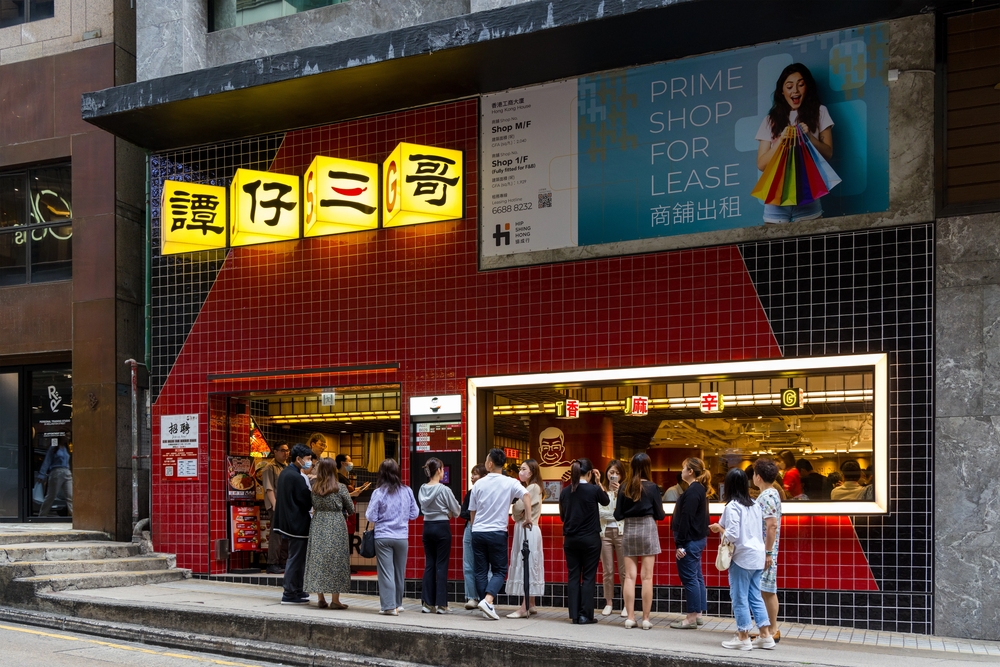
Wonton noodles, beef brisket noodles, fish noodles—Hong Kong has a noodle shop for every craving. Most bowls cost between HK$30–50 and come with perfectly springy noodles in rich broth.
Tak Cheong Noodle in Kowloon City is known for its milky fish broth and bamboo-pressed noodles.
Bowrington Road Cooked Food Centre
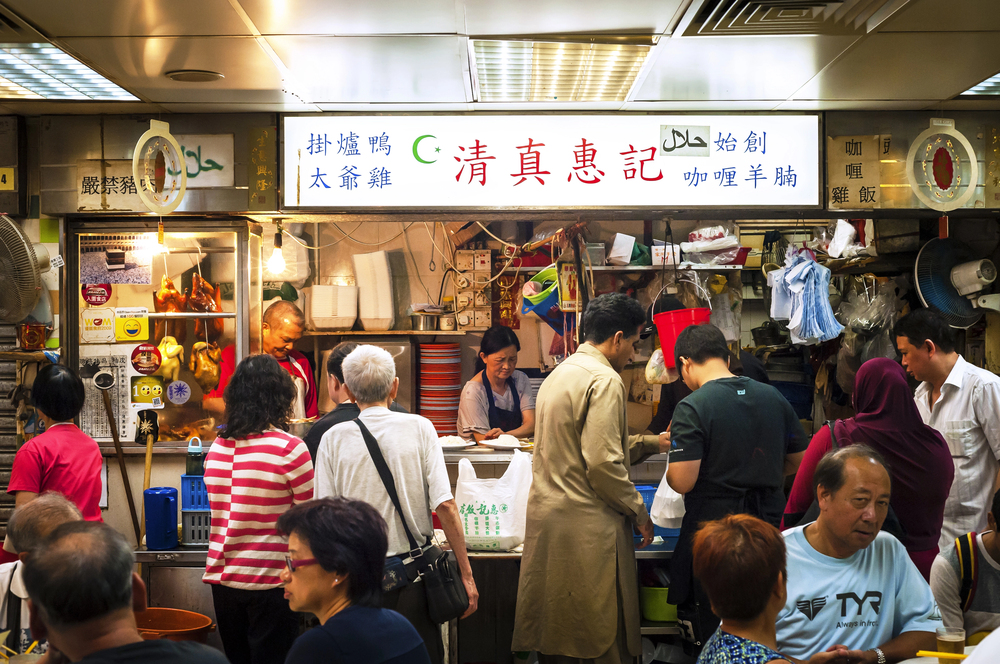
This spot in Wan Chai deserves its own mention because it’s open from 6 AM until 2 AM, making it perfect for any meal. Wai Kee serves halal roast duck and lamb dishes that draw huge crowds on weekends.
The prices hover around HK$60–100 for a full meal, which is still a steal for the quality.
Tofu Shops
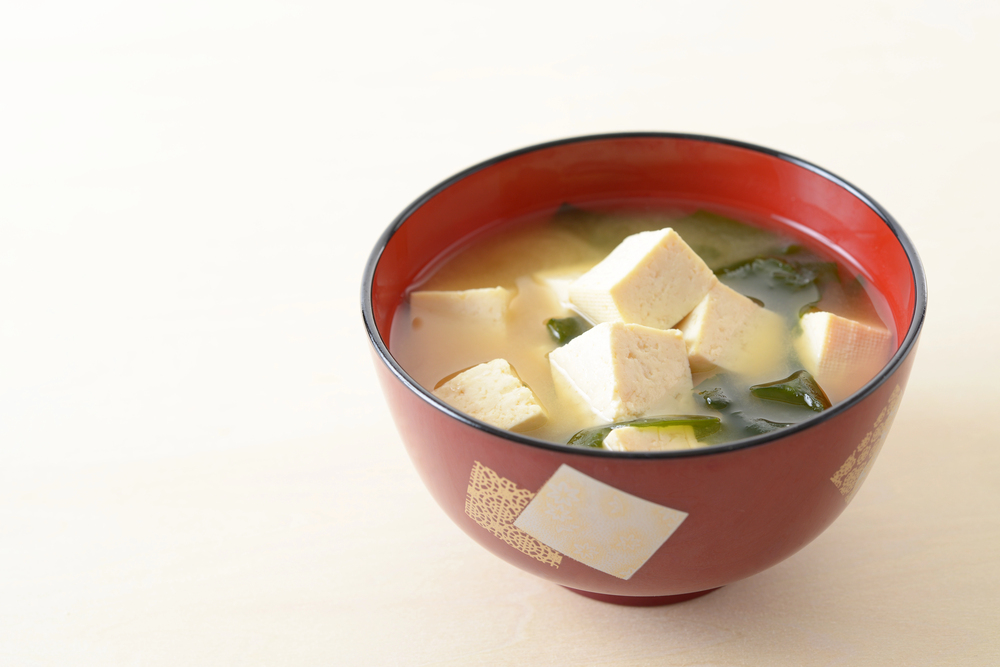
Places like Kung Wo Beancurd Factory in Sham Shui Po specialize in soy products and serve the silkiest tofu pudding you’ll ever taste. Most items cost less than HK$20, and you can add brown sugar for extra sweetness.
The deep-fried tofu dishes and fresh soy milk are equally cheap and delicious.
Rice Noodle Rolls
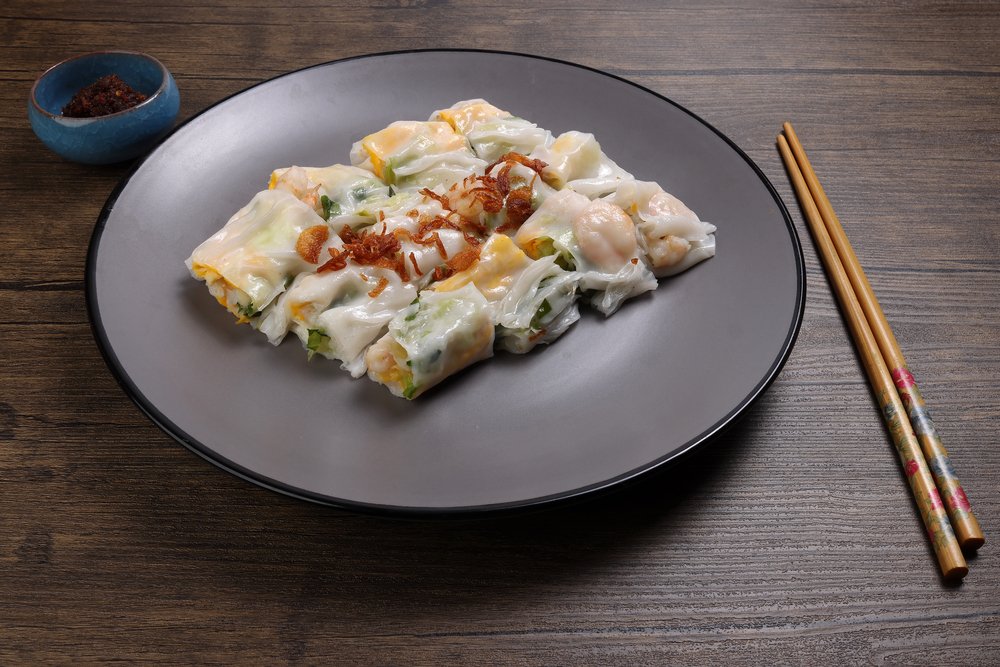
Hop Yik Tai in Sham Shui Po has lines out the door for their freshly made cheong fun, smooth rice noodle rolls topped with sweet, sesame, and soy sauces. These simple rolls cost around HK$20–30 and make for a light but satisfying meal.
The shop was recommended in the Michelin Guide, so you know it’s legit.
Malaysian Restaurants In Dragon Centre
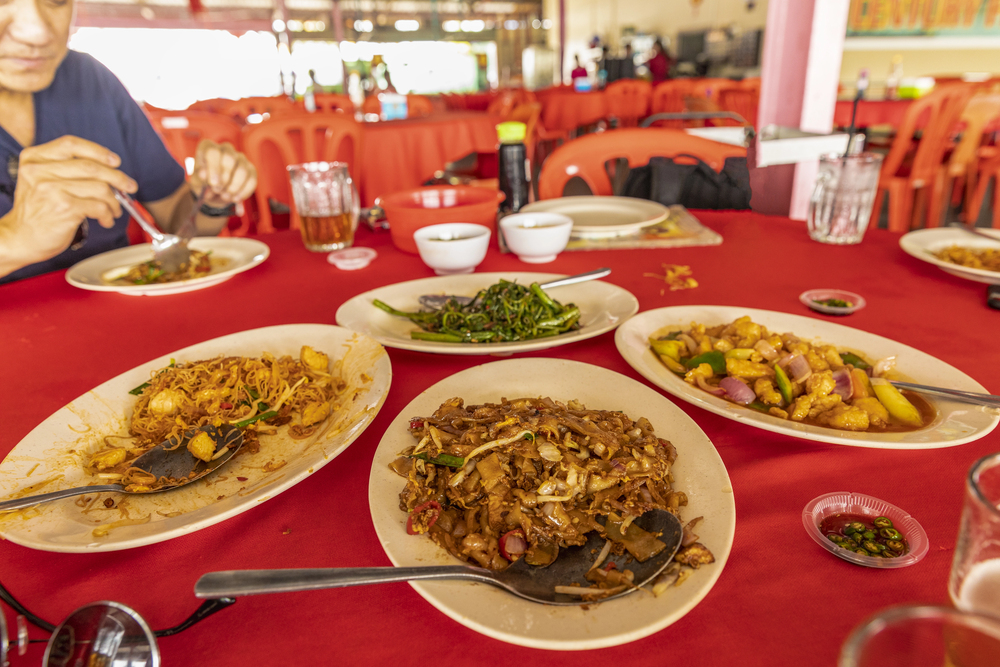
Affordable Malaysian restaurants like Kedai Kopi Semua Semua, which serves curries, satay, and noodle dishes for HK$50–80, are tucked away inside this enormous shopping center in Sham Shui Po. The food makes the journey worthwhile, even though the mall itself is a little overwhelming.
North Point And Kennedy Town
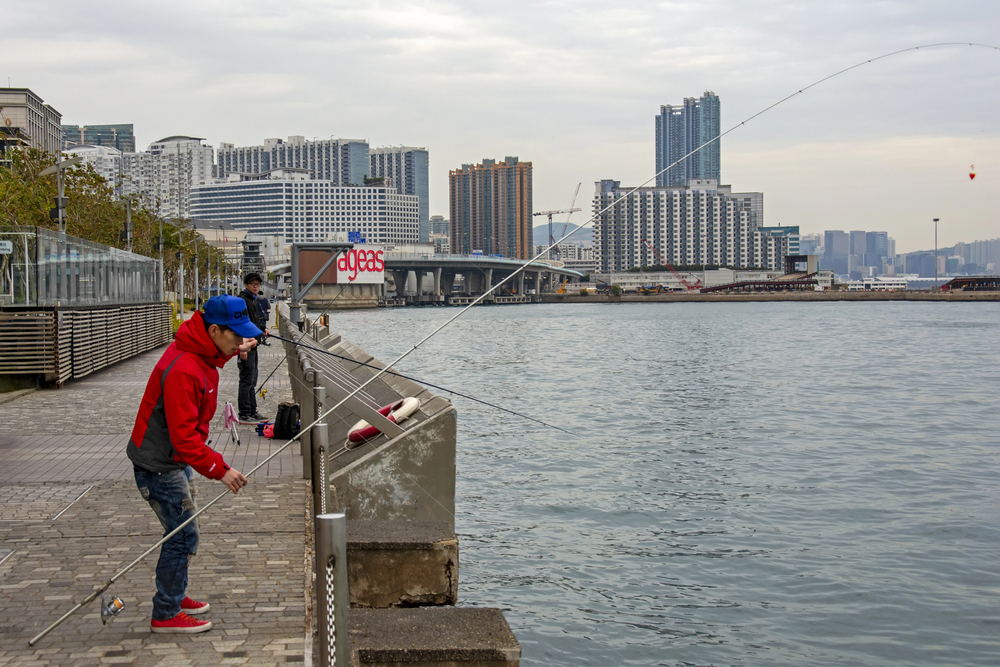
These neighborhoods on opposite ends of Hong Kong Island have concentrations of local eateries that tourists usually skip. That means better prices and more authentic food.
You’ll find everything from Vietnamese banh mi to traditional Cantonese snacks without the markup.
Put Chai Ko Dessert Stalls
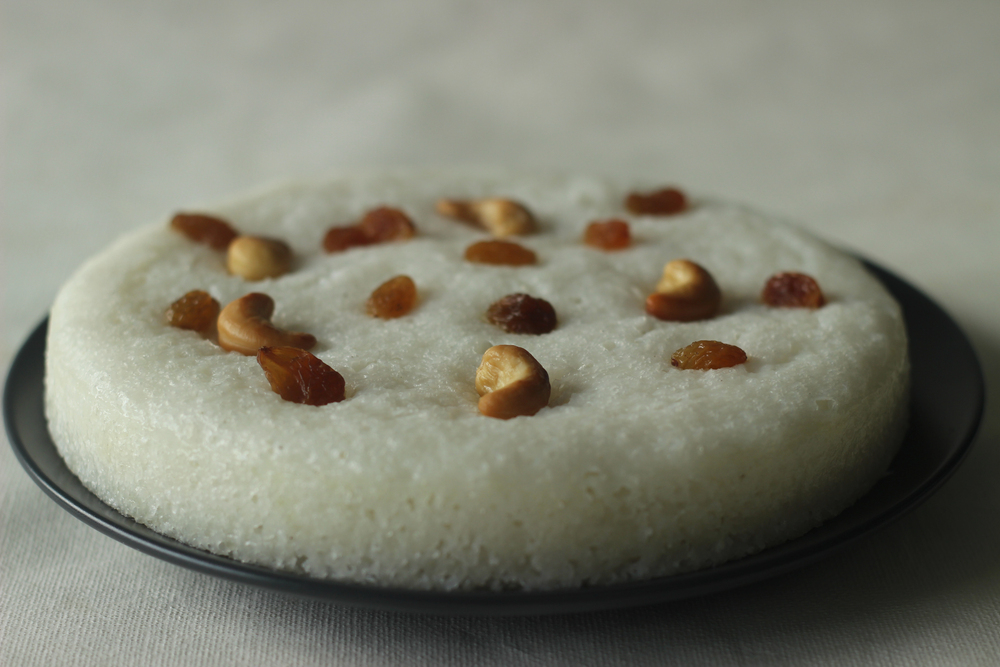
Kwan Kee Snack Store in Sham Shui Po sells these traditional steamed rice puddings for around HK$8 apiece. The texture is sticky and chewy, loaded with red beans or other sweet components.
It’s a traditional Hong Kong food that reminds people of their early years.
Self-Service Dim Sum Restaurants
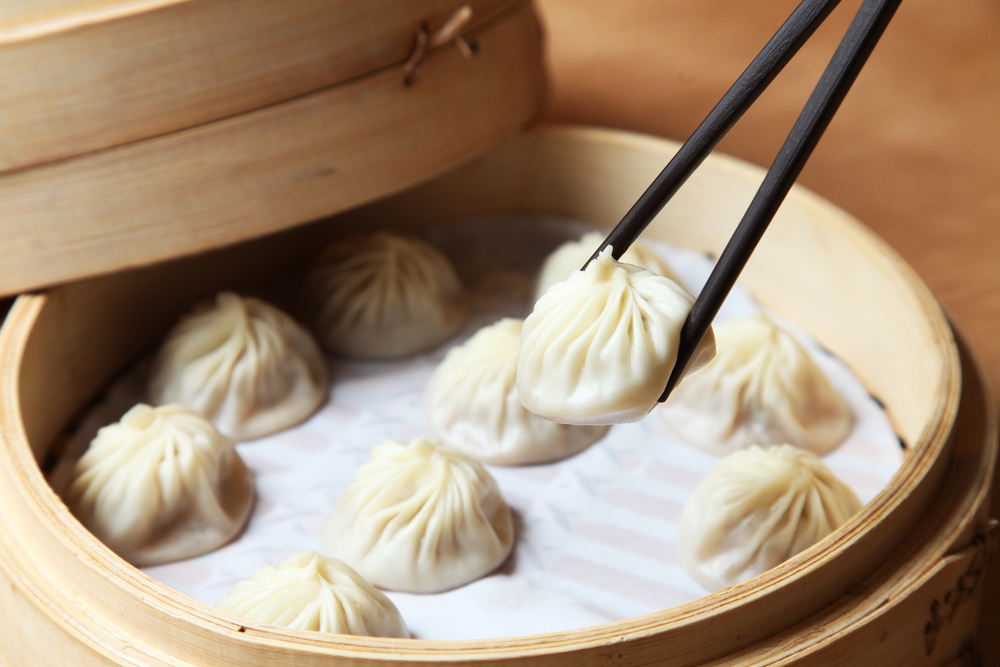
Businesses like Duen Kee Tea House on Tai Mo Shan use a grab-what-you-want approach whereby waiters wheel carts and you pick whatever appeals to you. You often fight with other guests for the newest baskets and clean your silverware.
The mayhem helps to keep prices cheap and makes the trip memorable.
Late-Night Food Centers
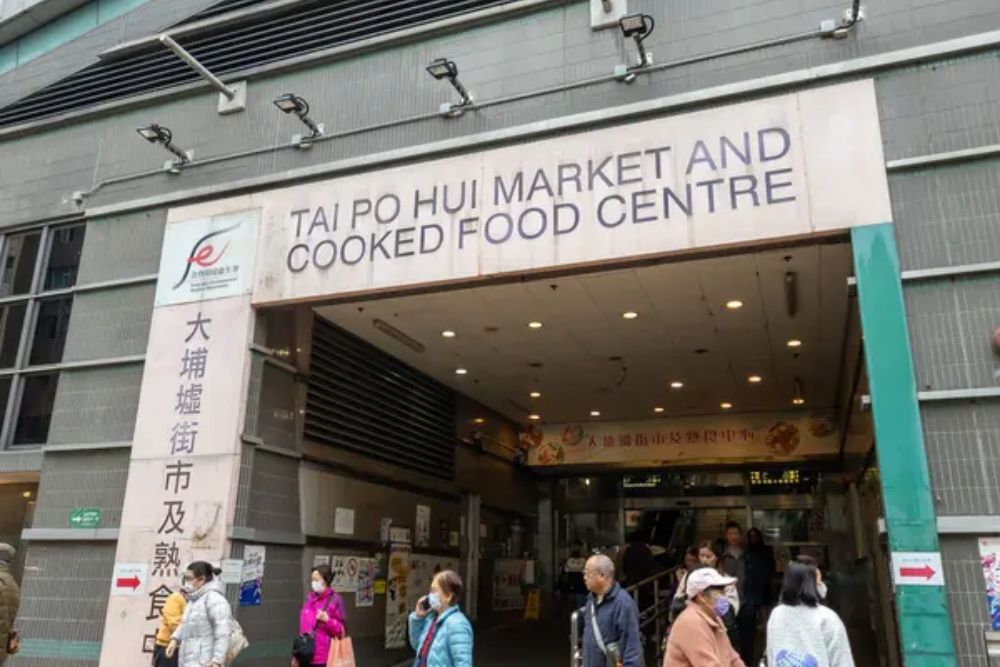
The cheapest meals can be found at some cooked food centers that remain open past midnight. Perfect for night owls or early birds, Sun Hing in Kennedy Town serves dim sum from 3 AM to 4 PM.
There are fewer people and occasionally slightly cheaper prices during off-peak hours.
Final Thoughts On Hong Kong’s Food Scene
Beyond the upscale eateries included in travel publications, Hong Kong boasts a thriving food scene. These neighborhood eateries, market stalls, and tiny bakeries are the beating heart of the city every day.
Because they offer honest cuisine at reasonable prices without requiring a second mortgage, these businesses have endured decades of rising rents and shifting consumer preferences. Remember that you’re eating the same things that contributed to the city’s well-known culinary reputation the next time you’re idly roaming Sham Shui Po or happen upon a cooked food business.
More from Travel Pug

- Underrated Italian Towns That Beat the Tourist Crowds
- Las Vegas Tourist Traps to Skip
- Prettiest Towns in Every US State
- 18 passport-free countries for Americans
- Signs Your Cruise Is Not Worth The Cost
Like Travel Pug’s content? Follow us on MSN.