

The Balkan region is often overlooked by travellers who flock to Western Europe’s more famous destinations. A unique blend of Ottoman history, Mediterranean coastlines, alpine mountains, and modern cities can be found in this group of nations nestled between the Adriatic and Black Seas.
When you travel to places like Albania, Bosnia and Herzegovina, Croatia, Montenegro, North Macedonia, Serbia, and Slovenia, you learn things that travel guides alone cannot. The lessons from this region go beyond typical travel tips.
Here is a list of 20 valuable lessons from traveling the Balkans.
Hospitality Isn’t A Tourism Strategy
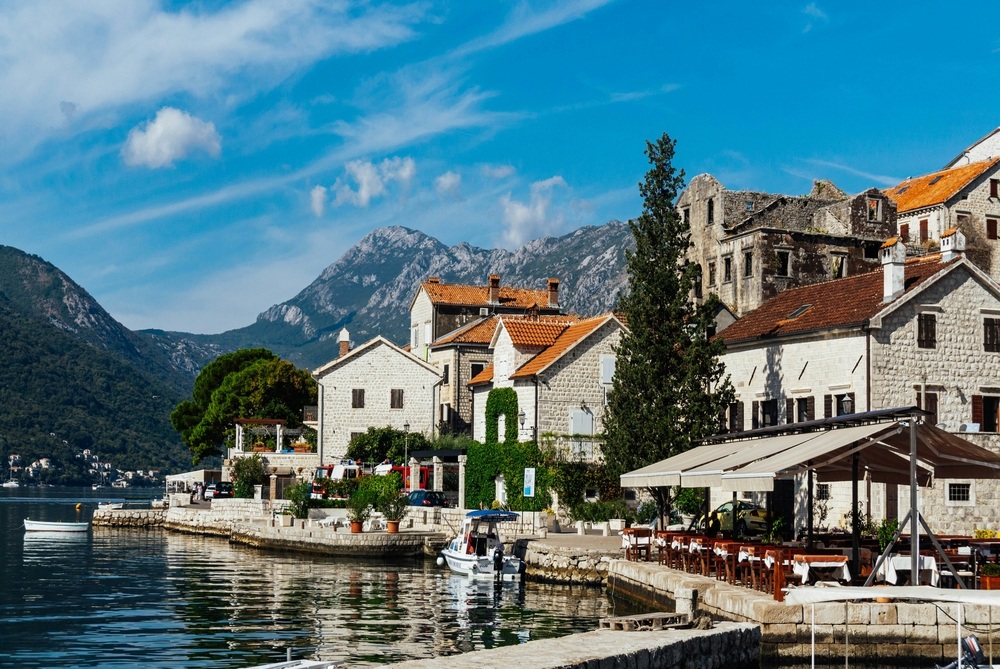
People in the Balkans greet visitors with a warmth that feels genuine rather than transactional. A person you met yesterday may invite you out for coffee, or a local might insist on driving you to your destination when you are clearly lost.
In many communities around the Balkans, where this ethic of treating visitors well is so deeply entrenched in the culture, this is just how things function; it is not part of any tourism campaign.
Budget Travel Doesn’t Mean Sacrificing Quality
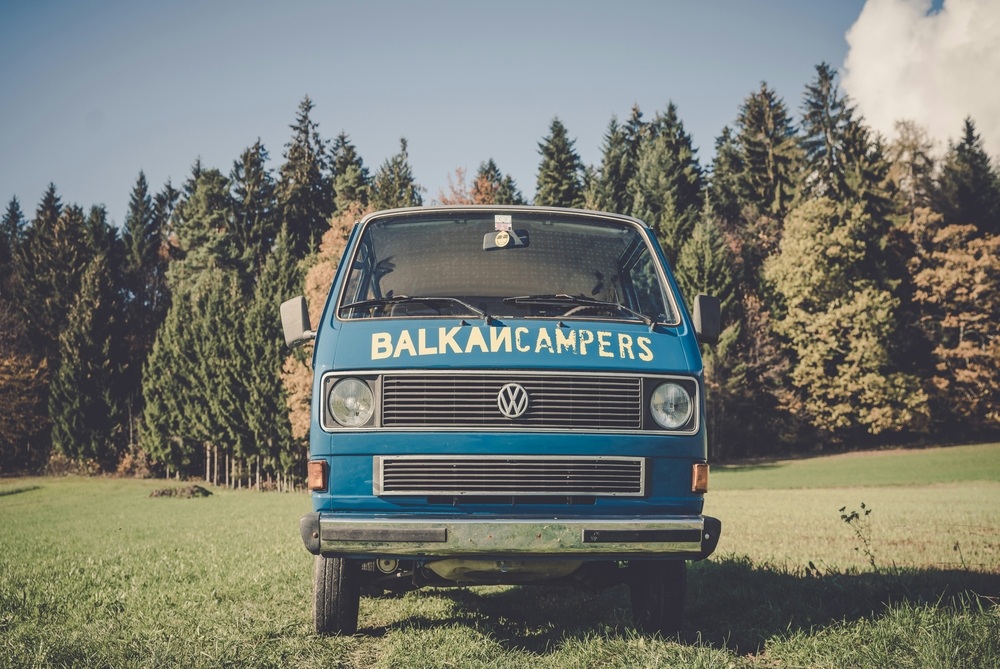
The Balkans demonstrate that inexpensive travel can still be enjoyable and unforgettable. You can travel between nations on buses without breaking the bank, eat delicious meals for less than ten dollars, and stay in respectable lodging for a fraction of the cost of Western Europe.
The region proves that you don’t need a luxury budget to experience great food, stunning scenery, and a rich history.
History Isn’t Ancient—It’s Recent
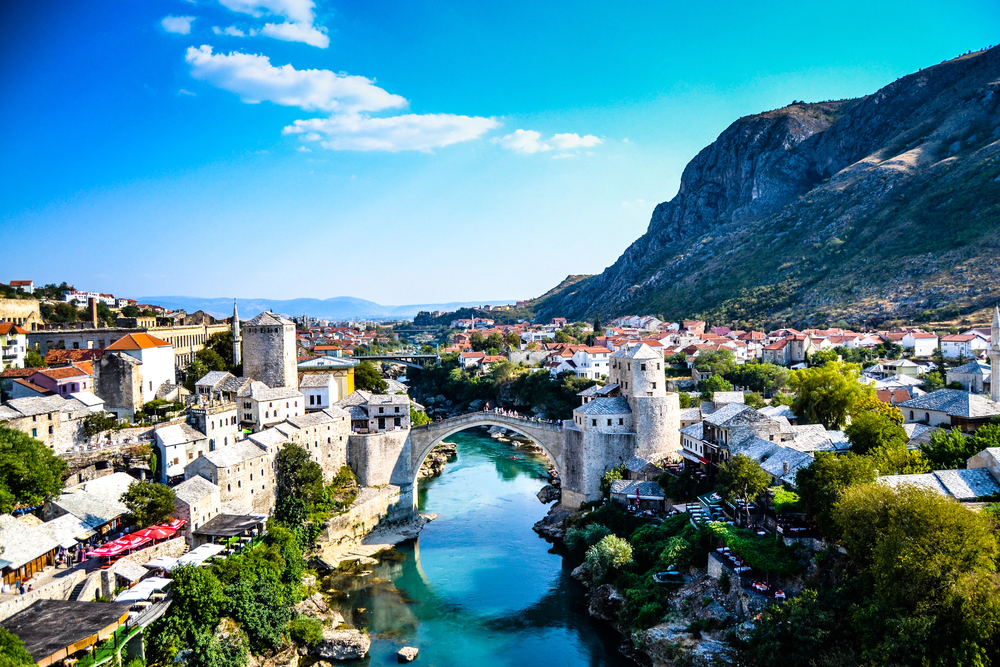
A stroll through Mostar or Sarajevo serves as a reminder that the conflict occurred here only a few decades ago, not centuries ago. Bullet damage is still visible in the buildings, and interviews with locals provide firsthand accounts of the conflicts of the 1990s.
This proximity to recent history makes everything feel more immediate and teaches you to approach the region with awareness rather than casual tourism.
Border Crossings Take Patience
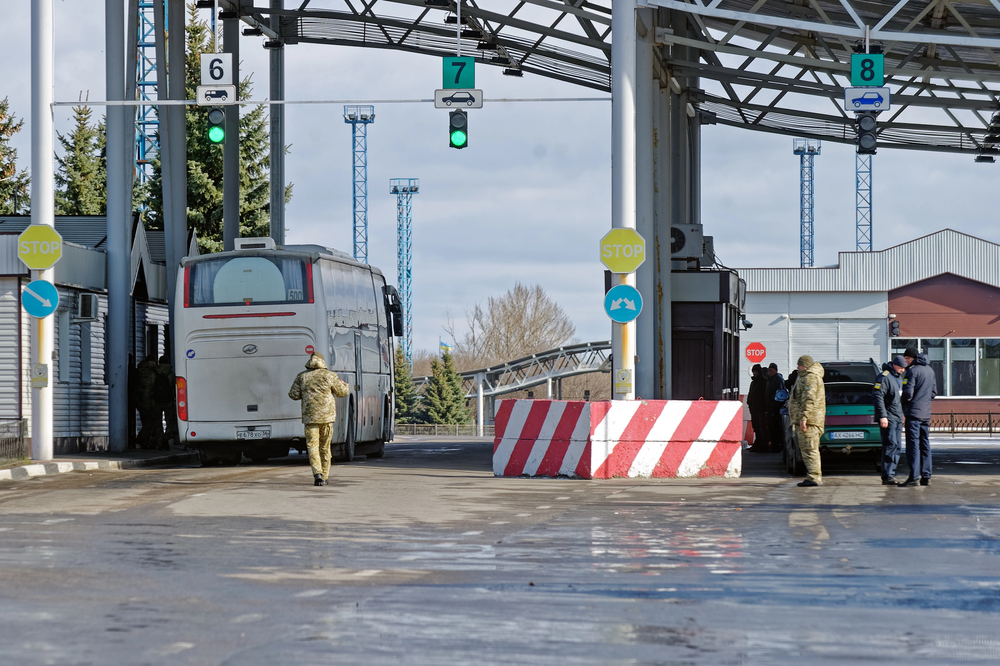
Traveling amongst the Balkan countries means dealing with borders that can always surprise one by slowing one down. You’ll come across checkpoints where guards take their time reviewing passports, despite the fact that some of those countries are part of the EU, while others are not.
The lesson here is very simple: build extra time into your travel schedule and don’t expect the seamless movement you’d find in the Schengen zone.
Cash Still Runs The Show

Credit cards work in major cities and tourist spots, but for much of the Balkans, cash is king. Small restaurants, local buses, markets, and family-run guesthouses often operate on a cash-only basis.
You’ll quickly learn to always have local currency on you and look for ATMs before you head to a smaller town.
Public Transportation Connects Everything
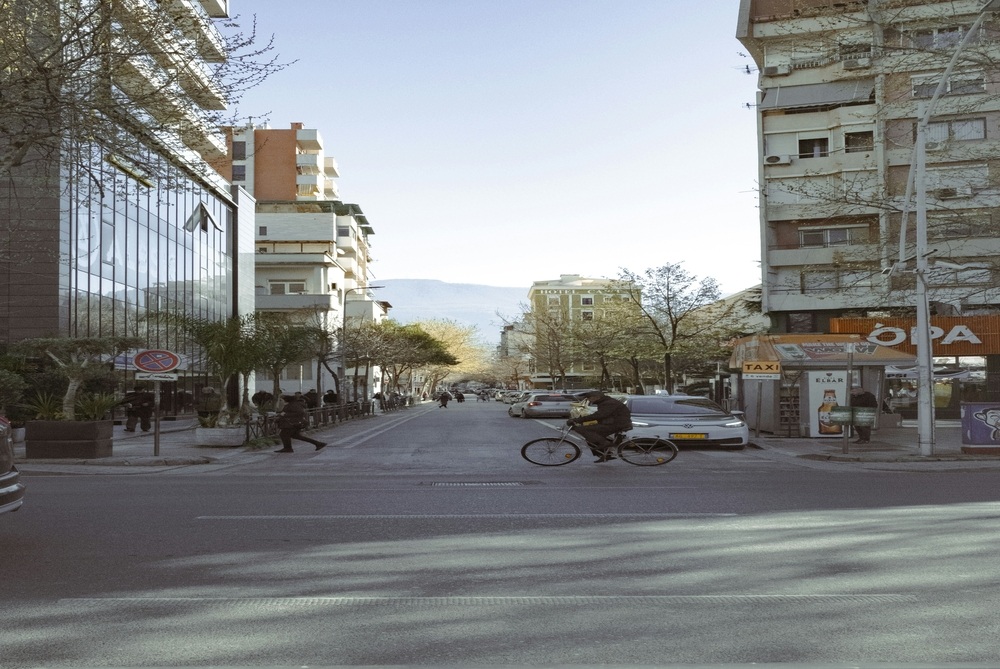
Buses link virtually every corner of the Balkans, creating an extensive network that’s cheap and surprisingly reliable. While the buses might not always be luxurious, they get you where you need to go and offer windows into local life as you share space with commuters and travelers.
Train options exist, too, though they’re often slower and less frequent than buses.
Food Varies Wildly Across Short Distances
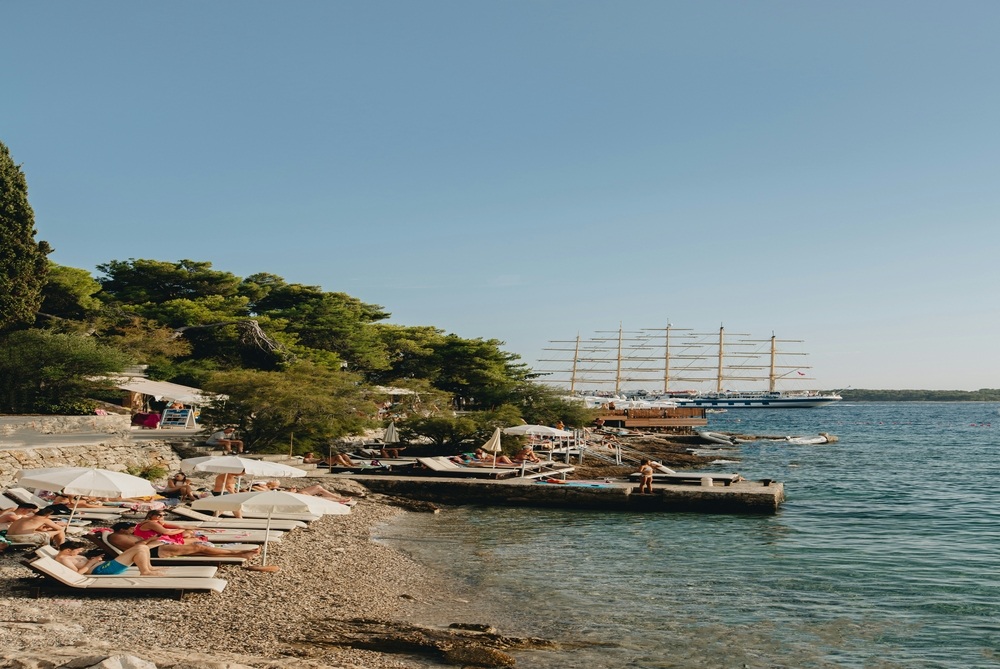
Drive a few hours in any direction and the cuisine shifts noticeably—from Italian-influenced dishes along the Croatian coast to Turkish-style grilled meats in the southeast. The Balkans sit at a crossroads where Mediterranean, Central European, and Middle Eastern food traditions overlap and mix.
You’ll taste this diversity in everything from pastries to main courses, with each country adding its own twist to similar dishes.
Tourist Crowds Thin Out Quickly
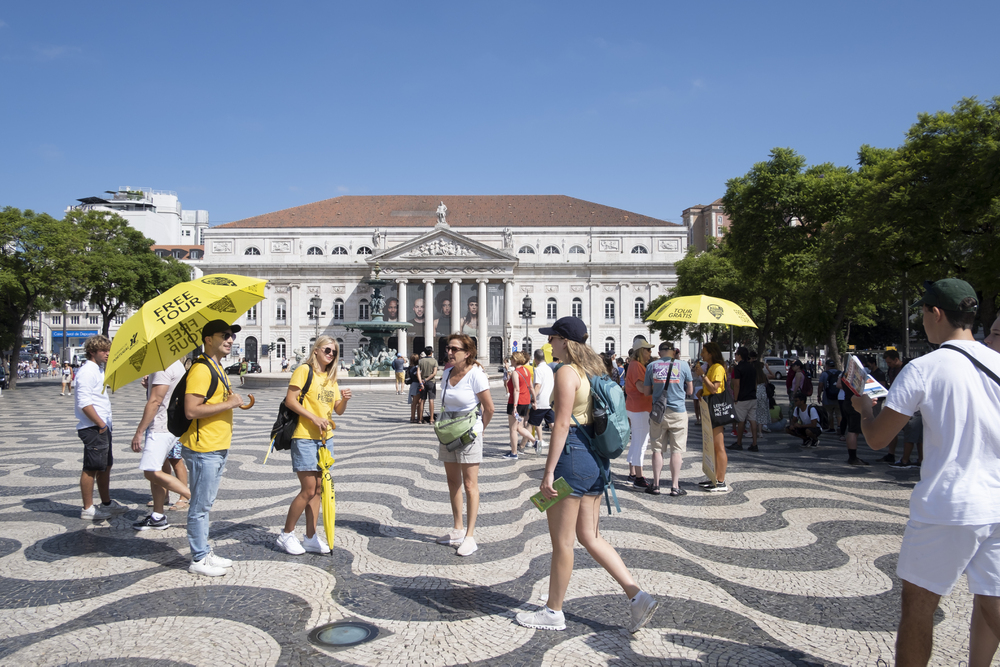
Major attractions like Dubrovnik’s old town or Plitvice Lakes get packed, but venture slightly off the main routes, and you’ll have places nearly to yourself. Hidden monasteries, mountain villages, and coastal towns, just a few miles from famous spots, see a fraction of the visitors.
The region rewards those who explore beyond the Instagram hotspots.
English Works, But Learning The Basics Helps

Younger people in cities often speak decent English, especially in tourism areas, but older generations and folks in rural areas might not. Learning basic phrases in the local language—greetings, thank you, numbers—goes a long way in showing respect and often opens doors to friendlier interactions.
Plus, language shifts between countries, so ‘hello’ in Croatian differs from ‘hello’ in Albanian.
Nature Rivals Anything In Western Europe
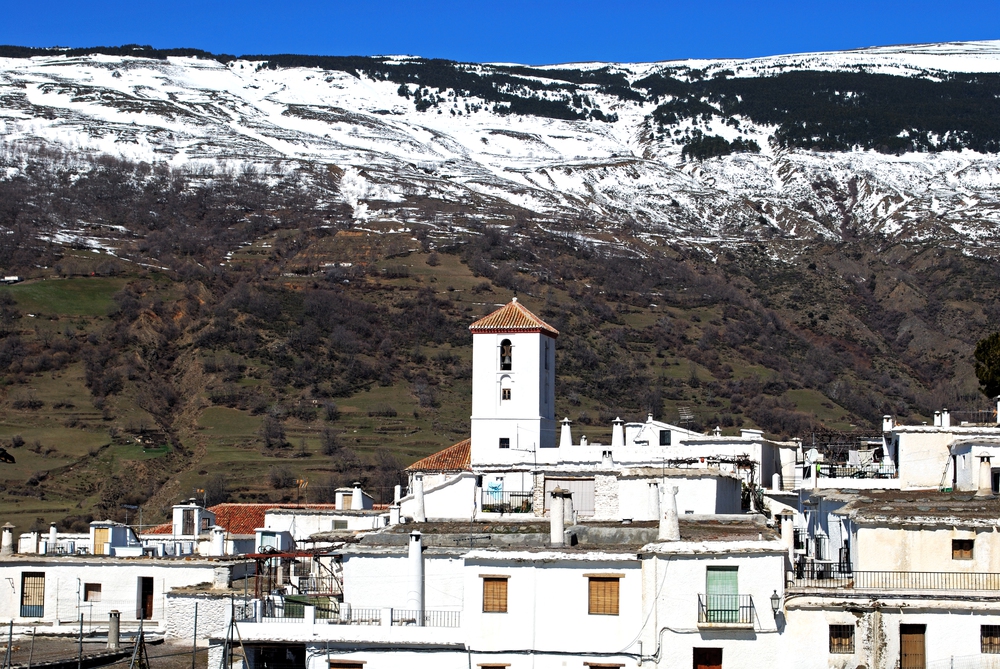
The Balkans pack incredible natural diversity into a relatively small space. You can swim in the Adriatic one day and hike alpine trails the next, explore limestone canyons, or wander through pristine national parks.
Places like Durmitor National Park in Montenegro or the Albanian Alps offer scenery that matches or exceeds famous Western European destinations, minus the crowds and inflated prices.
Infrastructure Has Quirks
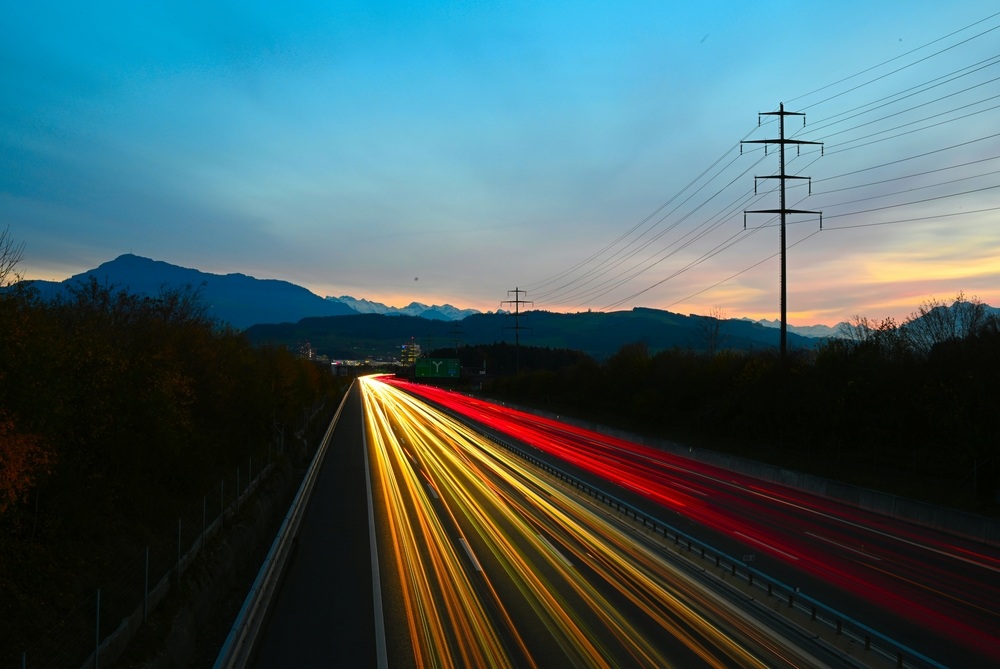
Roads range from modern highways to narrow mountain passages that test your nerves. WiFi might be blazing fast in one café and nonexistent next door.
Hotels can be surprisingly modern or charmingly outdated. These inconsistencies teach you to stay flexible and not expect uniform standards across the region.
Every Country Has Its Own Story
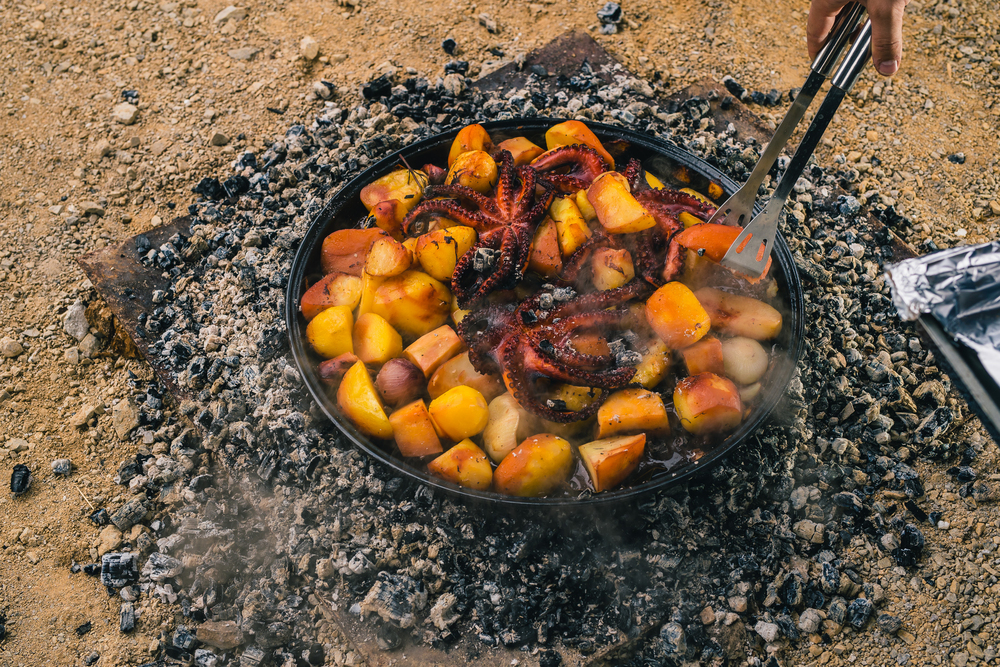
It’s tempting to lump the Balkans into one category, but each country maintains distinct characteristics. Slovenia feels almost Alpine and orderly, while Albania has a wilder, more unpredictable energy.
Serbia’s cities pulse with nightlife and cultural offerings, whereas Montenegro focuses on coastal beauty and mountain adventures. Understanding these differences makes your travels richer.
Coffee Culture Is Serious Business
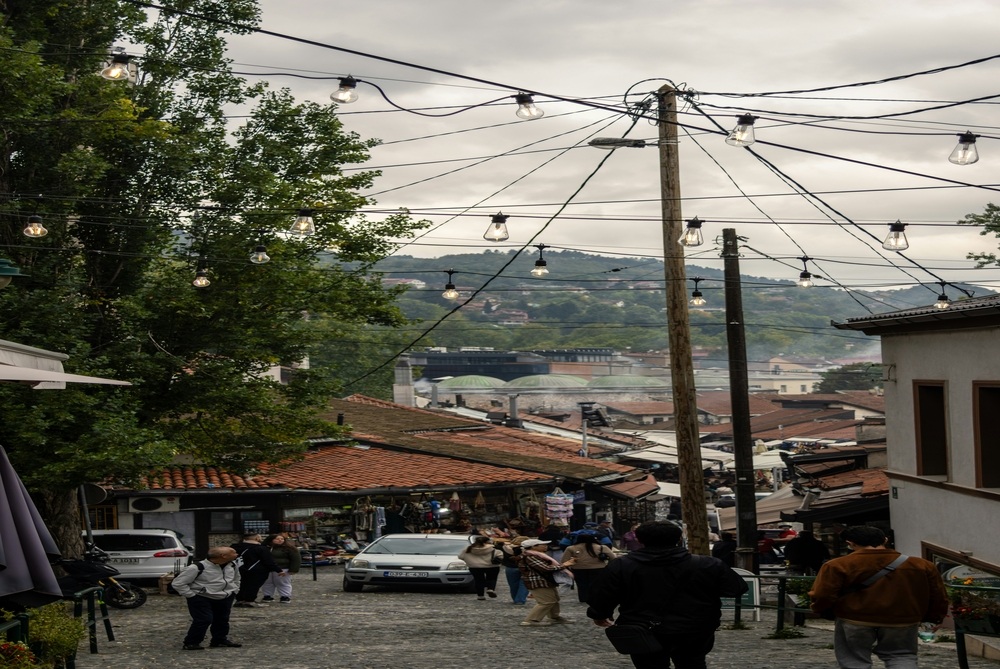
Sitting down for coffee in the Balkans isn’t a quick caffeine hit—it’s a social ritual that can last hours. Whether it’s a tiny cup of Turkish coffee or an espresso, locals take their time with it, using coffee as an excuse to connect and chat.
Rushing through your drink marks you as an outsider who doesn’t understand that coffee time is people time.
Beaches Don’t Have To Be Tropical
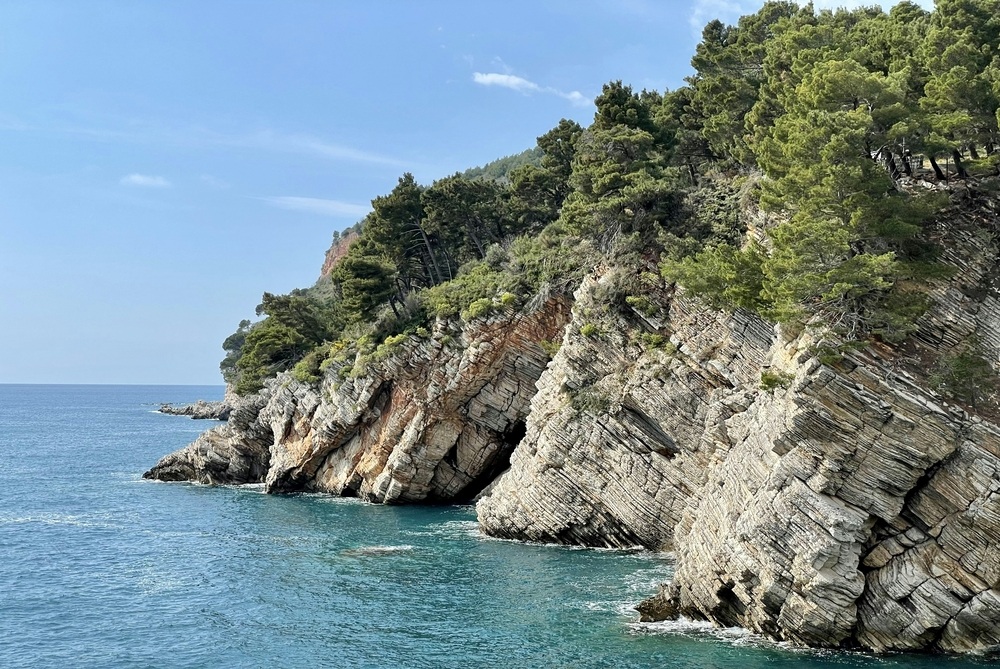
The Adriatic coastline delivers beach experiences that rival Mediterranean hotspots but often cost less and feel less commercialized. Crystal-clear water, pebble beaches, and dramatic backdrops of mountains meeting the sea create settings that surprise people expecting the Balkans to be all landlocked and mountainous.
Croatia and Montenegro offer particularly stunning coastal stretches.
Timing Matters For The Experience
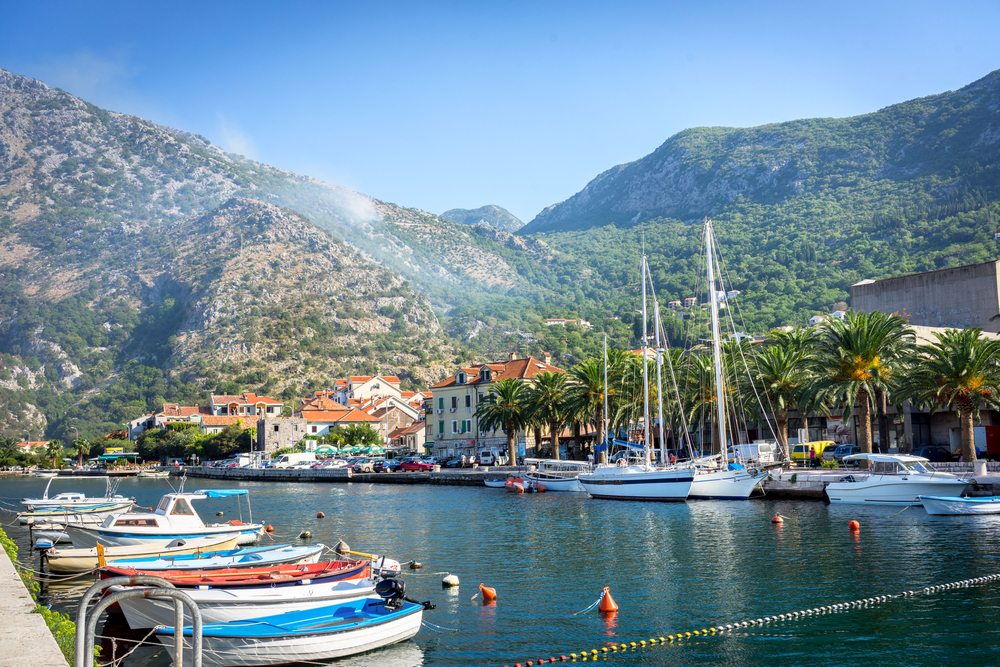
Visit in peak summer, and you’ll fight crowds at major attractions while dealing with heat and higher prices. Spring and fall offer better conditions—pleasant weather, fewer tourists, and more authentic interactions with locals who aren’t overwhelmed by visitors.
Winter works well for skiing in places like Bosnia or experiencing cities in a quieter, more local atmosphere.
Safety Fears Are Mostly Overblown
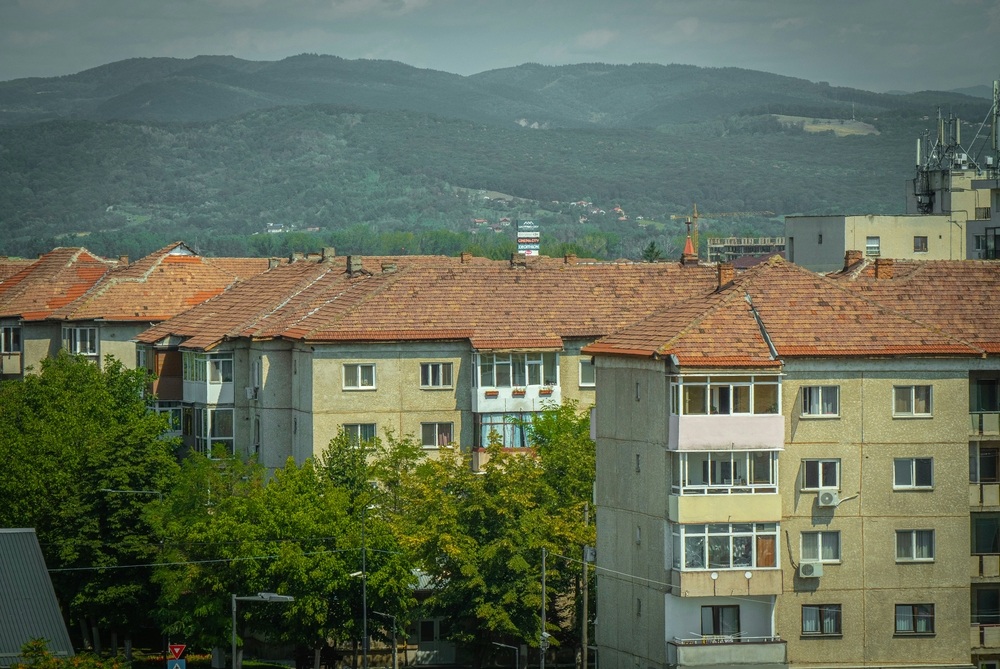
Due to general misconceptions or recollections of the conflicts of the 1990s, people frequently approach the Balkans with antiquated worries about safety. The reality is that most of the region feels as safe as anywhere in Europe, with low crime rates and locals who look out for visitors.
Although common sense is applicable, the experience does not align with the fearful reputation.
Local Markets Beat Supermarkets
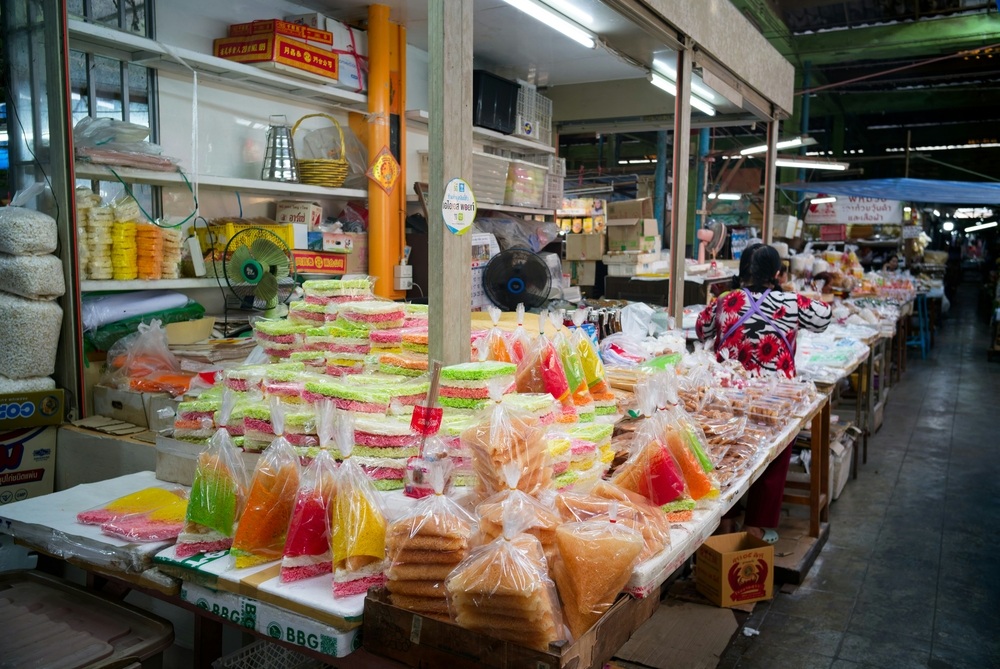
Fresh produce, homemade cheeses, cured meats, and baked goods at local markets not only taste better but also cost less than supermarket equivalents. Markets also give you chances to interact with vendors, practice language skills, and see what locals actually eat rather than what restaurants serve tourists.
You’ll find markets in virtually every town, usually operating in the mornings.
Slow Travel Works Better Here
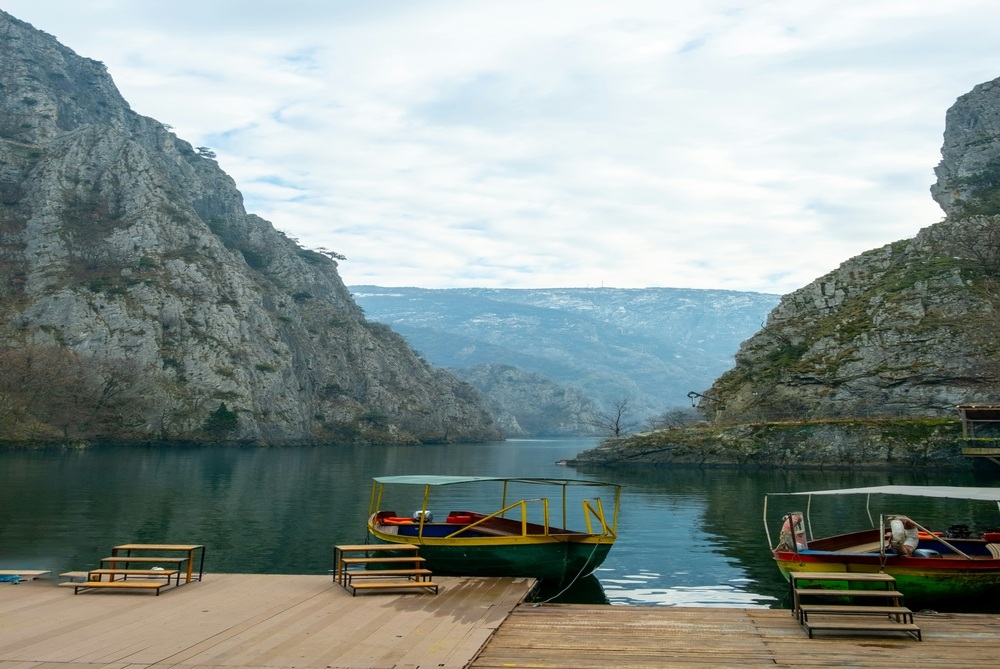
Trying to hit every country in 10 days leaves you exhausted, barely scratching the surface. The Balkans reward travelers who settle into places for a few days, wander without strict itineraries, and let conversations and unexpected discoveries shape their experience.
Rushing through defeats the purpose when so much value comes from the slower, in-between moments.
Accommodation Hosts Share Insider Knowledge

Small hotels and family-run guesthouses frequently have hosts who sincerely want to make your stay enjoyable. They’ll recommend restaurants where locals eat, suggest hiking trails that aren’t in guidebooks, and warn you about tourist traps to avoid.
Online reviews are not nearly as valuable as this local knowledge.
Western Assumptions Don’t Always Apply
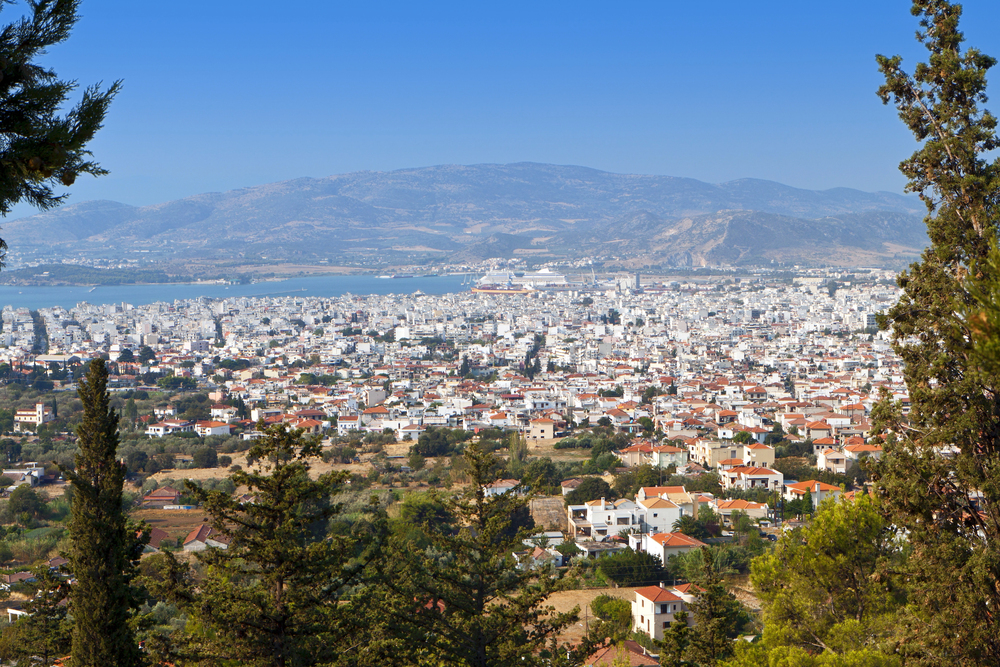
The Balkans operate on different rhythms and systems than Western Europe or North America. Shops might close for midday breaks, bureaucracy can be stubborn, and services don’t always run on tight schedules.
Fighting these differences creates frustration, while accepting them as part of the experience makes travel smoother and more enjoyable.
Connections Matter More Than Sights
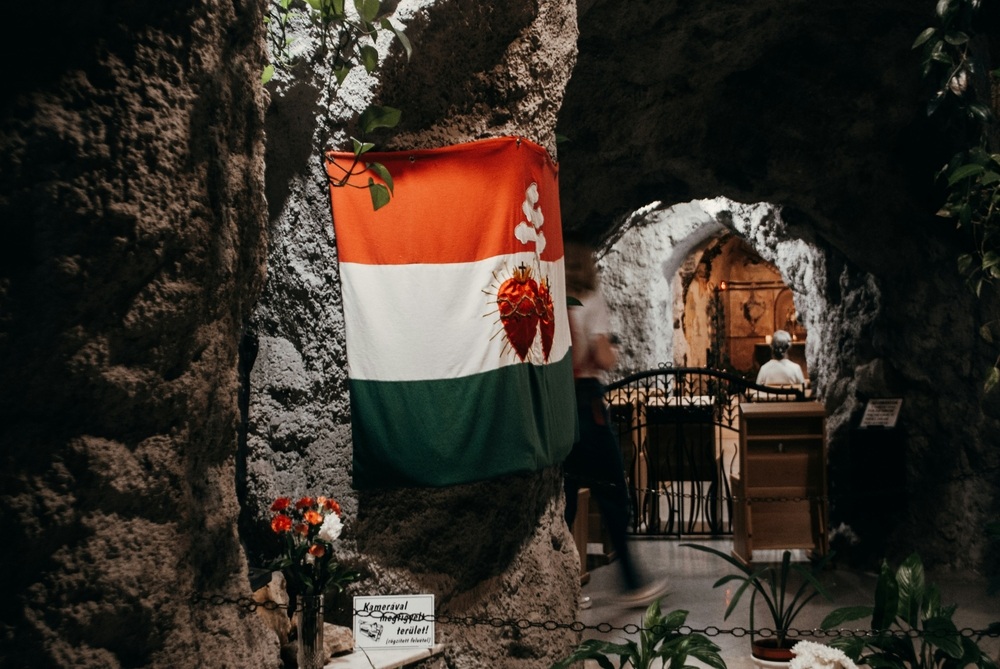
The most memorable aspects of traveling through the Balkans are frequently not the well-known sites but rather the chance encounters, meals shared, and unexpected generosity from strangers. Photos of castles or beaches are not as memorable as human moments like a grandmother teaching you how to make burek, a hostel owner driving you to catch your bus, or locals inviting you to join their celebration.
Travel is about people, not just places, as the region teaches.
More from Travel Pug

- Underrated Italian Towns That Beat the Tourist Crowds
- Las Vegas Tourist Traps to Skip
- Prettiest Towns in Every US State
- 18 passport-free countries for Americans
- Signs Your Cruise Is Not Worth The Cost
Like Travel Pug’s content? Follow us on MSN.