

Bangkok is one of those rare cities where $20 actually means something. That same amount barely covers a mediocre lunch in most U.S. cities, yet here it stretches across a full day of eating, exploring, and even a bit of pampering.
The baht-to-dollar exchange rate has long worked in visitors’ favor, and local prices — especially once you step away from the tourist-heavy zones — remain genuinely affordable in 2026.
That said, Bangkok isn’t uniformly cheap. Stick to the right spots and your $20 goes the distance; wander into Sukhumvit rooftop bars and it’s gone before the second round.
Here is a list of 15 things that $20 can buy you in Bangkok, from street food classics to cultural experiences worth every baht.
A full street food feast

Street food in Bangkok isn’t a budget compromise — it’s how most locals actually prefer to eat. With $20 (roughly 680 baht), you could work your way through pad thai, boat noodles, grilled pork skewers, mango sticky rice, and a few rounds of Thai iced tea with ease.
Individual dishes at neighborhood stalls typically run 40 to 80 baht each, so $20 buys a proper spread rather than a single plate.
Mango sticky rice from a night market
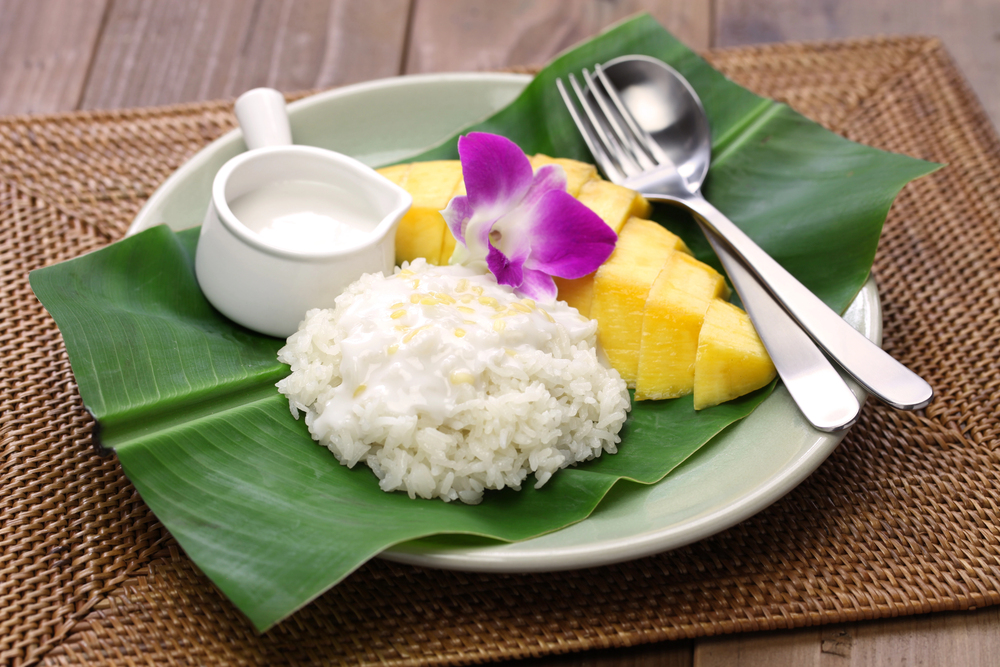
Mango sticky rice sounds simple, though it hits differently once you’ve tried it in Bangkok. Ripe Nam Dok Mai mango, glutinous rice, and sweetened coconut cream — it’s been a staple of street markets here for generations.
A good portion from a reputable stall runs 50 to 80 baht, which means $20 could technically feed a small group of people. You probably won’t want to share, but the math is there.
An hour-long traditional Thai massage
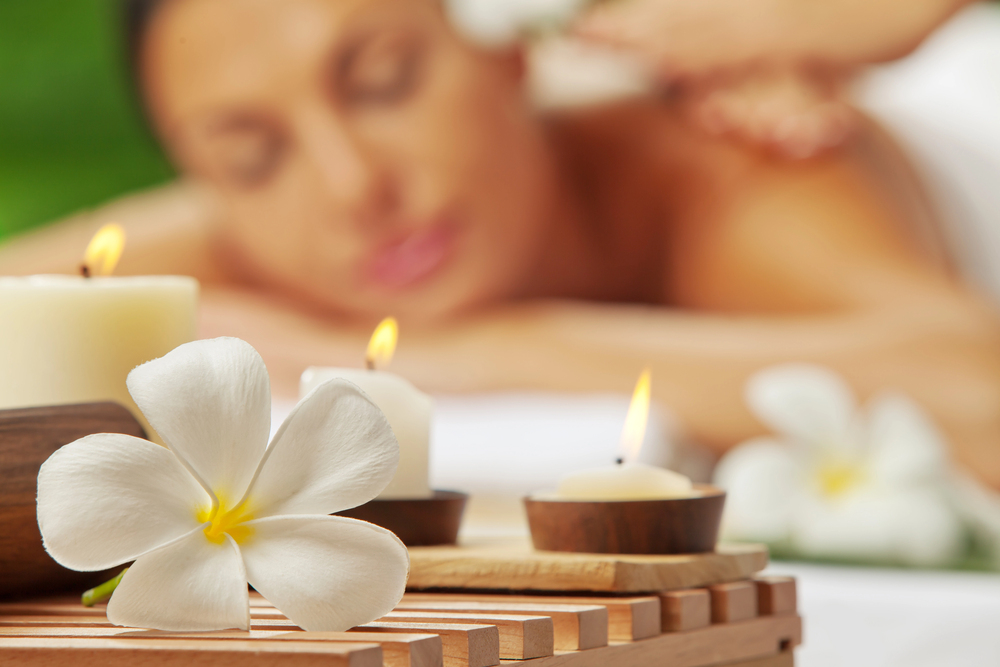
Local massage shops throughout the city offer one-hour sessions for 200 to 300 baht ($6 to $9) — putting a full treatment well within your $20 budget, with change left over. The practice, known as Nuad Thai, combines deep pressure with assisted stretching and works along the body’s sen energy lines; you stay fully clothed the whole time.
UNESCO added Nuad Thai to its Intangible Cultural Heritage list in 2019, so it’s not just a tourist thing — it’s the real deal.
Entry to Wat Pho temple

Wat Pho is among Bangkok’s oldest and most significant temple complexes, home to a 46-meter Reclining Buddha draped in gold leaf. Entry costs 200 baht (about $6) — well within a $20 day — and the grounds hold over 1,000 Buddha images alongside detailed stone inscriptions that once served as a public repository of traditional knowledge.
It’s also where King Rama III formalized the teaching of traditional Thai massage in the 19th century, establishing what many consider Thailand’s first university.
Elephant pants from Chatuchak Market
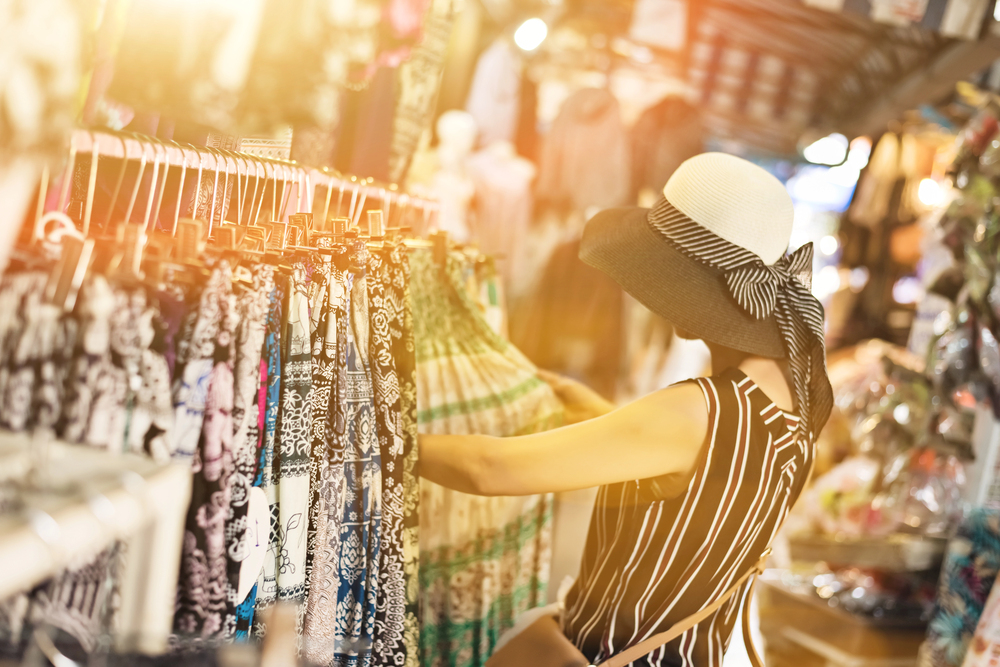
Elephant pants — the wide-leg, patterned trousers you’ll spot at every temple entrance and beach town in the country — are a genuinely practical thing to buy here. They’re light, breathable, and widely available at Chatuchak Weekend Market and street stalls for 100 to 200 baht a pair.
At that price, $20 covers two or three pairs, and unlike most things people bring back from trips, these actually get worn again.
A Thai silk scarf

Thai silk is one of the country’s most celebrated craft exports, though you don’t need to spend big to bring a piece home. Lightweight silk and silk-blend scarves turn up at markets like Chatuchak and MBK Center for a few hundred baht — often under 400 baht for something genuinely beautiful.
They pack flat, hold up well over time, and make far better gifts than the usual souvenir shop finds.
A sarong or multipurpose wrap
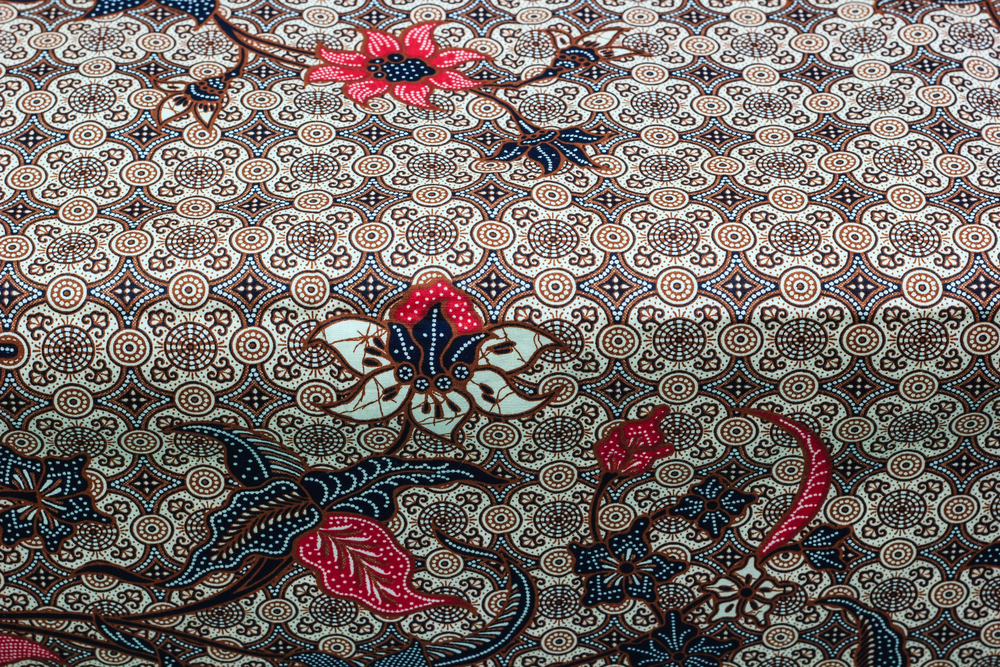
Bangkok market stalls sell sarongs in an almost dizzying range of patterns — batik prints, elephant motifs, watercolor florals — and they’re affordable enough that picking up two or three makes sense. Quality pieces typically cost 100 to 200 baht at street markets.
Beyond beach use, they work as lightweight travel blankets, temple cover-ups when you’ve forgotten to dress appropriately, and makeshift picnic blankets; few things earn their place in a bag as reliably.
Several jars of Thai herbal remedies

Thailand has a long-standing tradition of herbal medicine, and many of those remedies are still sold cheaply in markets and pharmacies today. A Poy Sian inhaler — used for dizziness, congestion, and the particular misery of long-haul transit — costs just 20 to 40 baht.
A jar of White Monkey Holding Peach Balm, which functions much like Tiger Balm but with its own distinct formula, runs about 100 to 300 baht. For $20, you can stock up on several products and still have baht left over.
A bag of tropical fresh-cut fruit
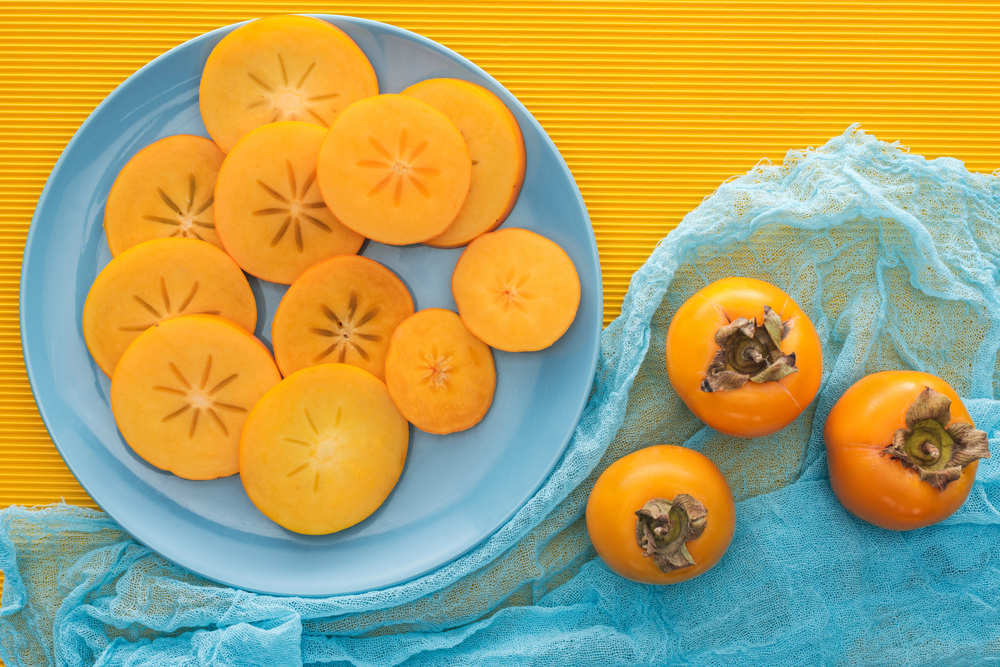
Street vendors and supermarkets throughout Bangkok sell bags of fresh-cut mango, pineapple, papaya, watermelon, and guava for around 20 to 40 baht each. That’s roughly a dollar a bag.
The portions are generous, the fruit is genuinely ripe, and it’s one of the most effortless ways to eat well in the city. Twenty dollars could keep you in fresh fruit for most of a week if you were so inclined.
A BTS Skytrain day’s worth of rides
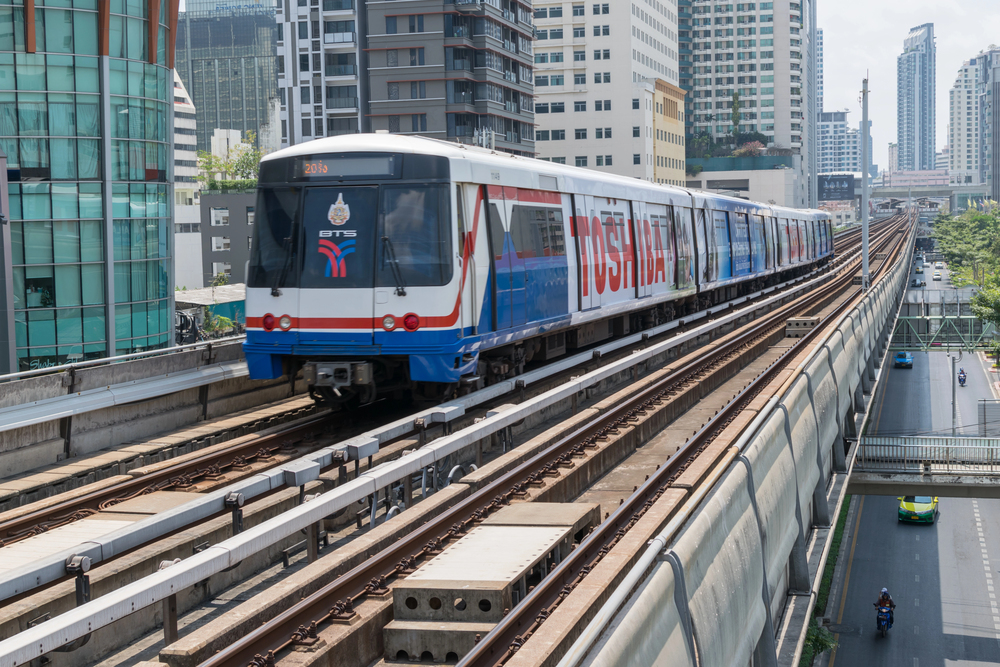
Bangkok’s BTS Skytrain connects a wide stretch of the city, with fares starting at around 17 baht and scaling up by distance. A typical cross-city journey across several stops runs 30 to 60 baht.
With $20, you’re looking at 10 to 15 individual trips — enough to cover a full day of movement, from riverside temples in the morning through Chatuchak in the afternoon to a dinner somewhere along the Silom Line.
Dried mango and Thai snacks to fill a suitcase
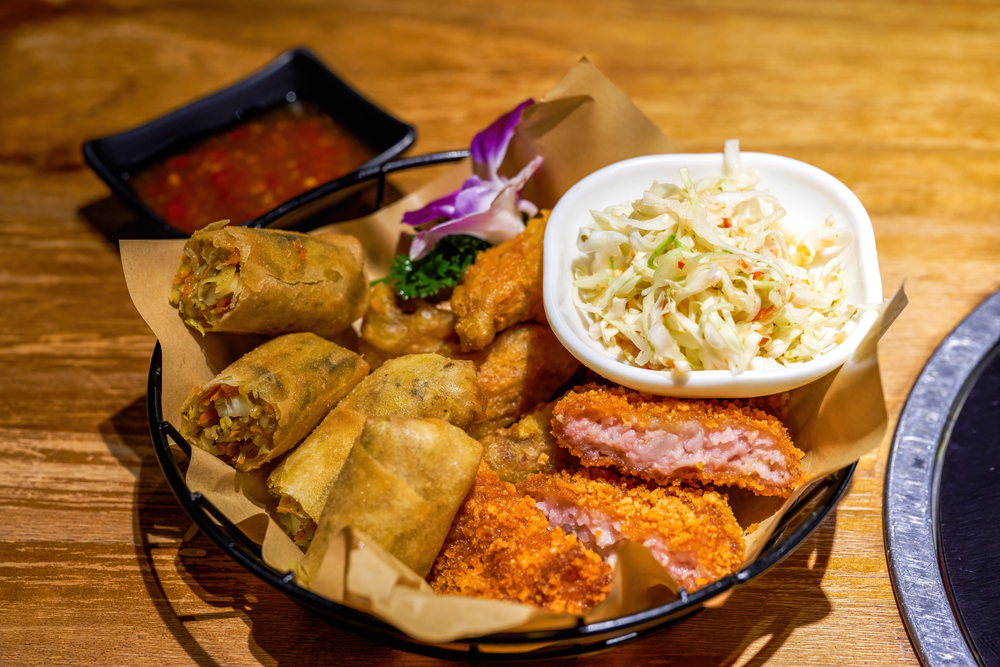
Thai dried mango has something of a cult following among travelers who’ve tried it, and the reason is straightforward: it’s softer, more tart, and more intensely flavored than the packaged versions sold abroad. Resealable bags of dried mango, banana chips, and tamarind candy run well under 100 baht each at Chatuchak and Sampeng Lane Market.
A $20 budget loads you up on several bags, all of which travel well enough to survive the journey home intact.
Thai tea and instant coffee mixes

The flavor of Thai iced tea is genuinely difficult to recreate outside the country — strong spiced black tea over ice, finished with sweetened condensed milk — yet the mix itself is widely available in supermarkets and markets for just a few dozen baht per packet. Local instant coffee blends are similarly cheap and worth picking up.
With $20, you can bring home enough to keep the ritual going for months, which is a better use of luggage space than most alternatives.
Handmade soaps and spa products
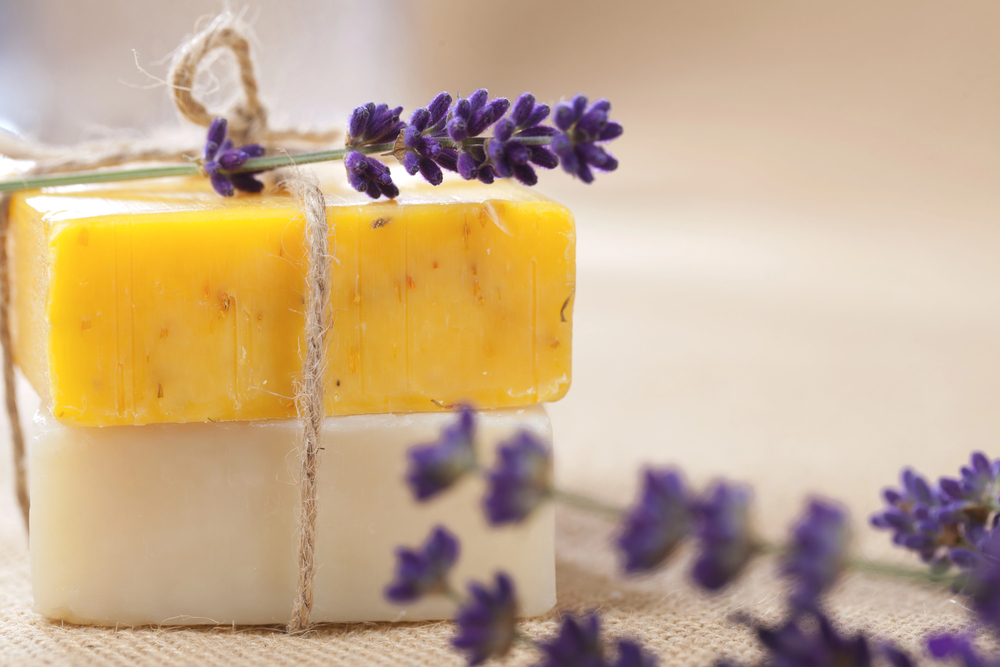
Thailand’s wellness culture has produced a robust market for affordable artisan goods: handmade soaps, coconut oil scrubs, lemongrass candles, herbal compress balls used in traditional massage treatments. These turn up at night markets and independent health shops, with most individual items priced between 100 and 400 baht.
For $20, it’s possible to put together a solid little collection — and unlike a lot of travel purchases, these actually get used.
Curry pastes and Thai spices
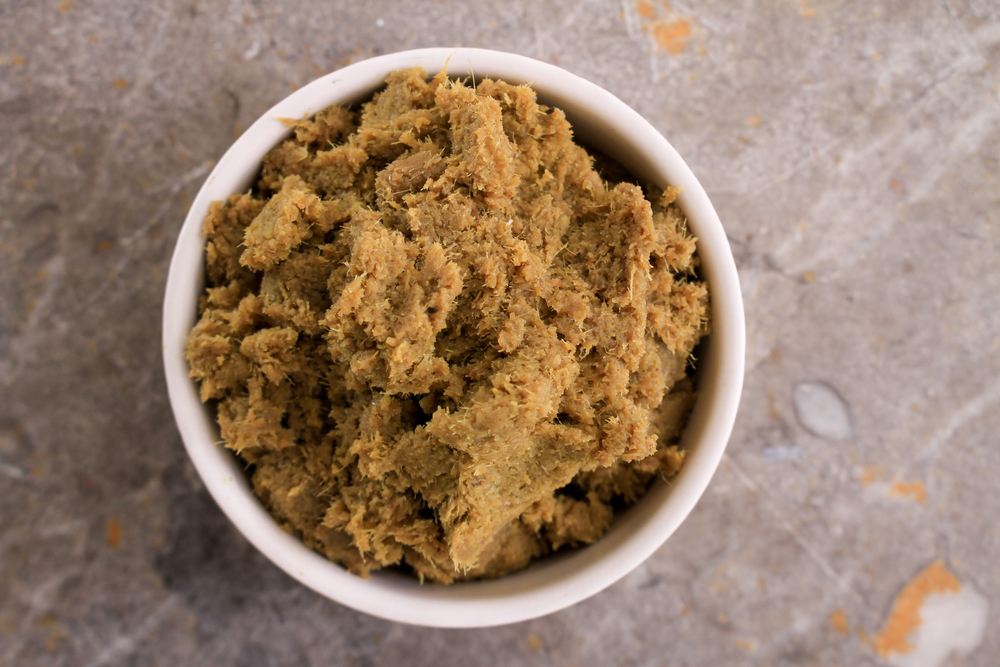
Vacuum-sealed pouches of authentic Thai curry paste sell for 50 to 100 baht at markets and supermarkets, and the quality easily outpaces most of what lines the ‘international foods’ aisle back home. Green curry, massaman, and pad kra pao are among the most sought-after picks.
Throw in a small pack of dried galangal or lemongrass powder and you’re looking at a genuinely useful edible souvenir — one that improves weeknight cooking for months after the trip ends.
A boat taxi ride on the Chao Phraya River

The Chao Phraya Express Boat is Bangkok’s oldest commuter route, running up and down the river with fares of just 15 to 30 baht per trip depending on the line. For $20, the river is yours for the day — multiple rides past the Grand Palace, Wat Arun, and the kind of working riverside neighborhoods that don’t show up on any tourist map.
It’s one of the most cinematic ways to move through Bangkok, and it costs roughly the same as a bag of airport snacks in the U.S.
Bangkok, still worth every baht

Bangkok has shifted considerably over the decades — malls have multiplied, Michelin-starred restaurants have taken root, and certain neighborhoods have gotten noticeably pricier. Yet the fundamentals that built the city’s reputation among budget travelers remain intact.
The street food is still exceptional, the massage culture runs deep, and the markets are still stocked with things genuinely worth buying at prices that hold up. Twenty dollars won’t unlock everything Bangkok has to offer, but it gets you further here than almost anywhere else on the planet.
More from Travel Pug

- Underrated Italian Towns That Beat the Tourist Crowds
- Las Vegas Tourist Traps to Skip
- Prettiest Towns in Every US State
- 18 passport-free countries for Americans
- Signs Your Cruise Is Not Worth The Cost
Like Travel Pug’s content? Follow us on MSN.