

Summer travel in most people’s minds runs a familiar circuit: beach, city break, music festival, theme park. These are fine.
They are also crowded, expensive, and increasingly identical. Meanwhile, one of the most reliably spectacular natural events on the calendar happens every August over the head of anyone willing to drive far enough from town to see it, and most people miss it entirely because nothing about it requires a booking fee or a branded wristband.
A meteor shower trip asks very little of you and returns something most summer itineraries cannot: the specific feeling of being genuinely small.
The Perseids peak each year around August 12 to 13, and in 2026 the timing falls almost exactly on a new moon — meaning darker skies and better viewing than most years provide. The Geminids follow in December with rates that can exceed 120 meteors per hour.
Both are free. Both are annual.
Both reward anyone willing to plan around them. What follows is a case for why a meteor shower trip belongs higher on the list.
You Do Not Need Any Equipment
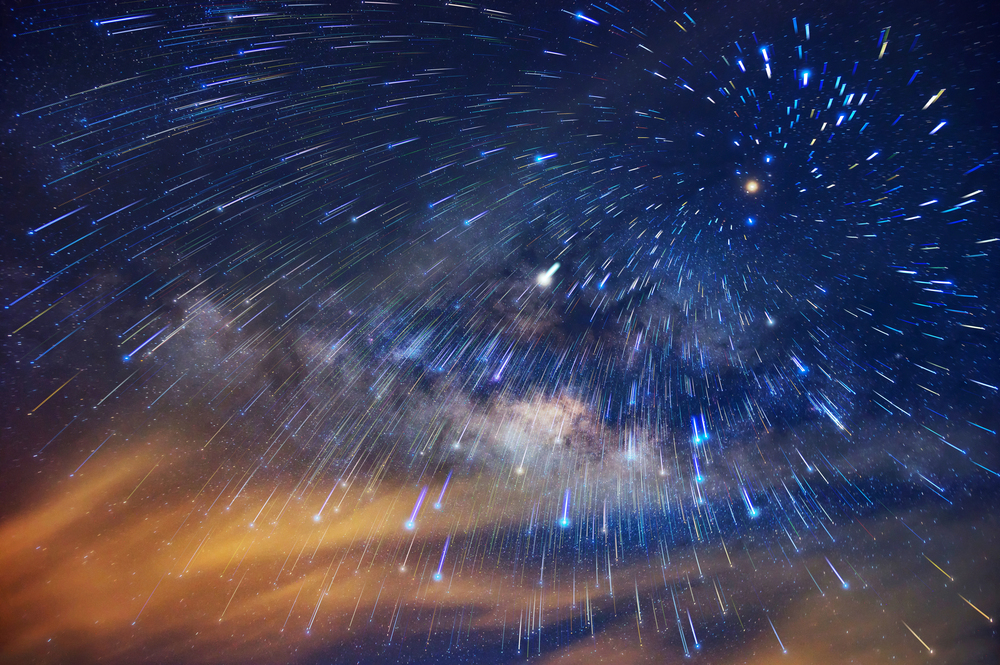
This is genuinely unusual among travel experiences that deliver real visual impact. National park visits typically require entrance fees, gear, and physical conditioning.
Whale watching needs a boat, a guide, and a season. A meteor shower requires lying on your back in a dark field.
Telescopes and binoculars actively impede the experience by narrowing your field of view at the exact moment you want to be scanning the entire sky. The American Meteor Society recommends viewing with the naked eye — the same advice applies whether you are a professional astronomer or someone who has never thought about the night sky before.
The Best Viewing Happens After Midnight
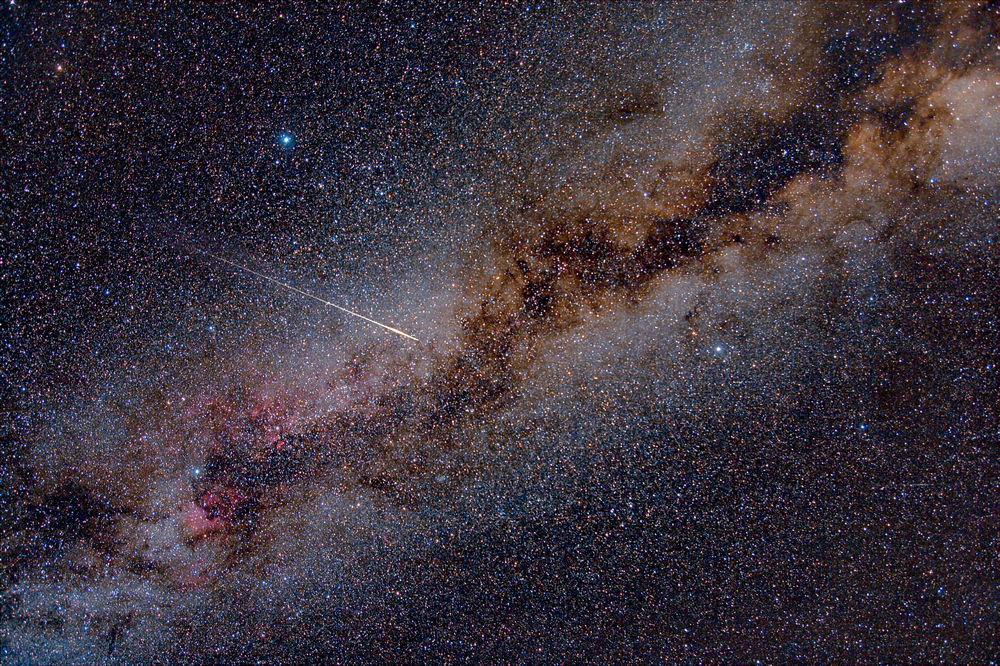
This shifts the entire structure of a meteor shower trip away from most daytime-first travel. By 2 am, when meteor rates for the Perseids are typically two to three times higher than at dusk, you have already had dinner, found your spot, let your eyes adjust, and settled into a rhythm that most tourist attractions cannot offer.
There is something about arriving at the main event after dark that resets the pace of the trip entirely. Families who camp through the night for a shower almost universally describe it as the most memorable part of the trip — not because the meteors are extraordinary by themselves, but because staying up past midnight together in a field is an experience that does not happen any other way.
Dark Sky Parks and Camping Zones Are Uncrowded by Design
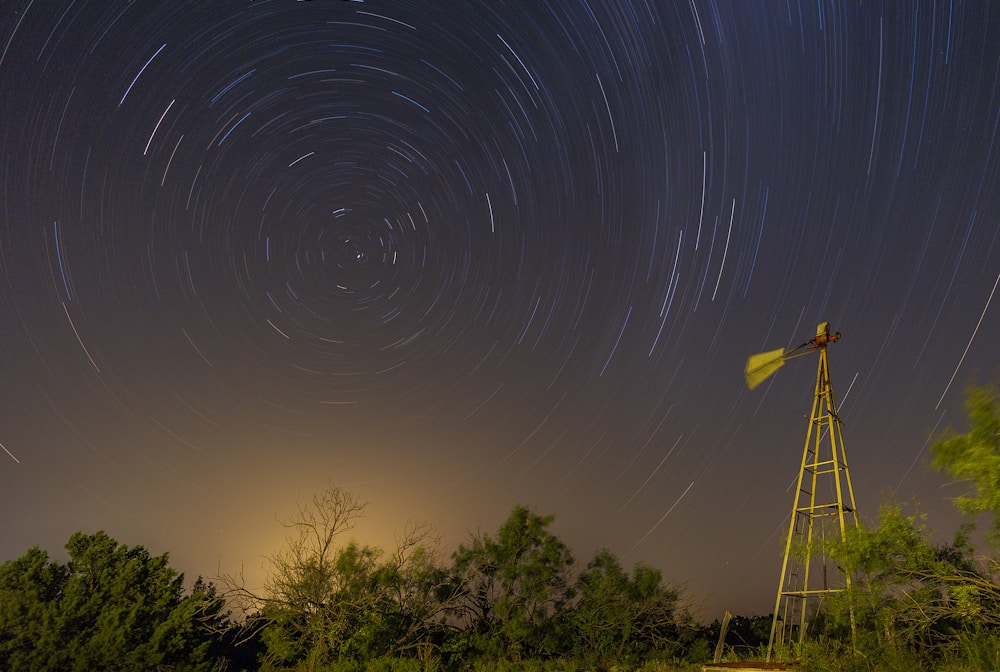
Many dark-sky parks remain uncrowded because of their remote locations and efforts to minimize artificial light. The result is that some of the most spectacular viewing locations in the country are also among the least visited, even on peak nights.
Big Bend National Park in Texas covers 800,000 acres. Canyonlands in Utah regularly has campsites available when Zion is booked months out.
Cherry Springs State Park in Pennsylvania requires a permit for the Astronomy Observation Field — which functions as a self-limiting mechanism — but the public area is always accessible. The infrastructure built around meteor shower viewing is deliberately quiet.
The Cost Is Genuinely Low

A dark sky campsite typically costs between $15 and $30 per night. A glamping dome near Bryce Canyon or in the Big Bend area costs more, but still less than a mid-range hotel in any major city during peak summer travel.
There are no entrance fees specific to meteor showers. The Perseids are not a premium product.
The single significant cost in a meteor shower trip is the drive to get far enough from urban light pollution — often one to three hours from many cities — which is the same cost as any weekend road trip. The economic case for a meteor shower trip over a beach resort weekend is not subtle.
It Pairs Naturally With Other Activities
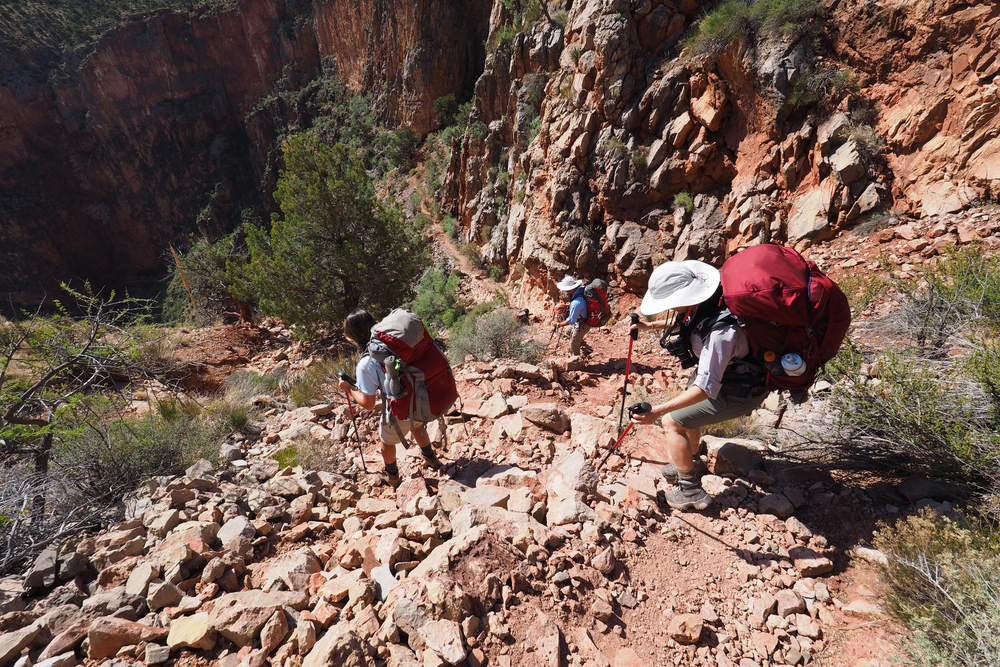
Dark sky locations are rarely just dark sky locations. Big Bend offers canyon hiking, river floating on the Rio Grande, and hot spring access within a few miles of the best viewing areas.
Bryce Canyon’s hoodoo formations are as visually striking in daylight as the sky is at night. The Adirondacks in New York offer kayaking, summit hiking, and lake swimming before the shower begins.
Jasper National Park in Canada has wildlife viewing, glacier access, and river rafting. A meteor shower trip is typically embedded inside a broader landscape experience that stands on its own without any astronomy — the shower is a bonus layer rather than the sole attraction.
Children Actually Stay Awake For It
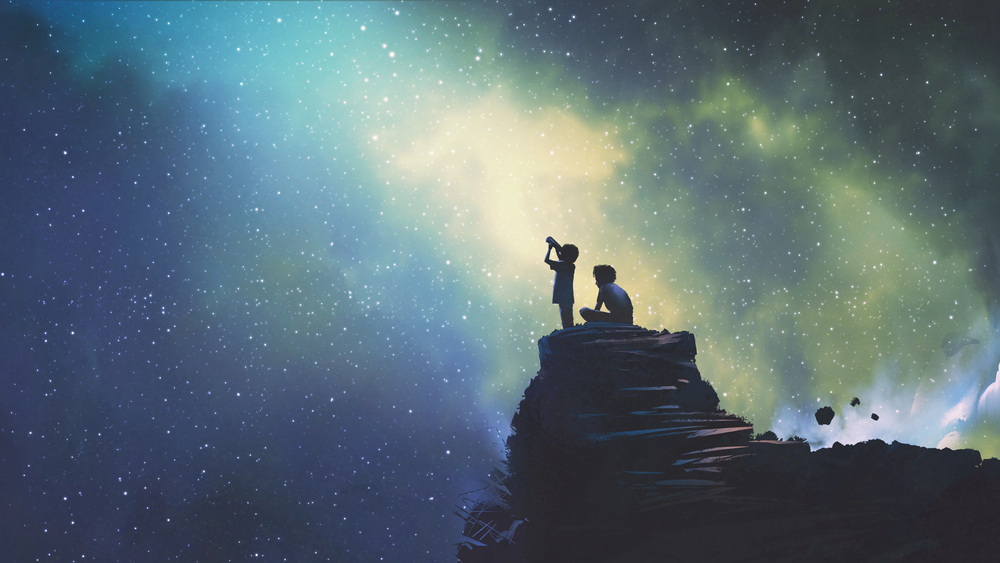
This is rarer than it sounds. Most outdoor events marketed to families — junior ranger programs, nature walks, guided hikes — require active effort to maintain a child’s attention.
A meteor shower requires no such effort. Children who would ordinarily be resistant to staying up past midnight become completely autonomous at the sight of a bright fireball cutting across the sky.
The Perseids in a dark field consistently generate spontaneous counting games, competitive spot-calling, and the kind of collective attention that family trips usually spend considerable money trying to manufacture. No screen time involved.
It Teaches You to Wait
This is an undervalued feature of a meteor shower trip rather than a bug. Most summer travel is structured around consuming as many experiences as possible — check-in, pool, dinner, activity, check-out.
A meteor shower requires sitting still long enough for the sky to reveal itself, which takes about 20 minutes for your eyes to fully dark-adapt, and then at least another hour for the rhythm of the shower to become apparent. People who find this frustrating at the start typically find it the most valuable part in retrospect.
Boredom is underrated as a gateway to attention.
You Learn Something Real About the Solar System
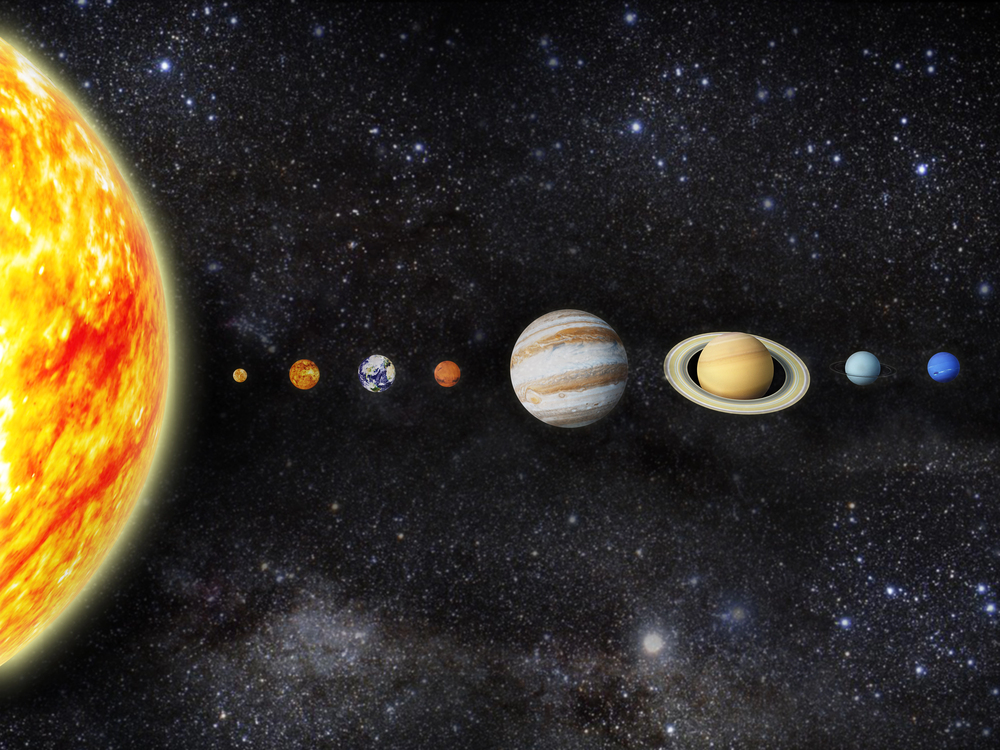
Meteor showers are predictable because they occur when Earth passes through the debris trail left by a specific comet on its orbit around the sun. The Perseids are the debris of Comet 109P/Swift-Tuttle.
The Leonids are from Comet Tempel-Tuttle. The Geminids are unusual because they originate from an asteroid — 3200 Phaethon — rather than a comet, making them one of the few showers not tied to cometary dust.
Watching a meteor streak across the sky while understanding what it is — a piece of comet debris the size of a grain of sand burning up 50 to 75 miles above you — is different from watching a fireworks display. The physics is legible from the ground in a way that astronomical events often are not.
The Social Experience Is Different
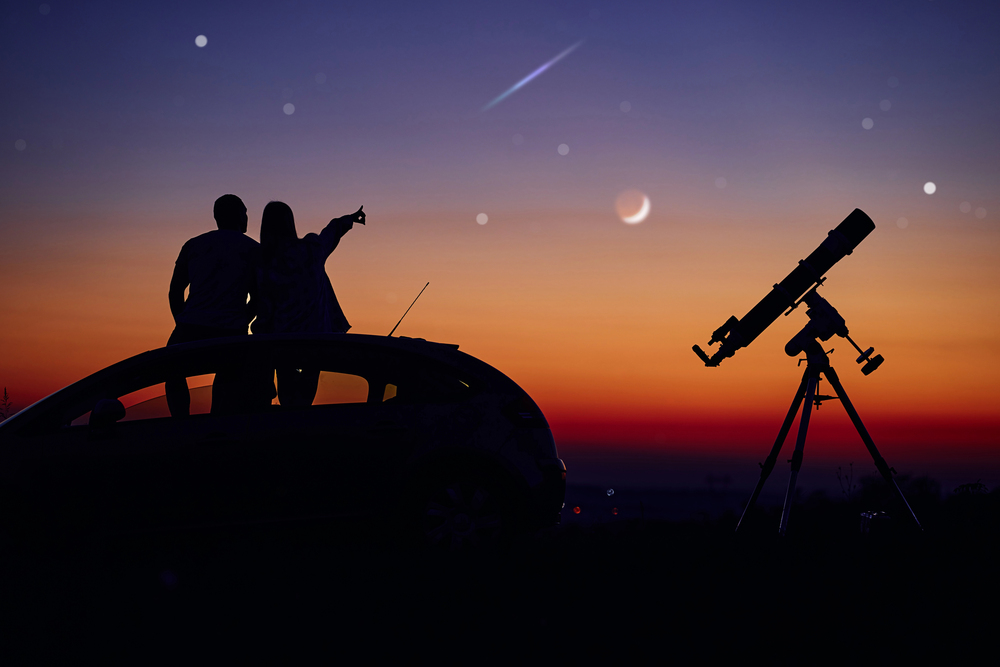
Meteor shower trips tend to produce a particular kind of group dynamic. Strangers at a dark sky site start talking to each other in low voices within 20 minutes because the darkness erases most of the social cues that keep people separate in public spaces.
Someone calls a bright fireball, and half a dozen people who have never met respond. Dark sky ranger programs at national parks consistently report that the post-program conversation between strangers lasts longer and goes deeper than anything a comparable daytime program produces.
There is a sociability in darkness that parks have noticed and cannot entirely explain.
The Timing Forces a Break From Routine
You cannot watch a meteor shower on your schedule. It peaks when it peaks, which means building a trip around it requires the kind of advance planning that most people do not apply to summer weekends.
This is actually the feature, not the friction. Booking campsites three months ahead for an August Perseid trip creates a commitment point on the calendar that functions as a genuine event rather than an improvised weekend.
The planning process — which direction to orient your sleeping bag, which campsite has the best north-facing horizon, whether to bring a red-light torch — is itself a form of engagement with the natural world that most other summer travel does not require.
It Is Genuinely Different Every Year
Lunar cycles mean the quality of a meteor shower varies significantly from year to year. The 2026 Perseids peak near-new-moon, which makes them potentially exceptional.
The 2027 conditions will be different. The 2028 Leonids could prove especially active if forecast debris trails produce enhanced activity.
Following meteor shower calendars across multiple years creates a reason to return to the same dark sky location repeatedly, which is an uncommon thing in modern travel: a destination that gives you a specific, time-sensitive reason to come back.
The Memory Has Unusual Staying Power

Most travel memories are photographs before they are experiences. The photograph confirms the trip happened and serves as the memory rather than the event itself.
Meteor showers produce memories that work the other way. Astrophotography is possible but requires specific equipment and technique, and most people who attempt it on a phone miss the shower entirely while adjusting settings.
The result is that the memory of a bright fireball splitting the sky at 2 am lives in the brain as an experience rather than an image — the cold air, the dew on the grass, the brief collective sound from everyone in the field who saw it at the same time. That tends to last.
The Perseids in 2026 Are Worth Planning Around Specifically
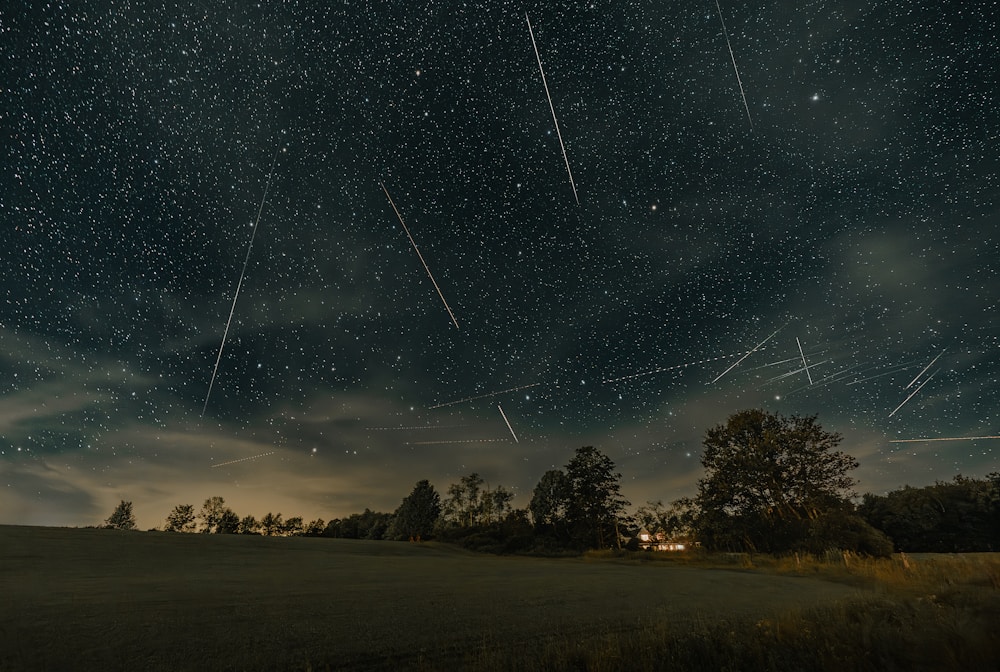
The 2026 Perseid meteor shower peaks the night of August 12 to 13 in conditions that astronomers expect to offer some of the best viewing conditions in several years because of the favorable new moon. The American West’s typically dry August climate also improves the odds of clear viewing conditions.
The Geminids follow in December with up to 120 meteors per hour on peak night, when the moon will be only 20% illuminated — another strong window. Both showers are already in astronomy calendar discussions as the two best viewing events of the year.
Why August Works When Other Months Don’t

Summer is the right time for meteor shower trips in the Northern Hemisphere partly because the temperatures make outdoor overnight watching physically manageable without specialist gear. The Leonids in November and the Geminids in December can both be spectacular, but cold that drops to zero Celsius after midnight in a field turns watching from an enjoyable experience into a test of endurance.
The Perseids arrive in August when sleeping outdoors requires nothing heavier than a blanket, the ground is warm, and the days on either side of the shower are long enough to fill with activity before the night becomes the main event. The seasonal alignment is too good to ignore.
The Trip Scales to Any Budget

A meteor shower trip is equally available at a $25 campsite as at a $400-per-night glamping dome. The difference between those two experiences is primarily comfort rather than sky quality — both can sit under essentially the same sky.
The campsite version requires more self-sufficiency: a sleeping bag, a mat, a thermos of something warm, and red-light equipment to preserve night vision. The glamping version adds a warm bed and sometimes a telescope.
Neither is wrong. Most serious meteor watchers prefer the campsite version precisely because it eliminates everything between them and the sky.
What Most Summer Travel Cannot Offer
The specific thing a meteor shower trip gives you that beach holidays, city breaks, and music festivals cannot is undivided attention to something happening above you that has nothing to do with human arrangements. The sky does not care about the season, the booking platform, or the number of followers documenting the experience.
A fireball visible at 1:38 am on August 13 over a field in southern Utah is as bright and as fast as it would have been in the same field a thousand years ago. That constancy — the fact that you are watching the same debris trail from the same comet that people watched before electric light existed — is the thing that summer travel almost never provides.
It is available every year, and most people miss it.
The Dark Is the Point
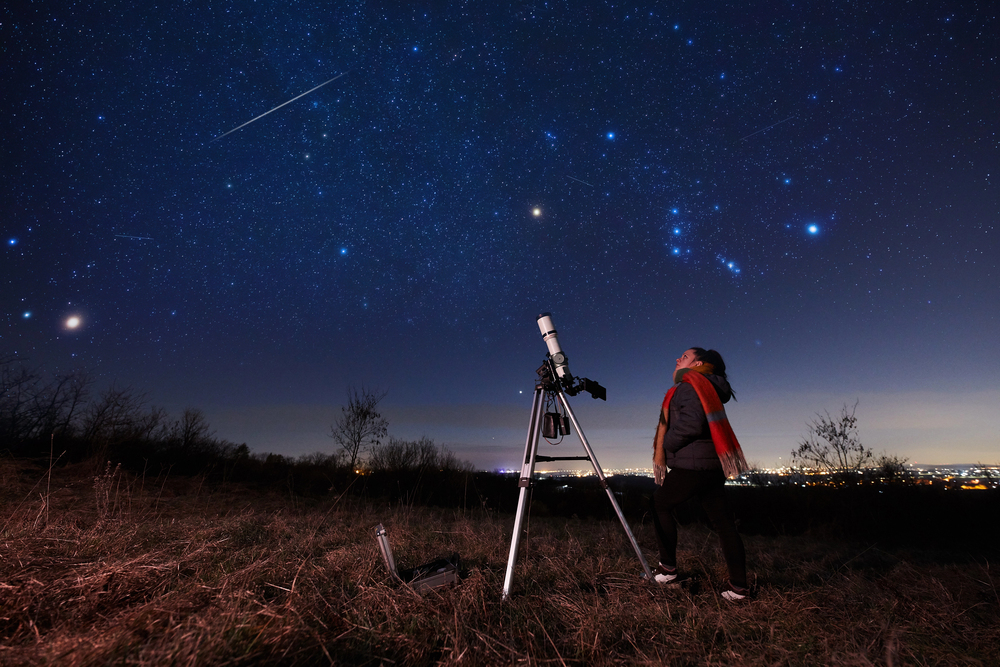
Summer travel is mostly about light — sunlight, neon, stage lights, restaurant ambiance. A meteor shower trip deliberately inverts that.
You want darkness so complete that a phone screen at 30 meters is disorienting. You want your eyes to reach their full dark-adapted state, which involves a complex process of chemical change in the retinal cells that takes around 20 minutes and produces genuinely expanded colour perception in low light.
The dark is not the absence of the experience. The dark is the experience.
That is a reorientation that most summer itineraries never offer, and it is waiting in a field off any highway that goes far enough from town.
A Night That Does Not Disappear Into the Feed
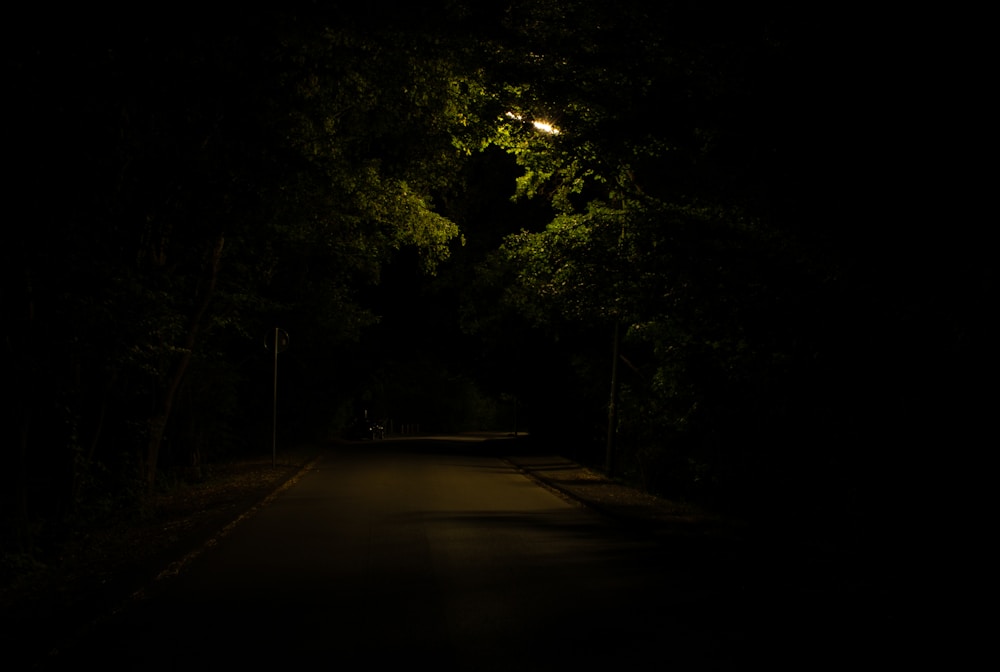
There is an emerging body of travel psychology suggesting that experiences resisting easy documentation are remembered more accurately and more vividly than those heavily recorded. Meteor showers are among the most resistant events to phone photography — the exposure times required to capture them mean that anyone staring at a screen during a shower is missing the shower.
The choice almost always resolves in favour of putting the phone away and watching, which produces exactly the kind of undocumented memory that turns out to be the most durable kind. You cannot caption a fireball.
You can only have been there when it happened.
When the Calendar and the Sky Align
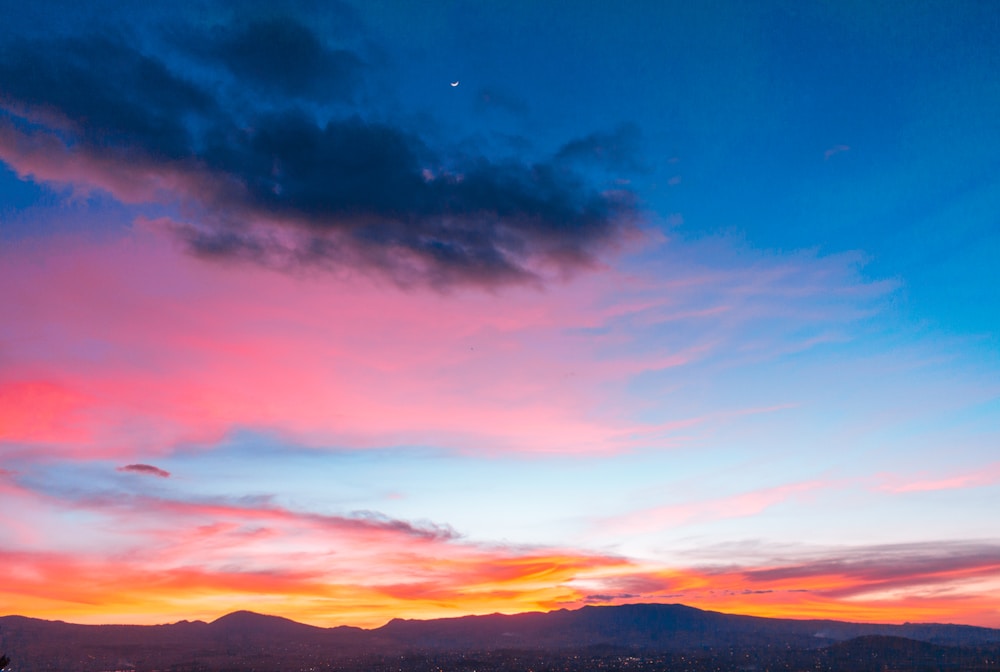
Summer after summer, millions of people construct trips around infrastructure — flights, hotels, itineraries, dining reservations — and arrive to find that the infrastructure itself was the experience. The meteor shower trip is built the other way.
The sky event is fixed. The infrastructure serves it.
That inversion is more significant than it sounds. Planning a trip around a celestial event that is not human-managed, that will not be rescheduled due to demand, and that cannot be replicated in any other way produces a relationship to the destination that is fundamentally different from most summer travel.
The sky sets the terms. You just have to show up in the right field on the right night.
More from Travel Pug

- Underrated Italian Towns That Beat the Tourist Crowds
- Las Vegas Tourist Traps to Skip
- Prettiest Towns in Every US State
- 18 passport-free countries for Americans
- Signs Your Cruise Is Not Worth The Cost
Like Travel Pug’s content? Follow us on MSN.