

The digital nomad lifestyle thrives on freedom, and nothing kills freedom faster than dragging too much stuff from place to place. Travel light culture has become central to this community, turning minimalism into both a practical necessity and a philosophical choice that shapes how nomads work, move, and live.
Here’s a list of reasons why packing less has become more than just a convenience—it’s a core value.
Moving between cities becomes effortless
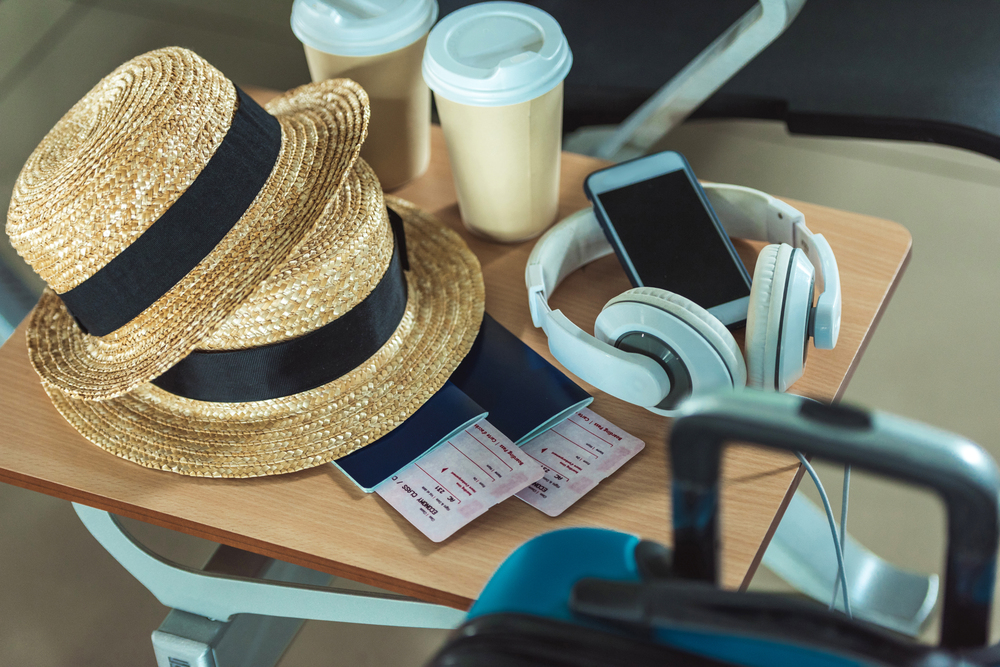
Switching locations every few weeks or months defines the nomad experience. When everything fits in a single backpack or carry-on, there’s no waiting at baggage claim, no stress about lost luggage, and no checked bag fees stacking up over time.
The ability to walk off a plane and straight onto a train or bus changes the entire rhythm of travel.
Budget airlines suddenly make sense

Low-cost carriers offer incredible deals but penalize travelers with baggage fees that can double the ticket price. Nomads who travel light sidestep these charges entirely, accessing routes and destinations that would otherwise blow the budget.
A $30 flight stays $30 instead of becoming $80 after bag fees.
Like Travel Pug’s content? Follow us on MSN.
Spontaneity becomes possible

Last-minute decisions to extend a stay or jump to a new country happen easily when packing takes 10 minutes instead of an hour. There’s no mental math about whether luggage will fit in a taxi or whether a hostel has storage space.
Everything needed for life and work sits ready to go at a moment’s notice.
Less stuff means fewer decisions

Decision fatigue is real, and nomads already juggle enough choices about where to go, where to stay, and how to structure work. A minimal wardrobe eliminates the daily question of what to wear, freeing mental energy for more important things.
Five shirts and two pairs of pants cover most situations without requiring thought.
Laundry stops being a major event

With fewer clothes, laundry becomes a quick, frequent task rather than an overwhelming chore. Most nomads wash a few items in a sink or pay for laundry services that turn around in a day.
It’s efficient. And it means never running out of clean clothes at inconvenient times.
Like Travel Pug’s content? Follow us on MSN.
Mobility in cities improves dramatically
Navigating public transit, climbing hostel stairs, or walking cobblestone streets becomes infinitely easier without dragging a massive suitcase. A single backpack leaves hands free for coffee, phones, or grabbing a railing on a crowded bus.
It’s a small thing that makes daily life smoother.
Packing for different climates gets creative
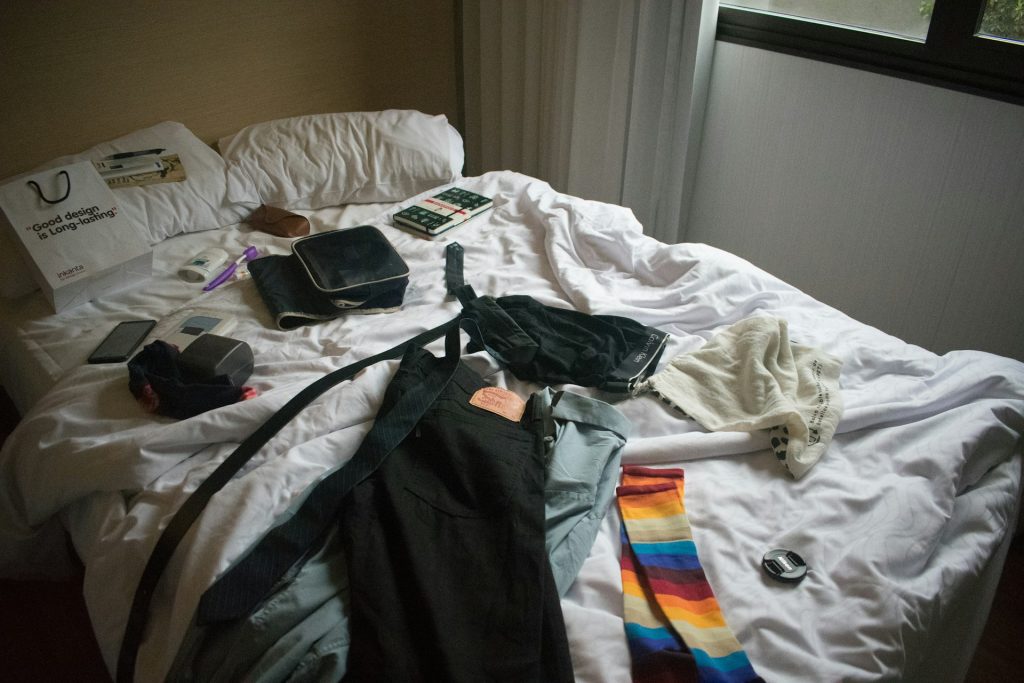
Nomads moving between tropical beaches and European winters learn to layer and choose versatile pieces that work in multiple settings. A lightweight jacket, a merino wool shirt, and convertible pants can handle a surprising range of weather without taking up much space.
And it forces a kind of resourcefulness that feels satisfying.
Minimalism extends beyond luggage

Travel light culture seeps into other areas of life. Nomads become selective about digital files, subscriptions, and even relationships.
The mindset of “do I really need this?” applies to everything, creating a life that feels less cluttered and more intentional. Though some take it too far.
Like Travel Pug’s content? Follow us on MSN.
Hostels and co-living spaces work better

Shared accommodations often come with limited storage. A small locker or a few hooks on the wall is all the space available for belongings.
Nomads with minimal gear fit into these environments comfortably, while those hauling oversized luggage struggle to make it work. And nobody likes being that person.
Security concerns decrease

Less stuff means less to worry about. Valuable items stay on the person or locked up easily, and the fear of theft drops when there’s simply not much to steal.
A laptop and a phone are replaceable. An entire wardrobe and collection of gadgets? Much harder to recover from losing.
Border crossings become faster
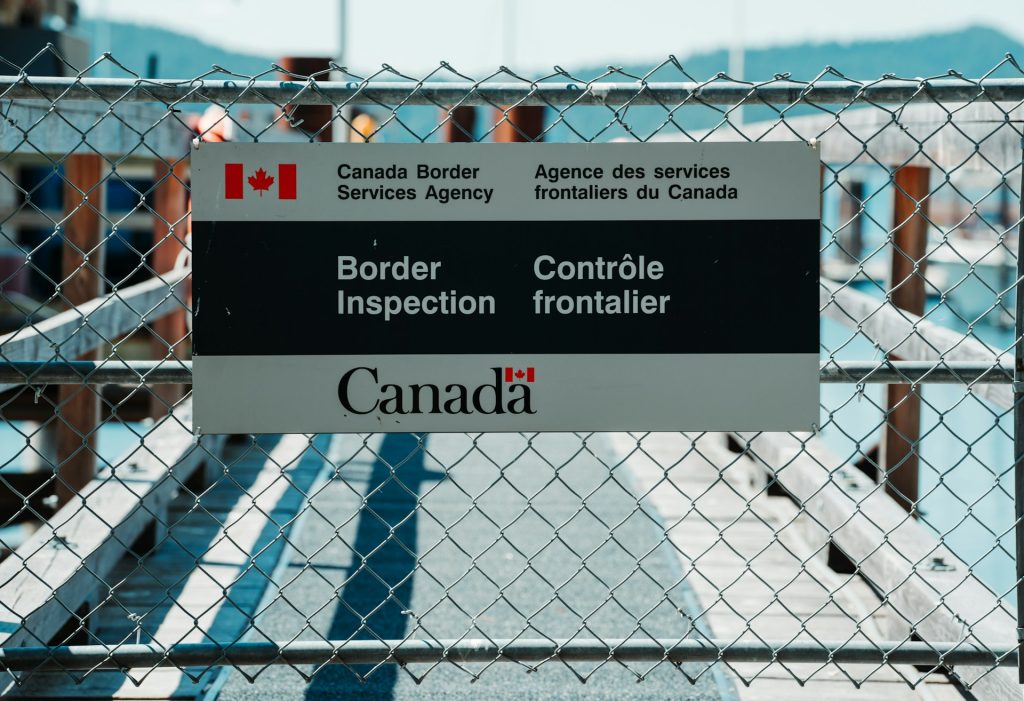
Customs agents pay closer attention to travelers with excessive luggage, suspecting either commercial goods or long-term immigration intent. A single bag signals a short stay and a casual attitude, which usually means quicker passage through immigration.
It’s not foolproof, but it helps.
Like Travel Pug’s content? Follow us on MSN.
Focus shifts to experiences over possessions

When physical belongings shrink to a minimum, the emphasis moves to what’s being done, seen, and learned. Nomads invest in meals, activities, and skills rather than accumulating things that won’t fit in a backpack.
The memories stick around longer than souvenirs anyway.
Airline upgrades become easier to snag
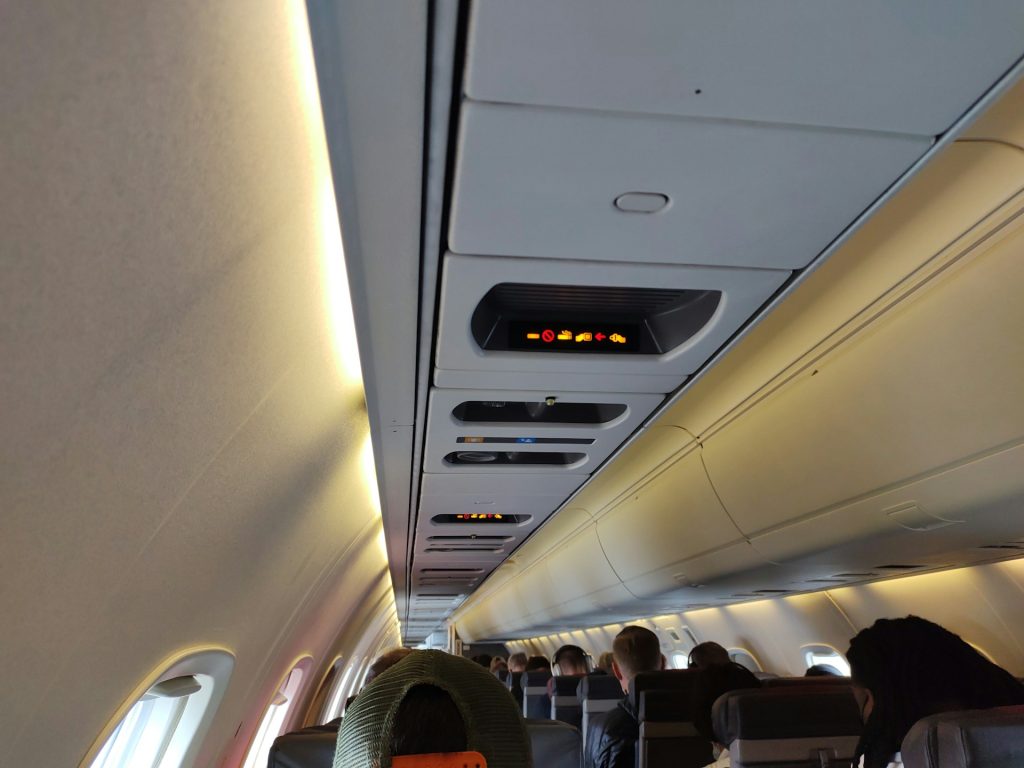
Gate agents sometimes offer free upgrades to passengers traveling light, especially on overbooked flights where checking bags isn’t an option. It’s not guaranteed, but nomads with only a personal item or small carry-on have a better shot at snagging an empty seat in a better section.
Wear and tear on belongings creates attachment
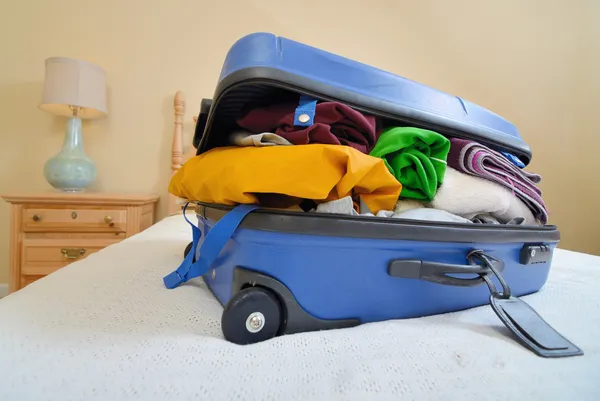
Carrying the same few items for months or years builds a strange relationship with them. That jacket that’s been through a dozen countries, the pair of shoes that walked through rain and sun, the backpack with every pocket memorized—they become familiar in a way that new purchases never quite match.
Like Travel Pug’s content? Follow us on MSN.
Adapting to local life feels natural
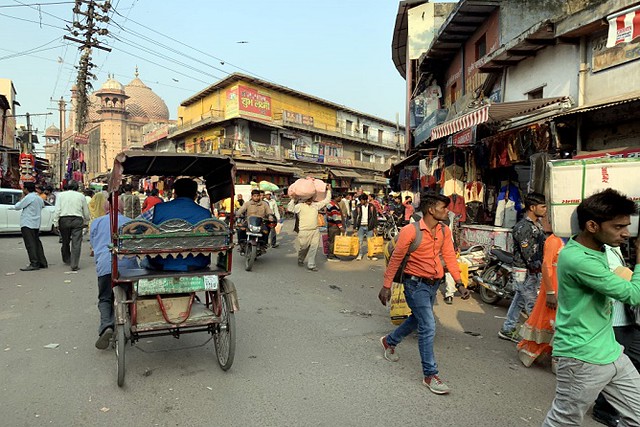
With less to carry, nomads blend into local environments more easily. There’s no rolling suitcase screaming “tourist.” Just a person with a backpack, walking down the street like they might actually live there.
The difference is subtle but noticeable.
The challenge becomes part of the identity
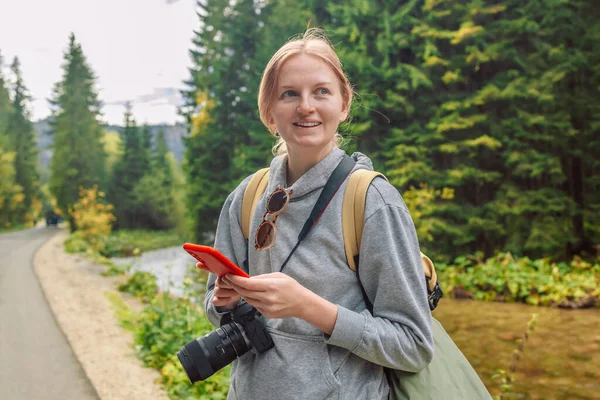
Traveling light isn’t always easy. It requires sacrifice, planning, and occasionally rewearing the same outfit more often than ideal. But the challenge itself becomes a point of pride within the nomad community, a shared experience that separates committed travelers from casual vacationers.
A life without excess baggage

Travel light culture represents more than just packing strategy. It’s a rejection of the idea that more is better, a commitment to mobility and freedom, and a recognition that the weight of belongings often exceeds their value.
For digital nomads, less really does become more.
More from Travel Pug

- 20 Best Beach Towns in the Carolinas
- 13 Destinations Where Tourists Regularly Regret Their Trip
- 20 Things You Actually Get in First Class
- 20 Small Airports With Aviation Museums
- 20 Places in the U.S. That Are Perfect for a Reset Trip
Like Travel Pug’s content? Follow us on MSN.