

Two Mediterranean powerhouses face off along the Adriatic and Aegean seas, each claiming crystal waters, ancient stones, and coastlines that stretch for thousands of kilometers. The choice between them has travelers second-guessing their flight bookings.
Below are the coastal realities that separate these sun-drenched rivals—from the type of sand under your feet to whether you’ll need a week or just a weekend to see the best bits.
Beach composition
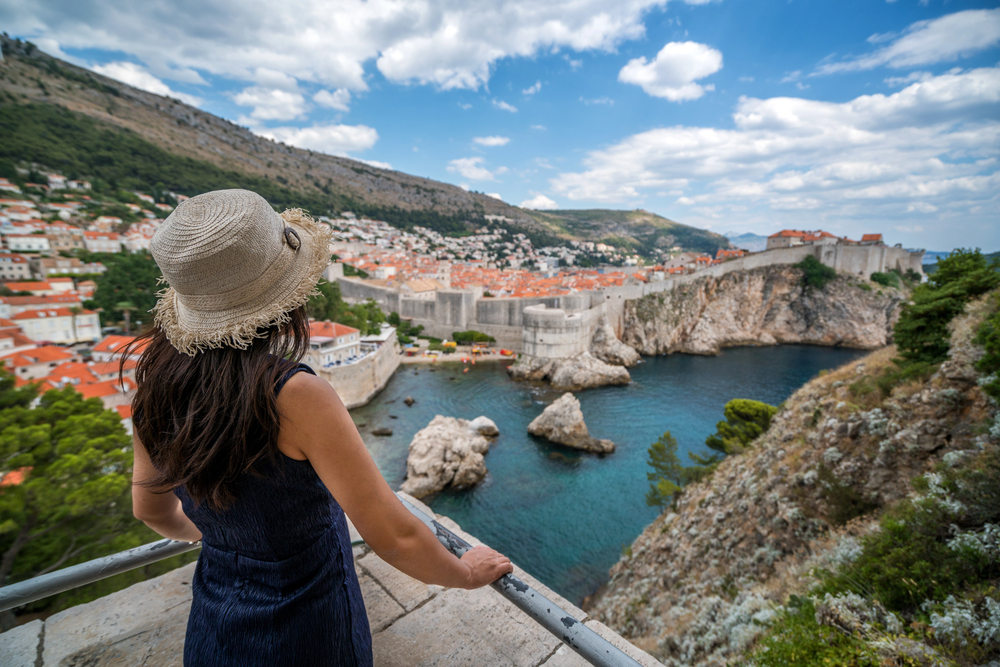
Croatian beaches are predominantly pebble and rock, with only rare pockets of sand. The government maintains strict building restrictions, prohibiting construction within 100 meters of the Adriatic.
Not everyone loves this. Greece offers far more variety: the pink sands of Elafonisi in Crete, golden stretches across Naxos, and volcanic black beaches on Santorini. The texture beneath your towel matters more than most people admit before they arrive.
Island accessibility
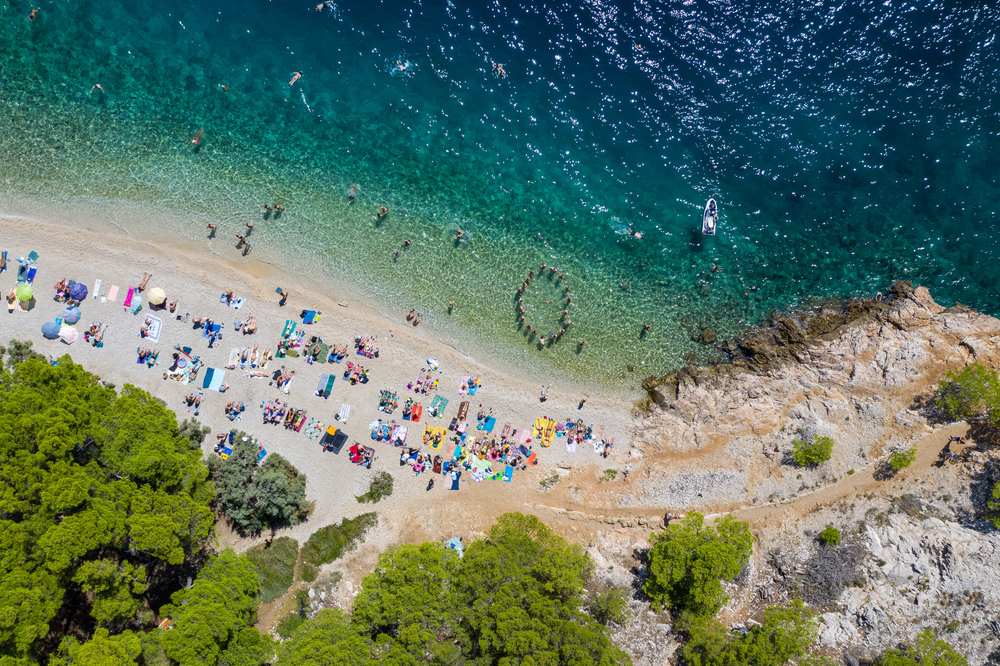
Croatia’s 48 inhabited islands line up neatly parallel to the mainland, making them easier to navigate than Greece’s scattered archipelago. And you can drive to some of them. Krk Island connects via bridge, eliminating ferry dependency.
Greece counters with over 6,000 islands, including 227 inhabited ones, which sounds impressive until you’re trying to plot a route between the Cyclades and Dodecanese and realize you’re looking at six-hour journeys.
Like Travel Pug’s content? Follow us on MSN.
Dubrovnik
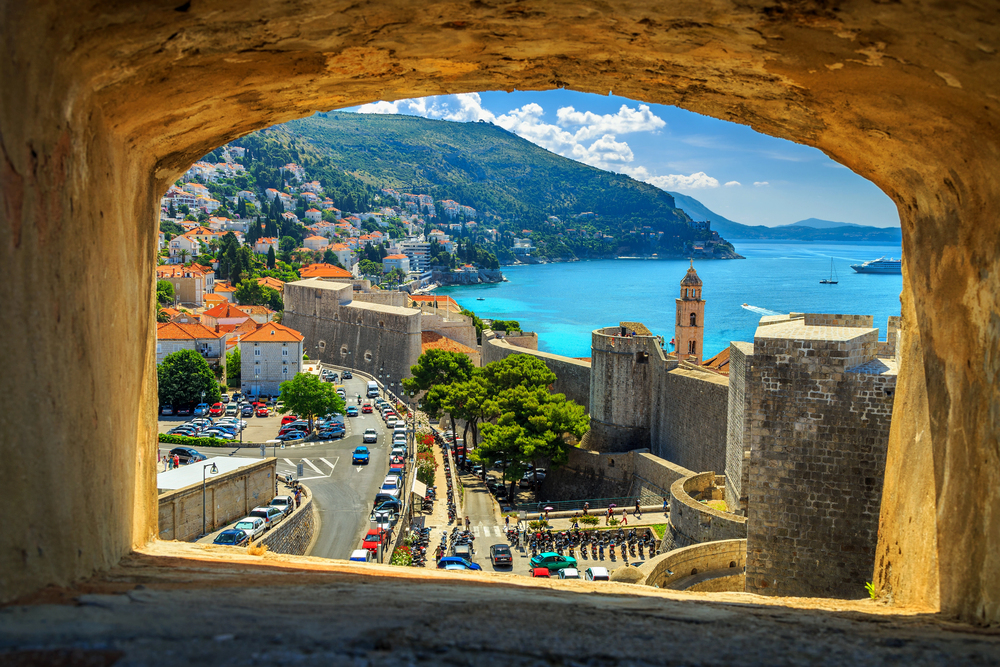
The medieval walled city draws massive crowds to walk its UNESCO-listed ramparts and swim at nearby beaches like Banje. Game of Thrones filmed King’s Landing here, amplifying an already intense tourist presence.
The city delivers on its visual promises. Sveti Jakov Beach offers a quieter alternative, though reaching it requires descending a steep staircase. Summer sees prices spike and sidewalks clog. Shoulder seasons transform the experience entirely.
Santorini’s coast
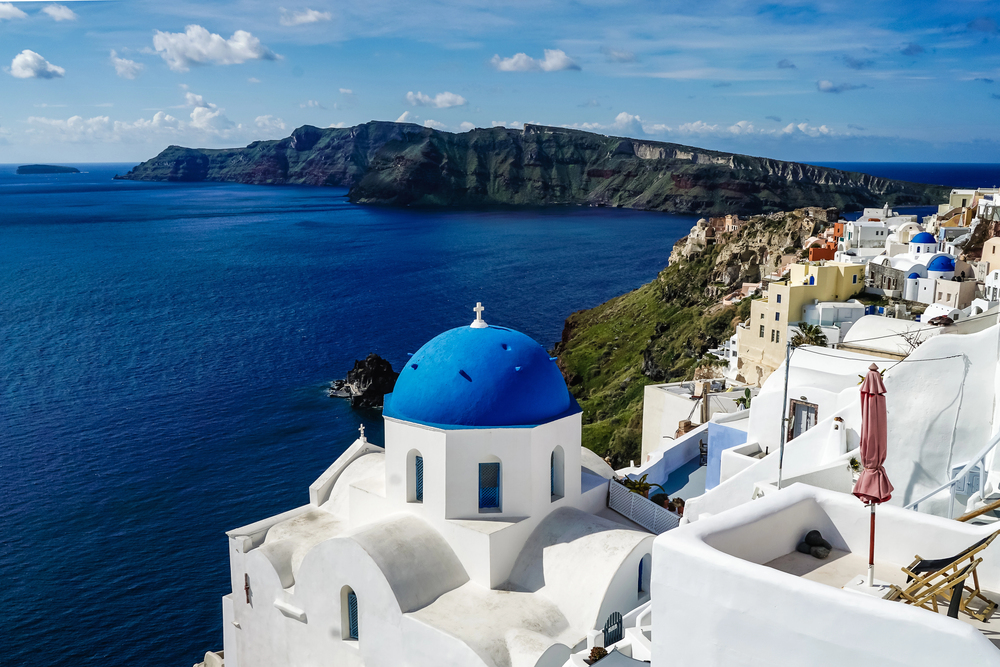
Vlichada Beach on the south coast attracts couples with its dramatic cliff backdrop and sunset views. The famous caldera views happen from above, not from beach level.
Santorini’s beaches include a red sand volcanic stretch near Akrotiri, surrounded by matching red cliffs. The island’s volcanic origins created beaches unlike anywhere else in Greece, though “beach day” here means something different than it does on sandier islands.
Most visitors prioritize the clifftop towns over the shoreline.
Water clarity
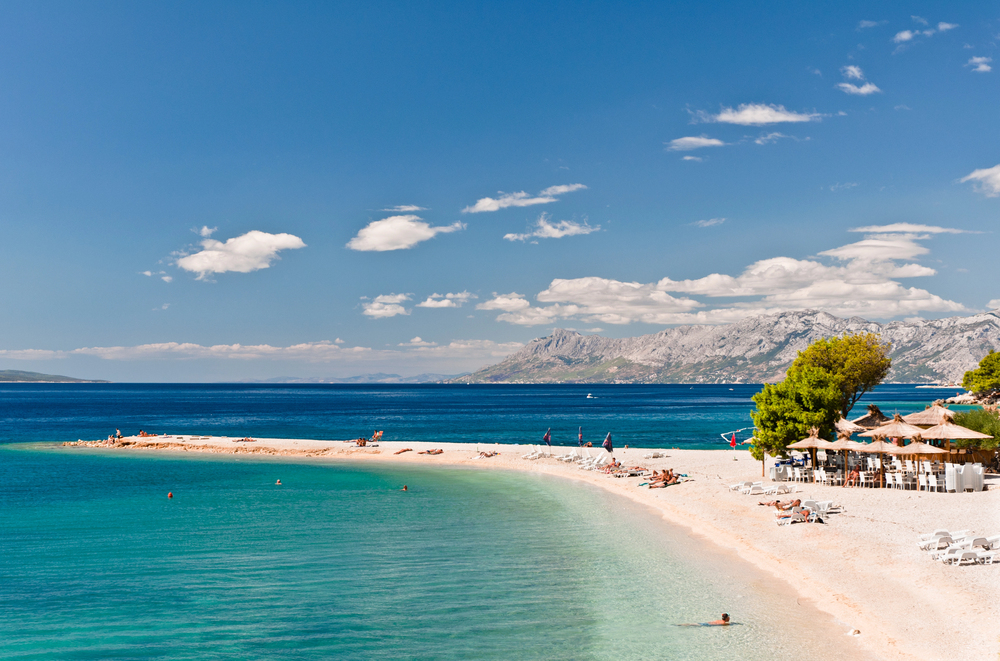
Both countries claim crystal-clear seas, but the specifics differ. Croatia’s pebble beaches create see-through water unclouded by sand.
The Adriatic’s counterclockwise current moves warm, clear water from the central Mediterranean up along Croatia’s coast.Greek waters achieve similar transparency.
Koufonisia’s shallow, crystal-clear waters rank among Greece’s most beautiful. You’ll spot fish swimming below you in either country—assuming the beach isn’t packed shoulder-to-shoulder in August.
Like Travel Pug’s content? Follow us on MSN.
Plitvice Lakes National Park
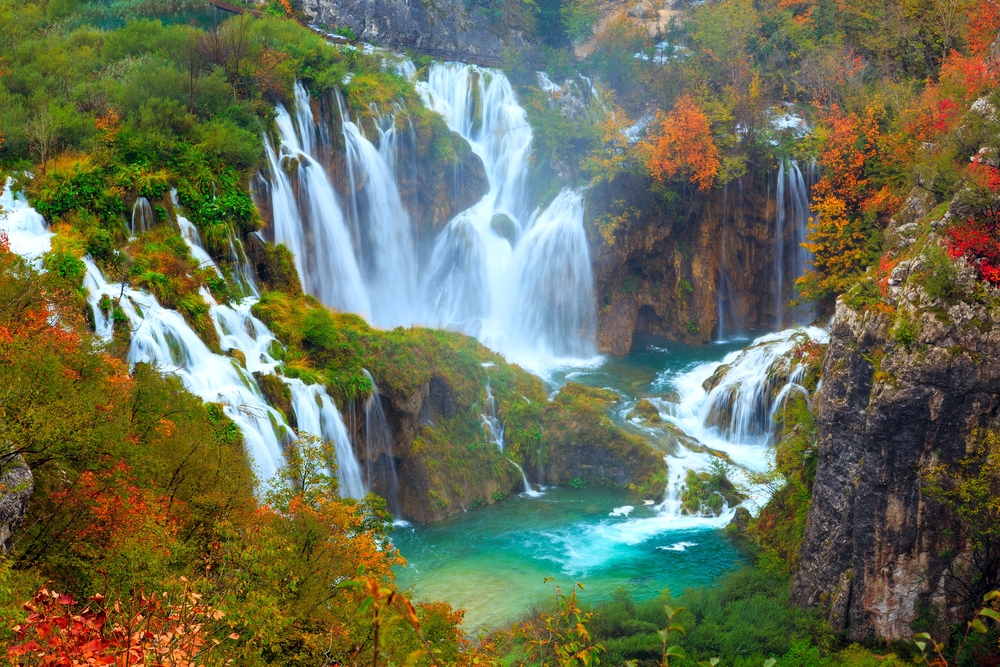
This Croatian park features over 16 interconnected turquoise lakes linked by cascading waterfalls, earning must-see status. The travertine barriers between lakes create the effect.
Swimming is now restricted to protect the ecosystem, but the wooden walkways bring visitors close enough to feel the spray.The park sits conveniently between Zagreb and the coast, making it an easy addition to road trip itineraries.
There’s a reason this place appears in every Croatia guide.
Mykonos nightlife
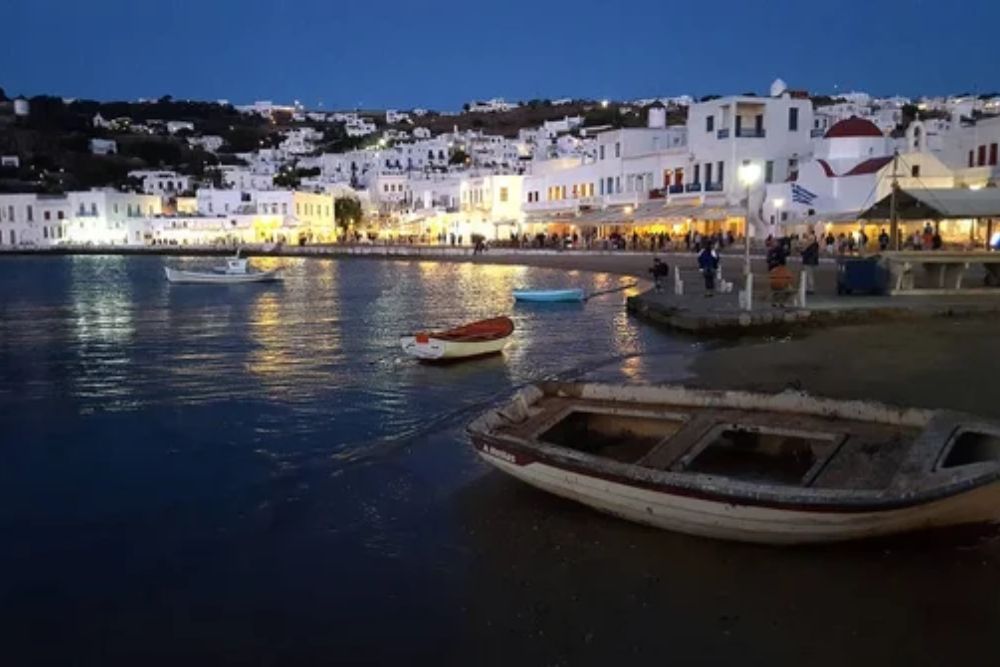
Mykonos built its reputation as Greece’s premier nightlife island, with beach clubs operating from morning through dawn. Super Paradise and Paradise beaches host the major party scenes, complete with internationally known DJs and prices to match.
But there’s another side. Beaches like Panormos in the northwest offer calm and relative solitude.
The island accommodates both the party crowd and those who’d rather avoid them entirely—you just need to know which coast you’re booking.
Hvar Island
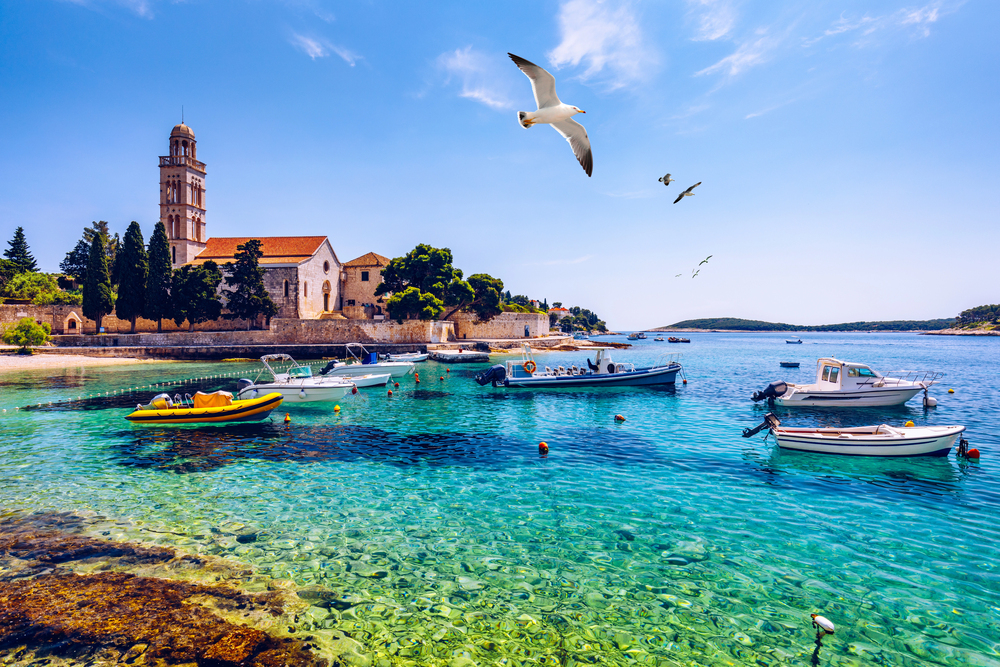
This Croatian island attracts luxury yachts and celebrities to Hvar Town, creating one of the country’s most expensive destinations. The medieval architecture impresses. Beach options require leaving town—Pokonji Dol Beach sits 25 minutes away on foot, and Dubovica Bay offers family-friendly shallow waters.
Hvar receives more sunshine than any other Adriatic island. The smell of lavender fields adds an unexpected sensory layer to the coastal experience.
The town’s restaurant scene justifies the island’s reputation, even if your wallet disagrees.
Like Travel Pug’s content? Follow us on MSN.
Cost comparison

Greece uses the euro and costs align with Western European standards, while Croatia’s kuna makes it the more affordable option. The gap narrows in high season.
A half-pint of local beer costs approximately 14 kuna (about $2 USD) in Croatia versus 3.50 euros (roughly $3.75 USD) in Greece.Dubrovnik’s Old Town accommodation commands premium prices, but venture outside tourist epicenters and Croatia delivers better value.
Food, transport, and accommodation—all slightly cheaper on the Croatian side.
Crete’s diversity
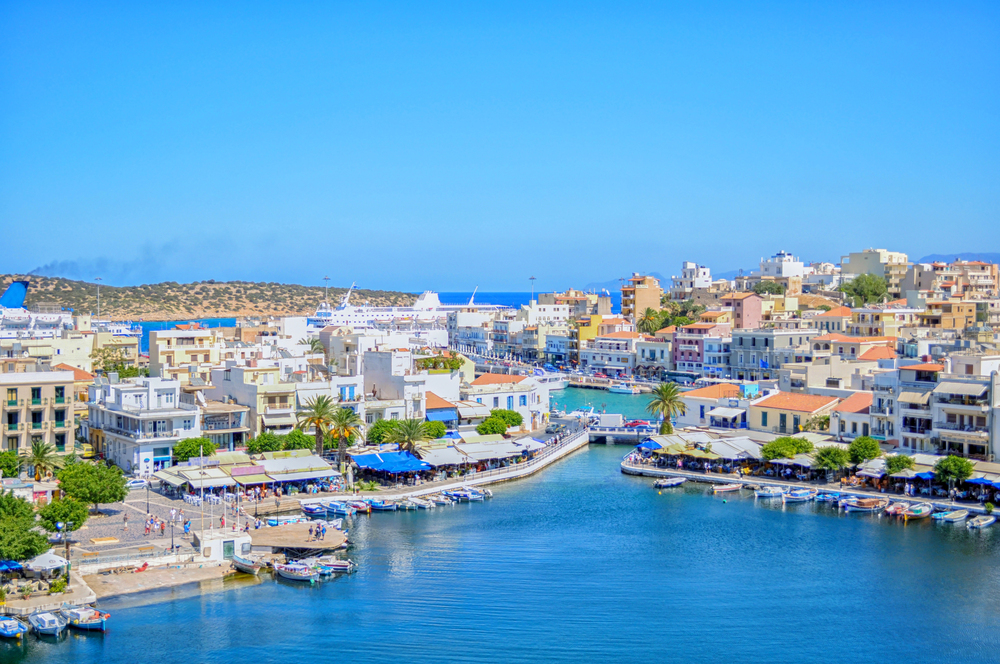
As Greece’s largest island, Crete stretches 650 kilometers of coastline with direct flights into Heraklion or Chania. Elafonisi Beach’s flamingo-pink sands and turquoise waters top most best-beach lists, offering calm tides and full amenities.
The Samaria Gorge provides hiking. Minoan ruins add historical depth.
Here’s the thing about Crete: it’s huge. Travel distances are considerable, and smaller Greek islands suit short stays better. A week barely scratches the surface. Two weeks starts to feel adequate.
Zlatni Rat Beach
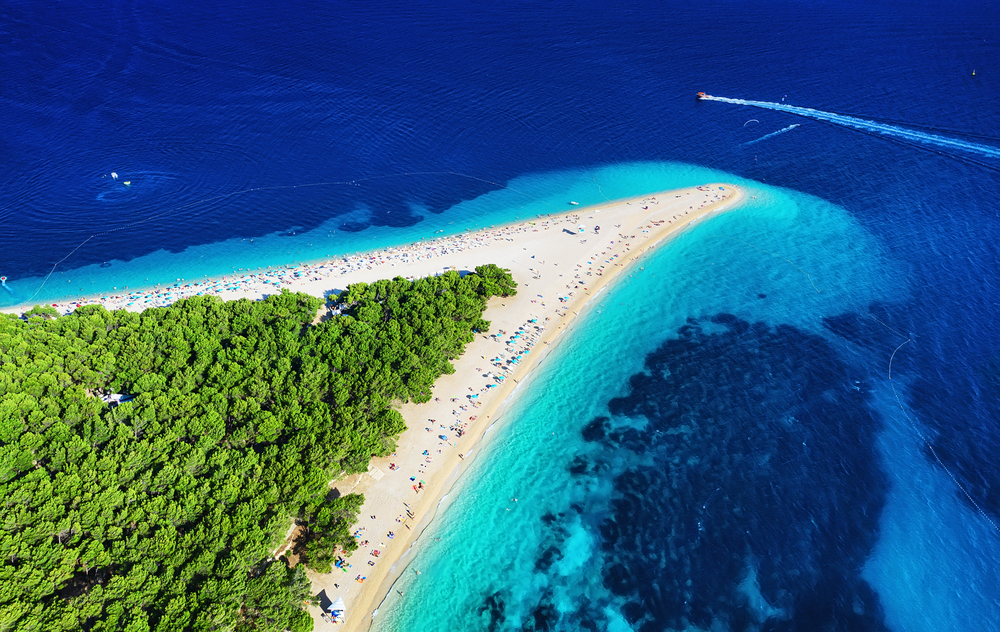
This Croatian beach on Brač Island extends as a V-shaped peninsula of white pebbles that constantly reshapes due to wind and tide. The aerial photos look surreal—a tongue of white jutting into sapphire water.
Also called Golden Horn Beach, it rises to prominence as Croatia’s most photographed shoreline.The surrounding mountains provide dramatic framing. Windsurfers favor the conditions here.
The shape really does shift over time, meaning your visit captures a moment that won’t exist quite the same way again.
Like Travel Pug’s content? Follow us on MSN.
Split and surroundings
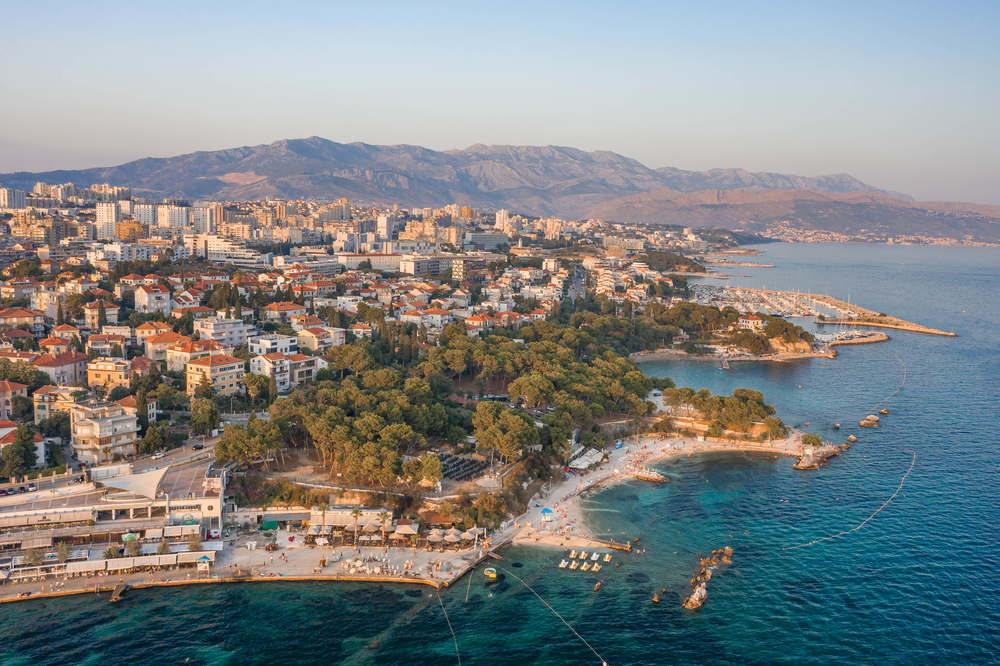
Bačvice Beach in Split features one of Croatia’s rare sandy shores, where locals play picigin, a uniquely Dalmatian water game. An Art Deco pavilion overlooks the beach, surrounded by cafés where crowds gather into the evening.
The beach holds generations of family memories for Split residents.Nearby Stračinska Bay on Šolta Island offers a secluded pebbly cove with pine trees and no facilities—just sparkling water and quiet.
Split also provides access to the Makarska Riviera’s beaches and serves as a gateway to islands.
Navagio Beach (Shipwreck Beach)
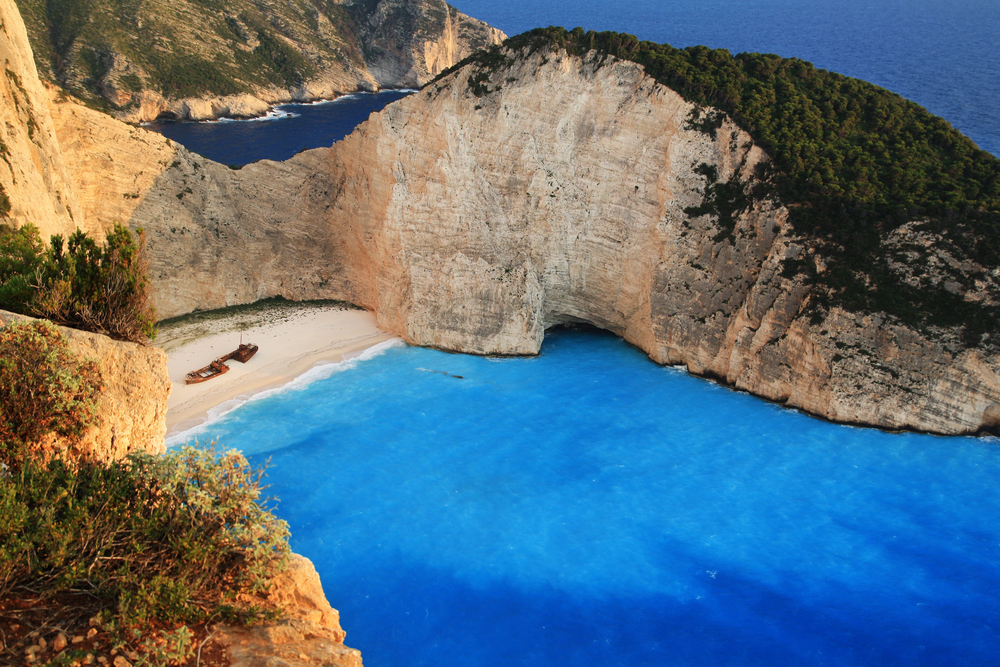
On Zakynthos, this iconic Greek beach features the rusted remains of the MV Panagiotis smuggler ship surrounded by steep white cliffs and an almost perfect arc of white sand. The beach is only accessible by boat, which keeps the experience feeling special despite its fame.
The cliff-top viewing platform offers the money shot that fills Instagram feeds. The turquoise water achieves an almost unnatural intensity of color. Even when crowded in high season, it ranks among Greece’s most beautiful locations. Can’t argue with that assessment.
Travel logistics
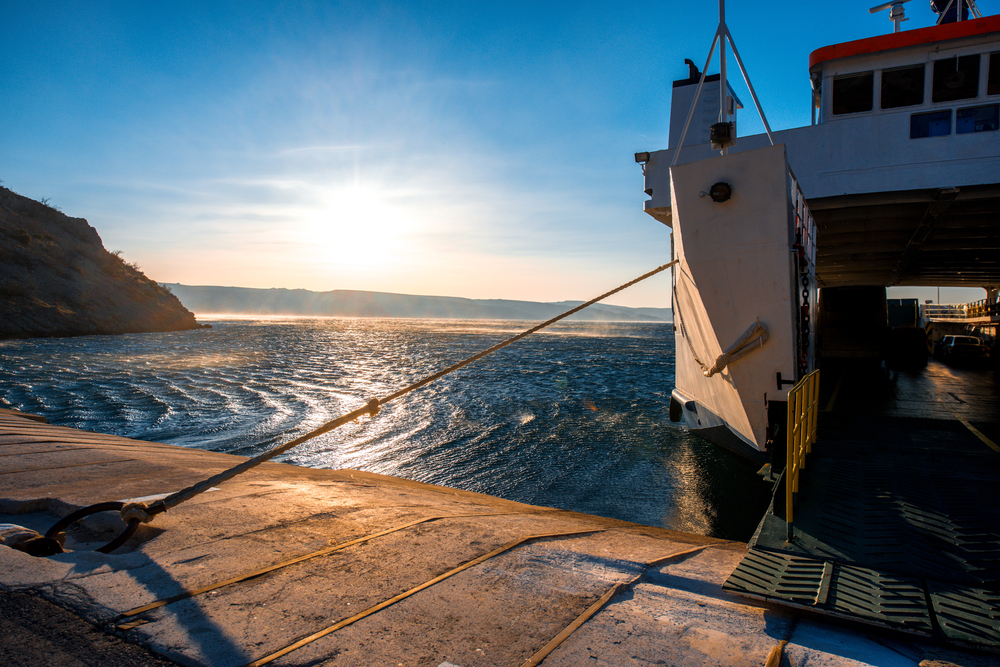
Croatia’s compact size allows travelers to cover major highlights from Zagreb to Dubrovnik in roughly 10 days, with islands accessible via quick ferry rides. Greece spans nearly three times Croatia’s size, requiring more time for mainland exploration.
Croatian roads hug the Adriatic coast, making road trips straightforward.Greece demands more complex logistics.
Croatia’s main international airports serve Zagreb, Split, and Dubrovnik. Both countries work well for different travel styles—Croatia for efficiency, Greece for those with time to wander.
Like Travel Pug’s content? Follow us on MSN.
Sailing culture
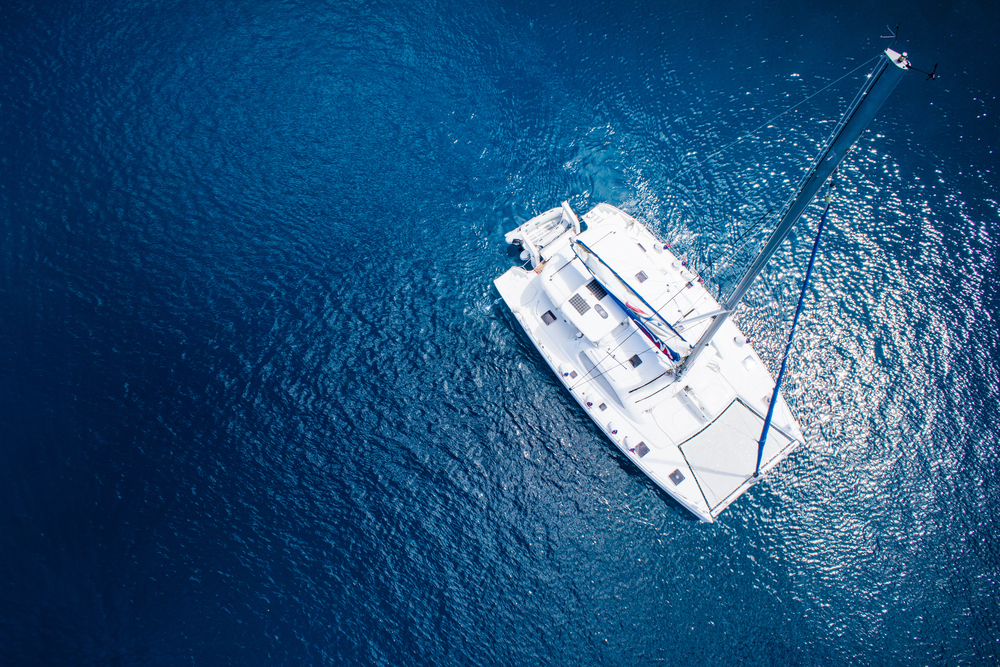
Greece established itself as a classic sailing destination decades ago, while Croatia emerged more recently as a sailing hotspot. Both excel. Croatia’s Adriatic islands hug the mainland and sit closer together, making island-hopping by boat more customizable with shorter distances between stops.
Croatia’s Dalmatian Coast and Greece’s Aegean Sea both provide ideal conditions for kayaking, snorkeling, and sailing. The protected waters between Croatian islands create calmer conditions than open Aegean stretches. Day-long boat rentals offer access to beaches unreachable by road.
The season question
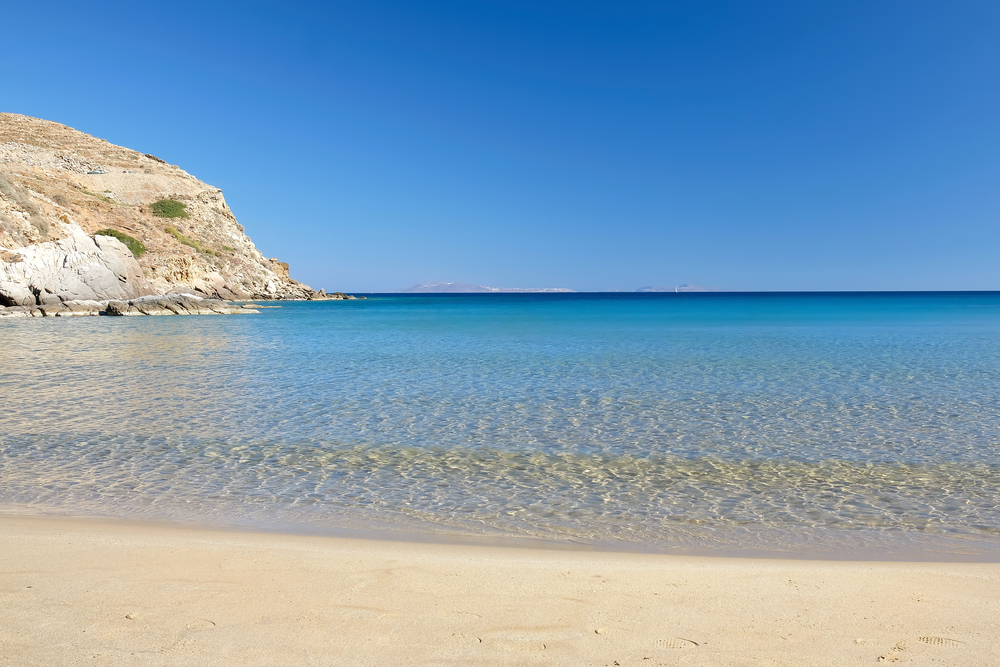
Croatia’s ideal beach window runs mid-June through mid-September, with water temperatures reaching 24-28°C. Greece’s southern location extends summer longer with hotter temperatures. July and August bring peak crowds and elevated prices to both countries, while shoulder seasons (May-June and September-October) offer milder weather and breathing room.
Croatia’s coast tends to cool sooner than Greece as you move north. September delivers warm water without the August crush in both locations—possibly the sweet spot for either coast.
Where the choice lands
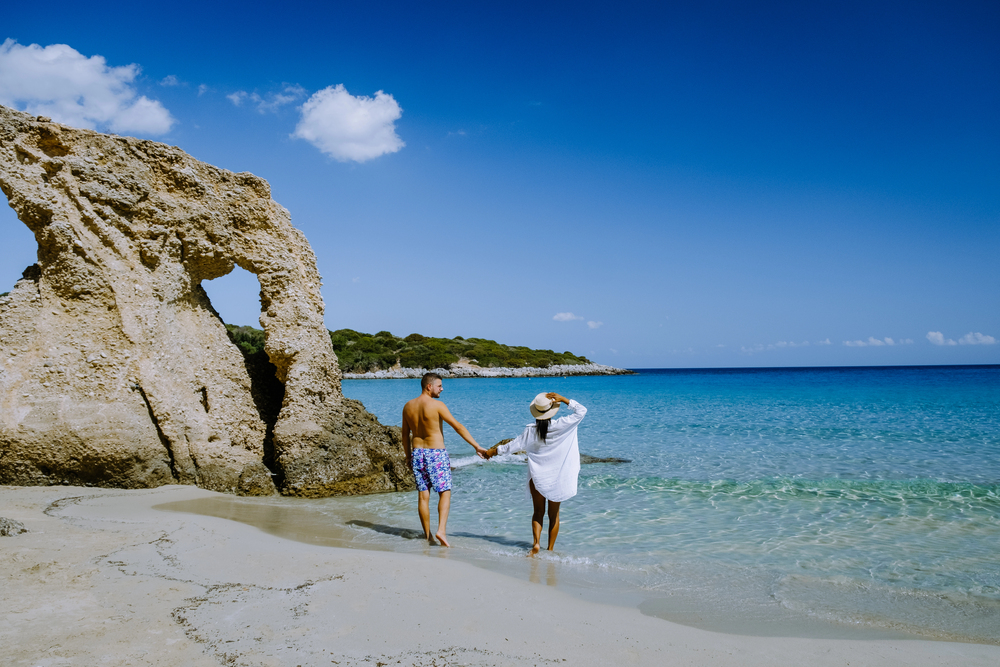
Neither coast disappoints, which makes the decision harder rather than easier. Croatia packs variety into a smaller space, keeps costs lower, and delivers knockout national parks alongside the beaches.
Greece spreads its treasures across more territory, offers more sand beneath your feet, and extends summer’s warmth deeper into autumn. The centuries-old ruins carry more weight in Greece, while Croatia’s medieval towns and recent surge in popularity create different energy.
Maybe the real answer involves eventually seeing both—but for the immediate vacation, Croatia suits efficiency and value, while Greece rewards those with time to roam its scattered islands and ancient sites.
Like Travel Pug’s content? Follow us on MSN.
More from Travel Pug

- 20 Best Beach Towns in the Carolinas
- 13 Destinations Where Tourists Regularly Regret Their Trip
- 20 Things You Actually Get in First Class
- 20 Small Airports With Aviation Museums
- 20 Places in the U.S. That Are Perfect for a Reset Trip
Like Travel Pug’s content? Follow us on MSN.