

There’s a pattern that seasoned cruise hunters know and rarely talk about — not because it’s a secret exactly, but because it feels almost too simple to be real. The best prices, the cleanest availability windows, the flash sales that actually deliver something worth clicking on: they tend to cluster around Tuesday, Wednesday, and sometimes Thursday.
Not Friday. Not Sunday evening when you’re half-watching something and browsing out of restless habit.
Midweek. And there are real, specific reasons why that happens — reasons rooted in how cruise lines manage inventory, how travel agencies operate, and how the travel-buying public behaves in ways that are almost clockwork predictable.
How Cruise Lines Think About the Week
Unsplash / Peter Hansen
Cruise lines treat weekdays and weekends as completely different commercial environments. Weekend traffic spikes — casual browsers, families, couples who just had a conversation over dinner about maybe finally doing that Caribbean trip — flood booking platforms on Friday night and Saturday, and the lines know it.
So they hold prices steady, sometimes even nudge them upward, because demand is soft but present enough to justify patience. By Tuesday, the noise has died down, the booking data from the weekend has been processed, and revenue managers are staring at cabins that didn’t move.
That’s when decisions get made.
The Revenue Management Cycle

DepositPhotos
Cruise pricing isn’t static — it runs on a rhythm that most passengers never think about. Revenue management teams review unsold inventory multiple times a week, and the midweek window is where they have the clearest picture of where they stand relative to sailing date targets.
A ship that’s 60% booked eight weeks out looks very different from one that’s 60% booked three weeks out, and the pricing response to that gap is almost always a midweek adjustment. So the deals that appear on Wednesday aren’t accidental — they’re the output of a system that has just had time to assess, recalibrate, and act.
What Travel Agencies Do on Monday Mornings

DepositPhotos
Travel agencies — the ones that still move real volume — spend Monday morning debriefing the weekend, reconciling bookings, and getting their new promotional allocations from cruise line sales reps. Those reps, not incidentally, tend to distribute fare updates and group-rate access on Monday and Tuesday.
By Wednesday, agents have had time to build their own promotional packages around those rates and push them out to their email lists and social channels. If you’re subscribed to even one or two reputable cruise-focused agencies, Wednesday is the day your inbox starts earning its keep.
The Flash Sale Window

Unsplash / Claudio Schwarz
Flash sales on cruises follow a logic that’s almost architectural in its predictability. They’re designed to move specific cabins — usually a particular category that’s over-inventoried — within a short window, often 48 to 72 hours.
Cruise lines launch them when conversion is most likely, and midweek is that window: people are at desks, focused, capable of making a booking decision rather than half-distracted by weekend plans. A Tuesday flash sale that closes Thursday captures exactly the buyer a cruise line wants — someone who saw it, sat with it for a day, and committed.
Why Weekends Actually Work Against You

DepositPhotos
Weekend browsing is comfortable but rarely productive, and treating it as prime deal-hunting time is one of the more expensive habits a traveler can have. Prices on Friday and Saturday reflect the traffic surge — lines aren’t going to drop rates when more eyeballs are arriving by the hour.
And the psychological state of weekend browsing (leisurely, exploratory, non-committal) doesn’t align with the kind of decisive action that actually locks in a fare before it evaporates. The math is simple: more competition for the same inventory, at the same or higher price, with no urgency on the seller’s side.
Shoulder Season Deals and When They Post

Unsplash / Hayley Maxwell
Shoulder season pricing — that sweet middle ground between peak demand and empty ships — gets announced and repriced with particular frequency in midweek cycles. Itineraries for late April, early May, late September, and October tend to see their most aggressive pricing adjustments on Wednesdays and Thursdays, when cruise lines are running projections on how those sailings are tracking.
A Mediterranean itinerary in late October that’s sitting at 55% capacity in January is going to see price movement — and that movement lands midweek, not on a Saturday when everyone’s already thinking about something else.
The Psychology of the Tuesday Buyer

Unsplash / Markus Winkler
There’s something quietly stubborn about a person who goes looking for a cruise deal on a Tuesday afternoon. They’re not browsing for entertainment — they have intent.
Cruise lines and booking platforms have noticed this behavioral pattern across years of data: midweek visitors convert at higher rates than weekend visitors, which makes them valuable. And counterintuitively, that value works in the buyer’s favor, because cruise lines know that Tuesday and Wednesday visitors are serious enough to respond to a genuine discount rather than needing to be coaxed with a soft offer.
Email Alerts Set to the Right Cadence

DepositPhotos
Most cruise deal alert services allow you to set notification frequency, and defaulting to “real-time” or “daily” often creates noise that trains you to ignore your own inbox. The people who actually catch midweek deals tend to have alerts set to deliver a curated summary Tuesday and Wednesday mornings — specific to the cruise lines, ship classes, or departure ports they actually care about.
It’s a small mechanical adjustment, but the difference between a Tuesday morning alert and a Friday evening digest is often the difference between catching a deal and reading about it after it expired.
Last-Minute Inventory and the Midweek Urgency Window

DepositPhotos
When a ship is sailing within 30 to 60 days and cabins remain unsold, the pricing calculus shifts dramatically — an empty cabin generates zero revenue, and cruise lines are acutely aware of this. Last-minute repricing tends to happen on Tuesdays and Wednesdays because it gives the line a full business week to gauge response before the sailing window closes.
So if you’re the kind of traveler who can move on short notice, midweek monitoring of last-minute inventory is one of the highest-yield habits in travel. Not glamorous, not complicated — just reliable.
How Repositioning Cruises Fit the Pattern
Unsplash / MIGUEL BAIXAULI
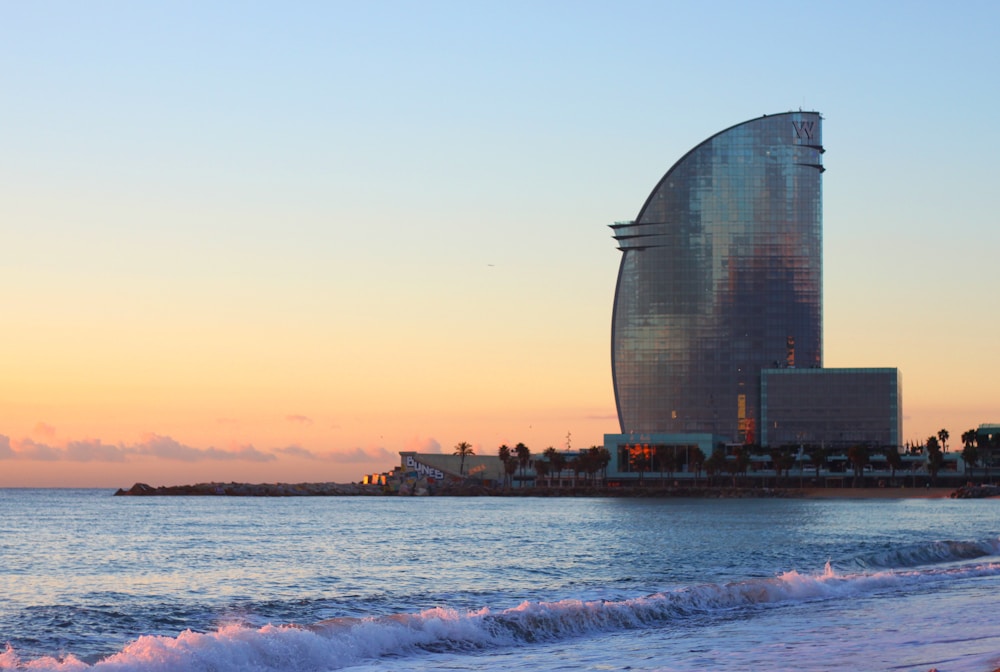
Repositioning cruises — those long, transatlantic or transpacific runs when ships move between seasonal homeports — are already among the most underpriced itineraries in the cruise world. But their pricing doesn’t stay aggressive indefinitely, and the windows where they drop to genuinely surprising levels follow the same midweek rhythm as everything else.
A repositioning cruise from Barcelona to Fort Lauderdale in early November, priced on a Wednesday four months out, can look remarkably different from that same itinerary priced on a Saturday afternoon — same ship, same dates, measurably different number.
The Role of Cancellation Waves
DepositPhotos
Cruise bookings carry cancellation policies with specific refund windows — and when a wave of cancellations hits as a deadline passes, that inventory goes back into the pool and needs to be re-priced and re-sold. Cancellation processing happens on a rolling basis, but the repricing of recovered inventory tends to cluster midweek, when revenue teams are actively working through availability reports.
That Tuesday or Wednesday dip in price you sometimes spot on a sailing you’d been watching isn’t a glitch — it’s recovered inventory hitting the market at a price designed to move it fast.
What “Wave Season” Actually Means for Midweek Timing

Unsplash / Matt Paul Catalano
Wave season — the January through March period when cruise lines run their biggest annual promotions — is often discussed as if it’s a constant state of deals available anytime. It isn’t.
The promotions within wave season launch on specific days, update on specific days, and expire on specific days, and that internal calendar skews heavily toward midweek. Cruise lines stagger their announcements so they don’t compete with each other over a single weekend, which means a different line’s best wave season offer might land on each day from Tuesday through Thursday.
Checking once a weekend during wave season is not the same as checking Tuesday through Thursday.
Group Rate Releases

DepositPhotos
When a travel agency or cruise line releases group-rate inventory to the public — unsold cabins from group blocks that didn’t fill — the timing is almost always midweek, and usually Tuesday or Wednesday. Group rates are often the lowest publicly available prices on a given sailing, undercutting standard fares by 10 to 25 percent, and they’re released with a short booking window by design.
A cabin that was held in a group block for a corporate retreat that got scaled back will reappear mid-Tuesday at a price that rewards whoever notices it first — and that person is almost certainly not browsing casually on a Sunday night.
The Compounding Advantage of Consistent Midweek Checking

Unsplash / Sortter
Catching one midweek deal isn’t luck — it’s pattern recognition applied consistently over time. The travelers who accumulate genuinely good value across multiple cruises aren’t doing anything exotic: they check on Tuesday, they check on Wednesday, they have alerts configured to the right specificity, and they make decisions quickly when something aligns.
It’s less exciting than the fantasy of stumbling onto a dramatic sale, and it requires showing up when the opportunity is likeliest rather than when it’s most convenient.
The Window That Stays Open, If You Know When to Look
DepositPhotos
The cruise industry runs on a schedule that most passengers never see — a back-office cadence of pricing reviews, inventory assessments, and promotional launches that shapes what appears on the booking page and when. Midweek isn’t a quirk or a rumor.
It’s where the commercial logic of the industry surfaces most visibly, for the people who are paying attention on the right days. The deal isn’t hiding.
It’s just on a schedule.
More from Travel Pug

- Underrated Italian Towns That Beat the Tourist Crowds
- Las Vegas Tourist Traps to Skip
- Prettiest Towns in Every US State
- 18 passport-free countries for Americans
- Signs Your Cruise Is Not Worth The Cost
Like Travel Pug’s content? Follow us on MSN.