

Every August 10th, World Lion Day reminds us why these magnificent cats deserve our attention and protection. While lion populations have declined dramatically over the past century, certain wildlife lodges across Africa and India still offer incredible opportunities to witness these apex predators in their natural habitat.
From the sprawling savannas of Kenya to the dense forests of India, these lodges don’t just provide luxury accommodations—they’re frontline bases for some of the planet’s most thrilling lion encounters. Here is a list of 16 wildlife lodge experiences that put you right in the heart of lion territory.
Singita Grumeti, Tanzania
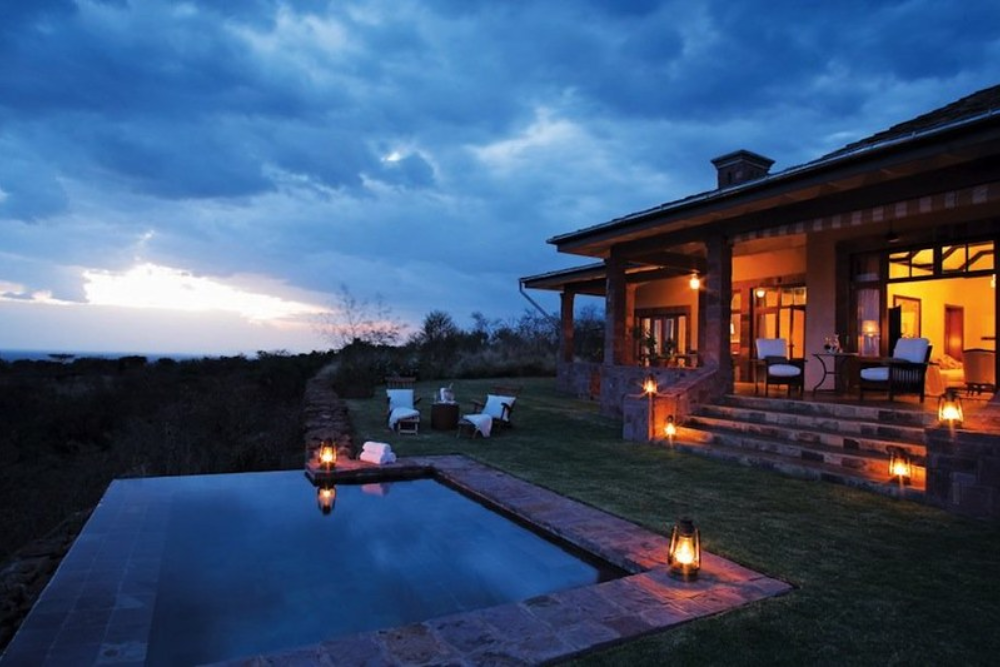
Located in the western corridor of the Serengeti ecosystem, Singita Grumeti offers front-row seats to one of nature’s greatest spectacles. The lodge sits along the Grumeti River, where massive lion prides gather during the Great Migration to hunt wildebeest and zebra.
You’ll often spot lions lounging under acacia trees just yards from your suite, and the resident prides here are known for their impressive size and hunting prowess.
AndBeyond Ngorongoro Crater Lodge, Tanzania
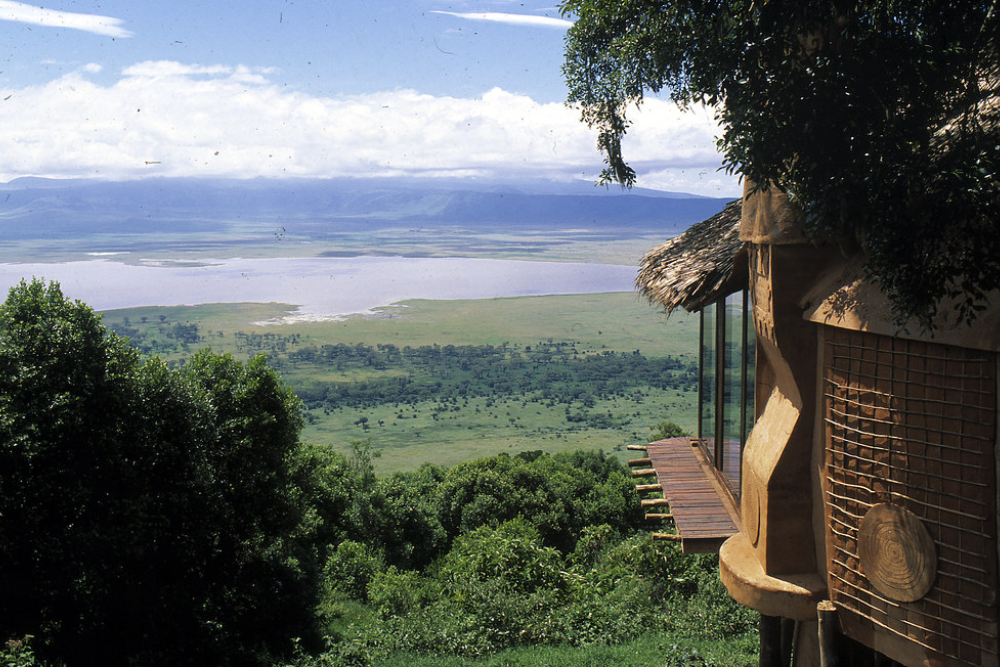
Perched on the rim of the world’s largest intact volcanic caldera, this lodge provides unparalleled access to one of Africa’s densest lion populations. The Ngorongoro Crater houses around 60 to 70 lions year-round, making sightings almost guaranteed during game drives.
The unique geography creates a natural amphitheater where you can watch lion interactions unfold across the crater floor, often spotting multiple prides in a single afternoon.
Like Travel Pug’s content? Follow us on MSN.
Governors’ Camp, Kenya
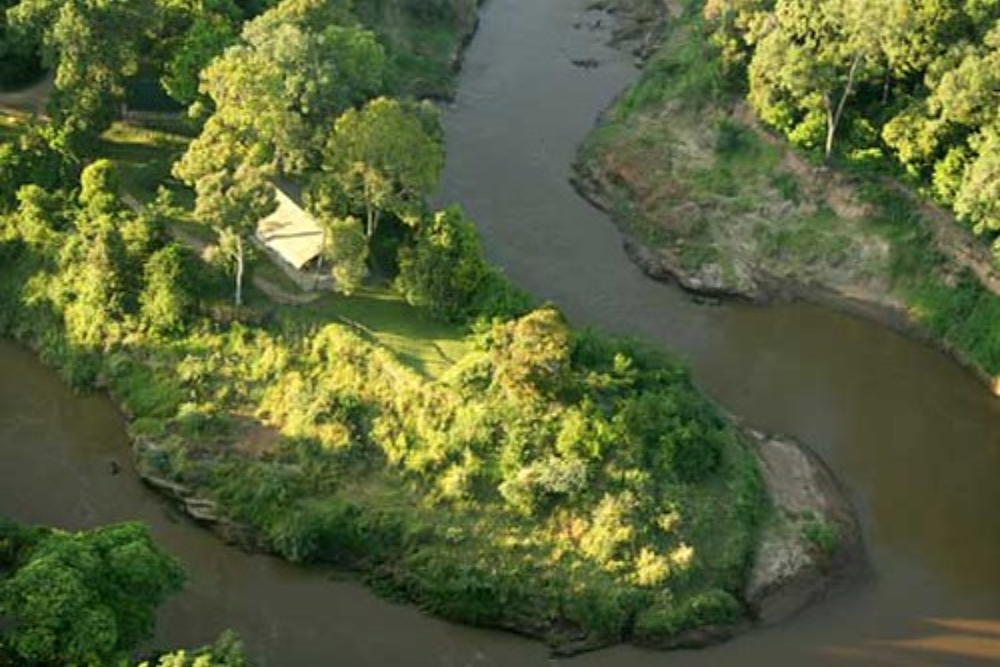
Situated along the Mara River in Kenya’s Maasai Mara, Governors’ Camp has been hosting guests since 1972 and knows exactly where to find the area’s famous lion coalitions. The Marsh Pride, made famous by wildlife documentaries, frequently roams near the camp, and guides here have tracked lion families for decades.
During migration season, you might witness dramatic river crossings followed by epic lion hunts—nature’s ultimate reality show.
MalaMala Game Reserve, South Africa
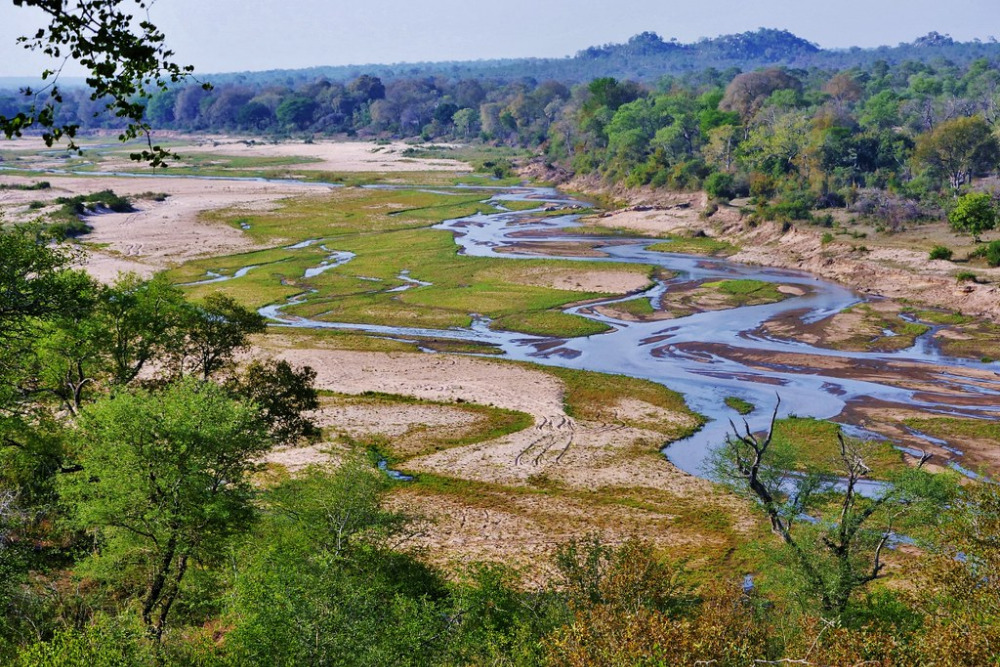
This private reserve shares an unfenced border with Kruger National Park, creating a 33,000-acre lion paradise in South Africa’s Lowveld region. MalaMala boasts one of Africa’s highest game densities, with resident lion prides that have become accustomed to vehicles, allowing for incredibly close encounters.
The reserve’s strict vehicle limits mean you’ll rarely share your lion sighting with more than two other vehicles.
Londolozi Private Game Reserve, South Africa
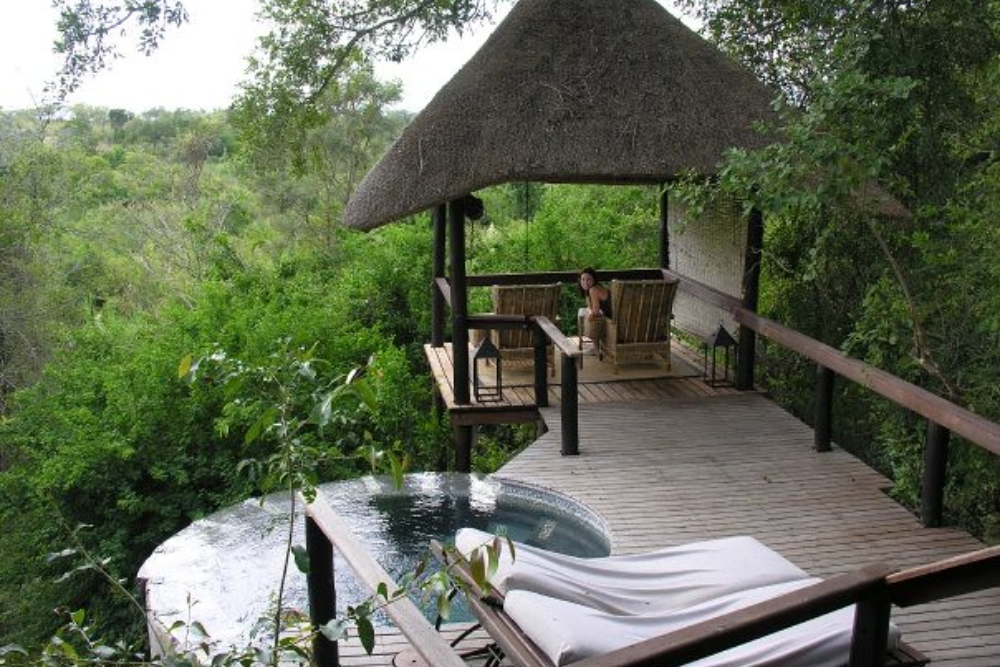
Family-owned for nearly a century, Londolozi in the Sabi Sands region pioneered the concept of habituating wild lions to safari vehicles. The result is some of the most intimate big cat experiences on the continent, where lions often walk within feet of your vehicle.
The reserve’s detailed lion genealogy records span generations, and guides can tell you the complete family history of every pride member you encounter.
Like Travel Pug’s content? Follow us on MSN.
Camp Okavango, Botswana
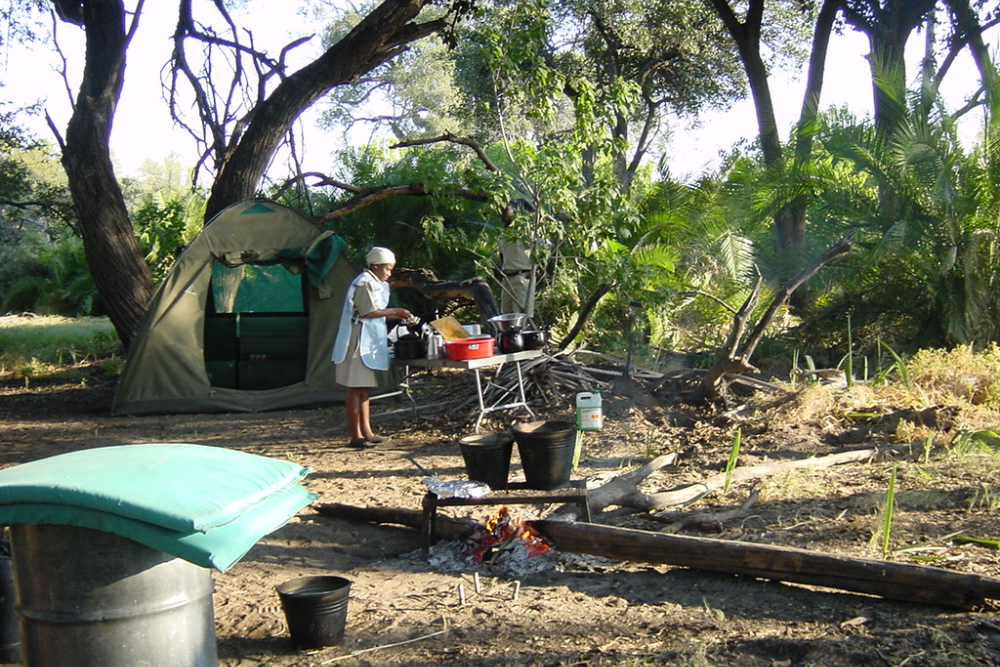
Built on a remote island in the Okavango Delta, this camp offers a unique water-meets-wilderness lion experience in northern Botswana. The surrounding floodplains create seasonal islands where lions often get stranded, leading to fascinating behavioral adaptations like swimming between islands.
Mokoro canoe excursions combined with game drives provide dual perspectives on how these cats navigate the delta’s ever-changing landscape.
Duba Plains Camp, Botswana
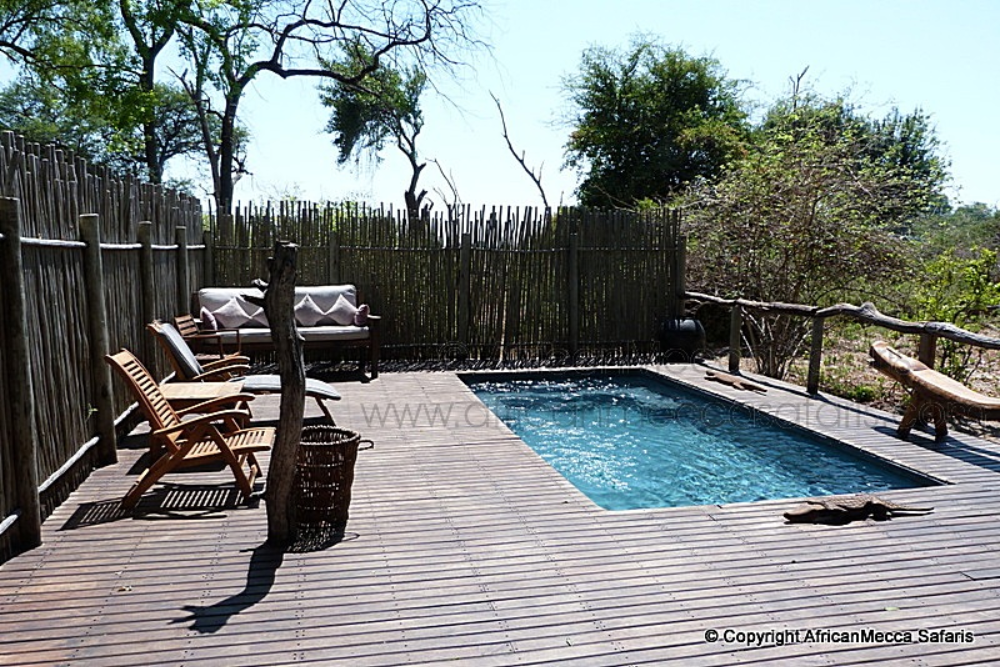
Located on Duba Island deep in the Okavango Delta, this camp is renowned for its specialized lion research and the famous ‘swimming lions’ featured in National Geographic documentaries. The resident pride has adapted to the delta’s seasonal flooding by becoming exceptional swimmers, regularly crossing deep channels to hunt buffalo on neighboring islands.
These lions have developed unique hunting strategies that you won’t see anywhere else in Africa.
Sabi Sabi Earth Lodge, South Africa
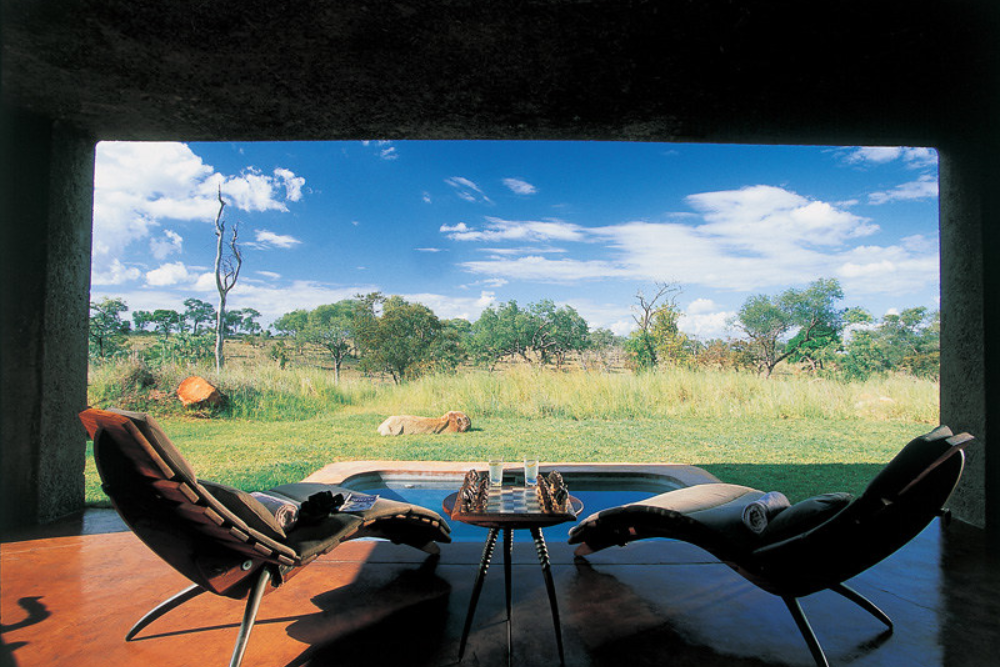
This award-winning eco-lodge in the Sabi Sands Game Reserve blends seamlessly into the landscape while offering some of South Africa’s most reliable lion viewing. The lodge’s underground design and natural camouflage allow wildlife to approach incredibly close, with lions frequently drinking from the waterhole just steps from the main lodge.
Night drives here reveal a different side of lion behavior, as you’ll witness their nocturnal hunting activities under spotlights.
Like Travel Pug’s content? Follow us on MSN.
Lemala Ewanjan Tented Camp, Tanzania
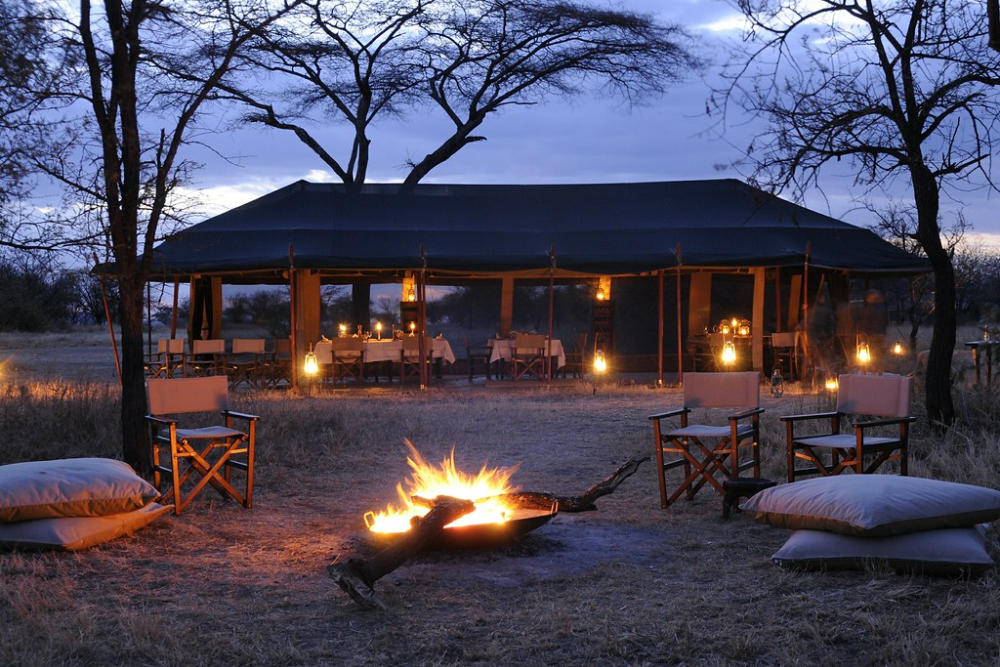
Strategically positioned in the path of the Great Migration in northern Tanzania, this seasonal camp moves locations to follow the herds—and consequently, the lions that hunt them. During calving season, the surrounding plains teem with newborn wildebeest, attracting large lion coalitions that provide non-stop action.
The camp’s mobility ensures you’re always in the thick of the predator-prey drama that defines the Serengeti ecosystem.
Mahali Mzuri, Kenya
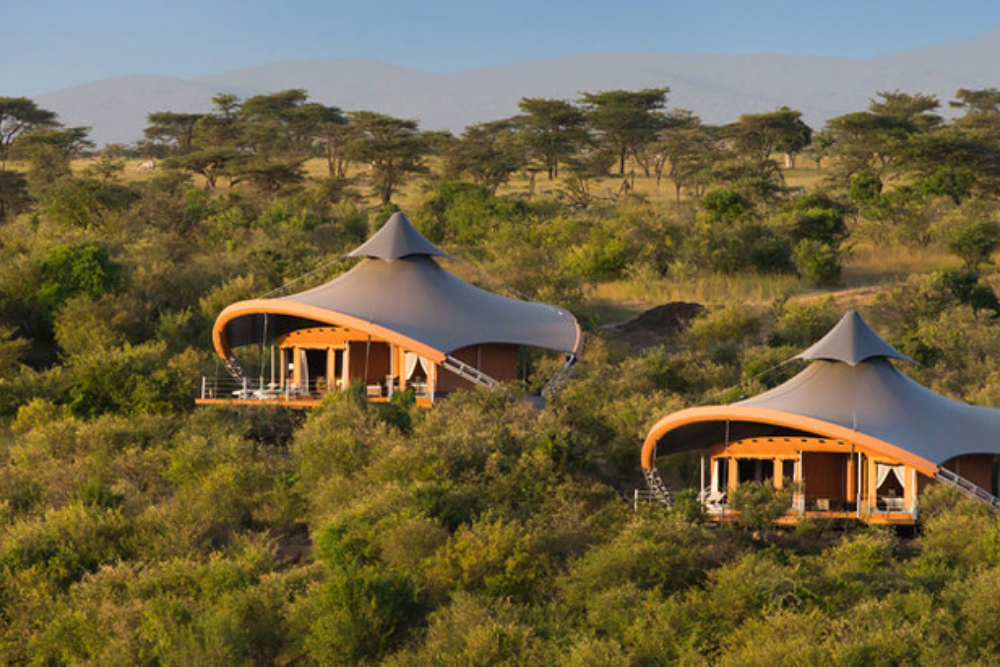
Virgin founder Richard Branson’s safari camp overlooks the Motorogi Conservancy in the greater Maasai Mara ecosystem, offering exclusive access to lion territories away from crowded park areas. The conservancy model here directly benefits local Maasai communities while maintaining critical lion habitat through reduced livestock grazing.
Game drives often encounter the same pride members repeatedly, allowing you to witness ongoing lion social dynamics and territorial behaviors.
Chobe Game Lodge, Botswana
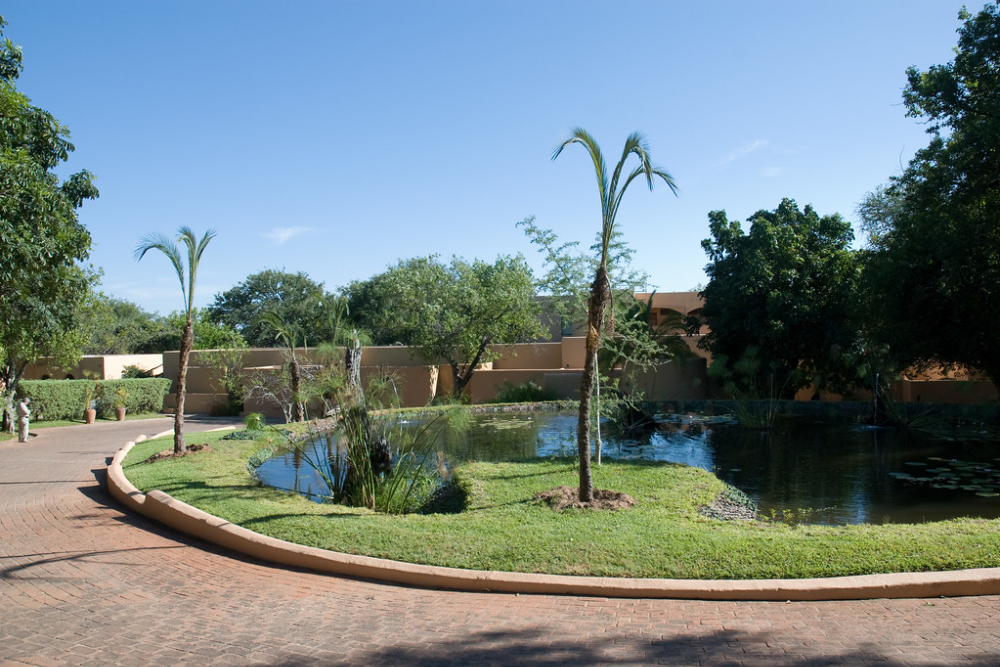
Africa’s first photographic safari lodge, established in 1971, sits along the Chobe River where massive elephant herds create unique lion viewing opportunities. The resident lions here have learned to take advantage of elephant mortalities, particularly during the dry season when the river becomes a wildlife magnet.
Boat-based game viewing provides a different perspective on lion behavior, especially when prides come to drink along the riverbank at sunset.
Like Travel Pug’s content? Follow us on MSN.
Thornybush Game Lodge, South Africa
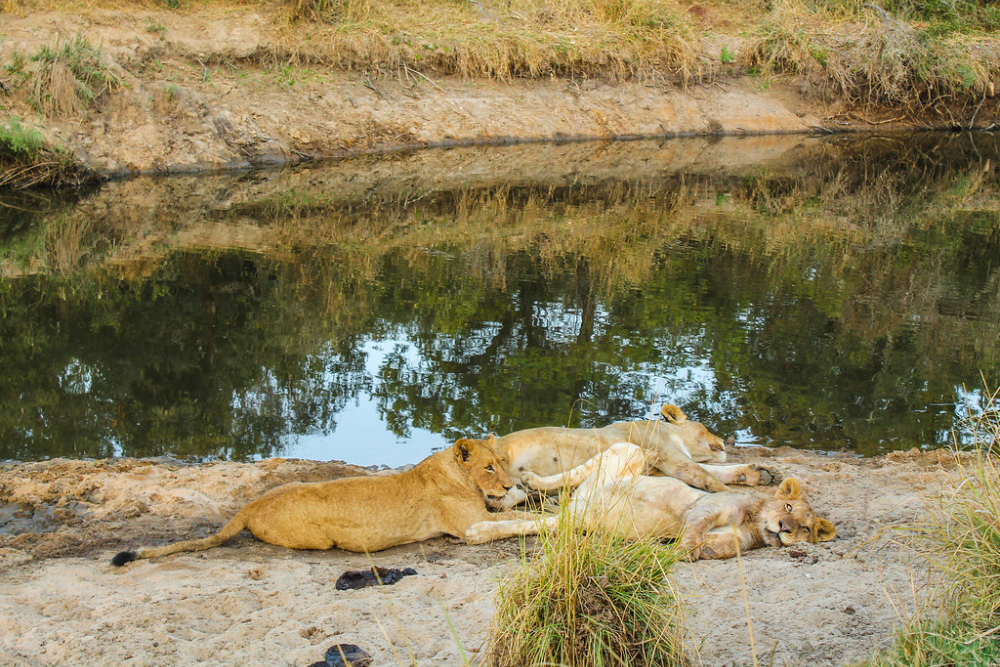
Located in the greater Kruger ecosystem, this lodge offers exceptional lion tracking experiences led by some of South Africa’s most experienced rangers and trackers. The reserve’s varied terrain—from riverine forests to open savannas—supports diverse lion hunting strategies that change with the habitat.
Walking safaris here provide incredible insights into lion tracking techniques, teaching you to read paw prints, scat, and territorial markings.
South Luangwa Safari House, Zambia
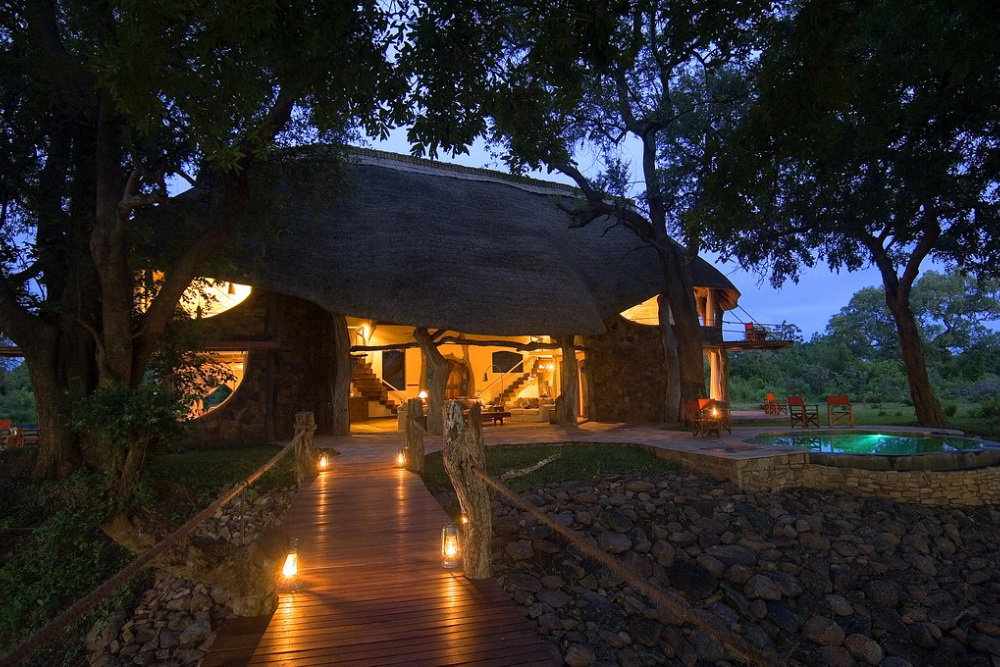
The South Luangwa Valley earned its reputation as the ‘Valley of the Leopard,’ but it’s equally impressive for lion encounters, particularly around the Luangwa River in eastern Zambia. This region pioneered walking safaris, offering a completely different lion experience where you track these predators on foot with armed guides.
The adrenaline rush of following fresh lion tracks through the African bush creates memories that vehicle-based safaris simply can’t match.
Gir Wilderness Camp, India
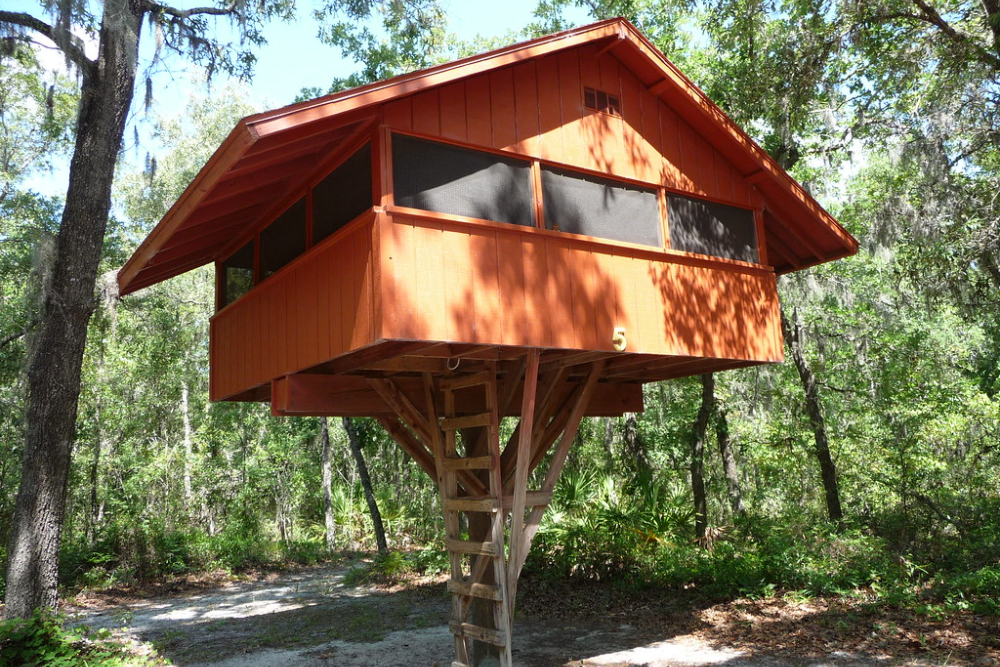
In Gujarat’s Gir Forest, the last refuge of wild Asiatic lions, this eco-camp provides access to one of conservation’s greatest comeback stories. Asiatic lions differ from their African cousins with distinctive belly folds and smaller manes, and the Gir population has grown from just 20 individuals in 1913 to over 650 today.
The forest’s dense vegetation creates different viewing dynamics, where lions often appear suddenly through the trees like striped ghosts.
Like Travel Pug’s content? Follow us on MSN.
Desert Rhino Camp, Namibia
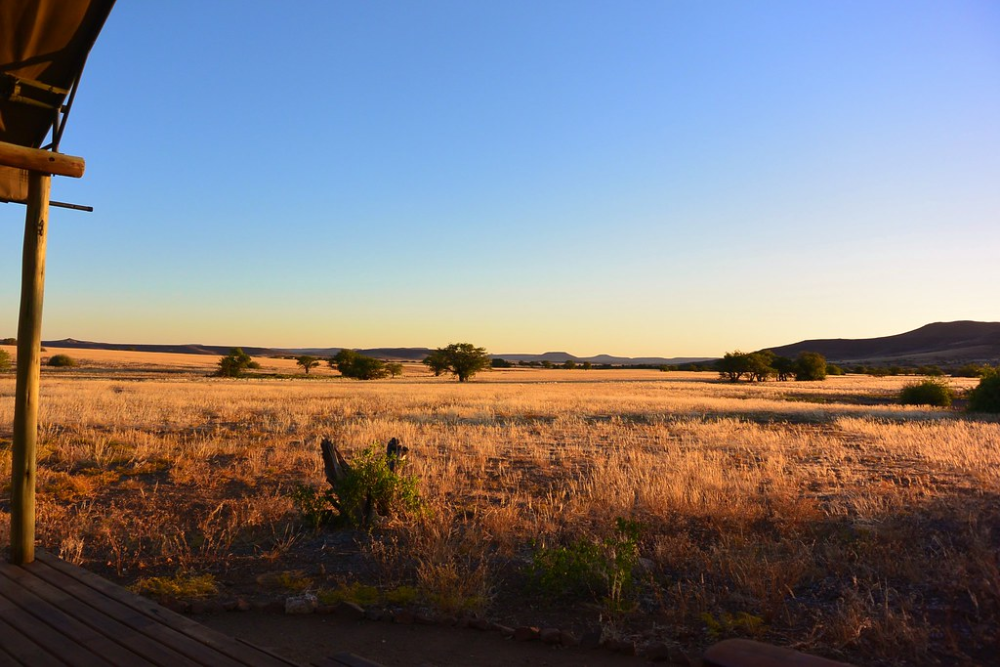
While primarily known for desert-adapted rhinos, this remote camp in Namibia’s Palmwag Concession also offers encounters with desert lions—one of Africa’s rarest lion populations. These remarkable cats have adapted to survive in semi-arid conditions by following seasonal prey migrations across vast distances, sometimes covering 200 miles in a single journey.
Tracking these elusive lions requires specialized guides who understand their unique behavioral patterns in this harsh environment.
Camp Hwange, Zimbabwe
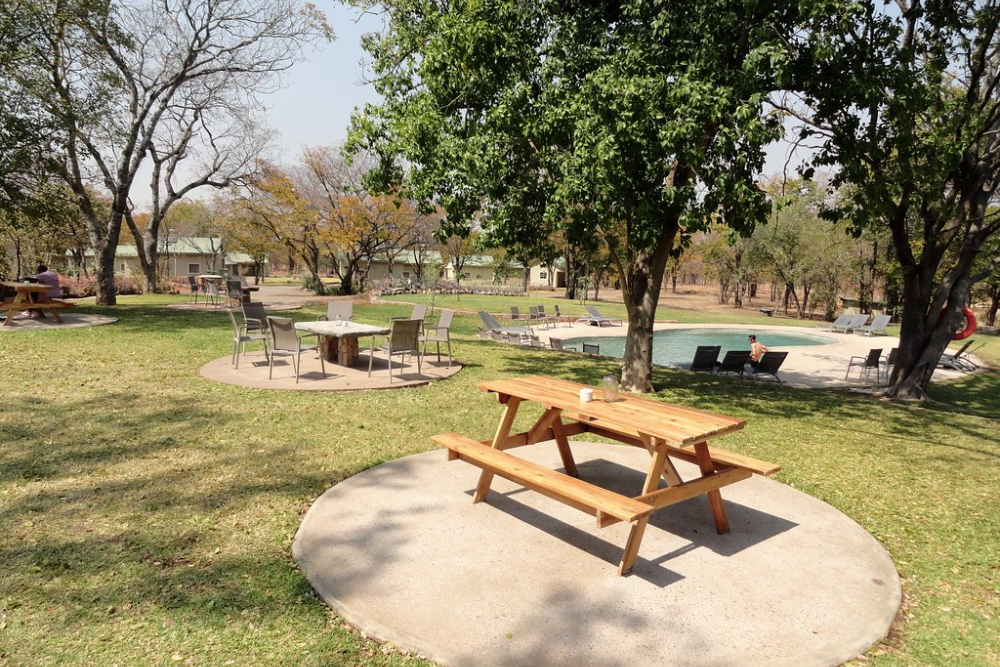
Situated near Zimbabwe’s largest national park, this intimate camp provides access to Hwange’s impressive lion populations, which have rebounded significantly in recent years. The area’s numerous waterholes create natural theaters for lion viewing, especially during the dry season when desperate prey animals must risk predator encounters for water.
The camp’s hide overlooking a busy waterhole offers incredible photographic opportunities as lions stalk unsuspecting antelope just yards away.
Kings of Yesterday, Guardians of Tomorrow
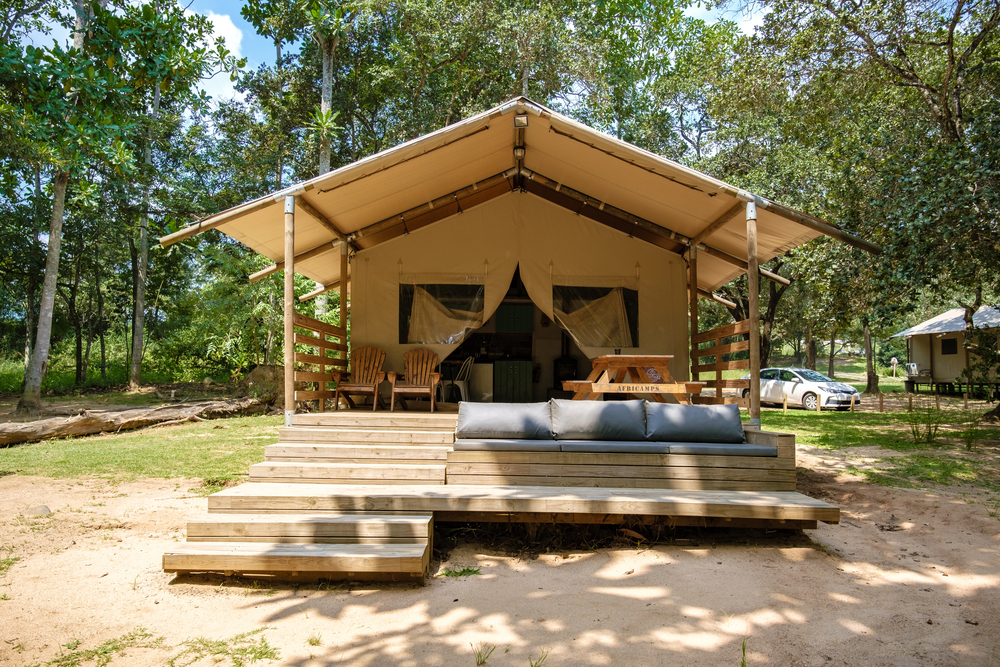
These lodges are not just luxury lodging—they’re contemporary arks safeguarding lion populations for generations to come. Whereas colonial hunters hunted these very same lands in the early days of settlement, today’s lodge visitors benefit lion populations directly through tourism income that renders lions more valuable to communities alive than dead.
The shift from hunting grounds to photographic refuges demonstrates that even top predators can be reconciled when humans opt for protection instead of exploitation.
Like Travel Pug’s content? Follow us on MSN.
More from Travel Pug

- 20 Best Beach Towns in the Carolinas
- 13 Destinations Where Tourists Regularly Regret Their Trip
- 20 Things You Actually Get in First Class
- 20 Small Airports With Aviation Museums
- 20 Places in the U.S. That Are Perfect for a Reset Trip
Like Travel Pug’s content? Follow us on MSN.