

Getting stuck in a cramped, chaotic airport terminal can turn travel into a headache before your trip even begins. Some waiting areas across the country have earned notorious reputations for overcrowding, limited seating, and facilities that haven’t kept pace with passenger demands.
These spots can drain your energy faster than a delayed connection, from outdated gate zones to security checkpoints that feel more like endurance tests.Here are 15 airport waiting lounges you’ll want to avoid when making your next flight booking, along with the exact issues that make them so infamous for all the wrong reasons.
Newark Terminal B gate zones

Despite a $2.7 billion renovation of Terminal A, Terminal B remains severely overcrowded and outdated. Most lounges sit closed or under renovation when travelers need them most — while restaurants frequently run out of healthy menu options yet still charge premium prices.
The contrast between the gleaming new Terminal A and this aging space makes the waiting experience particularly frustrating.
LAX merged terminal chaos

Terminal 7’s merger with Terminal 8 now processes 35% more passengers daily, causing a 40% increase in luggage handling times during peak hours. The layout remains confusing with long lines at security, immigration, and baggage claims.
Think of it like trying to navigate a shopping mall during Black Friday — except you’ve got a flight to catch, and staff attitudes have earned LAX a reputation as having some of the rudest airport employees in the country.
Like Travel Pug’s content? Follow us on MSN.
JFK’s passport control bottleneck

JFK has the longest combined wait times in 2024 — travelers spend an average of nearly 40 minutes clearing security and passport control. The airport handles massive passenger volumes, yet its infrastructure struggles to keep up.
Long waits and poor passenger flow persist despite a $19 billion construction project that won’t finish until the end of the decade.
Miami Terminal D amenity desert

Terminal D offers limited amenities that drop to near zero in other terminals, whereas the American Admirals Clubs are overcrowded and outdated. Miami appears near the top for longest TSA wait times, most early-morning flight delays, and worst holiday delays.
It’s a perfect storm of inconvenience — the lack of quality spaces means you’re better off finding a quiet gate area than trying to relax in the designated lounges.
Orlando MCO’s seating shortage

Orlando topped MarketWatch’s 2024 survey on worst airports for layovers. Seating availability, cleanliness, charging station access, and food service all received abysmal ratings. The airport leads the US in lost and damaged luggage with a mishandling rate 63% higher than the national average.
At the same time, the general atmosphere of chaos reflects an airport that simply can’t accommodate the enormous crowds passing through.
Like Travel Pug’s content? Follow us on MSN.
O’Hare Terminal 2 baggage pileups

A July 2024 technology outage caused over 170 flights and massive baggage pile-ups in Terminal 2 — showcasing the airport’s vulnerability to disruptions. Combined wait times have actually increased by 58 seconds compared to the previous year, whereas most airports have improved.
=Long lines and frequent cancellations make this one of the more stressful connection points you’ll encounter.
Denver’s centralized security nightmare
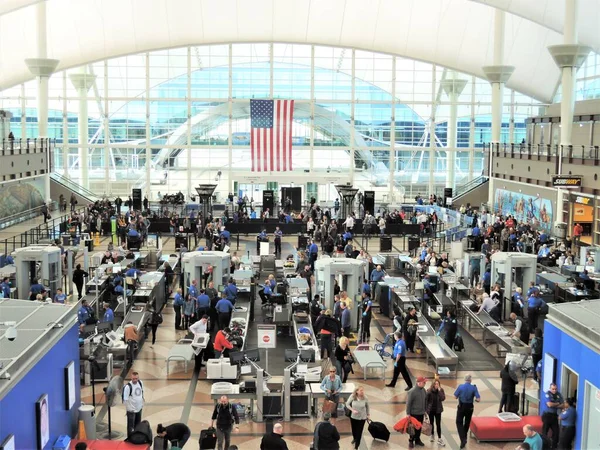
A centralized security checkpoint seems tailor-made to create congestion. Even worse, the inter-concourse train system is prone to breakdowns — while Terminal B takes 23 minutes to walk from one end to the other, the longest single terminal walk of any US airport.
Construction projects meant to address these issues have dragged on for years, adding more headaches instead of solutions.
San Francisco’s delay capital

San Francisco had the highest percentage of flight delays among US airports in 2024 — more than 37% of planes running behind schedule. That’s double the delay rate of ultra-busy Atlanta, though it’s not just the weather to blame.
The airport tied for last place on food and beverage staff service with a rating of just 2.5, while system outages and staffing shortages compound the punctuality problem.
Like Travel Pug’s content? Follow us on MSN.
Dallas-Fort Worth’s power struggle

DFW ranked mid-range to low on terminal seating and cleanliness. It pulled in just two out of five stars for queuing times and food selections, yet the real frustration comes from power access — the airport scored an abysmal 2.5 on charging points, tying for last place with three other airports.
Plugging in your phone means standing at dedicated charging stations rather than relaxing in a seat, which gets old fast during extended layovers.
Atlanta’s overcrowded concourses

Concourse F’s expansion added 22 new gates but resulted in a 25% increase in walking distance for some connecting passengers — not exactly the improvement travelers hoped for. The airport scored well for charging stations and ranked mid-range for cleanliness and food service, though the sheer volume of travelers can make even decent facilities feel cramped.
Despite this, the virtual queuing system for security has reduced wait times, yet confuses first-time users.
Fort Lauderdale’s carrier chaos

The facility ranks high for flight delays, owing to heavy dependence on low-cost carriers that struggle with punctuality. Florida airports, including Fort Lauderdale, rank among those with the longest TSA and passport control lines in the country.
However, the FAA has allocated $50 million for improvements to layout and connectivity.Even so, travelers face ongoing challenges until those upgrades materialize.
Like Travel Pug’s content? Follow us on MSN.
San Diego’s construction zone

The airport is incredibly crowded. Reviewers describe it as so tiny it feels like a fire trap, with too many people and a shortage of bathrooms concentrated in just one area near the terminals.
Guests report it tends to be filthy, though major renovations are underway with 19 gates and outdoor check-in pavilions planned. Still, the first phase won’t be completed until summer 2025.
Reagan National’s stressed controllers

Overcrowded airspace around the DC area has been a concern for years. Recent incidents include near misses, communication errors, and even a physical fight among air traffic controllers.
In contrast, the degree of stress faced by overburdened, understaffed controllers affects the entire passenger experience.Tighter FAA restrictions and declining passenger numbers hint at dropping public confidence in the airport’s operations.
Philadelphia’s low performer

Philadelphia International Airport obtained the lowest score of any airport in the large category at just 541 out of 1,000. Specific waiting area details vary, yet the overall passenger satisfaction numbers tell a story of facilities struggling to meet traveler needs.
Larger airports like Philadelphia tend to fare worse than smaller ones, regardless of category, though that’s little consolation when you’re stuck there.
Like Travel Pug’s content? Follow us on MSN.
Kansas City’s confusing signs

The signs are confusing, and the layout is horrible. Travelers need to ask security guards how to reach baggage claim because signage makes no sense, whereas the airport makes traveling harder than necessary.
Simple tasks become navigation puzzles, and even basic wayfinding becomes an exercise in frustration when you’re rushing to catch a connection.
The silver lining ahead

Airport waiting areas reflect broader infrastructure challenges facing American aviation, where passenger numbers have outpaced facility improvements at many major hubs. Yet some airports demonstrate that transformation is possible — LaGuardia’s $8 billion overhaul took it from worst to best, while smaller facilities like Palm Beach and John Wayne consistently deliver better experiences.
The contrast between struggling giants and efficient regional airports suggests size isn’t destiny, though investment and smart design certainly matter. As travelers become more selective about connection points, airports face mounting pressure to upgrade waiting areas or risk losing business to better-maintained competitors.
More from Travel Pug

- 20 Best Beach Towns in the Carolinas
- 13 Destinations Where Tourists Regularly Regret Their Trip
- 20 Things You Actually Get in First Class
- 20 Small Airports With Aviation Museums
- 20 Places in the U.S. That Are Perfect for a Reset Trip
Like Travel Pug’s content? Follow us on MSN.