

Bolivia is a country that hits you with history, color, and life from the moment you arrive. Its towns and cities feel lived-in, with streets, markets, and plazas that still pulse with tradition. You’ll find colonial architecture, indigenous rituals, and everyday local life blending together in ways that feel completely authentic.
These 14 cultural spots are the best places to see Bolivia’s heritage in action.
Sucre

Sucre is known as Bolivia’s white city, and it’s easy to see why. The sunlight hits the whitewashed buildings in a way that makes the streets glow, and walking through the plazas feels like stepping into another century.
Local markets brim with colorful crafts, while cafés spill music and chatter into the streets. Festivals make the city come alive, filling squares with dancing, music, and laughter. Sucre has a calm charm that invites you to slow down and soak everything in.
Potosí

Potosí sits under the shadow of Cerro Rico, a mountain that tells the city’s silver mining story at every turn. The streets are narrow and full of character, with colonial architecture alongside modern shops and cafés.
The Casa de la Moneda museum shows how silver shaped Bolivia, while the lively markets prove the city is still very much alive. During local festivals, the streets are colorful and full of music, linking past and present effortlessly.
Potosí is the kind of place where history hits you in the street as much as in the museums.
La Paz

La Paz is chaotic, colorful, and utterly unforgettable. Streets zigzag down the canyon with markets, churches, and houses packed together in a jumble of life. The Witches’ Market is full of herbs, charms, and rituals that locals still practice today.
Colonial buildings stand next to modern high-rises, and street performers add movement and music to the scene. The city feels like a living, breathing showcase of Bolivia’s culture in every corner.
Tiwanaku

Tiwanaku is an archaeological wonder where giant stone temples hint at ancient knowledge. Carvings show astronomical alignments and spiritual symbolism, and walking among them makes you feel connected to a civilization long gone.
Guides share stories that bring the site to life, and even standing quietly among the stones is inspiring. It’s not crowded, which makes it feel like a private encounter with history.
Tiwanaku shows how culture can survive for thousands of years in stone and story.
Copacabana

Lake Titicaca’s Copacabana is more than a pilgrimage town—it’s a hub of lakeside life. The Basilica of Our Lady of Copacabana draws crowds, but the lakeside streets stay calm and scenic. Markets overflow with crafts and textiles, and festivals fill the town with music and traditional dance.
The water glimmers in the sunlight, offering a serene backdrop to the activity on land. Copacabana combines nature, religion, and tradition in a way that’s effortlessly beautiful.
Sucre Cathedral
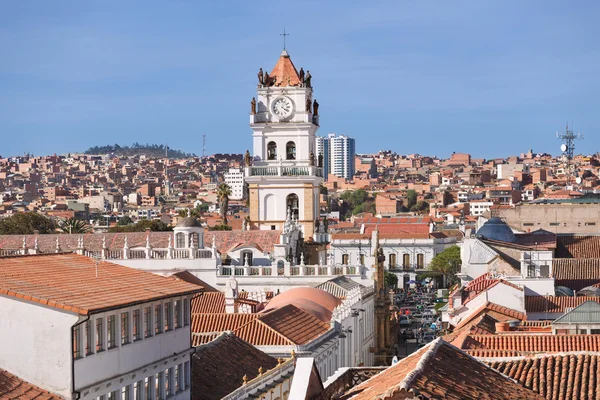
The cathedral dominates Sucre’s main square, a bright, elegant structure that’s impossible to miss. Inside, the altars and artwork are intricate, showing the city’s colonial heritage. Local ceremonies keep the building alive, while the plaza outside buzzes with everyday life.
Musicians, vendors, and passersby add movement and energy around this historical landmark. Visiting the cathedral is a full sensory experience, blending history, culture, and daily rhythm.
Oruro
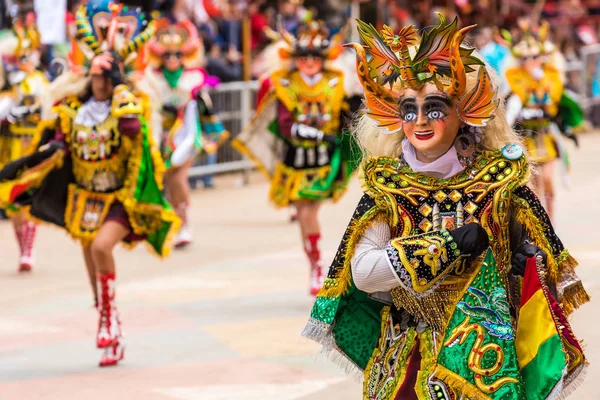
Oruro is home to one of South America’s most famous carnivals, where masks, music, and dance dominate the streets. Indigenous traditions mix with Catholic rituals, creating a spectacle that’s impossible to ignore.
Outside festival season, the city still hums with local markets and small celebrations. Food vendors and artisans keep the local culture visible every day. Oruro proves that heritage can be lively, colorful, and fun—every single day.
Tarabuco
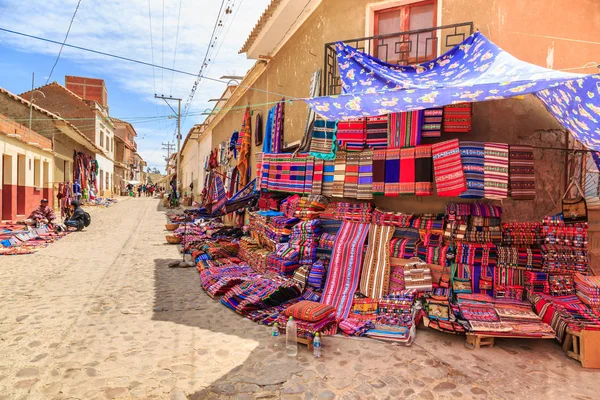
Tarabuco’s Sunday market is a riot of colors and textures. Quechua artisans display traditional clothing, woven textiles, and handmade crafts. Festivals bring music, dancing, and ceremonial dress to life.
Walking the market feels like stepping into a living museum that never stops moving. Tarabuco is small but brimming with authenticity and energy, a place you won’t forget.
Uyuni Train Cemetery

The train cemetery outside Uyuni is haunting in the best way. Rusted locomotives sit scattered across the desert, creating a surreal landscape that feels frozen in time. Walking among them, you can imagine the city’s industrial past while the vast emptiness of the salt flats stretches out beyond.
The site feels raw and real, not polished for tourists. It’s a strange, beautiful slice of Bolivian history that sticks with you long after you leave.
Samaipata

Samaipata sits at the base of the Andes, quiet and charming. The nearby El Fuerte ruins reveal terraces and carvings from pre-Columbian times. Streets are lined with artisanal shops and cozy cafés, giving the town a warm, approachable vibe.
Festivals highlight a mix of indigenous and colonial traditions, which makes the culture feel alive and accessible. Samaipata is a place where history is tangible, yet seamlessly part of everyday life.
Cochabamba
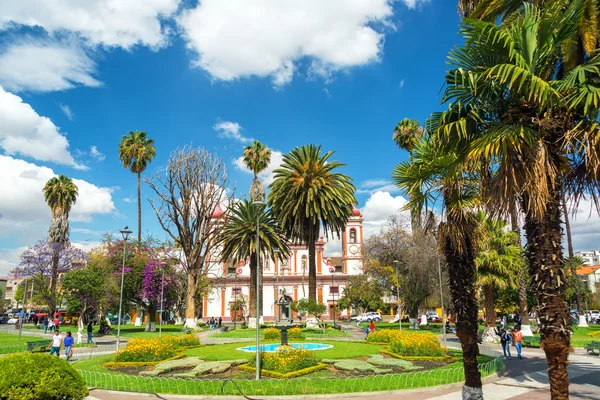
Cochabamba blends modern energy with tradition. Its central plaza hums with vendors, performers, and locals going about their day. Traditional foods like salteñas offer a taste of the city’s flavor and rhythm.
Festivals and markets show cultural practices that have survived generations. The surrounding valleys and mountains frame the city, making it scenic as well as culturally rich.
Sucre Art Center
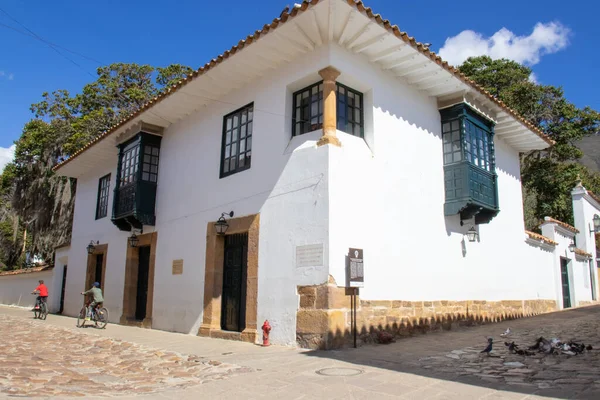
The Sucre Art Center is where local artists show modern work inspired by traditional themes. Exhibits explore indigenous heritage while staying contemporary, making it feel fresh and relevant.
Workshops let visitors participate and interact with art in a hands-on way. The center is a reminder that culture isn’t just preserved—it’s living and evolving. Visiting feels engaging rather than formal or staged.
Potosí Mint Museum
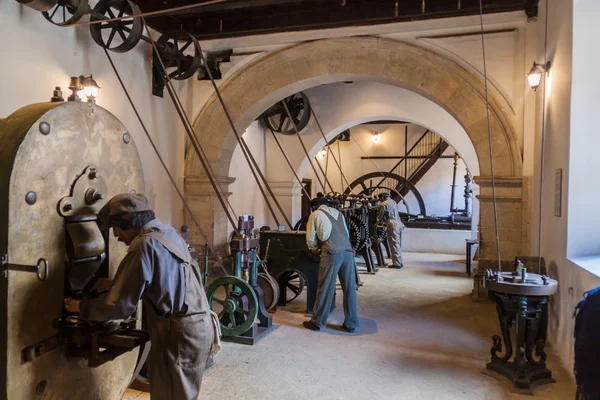
The mint museum tells the story of Bolivia’s role in the global silver trade. Old coins, machinery, and documents reveal centuries of economic and social history.
Guided tours make the story accessible, and walking the halls gives a sense of the scale of Potosí’s influence. It’s a museum that feels alive with stories of labor, trade, and human ambition. The history here is tangible and surprisingly relatable.
Lake Titicaca Cultural Islands

The Uros floating islands are made entirely from reeds, home to a community that has lived on the water for generations. Residents fish, weave, and craft with techniques passed down for centuries.
Visitors can take part in daily life, learning about the islands’ traditions firsthand. The islands feel like a different world, where human ingenuity meets cultural continuity. It’s a reminder of how people can thrive while preserving their heritage.
Bolivia’s living culture
Bolivia isn’t a country you just look at—it’s one you experience. From vibrant markets to sacred ruins, every spot has stories, rhythms, and colors waiting to be discovered. Visiting these towns and sites gives insight into communities that live history every day.
You leave Bolivia with more than memories—you carry a sense of its enduring culture and resilience. These places prove that heritage isn’t just something to admire—it’s something to feel.
More from Travel Pug

- Underrated Italian Towns That Beat the Tourist Crowds
- Las Vegas Tourist Traps to Skip
- Prettiest Towns in Every US State
- 18 passport-free countries for Americans
- Signs Your Cruise Is Not Worth The Cost
Like Travel Pug’s content? Follow us on MSN.