

From the cold mountain ranges of Canada to the steamy rainforests of South America, the Americas are filled with waterfalls that feel almost unreal. Some are wide and deafening, crashing with unbelievable force, while others are hidden gems you stumble upon after a long hike through the jungle.
Each has its own character, shaped by the landscape and the people who live nearby. They’re not just water pouring off cliffs—they’re landmarks that capture the power and beauty of nature.
Here is a list of 16 famous waterfalls across the Americas that continue to amaze visitors from around the world.
Niagara Falls

Niagara Falls, sitting right on the border between the U.S. and Canada, is probably the most famous waterfall in the world. It’s actually three separate waterfalls—Horseshoe, American, and Bridal Veil—that together move an incredible amount of water every second.
Boat rides bring visitors close enough to feel the mist soaking their faces, and the roar is so loud it’s hard to hear anything else. At night, colored lights turn the falls into a glowing wall of water that looks almost otherworldly. It’s the kind of place people visit once and never forget.
Angel Falls

Angel Falls in Venezuela doesn’t just impress—it stuns. Dropping over 3,200 feet from a flat-topped mountain, it’s the tallest uninterrupted waterfall on Earth. During dry months, the water is so fine it almost seems to float away before it reaches the bottom.
The journey to get there isn’t easy, involving planes, riverboats, and jungle treks, but that’s part of what makes it special. Standing at its base, you can’t help but feel tiny compared to the sheer wall of stone and mist above you.
Iguazu Falls
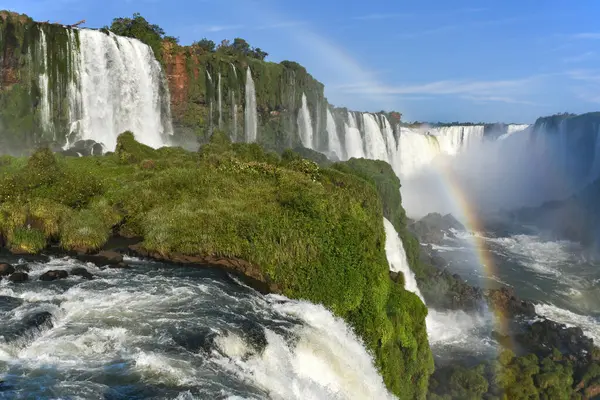
On the border of Argentina and Brazil lies Iguazu Falls, a sprawling system of 275 waterfalls spanning nearly two miles. The most famous section, called the Devil’s Throat, funnels massive amounts of water into a U-shaped gorge with unbelievable force.
Walkways stretch across parts of the river, letting you stand almost directly above the rushing water. The surrounding rainforest is just as impressive, full of toucans, monkeys, and butterflies. Together, the setting feels like something straight out of an adventure film.
Yosemite Falls

In California’s Yosemite National Park, Yosemite Falls steals the show. It’s one of the tallest waterfalls in North America, dropping 2,425 feet in three dramatic sections. Hikers climb to overlooks where they can see the entire waterfall framed by towering granite cliffs.
Spring is the best time to visit, when melting snow feeds the falls into a powerful rush. By late summer, though, it often slows to little more than a trickle.
Kaieteur Falls
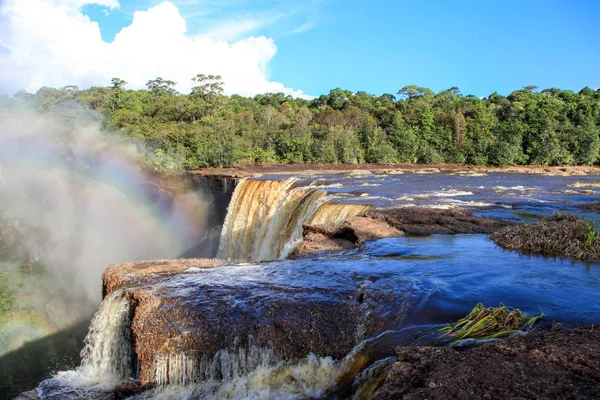
Kaieteur Falls in Guyana is one of those places that feels like it belongs in a lost world. The water plunges 741 feet in a single drop, surrounded by untouched Amazon rainforest. Unlike Niagara or Iguazu, you won’t find big crowds here—its remote location means only a small number of visitors get to see it each year.
Rare species like the golden rocket frog and the bright orange cock-of-the-rock bird live nearby, making the area feel even more magical. It’s wild, raw, and unforgettable.
Multnomah Falls

Oregon’s Multnomah Falls is the kind of waterfall that feels like it was made for postcards. Dropping 620 feet in two stages, it’s easy to visit since it’s right off the highway in the Columbia River Gorge.
A stone bridge spans the lower section, giving visitors a perfect view that’s been photographed millions of times. In winter, icy mist sometimes coats the rocks, turning the area into a frozen wonderland. No matter the season, the falls always have a fairytale-like quality.
Basaseachic Falls
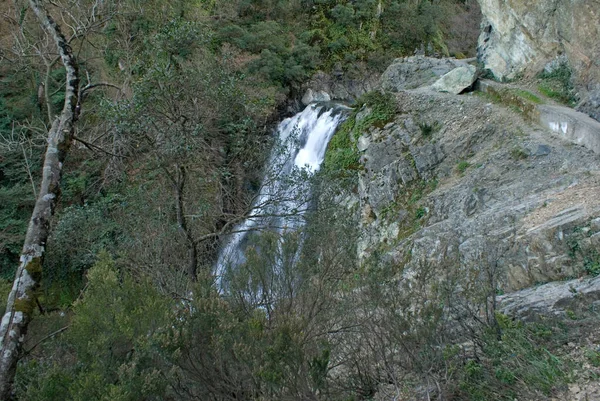
In Mexico’s Copper Canyon, Basaseachic Falls plunges 807 feet in one long drop. Surrounded by pine forests and rugged cliffs, the area is a paradise for hikers and adventure seekers. The falls flow strongest in spring, fed by snowmelt and seasonal rains.
Though it doesn’t draw the same attention as Niagara or Iguazu, it remains one of Mexico’s most spectacular natural sights. Its remote, wild setting makes it even more appealing to those willing to venture off the beaten path.
Gocta Waterfall

Gocta Waterfall in northern Peru is a giant that almost no one outside the region knew about until the early 2000s. At 2,530 feet, it’s one of the tallest in the world, but local legends kept it hidden for centuries.
To reach it, visitors trek through cloud forests filled with birds, monkeys, and lush greenery. When you finally arrive, the twin drops look like white ribbons falling through the jungle. It feels like discovering a secret kept by nature itself.
Havasu Falls
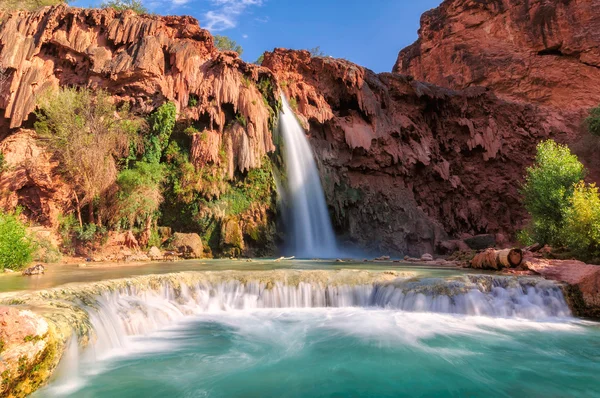
Havasu Falls is tucked deep within Arizona’s Grand Canyon on land belonging to the Havasupai people. The water is a brilliant turquoise blue, caused by minerals that line the stream and pools.
It drops about 100 feet, forming natural swimming pools that are as refreshing as they are beautiful. Getting there isn’t simple—you need a permit and a long hike—but the payoff is huge. The contrast of bright water against red canyon rock is unlike anything else in the U.S.
Shoshone Falls

Nicknamed the “Niagara of the West,” Shoshone Falls in Idaho stands taller than its eastern cousin at 212 feet. The Snake River tumbles over basalt cliffs, creating a wide, thundering cascade. In spring, when snowmelt swells the river, the falls are at their most powerful.
Visitors gather at viewing platforms in the nearby park to watch the water surge. It’s one of the most striking natural landmarks in the state.
El Limón Waterfall
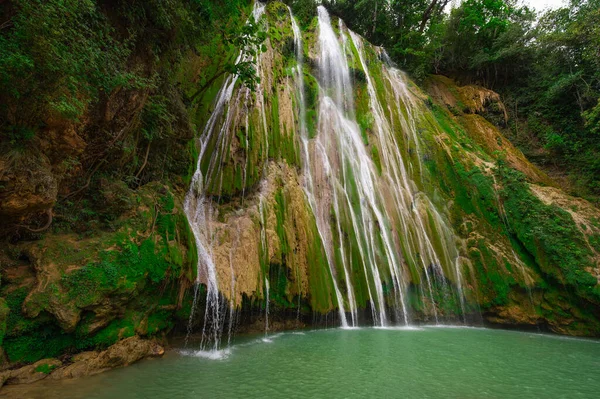
On the Samaná Peninsula in the Dominican Republic, El Limón Waterfall drops 130 feet into a jungle pool. Visitors usually reach it by hiking or horseback, winding through dense greenery along the way. At the base, people cool off in the refreshing pool surrounded by tropical plants.
The sound of the falls mixes with the calls of birds and insects, creating a peaceful atmosphere. It’s both an adventure and a reward rolled into one.
Chorrillo del Salto
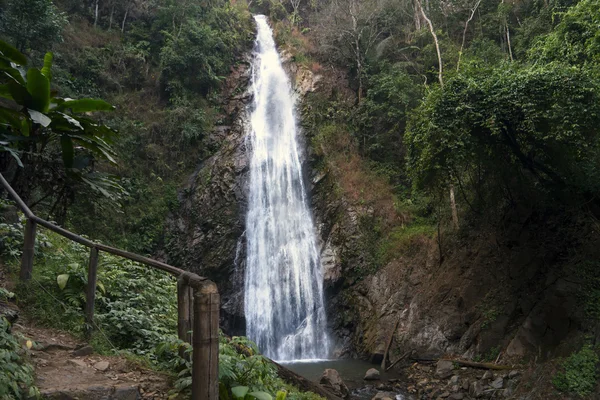
Just outside El Chaltén in Argentine Patagonia, Chorrillo del Salto is small compared to giants like Iguazu, but no less charming. The falls drop around 65 feet, framed by lenga forests and jagged peaks.
A short drive and walk make it easily accessible, which is rare in such a wild region. In autumn, the trees blaze with red and orange, creating a dramatic backdrop. It’s a quiet stop that perfectly complements the area’s famous mountain treks.
Bridal Veil Falls (Colorado)
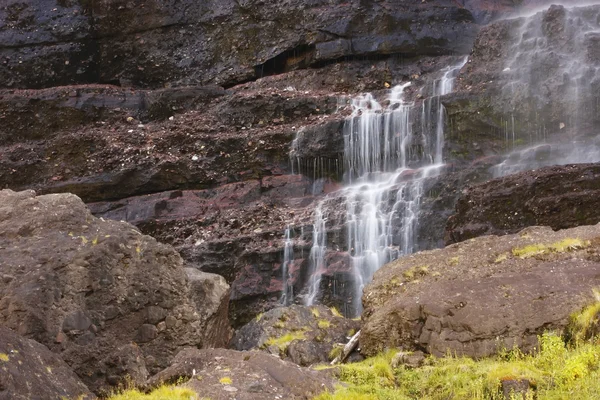
In Telluride, Colorado, Bridal Veil Falls drops 365 feet, making it the state’s tallest free-falling waterfall. A historic power plant perched at the top gives the site an unusual touch of history.
In winter, ice climbers challenge themselves on the frozen cascade, while summer brings hikers to the base. The view of water spilling down the rugged cliff face is breathtaking in any season. It’s a true icon of the Rocky Mountains.
La Coca Falls
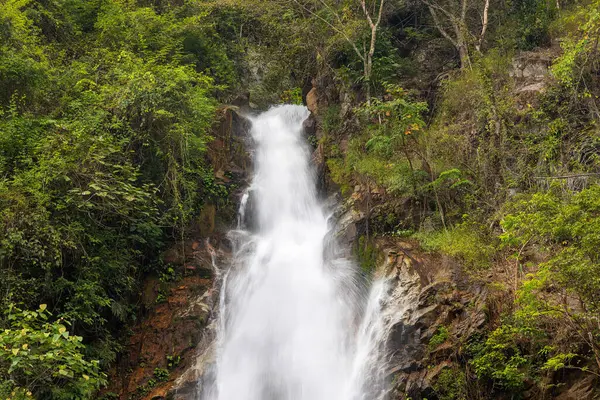
La Coca Falls in Puerto Rico’s El Yunque National Forest is one of the island’s most photographed waterfalls. The water fans out over an 85-foot rock slope surrounded by dense rainforest.
Because it’s right off the main road, it’s an easy stop for anyone visiting the park. After heavy rains, the flow becomes even more dramatic, spilling across the rocks in white sheets. The lush greenery around it makes the scene feel like a living postcard.
Palouse Falls

Tucked away in eastern Washington, Palouse Falls drops 198 feet into a deep canyon carved by Ice Age floods. The round basin below creates a dramatic amphitheater for the rushing water.
A state park provides overlooks where visitors can safely take in the view. At sunset, the surrounding cliffs glow gold, making it a favorite spot for photographers. The waterfall feels both ancient and timeless, a reminder of the forces that shaped the land.
Athabasca Falls
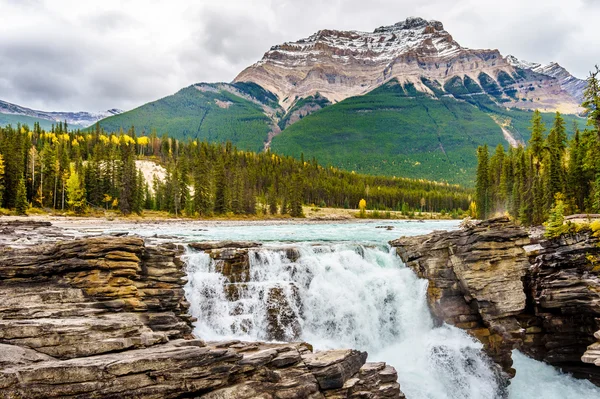
In Alberta’s Jasper National Park, Athabasca Falls may not be tall at 80 feet, but it makes up for it with sheer power. The Athabasca River forces its way through a narrow canyon, blasting mist into the air.
Walkways and bridges let visitors see the water from different angles, each one showing just how strong the current is. The turquoise river contrasts beautifully with the green forests and mountain peaks around it. It’s a must-see stop for anyone exploring the Canadian Rockies.
Bridalveil Fall (Yosemite)

Bridalveil Fall is one of the first waterfalls you see when entering Yosemite Valley, and it’s hard to miss. Dropping 620 feet, the water is often caught by winds that blow the stream sideways, creating a drifting veil of mist. Native stories once described it as the home of a spirit, adding meaning to its beauty.
It flows all year, though spring brings the most powerful rush from melting snow. Standing below, you quickly understand why it’s one of Yosemite’s icons.
How water shapes memory
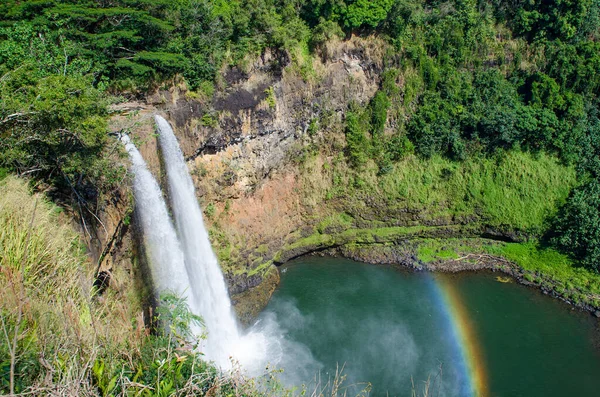
From towering giants like Angel Falls to hidden treasures like Chorrillo del Salto, the waterfalls of the Americas show just how diverse and powerful nature can be. They’ve carved valleys, nourished forests, and created places that inspire awe in anyone who visits. Each one reflects its surroundings, whether that’s jungle, desert, or mountain wilderness.
They remind us that moving water is more than scenery—it’s a force that shapes both landscapes and the stories people tell about them.
More from Travel Pug

- Underrated Italian Towns That Beat the Tourist Crowds
- Las Vegas Tourist Traps to Skip
- Prettiest Towns in Every US State
- 18 passport-free countries for Americans
- Signs Your Cruise Is Not Worth The Cost
Like Travel Pug’s content? Follow us on MSN.