

Cruise lines figured out decades ago that a happy kid means a happy parent with a credit card, and the perks built around that idea have gotten remarkably specific. Some are advertised loudly at booking.
Others only surface once a family is already onboard and someone mentions them in passing at the pool. Families who cruise more than once tend to build parts of their trip around the perks below, treating them less like bonuses and more like factors that can influence which lines and ships they book again.
Free Kids’ Clubs by Age Group

Many major lines divide their youth programs into age brackets, with separate activities and spaces for younger children, school-age kids, tweens, and teens. The supervised programs for older children are often included in the cruise fare, although age ranges, hours, and availability vary by line and ship.
Royal Caribbean, for example, includes its Adventure Ocean youth programs for children ages 3 to 12 and hosted teen programs, while its nursery for younger children costs extra.
Late-Night “Night Owls” Drop-Off Care
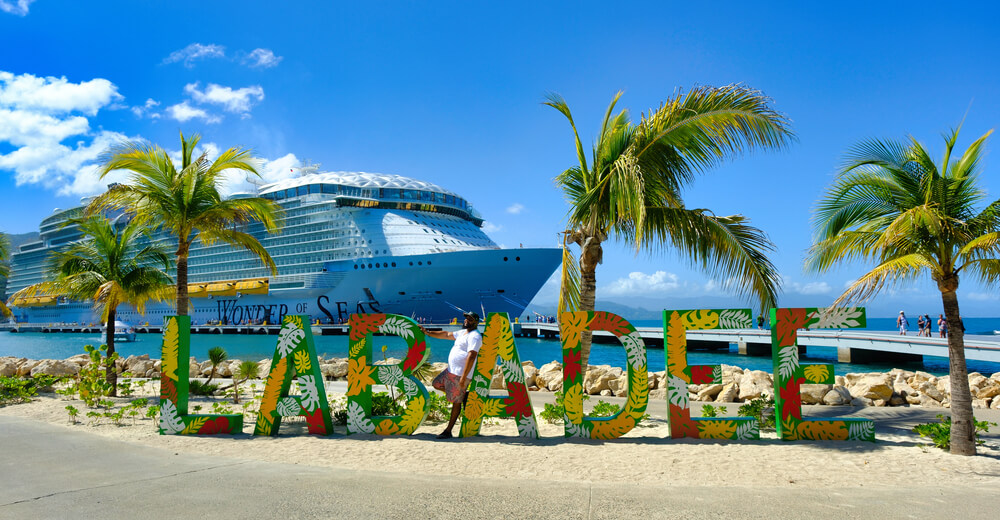
Programs like Royal Caribbean’s Adventure Ocean extend into the evening, giving parents an option for supervised group care after the regular youth-program hours. Royal Caribbean’s Late Night Party Zone runs for children ages 3 to 11 and carries an additional fee, rather than being part of the complimentary kids’ club. Families can use it to stretch an evening past the normal youth-program closing time.
Kids Sail Free Promotions
Some cruise lines periodically run promotions that reduce or eliminate the base cruise fare for qualifying children sharing a cabin with adults. These are promotional offers rather than permanent perks, and they usually come with restrictions on sailing dates, ages, cabin occupancy, taxes, fees, and blackout periods.
Royal Caribbean’s current Kids Sail Free offer, for example, applies only to qualifying bookings and select sailings.
Splash Pads and Water Play Areas
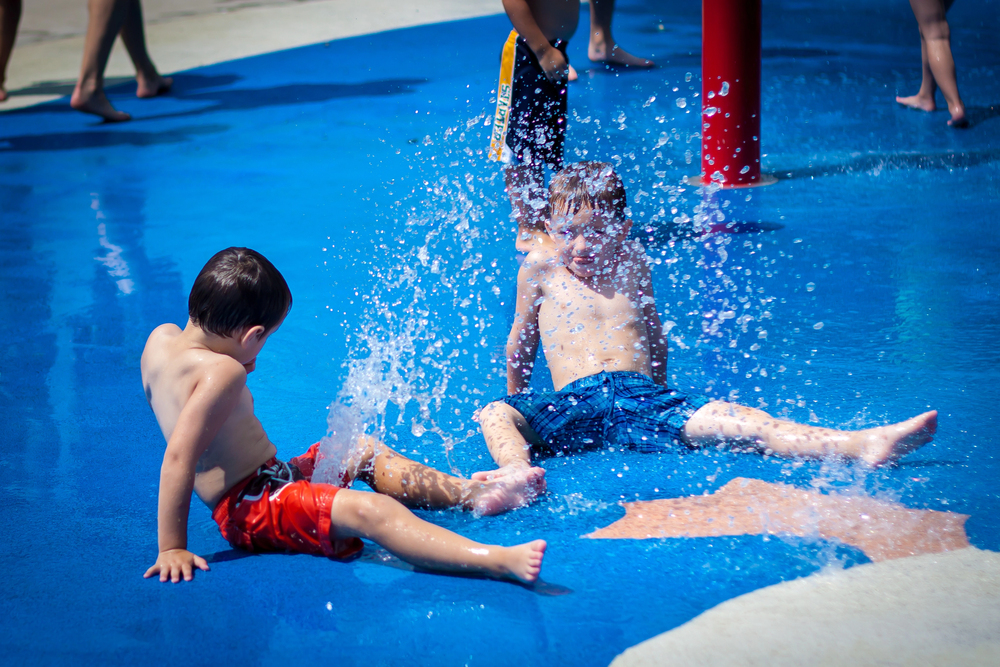
Dedicated splash zones and shallow water-play areas are available on many newer family-oriented ships, giving younger children an alternative to the main pool deck. Availability and age restrictions vary by ship, and some water features require children to meet specific height, diaper, or toilet-training rules.
Parents traveling with small children often check the ship’s water-play setup before booking.
Character Meet-and-Greets Built Into the Day

On lines with licensed characters or recognizable mascots, scheduled appearances give families a predictable opportunity for photos and interactions rather than leaving them to chance encounters around the ship. Disney Cruise Line, for example, includes character encounters among the experiences covered by the cruise fare.
Teen-Only Lounges

Separate teen spaces are common on large family-oriented ships, giving older children somewhere to socialize away from the younger kids’ programs and adult venues. The name, age range, layout, and activities vary by line and ship, but the basic idea is consistent: a dedicated place where teenagers can spend time with other passengers their age.
Disney’s Vibe, for example, is designed for teens ages 14 to 17.
The Nursery for Toddlers Under Three

Several cruise lines offer paid nursery care for infants and toddlers who are too young for the main children’s clubs. Royal Caribbean’s Royal Babies and Tots Nursery, available on select ships, serves children from 6 months to 3 years for an hourly fee.
It gives parents another supervised-care option, but availability, hours, age limits, and pricing vary by line and ship.
Free Soda and Drinks for Kids
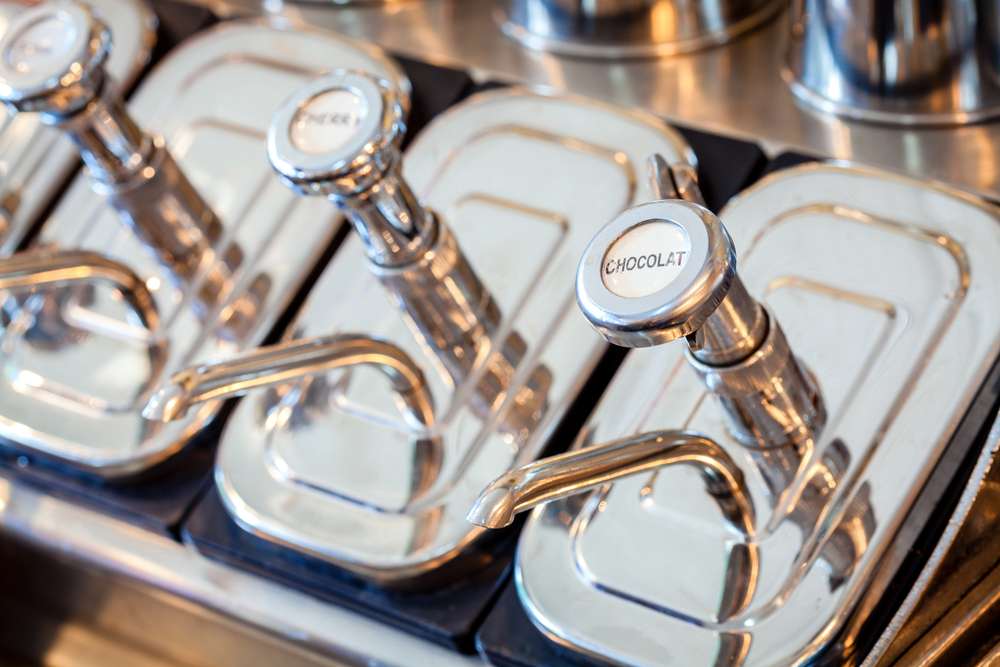
Drink policies can make a noticeable difference to families, but they vary considerably between cruise lines. Disney Cruise Line, for example, includes soft drinks at meals and at beverage stations throughout the ship, while other lines may charge separately for unlimited soda packages.
Families who compare the beverage policy before booking can avoid assuming that a child’s drink costs will work the same way on every ship.
Stroller and Crib Options
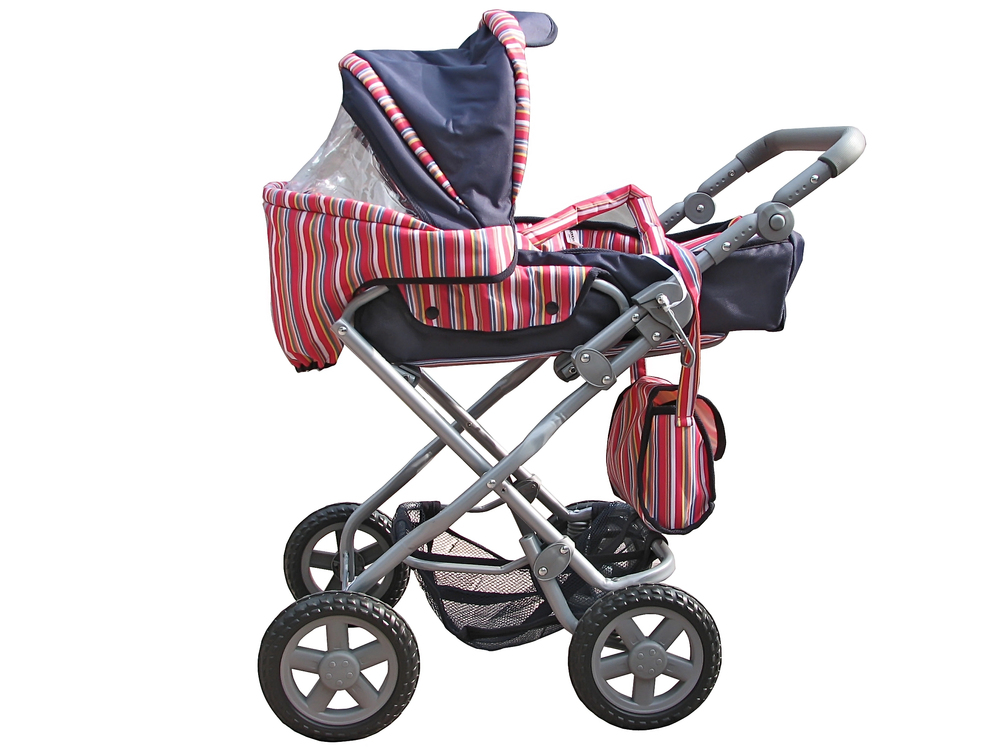
Families traveling with infants and toddlers sometimes have access to cribs, pack-and-play-style sleeping arrangements, or stroller options through the cruise line or shipboard services, reducing the amount of baby gear they need to transport themselves.
Because availability and booking procedures vary, parents should confirm what their specific ship provides rather than assuming a rental will be waiting in the cabin.
Family Dining Deals at Specialty Restaurants
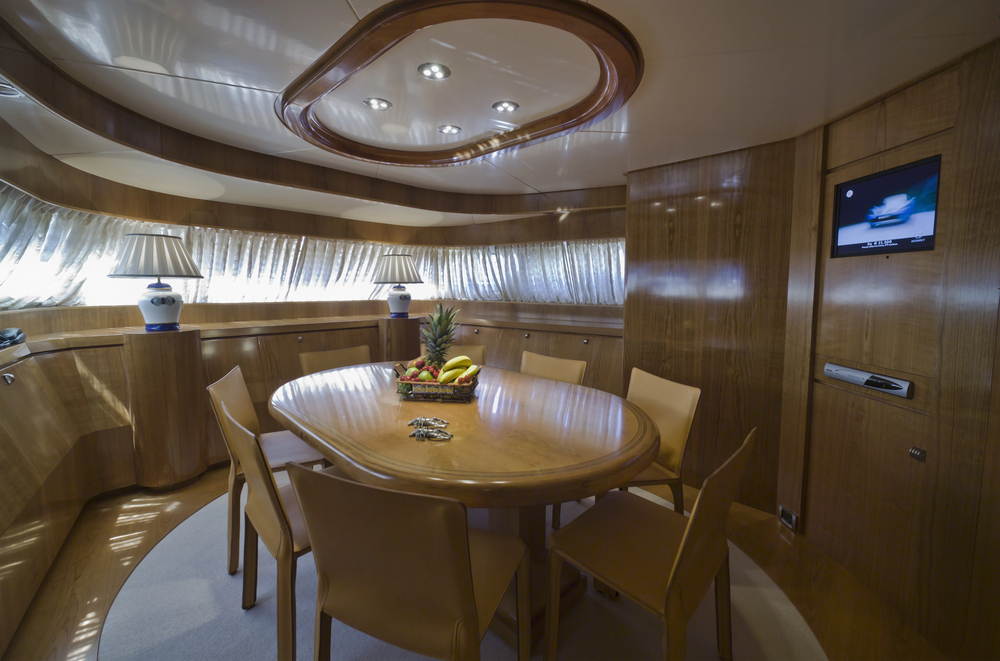
Specialty dining does not always mean paying the full adult price for every child. NCL currently allows children 12 and under to eat from the complimentary kids’ menu at its specialty restaurants, while other lines use different age and package rules.
Checking the children’s policy before booking a specialty restaurant can make an otherwise expensive family dinner considerably easier to budget.
Group Sitter Services After Club Hours

Some lines offer paid group childcare after the regular youth-program hours, giving parents an option when they want to stay out later than the complimentary children’s programming allows. Royal Caribbean’s Late Night Party Zone, for example, provides group sitting for children ages 3 to 11 into the late evening for an additional fee.
This is different from private in-cabin babysitting, which is not universally available.
Teen Discos and Silent Parties

Evening teen events can include dance parties, music sessions, games, and other activities designed specifically for older children. Some ships also offer silent-disco-style events, although the exact format depends on the ship and sailing.
These activities give teenagers an evening social option without requiring them to enter adult entertainment venues.
Family-Friendly Activities Included in the Fare

Many family-oriented ships include activities that would cost extra at other vacation destinations, such as waterslides, surf simulators, climbing walls, ice skating, mini golf, or other recreational attractions. Royal Caribbean, for example, lists numerous such activities as complimentary, although availability varies by ship.
Families can therefore compare the included activity lineup when deciding whether a particular ship offers enough for children to stay occupied without accumulating constant extra charges.
The Quiet Independence Kids Get From Youth Programs

The most useful benefit of a good youth program isn’t necessarily a free activity or a small giveaway. It’s the chance for children to spend time with other kids, participate in age-appropriate activities, and move through part of the day without their parents standing beside them.
For parents, that can create a few hours to enjoy the ship on their own while still knowing where their children are.
What Kids Actually Remember

Ask an adult about a childhood cruise and they may not remember every port or restaurant. They may remember the club, the counselor who knew their name, the character they met, or the first time they spent an afternoon with other kids while their parents were somewhere else onboard.
That’s the quieter value behind many of these family perks. Cruise lines aren’t simply selling parents another vacation; they’re also creating spaces and activities that can make the ship itself part of the child’s experience.
For families considering a repeat cruise, that can matter almost as much as the itinerary.
More from Travel Pug

- Underrated Italian Towns That Beat the Tourist Crowds
- Las Vegas Tourist Traps to Skip
- Prettiest Towns in Every US State
- 18 passport-free countries for Americans
- Signs Your Cruise Is Not Worth The Cost
Like Travel Pug’s content? Follow us on MSN.