

Australia’s tennis story unfolds across courts where legends were born, and Grand Slam dreams took flight. From makeshift venues at cricket grounds to world-class stadiums with retractable roofs, these arenas witnessed everything from the first Australasian Championships to Rod Laver’s calendar Grand Slams. Below are 16 historic tennis venues that shaped Australian tennis and continue to echo with the sound of champions.
Rod Laver Arena
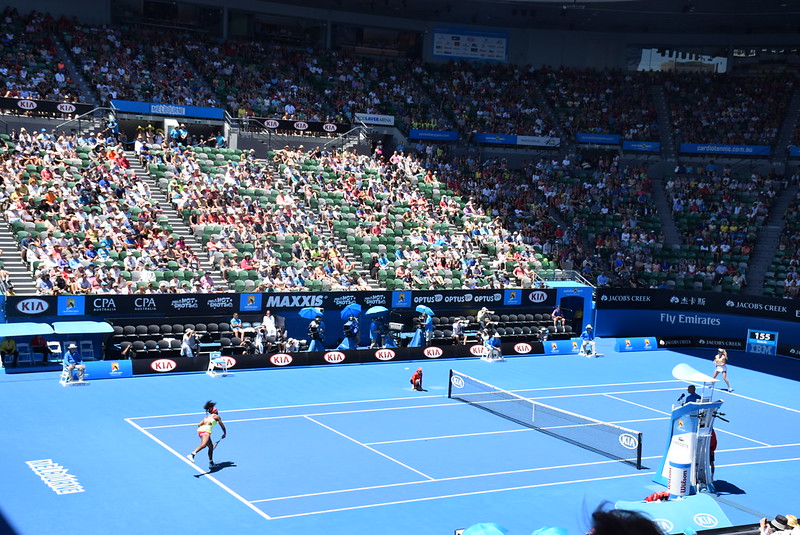
The crown jewel of Melbourne Park opened in 1988 as Centre Court before being renamed in 2000 to honor Australia’s greatest tennis champion. Originally known as Centre Court at the National Tennis Centre, Rod Laver Arena was opened in 1988. It was renamed in January 2000 in recognition of tennis legend Rod Laver’s significant achievements. The arena’s retractable roof was revolutionary for its time.
Welcoming over a million visitors each year, the arena made history on 18 November 2007 when a record-breaking crowd of 16,183 fans packed the venue to see Justin Timberlake. AC/DC was the first band to rock this tennis cathedral.
Kooyong Lawn Tennis Club
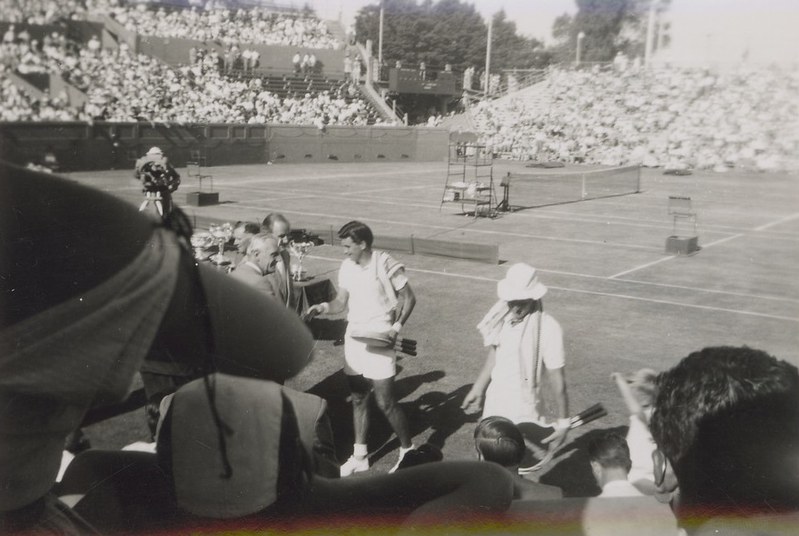
Known as “The Spiritual Home of Australian Tennis,” this venue hosted the Australian Open from 1972 to 1987. The stadium was built in 1927 and has undergone several renovations. It has a seating capacity of slightly more than 5,000. At its peak, the stadium could host up to 15,000 spectators. It was the last Australian Open venue to play on grass courts. The tournament was moved to the hard courts of Melbourne Park in 1988.
Today it hosts the prestigious Kooyong Classic. The club’s 52 courts include some of the finest grass courts in the Southern Hemisphere.
White City Stadium
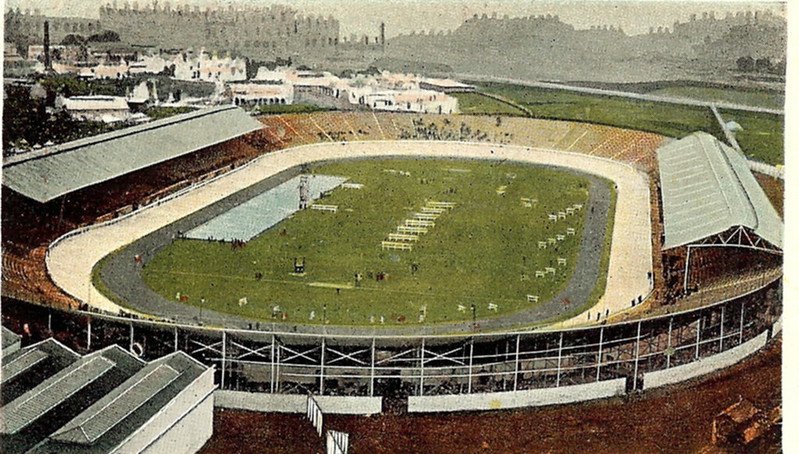
Built on the ruins of Sydney’s most famous amusement park, White City Stadium became NSW’s tennis headquarters in 1922. The stadium was built in 1922 on the former site of Sydney’s White City amusement park as a new venue for the New South Wales Championships and hosted the Australian Open multiple times.
The 1954 final set the record for the largest crowd at a sanctioned tennis match, 25,578. This record held until 2004 when a football stadium in Spain topped it. The venue’s grass courts witnessed Rod Laver’s 1962 Australian Open victory, the beginning of his first Grand Slam.
Memorial Drive
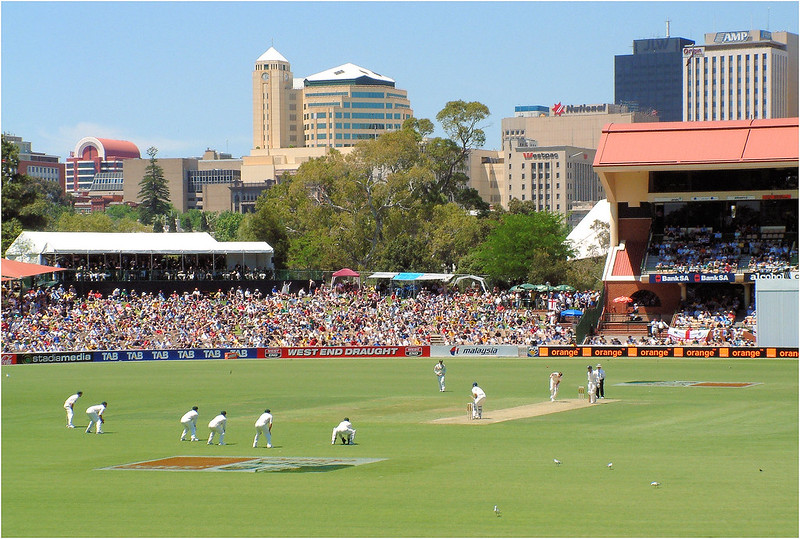
Adelaide’s tennis temple opened in 1921 and became one of Australia’s most beloved venues. The Memorial Drive Tennis Club was established in 1914, under the name South Australian Lawn Tennis Club. About 6 acres (2.4 ha) of land were leased to the club directly adjacent to the Adelaide Oval, and the grass courts were opened in October 1921 by the Governor of South Australia.
In 1938, American Donald Budge won the first leg of the first Grand Slam in tennis at Memorial Drive by defeating Australia’s John Bromwich. The venue recently received a stunning makeover with a permanent roof structure.
Albert Reserve
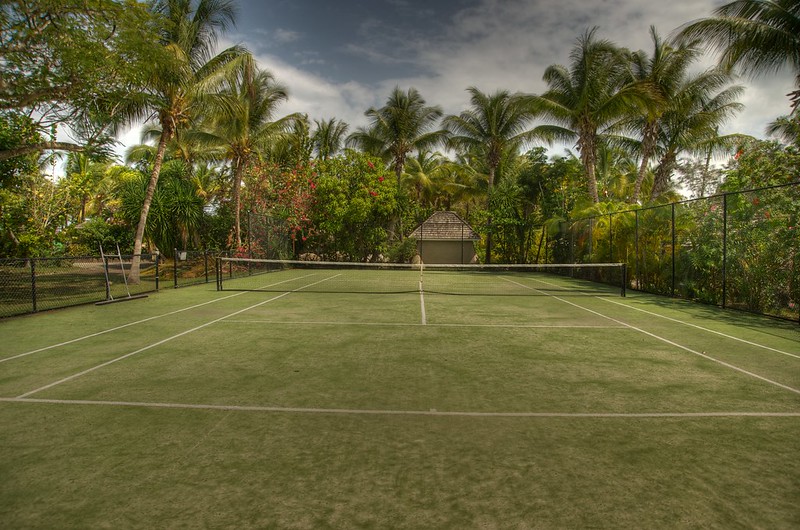
The birthplace of Australian tennis, this St Kilda venue was originally called the Warehouseman’s Cricket Ground. In 1905, the tennis courts at the Warehouseman’s Cricket Ground were the venue of the first Australasian Tennis Championship, the tournament which later became the Australian Open. Rodney Heath defeated Arthur Curtis to claim that inaugural title.
And here’s a quirky detail: Lawn tennis at that time was administered in Victoria by the Melbourne Cricket Club. Cricket and tennis, perfectly paired. The venue hosted four Australasian Championships between 1905 and 1924.
Double Bay Grounds

This Sydney venue holds a unique place in tennis history as the site where the sport resumed after World War I. In 1919, competition resumed after a four-year absence due to World War I. This time, the Australasian Championships (now Australian Open) and International Lawn Tennis Challenge (now Davis Cup) were held only at Double Bay Grounds, a suburb of Sydney.
The grounds also hosted the 1908 Australian Open final. Today, the Golden Sheaf hotel stands where champions once battled on grass courts.
Milton Courts
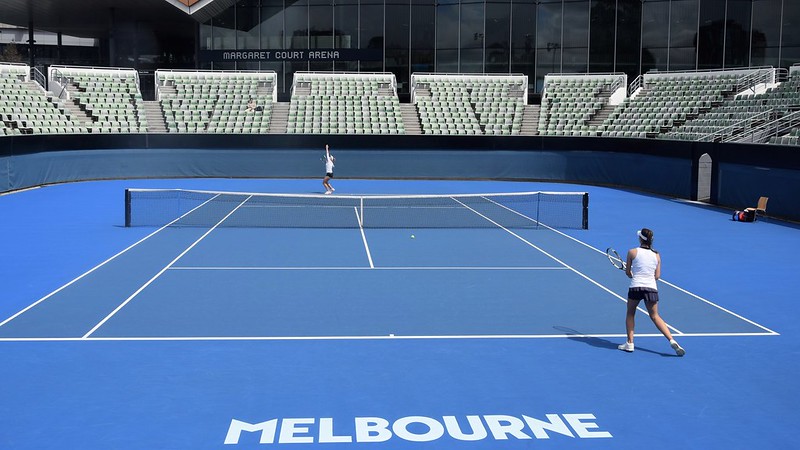
Brisbane’s tennis headquarters from 1915 to 1999 saw some of the sport’s greatest moments. The Milton Tennis Centre at Frew Park, Milton Road, Queensland, was opened in 1915. The tennis complex consisted of four grass courts and 19 hard courts. The main arena seated 7,000 people and had a grass surface.
In 1969, Rod Laver won the Australian Open here, the first tournament where professionals were allowed. It was the first of four titles that led Laver to his second calendar Grand Slam. Financial troubles eventually closed this storied venue.
Pat Rafter Arena
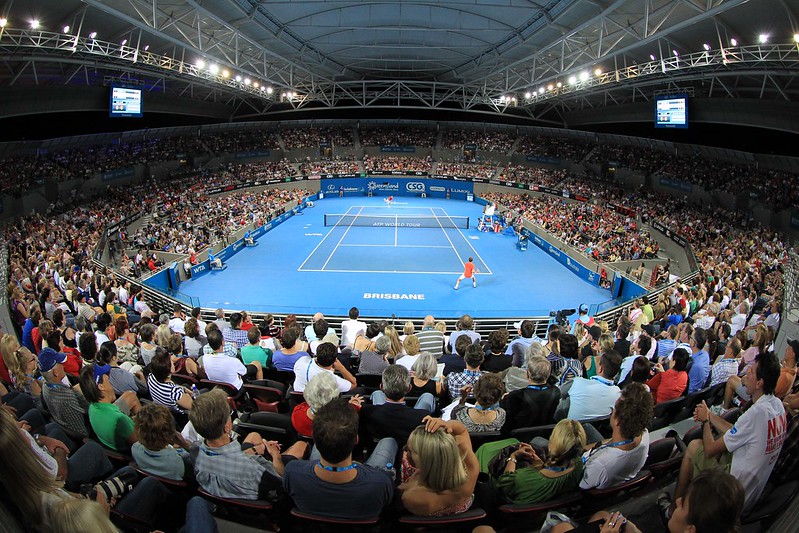
Queensland’s modern tennis jewel opened in 2009 at the site of a demolished power station. Queensland Tennis Centre, known during its development as the Tennyson Tennis Centre, is a tennis venue in Tennyson, Brisbane, Australia. It is an A$82 million tennis facility opened on 2 January 2009 at the site of the demolished Tennyson Power Station.
The venue features an innovative tensile membrane roof that filters natural light. The centre court Pat Rafter Arena, named in honour of the Australian tennis player Patrick Rafter, has a seating capacity of 5,500 (with an extra temporary seating of 1,500 bringing total capacity to 7,000).
Royal Melbourne Tennis Club
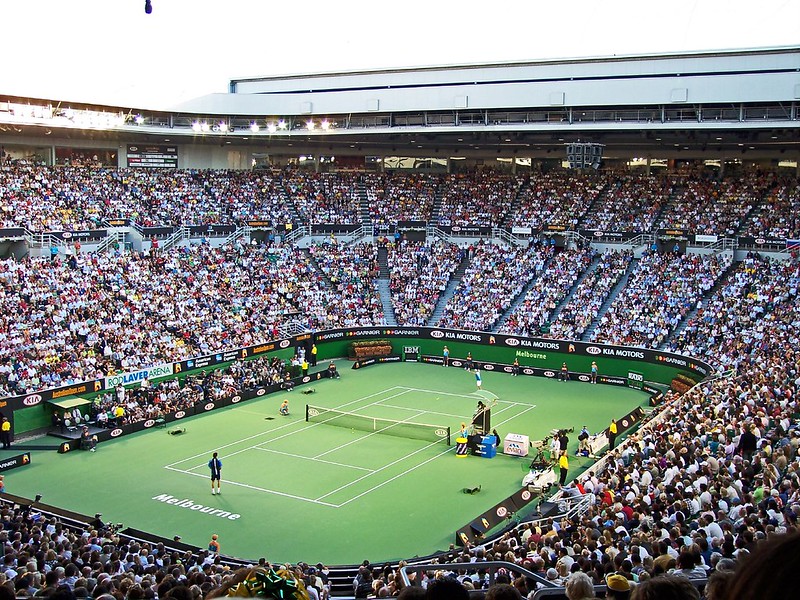
One of only four real tennis clubs in Australia, this venue opened in 1882. The Royal Melbourne Tennis Club (RMTC) is one of only four real tennis clubs in Australia, and the site of one of less than 50 real tennis venues in the world. The RMTC is the second-oldest in Australia and the largest.
It is one of only five clubs in the world with more than one court (along with Queens Club in London, Prested Hall, Cambridge University Real Tennis Club, and the Racquet and Tennis Club). Ancient sport, modern excellence.
Hobart Real Tennis Club

Tasmania’s tennis treasure has been operating since 1875. Located on Davey Street in Hobart’s CBD, the Hobart Real Tennis Club has been operating since 1875 and offers a one-of-a-kind experience for players of all ages and skill levels.
This historic venue keeps alive the original game of tennis. Not quite lawn tennis as we know it today.
Perth Zoo courts
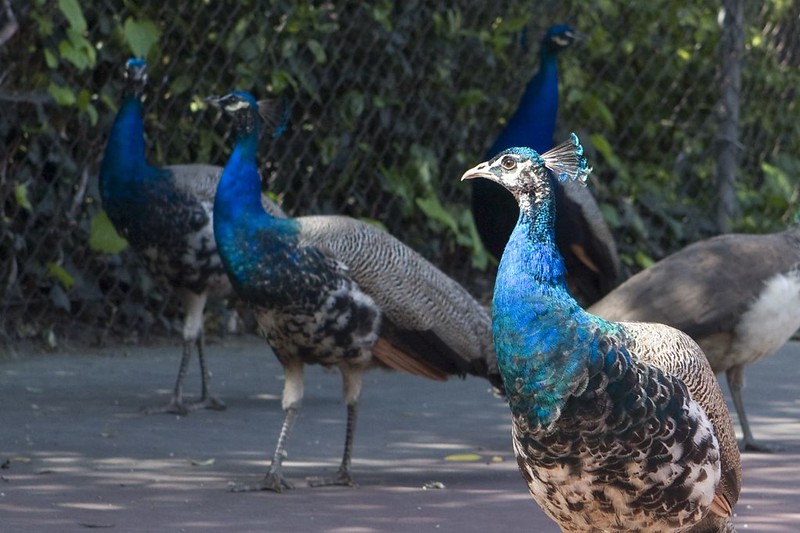
Perhaps the most unusual venue in tennis history, these courts hosted the 1909 Australasian Championships. In 1909, the Zoological Gardens courts – now known as the Main Lawn – hosted the 5th Australasian Championships after South Australia withdrew from the tournament. The Perth Zoo courts were the best in Western Australia at the time.
Imagine the distractions:
- Roaring lions during service games
- Peacocks wandering the baseline
- Spectators watching both tennis and exotic animals
The venue was chosen for its accessibility and crowd capacity.
Mueller Park

Originally opened as Mueller Park in Perth, this venue later became Kitchener Park due to wartime sentiment. Mueller Park (Kitchener Park in 1916-1981), Perth: 1913, 1921. In 1916, Mueller Park changed its name to Kitchener Park due to wartime patriotic fervor.
The venue hosted two Australian Championships in the early days when the tournament rotated between cities. Politics and tennis have always been strange bedfellows.
John Cain Arena
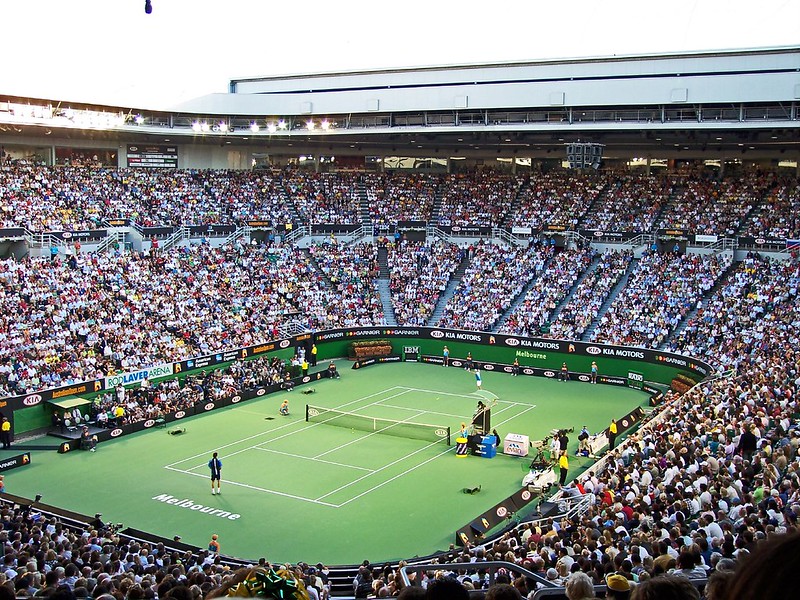
Melbourne Park’s second-largest venue opened in 2000 with multiple identities. John Cain Arena (originally known as the Multi-Purpose Venue, as it was referred to during the 2006 Commonwealth Games, Vodafone Arena, Hisense Arena and Melbourne Arena) which was opened in 2000. It has a capacity of 10,500, and also has a retractable roof.
The arena even features a cycling velodrome beneath its tennis courts. Versatility at its finest.
Margaret Court Arena
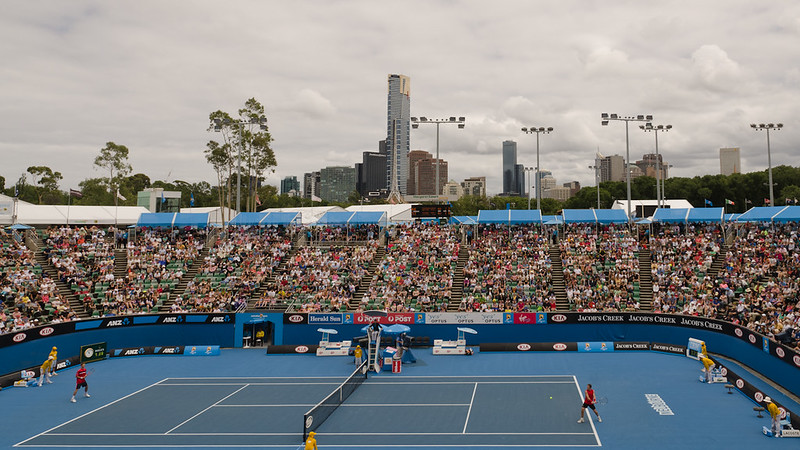
The venue now known as Margaret Court Arena was first opened in 1988. Originally called Show Court 1, it was renamed in 2003 to honor Australia’s most successful tennis player. Margaret Court Arena seats 7,500, and its roof opens in under five minutes, which is believed to be one of the fastest in the world. The arena design is inspired by the pleats of a traditional tennis skirt.
That design detail about the tennis skirt pleats adds a delightful, feminine touch to this powerhouse venue.
Sydney Cricket Ground
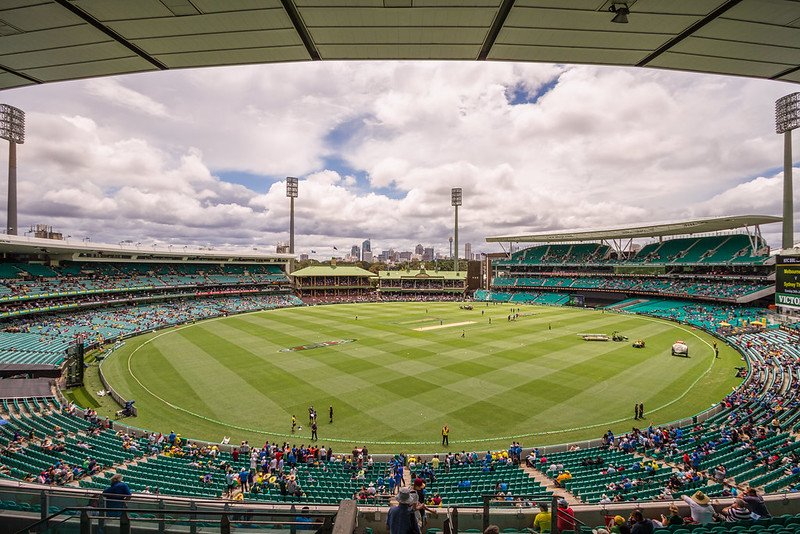
The famous cricket venue also hosted tennis in the early 1900s. In 1908, the tournament was played at both the Sydney Cricket Ground and the Double Bay Grounds, with preliminary rounds at the SCG and the final at Double Bay. The preliminary rounds were played at the Sydney Cricket Ground while the final took place on the Double Bay Grounds.
Multi-sport venues were the norm in tennis’s pioneering days.
Perth Arena
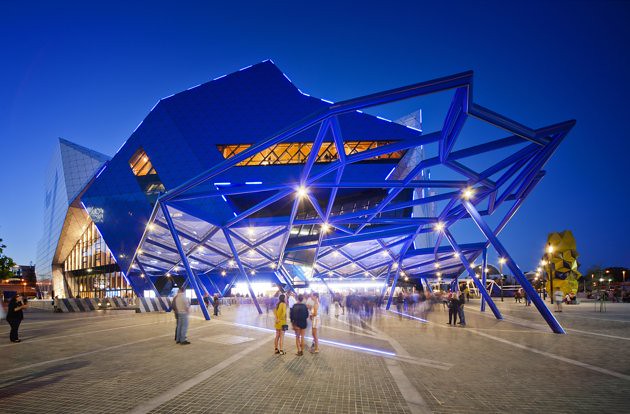
Built in 2012, Perth Arena brought world-class tennis back to Western Australia. Perth Arena is an entertainment and sporting arena in the city center of Perth, Western Australia, used mostly for basketball matches. It is located on Wellington Street near the site of the former Perth Entertainment Centre, and was officially opened on 10 November 2012.
On 2 January 2019, a record crowd of 14,064 attended the venue for the 2019 Hopman Cup match between the United States and Switzerland. This was also the highest attendance for a tennis match in Western Australian history. The venue features a retractable roof and can hold up to 13,910 for tennis.
Courts that shaped a nation

These 16 venues tell Australia’s tennis story—from humble beginnings at cricket grounds to architectural marvels hosting Grand Slams. Each court surface has absorbed the sweat of champions and the dreams of aspiring players, creating a legacy that continues to inspire new generations of Australian tennis talent.
More from Travel Pug

- Underrated Italian Towns That Beat the Tourist Crowds
- Las Vegas Tourist Traps to Skip
- Prettiest Towns in Every US State
- 18 passport-free countries for Americans
- Signs Your Cruise Is Not Worth The Cost
Like Travel Pug’s content? Follow us on MSN.