

Asia is one of the most rewarding regions in the world for budget travel — partly because the exchange rate often works in favor of Americans, and partly because street food culture, guesthouses, and local transport make it genuinely possible to have extraordinary experiences for very little money. The trick is knowing which destinations stretch a dollar furthest without sacrificing the quality of what you’re actually going there to see.
Here is a list of 15 budget-friendly Asian destinations that deliver serious value without requiring serious spending.
Chiang Mai, Thailand
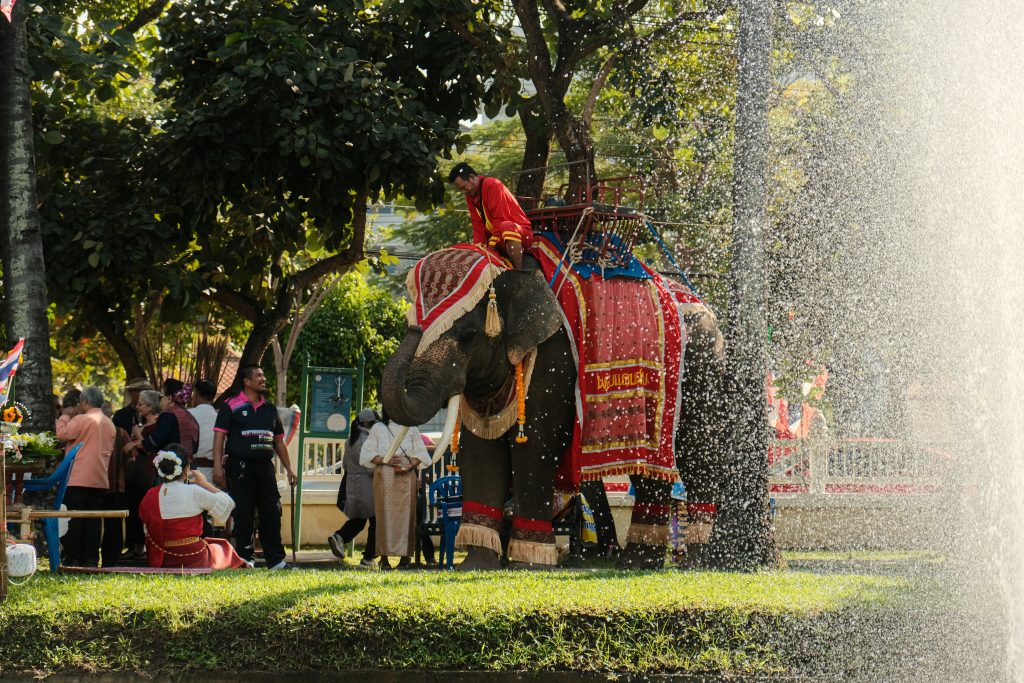
Chiang Mai in northern Thailand is one of the most beloved budget destinations in Southeast Asia, combining ancient temple culture, a thriving street food scene, and easy access to mountain trekking at prices that feel almost implausible by Western standards. A comfortable guesthouse in the old city costs around $20–30 per night, and dinner at a night market runs $2–4 for dishes that are genuinely excellent.
The city has enough to fill two weeks without rushing, and most visitors leave wishing they’d stayed longer.
Hanoi, Vietnam
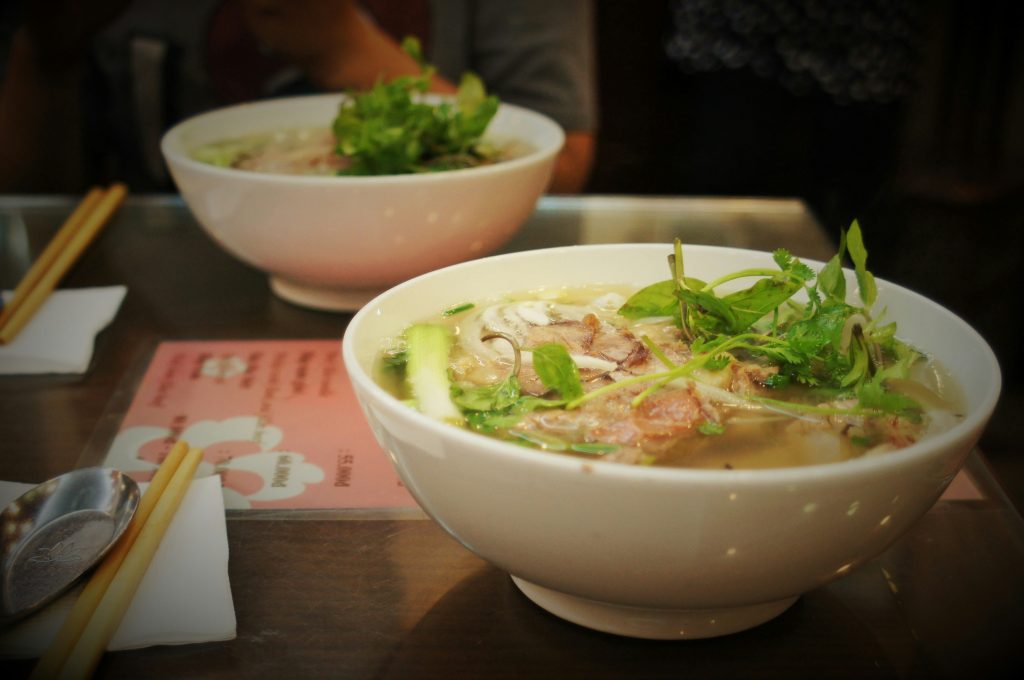
Hanoi operates at a pace and price point that makes it one of the most accessible major Asian capitals for budget travelers. A bowl of pho from a sidewalk vendor costs under a dollar, and the Old Quarter’s guesthouses and boutique hostels offer accommodation with real character at rates that don’t require any financial gymnastics.
The city’s French colonial architecture, lake districts, and street food culture make the old city alone worth several days of exploration.
Siem Reap, Cambodia

Siem Reap is the gateway to Angkor Wat and the surrounding temple complex — one of the most extraordinary archaeological sites in the world — and the town itself has developed a traveler infrastructure that’s both affordable and comfortable. Guesthouses and small hotels near the Pub Street area cost $15–30 per night, tuk-tuk transport to Angkor runs about $15–20 for a full day, and local Khmer food is inexpensive and flavorful.
The three-day Angkor pass costs $72 and covers a temple complex so vast that three days still doesn’t feel like enough time.
Tbilisi, Georgia
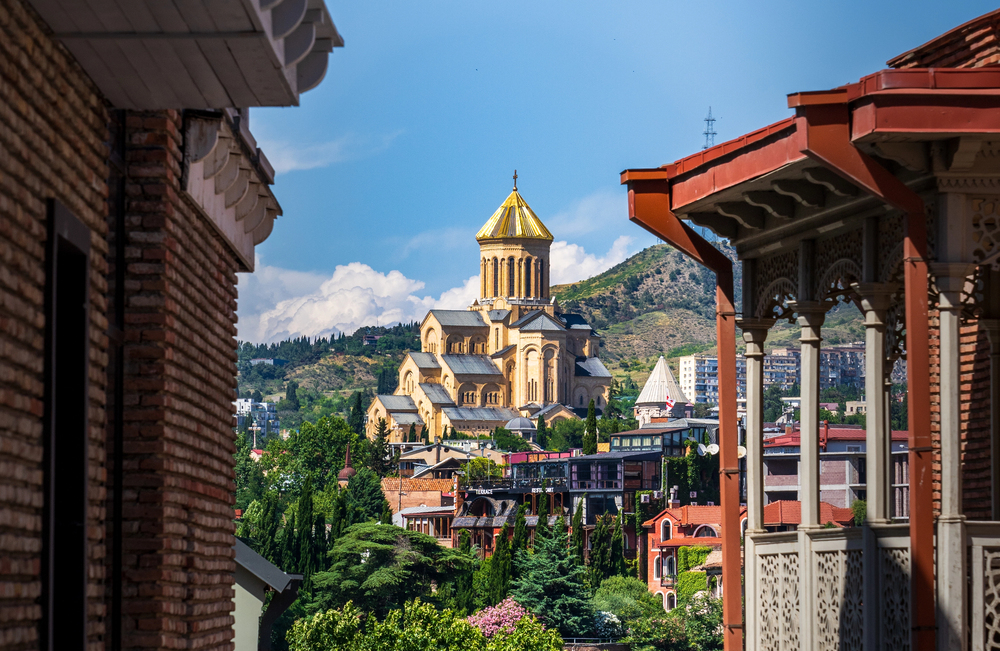
Georgia sits at the crossroads of Europe and Asia, and Tbilisi is one of the most underrated travel values on either continent. The city’s Sioni Cathedral, the Narikala Fortress ruins, natural sulfur bath houses, and a wine culture built on 8,000 years of viticulture make it a destination of genuine substance.
Wine in Georgia — the country that arguably invented it — is inexpensive, excellent, and available in natural orange wine styles that are genuinely unlike anything widely available in the US.
Luang Prabang, Laos
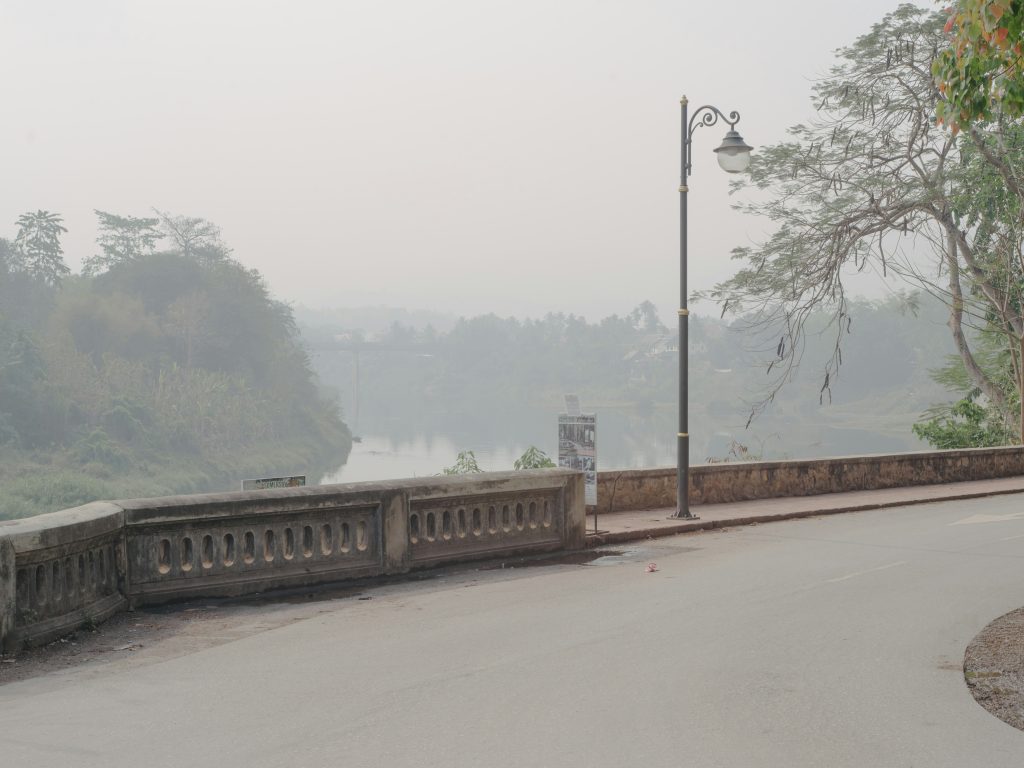
Luang Prabang is a UNESCO World Heritage city at the confluence of the Mekong and Nam Khan rivers, and it maintains a pace and beauty that’s increasingly rare in Southeast Asia. The town’s network of French colonial-era buildings, Buddhist temples, and daily alms-giving ceremonies operates alongside a guesthouse and café culture that caters to slow travelers on modest budgets.
Meals here average $3–6, accommodation starts around $20–25 for well-reviewed guesthouses, and the surrounding waterfalls and river boat excursions add natural scenery to an already culturally rich base.
Yogyakarta, Indonesia
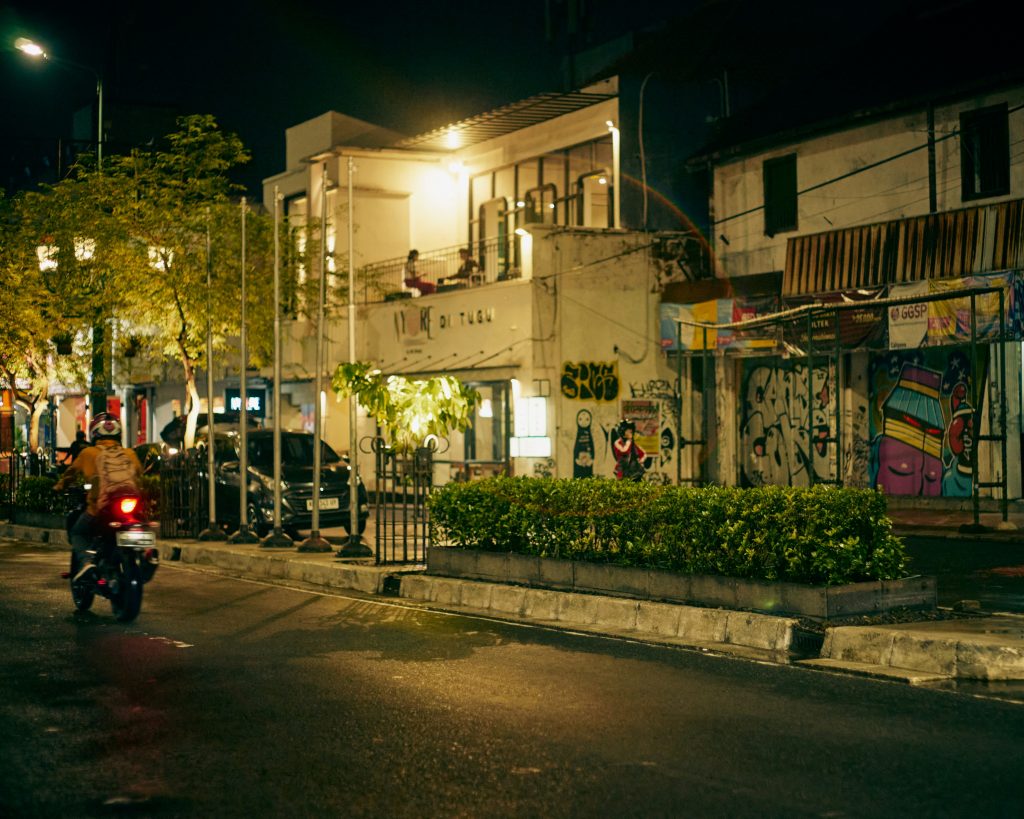
Yogyakarta (usually called ‘Jogja’) is Indonesia’s cultural heartland — the base for visiting Borobudur, the world’s largest Buddhist temple, and Prambanan, a stunning Hindu temple complex that dates to the 9th century. The city itself is a center for Javanese batik textile making, wayang puppet theater, and gamelan music, and spending a few days exploring its arts culture is entirely free or very low-cost.
Transportation, food, and accommodation all cost a fraction of what Bali commands, making it a better value with arguably richer cultural content.
Kathmandu, Nepal
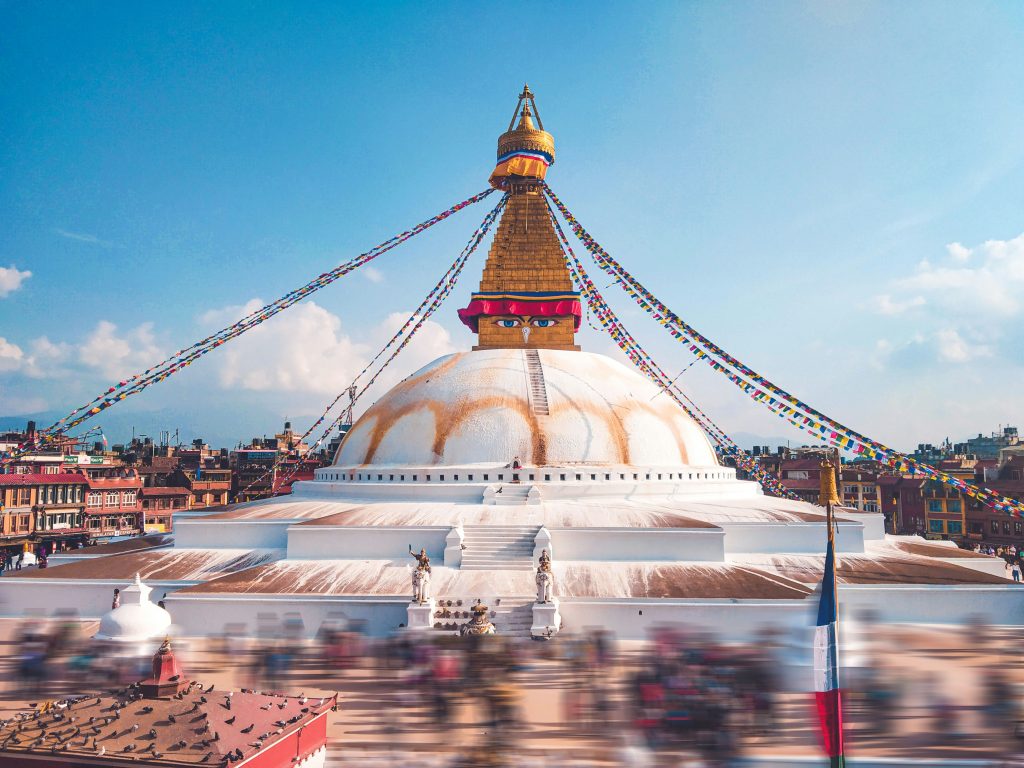
Kathmandu is one of those cities where the budget goes furthest precisely where the experience is most concentrated — in the Thamel district and around the Durbar Squares that ring the historic city center. Dal bhat, the traditional lentil and rice meal that most Nepalis eat twice daily, costs $2–4 at local restaurants and is one of the most satisfying budget meals in Asia.
Trekking permits and guide costs add up for those heading into the Himalaya, but the city itself and its immediate cultural attractions are remarkably affordable.
Kutaisi, Georgia
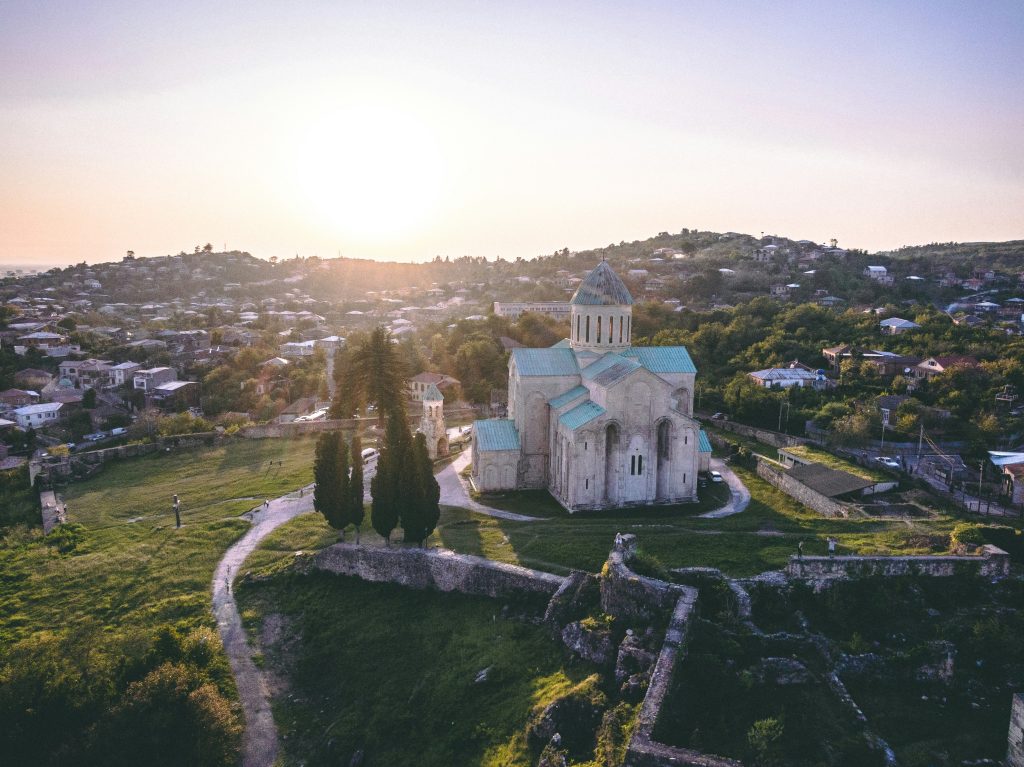
Kutaisi is Georgia’s second city and far less visited than Tbilisi, making it an excellent option for travelers who want fewer other tourists and lower prices. The Bagrati Cathedral and Gelati Monastery — both UNESCO World Heritage Sites — sit within easy distance of the city center, and the surrounding Imereti region produces some of Georgia’s finest wine in quantities that never reach export markets.
Accommodation here is cheap even by Georgian standards, and the local food culture, built around churchkhela (walnut-stuffed grape juice candy), lobiani (bean-filled bread), and fresh dairy, is outstanding.
Penang, Malaysia
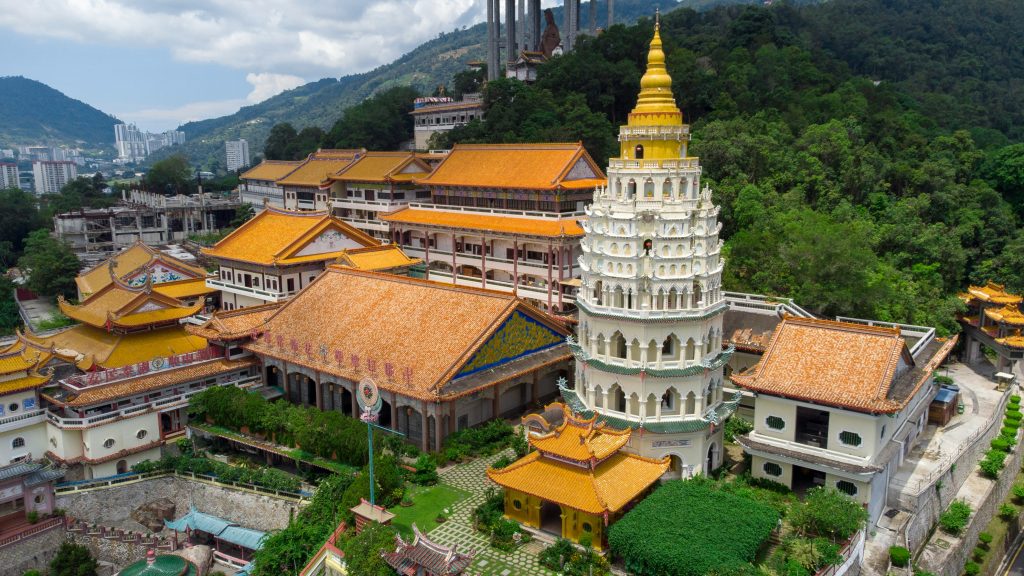
Penang’s George Town is a UNESCO World Heritage city built by successive waves of Chinese, Indian, Malay, and British colonial influence, and its street food culture is widely considered the best in Malaysia, which is saying something in a country with an extraordinary food tradition. The famous char kway teow, assam laksa, and nasi kandar all have their most celebrated practitioners here, and eating seriously in Penang for a full day might cost $10–15.
The city’s street art, heritage shophouses, and temple culture add layers of interest that keep visitors busy between meals.
Amritsar, India
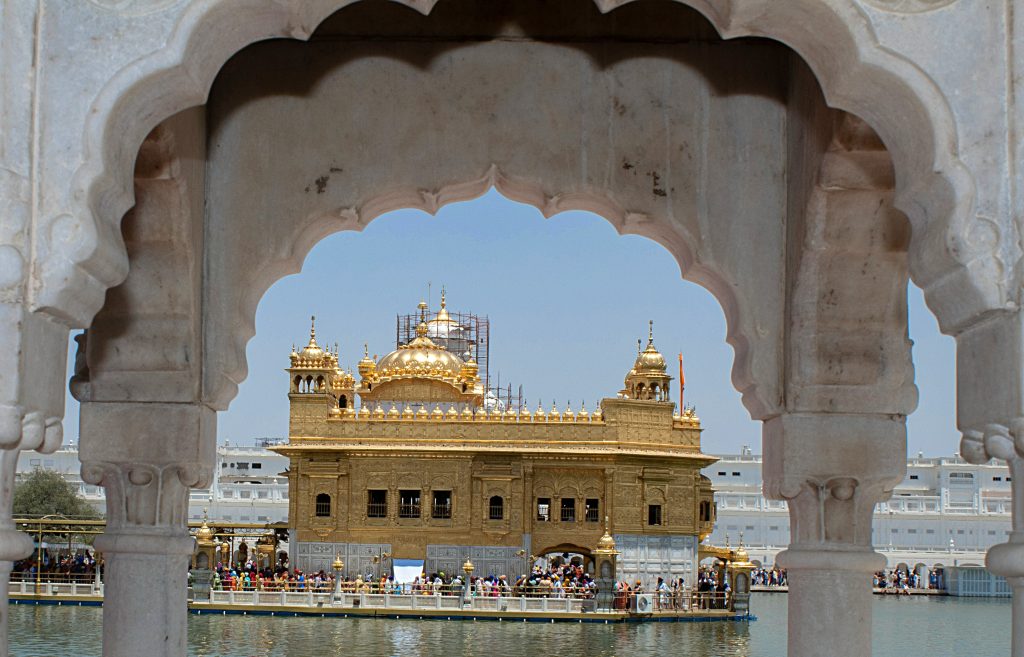
Amritsar in Punjab is home to the Golden Temple — the holiest site in Sikhism and one of the most visually spectacular religious sites anywhere in the world — which is completely free to enter at any hour. The temple feeds approximately 100,000 people per day through its community kitchen, the langar, and visitors are welcome to participate in the meal service or simply receive a meal.
Local accommodation, transport, and food costs here are among the lowest of any major religious heritage site on the continent.
Hoi An, Vietnam
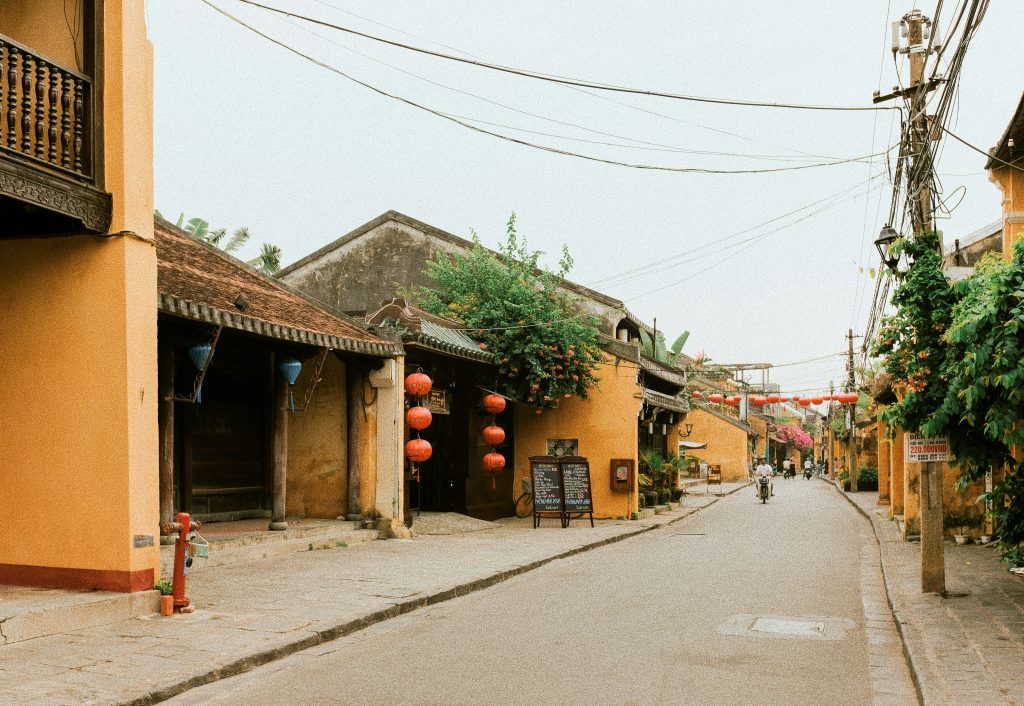
Hoi An’s lantern-lit Ancient Town is one of the most atmospheric destinations in Southeast Asia, a preserved trading port from the 15th through 19th centuries where tailors, restaurants, and artisan workshops line streets that haven’t changed structurally in a century. Having clothes custom-tailored here costs a fraction of what any equivalent garment would run at home, and the local cuisine — white rose dumplings, cao lau noodles — is specific to Hoi An in a way that makes eating here feel like a regional discovery rather than generic Vietnamese food.
The town’s entrance ticket costs about $5 and covers multiple heritage houses and assembly halls.
Bishkek, Kyrgyzstan
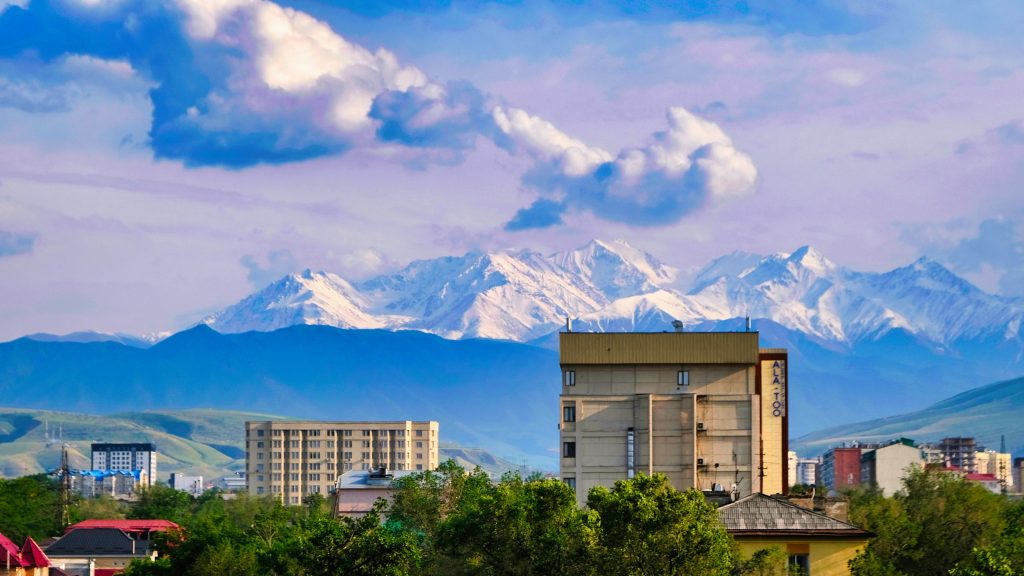
Kyrgyzstan is Central Asia’s most accessible destination for adventure travelers, and Bishkek is a functional, affordable base for exploring a country that’s 90% mountainous terrain. Day trips to Ala Archa National Park deliver genuine alpine scenery within 40 miles of the capital, and multi-day treks through the Tian Shan range are organized by local operators at prices well below what comparable trekking costs in Nepal or Patagonia.
The country’s yurt camp culture, particularly around Song-Kol Lake, provides an accommodation experience that’s genuinely unlike anything else in the world.
Bagan, Myanmar
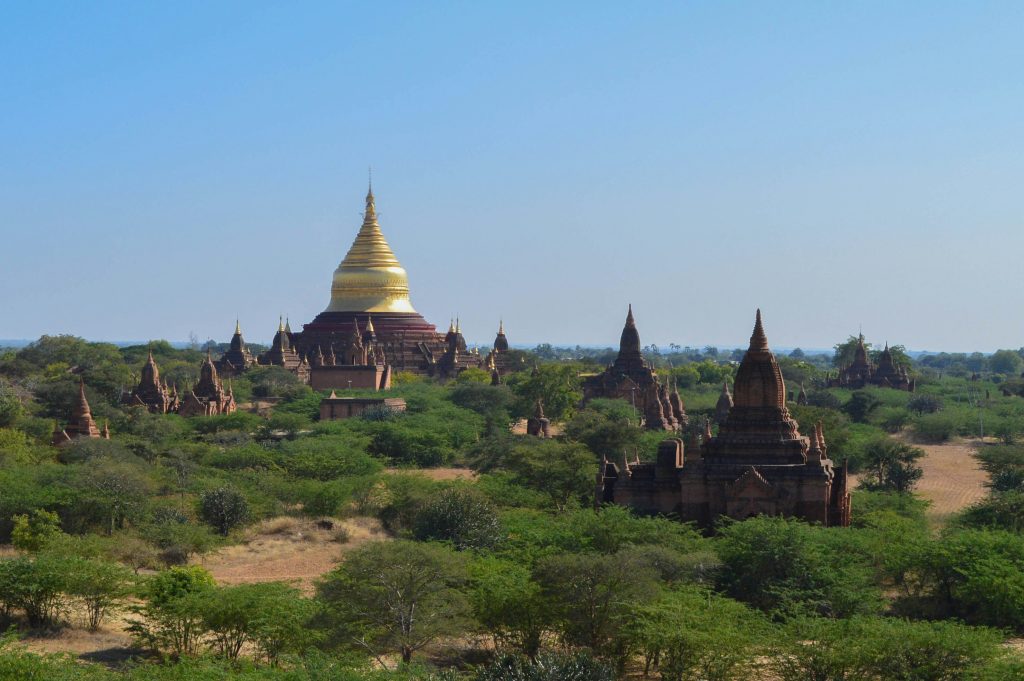
Bagan’s plain of 2,000 ancient Buddhist temples spread across dry scrubland along the Irrawaddy River is one of the most singular archaeological landscapes on earth — comparable in scale to Angkor but far less visited. An e-bike rented for $5–7 per day allows complete freedom to explore temple complexes at dawn and dusk, which are the hours when the light makes the landscape look painted.
Accommodation in Bagan ranges from budget guesthouses to mid-range hotels, all at prices that reflect the destination’s relative underdevelopment as a tourist hub.
Pokhara, Nepal
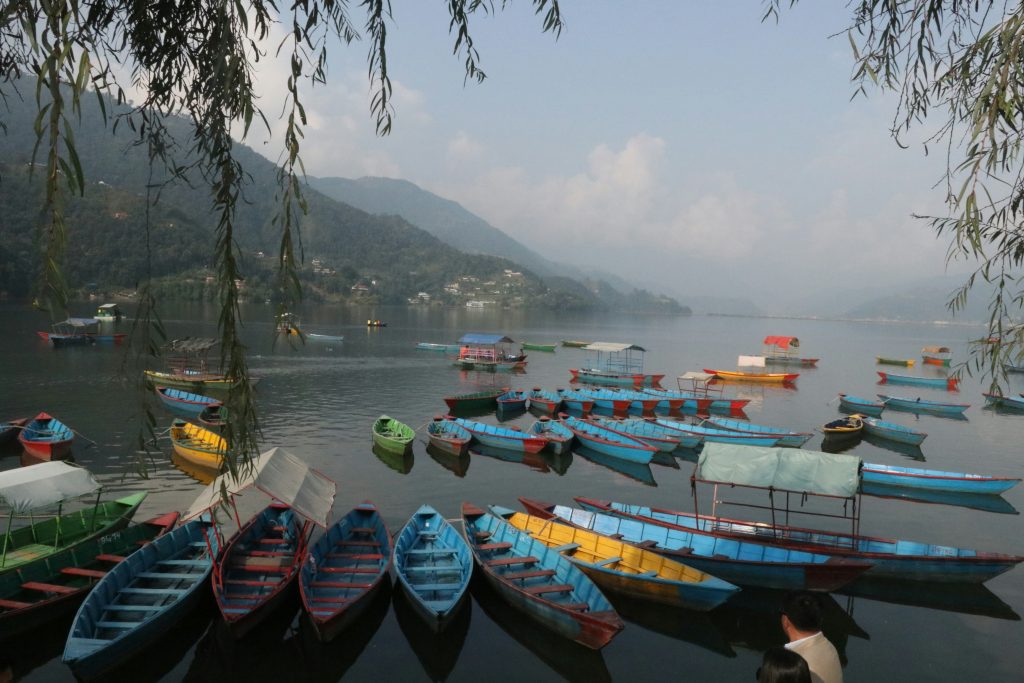
Pokhara sits at the edge of Phewa Lake with the Annapurna range reflected in the water on clear mornings, a combination that produces one of the more reliably beautiful views available at backpacker prices. The town is relaxed, well-set-up for trekkers preparing for Annapurna circuit routes, and full of lakeside restaurants serving excellent dal bhat and momos (dumplings) at prices that feel generous.
Even travelers who don’t plan to trek find Pokhara worth several days simply for the lake, the views, and the pace.
Phnom Penh, Cambodia
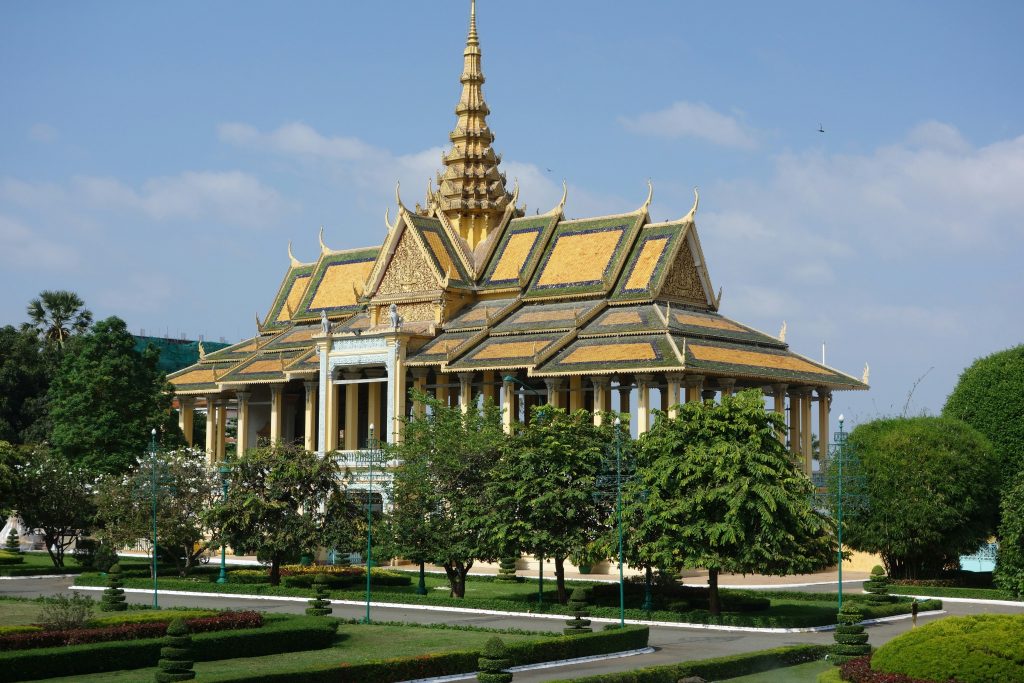
Cambodia’s capital is a city of real historical weight — the Tuol Sleng Genocide Museum and Choeung Ek memorial are sobering but essential — combined with a Mekong riverside culture and a dining scene that’s expanded dramatically as the city has developed. Street food and riverside restaurants feed visitors well at $3–6 per meal, guesthouses are cheap, and the city’s French colonial architecture gives it visual character beyond the historical sites.
It’s a city that rewards visitors who arrive willing to engage with its complex history as well as its considerable energy.
The math on budget travel in Asia
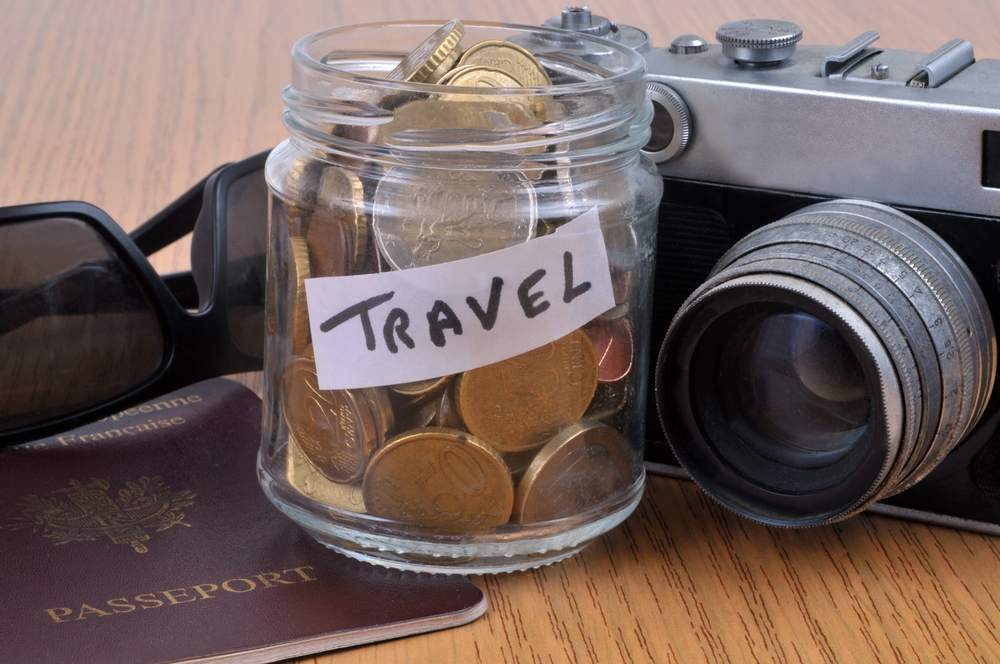
The real value of budget travel in Asia isn’t just that meals cost a few dollars, it’s that a few dollars frees you from the cost anxiety that makes you see a trip as a series of expensive moments strung together with nervous math. When a meal costs $3, and an amazing temple costs $5 to enter, the whole trip opens up, as it does nowhere else.
These 15 destinations prove that you don’t have to spend more to see more, sometimes you have to spend less.
More from Travel Pug

- Underrated Italian Towns That Beat the Tourist Crowds
- Las Vegas Tourist Traps to Skip
- Prettiest Towns in Every US State
- 18 passport-free countries for Americans
- Signs Your Cruise Is Not Worth The Cost
Like Travel Pug’s content? Follow us on MSN.