

Automatic daily gratuities—sometimes called ‘auto-tips’ or ‘daily service charges’—are one of those cruise costs that catch first-timers completely off guard. You book what looks like a great deal, then discover you’re being charged $16 to $25 per person, per day, on top of everything else.
The good news is that these charges aren’t always set in stone. Here is a list of 15 facts about avoiding automatic daily gratuities on cruises that every budget-conscious traveler should know.
They’re not mandatory on every line
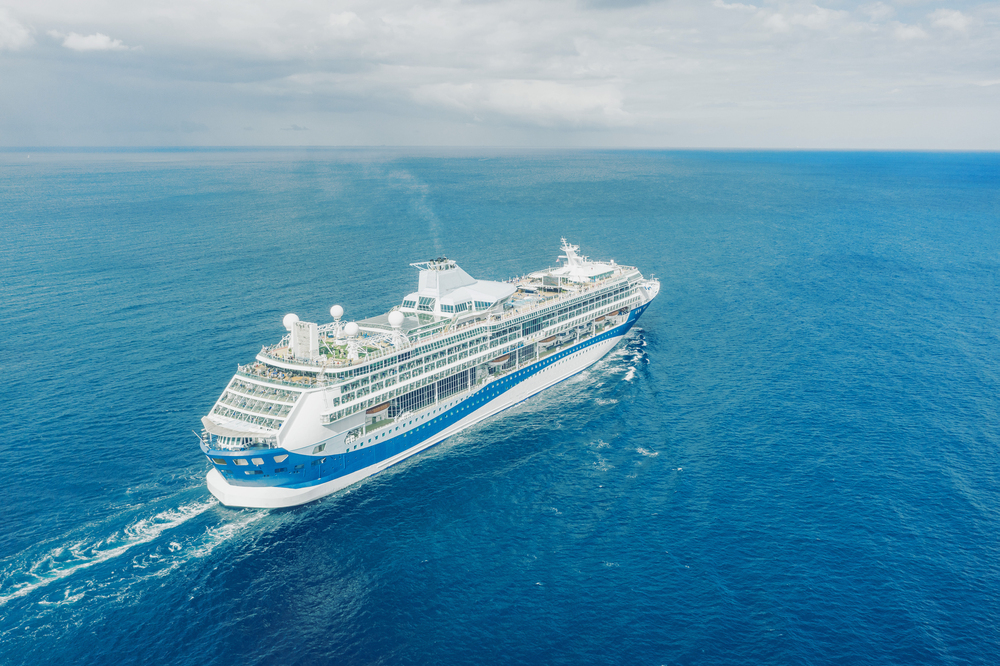
Some cruise lines—particularly European ones like MSC and Costa—include gratuities in the base fare or handle tipping differently than American carriers do. Carnival, Royal Caribbean, Norwegian, and most mainstream U.S.-based lines automatically add daily service charges, but it’s worth checking before you book.
Guest services can remove them

On most mainstream cruise lines, you can visit the guest services desk and request that automatic gratuities be removed from your account entirely. This works on Carnival, Norwegian, Holland America, and several others.
You’ll typically need to do this before the final night of the cruise.
Norwegian makes it trickier
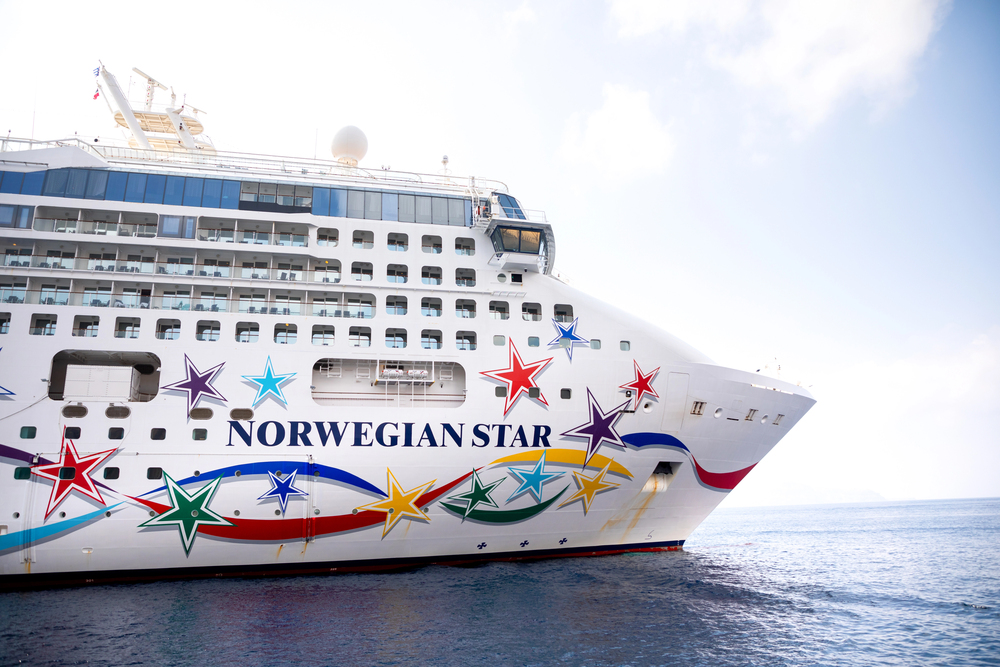
Norwegian Cruise Line bundles its gratuities into what it calls a ‘daily service charge,’ and while it can technically be removed, the process involves a longer conversation at guest services and sometimes pushback from staff. They’d much rather you keep it on.
Royal Caribbean is stricter

Royal Caribbean has moved toward a model where gratuities are increasingly difficult to remove, especially if you’ve booked certain promotional packages. If you booked a ‘gratuities included’ promo, those charges are baked into your rate and can’t be touched.
Prepaying locks in a lower rate

Cruise lines periodically raise their daily gratuity rates, and prepaying before your sailing often locks in the older, cheaper amount. If rates go up between booking and sailing, you’ve already paid the lower number—a small but real saving on longer cruises.
Removing gratuities affects crew pay

It’s worth being clear-eyed about this: the daily service charge is distributed among cabin stewards, dining room staff, and behind-the-scenes workers who rarely receive cash tips directly. Removing it without tipping individually in cash means those workers may receive less than their standard compensation.
Tipping in cash directly is an alternative

If you remove auto-gratuities, tipping directly in cash to specific crew members is the ethical workaround. Bring small bills—$5, $10, and $20 bills—and tip your cabin steward, server, and bartender separately.
Some travelers actually prefer this because it feels more personal.
Some lines hide gratuities in ‘resort fees’

A few lines have started incorporating service charges into a broader ‘resort fee’ or ‘onboard service fee’ that’s framed differently from traditional gratuities. It achieves the same result—adding to your bill—but is harder to dispute because it’s not technically labeled as a tip.
Luxury lines often include them
On luxury and ultra-luxury lines like Regent Seven Seas, Seabourn, and Silversea, gratuities are fully included in the fare. You’re paying more upfront, but there’s no nickel-and-diming on the daily service charge side.
For longer sailings, this can actually make premium lines more competitive than they appear.
Booking through a travel agent can help

Some travel agents have perks or promotional codes that include gratuities in the package—essentially the line covers them as an incentive to book. It’s always worth asking your agent whether any current promos include complimentary gratuities before booking directly.
Loyalty status sometimes includes gratuities

High-tier loyalty members on certain lines—particularly Holland America’s 4-Star Mariners and above—receive perks that can include reduced or complimentary daily service charges. If you sail frequently with one line, hitting elite status pays off in ways beyond free laundry.
The daily rate varies by cabin category

Most lines charge a higher daily gratuity rate for suite and balcony cabin guests compared to interior cabin passengers. On Carnival, for example, suite guests pay more per day than interior guests—so knowing the tiered structure helps you calculate the true cost of upgrading.
Drink packages often add gratuities automatically

If you purchase a beverage package, an 18–20% gratuity is usually added automatically at the time of purchase. This can add $100 or more to the package cost, so factor it in when comparing whether a drink package actually makes financial sense for your trip.
Specialty dining gratuities are separate
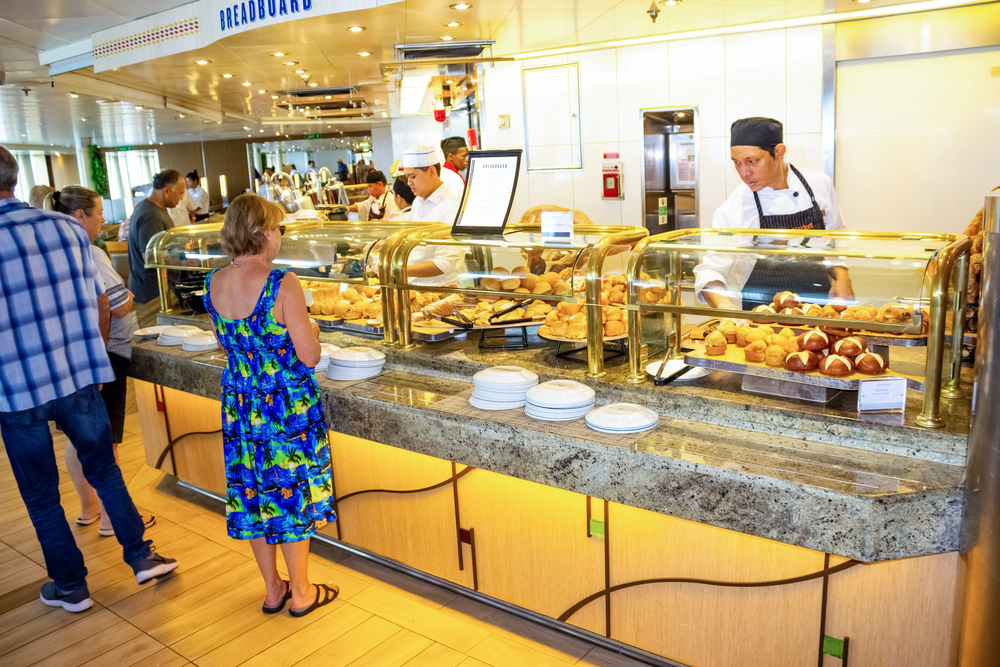
Even if you remove standard daily gratuities, specialty restaurant visits usually add their own automatic service charge—typically 18%. These are separate from the daily cabin and dining charges, so they won’t be affected by anything you adjust at guest services.
The math adds up fast

With a 7-night cruise for two at $18 a day per person, that’s $252 in gratuities before we even set foot on the ship. Multiply that by four in a family with two kids on a 14-night cruise? That’s over $1,000 in gratuities alone.
Knowing exactly what we’re being charged for—and when—is the first step in actually being able to control it.
Ship gratuity policies change often
Cruise lines change their gratuity policies relatively frequently, so what was true two years ago might not be true today. Be sure to check the cruise line’s policy page or call their customer service department to get the most up-to-date information.
Outdated advice from cruise forums has gotten more than a few cruisers in trouble at the checkout desk.
More from Travel Pug

- Underrated Italian Towns That Beat the Tourist Crowds
- Las Vegas Tourist Traps to Skip
- Prettiest Towns in Every US State
- 18 passport-free countries for Americans
- Signs Your Cruise Is Not Worth The Cost
Like Travel Pug’s content? Follow us on MSN.