

There’s something quietly magical about a main street that hasn’t been swallowed up by chain stores and parking structures. No golden arches, no big-box sprawl — just brick storefronts, hand-painted signs, and the kind of slow, friendly pace that feels almost foreign in 2025.
These places exist not because someone decided to turn them into a theme park, but because time, circumstance, or sheer stubbornness kept the bulldozers away. Here is a list of 15 small-town main streets across the U.S. that still feel like 1955, where the architecture is original, the character is genuine, and the coffee is probably still served in a ceramic mug.
Mount Airy, North Carolina
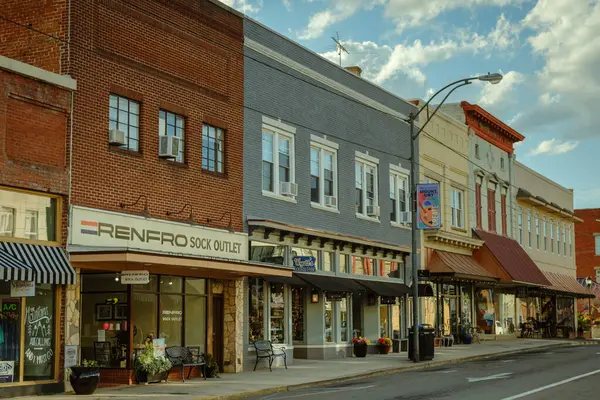
If the name rings a bell, it’s because Mount Airy was the real-life inspiration for Mayberry on ‘The Andy Griffith Show.’ The show ended in 1968, but the town never really moved on — and that’s a compliment.
Visitors can still pull up a stool at a vintage drugstore soda counter, cruise through town in a replica squad car, and browse mom-and-pop shops along a main street that looks like it was frozen mid-episode.
Stockbridge, Massachusetts
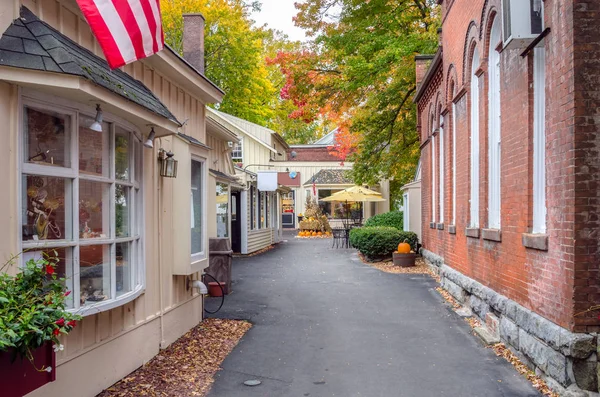
Norman Rockwell didn’t just paint Stockbridge — he lived there for 25 years, and the town looks almost exactly as it did in his famous ‘Main Street at Christmas’ illustration. The white church steeple, the historic Red Lion Inn, the wide, quiet road flanked by colonial-era buildings: it’s all still there.
The Norman Rockwell Museum sits nearby, holding hundreds of original works that prove Rockwell wasn’t idealizing the town — he was just painting what he saw.
Galena, Illinois
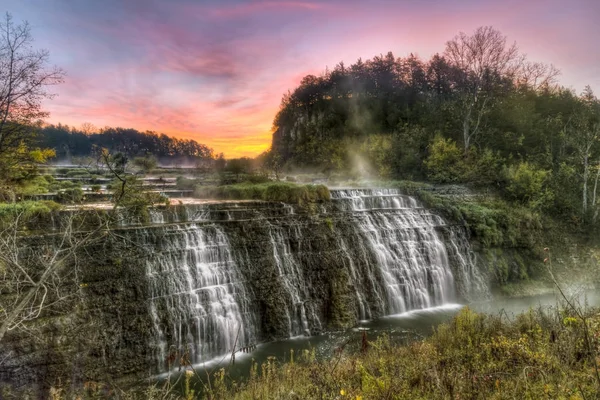
Galena sits on a ridge above the Galena River, and its main street curves along the hillside as if it were laid out before anyone thought to use a ruler. Over 85% of the town is on the National Register of Historic Places, which means the candy stores, art galleries, and boutiques are all tucked into 19th-century brick buildings that haven’t changed much on the outside since Ulysses S. Grant lived here.
The decorative streetlights click on at dusk and cast a warm glow that makes you want to slow down and stay longer than you planned.
Wallace, Idaho
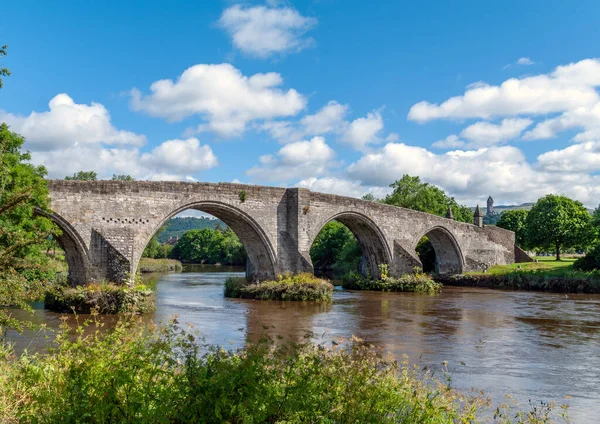
Wallace is the town that beat the federal government. When Interstate 90 was being routed through Idaho in the 1970s, the original plan would have demolished downtown.
The town fought back by getting the entire downtown listed on the National Register of Historic Places — every single building — forcing the highway department to build an elevated bypass that arcs over the town instead. Today, Wallace’s six-block historic core is surrounded by forested mountains, lined with Victorian brick storefronts, and alive with mining-era character, making it feel like the calendar stopped somewhere around the Eisenhower administration.
Abilene, Kansas
Abilene was once the roughest cattle town on the Chisholm Trail, but these days it’s more small-town America than Wild West. The connection to President Dwight D. Eisenhower runs deep — he grew up here, and the Eisenhower Presidential Library and Museum anchors the town’s sense of history.
Old-school diners with checkered floors and vintage architecture line the streets, and the pace of life feels appropriately mid-century for a town that still takes quiet pride in being the boyhood home of a five-star general turned president.
Bardstown, Kentucky
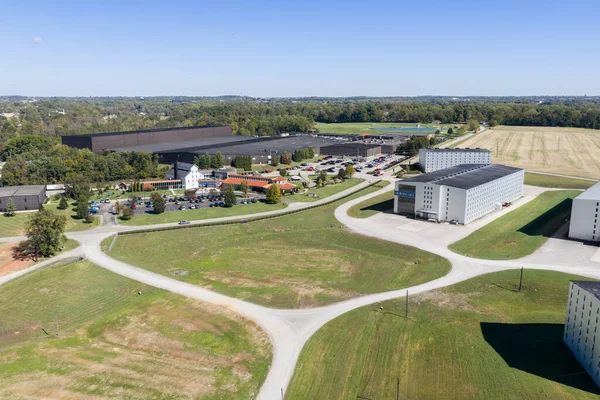
Bardstown calls itself the ‘Bourbon Capital of the World,’ and nobody’s really argued the point. But beyond the distilleries and tasting rooms, the town’s main street is a beautifully intact stretch of Federal and Greek Revival architecture dating back to the early 1800s.
The courthouse square, the brick sidewalks, and the family-run storefronts give Bardstown the feel of a place where people actually live and work, rather than a historic district that gets dusted off for tourists on weekends.
Madison, Indiana
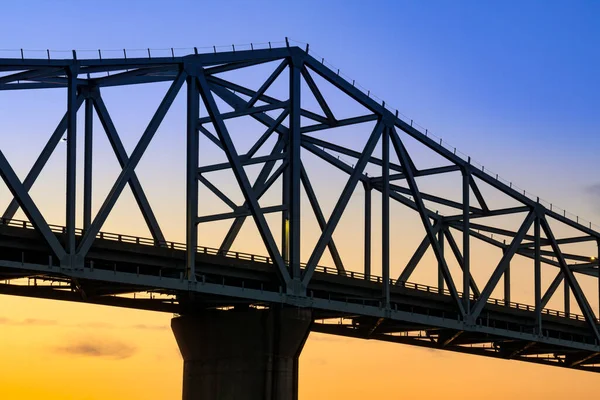
Madison’s main street looks the way it does for a simple, somewhat ironic reason: the town was economically depressed for decades, so nobody could afford to tear things down and build something new. The result is America’s largest contiguous National Historic Landmark District, a stretch of riverfront architecture spanning centuries that survived precisely because progress passed it by.
Visitors today walk past original storefronts with original facades and think ‘gorgeous preservation effort’ — but it was really just poverty doing what preservation committees rarely can.
Franklin, Tennessee
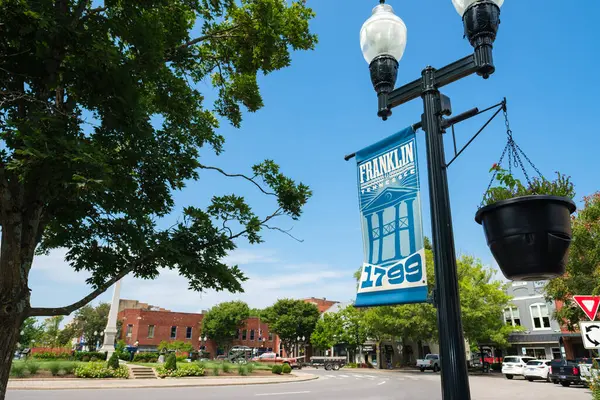
Franklin is about 20 miles south of Nashville, but it’s a different world. Founded in 1799, the town’s historic main street and courthouse square are made up of period buildings, some dating to the early 1800s.
City ordinances require any new construction to match the historic style, so even a newly built hotel fits in without looking out of place. The result is a downtown that feels genuinely old rather than artificially antique, with brick storefronts, independent bookstores, and live music drifting out of venues on weekend evenings.
Seligman, Arizona
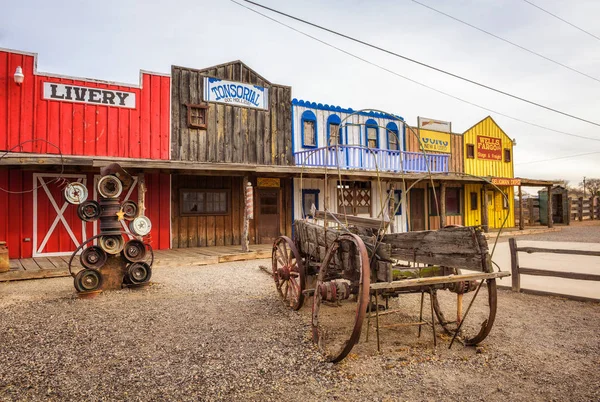
Seligman calls itself the birthplace of Historic Route 66, and the town wears that title like a well-worn leather jacket. When Interstate 40 bypassed Seligman in 1978, the town nearly died — but a local barber named Angel Delgadillo helped rally residents and sparked the Route 66 preservation movement that eventually saved the highway’s legacy.
Today, the main drag is a living museum of mid-century Americana: vintage motels with original neon signs, a soda fountain that’s been operating for decades, and roadside charm that inspired the fictional town of Radiator Springs in the Pixar film ‘Cars.’
Bramwell, West Virginia
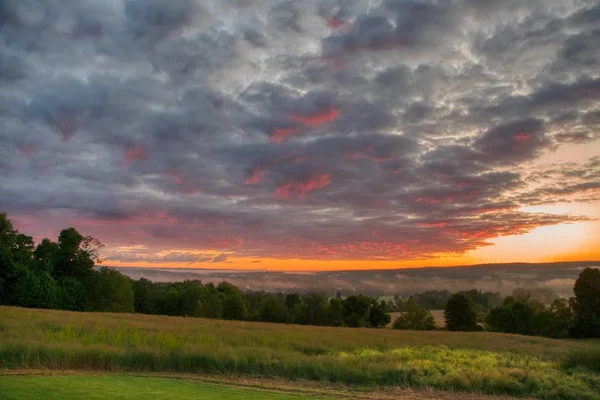
Bramwell has a story unlike almost anywhere else on this list. At the turn of the 20th century, it was nicknamed the ‘Town of Millionaires’ because of the coal barons who built their grand Victorian and Tudor mansions along its streets.
Today, fewer than 350 people live here, but the brick main street, the soda counter that still serves milkshakes, and the historic train depot turned visitors’ center are all still standing. Walking through Bramwell feels less like a tourist attraction and more like accidentally finding a town that everyone else forgot about.
Staunton, Virginia
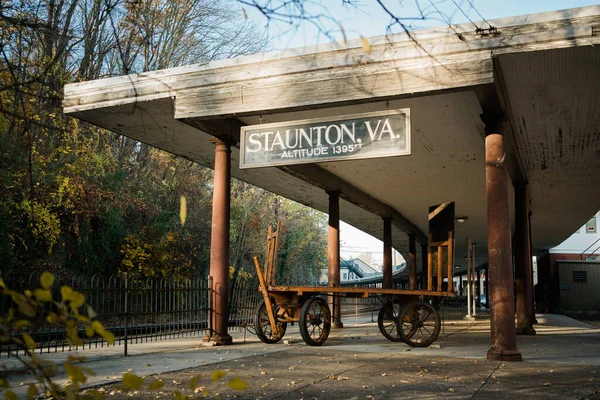
Staunton (pronounced ‘STAN-ton,’ locals will remind you) sits in the Shenandoah Valley and has earned multiple national awards as one of America’s best small towns. The downtown is full of Victorian and Italianate architecture, all beautifully maintained, and the streets slope gently up toward the surrounding mountains.
It’s a working town with real restaurants and independent shops rather than a preserved relic, which is exactly what makes it feel authentic rather than staged. Woodrow Wilson was born here, though the town’s present-day character owes more to its craftspeople and business owners than to any presidential connection.
Eureka Springs, Arkansas

Eureka Springs is genuinely unusual — the streets follow the curves of the Ozark hillside rather than any sensible grid, which means every block offers a slightly different view, and every alley holds a surprise. Victorian storefronts rise alongside turreted inns and art studios, and trolleys run through town past buildings whose stone and wrought-iron details have been preserved for generations.
There’s a quirky, creative energy here that keeps it from feeling like a museum, and the winding layout means you can’t actually see the whole thing in a single walk — which is a good reason to stay an extra day.
New Ulm, Minnesota
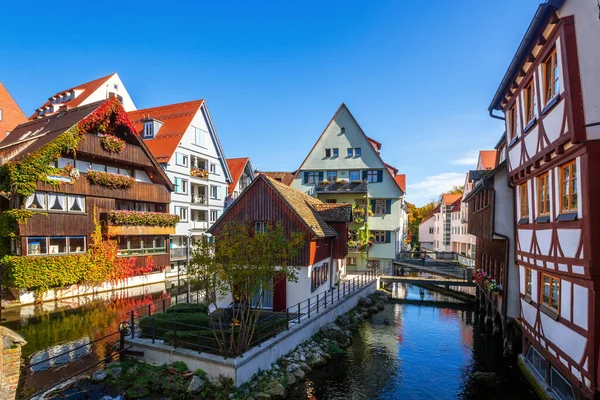
New Ulm was settled by German immigrants in the 1850s, and the town has never really let go of that heritage. The architecture along the main street reflects its European roots, and the mid-century diners, soda fountains, and classic theaters that filled in around the older buildings give the downtown a layered, lived-in quality.
The Schell’s Brewery, founded in 1860, is still family-run and still operating — a fact that says just about everything you need to know about how seriously New Ulm takes continuity.
Lititz, Pennsylvania
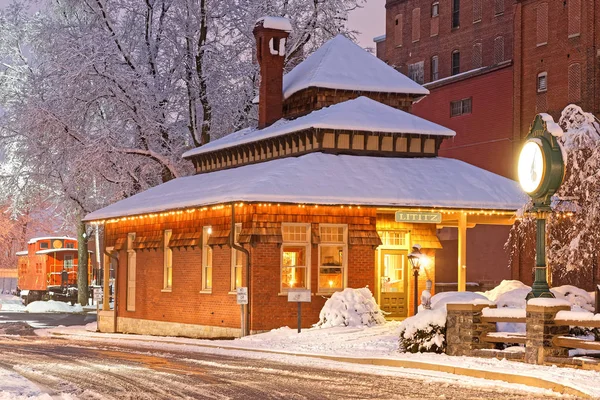
Lititz is a small town in Lancaster County with a main street that travel writers frequently call the best in Pennsylvania. The red brick buildings along East Main Street span nearly three centuries of architecture, and the town’s long history as a Moravian settlement means it developed its own distinct character rather than simply following whatever was fashionable at the time.
Lititz is also where Julius Sturgis opened America’s first commercial pretzel bakery in 1861, and the original building is still there. Some places earn their reputation; Lititz is one of them.
Ely, Nevada
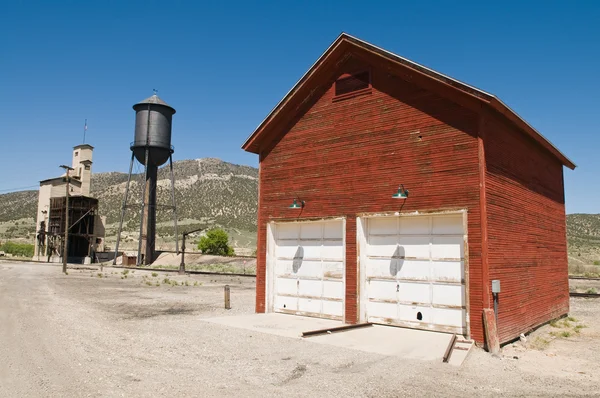
Ely sits in the middle of the Nevada desert, about 240 miles from Las Vegas, which may be exactly why it’s survived intact. The town made its money from copper mining, and when the economy quieted, the historic downtown simply stayed put.
Neon signs still illuminate the main street after dark, vintage trains run on the Nevada Northern Railway — one of the best-preserved shortline railroads in the country — and the local shops and diners operate with the unpretentious warmth of a place that isn’t trying to be a destination. Ely is the kind of town you stumble onto rather than plan to visit, which is also the kind of town you tend to remember longest.
Where the past still parks on Main Street

These 15 towns survived the second half of the 20th century without losing their souls — some through deliberate preservation, some through economic hardship, and a few through sheer community stubbornness. What they share is a main street that still functions the way main streets were meant to: as the actual center of a community, not a backdrop for a lifestyle brand.
In an era when most American towns look increasingly alike, places like Wallace, Bramwell, and Lititz are a reminder that distinctiveness, once lost, is nearly impossible to rebuild. The best reason to visit any of them isn’t nostalgia — it’s the chance to see what a town looks like when it actually belongs to the people who live there.
More from Travel Pug

- Underrated Italian Towns That Beat the Tourist Crowds
- Las Vegas Tourist Traps to Skip
- Prettiest Towns in Every US State
- 18 passport-free countries for Americans
- Signs Your Cruise Is Not Worth The Cost
Like Travel Pug’s content? Follow us on MSN.