

When people talk about healthy living, they often focus on individual choices—what you eat, how often you exercise, and whether you get enough sleep. But the place you call home shapes those choices more than most people realize.
Some cities make it easier to walk instead of drive, breathe cleaner air, and find fresh food. Others offer better healthcare access and build communities where stress feels manageable.
The healthiest cities in America aren’t just places with good hospitals—they’re places designed to support well-being in ways both obvious and subtle.
Honolulu
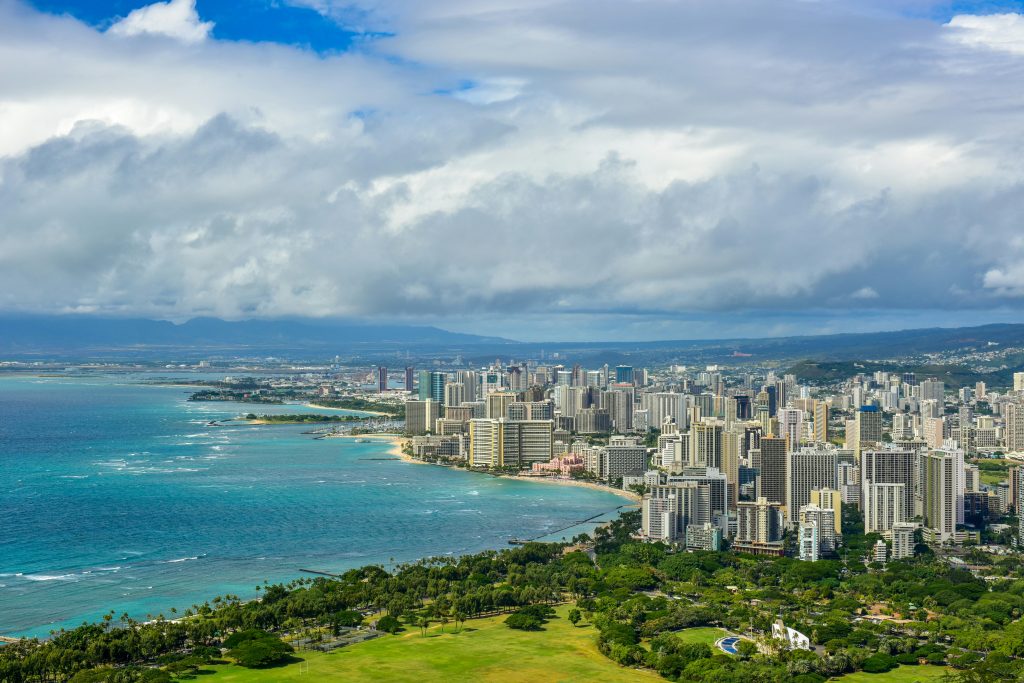
Honolulu doesn’t make you healthy. You just end up that way.
The city runs on a rhythm that encourages outdoor living year-round. Beach culture isn’t tourism here—it’s how people actually live.
Walking, swimming, and hiking become routine when the weather cooperates every day.
San Francisco
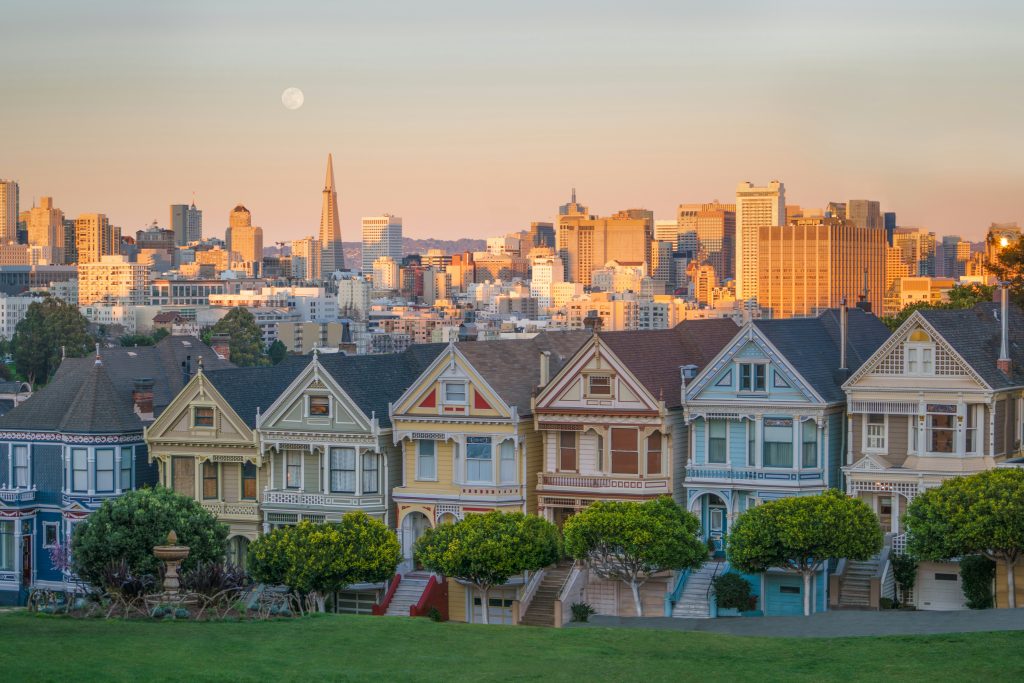
The relationship between San Francisco and health is complicated (if you’ve ever tried to find parking on a 40-degree incline, you know what this means), but the city’s walkability forces physical activity into daily life, whether residents plan for it or not. The hills that make driving a nightmare turn every trip to the grocery store into cardio.
And while the cost of living creates stress, the access to healthcare, farmers markets, and outdoor recreation within city limits creates opportunities that many places can’t match. So you’re broke, but your calves look fantastic and you can get organic produce late into the evening, which is saying something in American cities.
Seattle
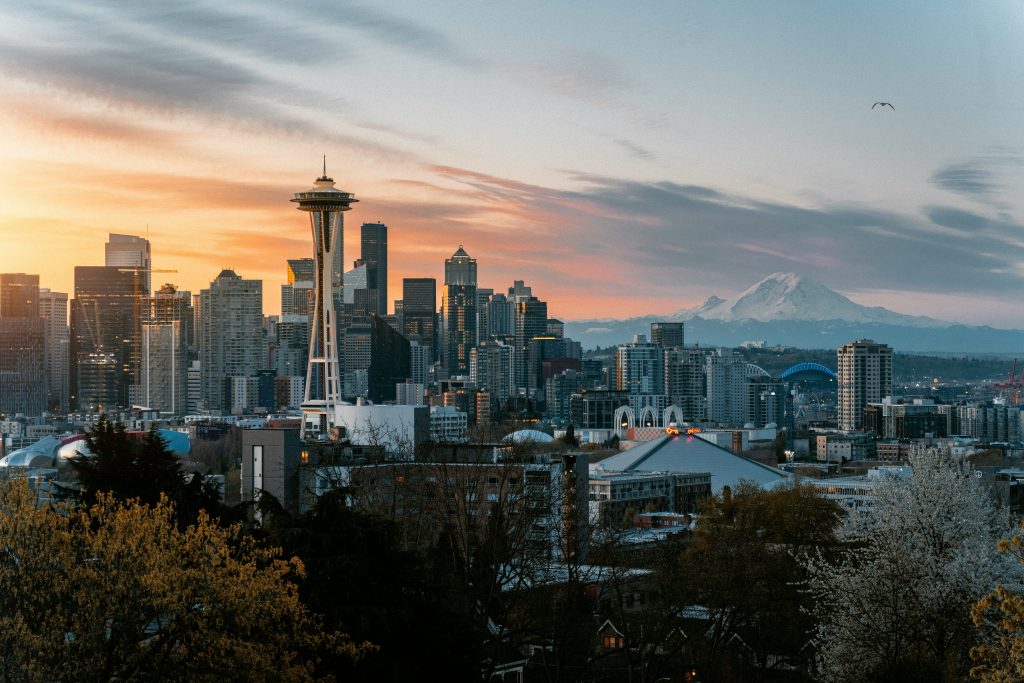
There’s something about a city that insists you keep moving even when the sky hasn’t brightened for three months. Seattle wraps around its inhabitants like a well-worn jacket—familiar, occasionally damp, but ultimately protective.
The coffee culture here isn’t just about caffeine; it’s about gathering spaces where people actually talk to each other instead of scrolling past each other’s lives on screens. The mountains and water create a natural boundary that keeps the city contained, walkable.
People bike to work partly because it’s genuinely faster than sitting in traffic. Rain becomes less of an obstacle and more of a gentle insistence to slow down, to notice the world at the pace your feet can handle.
Portland
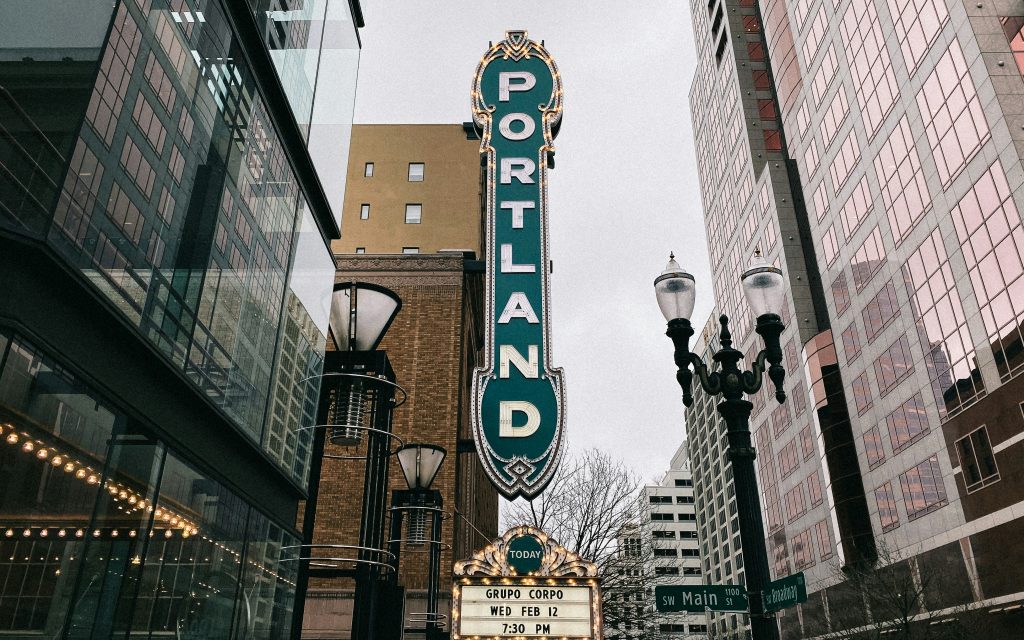
Portland treats health like a hobby everyone’s really gotten into. The city bikes everywhere, grows food in tiny urban plots, and has turned walking into an art form with food carts strategically placed every few blocks.
The healthcare system actually works here, which shouldn’t be noteworthy but somehow is. People can afford to see doctors before problems become emergencies.
Denver
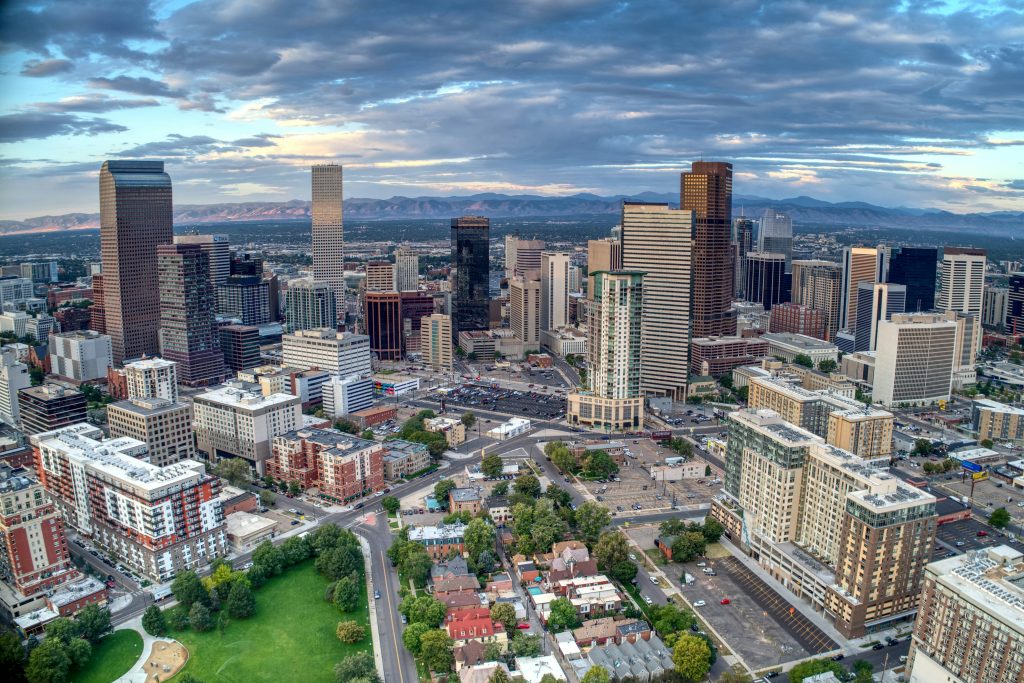
The elevation forces your lungs to work harder just standing still, which turns daily life into accidental conditioning. Denver sits at the base of the Rockies like it’s showing off—hiking trails start where sidewalks end.
The city built itself around outdoor access. Even office workers disappear at lunch to run along the South Platte River.
The sun shines 300 days a year, making excuses harder to maintain. You either embrace the active lifestyle or spend a lot of time explaining why you haven’t.
Austin
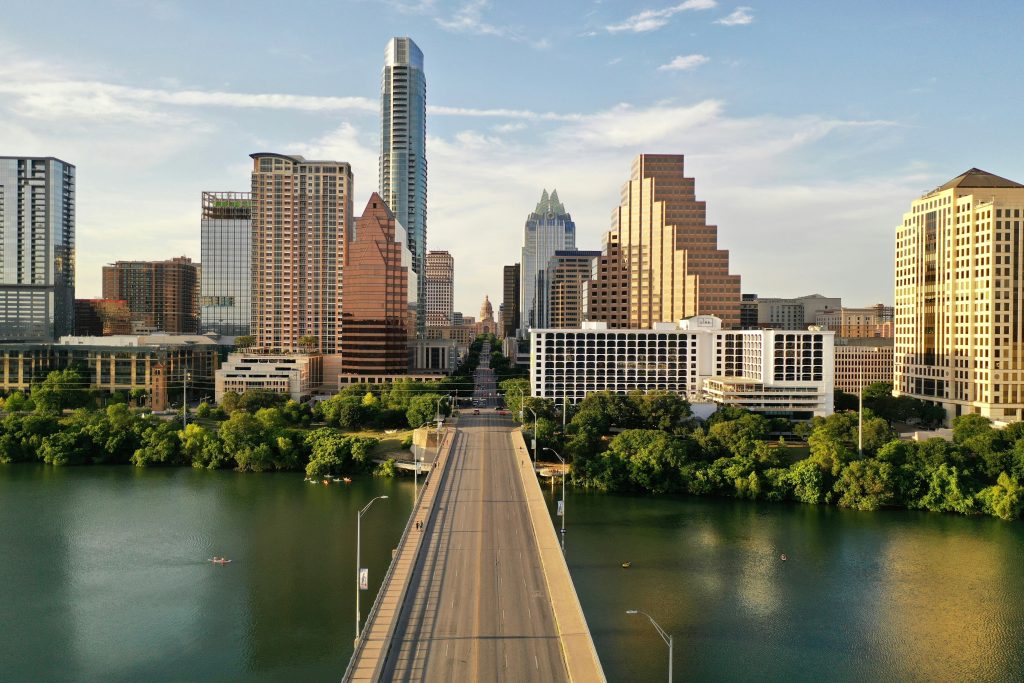
Austin decided long ago that being weird was more important than being conventional, and it turns out this philosophy works surprisingly well for public health. The city keeps things walkable despite rapid growth, builds bike lanes that people actually use, and maintains a food culture that goes beyond barbecue (though the barbecue helps with morale, which counts for something).
The live music scene creates community connections that matter more for health than most people realize—belonging somewhere reduces stress in ways that gym memberships can’t match.
Minneapolis
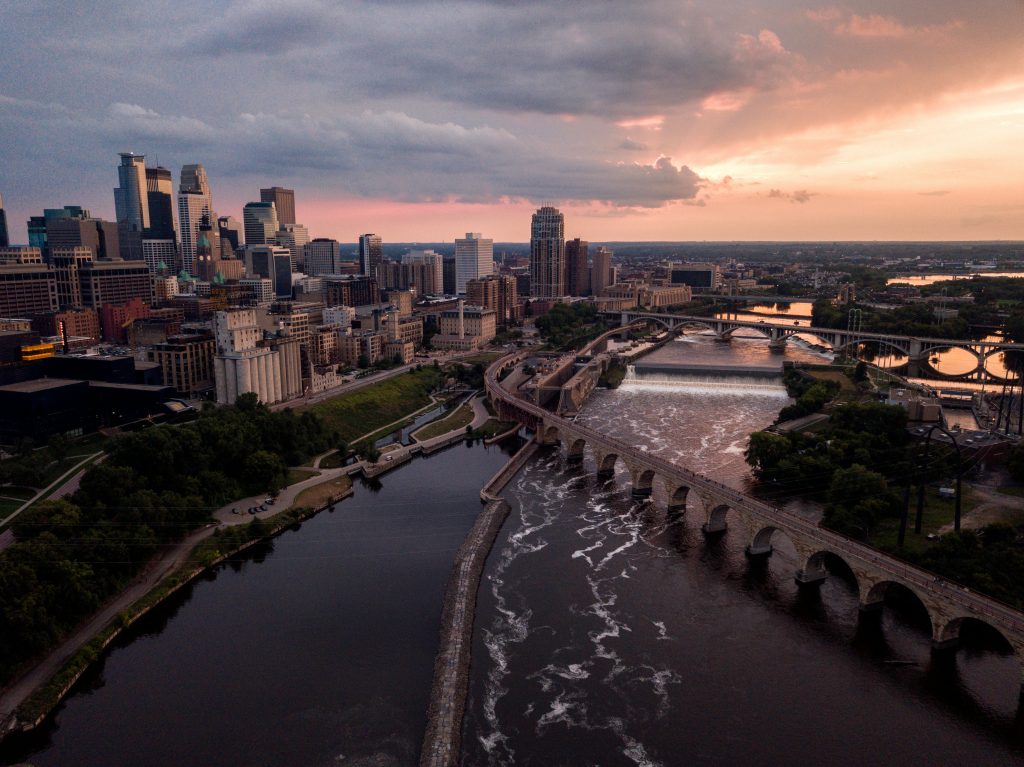
Winter doesn’t stop Minneapolis. It just changes the rules.
The city built an entire skyway system so people could walk between buildings when the temperature hits negative twenty. Lakes thread through neighborhoods, creating natural spaces for running, cycling, and swimming when the ice finally melts.
The healthcare infrastructure here rivals much larger cities. Mayo Clinic is accessible within the state, but the local systems handle preventive care well enough that fewer people need that level of intervention.
Madison
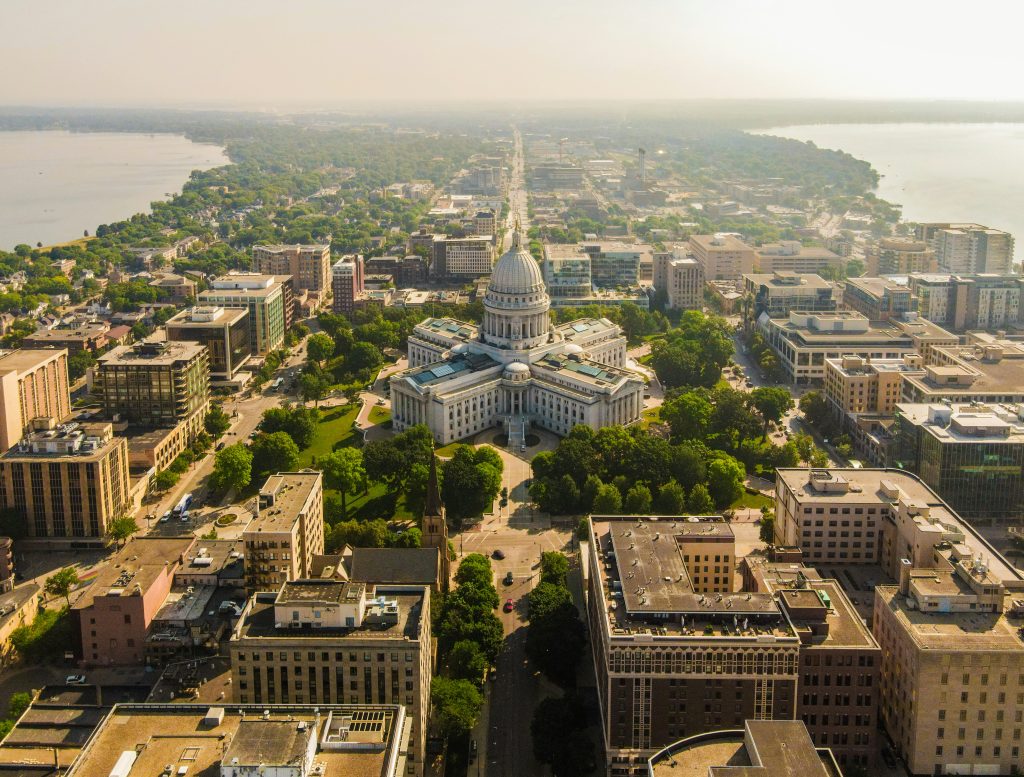
There’s a particular kind of contentment that settles over college towns when they’re done right, and Madison wears this feeling like morning fog over its lakes. The city moves at a pace that allows for farmers markets on Saturday mornings and evening walks around Lake Mendota, where the path stretches long enough for conversations to find their natural rhythm.
The university brings resources—good hospitals, research facilities, educated residents who vote for public health initiatives. But it’s the scale that makes Madison work.
Small enough that you can bike across town in twenty minutes, large enough that the restaurants stay interesting and the healthcare stays accessible. People here seem to have figured out that stress and hurry aren’t actually required for productivity.
Boston
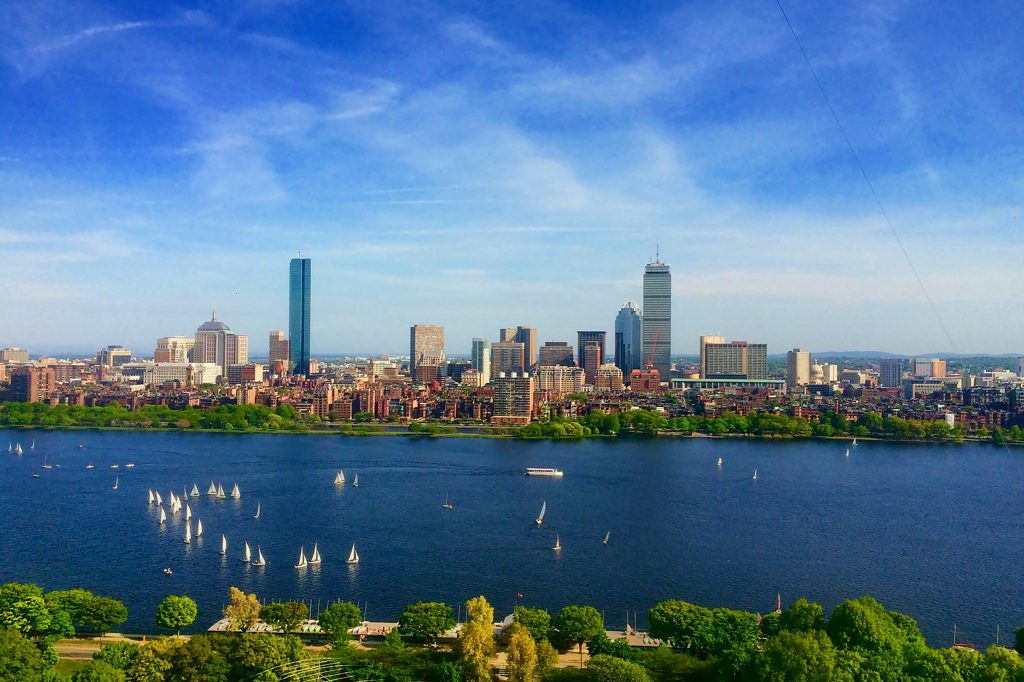
Boston makes you walk whether you want to or not. The city predates cars by a couple centuries, which means streets that follow old cow paths and neighborhoods where parking costs more than rent in most places.
This turns out to be excellent for public health. People walk to work, walk to dinner, walk because taking the T is faster than driving and walking is faster than waiting for the T. The concentration of hospitals and medical schools creates healthcare access that most cities can’t match.
The education level here runs high, and educated populations tend to make healthier choices. Not always, but often enough to shift the averages.
Washington, D.C.
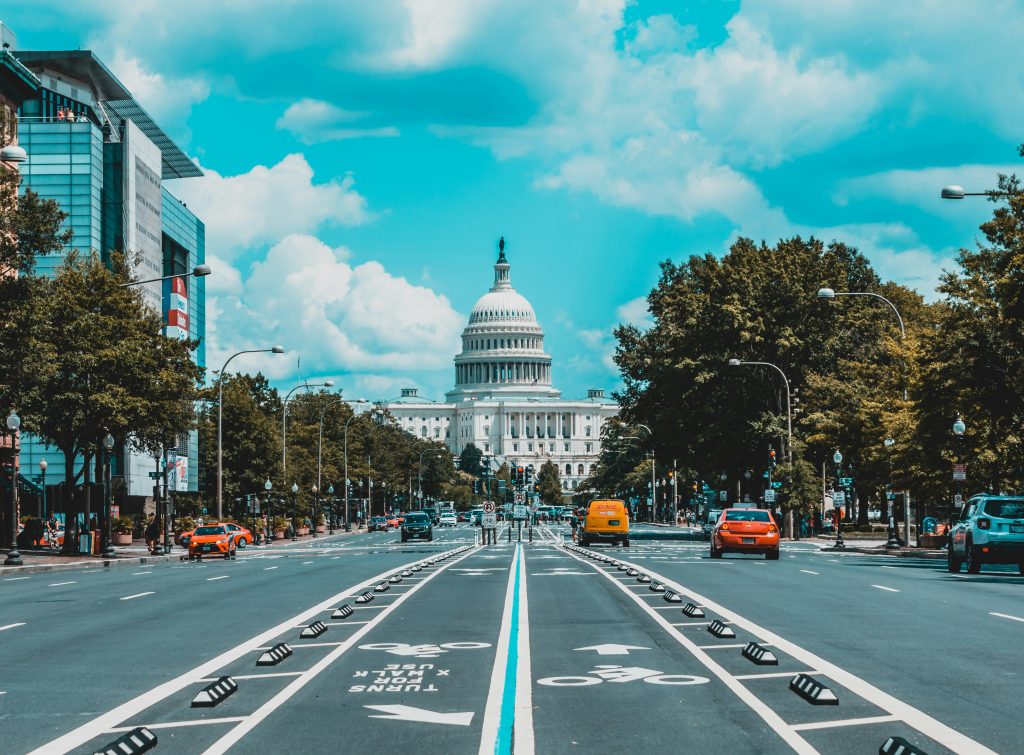
The Metro system forces walking at both ends of every trip, turning public transit into accidental exercise. D.C. built itself around monuments and parks, which means green space interrupts the urban landscape regularly.
The restaurant scene has evolved beyond political power lunches into actual food culture. Farmers markets, international cuisine, places that care about ingredients rather than just portions.
Healthcare access comes with the federal employment that drives much of the local economy. Government jobs mean government health insurance, which means regular checkups rather than emergency room visits.
Burlington
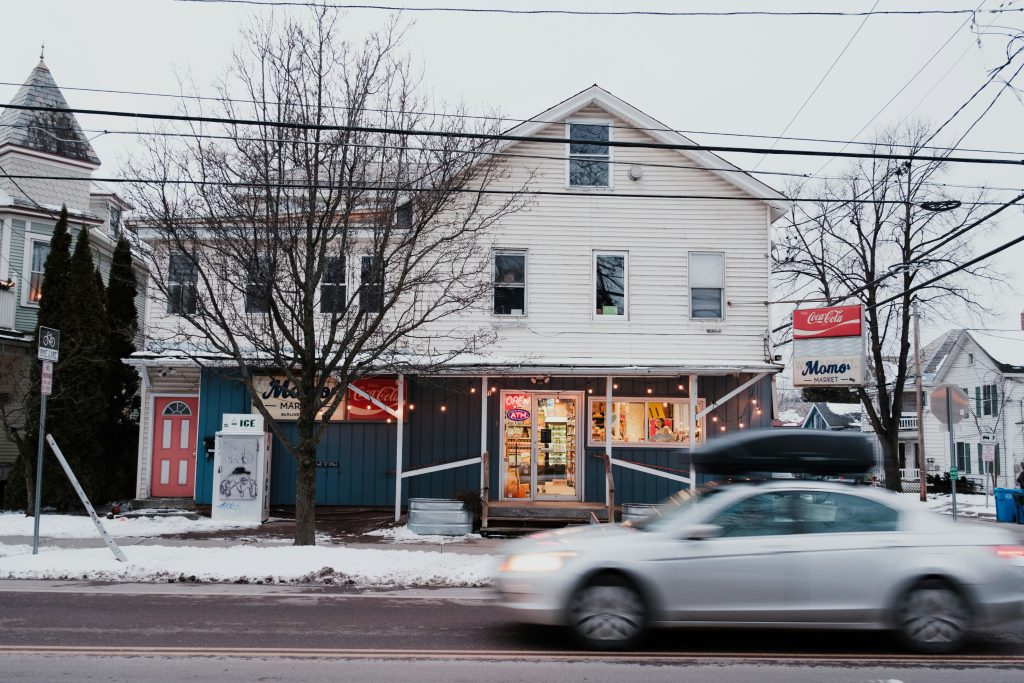
Vermont’s largest city still feels like a small town that happens to have good restaurants and a medical school. Burlington sits on Lake Champlain with the Green Mountains visible in the distance, creating a landscape that encourages outdoor activity without requiring extreme athletic commitment.
The food culture runs deep here—local farms, craft breweries, people who actually know where their vegetables come from. This isn’t lifestyle performance; it’s how a place functions when it stays connected to the land around it.
Salt Lake City
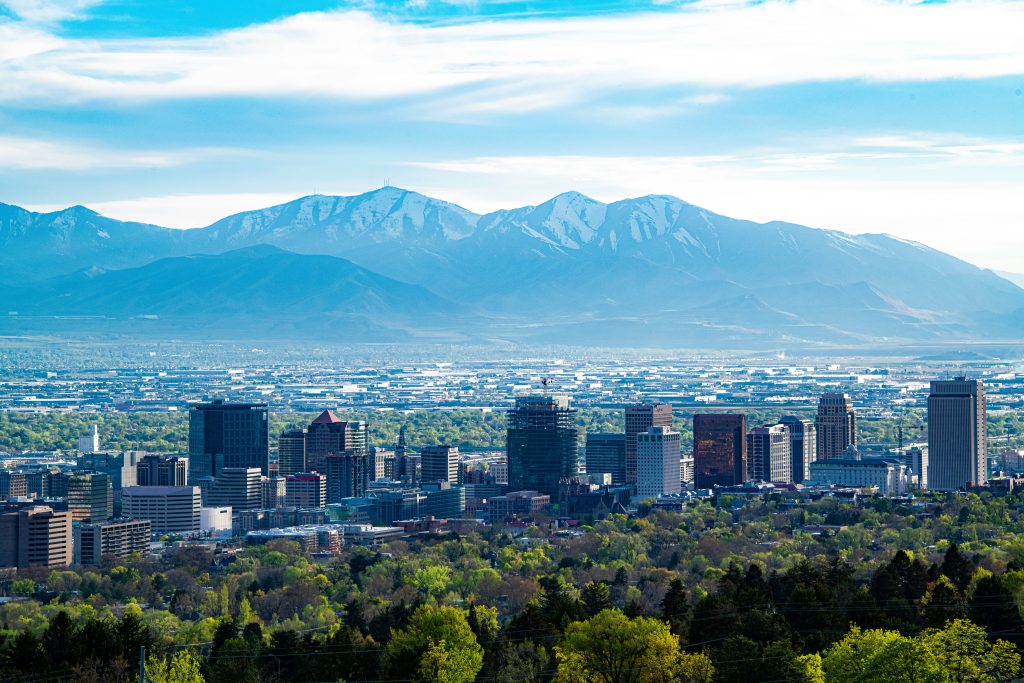
The air quality suffers when inversions trap pollution in the valley, but Salt Lake City compensates with some of the best outdoor access in America. World-class skiing starts forty minutes from downtown. Hiking trails branch out in every direction from the city limits.
The culture here emphasizes family time and community involvement, which creates social connections that support mental health. Lower alcohol consumption rates help with physical health markers, though this probably makes networking events less interesting.
San Jose
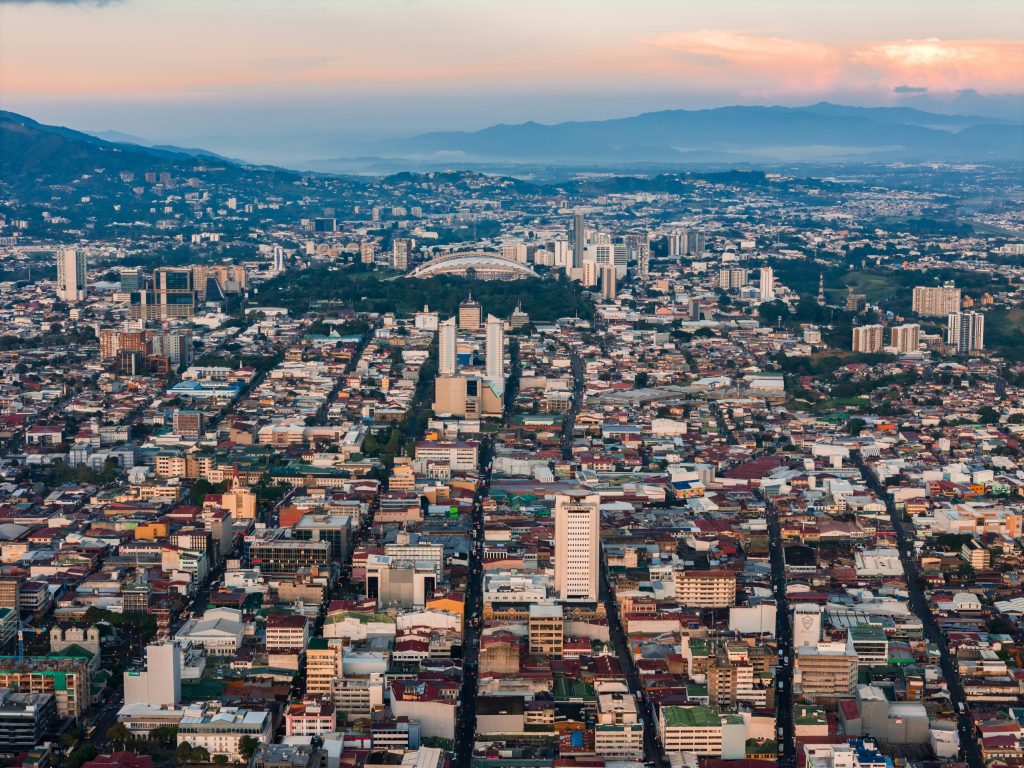
Silicon Valley money translates into healthcare infrastructure that works efficiently and preventive care that catches problems early. San Jose benefits from educated, high-income residents who can afford gym memberships, organic food, and regular medical visits.
The weather allows for year-round outdoor activity. Bike commuting makes sense here in ways it doesn’t in cities with actual winters.
The stress of tech culture creates health problems, but the resources available to address those problems run deeper than most places.
Scottsdale
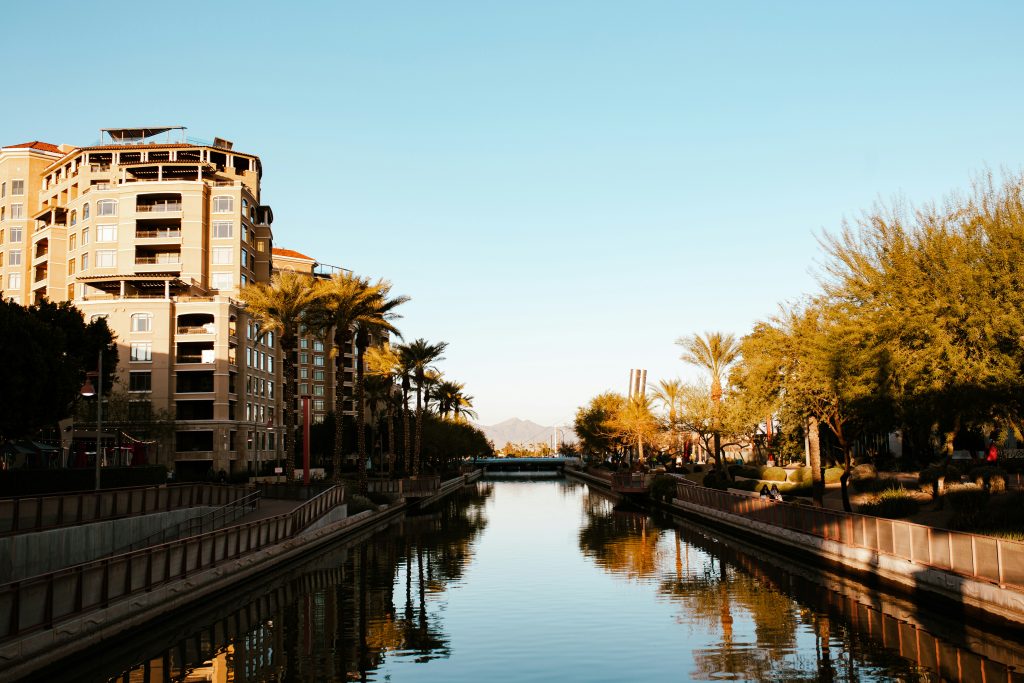
Retirement money built Scottsdale into a place designed around staying healthy longer. The city caters to people who have time for tennis, golf, and spa treatments, but the infrastructure benefits everyone.
Desert hiking, swimming pools, golf courses that double as walking paths. The dry heat agrees with arthritis and other inflammatory conditions.
Healthcare facilities focus on preventive care and wellness rather than just treating emergencies.
Virginia Beach
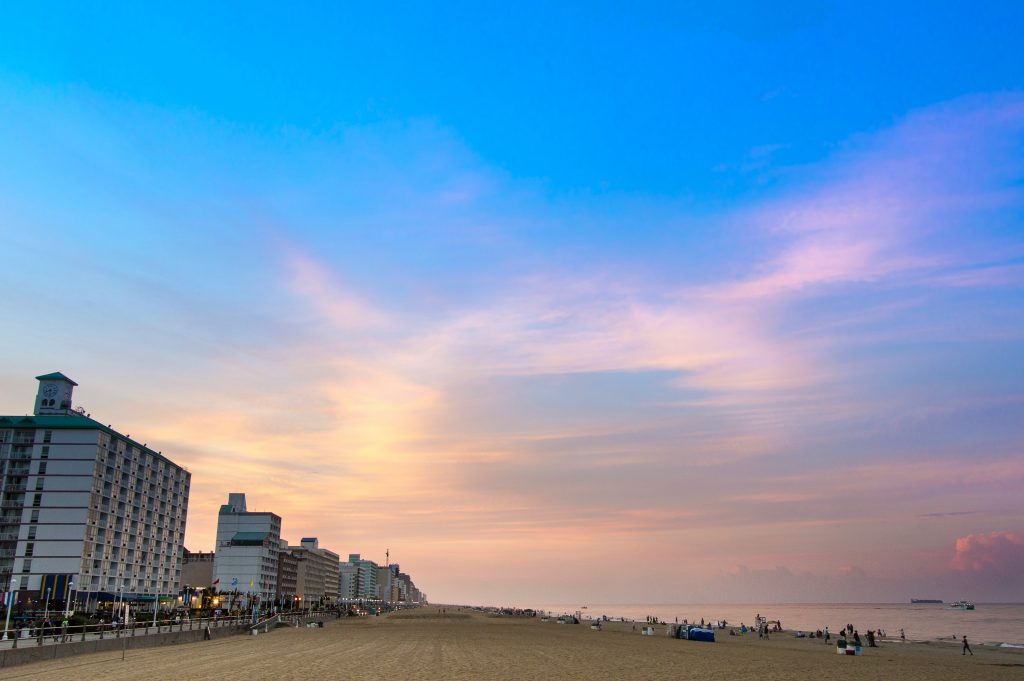
The ocean provides natural stress relief and year-round opportunities for swimming, surfing, and beach walking. Virginia Beach manages to be a tourist destination while maintaining the infrastructure of a functioning city where people actually live and work.
Military presence brings healthcare resources and a culture that values physical fitness. The Chesapeake Bay creates additional outdoor recreation opportunities.
Seafood restaurants serve food that’s actually good for you, which feels like cheating but counts toward health outcomes anyway.
Finding Health Where You Are
The healthiest cities share certain qualities—walkability, outdoor access, healthcare infrastructure, social connections—but they express these differently based on geography, culture, and history. What works in Honolulu won’t work in Minneapolis, and that’s fine.
The lesson isn’t to move somewhere else but to notice what your current city offers and what it lacks, then make choices accordingly. Sometimes the healthiest place is wherever you decide to start taking better care of yourself.
More from Travel Pug

- Underrated Italian Towns That Beat the Tourist Crowds
- Las Vegas Tourist Traps to Skip
- Prettiest Towns in Every US State
- 18 passport-free countries for Americans
- Signs Your Cruise Is Not Worth The Cost
Like Travel Pug’s content? Follow us on MSN.