

There’s something profoundly romantic about the idea of crossing a river by ferry. Not the massive car ferries that lumber across industrial channels, but the small, weathered boats that connect villages separated by meandering waterways.
In rural Asia, these ferries aren’t tourist attractions or historical curiosities — they’re the arteries that keep communities alive, carrying everything from schoolchildren to market goods across waters that have shaped the rhythm of daily life for generations. These crossings tell stories that highways and bridges never could.
Each ferry route connects not just two banks, but two worlds — sometimes literally different countries, often different ways of life that exist just a few hundred meters apart.
Dhaka to Keraniganj
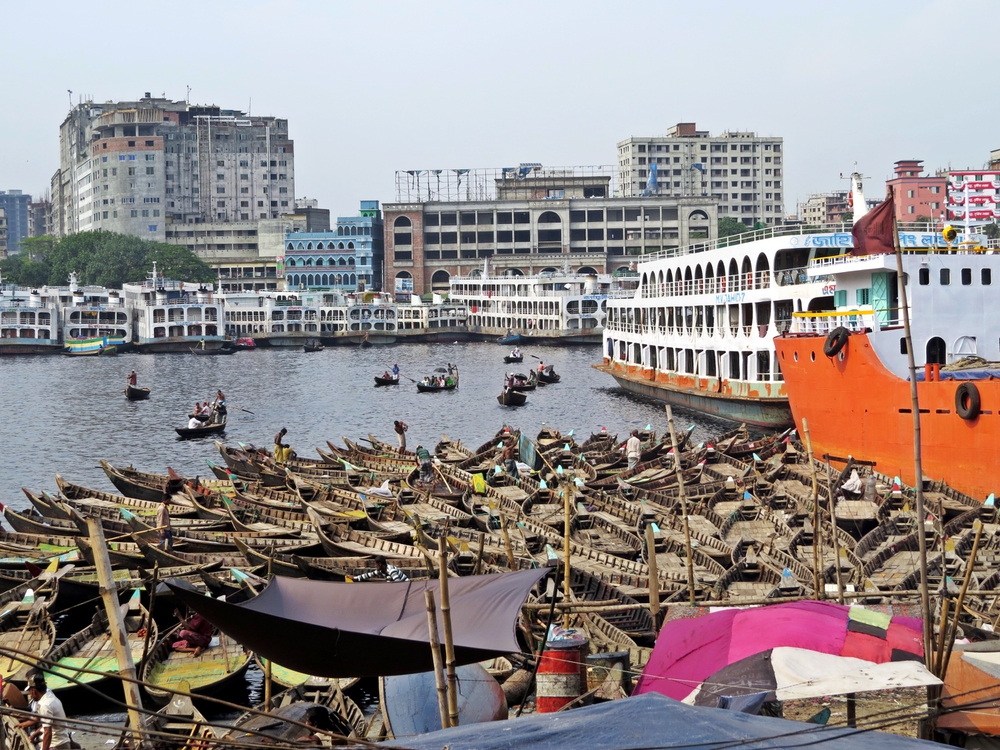
The morning commute here looks nothing like anywhere else. Office workers in pressed shirts stand next to farmers carrying live chickens.
The ferry rocks gently as diesel engines churn the brown water of the Buriganga River. This isn’t scenic.
It’s necessary. And that necessity has carved something beautiful out of chaos.
Mekong Delta Routes
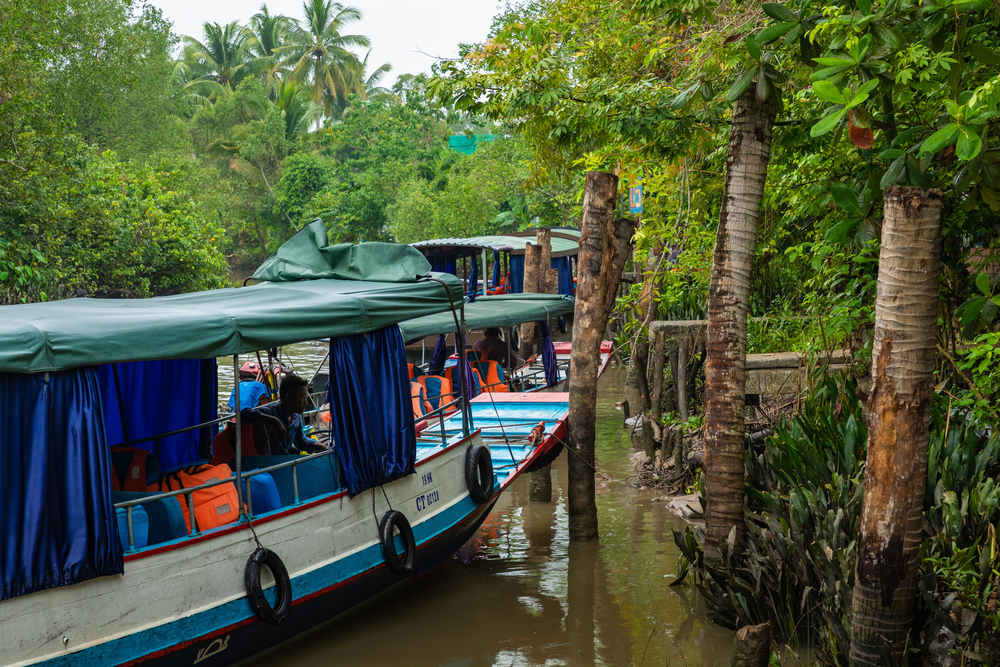
The thing about the Mekong (and this might sound obvious until you experience it firsthand) is that it doesn’t really have banks in the way other rivers do — it has suggestions, gentle recommendations about where water ends and land begins, recommendations that change with the season and the mood of distant mountains. So the ferries here don’t follow fixed schedules as much as they follow the water itself, adapting to channels that shift and deepen and sometimes disappear entirely during the dry months.
And yet somehow everyone knows when the next boat will arrive, the way people in small towns know when the mail comes or when the baker opens, even though no one could explain exactly how they know. But they do know.
Irrawaddy Crossing at Bagan
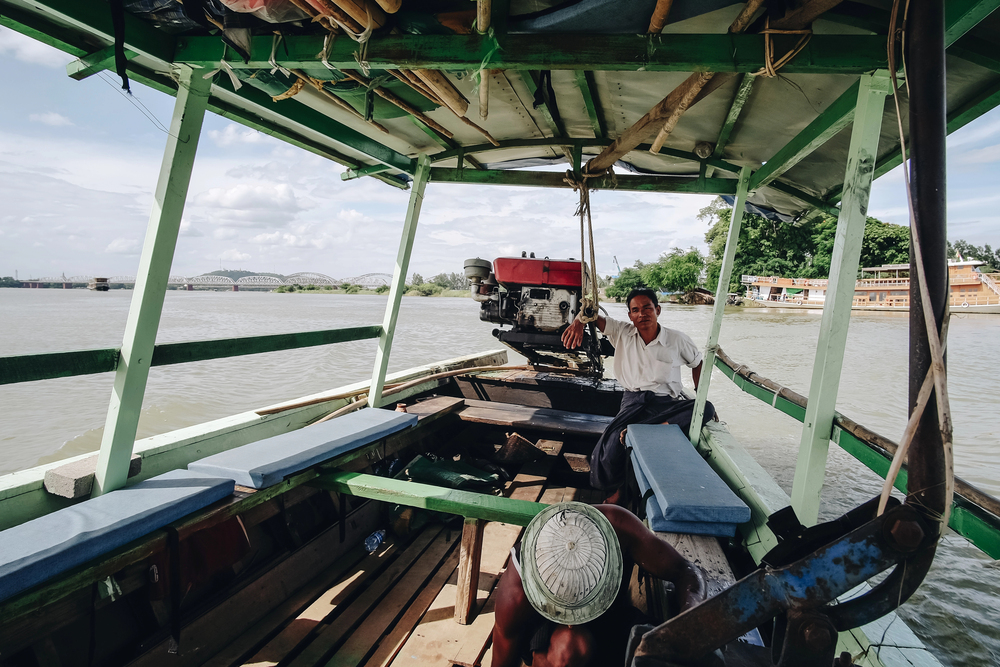
Picture postcards never show the ferry. They show the temples, the hot air balloons, the golden hour light hitting ancient stupas.
What they miss is the ten-minute crossing that separates the tourist zone from the village where people actually live. The contrast hits you before you’ve stepped off the boat.
Meghna River Route
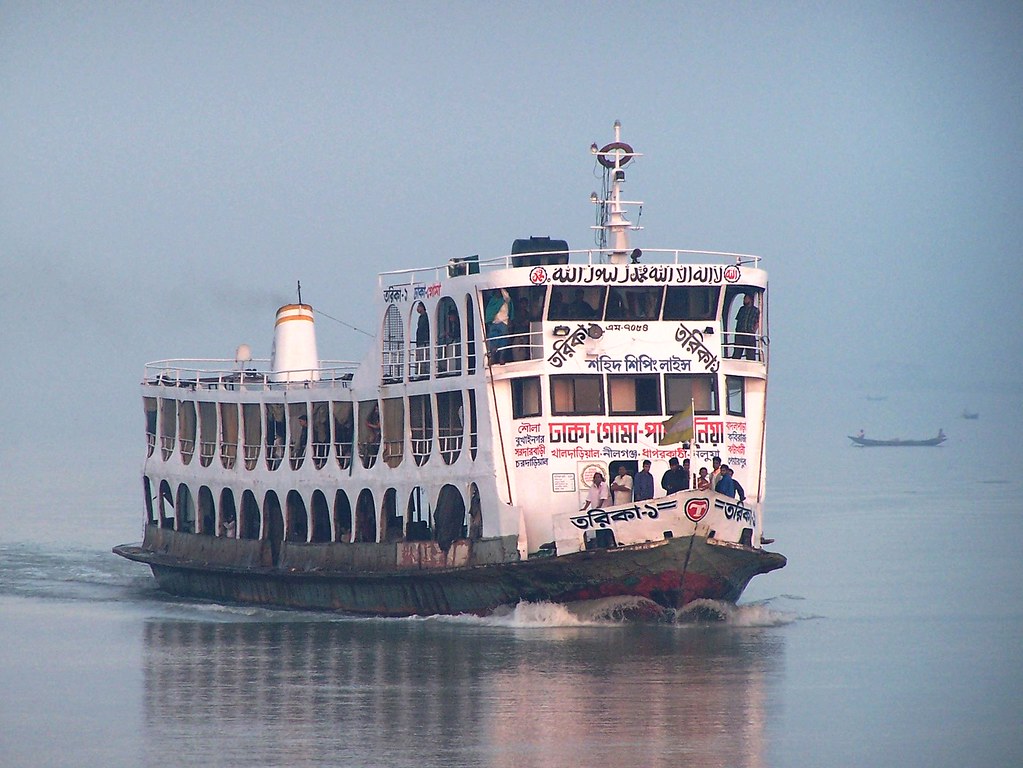
Most people get nervous about the current situation here. The water moves fast enough that you can watch debris shoot past the ferry, and the boat has to angle upstream just to end up going straight across.
Locals read the water like a familiar book — they know which captain to trust and which weather means waiting until tomorrow. The crossing takes twelve minutes on a good day.
Feels like an hour if it’s your first time.
Chao Phraya Local Lines
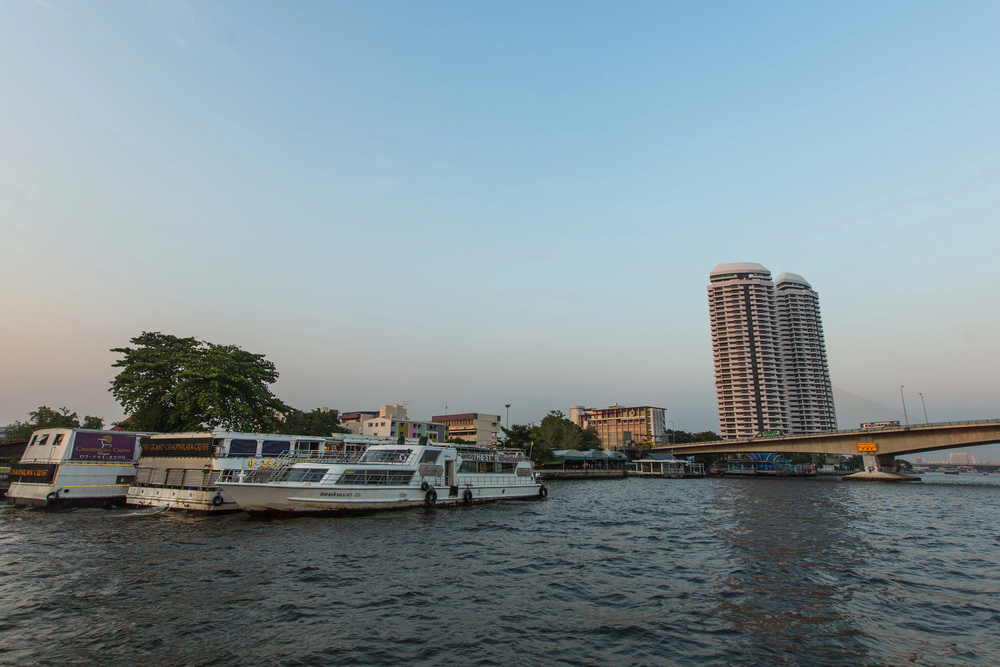
Here’s what travel guides won’t tell you about Thailand’s most famous river: the best parts happen where tourists don’t go, on the local ferry routes that connect provinces north of Bangkok, where (despite being less than two hours from one of Asia’s biggest cities) life still moves at the speed of rice seasons and monsoon patterns. The ferries themselves are practical things, built for hauling motorcycles and market produce rather than providing scenic views, but that practicality has its own kind of honest beauty — no decorative flourishes, just weathered wood and reliable engines and the kind of confident functionality that comes from decades of doing one job well.
And the people who use these ferries daily, the farmers and shopkeepers and schoolchildren, they’ve developed this casual intimacy with the crossing that makes the whole thing feel less like transportation and more like a daily ritual. So natural it looks choreographed.
Kapuas River Ferry
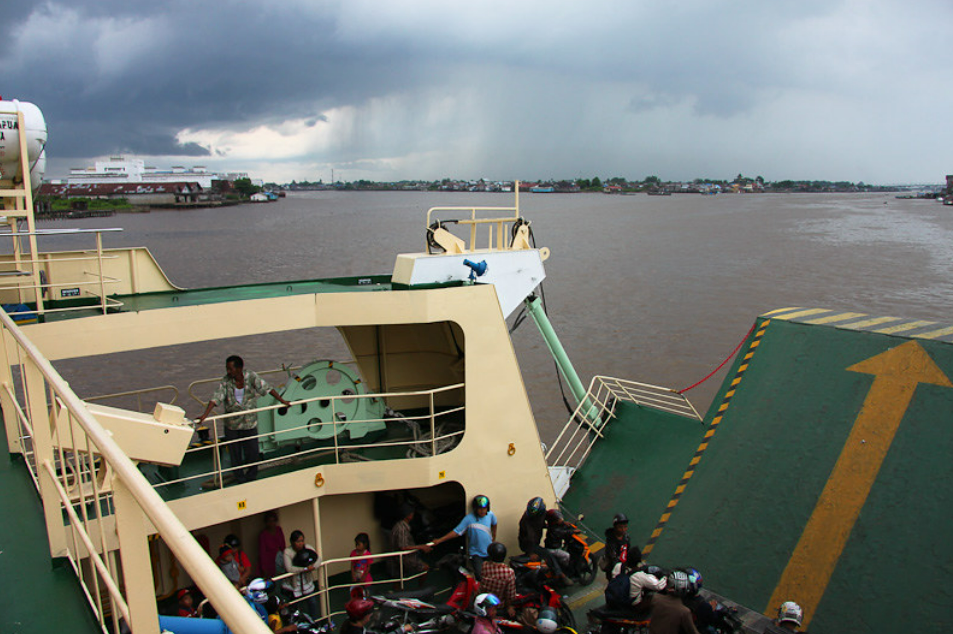
Borneo’s rivers don’t follow rules that make sense to outsiders. The Kapuas change color depending on recent rainfall — sometimes coffee brown, sometimes almost black, occasionally a muddy green that suggests things growing beneath the surface that you probably don’t want to think about too hard.
This ferry connects Indonesian villages that feel closer to each other than to any major city.
Rajshahi River Crossing
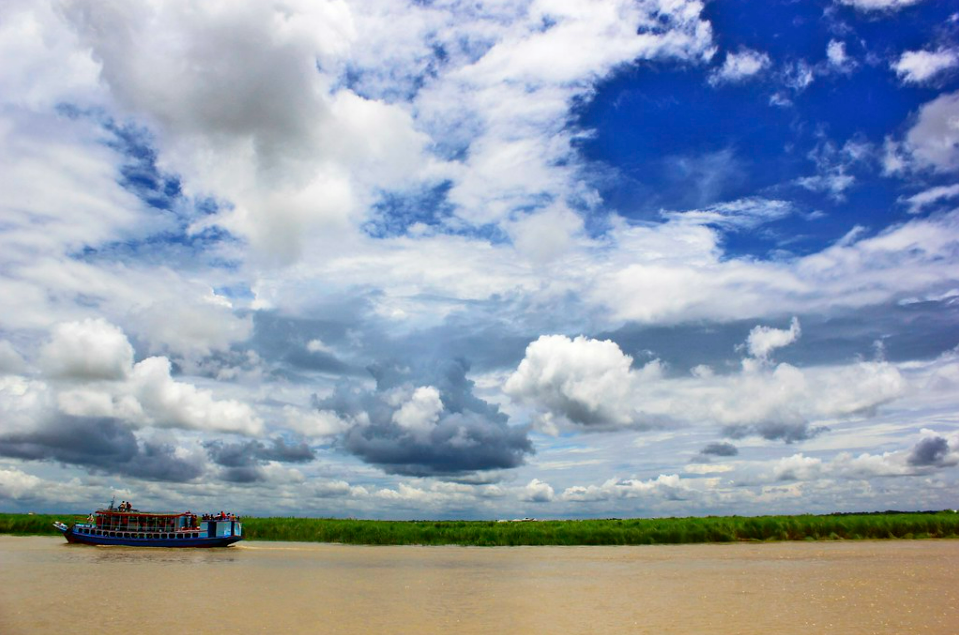
The Padma River here runs wider than it looks from either bank. You realize this halfway across, when both sides seem equally distant and the water stretches in all directions like a small sea.
Morning ferries carry workers heading to the rice mills. Evening ferries bring them home.
Upper Salween Route
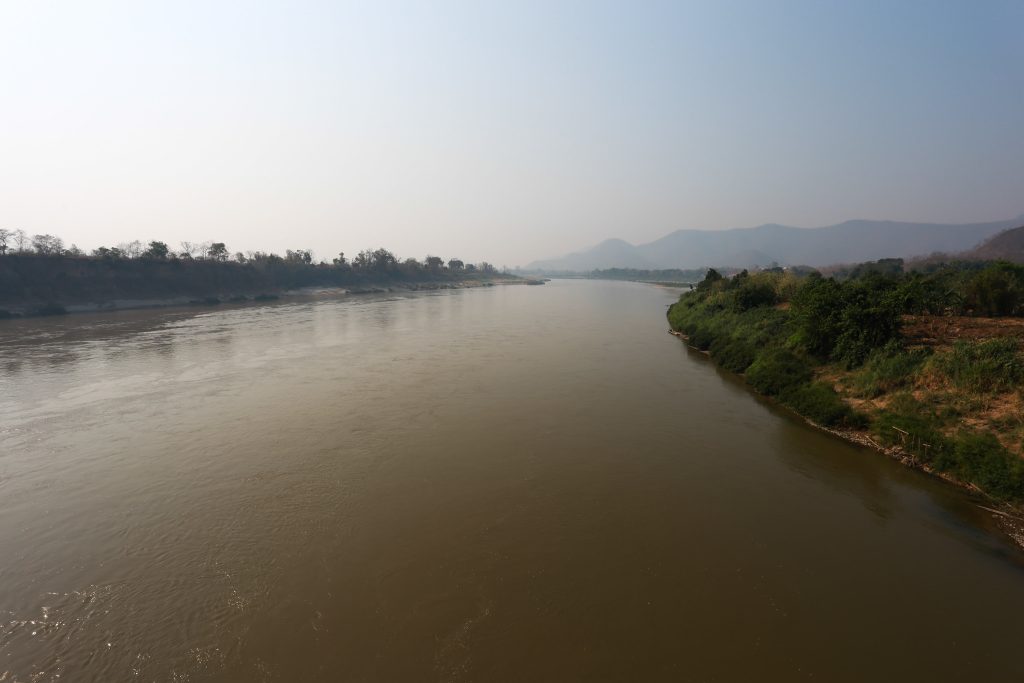
Everything near the Myanmar-Thailand border feels temporary, as if the whole operation could disappear tomorrow and probably will eventually, given how borders work and how governments think about informal river crossings that have been happening for longer than anyone can remember. The ferry itself (calling it a ferry might be generous — it’s really just a long boat with a motor and a practical attitude toward passenger capacity) runs when there are enough people to make the trip worthwhile.
It could be twice a day or once a week, depending on the season and what’s happening in the villages on either side. But the thing that makes this route beautiful isn’t the schedule or the boat or even the scenery, though the mountains do crowd close to the water here in a way that makes everything feel both intimate and vast.
It’s the fact that crossing this river can bring communities from different sides of the border into close contact. No fanfare, no ceremony. Just the simple act of getting from here to there.
Yangtze Tributary Route
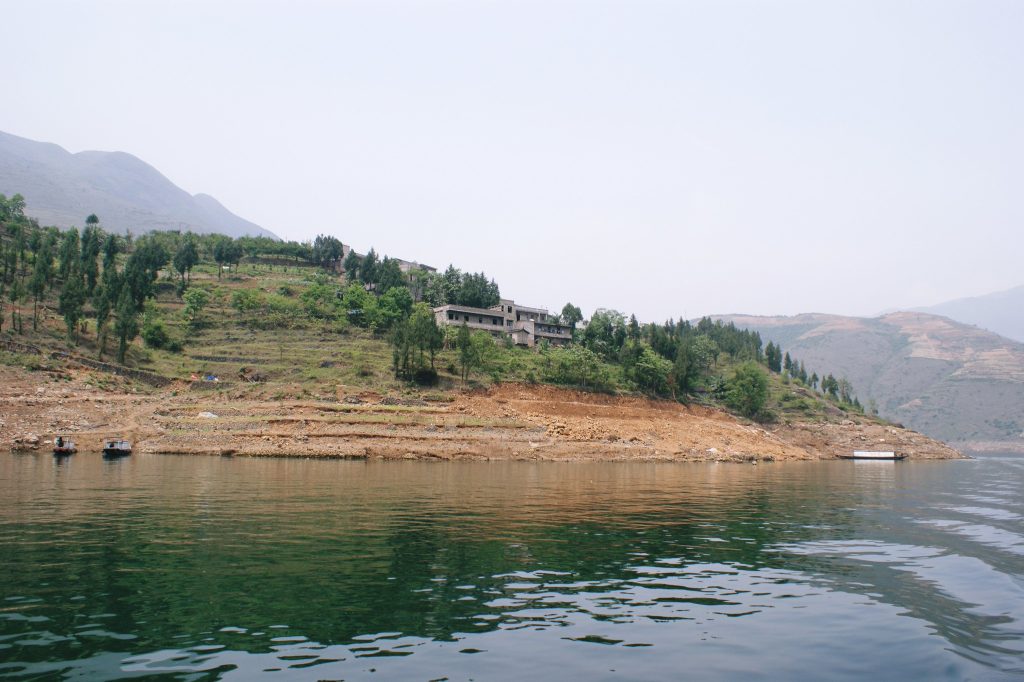
The Three Gorges get all the attention, but the real character of the Yangtze reveals itself on the smaller tributaries where local ferries still matter more than hydrofoils and tour boats. This particular crossing happens in Sichuan province, connecting villages that specialize in different things — one side grows peppers that could strip paint, the other side makes tofu so silky it barely holds its shape — and the daily ferry runs allow for the kind of micro-trade that keeps rural economies interesting and complicated and very much alive.
Everything here tastes like the river somehow shaped it.
Brahmaputra Island Ferry
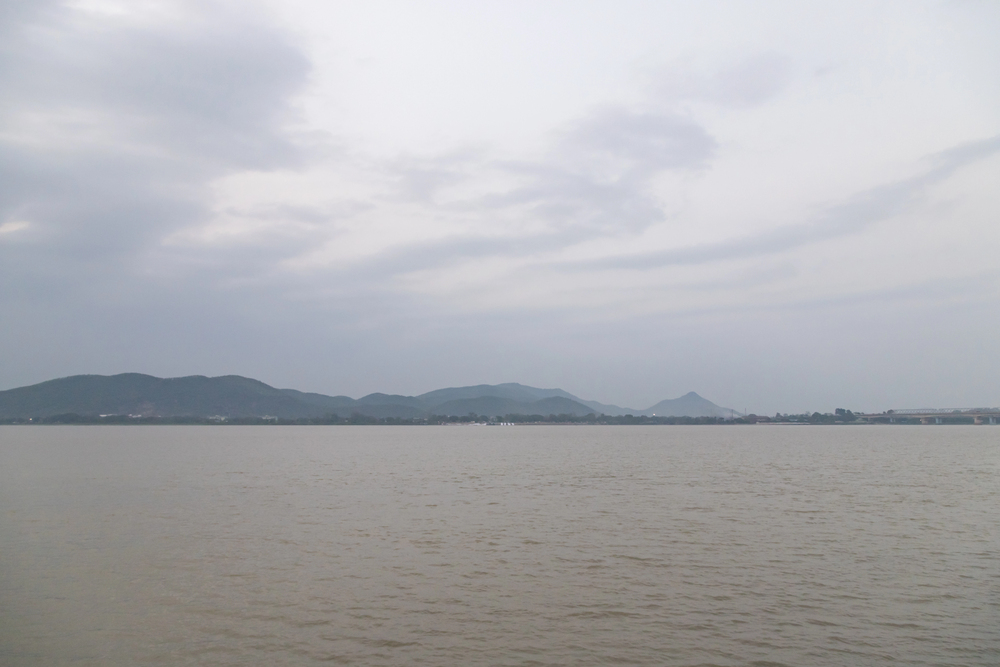
Assam’s river islands appear and disappear with the monsoons. Some years the ferry docks at a proper pier.
Other years, it beaches on a muddy shore that didn’t exist last season. Passengers know to expect changes.
The river decides the route, not the other way around.
Red River Rural Line
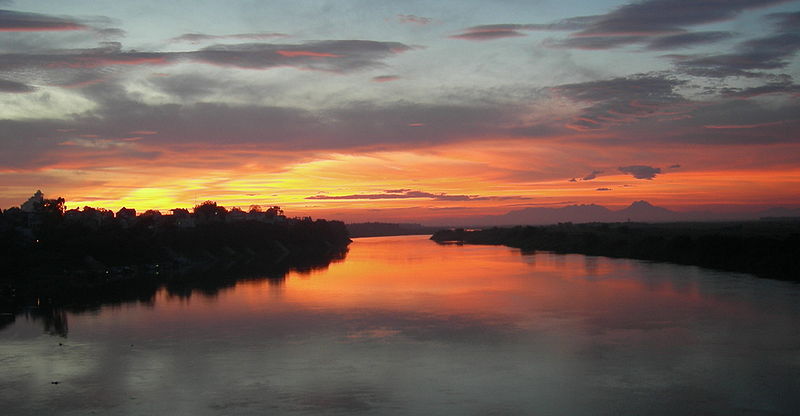
Northern Vietnam’s Red River earned its name honestly — after heavy rains upstream, the water turns the color of brick dust and moves with the urgency of something that has places to be and won’t be stopped by anything as minor as a ferry crossing. The local boats have adapted to this personality over generations, their captains reading the current and debris patterns with the kind of expertise that looks casual but represents decades of learning how to work with the river rather than against it.
And the passengers have adapted too, developing what can only be described as a philosophical acceptance of delay and uncertainty that comes from living somewhere that floods regularly and beautifully and inevitably. So when the ferry runs late because the water’s too rough or too high or carrying too many tree branches, people just wait.
They wait well, with the patience of people who understand that some things can’t be rushed.
Irrawaddy Village Route
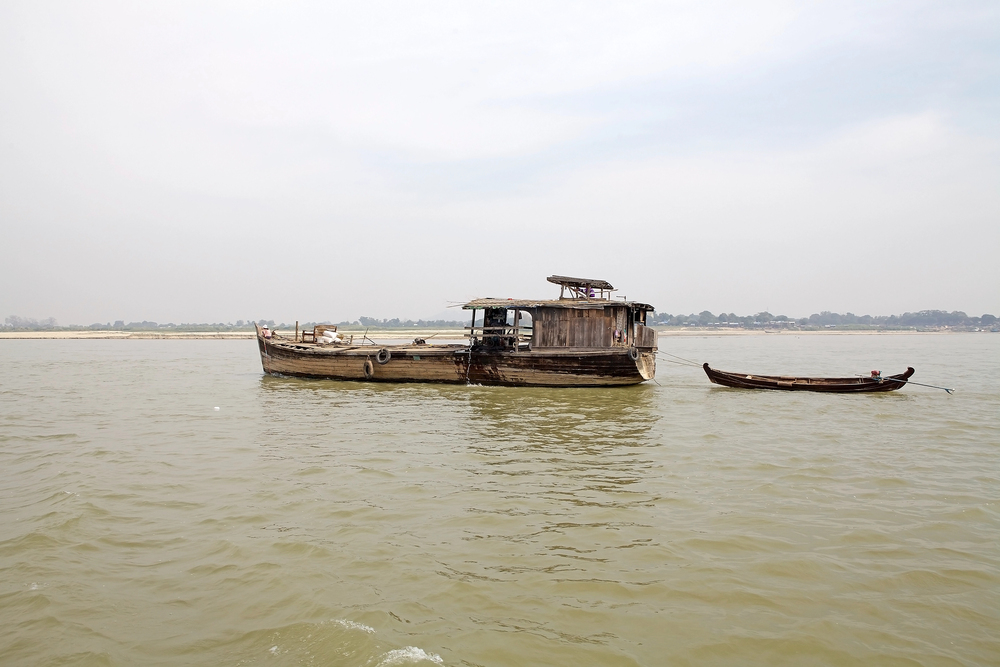
Most of Myanmar’s river traffic focuses on the Mandalay-Bagan tourist corridor. This ferry serves villages upstream where traditional crafts still matter — one side weaves baskets, the other makes lacquerware that takes months to finish properly.
The crossing connects two different kinds of patience.
Mae Ping River Ferry
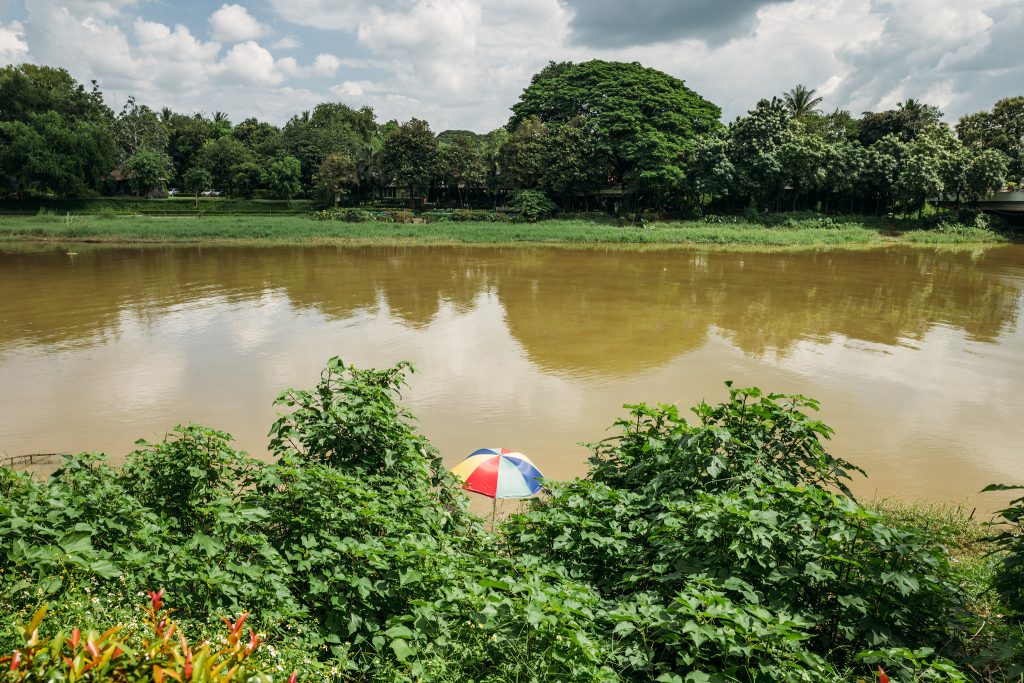
Chiang Mai province’s rural ferries operate in the shadows of the tourist industry, serving communities that grow the flowers and vegetables that end up in city markets. The boats run early — dawn crossings that catch the river before it gets choppy, before the heat builds.
These morning runs smell like jasmine and river mud and diesel fuel in equal measure.
Lower Mekong Village Ferry
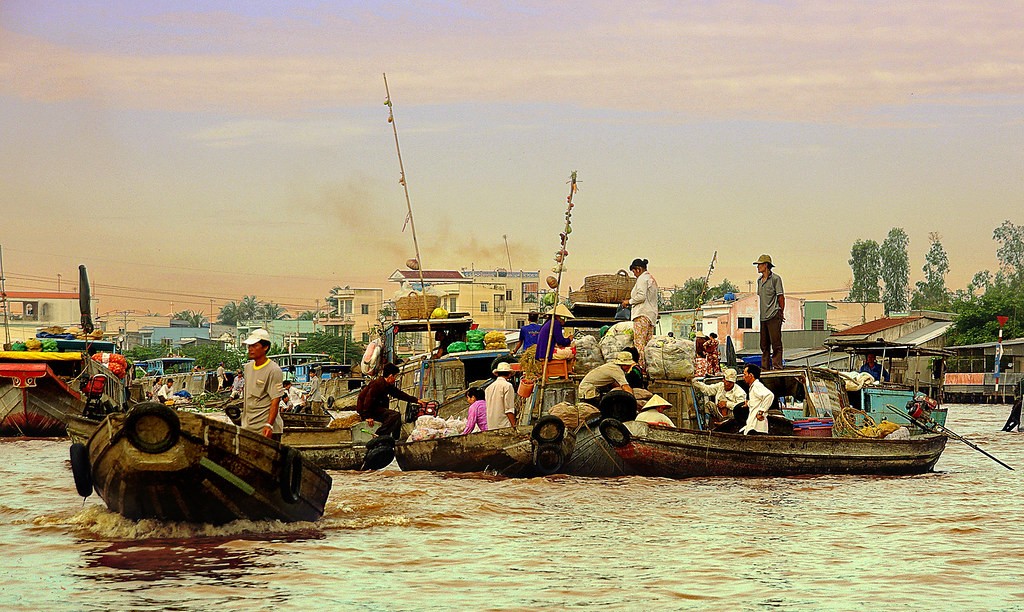
Cambodia’s river villages exist in a state of graceful impermanence. Houses on stilts, boats that serve as both transportation and backup homes, and ferries that adapt to water levels that can vary by several meters between wet and dry seasons.
The boats here float higher or lower, but they always float.
When rivers remember
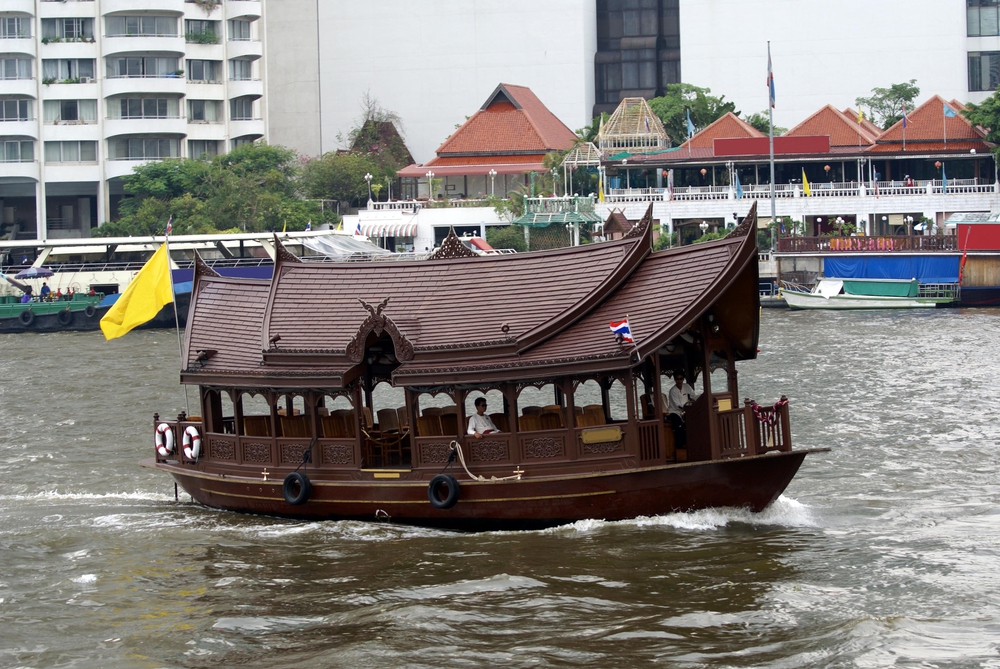
These ferries represent something increasingly rare — infrastructure built around natural rhythms rather than imposed schedules. They bend when the water rises, wait when storms come, and adjust their routes when channels shift.
The people who depend on them have learned a kind of flexibility that comes from living with systems that can’t be controlled, only accommodated. In a world increasingly dominated by bridges and tunnels and highways that ignore geography rather than working with it, these river crossings offer a different model.
Not faster or more efficient, but more honest about the relationship between human needs and natural forces. They connect communities without conquering the landscape, and that might be the most beautiful thing about them.
More from Travel Pug

- Underrated Italian Towns That Beat the Tourist Crowds
- Las Vegas Tourist Traps to Skip
- Prettiest Towns in Every US State
- 18 passport-free countries for Americans
- Signs Your Cruise Is Not Worth The Cost
Like Travel Pug’s content? Follow us on MSN.