

Poland often gets overlooked on European travel itineraries, with most visitors sticking to the well-known trio of Krakow, Warsaw, and Gdansk. But this approach means missing out on some truly remarkable places that showcase the country’s incredible diversity. From medieval trading posts to modern cultural hubs, Poland’s lesser-known cities offer everything from stunning architecture to vibrant food scenes, all without the overwhelming crowds you’ll find elsewhere in Europe.
Here’s a list of 15 Polish cities that consistently surprise every visitor who takes the time to explore them.
Wrocław
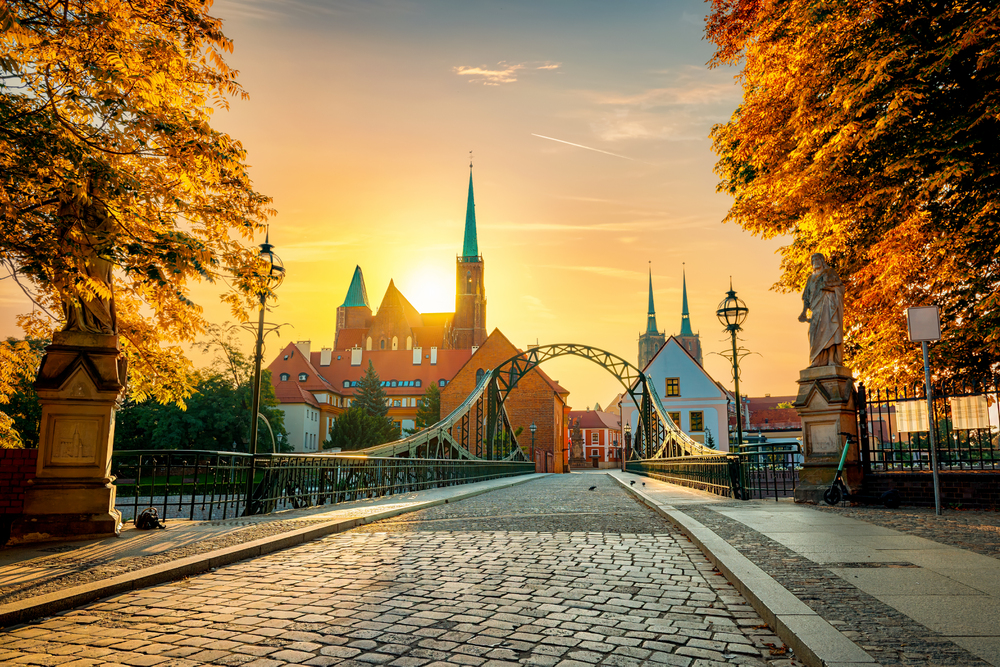
Wrocław feels like a fairy tale come to life, with its colorful baroque buildings reflecting in the Oder River and over 100 bridges connecting its dozen islands. The city’s Market Square ranks among Europe’s largest, surrounded by Gothic and Renaissance townhouses that look like they’ve been painted by hand. What really sets Wrocław apart is its quirky side. Over 600 small bronze gnome statues are scattered throughout the streets, each telling a different story about the city’s history. The combination of serious historical significance and playful modern touches makes this former European Capital of Culture impossible to forget.
Toruń
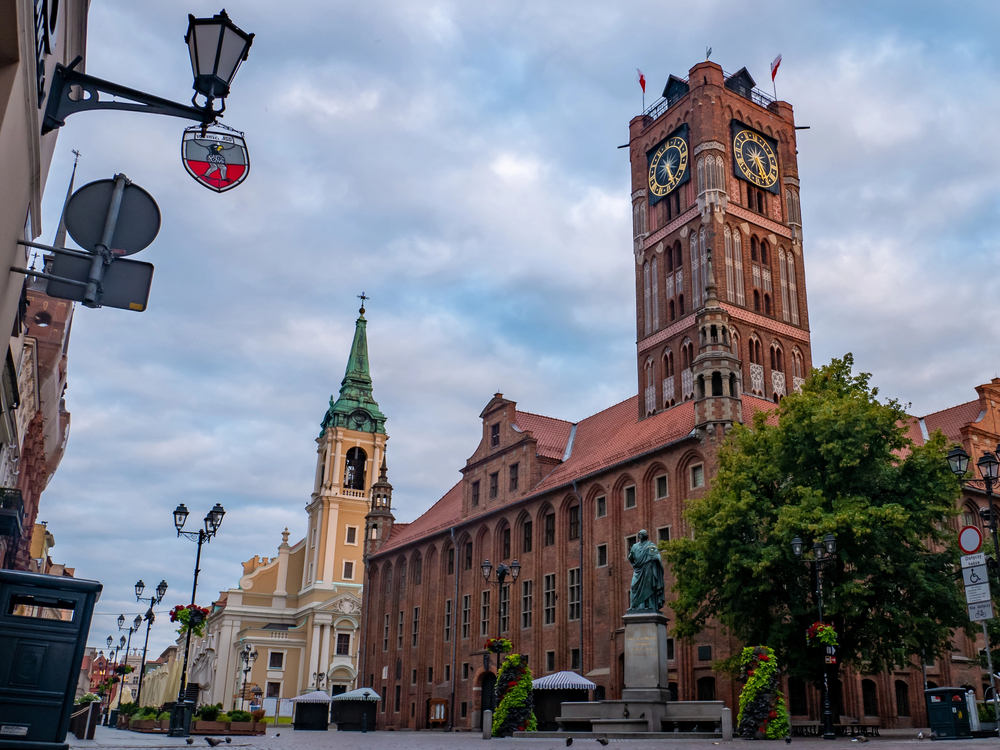
This medieval gem gave the world Nicolaus Copernicus, and walking through its perfectly preserved Gothic streets feels like stepping back 600 years. Toruń’s red-brick buildings create one of the most cohesive medieval cityscapes you’ll find anywhere, earning it UNESCO World Heritage status. The city is famous for its gingerbread tradition that dates back to the Middle Ages. Local bakeries still use recipes that are centuries old. Unlike many tourist-heavy medieval towns, Toruń maintains its authentic character as a living, breathing university city where students and locals go about their daily lives among the ancient walls.
Lublin
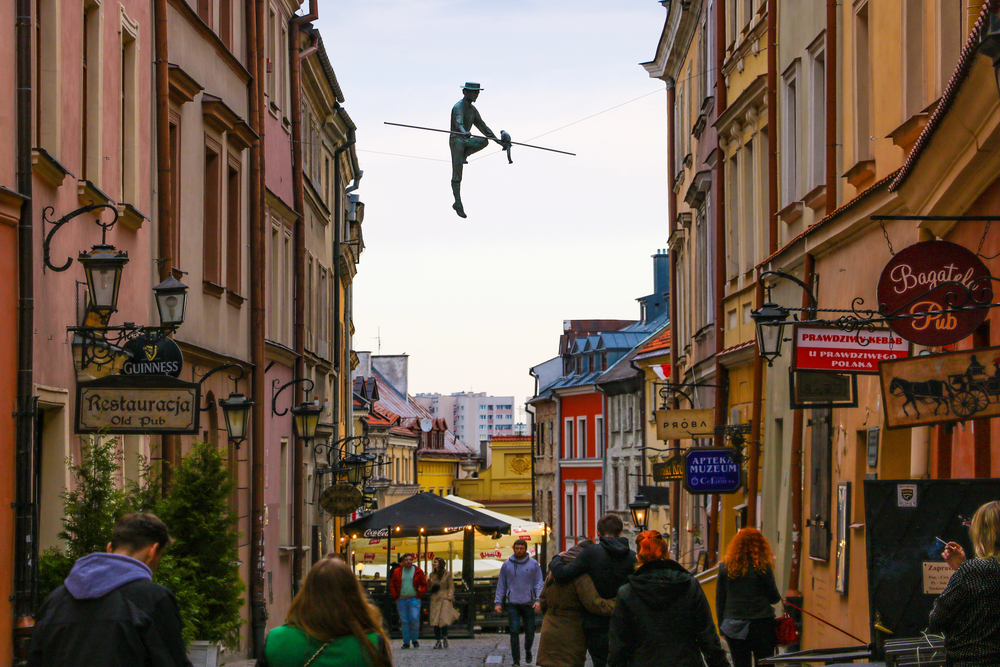
Lublin serves as Poland’s gateway to the east, blending Polish, Lithuanian, and Ukrainian influences into something uniquely its own. The Old Town sits dramatically on a hill, crowned by a castle that once hosted the signing of the Union of Lublin in 1569. The city’s Jewish heritage runs particularly deep. Before World War II, Jews made up about one-third of the population, and their cultural contributions are still visible throughout the historic quarter. Modern Lublin buzzes with university energy, creating an interesting contrast where medieval architecture houses trendy cafés and contemporary art galleries.
Zamość
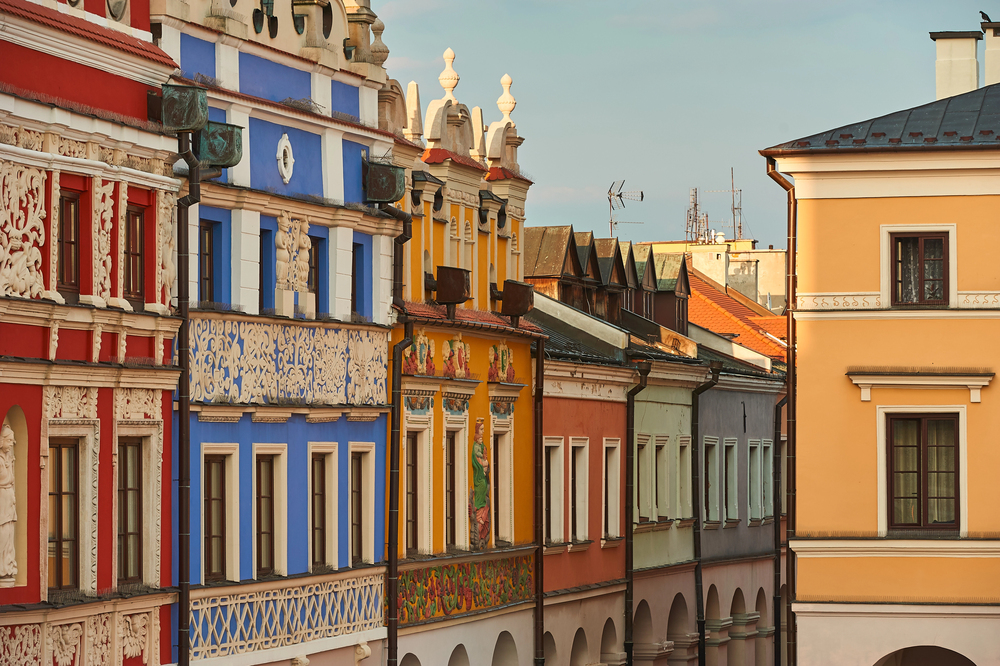
Renaissance city planning doesn’t get much better than Zamość, designed in the late 1500s as an ideal city according to Italian theories of the perfect urban layout. The town’s architect, Bernardo Morando, created a harmonious blend of Italian and Central European architectural traditions that UNESCO recognized as a World Heritage site. The central square, surrounded by colorful arcaded townhouses, looks almost too perfect to be real. What makes Zamość special is how well-preserved it remains – unlike many European cities that suffered extensive war damage, this place gives you an authentic taste of Renaissance urban planning.
Poznań
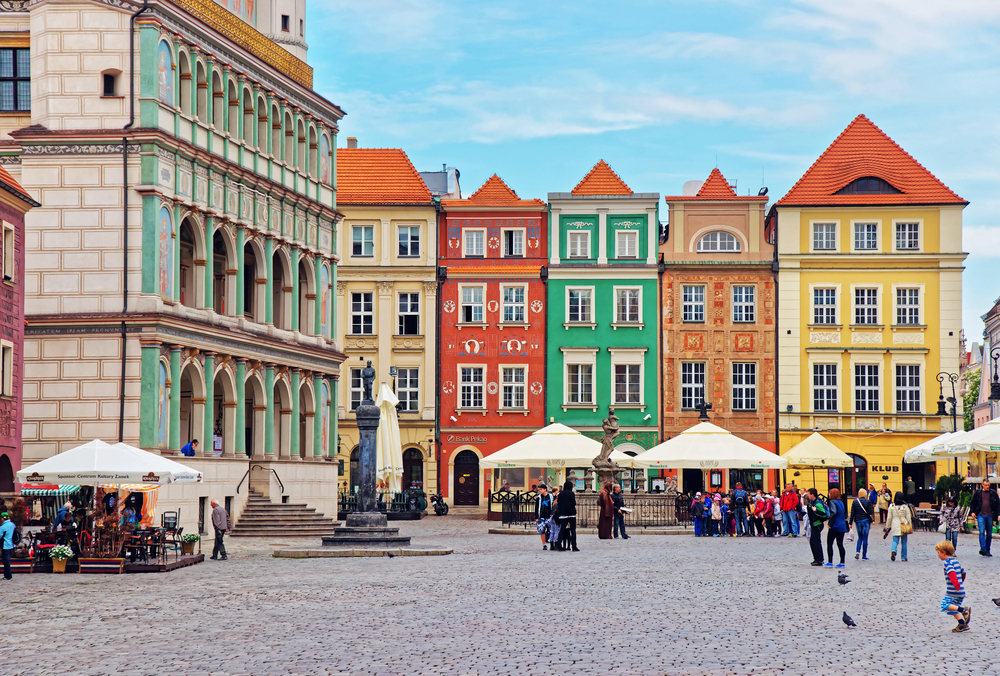
— Photo by erix2005
Poznań proudly wears its title as the birthplace of Poland, where the first Polish rulers established their seat over 1,000 years ago. The city center revolves around one of Europe’s most beautiful market squares, where mechanical goats emerge from the town hall clock tower every day at noon — a tradition that never gets old for visitors. Poznań successfully balances its historical significance with modern innovation, hosting major trade fairs and serving as a business hub while maintaining its charming old-world atmosphere. The local St. Martin’s croissants, filled with poppy seeds and nuts, represent a culinary tradition that dates back to the 19th century.
Białystok
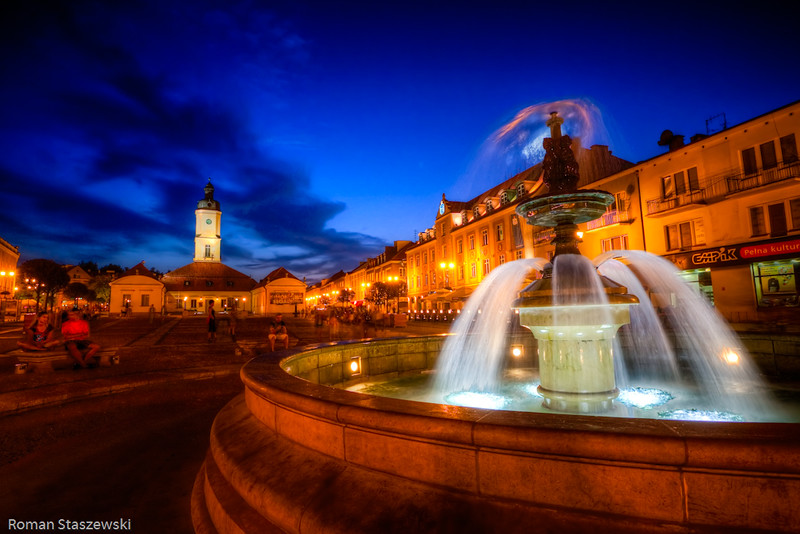
Białystok sits at the crossroads of Polish, Belarusian, and Lithuanian cultures, creating a unique multicultural atmosphere that’s hard to find elsewhere in Poland. The city’s Branicki Palace, often called the ‘Polish Versailles,’ showcases baroque architecture at its finest, complete with formal French gardens that rival anything you’ll see in Western Europe. What surprises most visitors is how green Białystok feels. It’s surrounded by the Białowieża Forest, home to Europe’s last wild bison herd. The city serves as a perfect base for exploring one of the continent’s last remaining primeval forests, making it a nature lover’s unexpected paradise.
Częstochowa
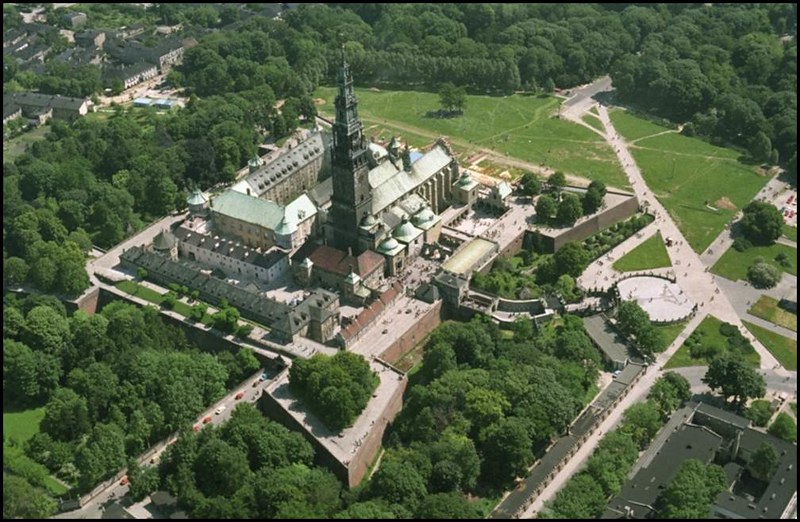
While many know Częstochowa as Poland’s spiritual heart due to the famous Jasna Góra monastery, the city offers much more than religious pilgrimage sites. The monastery houses the Black Madonna icon, one of Christianity’s most revered images, drawing millions of visitors annually from around the world. Beyond its spiritual significance, Częstochowa surprises with its industrial heritage and modern cultural scene. The city played a crucial role in Poland’s steel production and has transformed many old industrial spaces into cultural venues. The blend of deep religious tradition with working-class industrial pride creates a character you won’t find in Poland’s more touristy destinations.
Olsztyn
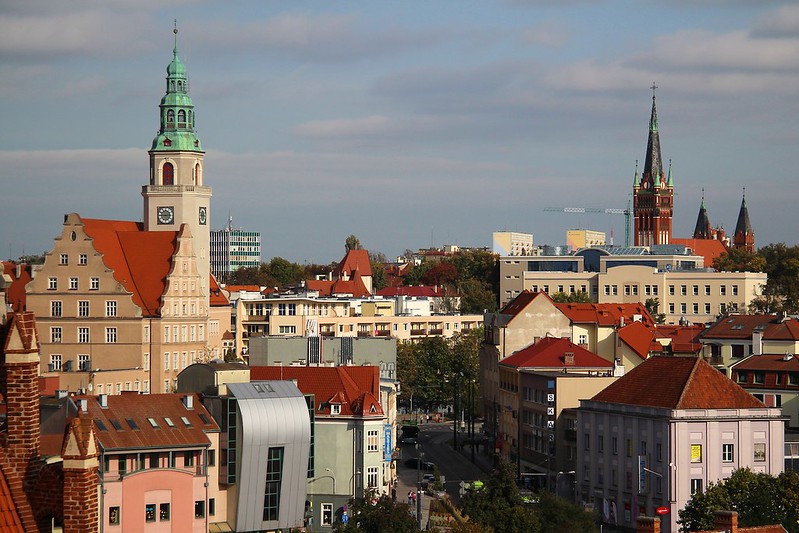
Olsztyn opens the door to the Masurian Lake District, often called the ‘Land of a Thousand Lakes,’ though the actual count is closer to 3,000. The city itself charms visitors with its medieval castle where Copernicus once lived and worked as an administrator. What makes Olsztyn special is its position as both a historical city and a gateway to some of Europe’s most pristine nature where within 30 minutes, you can go from exploring Gothic architecture to sailing on crystal-clear lakes surrounded by dense forests. The region’s unique geography, shaped by glacial activity, creates landscapes that feel more Scandinavian than typically Polish.
Kielce
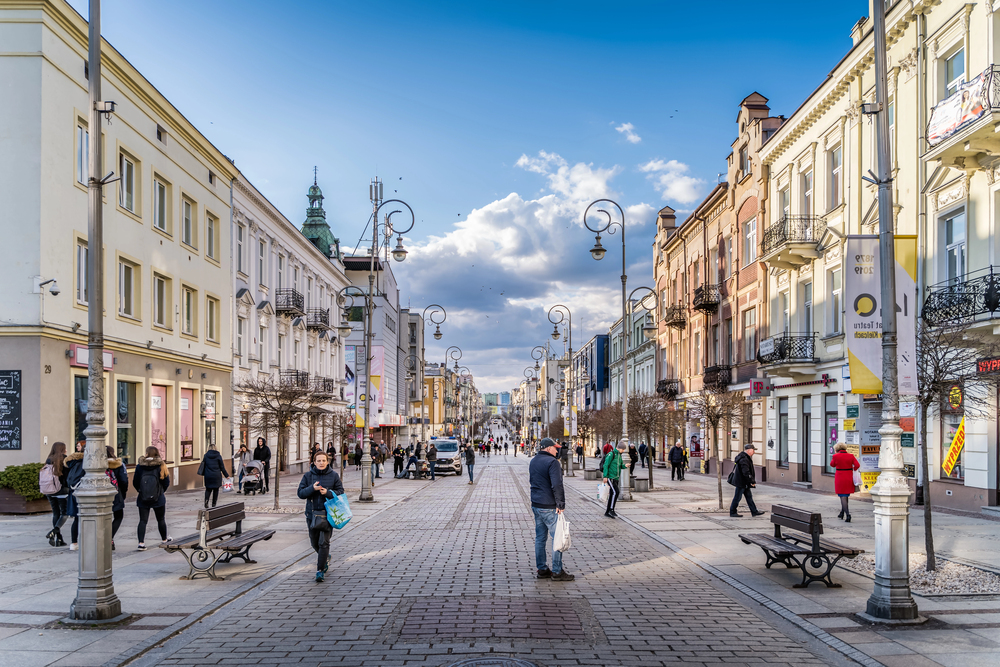
— Photo by DawidKalisinski
Kielce sits in the heart of the Świętokrzyskie Mountains, Poland’s oldest mountain range and a place where geological time becomes tangible. The city’s Palace of the Kielce Bishops represents one of Poland’s finest examples of early baroque residential architecture, built in the early 1600s and still remarkably well-preserved. What catches visitors off guard is the surrounding landscape. These ancient mountains, over 400 million years old, offer hiking trails through some of Europe’s most primeval terrain. Kielce serves as an ideal base for exploring the Świętokrzyskie National Park, where you can walk among rocks that predate the dinosaurs.
Rzeszów
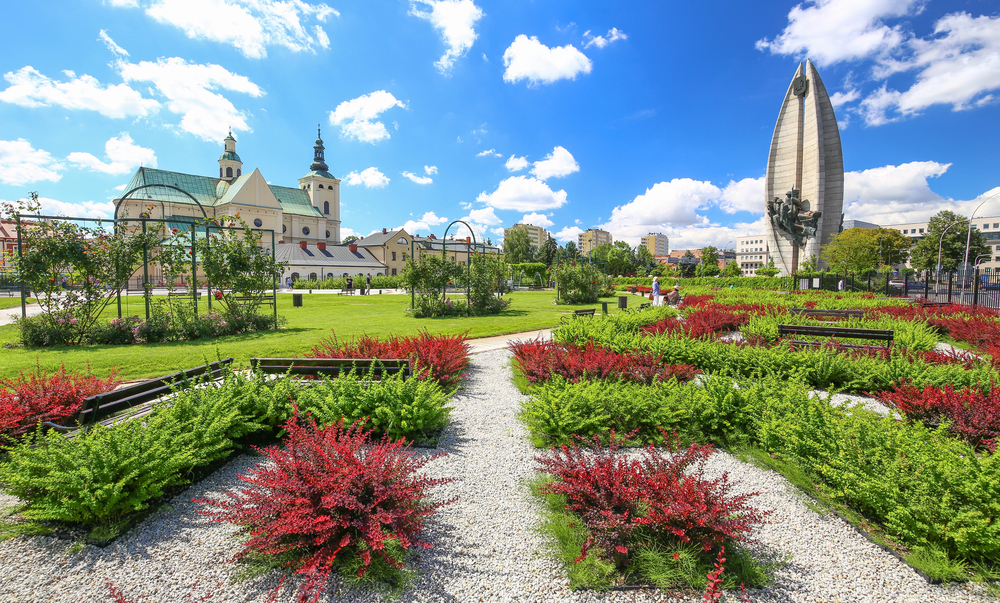
Rzeszów has transformed from a sleepy southeastern town into one of Poland’s most dynamic cities, earning the nickname ‘Polish Silicon Valley’ for its thriving aviation and technology industries. The city’s market square showcases beautiful Renaissance and baroque architecture, anchored by a town hall that looks like it belongs in a much larger European capital. What surprises visitors most is the contrast between the historic center and the ultra-modern developments on the city’s outskirts, where international companies have established major operations. The nearby Carpathian Mountains add natural beauty to the mix, making Rzeszów a perfect blend of business innovation and traditional Polish charm.
Opole
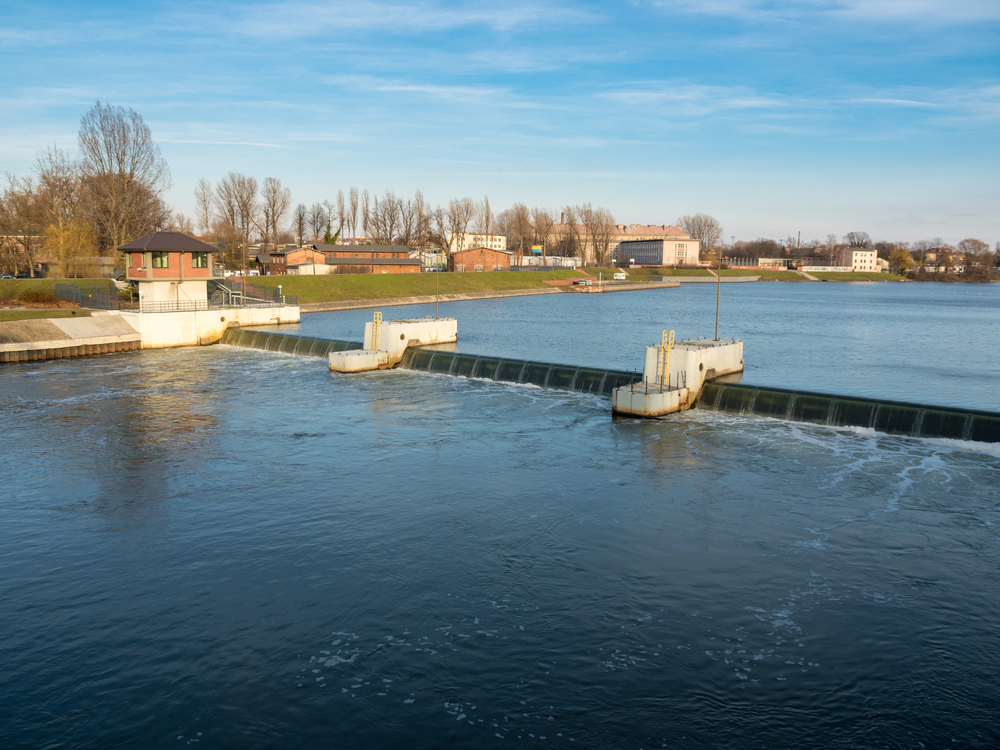
Opole calls itself the capital of Polish song, hosting an annual festival that’s been drawing performers and audiences since 1963. The city straddles the Oder River, with an island city center that creates an intimate, almost village-like atmosphere despite being home to over 100,000 people. The Piast Tower, a remnant of a medieval castle, offers panoramic views of the surrounding Silesian countryside. What makes Opole unique is its strong German heritage. The city has Poland’s largest German minority, creating a bicultural atmosphere where street signs appear in both languages and local cuisine blends Polish and German traditions.
Bydgoszcz
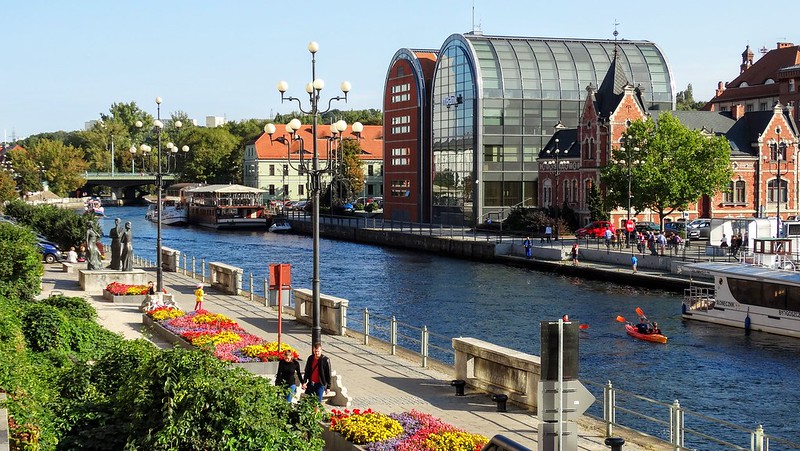
Bydgoszcz earned the nickname ‘Little Berlin’ for its impressive collection of Art Nouveau and modernist architecture, much of it dating from the early 1900s when the city was part of Prussia. The Mill Island district, with its red-brick granaries and warehouses converted into cultural spaces, creates one of Poland’s most atmospheric waterfront areas. The city’s musical heritage runs deep — it’s home to one of Europe’s most respected music academies and hosts several international festivals throughout the year. Bydgoszcz’s location along the Brda River, combined with its architectural heritage and cultural vitality, creates a sophisticated urban experience that catches many visitors completely off guard.
Słupsk
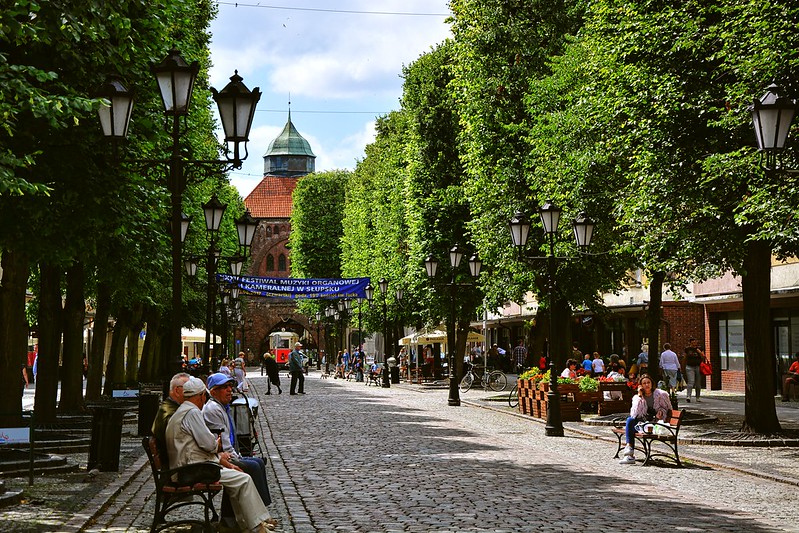
Słupsk bridges the gap between Poland’s inland regions and the Baltic coast, offering both medieval charm and easy access to some of Europe’s most pristine beaches. The city’s castle houses one of Poland’s most interesting museums, featuring everything from medieval art to contemporary installations in a setting that spans nearly 700 years of architecture. What makes Słupsk special is its proximity to Słowiński National Park, where massive sand dunes migrate across the landscape like a miniature Sahara Desert. The combination of historical architecture, cultural attractions, and unique natural phenomena within a 30-minute radius makes this Baltic region city a true hidden gem.
Elbląg
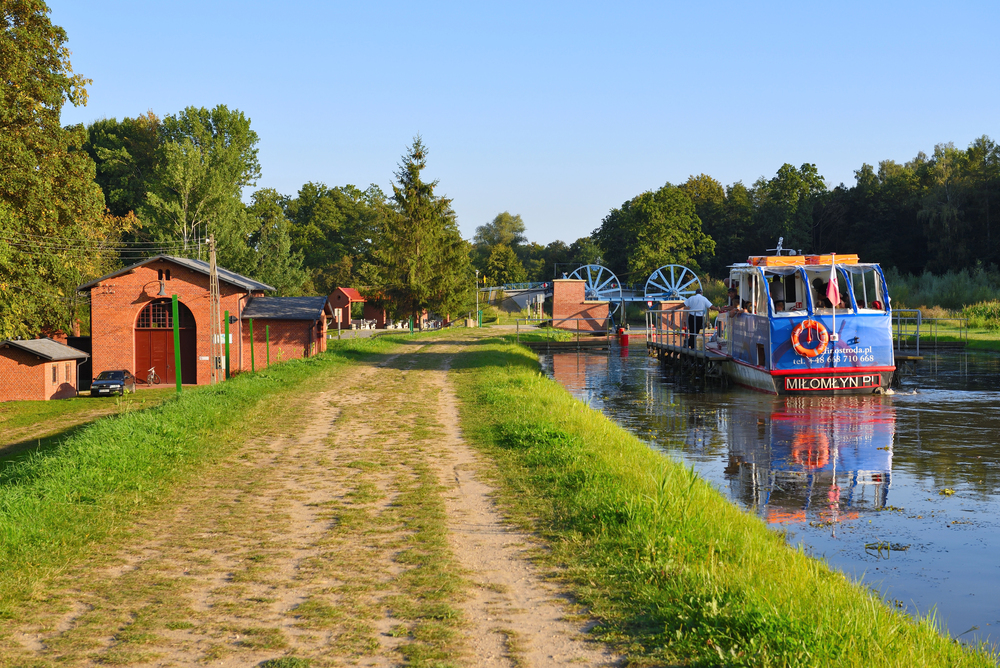
— Photo by VIVOOO
Elbląg connects visitors to one of Europe’s most unusual transportation experiences – the Elbląg Canal, where boats travel uphill on railway tracks through a system of locks and ramps that’s been operating since the 1860s. The city itself was rebuilt from near-total war destruction, creating an interesting mix of reconstructed medieval architecture and modern urban planning. The nearby Vistula Lagoon offers excellent sailing and fishing opportunities, while the surrounding countryside features some of Poland’s most scenic rural landscapes. Elbląg’s combination of engineering marvels, rebuilt historical character, and natural beauty creates an experience that’s both educational and thoroughly entertaining.
Siedlce
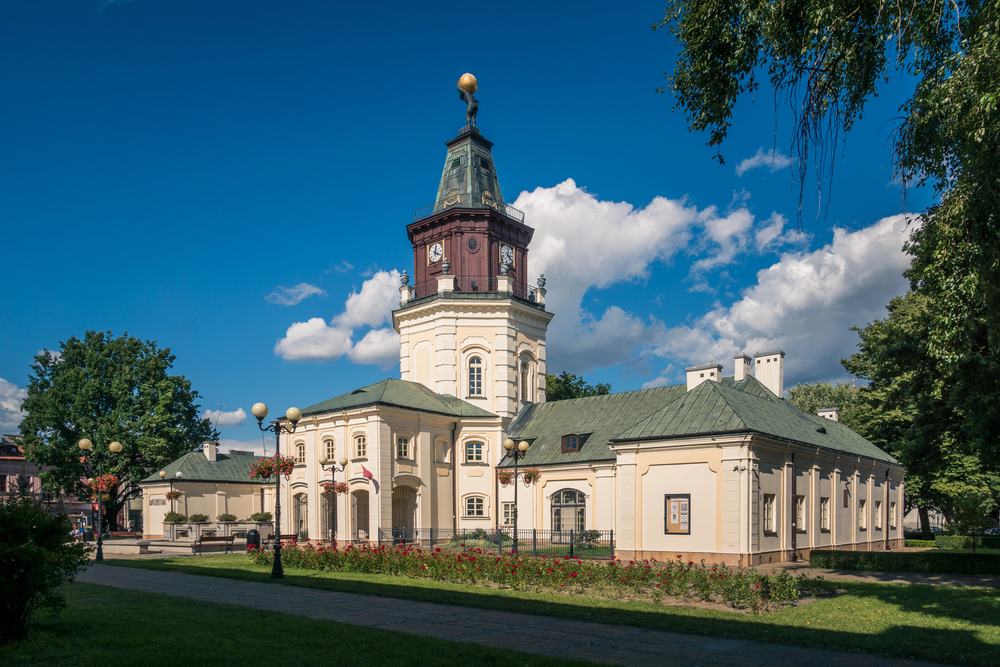
Siedlce surprises visitors with its role as the unofficial capital of Poland’s eastern borderlands, where the influence of neighboring Belarus and Ukraine creates a unique cultural blend. The city’s 19th-century architecture reflects its former importance as a regional administrative center, with several impressive neoclassical buildings still dominating the downtown area. What catches visitors off guard is the surrounding Podlaskie countryside, known for its traditional wooden architecture and villages where time seems to have stopped decades ago. Siedlce serves as an excellent base for exploring this culturally rich region, where Orthodox churches stand alongside Catholic ones and traditional crafts are still practiced by local artisans.
Beyond the Guidebooks
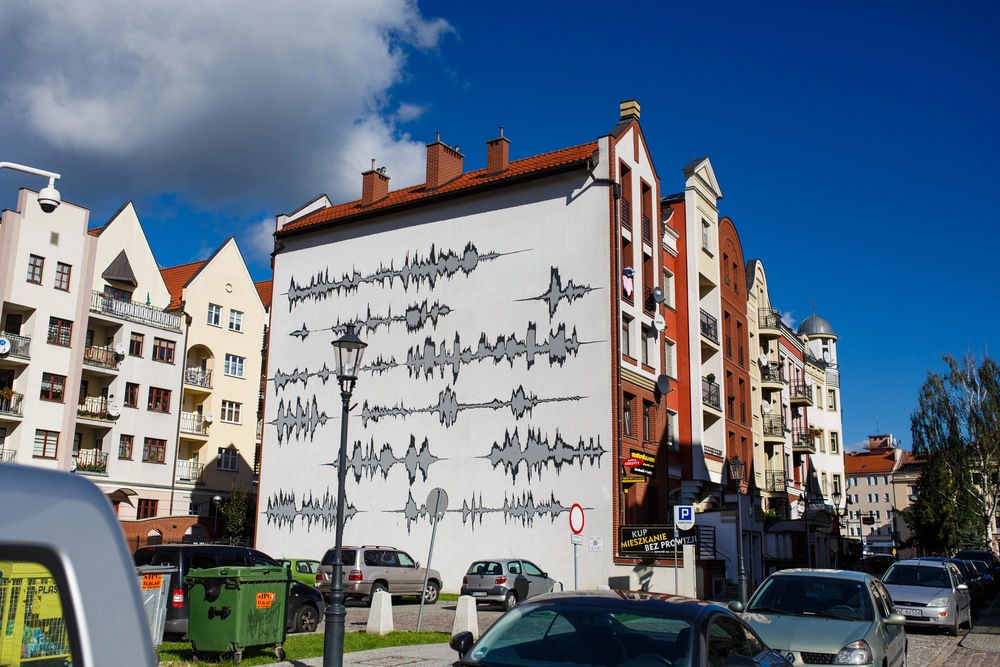
— Photo by castenoid
These 15 cities represent just a fraction of Poland’s urban treasures, each offering something that the standard tourist trail misses entirely. From Wrocław’s whimsical gnomes to Elbląg’s boat-climbing canals, these places prove that Poland’s real character emerges when you venture beyond the obvious destinations. The country’s complex history, diverse regional cultures, and rapid modern development have created urban experiences that feel both authentically European and distinctly Polish. Smart travelers are discovering that Poland’s smaller cities often provide more memorable experiences than their famous counterparts, offering genuine encounters with local culture without the crowds and commercialization that can overwhelm other European destinations.
More from Travel Pug

- Underrated Italian Towns That Beat the Tourist Crowds
- Las Vegas Tourist Traps to Skip
- Prettiest Towns in Every US State
- 18 passport-free countries for Americans
- Signs Your Cruise Is Not Worth The Cost
Like Travel Pug’s content? Follow us on MSN.