

The American urban landscape is undergoing a transformation that would have been unrecognizable just two decades ago. Cities that once thrived on distinctive character and tight-knit communities are morphing into increasingly homogenized versions of each other, with chain stores replacing local businesses and longtime residents priced out by newcomers.
Here are 15 cities where that erosion is happening fastest.
Nashville
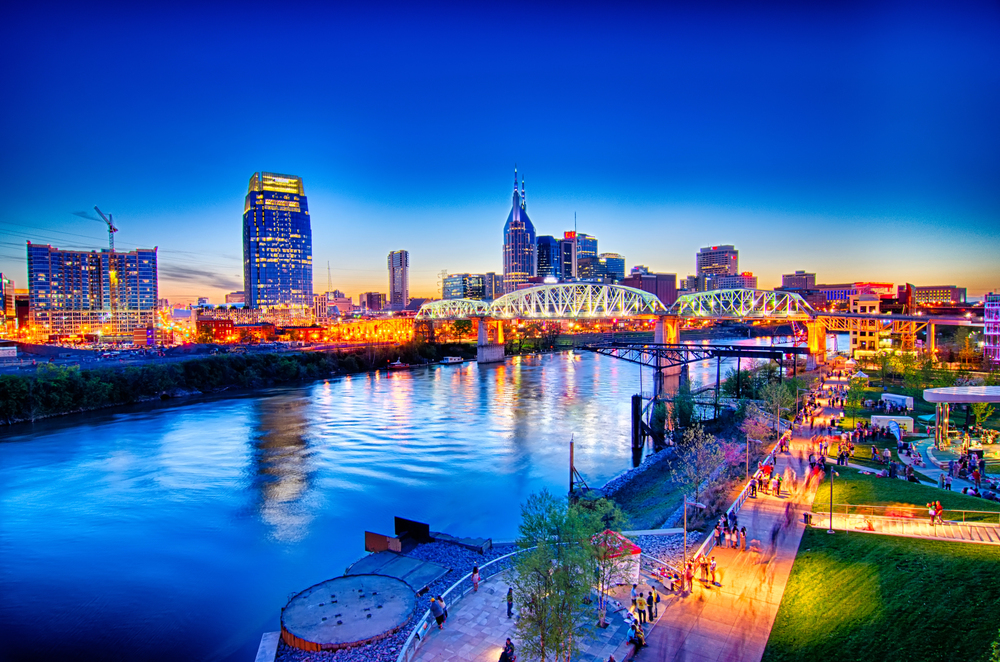
Music City has transformed from a regional hub into one of the nation’s fastest-growing metros, with major tech companies like Oracle and Amazon establishing massive operations that have fundamentally altered the city’s economic landscape. Nashville earned the designation as a “supernova city” for three consecutive years, joining an exclusive club of metros experiencing explosive job and population growth.
The influx has driven median home prices to around $460,000 by 2024, making it difficult for single earners without six-figure incomes to purchase property in the city. The rapid expansion has brought infrastructure challenges and traffic problems that the city struggles to manage. Still, developers keep building.
Denver
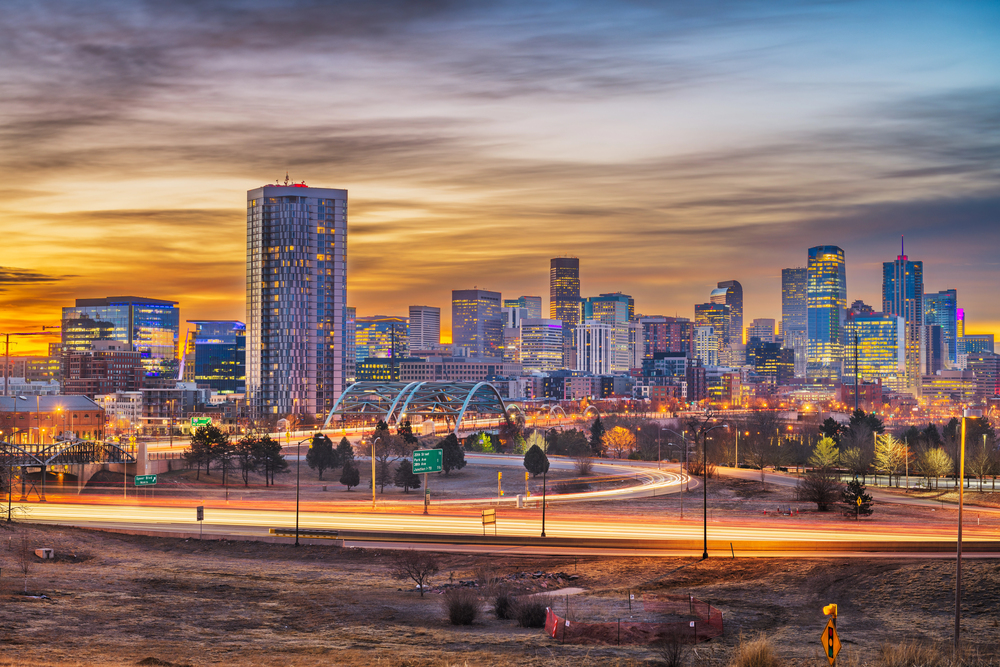
Denver ranked as the second most gentrified city in the United States between 2013 and 2017, trailing only San Francisco. The transformation has been particularly devastating in historically significant neighborhoods. Not great for longtime residents.
Five Points, once known as Denver’s cultural heartbeat and a thriving hub for Black-owned businesses and jazz culture, has been absorbed into the trendy RiNo Arts District. The city’s west side saw home values increase by 155 percent between 2010 and 2022, while the Hispanic and nonwhite population in those neighborhoods dropped from 70 percent to just 41 percent.
And the smell of coffee from new cafés can’t mask what’s been lost.
Like Travel Pug’s content? Follow us on MSN.
Portland
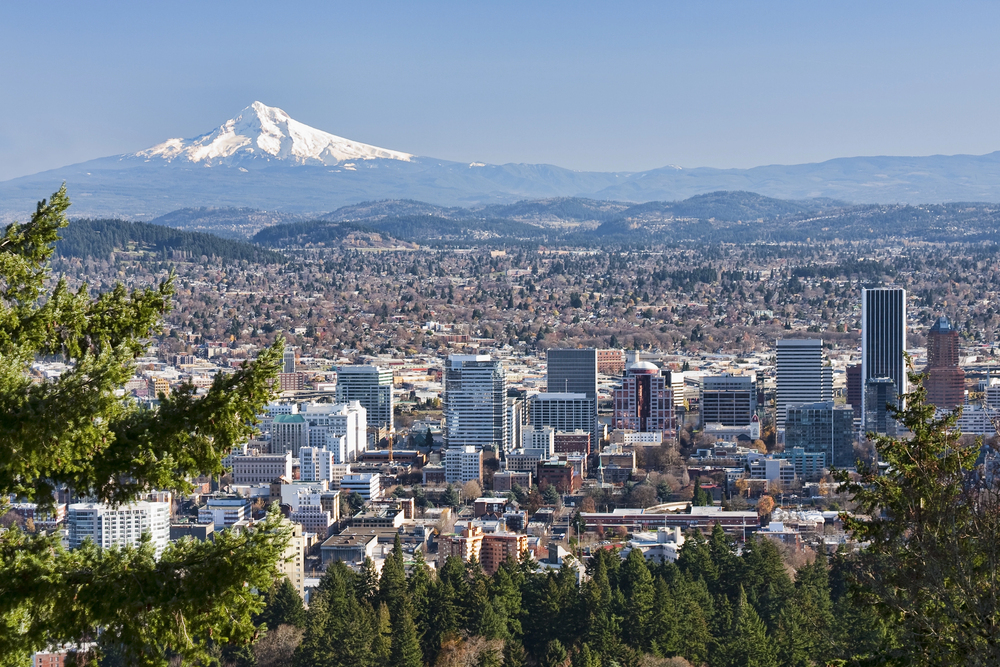
Portland experienced gentrification in 58 percent of its eligible neighborhoods since 2000, the highest rate among all major U.S. cities reviewed in comprehensive studies. Areas where real home values increased most dramatically saw the steepest declines in transit ridership, as economic displacement pushed longtime residents further from their jobs and communities.
The city that prided itself on quirky local shops and neighborhood character increasingly resembles any other West Coast metro. Independent businesses struggle while chain establishments flourish in formerly affordable districts that once gave Portland its distinctive personality.
Austin
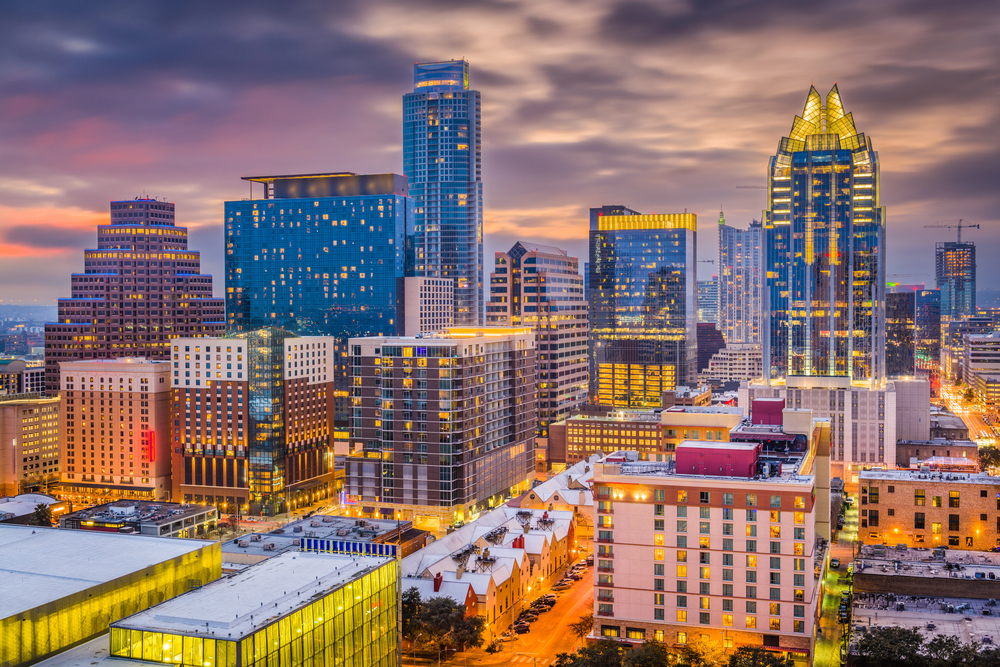
After holding the title of fastest-growing large metro area for 12 consecutive years, Austin slipped to second place between 2022 and 2023, though it still added more than 50,000 residents in that single year. But the growth came at a cost to the city’s laid-back vibe.
East Austin, historically separated from downtown by I-35 which was deliberately built to keep Black and Latino populations on one side of town, has become ground zero for upscale development and displacement. The city’s only light rail route runs through these rapidly gentrifying neighborhoods, accelerating the transformation and pushing out families who’d lived there for generations. Could be worse, residents say, then watch another vintage bungalow get demolished.
Washington DC
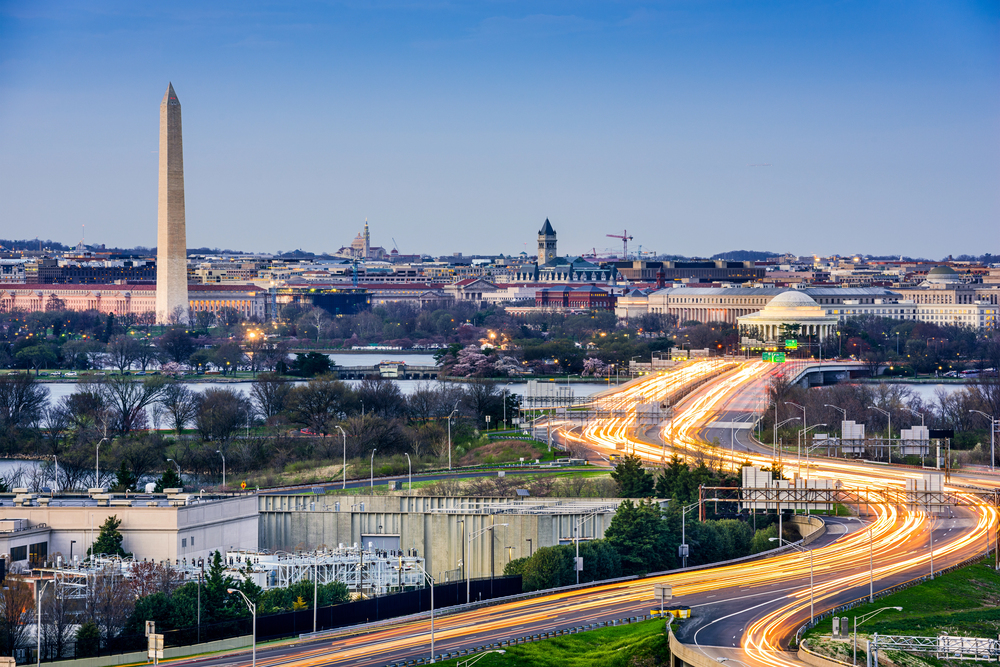
The District experienced gentrification in 54 neighborhoods since 2000, a dramatic increase from just five neighborhoods in the entire 1990s when the city was dubbed the nation’s “murder capital.” The turnaround brought investment but eroded community bonds.
U Street/Shaw, a historically significant Black community, has undergone intense commercialization that created social tensions as the neighborhood’s cultural identity shifted beneath longtime residents’ feet. In Columbia Heights, where Dominican immigrants once gathered to eat traditional mangu and dance bachata, the demographic transformation reflects broader displacement patterns across the city.
Like Travel Pug’s content? Follow us on MSN.
San Francisco
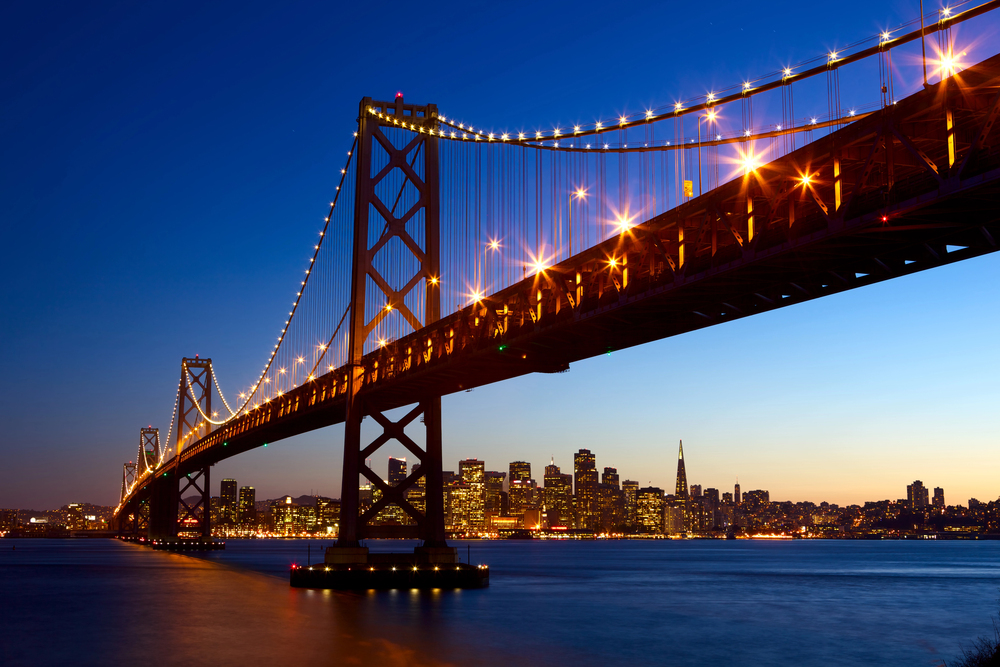
The tech boom transformed San Francisco beyond recognition. Nearly a third of households spend over 30 percent of their income on housing, and over 8,000 individuals experienced homelessness in 2022. By 2000, few census tracts remained eligible for gentrification classification because housing stock had already become prohibitively expensive across most of the city.
Neighborhoods that once housed artists, immigrants, and working-class families now cater almost exclusively to tech workers with stock options. The cultural fabric that made San Francisco a beacon for nonconformists has frayed to near-transparency.
Seattle
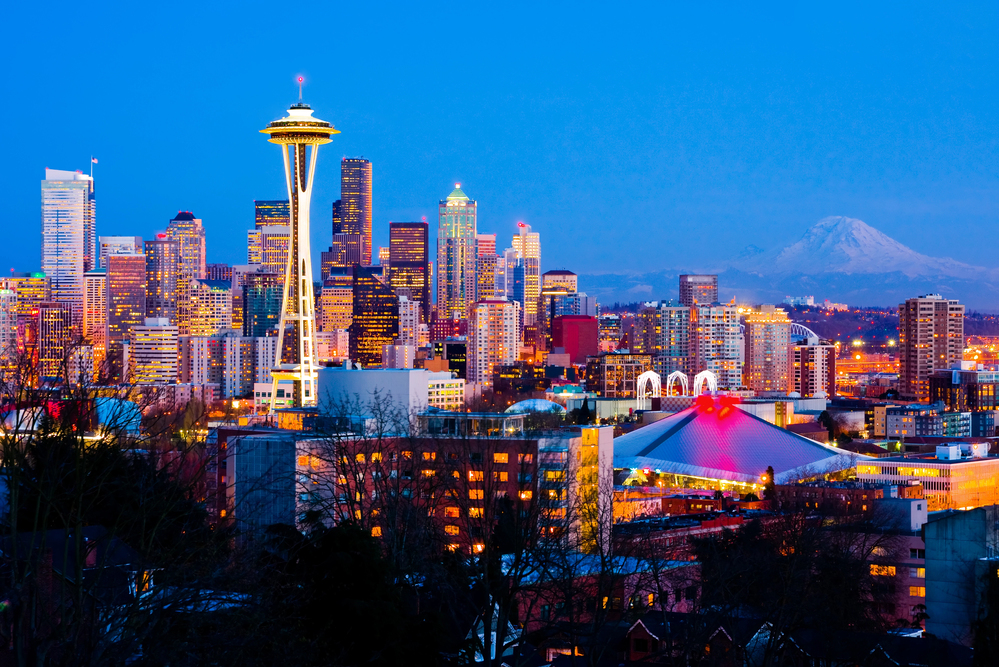
Nearly 8,000 people experience homelessness in the Seattle area, a figure that grew by over 10 percent in recent years, even as the median home price skyrocketed to over $800,000 for single-family homes by 2023. Long-term residents find themselves priced out of neighborhoods they helped build.
The city’s rapid transformation pushed many families to outlying suburbs, breaking up communities and eliminating the diversity that once characterized Seattle’s urban core. Coffee shops on every corner can’t brew back what’s been lost.
Charleston
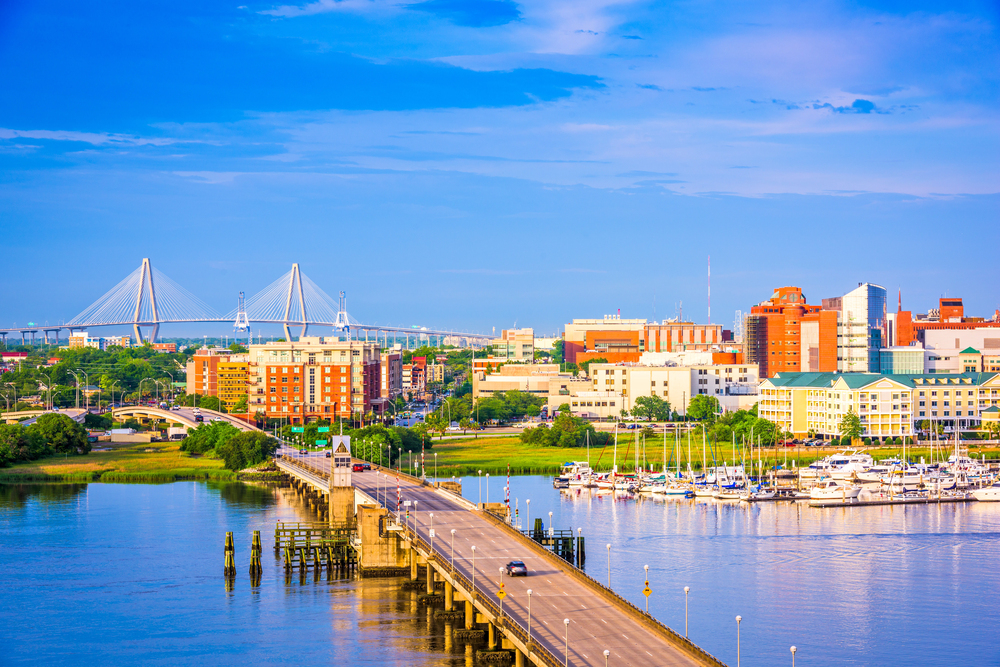
The upper part of Charleston is experiencing rapid gentrification as young, middle-class families move into previously working-class neighborhoods. City-led tourism initiatives and federal funding helped renovate the downtown business district starting in the 1960s and 1970s, spurring demographic changes that pushed out long-established families.
Upper King Street, which once featured Black-owned stores behind facades of late 19th-century architecture, now hosts mainstream chains like Gap, Coach, and an Urban Outfitters that occupies the former Garden Theatre vaudeville house. You can shop at these same stores in Portland or New York. That’s the problem.
Like Travel Pug’s content? Follow us on MSN.
Minneapolis
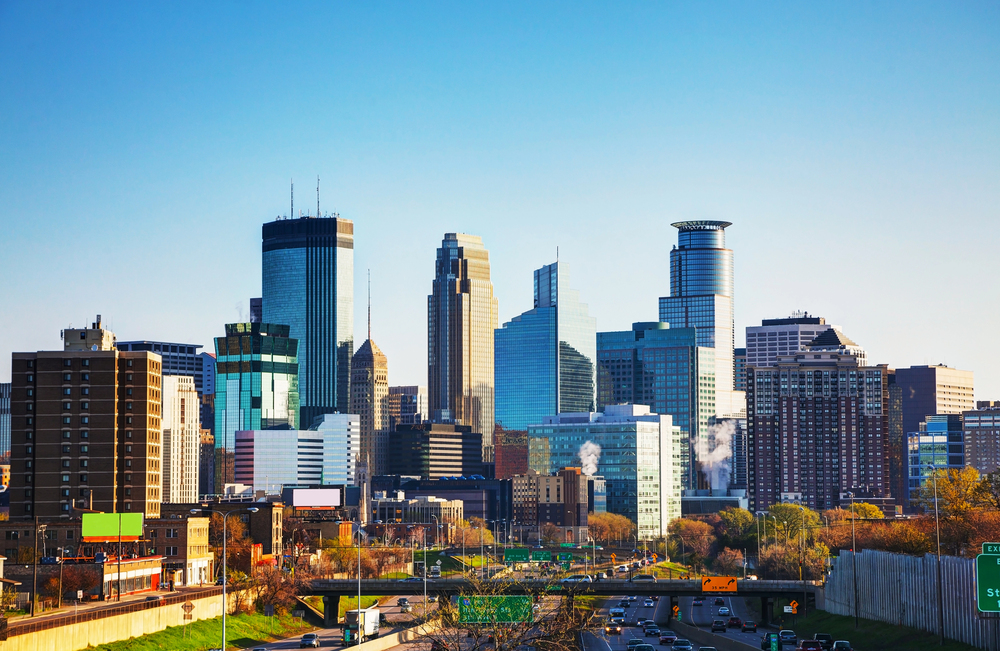
At least half of Minneapolis’s lower-income neighborhoods gentrified in the period following 2000, placing it among cities with the most extensive transformation. The changes accelerated in the 2010s as the city attracted young professionals seeking affordable alternatives to coastal metros.
Longtime residents watched as corner stores became artisanal markets and neighborhood bars transformed into gastropubs with $16 cocktails. The Midwestern affordability that made Minneapolis attractive began evaporating under the weight of its own success.
New Orleans
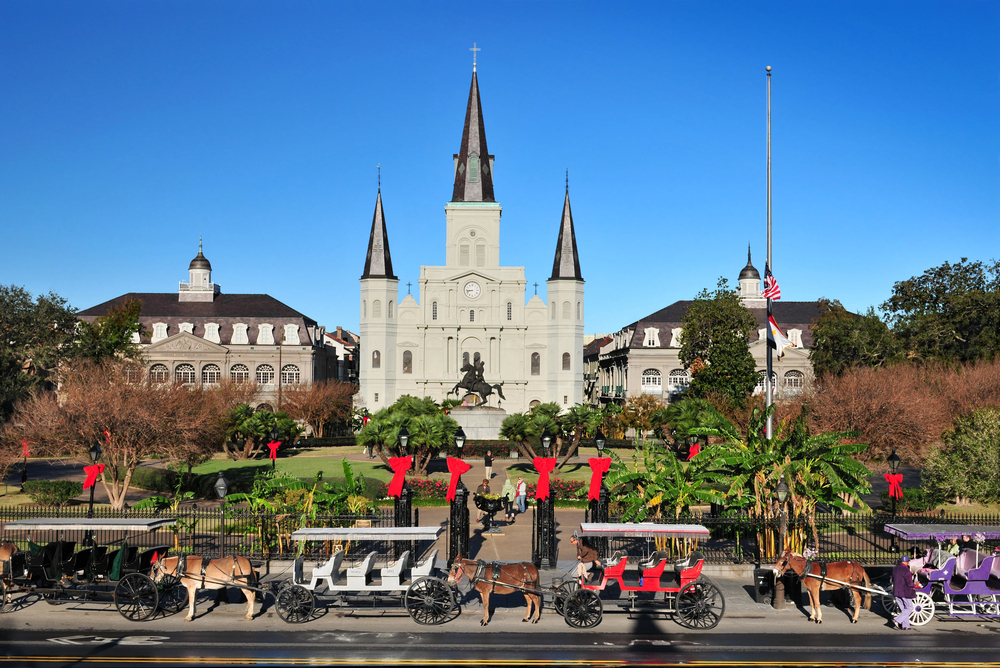
New Orleans’s unemployment rate stood at approximately 6.4 percent as of 2022, significantly higher than the national average. Built below sea level, the city faces existential threats from rising seas that have increased more than four inches in the past 50 years, with experts warning significant portions could be submerged by 2100.
Economic challenges and environmental vulnerabilities create a precarious situation for a city already struggling to maintain its distinctive cultural heritage. The music and cuisine remain, but the community that sustained them for generations is fracturing.
Boulder
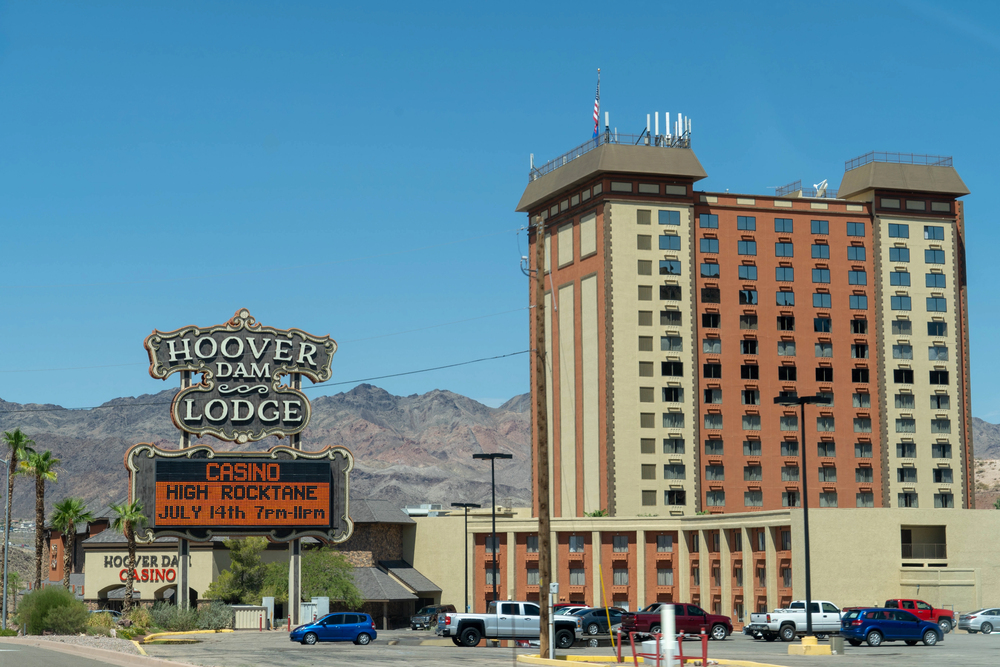
Boulder essentially landlocked itself by surrounding the 25-square-mile city with 75 square miles of protected open space, while height restrictions limit vertical development. Rather than neighborhood-specific gentrification, Boulder experienced general housing cost increases throughout the entire city, with every development project essentially becoming a redevelopment that replaces more affordable options.
Mobile home parks and aging apartment complexes that provided relatively affordable housing face constant threat of redevelopment into far more expensive properties. The city has priorities:
- Environmental preservation
- Quality of life for current affluent residents
- Housing affordability (distant third)
Like Travel Pug’s content? Follow us on MSN.
San Antonio
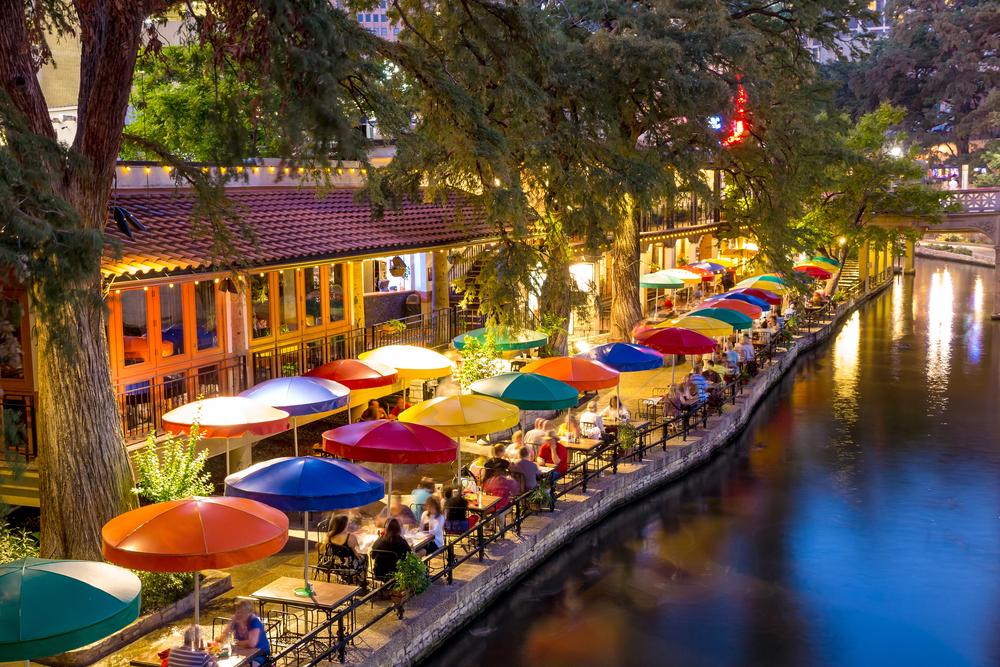
San Antonio’s border culture and historical charm couldn’t overcome rapidly rising rents and home prices that caught up with what was previously one of Texas’s most affordable large metros. Neighborhoods that were once redlined and neglected only received investment after demographic changes began, following patterns seen across gentrifying American cities.
Black residents who helped shape the city’s cultural identity are increasingly dispersed to suburbs and unincorporated areas where they lack the critical mass to influence local politics or preserve community institutions. Churches shrink, businesses close, and city council seats flip to representatives with different priorities.
Baltimore
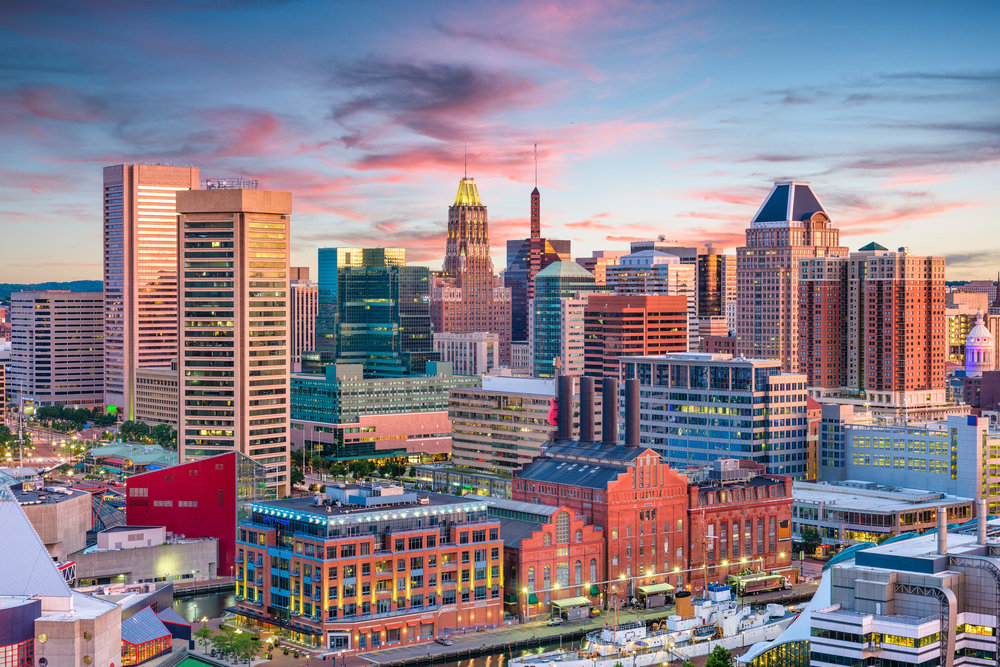
Baltimore suffered the steepest population decline among major U.S. cities, losing 5.7 percent of residents between 2010 and 2020 as families left faster than new ones arrived. Economic opportunities dried up while crime remained persistently high in many neighborhoods.
The city that once thrived on shipping and manufacturing hasn’t successfully transitioned to a modern economy. Former industrial powerhouses sit vacant, and the neighborhoods that supported working-class families for generations offer fewer opportunities to the next generation.
Phoenix
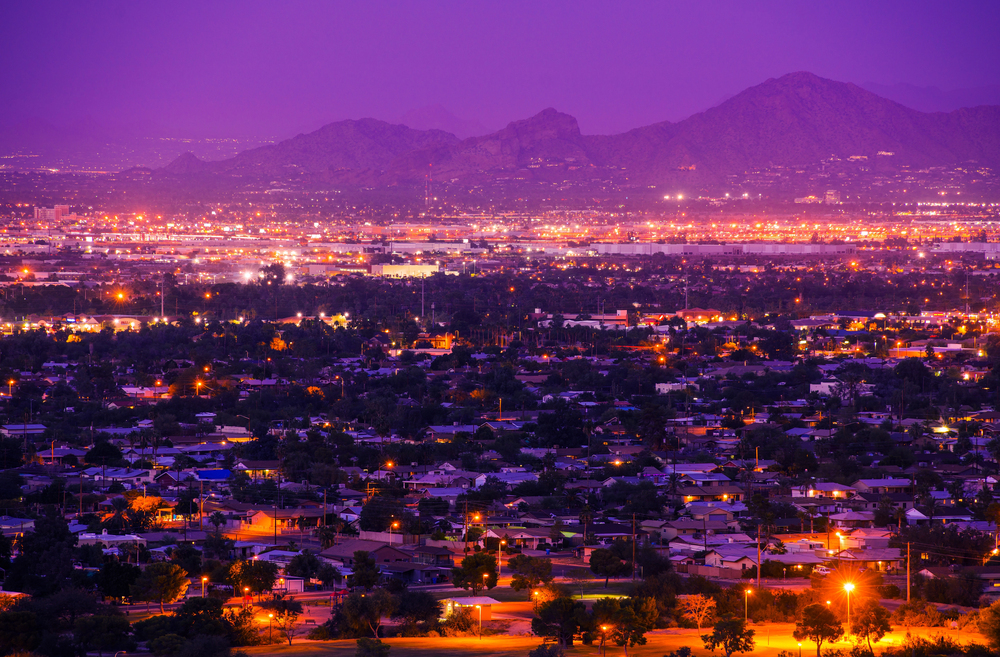
Phoenix’s desert lifestyle appeal and previous affordability couldn’t withstand the pressure of soaring housing costs that caught up with the market by 2025. Remote workers who relocated during the pandemic for lower costs now find themselves searching for the next affordable haven.
The sprawling city that once offered space and opportunity increasingly mirrors the expensive markets that residents fled. Strip malls and chain restaurants dominate landscapes that lack pedestrian-friendly neighborhoods or meaningful civic spaces.
Like Travel Pug’s content? Follow us on MSN.
Atlanta
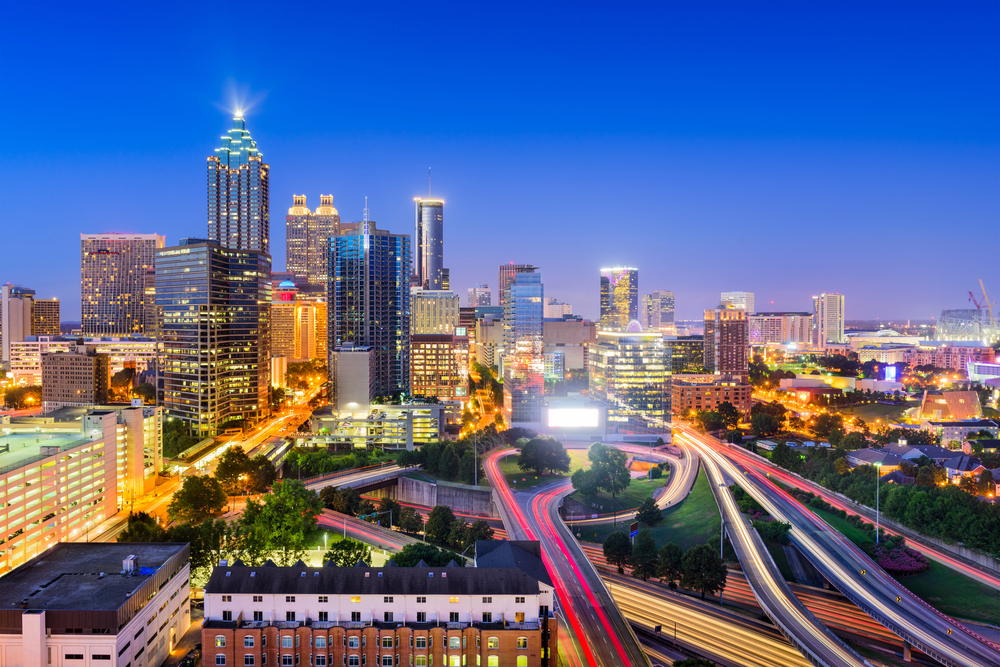
The 1996 Olympics brought sports venues, parks, hotels and restaurants to Atlanta, kicking off demolitions of housing projects that peaked in 2009 as the Atlanta Housing Authority replaced them with mixed-use developments. The transformation of the civil rights birthplace reshaped demographics dramatically.
The Black mecca that drew generations seeking opportunity and community connection saw those very characteristics diminish as redevelopment prioritized newer, wealthier residents. Housing projects plagued by problems gave way to developments that displaced the people who needed affordable housing most.
The new American city
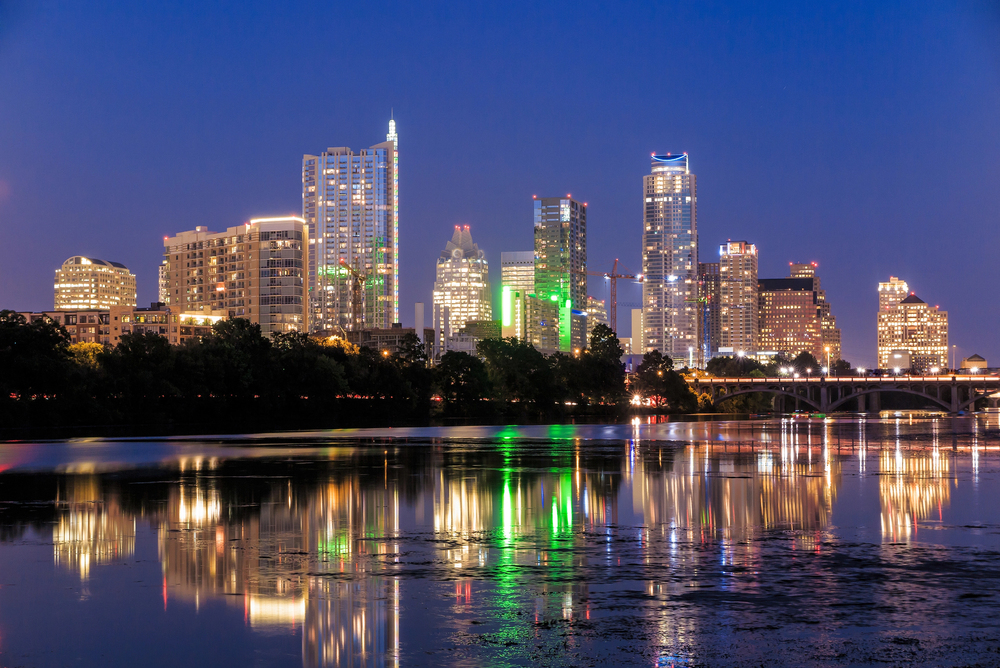
The pattern repeats across dozens of metros: rapid growth brings investment that erases the exact characteristics that made these places desirable. Cities become interchangeable, distinguished more by geography than culture, as chain establishments and luxury apartments replace the local businesses and affordable housing that sustained diverse communities.
The question isn’t whether cities will continue changing. They always do. But whether they’ll retain any of the soul that made them worth moving to in the first place.
More from Travel Pug

- 20 Best Beach Towns in the Carolinas
- 13 Destinations Where Tourists Regularly Regret Their Trip
- 20 Things You Actually Get in First Class
- 20 Small Airports With Aviation Museums
- 20 Places in the U.S. That Are Perfect for a Reset Trip
Like Travel Pug’s content? Follow us on MSN.