

Travel content on TikTok has transformed how people discover and experience destinations. The platform’s algorithm has elevated everything from hidden hiking trails to quirky accommodation styles, creating movements that spread faster than traditional travel guides ever could.
These viral trends represent more than fleeting internet moments — they’ve reshaped how travelers approach planning, budgeting, and sharing their adventures. Some trends focus on finding beauty in unexpected places, while others emphasize authentic experiences over polished tourist attractions.
What connects them all is the democratization of travel inspiration, where a college student’s spontaneous road trip video can influence thousands of future journeys.
Going distraction-free on flights

Skip the entertainment. No movies, no music, no books.
Just you and your thoughts for however many hours it takes to reach your destination. Going distraction-free on flights strips away every distraction airlines have spent decades perfecting.
The boredom becomes the point.
Girl math travel budgeting
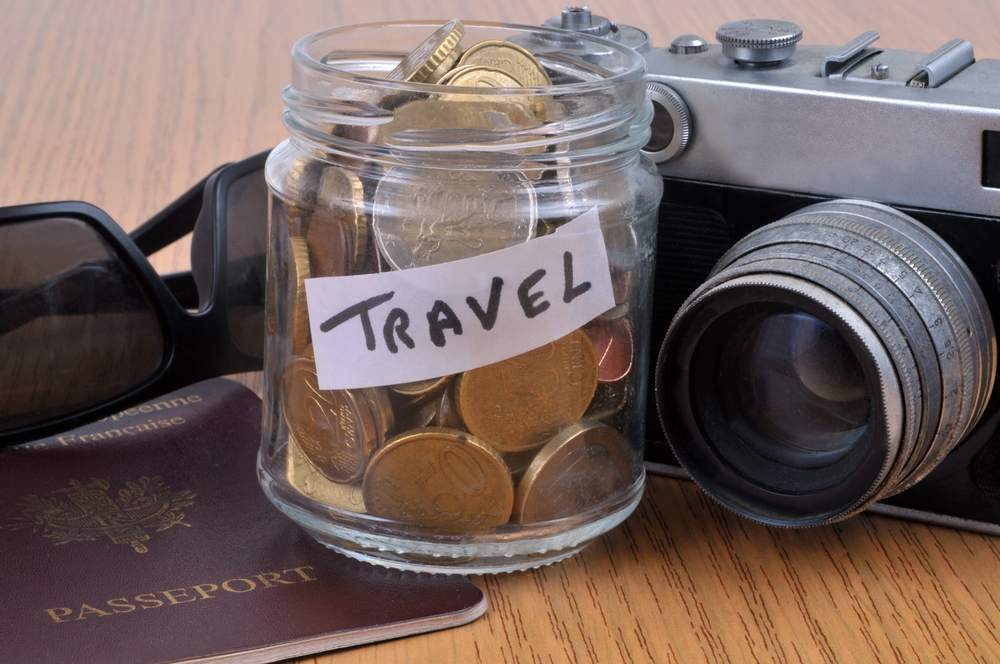
Flights booked three months ago cost zero dollars today. Hotel points don’t count as real money. Currency conversion always works in your favor when the numbers get fuzzy.
This accounting system (and calling it accounting is generous) operates on the principle that money spent on travel experiences doesn’t follow normal financial rules, which turns out to be both completely illogical and surprisingly effective at getting people to actually take trips they’ve been postponing. The math never adds up correctly, but somehow the trips always happen.
And yet, people who use girl math budgeting often end up traveling more frequently than those who meticulously track every expense — there’s something to be said for creative self-deception when it leads to experiences you’d otherwise talk yourself out of. The logic is circular. But it works.
Sleeping in airports

Airports transform into temporary hostels when flight delays stretch past midnight. The art lies in finding the softest benches and quietest terminals.
Travel becomes a game of adaptation rather than comfort. Every delayed connection teaches something about resourcefulness that no guidebook covers.
Some airports embrace the reality — Singapore Changi Airport offers sleeping areas and shower facilities — while others pretend nobody ever gets stranded overnight. The community among stranded travelers creates its own strange intimacy.
Strangers share phone chargers and gate information. Someone always knows which food courts stay open late.
Airport outfit coordination

Matching your outfit to your departure airport makes no practical sense. LAX calls for different energy than Nashville.
Miami demands brighter colors than Seattle. Airport fashion has become its own category of performance.
People dress for the place they’re leaving, not the place they’re going, which creates a curious form of location-specific theater where the building itself becomes part of the costume.
Traveling with Stanley Cup tumblers

That 40-ounce tumbler goes everywhere now. Through security (empty), onto planes (filled with ice water), across international borders (thoroughly cleaned).
The attachment people have formed to these particular drinking vessels has turned hydration into a travel essential that weighs more than some entire packing cubes. Airport water fountains see more action than they have in decades, because bringing the cup means using the cup, and using the cup means staying hydrated becomes automatic rather than an afterthought.
To be fair, most travelers are chronically dehydrated anyway, so if an oversized metal trophy encourages water consumption, that’s probably a net positive. The cup becomes a security blanket that happens to hold beverages.
Micro-cations
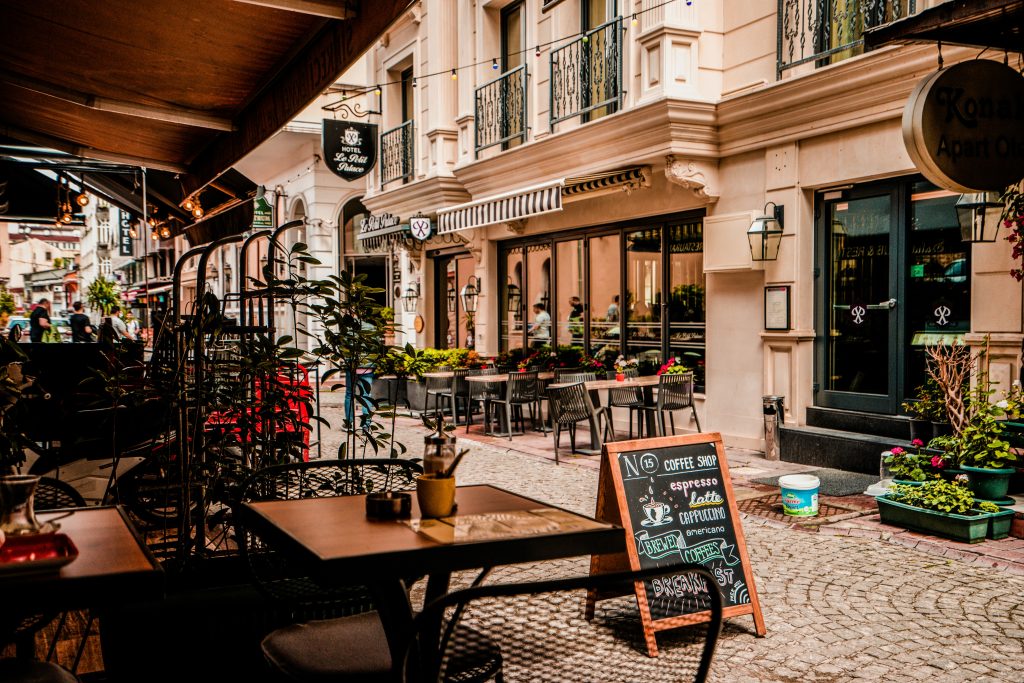
Two days off work becomes a three-day escape. Drive four hours instead of flying eight.
Find what’s interesting within a tank of gas from home. The trend works because it eliminates the most stressful parts of travel — airports, jet lag, extensive planning — while keeping the parts that matter: different scenery, local food, and the mild disorientation that comes with sleeping somewhere new.
Micro-cations prove that novelty doesn’t require distance, just intention. Most people discover places within their own region that they never knew existed.
Set jetting
Television shows accidentally become travel advertisements when their locations look more appealing than their storylines. Yellowstone tourism exploded not because of Kevin Costner’s acting, but because Montana looked magnificent in every establishing shot.
The phenomenon works like accidental marketing — viewers spend hours studying backgrounds instead of following plots, mentally cataloging hiking trails and small towns that appear between scenes. Shows become location scouts for audiences who care more about where characters live than what they’re saying.
And honestly, most travel inspiration comes from seeing a place look beautiful in the right light, regardless of whether that light came from a television production crew.
Gateway planning

Research your next destination while waiting for your current flight. Every departure gate becomes a planning session for the trip after this one.
Gate wifi and three-hour delays create perfect conditions for spontaneous booking. The momentum of being in travel mode makes committing to plans feel natural rather than overwhelming.
Solo female travel documentation
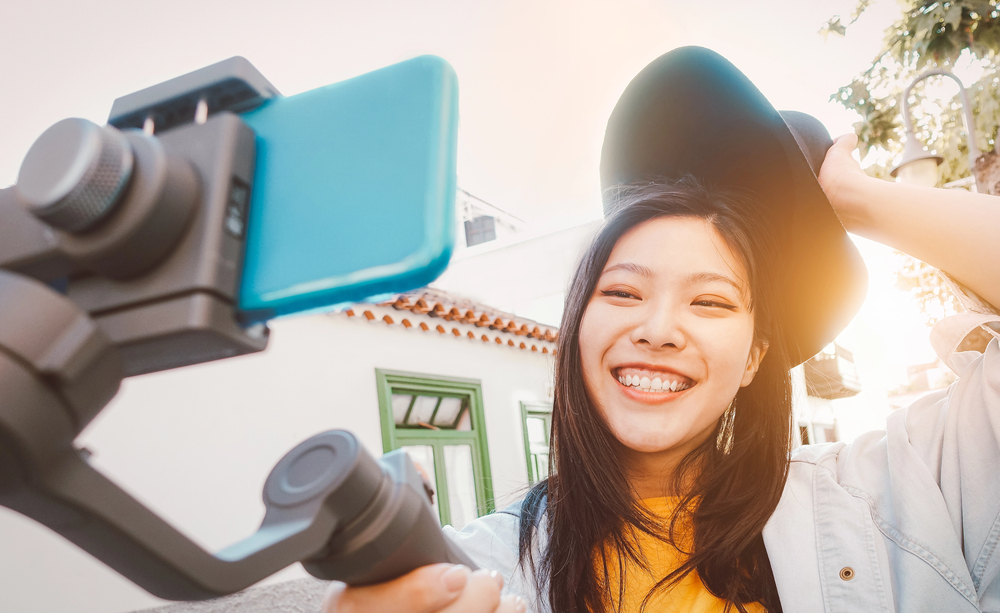
Document every safety precaution, every successful navigation of unfamiliar places, every moment of independence on the road. The documentation serves dual purposes — it builds confidence for future trips and provides a roadmap for other women considering similar journeys.
This trend transforms solo travel from a personal challenge into a shared learning experience, where each documented trip becomes evidence that the thing many people worry about is not only possible but genuinely rewarding. The videos often focus less on destinations and more on the process — how to research safe neighborhoods, how to eat alone without feeling self-conscious, how to meet people without compromising security.
Each post becomes both personal documentation and public encouragement. The trend works because it addresses real concerns with practical solutions rather than dismissive optimism.
Passport photo aesthetics

Government identification photos have become Instagram opportunities. Ring lights in pharmacy booths.
Makeup tutorials specifically for passport applications. The logic is sound — this photo represents you for ten years of international travel, so why not look intentional rather than accidentally disheveled?
People plan their passport photos like headshot sessions now, because the difference between looking approachable and looking suspicious at customs might come down to lighting and expression.
Day pack minimalism

Everything essential fits in a small backpack. No checked luggage, no rolling suitcase, no shoulder strain from carrying too much.
The discipline of packing light forces decisions about what actually matters during travel. The trend appeals to people who’ve realized that most vacation photos show experiences, not outfit changes, and that doing laundry in a sink takes less time than dragging heavy luggage through airports.
Minimalist packing becomes a skill that improves every trip — figuring out what you can’t live without versus what you think you might want. Most travelers discover they need far less than they initially pack.
Train travel aesthetics
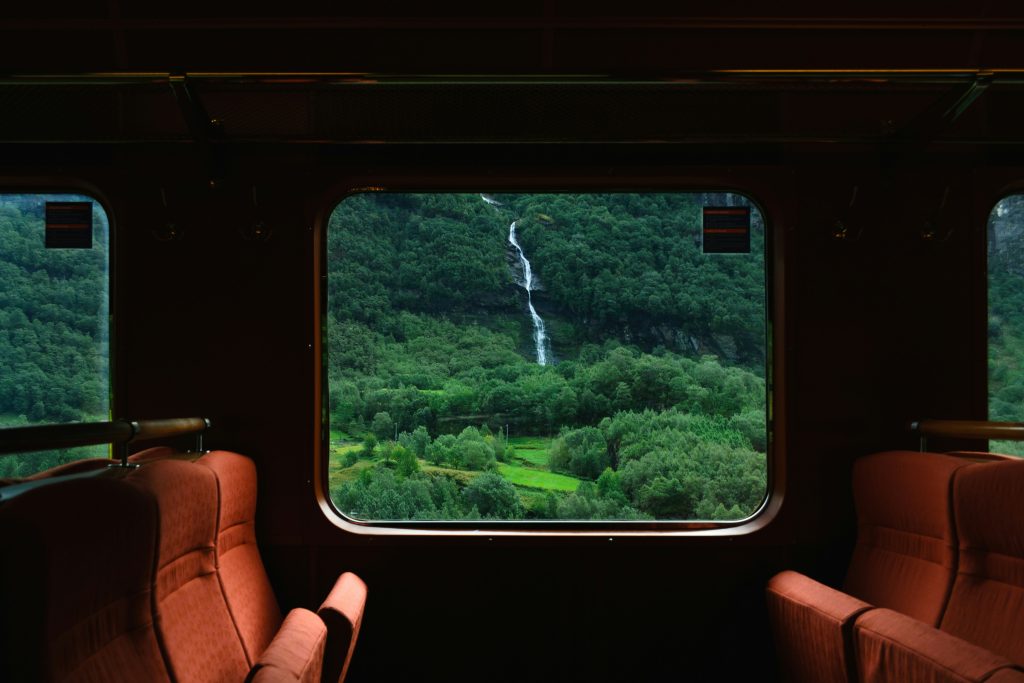
Slow travel on rails offers views that highways miss. Window seats become moving galleries of countryside that look different at ground level than from 35,000 feet.
The romance of train travel isn’t just nostalgia — it’s the opportunity to watch landscapes change gradually rather than suddenly, to see small towns and farmland that exist between major cities, to have time to read or think without the compression of flight schedules. Train stations in smaller cities often sit in their historic downtown areas, so arrival means immediate immersion rather than a long taxi ride from some distant airport.
The journey becomes part of the destination rather than an obstacle to be endured.
Airport food reviews
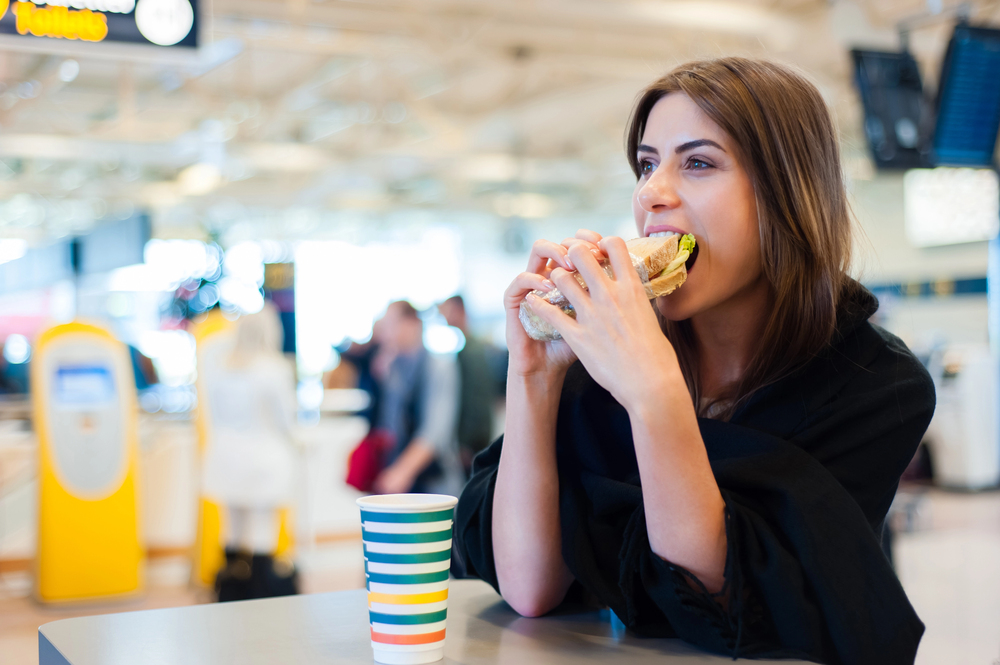
Terminal dining has become legitimate food criticism. Travelers rate everything from Hudson News snacks to sit-down restaurant experiences, creating a parallel universe of culinary reviews where convenience and desperation influence taste as much as actual flavor.
Airport food reviews serve stranded travelers better than traditional restaurant guides because they account for limited options, inflated prices, and the specific hunger that comes from irregular travel schedules. The best airport food reviewers understand they’re not competing with neighborhood restaurants — they’re providing survival guides for people who need edible options between flights.
Context matters. A decent sandwich at 30,000 feet tastes different from the same sandwich at sea level.
Destination dupes

Skip Santorini for Paros. Trade Tuscany for Slovenia’s wine regions.
Find places that offer similar beauty without the crowds or costs that come with Instagram fame. The dupe mindset works because most travelers want specific experiences — coastal villages, ancient architecture, good wine, friendly locals — rather than specific locations.
The joy comes from discovering that the thing they were seeking exists in multiple places, often with better prices and fewer tourists competing for the same sunset photo. Destination dupes prove that uniqueness is more about experience than geography.
Every famous place became famous for a reason, but that reason often exists elsewhere.
Travel anxiety content
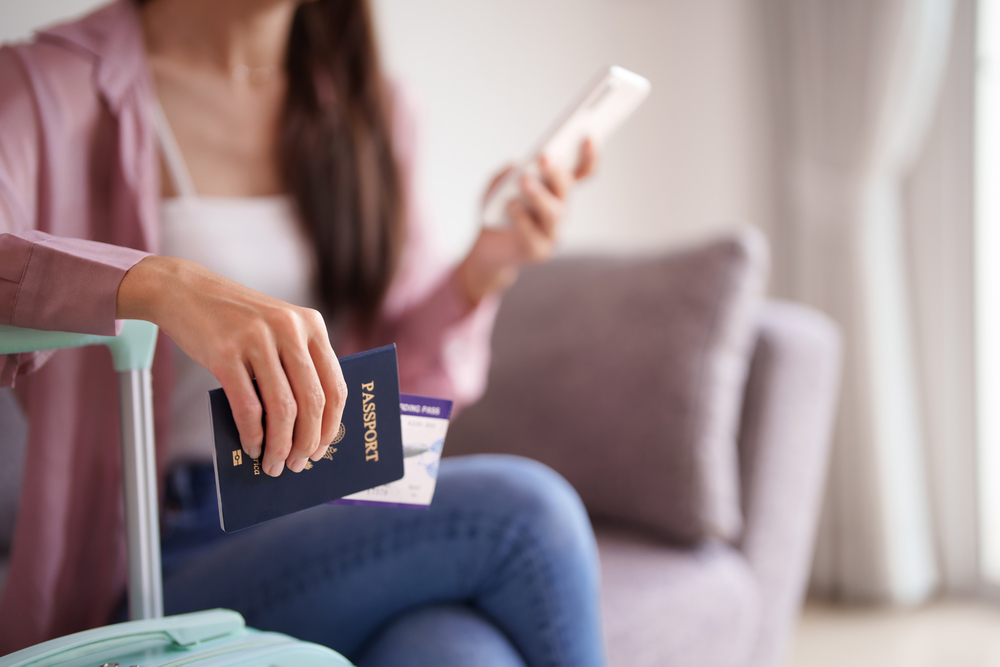
Document the nervousness alongside the adventure. Show the customs line anxiety, the language barrier moments, the getting-lost confusion that travel guides pretend doesn’t happen.
Travel anxiety content normalizes the reality that exploring new places involves discomfort alongside discovery, and that admitting to nervousness doesn’t diminish the value of the experience. The trend creates space for honest travel documentation rather than the highlight reel approach that makes every trip look effortless.
Most travelers feel anxious sometimes — acknowledging that feeling makes travel more accessible rather than less.
Worth every mile

Travel isn’t just about collecting experiences anymore — it’s about curating moments that justify the effort, expense, and carbon footprint of getting somewhere new. The phrase has become both a hashtag and a personal standard, a way of measuring whether a destination delivered what it promised.
The trend reflects a shift toward more intentional travel, where the goal isn’t just to go somewhere different but to find places that offer something genuinely worth the disruption of leaving home. It’s about sunset views that make flight delays forgettable, local food that tastes better than anything available at home, and conversations with strangers that shift perspective in small but lasting ways.
Every trip becomes an investment in memories that compound over time rather than expenses that disappear into social media posts.
More from Travel Pug

- Underrated Italian Towns That Beat the Tourist Crowds
- Las Vegas Tourist Traps to Skip
- Prettiest Towns in Every US State
- 18 passport-free countries for Americans
- Signs Your Cruise Is Not Worth The Cost
Like Travel Pug’s content? Follow us on MSN.