

Tokyo’s luxury hotel scene operates on a different scale entirely. While the city has mastered efficiency and minimalism in so many ways, its top-tier accommodations embrace maximalism with an almost artistic precision.
These aren’t just places to sleep — they’re statements about what happens when Japanese attention to detail meets unlimited budgets and centuries-old hospitality traditions.
The most expensive suites in Tokyo don’t just offer space and service. They offer access to a version of the city that exists only for those willing to pay extraordinary amounts for extraordinary experiences.
Each represents a different philosophy about luxury, from traditional Japanese aesthetics to cutting-edge modern design, from intimate hideaways to sprawling penthouses that feel more like private residences.
Imperial Suite, The Imperial Hotel Tokyo
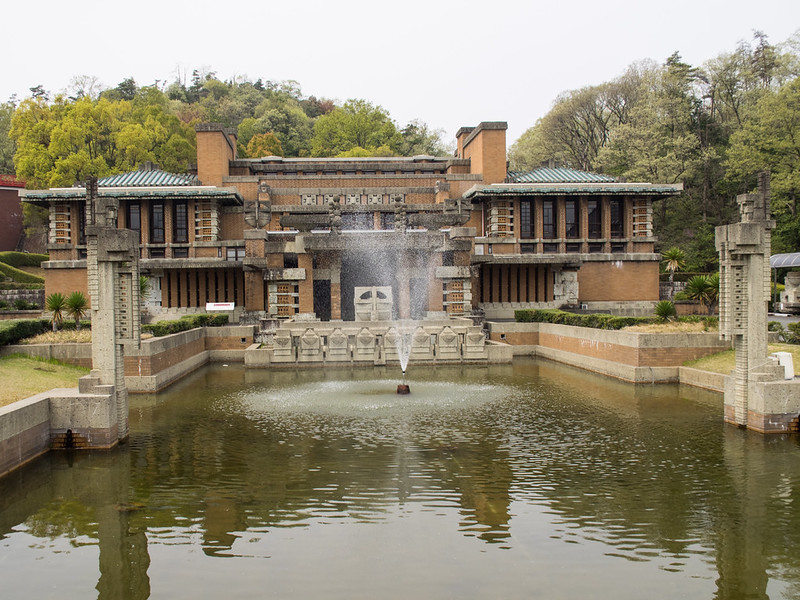
The Imperial Suite doesn’t apologize for its $25,000 a night. This 2,100-square-foot space sits on the hotel’s top floor with unobstructed views of the Imperial Palace gardens.
Two bedrooms, three bathrooms, and a dining room that seats twelve.
The suite comes with a dedicated butler team and access to the hotel’s private entrance. The Imperial has hosted heads of state since 1890, and this suite carries that weight.
Every detail speaks to permanence rather than trend.
Presidential Suite, The Ritz-Carlton Tokyo
Perched on the 53rd floor, this $20,000 a night suite stretches across 3,300 square feet with floor-to-ceiling windows that frame Mount Fuji on clear days. The marble bathrooms are larger than most hotel rooms, and the walk-in closets could house a small family.
But here’s what makes it worth the price (if anything could): the suite includes a dedicated concierge who can arrange experiences that aren’t available to most guests — private temple visits, after-hours museum tours, meetings with artisans who typically don’t take meetings. The Ritz-Carlton doesn’t just sell space; it sells access to a version of Tokyo that exists only for their highest-paying guests.
Penthouse Suite, Mandarin Oriental Tokyo
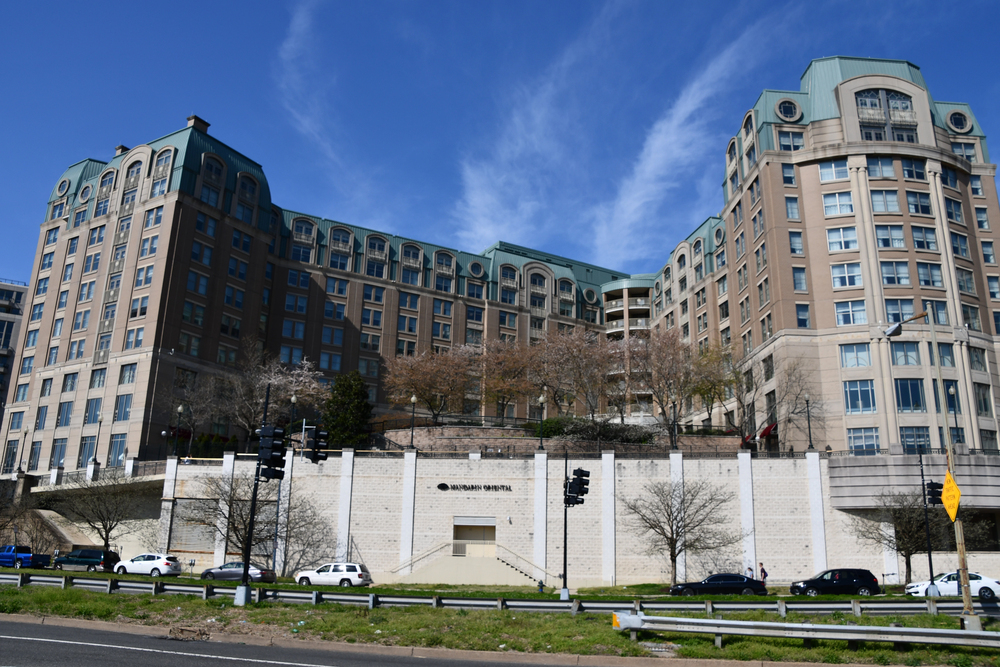
The Mandarin Oriental’s Penthouse operates like a private residence that happens to sit atop a luxury hotel, which, when you’re paying $18,000 a night, is exactly what you’d expect. Three bedrooms sprawl across 3,000 square feet, each with its own marble bathroom and city views that make Tokyo look like a model train set far below.
So you’re not just getting space. You’re getting the kind of space where heads of state conduct informal diplomacy and where tech moguls—actual industry leaders—hash out deals that reshape industries.
And yet the design remains unmistakably Japanese: clean lines that don’t announce themselves, materials that age beautifully rather than just looking expensive.
The suite’s kitchen is fully equipped, though most guests never cook — they use it as a staging area for private chefs who cost more per meal than most people spend on rent. But that kitchen represents something deeper: the possibility of living normally in a completely abnormal situation, which might be the most luxurious thing of all.
Royal Suite, The Peninsula Tokyo
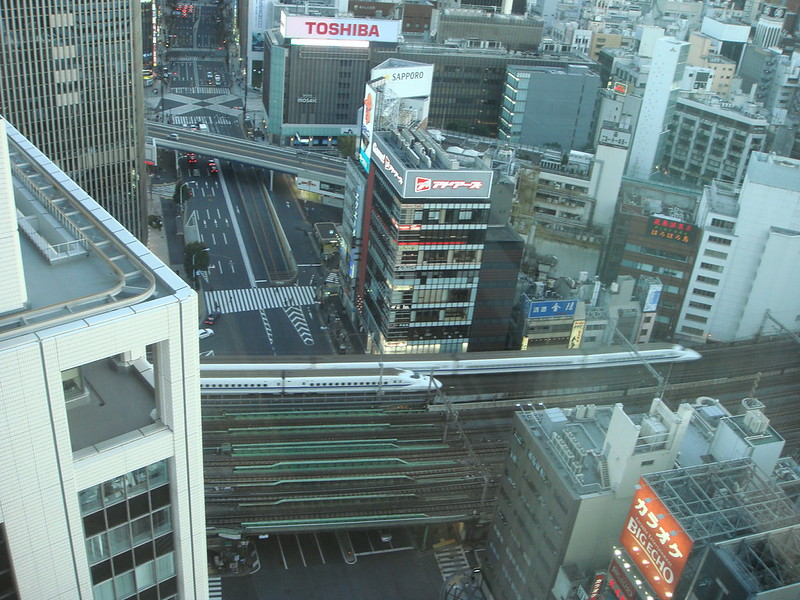
Watching Tokyo from the Royal Suite feels like studying a living map — the city spreads out below in patterns that make sense from this height, neighborhoods clicking into place like puzzle pieces finding their proper spots. At $16,000 a night, the suite earns its view through sheer elevation and the kind of windows that disappear entirely when you’re not thinking about them.
The Royal Suite understands that luxury isn’t about having more things; it’s about having better versions of necessary things. The bathroom fixtures aren’t just expensive — they’re perfectly weighted, responding to touch in ways that feel almost organic.
The lighting doesn’t just illuminate; it adapts to the time of day and your activities without being told.
This is where you realize that true luxury lives in the details that work so well you forget they’re working at all.
The Suite, Aman Tokyo
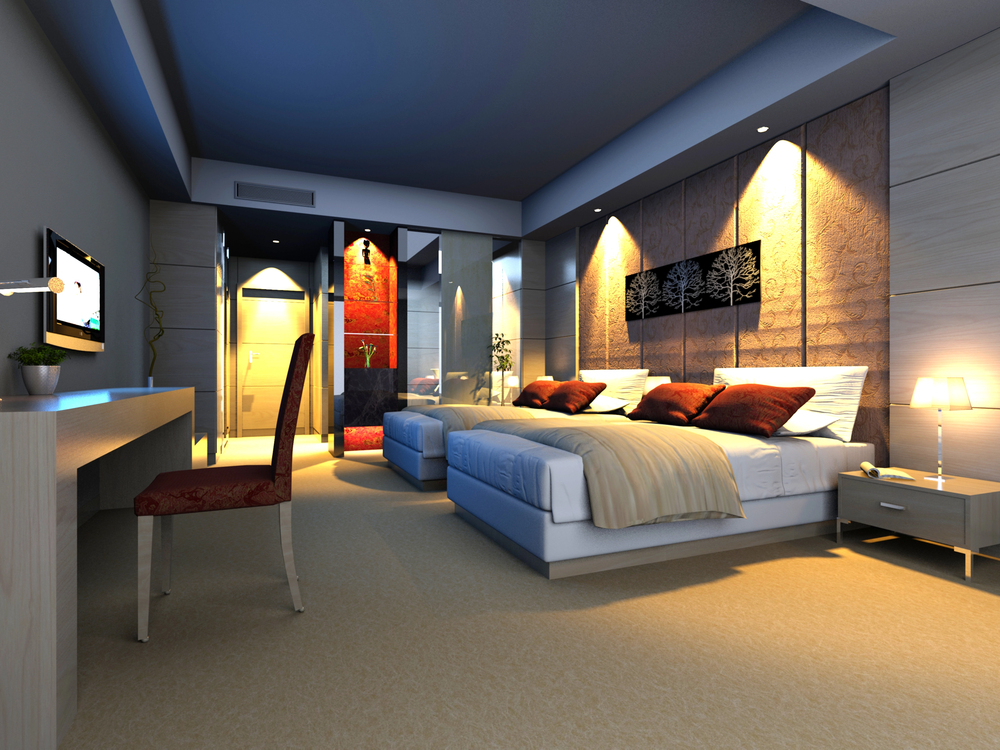
Aman Tokyo charges $15,000 a night for The Suite and makes no apologies for the price. The 1,800-square-foot space feels more like a modern Japanese home than a hotel room, which is precisely the point.
The suite sits in a building designed by Kerry Hill, and every surface shows his obsession with materials that improve with age rather than just looking perfect when new. The hinoki wood bathtub was carved from a single tree.
The tatami mats were woven by artisans whose families have been doing this work for generations.
Most hotel suites try to impress you. The Suite at Aman Tokyo tries to calm you, and somehow that feels more expensive.
Imperial Suite, Hotel Chinzanso Tokyo
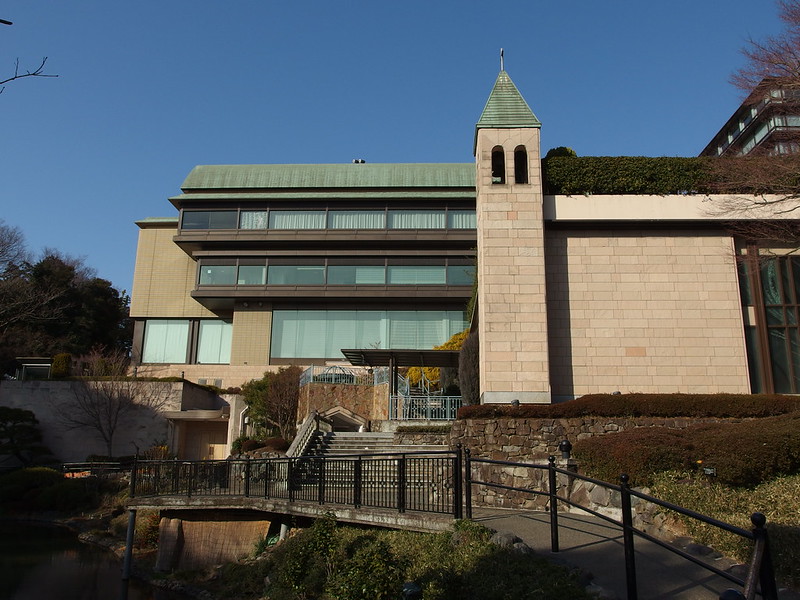
Hotel Chinzanso’s Imperial Suite costs $14,000 a night, but you’re not just paying for the 2,000-square-foot space (though the space is remarkable — two bedrooms, a living room with 20-foot ceilings, and bathrooms fitted with Italian marble that was selected stone by stone). You’re paying for access to gardens that have existed for more than 700 years, manicured landscapes that change with the seasons in ways that remind you why people write poetry about temporary beauty.
The suite’s windows frame these gardens like living paintings, and at different times of day — early morning when mist rises from the ponds, late afternoon when the light catches the maple leaves — you understand why some people consider this the most beautiful hotel suite in Tokyo. Which, given the competition, is saying something.
But the real luxury here isn’t visual. It’s temporal: the feeling of being connected to something that existed long before you arrived and will continue long after you leave.
Ambassador Suite, Palace Hotel Tokyo
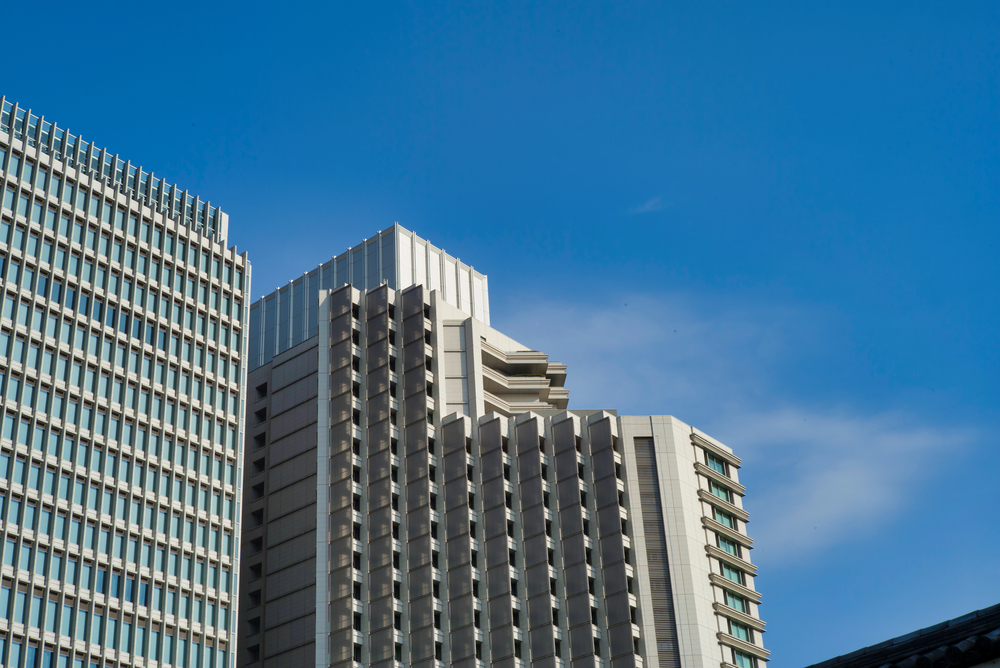
The Ambassador Suite doesn’t try to overwhelm you with size — at $13,000 a night for 1,400 square feet, it’s almost modest by Tokyo luxury standards. Instead, it overwhelms you with precision.
Every element has been considered and reconsidered until it achieves a kind of functional perfection that feels effortless.
The suite overlooks the East Gardens of the Imperial Palace, and the views change throughout the day in ways that feel choreographed. Morning light filters through the floor-to-ceiling windows differently than afternoon light, and the designers clearly planned for this.
Evening light does something else entirely.
This is architecture as performance art, except the performance never stops, and the audience is always you.
Tokyo Suite, The Tokyo EDITION Toranomon
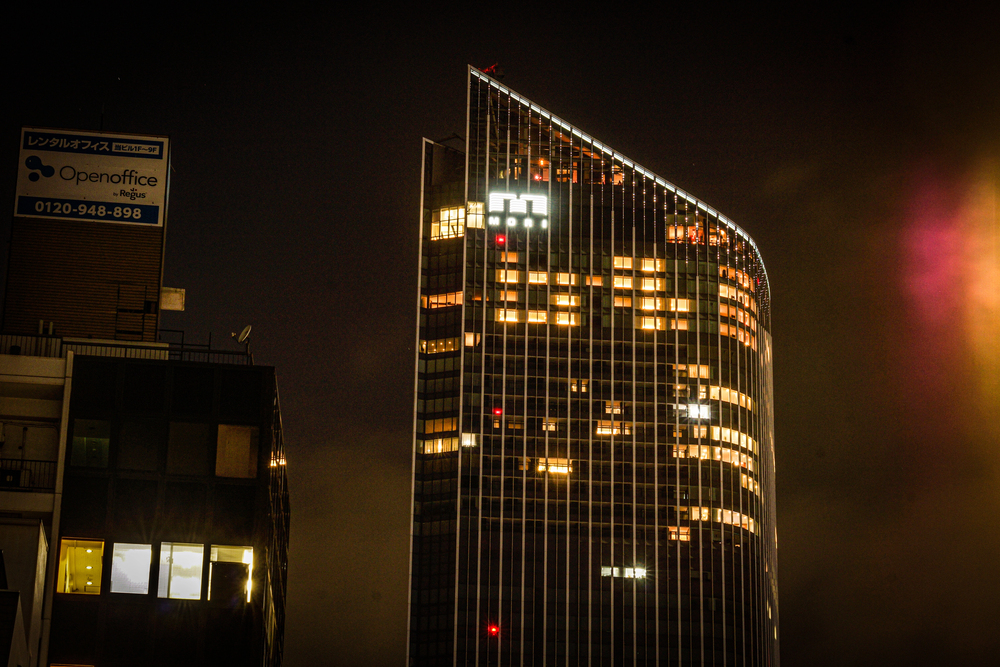
At $12,000 a night, The Tokyo EDITION’s Tokyo Suite represents Ian Schrager’s vision of what luxury means today. The 1,200-square-foot space feels more like a private club than a hotel suite, with custom furniture that looks like it was designed for this specific room (because it was).
But the real draw here is location. Toranomon Hills puts you in the center of Tokyo’s power grid — embassies, corporate headquarters, government offices all within walking distance.
You’re not just staying in a luxury suite; you’re plugging into the city’s nervous system.
The suite includes access to The Tokyo EDITION’s private dining rooms, where deals get made over meals that cost more than most cars.
The Ritz-Carlton Suite, The Ritz-Carlton Tokyo
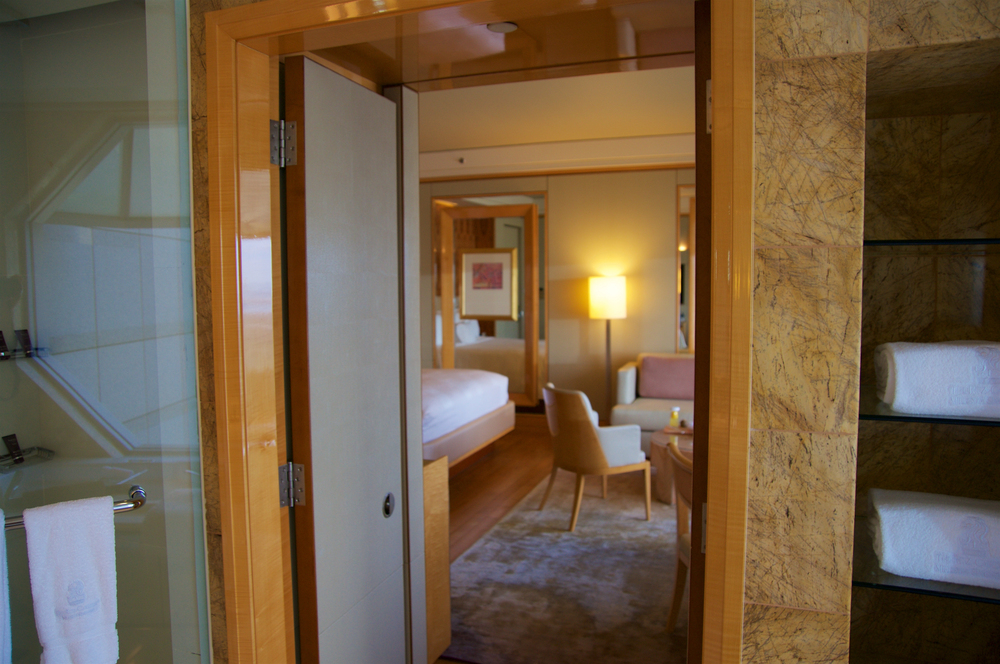
Different from the Presidential Suite, The Ritz-Carlton Suite costs $11,000 a night and spans 1,800 square feet on the 45th floor, which sounds like a consolation prize until you realize that being slightly lower means you’re looking across at other skyscrapers rather than down at them, creating a sense of being part of the city rather than floating above it.
So the suite becomes a kind of observation deck for urban life, particularly at night when Tokyo transforms into something that looks more like circuitry than architecture. The bedroom’s floor-to-ceiling windows make sleep feel like floating through a constellation, assuming you can sleep while surrounded by that much visual stimulation.
The marble bathroom includes a soaking tub positioned specifically to frame the city lights, because apparently someone decided that bathing should also be a form of entertainment. Fair enough — at these prices, everything should be entertainment.
Chairman Suite, The Okura Tokyo
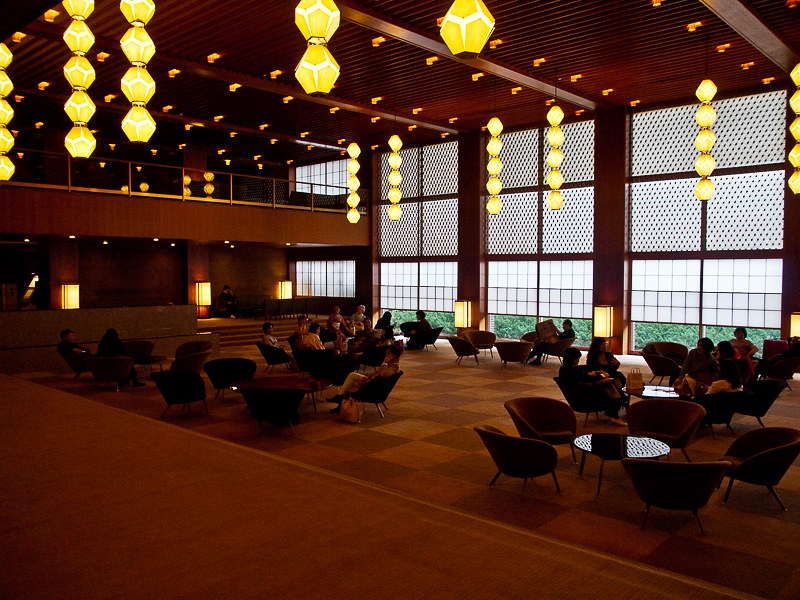
The Okura’s Chairman Suite costs $10,500 a night and feels like stepping into a time capsule — specifically, a time capsule of what people in the 1960s thought the future would look like. The hotel reopened in 2019 after a complete rebuild, but the Chairman Suite deliberately echoes the original Okura’s aesthetic: clean lines, natural materials, and a color palette that somehow makes beige feel sophisticated.
The suite’s 1,600 square feet includes a traditional Japanese room with tatami flooring and shoji screens, alongside more conventional bedroom and living areas. This combination shouldn’t work, but it does — probably because both spaces share the same obsession with proportion and negative space.
The Okura has always attracted a particular type of guest: people who value discretion over display, substance over flash. The Chairman Suite continues that tradition.
Royal Penthouse Suite, Shangri-La Hotel Tokyo
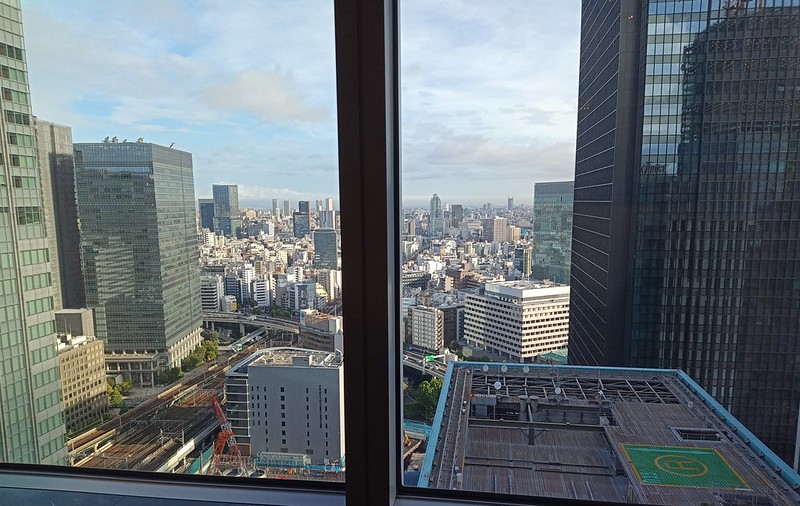
Watching Tokyo wake up from the Royal Penthouse Suite feels like conducting an orchestra — different neighborhoods come alive at different times, creating a rhythm that builds throughout the morning until the entire city hums with coordinated activity. At $10,000 a night, this 1,500-square-foot suite earns its views through position and the kind of windows that frame the city like a living mural.
The suite’s design walks the line between Japanese minimalism and international luxury, landing somewhere that feels both familiar and foreign. The bathroom’s soaking tub sits beside a window wall, so you can watch Tokyo’s lights flicker on during evening baths.
This is where you realize that some experiences can’t be replicated at any price point except the highest one.
Premium Suite, Conrad Tokyo
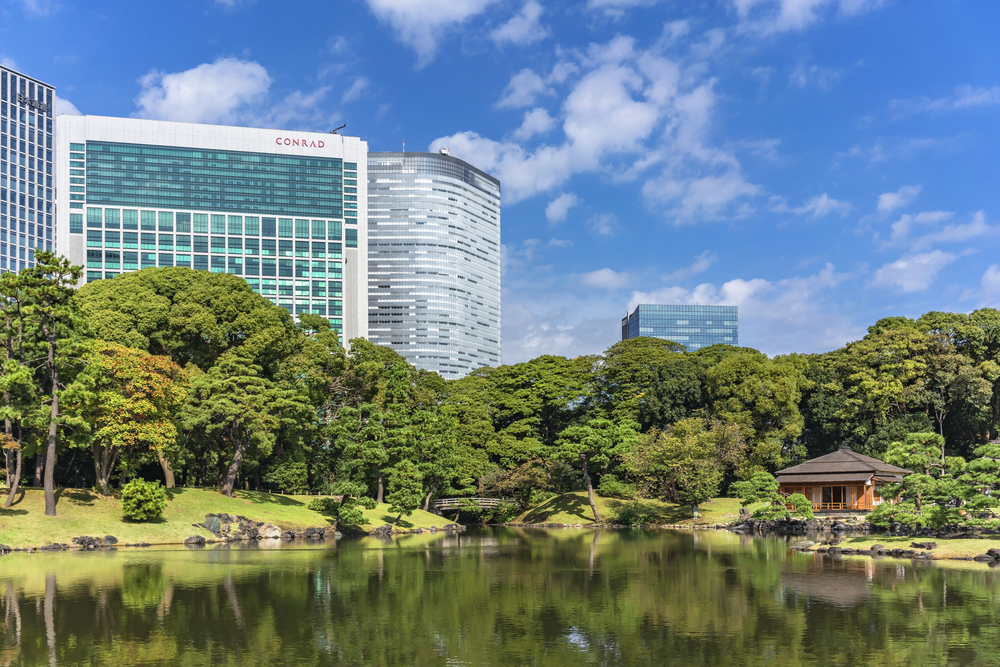
The Conrad’s Premium Suite charges $9,500 a night for 1,400 square feet that feel larger due to floor-to-ceiling windows and sight lines that extend from Tokyo Bay to the distant mountains. The space includes a separate living room, bedroom, and two marble bathrooms.
The suite’s location in Shiodome puts you at the intersection of old Tokyo and new, with traditional gardens visible alongside ultra-modern skyscrapers. From the suite’s windows, you can watch boats moving through Tokyo Bay while bullet trains slip silently between buildings.
Conrad Tokyo understands that luxury means having choices, so the suite includes multiple seating areas, work spaces, and dining options. You never feel trapped in someone else’s idea of how a hotel suite should be used.
Executive Suite, The St. Regis Hotel Tokyo
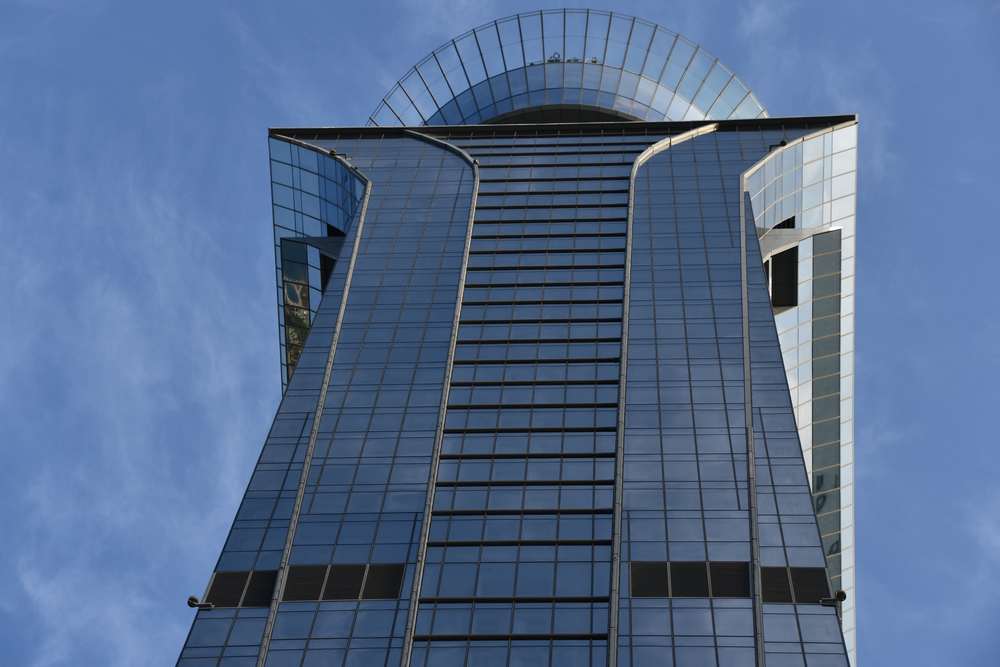
The St. Regis Executive Suite costs $9,000 a night and delivers exactly what you’d expect from the brand: traditional luxury executed with precision that borders on the obsessive.
The 1,300-square-foot space includes Italian marble bathrooms, custom millwork, and fabrics that were selected based on how they age rather than how they look when new.
But here’s what justifies the price: the suite includes 24-hour butler service from staff trained in the English tradition but adapted for Japanese hospitality standards. Your butler anticipates needs you haven’t expressed and solves problems you didn’t know you had.
The St. Regis doesn’t innovate luxury; it perfects luxury as it’s always been understood.
Deluxe Suite, Four Seasons Hotel Tokyo at Marunouchi

At $8,500 a night, the Four Seasons Deluxe Suite occupies prime real estate directly above Tokyo Station, which means you have front-row seats to the most complex transportation ballet in the world. Bullet trains, local trains, subways, buses, and taxis move through the station in patterns that look chaotic until you realize how precisely choreographed everything actually is.
The suite’s 1,200 square feet include a bedroom with city views, a marble bathroom with separate shower and soaking tub, and a living area designed for both work and relaxation. The furniture was selected to complement the views rather than compete with them.
Four Seasons Tokyo understands that sometimes the best luxury is simply being in the right place at the right time.
The Tokyo Suite, Hoshinoya Tokyo
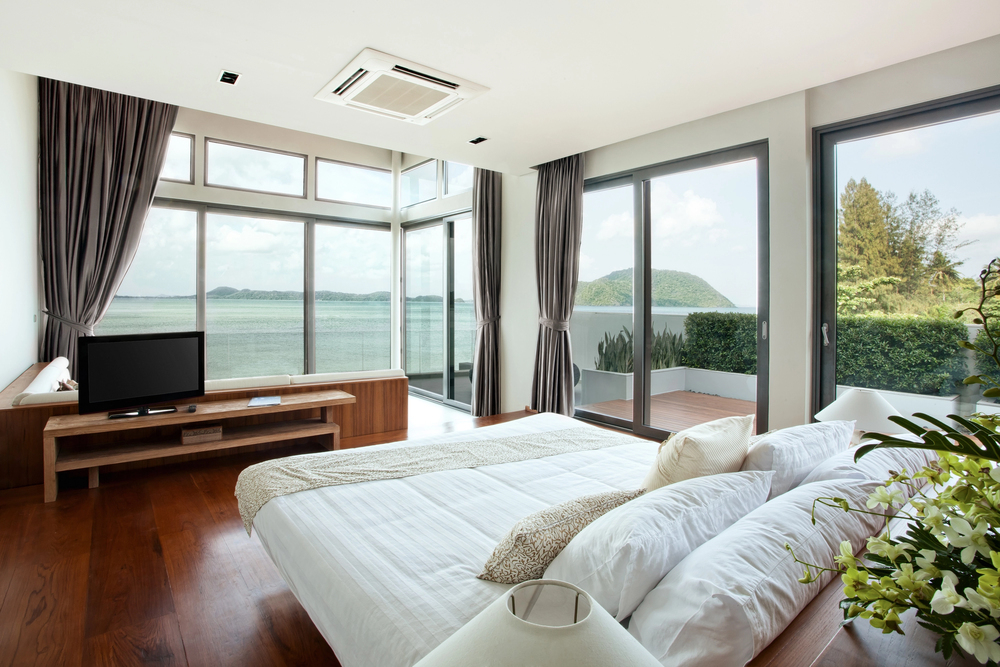
Hoshinoya Tokyo’s Tokyo Suite costs $8,000 a night and represents luxury stripped down to its essential elements. The 1,000-square-foot space feels more like a traditional Japanese home than a hotel suite, with tatami floors, shoji screens, and furniture that serves multiple purposes depending on the time of day.
The suite includes a traditional tea ceremony room and a hinoki wood bath that was carved from a single piece of cypress. These aren’t reproductions or interpretations of traditional Japanese elements — they’re the actual elements, crafted by artisans using methods that haven’t changed in centuries.
Hoshinoya Tokyo proves that luxury doesn’t require excess. Sometimes luxury means having less, but having it done perfectly.
Finding your own version of extraordinary
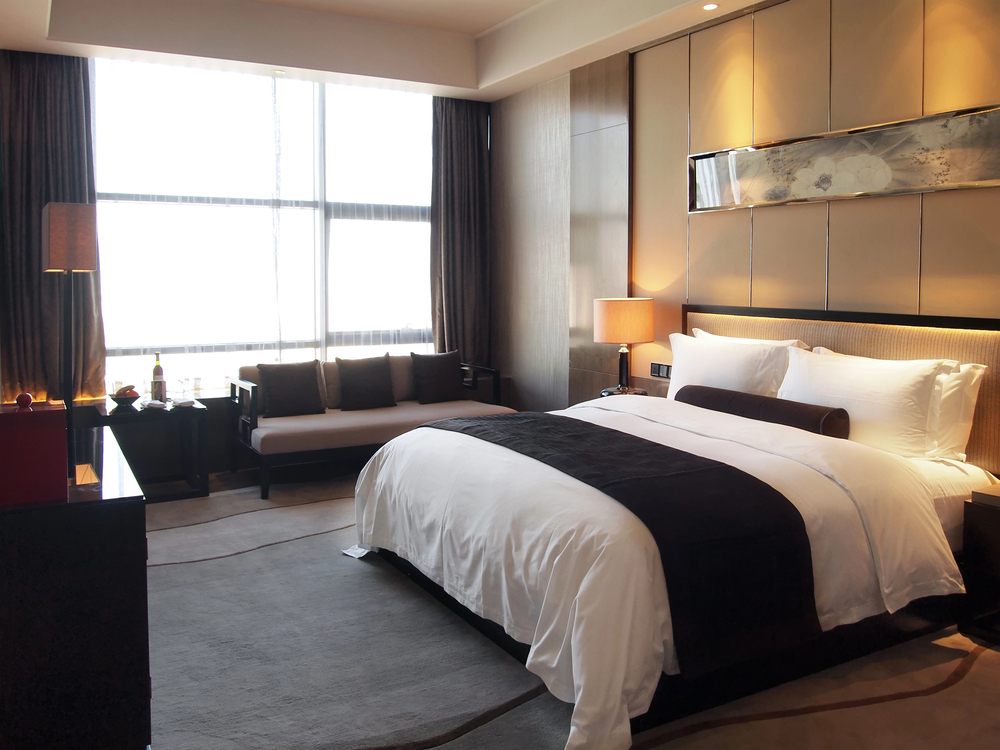
These suites represent more than accommodation — they’re access points to experiences that exist only at the intersection of unlimited budgets and centuries-old hospitality traditions. Each offers a different answer to the question of what luxury means in modern Tokyo, from traditional Japanese aesthetics to international hotel brands adapting their standards for local expectations.
The prices might seem astronomical, but they buy something that can’t be found anywhere else: the feeling of living temporarily in a version of Tokyo that was designed specifically for you. Whether that’s worth $25,000 a night depends entirely on what you consider priceless.
More from Travel Pug

- Underrated Italian Towns That Beat the Tourist Crowds
- Las Vegas Tourist Traps to Skip
- Prettiest Towns in Every US State
- 18 passport-free countries for Americans
- Signs Your Cruise Is Not Worth The Cost
Like Travel Pug’s content? Follow us on MSN.