

Japan rewards travelers who take their time. Two weeks provides enough opportunity to move beyond the obvious tourist checklist while still hitting major destinations.
The country’s legendary train system connects cities seamlessly, and the cultural density means you’re constantly encountering something unfamiliar—even in convenience stores. Here is a list of 15 ways to spend 15 days in Japan.
Golden route with breathing room
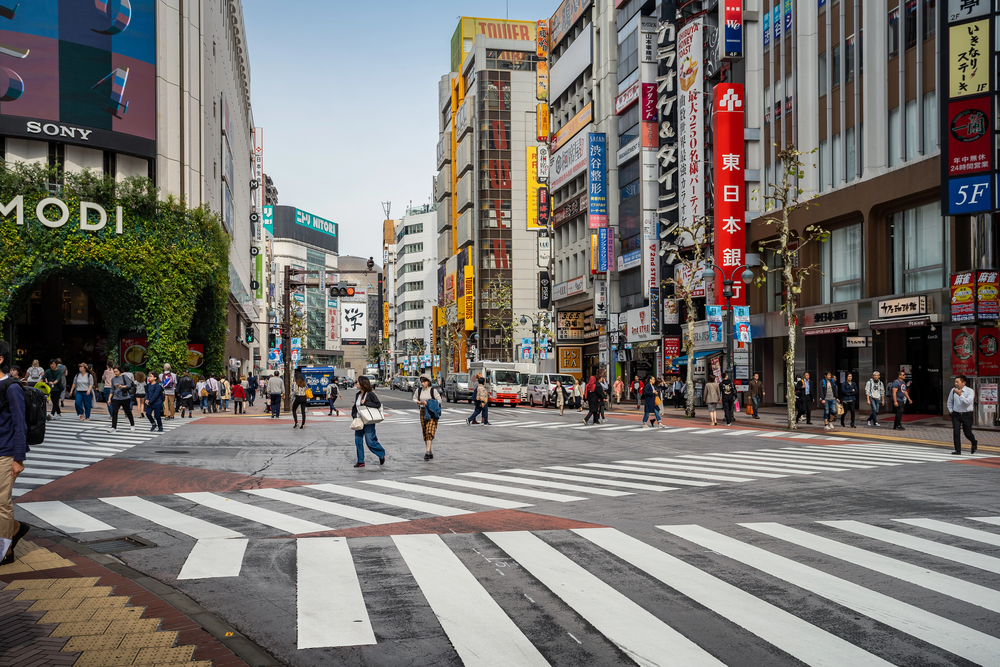
Tokyo (5), Kyoto (4), Osaka (2), Nara (1), Hiroshima (2), Tokyo (1). This standard circuit gets criticized as predictable, yet it works because these cities genuinely represent different facets of Japan.
The extra day in Tokyo compared to typical itineraries prevents rushing through a massive metropolis that deserves proper exploration.
Alpine Japan immersion
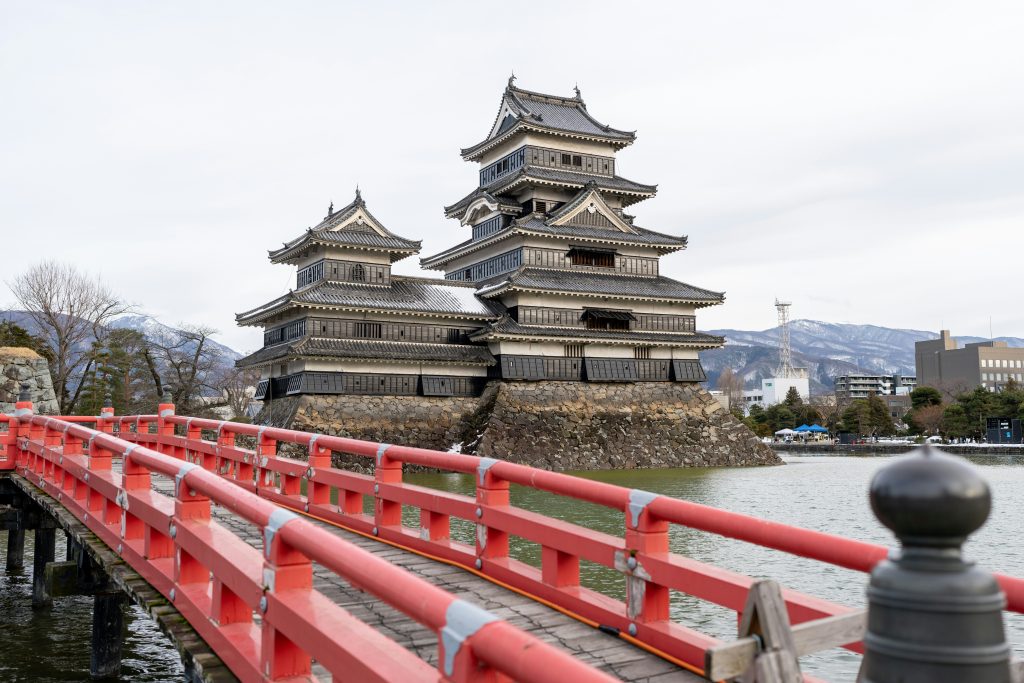
Base in Matsumoto (3), Takayama (3), Shirakawa-go (2), Nagano (3), Hakone (2), with Tokyo on both ends (2). This routing emphasizes mountain culture and hot spring traditions.
You’ll encounter wooden architecture, local craft traditions, and snow monkeys instead of neon and skyscrapers—a completely different Japan than most visitors experience.
Subtropical detour
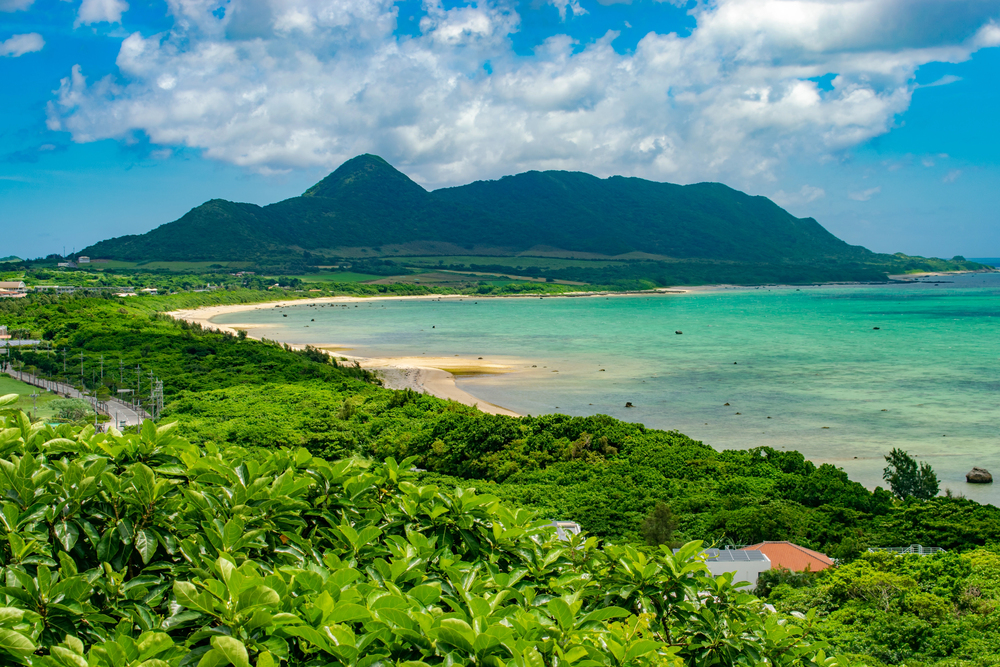
Start in Tokyo (3), move to Kyoto (3), fly to Ishigaki Island (4), then Osaka (2) and back to Tokyo (3). The Yaeyama Islands near Taiwan feel almost Southeast Asian—coral reefs, jungle, water buffalo.
The cultural and climatic contrast with mainland Japan is dramatic, showing the country’s geographical range.
Museums and galleries focus
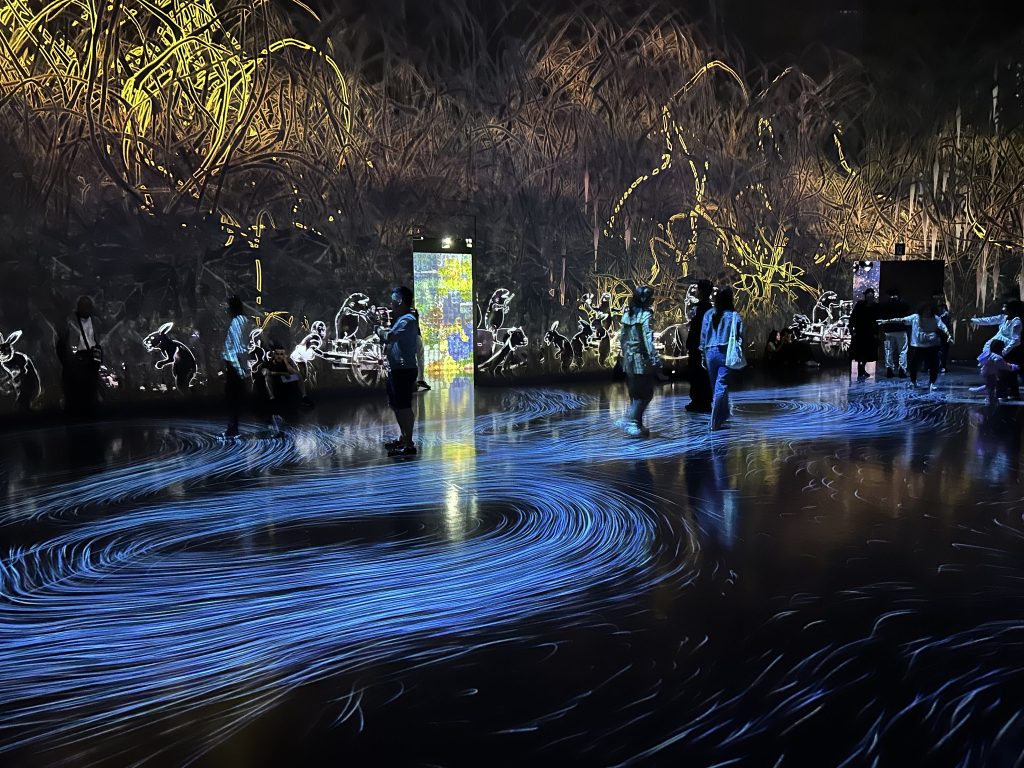
Tokyo (5) hitting teamLab, Mori Art Museum, and neighborhood galleries, Kanazawa (2) for 21st Century Museum, Naoshima (3) dedicating real time to the island’s art sites, Kyoto (3) mixing temples with contemporary art spaces, Tokyo (2).
This prioritizes Japan’s art infrastructure from traditional to experimental.
Regional cuisine deep dive
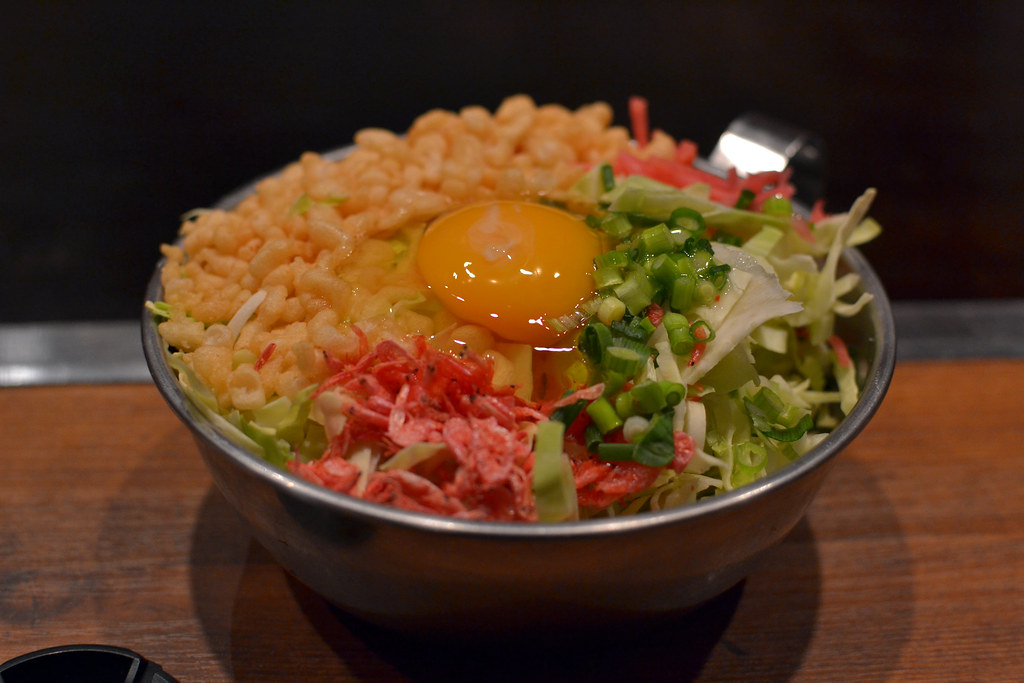
Tokyo (3) exploring different neighborhood food cultures, Osaka (4) for okonomiyaki and kushikatsu, Hiroshima (2) for the local okonomiyaki style, Fukuoka (2) for ramen and street food, Kyoto (2) for kaiseki, Tokyo (2). Structure each day around specific dishes and markets—this trip requires elastic waistbands.
Northern frontier
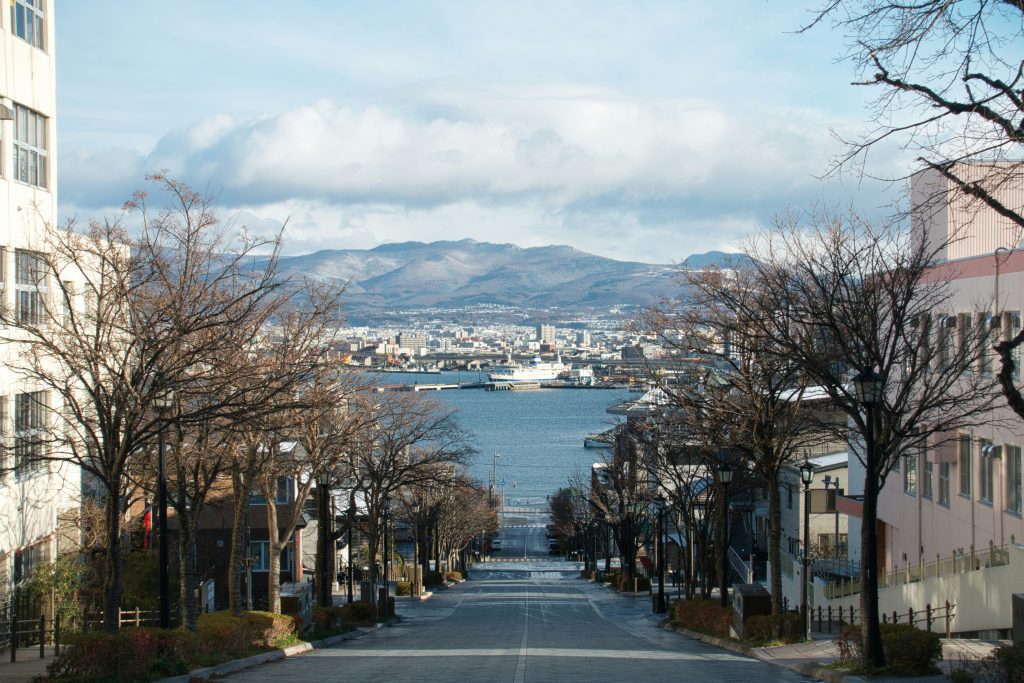
Tokyo (2), Nikko (1), Sendai (2), Hirosaki (2), Aomori (2), Hakodate (3), Sapporo (2), Tokyo (1). Hokkaido and Tohoku see fewer international tourists, which means more authentic interactions and less English signage.
The climate, architecture, and food all shift as you move north.
Spiritual sites circuit
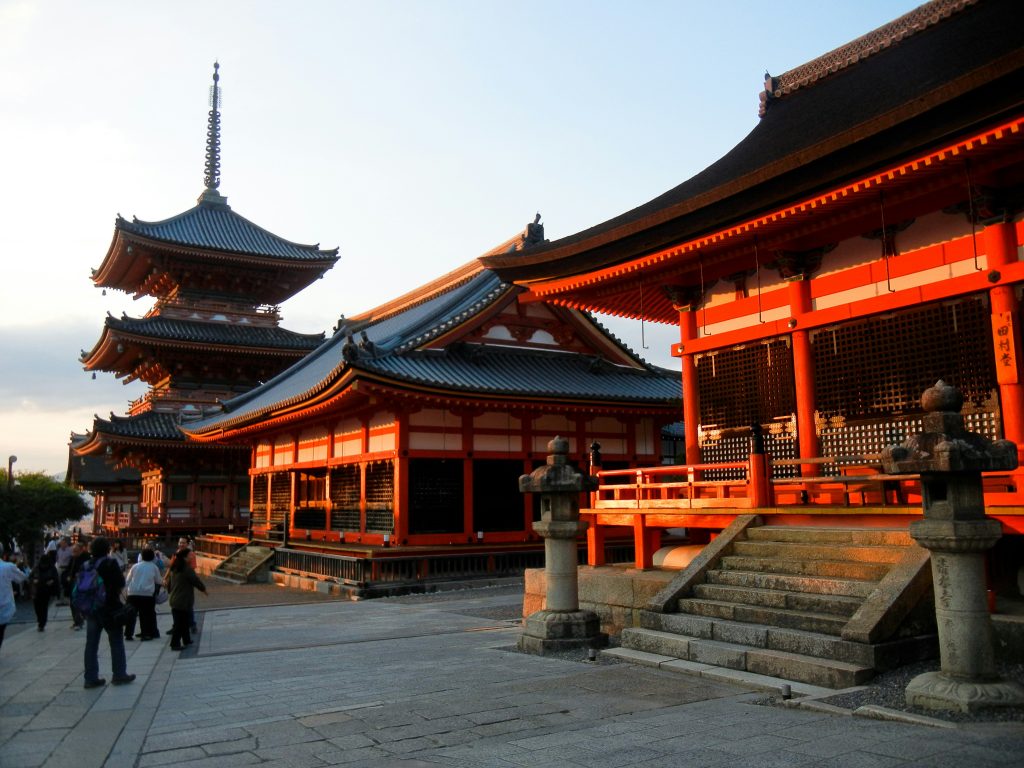
Kyoto (4) covering major temple complexes properly, Mount Koya (3) staying in temple accommodation, Ise (2) visiting Shinto’s holiest shrines, Nara (2), Kamakura (2), Tokyo (2). This route emphasizes religious architecture and staying in shukubo where you participate in morning Buddhist ceremonies.
Major cities exclusively
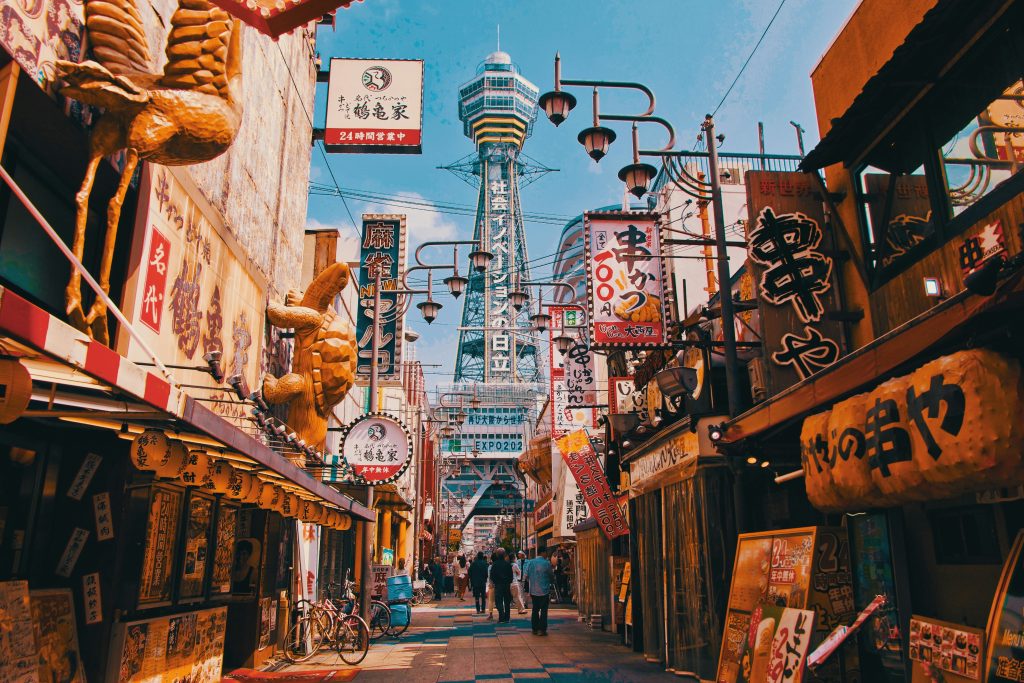
Tokyo (5) giving different wards dedicated attention, Osaka (3) for contrast, Kyoto (2), Kobe (2), Yokohama (2), Tokyo (1). This urban-only approach lets you understand how Japanese cities function daily rather than treating them as transit points between temples.
The depth beats breadth here.
Mountain hiking expedition
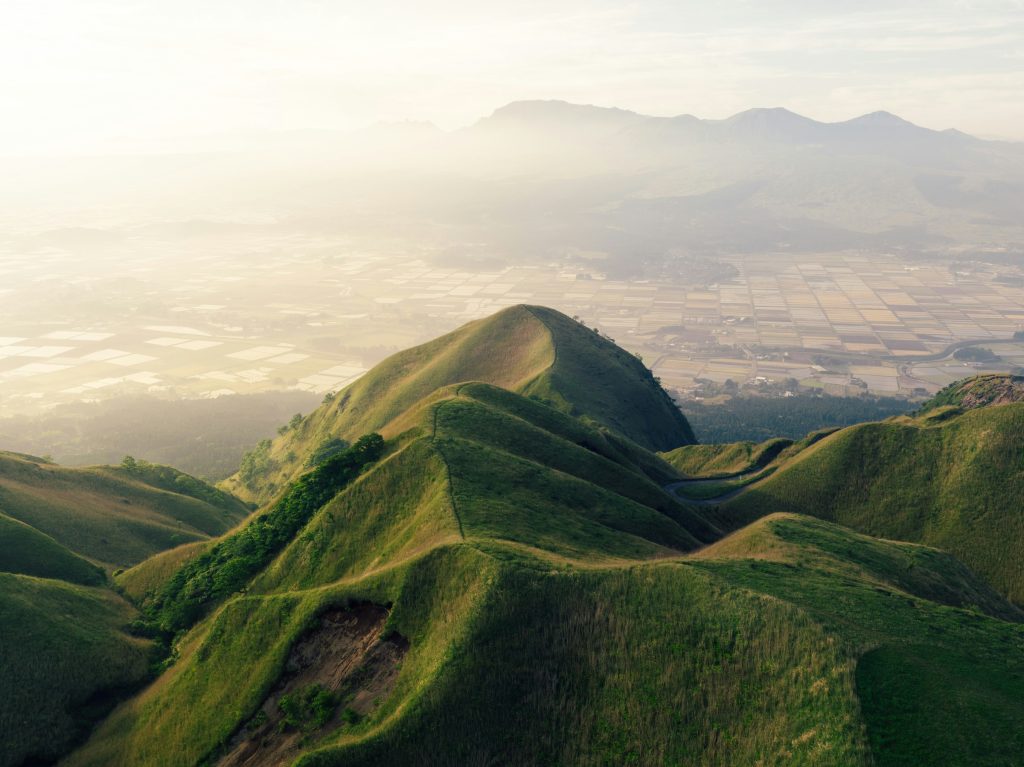
Tokyo (2), Kamikochi valley (3) for alpine trails, Tateyama Kurobe Alpine Route (2), Nikko (2) for waterfalls and forest trails, Hakone (2), Mount Fuji base area (2), Tokyo (2). Best during summer when high-altitude trails open. This targets hikers who want Japan’s natural landscapes as much as cultural sites.
History traced chronologically
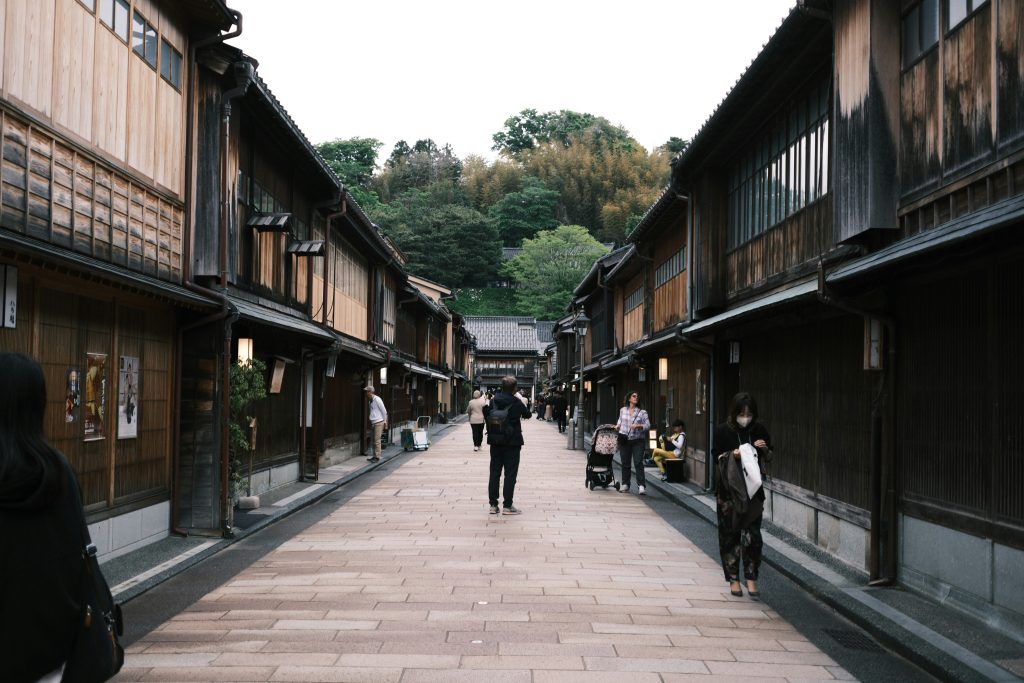
Kyoto (4) for imperial and samurai history, Kanazawa (2) for preserved Edo-period districts, Himeji (1) for castle architecture, Hiroshima (2) for 20th-century history, Nagasaki (2) for Christian and wartime history, Tokyo (2) seeing how history feeds into modernity, Kamakura (2) for feudal sites. This creates a historical narrative arc.
Pop culture pilgrimage
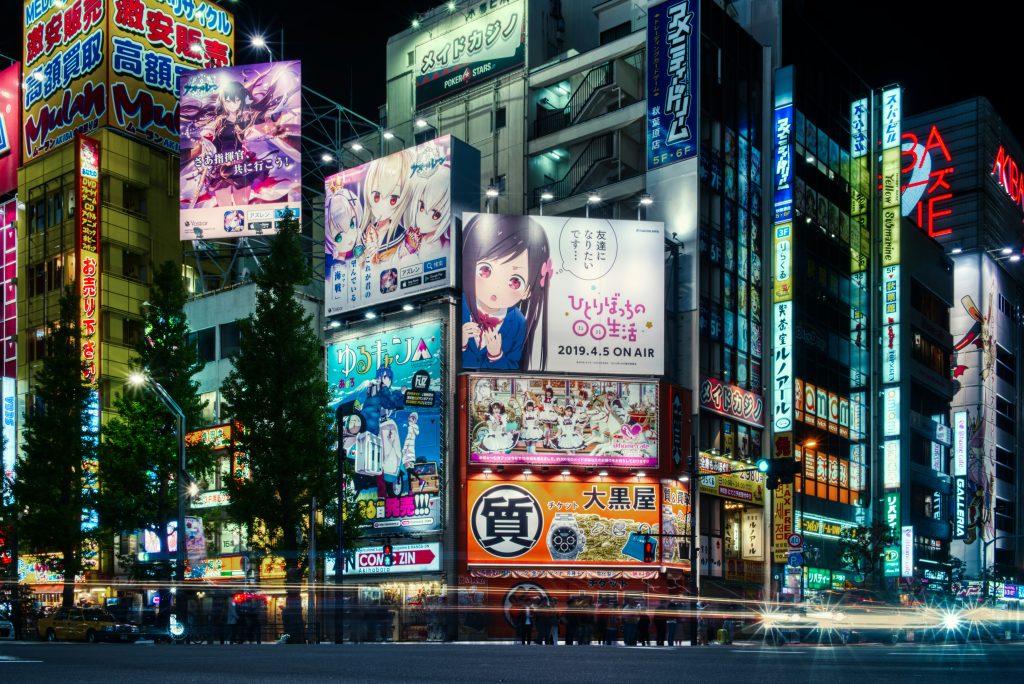
Tokyo (5) covering Akihabara, Nakano Broadway, anime studios, Osaka (3) including Den Den Town and Universal Studios Japan, Kyoto (2) for anime location spotting, Hakone (1) for Evangelion sites, Tokyo (4). This serves anime and manga fans wanting to visit real locations that inspired fictional settings.
Cherry blossom timing
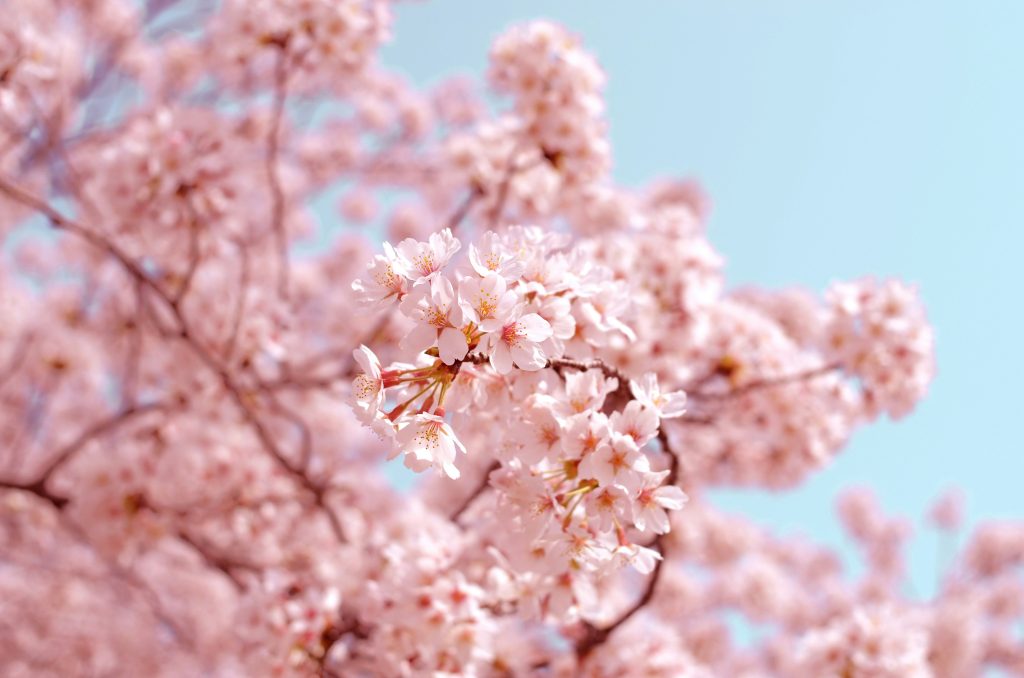
Travel late March through mid-April following the sakura zensen (blossom front). Fukuoka (2), Osaka (2), Kyoto (3), Tokyo (3), Kanazawa (2), Takayama (2), Kakunodate (1). Requires checking bloom forecasts and flexible adjustments, but experiencing hanami (flower viewing) culture justifies the logistical complexity.
Island and coastal
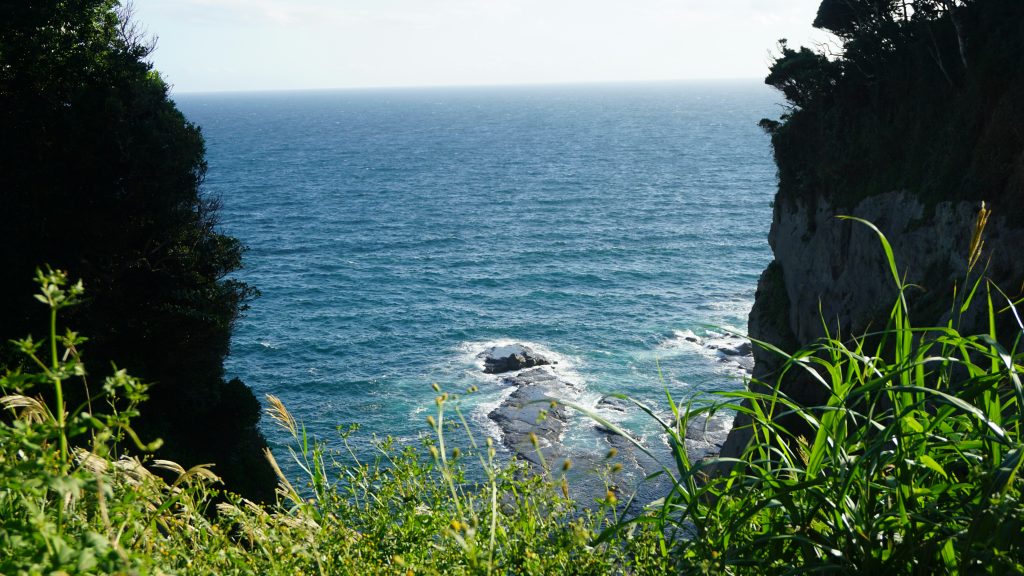
Tokyo (2), Enoshima (1), Izu Peninsula (2), ferry to Izu Oshima (2), Kyoto (2), Osaka (1), Naoshima and Teshima islands (3), Hiroshima with Miyajima (2). This emphasizes Japan’s relationship with surrounding water, incorporating beaches and ferry travel alongside cultural sites.
Craft and artisan traditions
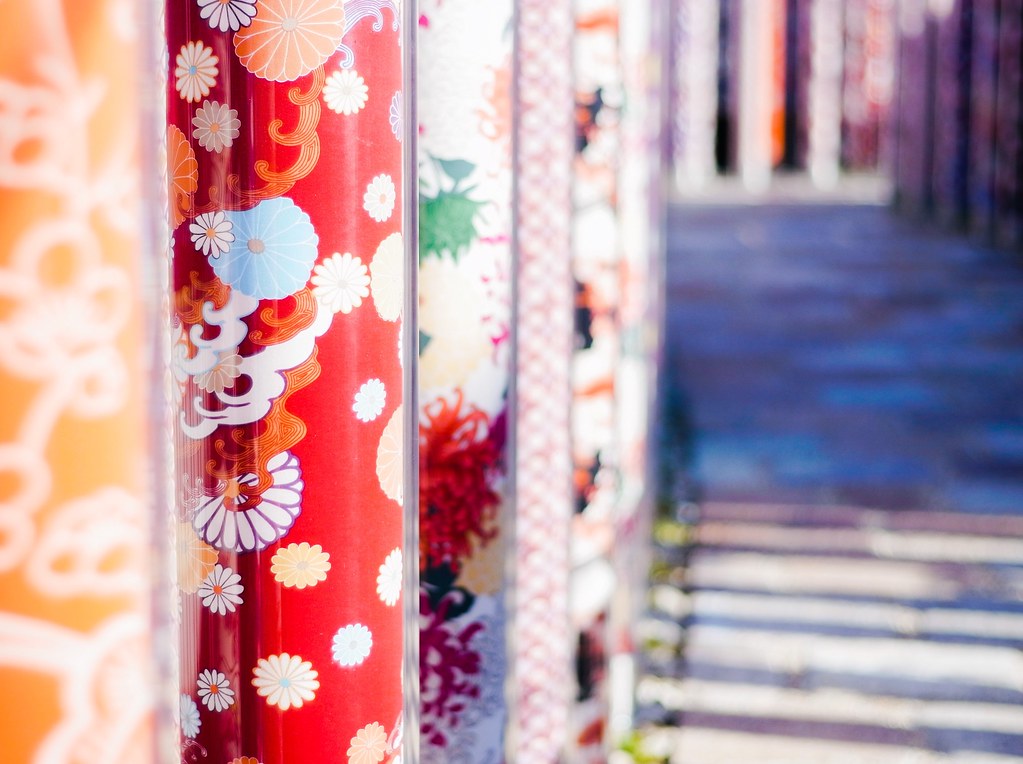
Kyoto (4) visiting textile workshops and pottery kilns, Kanazawa (3) for traditional crafts including gold leaf and lacquerware, Mashiko (2) for ceramic studios, Takayama (2) for woodcraft, Tokyo (4) seeing how traditional crafts continue in urban contexts. Many workshops offer hands-on experiences where you create your own pieces.
Balanced with downtime built in
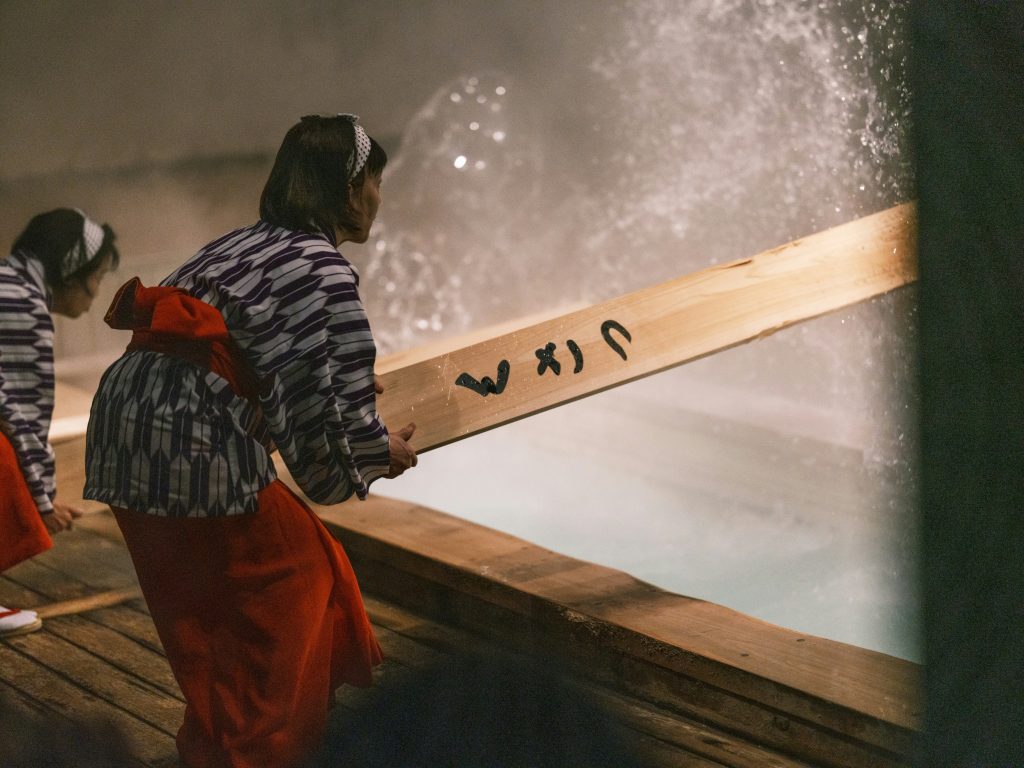
Tokyo (3), Kyoto (3), Kanazawa (2), Hakone or Kinosaki Onsen (4) for deliberate rest, Osaka (2), Tokyo (1). The mid-trip onsen break prevents cultural and sensory overload.
Four days of hot springs, minimal sightseeing, and relaxation recharge you for the final push.
Making the most of two weeks
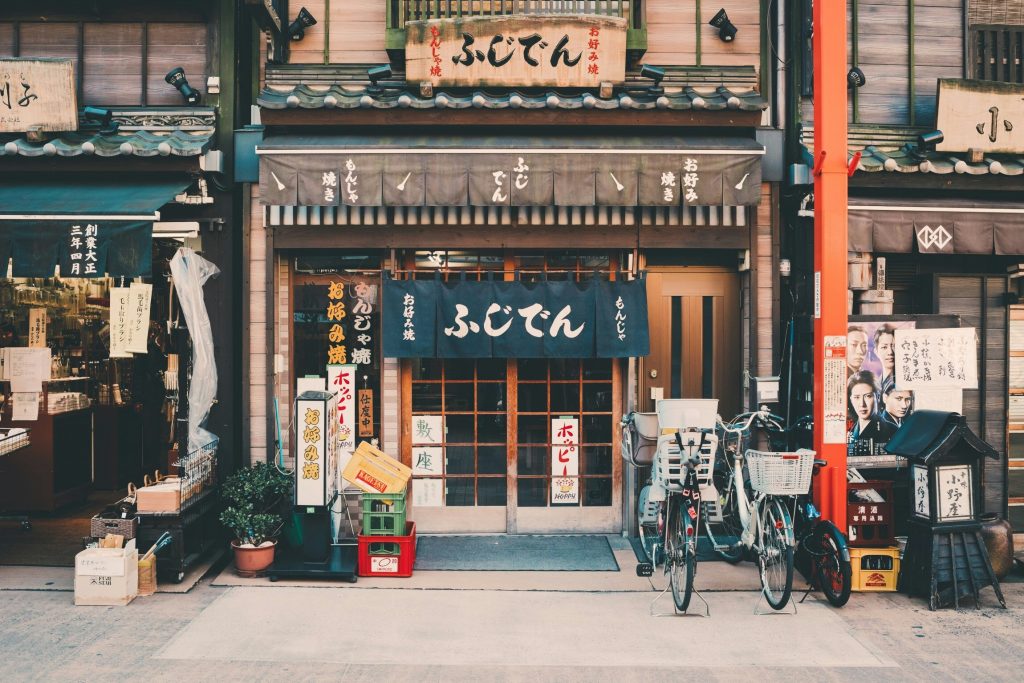
Fifteen days forces prioritization—Japan has enough destinations to fill months. Successful trips typically combine major cities with smaller places, balance intensive sightseeing with recovery time, and mix famous sites with random discoveries.
The Japan Rail Pass simplifies transportation, though spotty English outside tourist zones creates challenges that actually enhance the experience. These 15 approaches work as frameworks rather than strict schedules, giving you structure while leaving room for the unexpected encounters that often become trip highlights.
More from Travel Pug

- Underrated Italian Towns That Beat the Tourist Crowds
- Las Vegas Tourist Traps to Skip
- Prettiest Towns in Every US State
- 18 passport-free countries for Americans
- Signs Your Cruise Is Not Worth The Cost
Like Travel Pug’s content? Follow us on MSN.