

Over 700 people have died in Grand Canyon National Park, with an average of 12 deaths per year. The canyon’s beauty masks a harsh reality — this isn’t just another national park trail where you can wing it and hope for the best. Everyone who hikes in the canyon for the first time reports that it was more difficult than they expected.
Here are 16 essential tips that could mean the difference between an unforgettable adventure and a dangerous mistake.
Know your physical limits
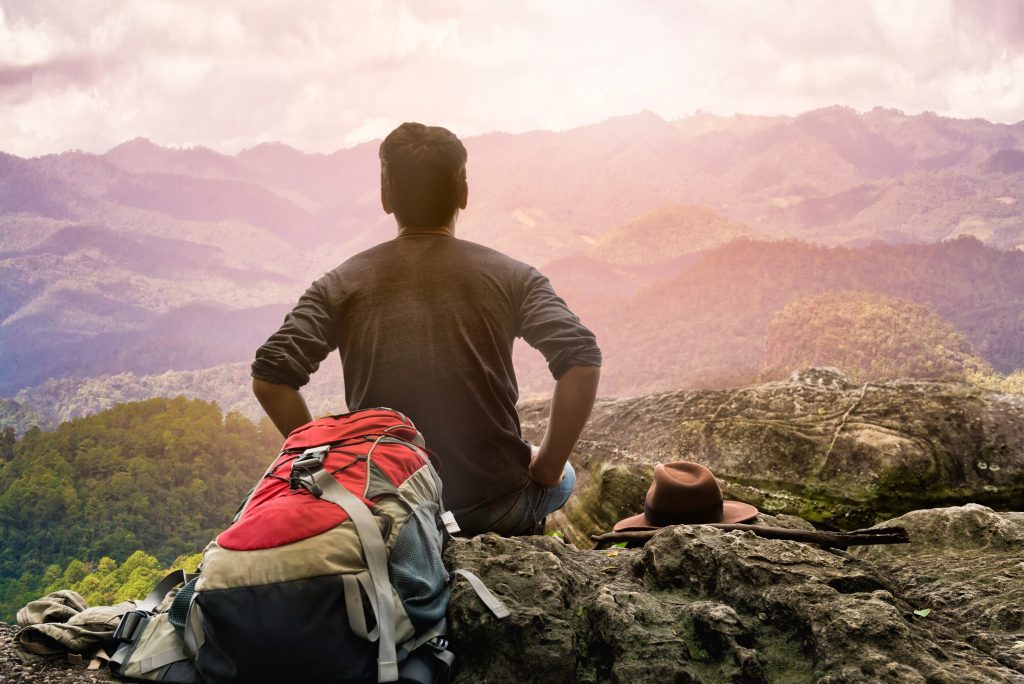
If you have asthma, diabetes, a heart condition, knee or back problems, or any other health or medical issue, limit both your exertion and your exposure to the heat. The canyon doesn’t care about your ego.
You will be hiking at high elevation in hot, dry desert conditions with a steep climb out at the end of the day. Be brutally honest about your fitness level. That weekend warrior mentality? Leave it at home.
Start your hike before dawn
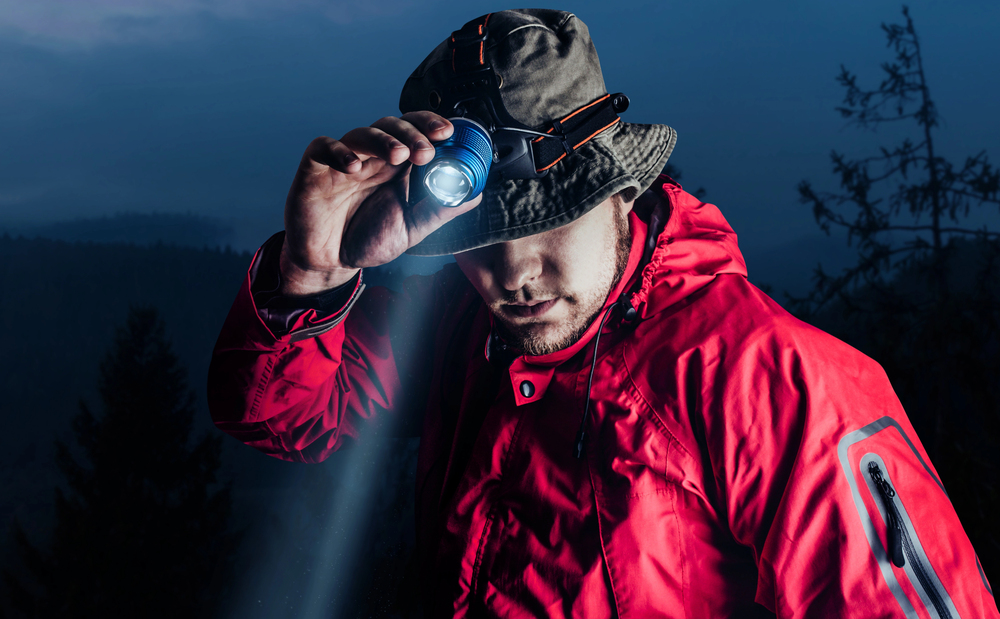
Begin your hike in the early morning when temperatures are cooler, and try to avoid hiking during the peak heat of the day (10 a.m. to 4 p.m.). The sunrise over the canyon is worth the early alarm anyway.
Summer temperatures can hit 120°F in the inner canyon. Not exactly ideal hiking weather.
Carry more water than you think you need
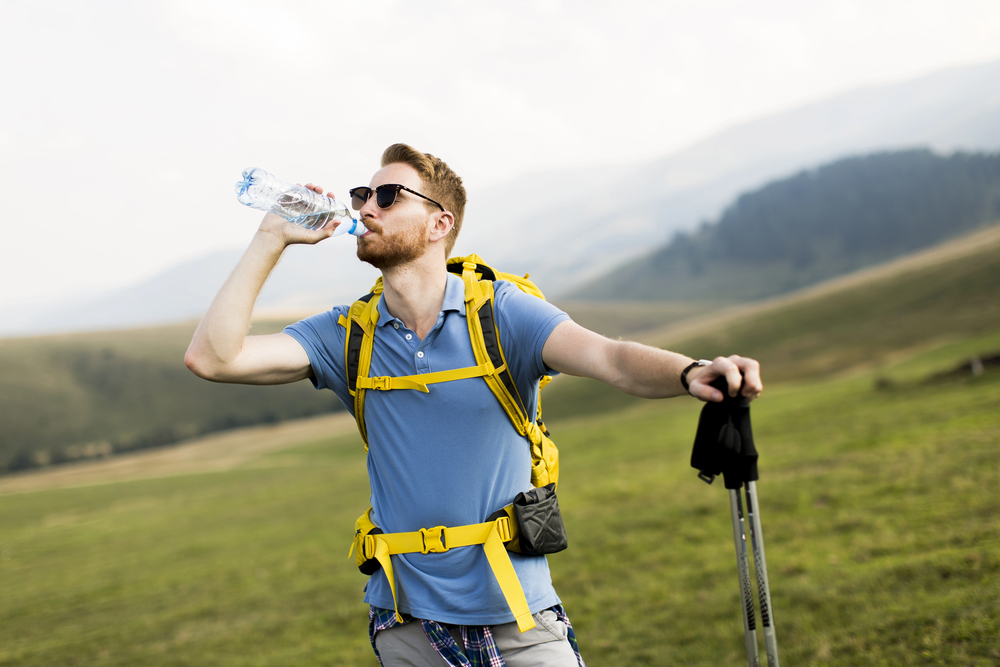
The National Park Service recommends drinking about half a liter of water per hour during your hike. But here’s the thing — most people underestimate how much they’ll actually need.
If water is not available, you will have to carry in all the water you need (and possibly more than you expect—at least 1 gallon of water per day). And that’s just for drinking. Your body loses moisture through breathing in the dry desert air faster than you’d imagine.
Research water sources along your route
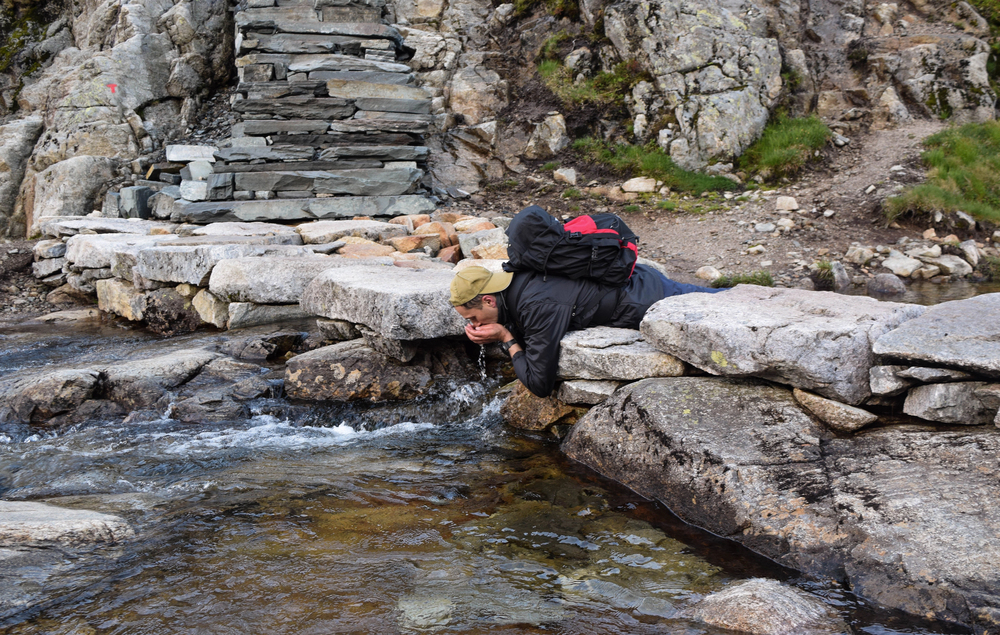
Not all water stations operate year-round. Pay attention to NPS water advisories and signage when at the park. Nothing ruins a hike faster than arriving at an empty water station with empty bottles.
Check the park’s website before heading out. Water availability can change seasonally or due to maintenance issues.
Plan your route with obsessive detail
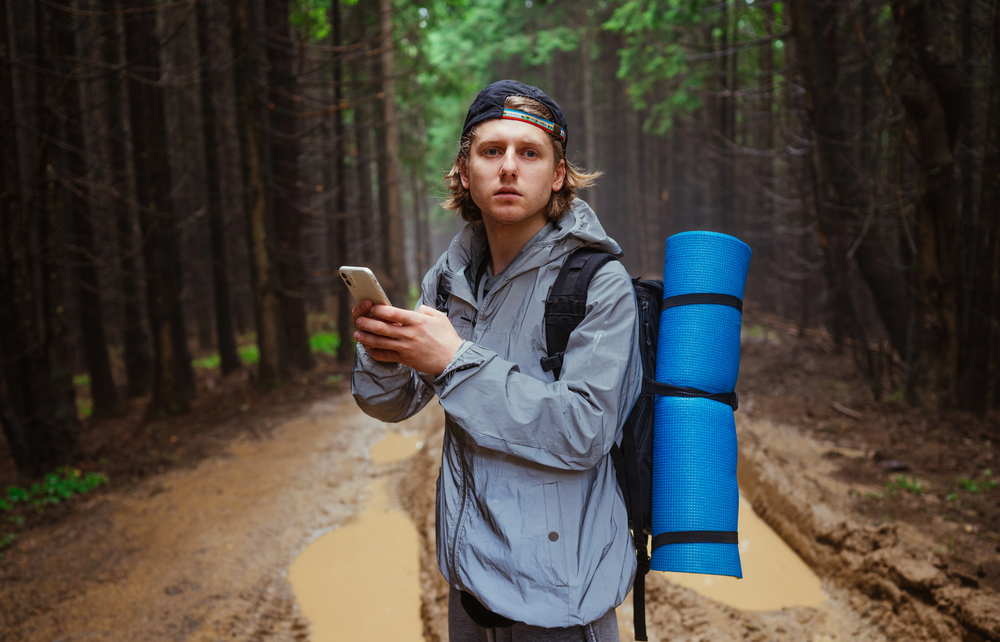
Don’t hike alone. Know what your destination will be and how to get there. Know where water is available. This isn’t the time for spontaneous exploration.
Trails in the Grand Canyon vary significantly in difficulty, elevation, and remoteness. Study elevation profiles, distance markers, and escape routes. The canyon has swallowed up plenty of unprepared hikers who thought they could figure it out as they went.
Master the uphill math
— Photo by FotoLesnik
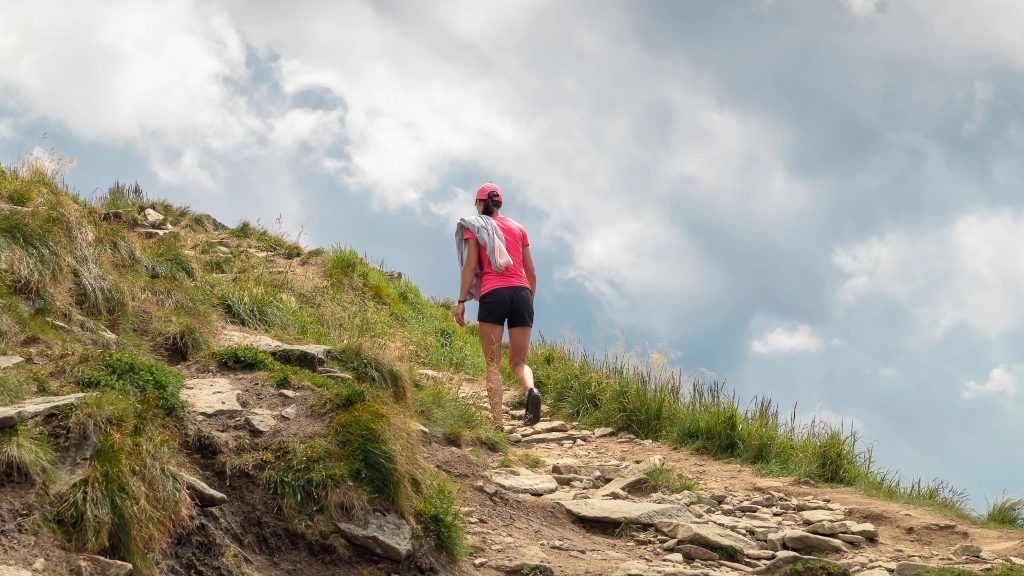
Plan on taking twice as long to hike up as it took to hike down. Allow 1/3 of your time to descend and 2/3 of your time to ascend. Going down is deceptively easy. Coming back up will humble you.
That gentle descent you enjoyed for three hours? Expect it to take six hours on the return. Plan accordingly or risk hiking in darkness with a dead flashlight.
Pack a comprehensive first aid kit
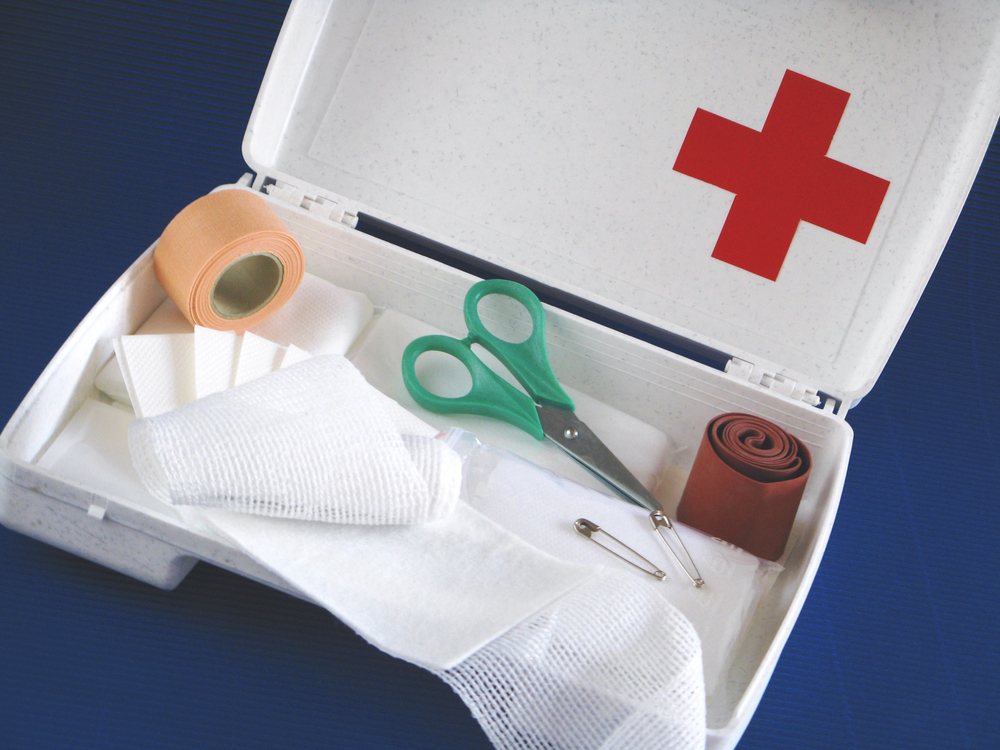
Carry a basic first aid kit with bandages, antiseptic wipes, pain relievers, and any personal medications. Cell service is spotty at best in the canyon.
Include blister treatment supplies — they’re practically guaranteed on long canyon hikes. Heat relief supplies and electrolyte packets could save your life. Or someone else’s.
Check weather conditions religiously
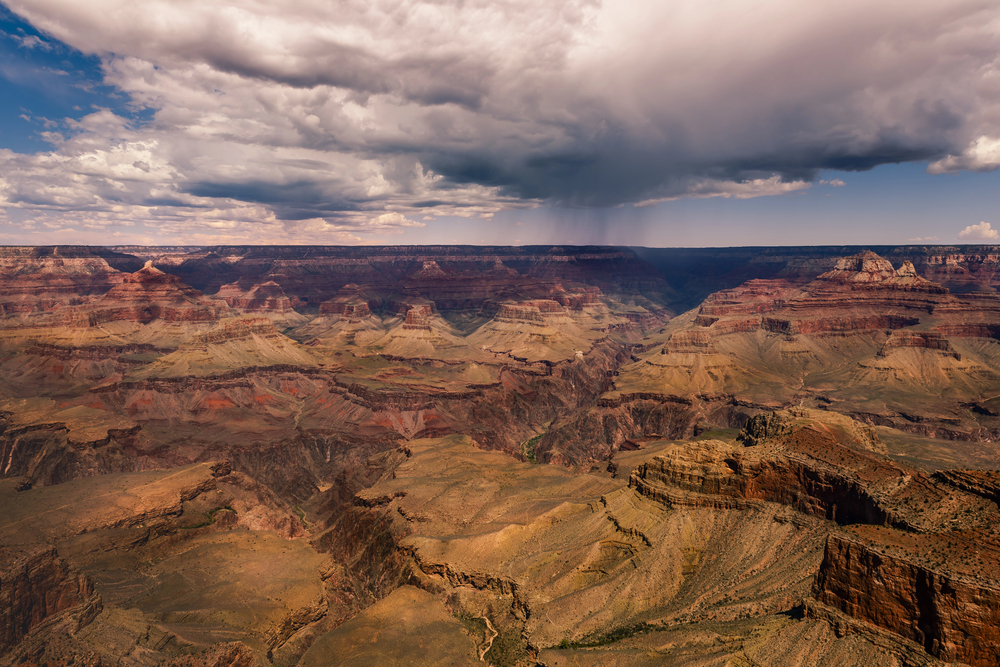
The Grand Canyon has unique weather patterns. Be aware of temperature inversions, especially in cooler months. The temperature at the bottom of the canyon can be significantly warmer than at the rim.
Flash floods can occur with little warning. Because desert soil absorbs water poorly, flash floods can develop quickly inside the canyon along the Colorado River. Check forecasts for the entire region, not just the rim.
Dress in removable layers
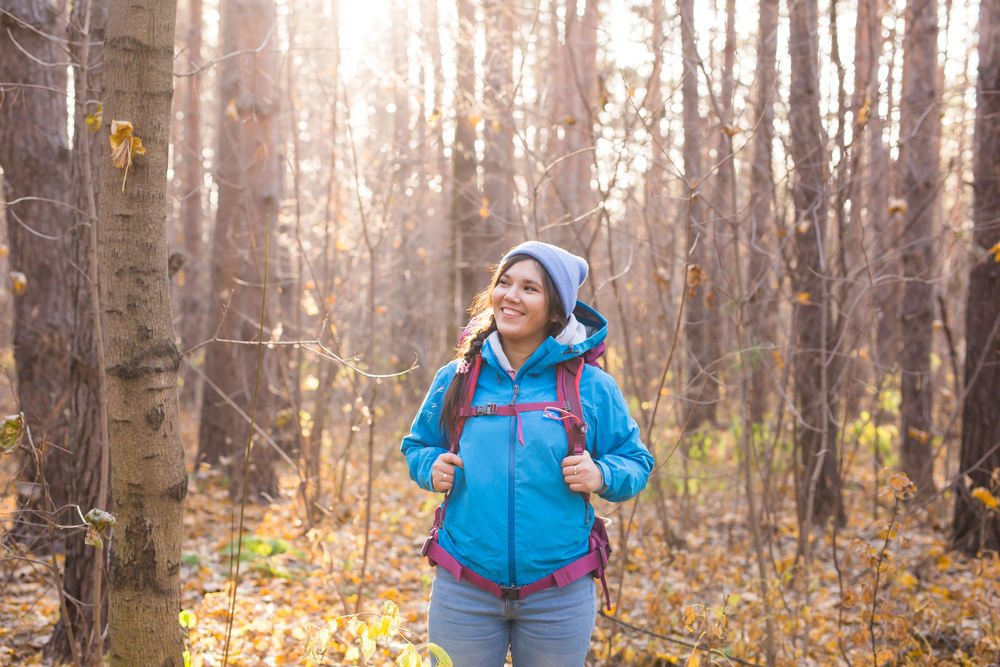
You might start your hike in freezing temperatures at the rim and end up in 90°F heat at the bottom. Even in March, temperature swings can be extreme.
Cotton kills in the desert. Synthetic fabrics or merino wool will wick moisture and dry quickly. Your t-shirt collection can stay at home.
Eat like your life depends on it
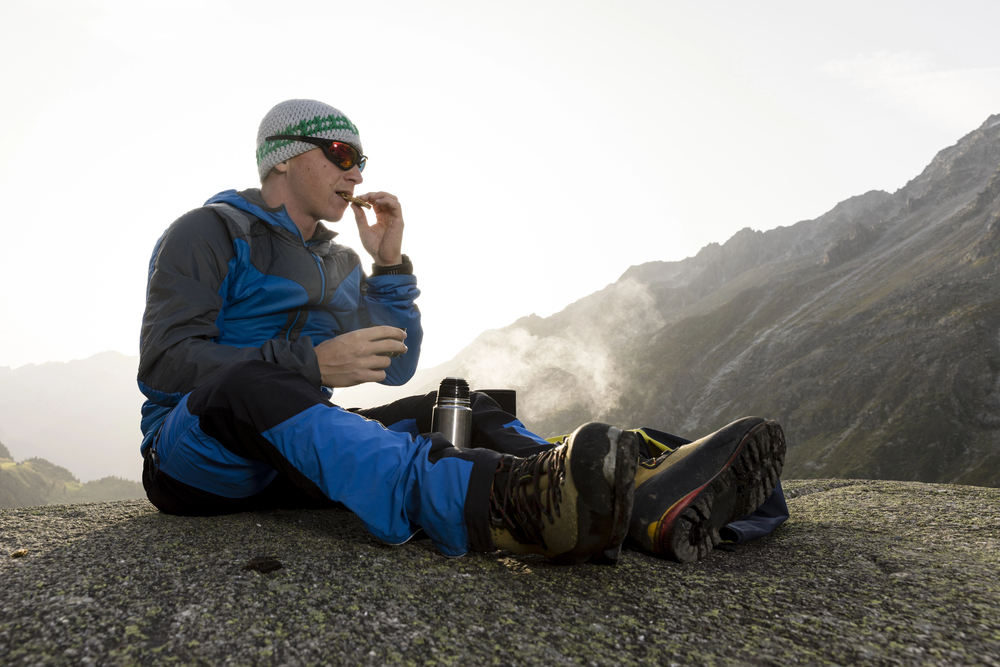
You need to eat about twice as much as you normally would to meet your energy needs while hiking in the Grand Canyon. This isn’t the time to diet.
Every hour hiking in the canyon can be likened to the physiological equivalent of shoveling wet sand. Pack calorie-dense foods and salty snacks. Your body is working overtime to keep you cool and moving.
Secure permits well in advance
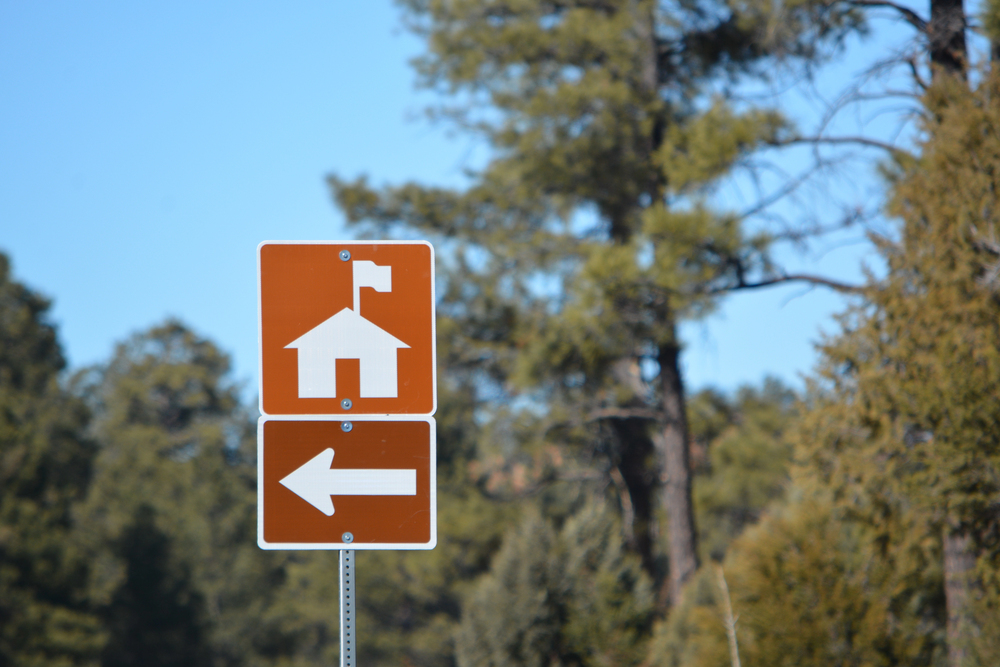
Overnight camping requires backcountry permits that book up months ahead. Many lodging options can be reserved 6–13 months in advance. Popular spots like Phantom Ranch? Good luck getting a reservation without serious planning.
Day hiking doesn’t require permits, but accommodations fill fast. Book early or risk paying premium prices for mediocre lodging.
Understand mule etiquette
— Photo by fblanco7305
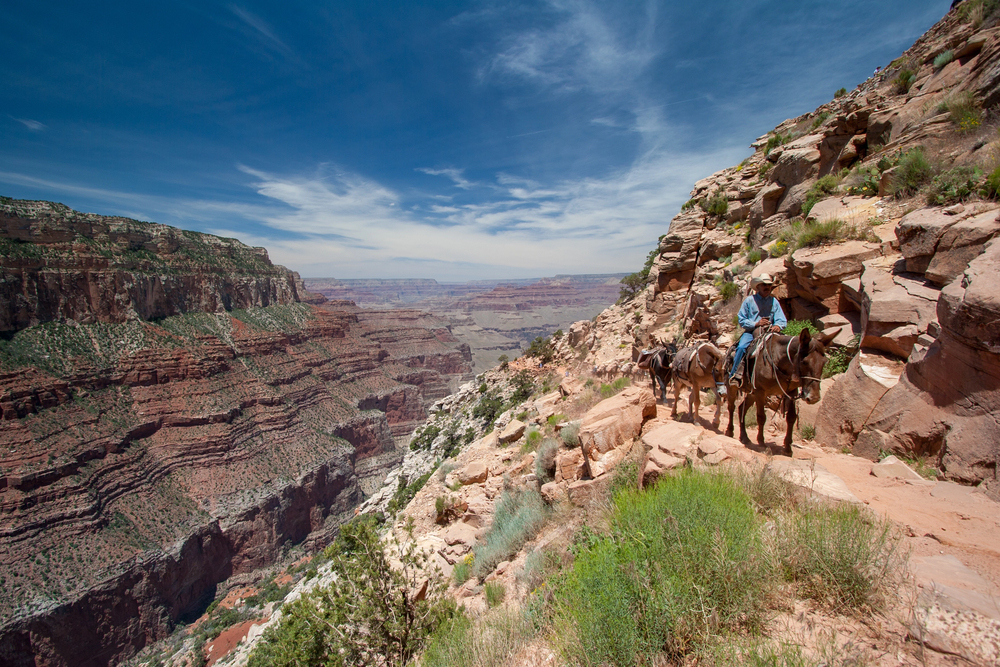
Step off the trail on the uphill side away from the edge. Follow the direction of the wrangler. Remain completely quiet and stand perfectly still. Do not return to the trail until the last mule is 50 feet (15 meters) past your position.
Mules are surprisingly large up close. And they have zero patience for hikers who don’t follow protocol.
Pack ultralight essentials only
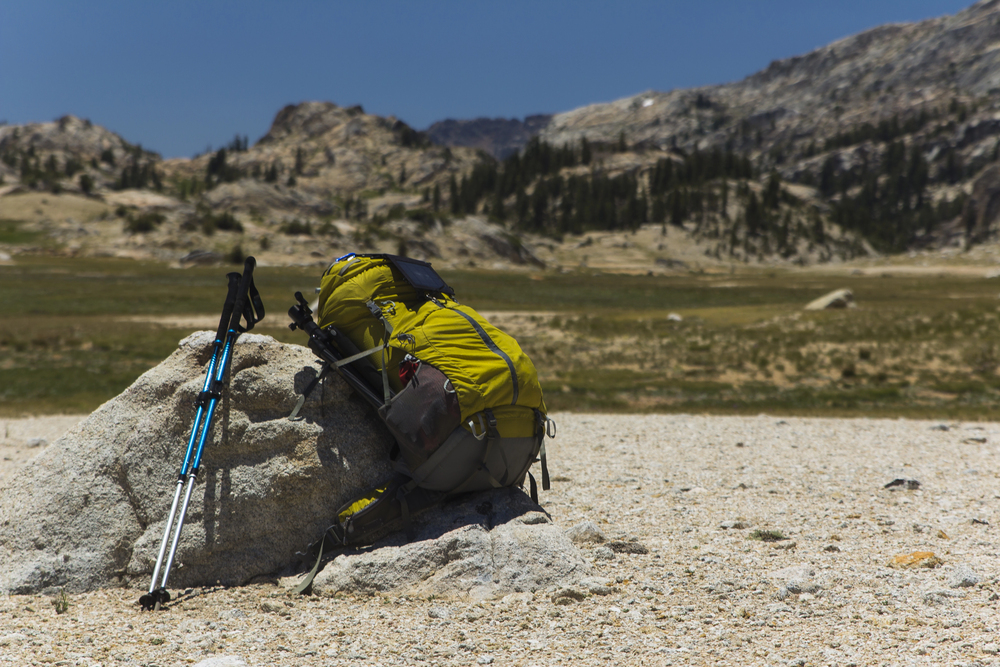
The heaviest items in your pack should be food and water. Every extra ounce will feel like five pounds by the time you’re climbing out.
Essential gear includes:
- Map and compass
- Small flashlight with extra batteries
- First aid supplies
- Sun protection (hat, sunglasses, SPF 30+ sunscreen)
- Emergency signaling device
Leave the camp chair and extra clothes in the car.
Learn to recognize heat exhaustion symptoms
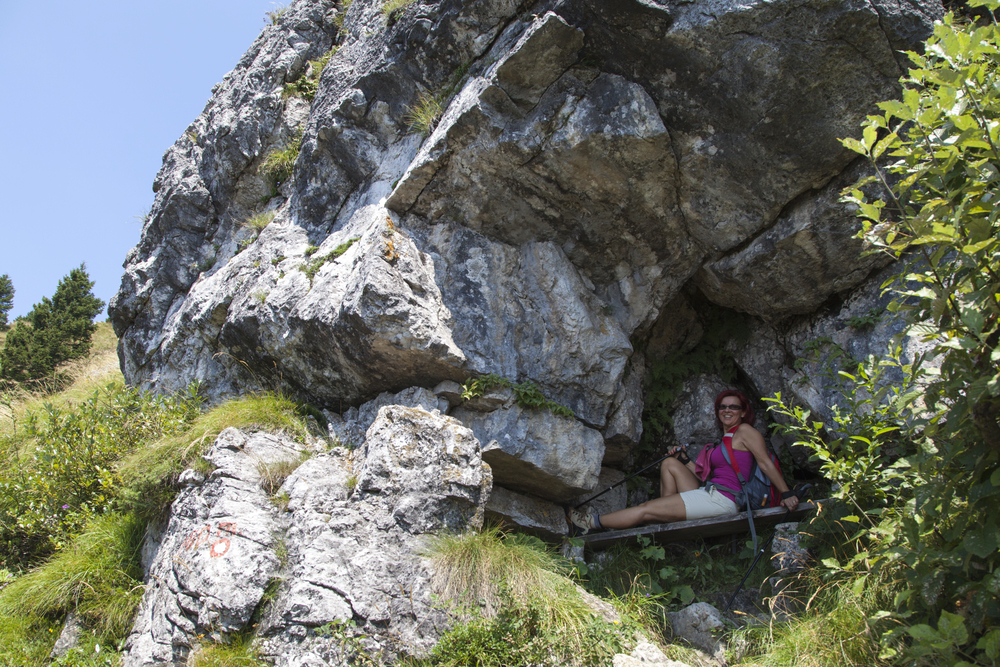
Rangers respond to heat-exhausted hikers every day during the summer. Symptoms include dizziness, nausea, headache, and confusion.
Relative humidity often falls below 10% during the day, making dehydration happen faster than you’d expect. If you or a hiking partner shows signs of heat illness, find shade immediately and begin cooling measures.
Maintain a conversational pace
— Photo by mpalis
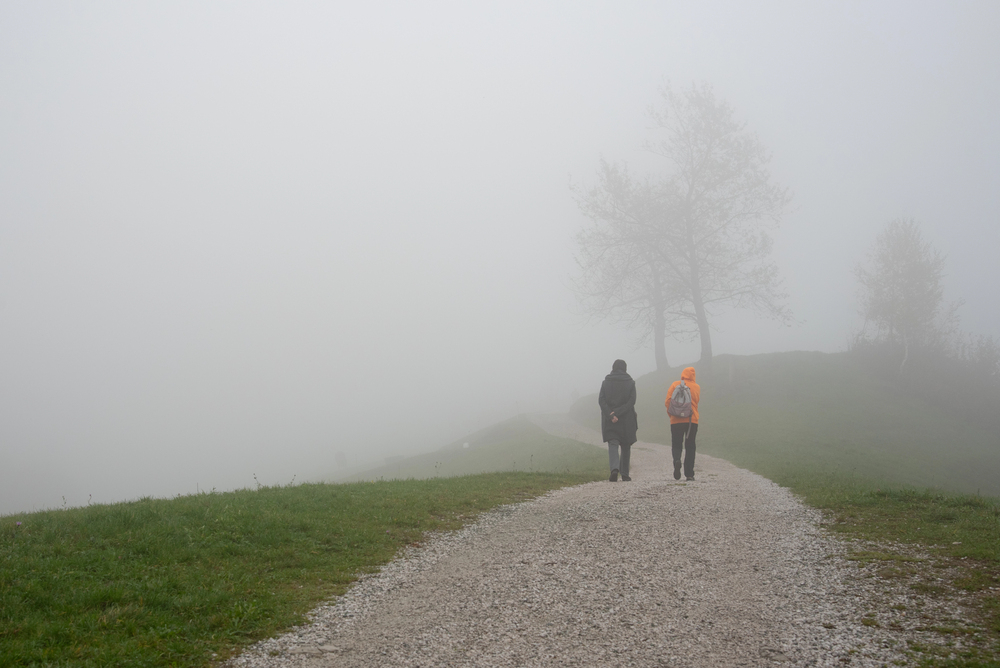
If you can talk while you are walking, you are walking the perfect speed. Huffing and puffing means your body isn’t getting enough oxygen.
At an aerobic pace (sometimes even baby-sized steps when the trail is steep), your energy reserves will last longer. Pride goes before a fall — or in this case, before heat stroke.
Take mandatory rest breaks
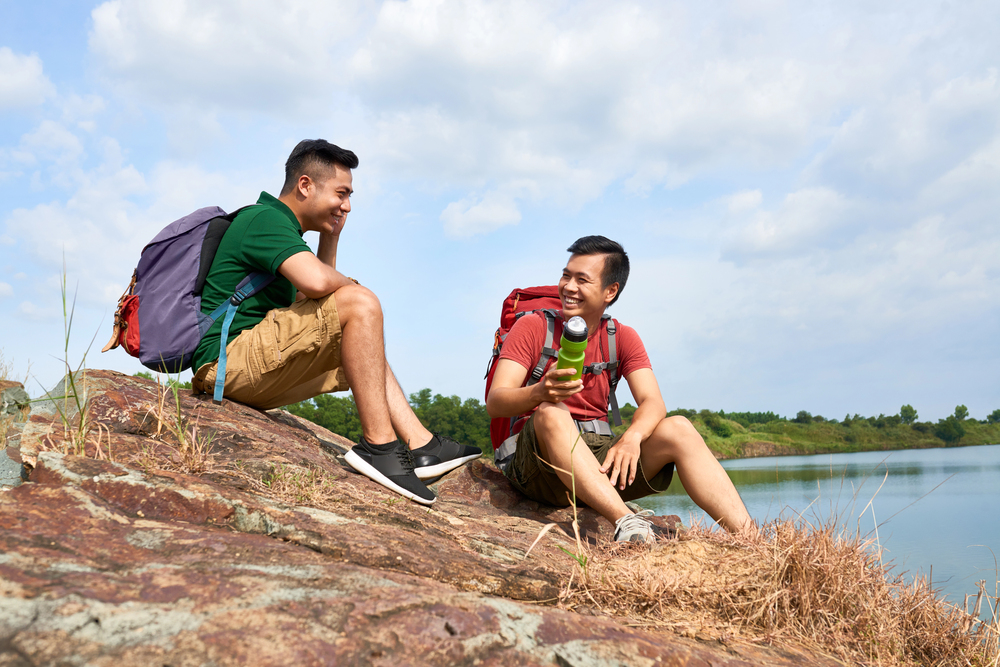
Take a ten-minute break at least once every hour. Sit down and prop your legs up. These aren’t suggestions — they’re survival strategies.
A break of ten minutes helps remove the metabolic waste products that build up in your legs while hiking. Use break time to assess your energy levels, check your water supply, and honestly evaluate whether continuing down is smart.
The canyon always wins
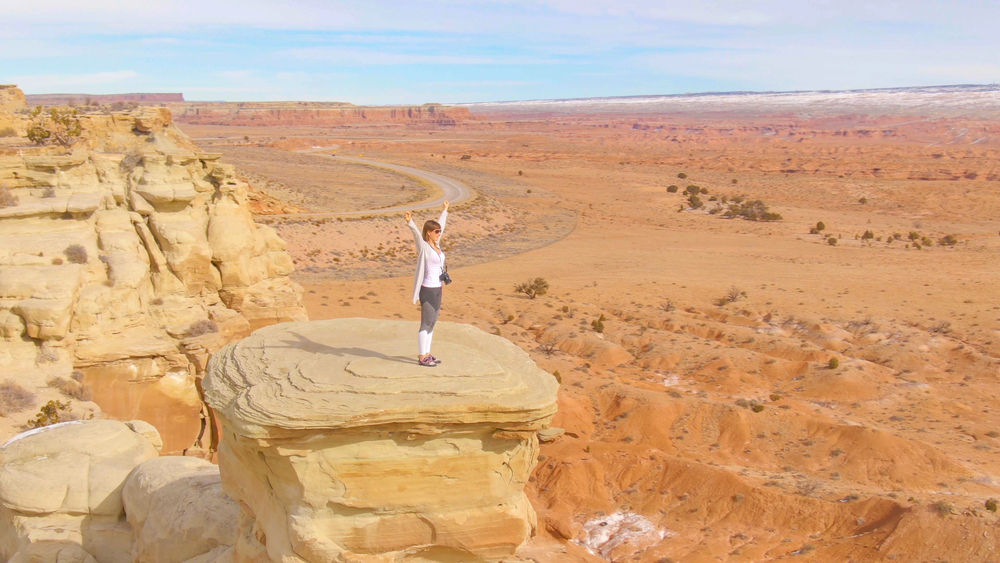
The Grand Canyon demands respect, preparation, and humility. The difference between a great hike or a trip to the hospital is up to you. Those who treat it casually often become cautionary tales.
Come prepared, stay alert, and remember — the canyon will still be there tomorrow if you need to turn back today.
More from Travel Pug

- Underrated Italian Towns That Beat the Tourist Crowds
- Las Vegas Tourist Traps to Skip
- Prettiest Towns in Every US State
- 18 passport-free countries for Americans
- Signs Your Cruise Is Not Worth The Cost
Like Travel Pug’s content? Follow us on MSN.