

Greece boasts some 200 inhabited islands scattered across the Aegean and Ionian seas, creating a maritime playground that has captivated travelers for millennia. From the three major ports around Athens—Piraeus, Rafina, and Lavrio—ferries connect the mainland to dozens of island destinations, each route offering its own blend of ancient history, stunning beaches, and authentic Greek culture. Here’s a comprehensive list of the most rewarding island-hopping routes that will take you from bustling cosmopolitan hubs to hidden gems where time seems to stand still.
Athens to Mykonos via Santorini
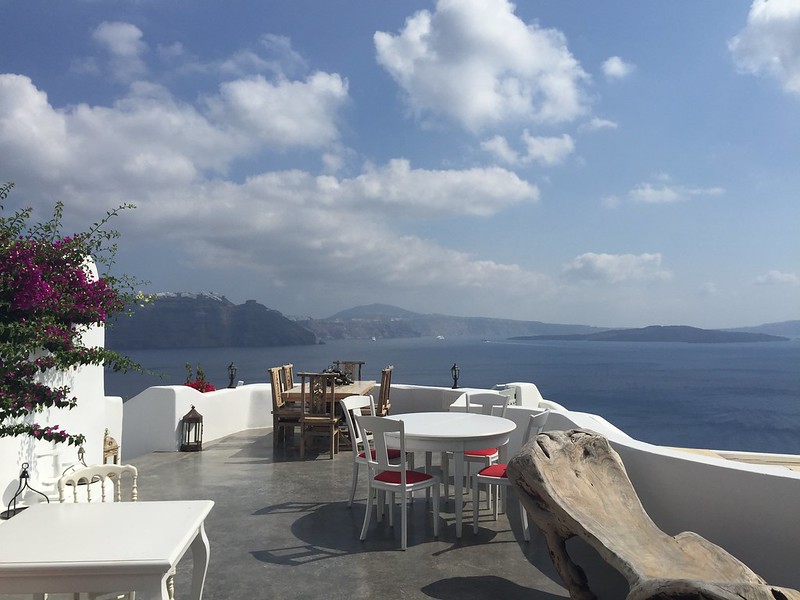
This classic Cyclades route connects Athens to Mykonos through the ports of Piraeus and Rafina, with Rafina offering more ferry crossings and shorter durations. The journey typically takes 2.5 to 5 hours, depending on your vessel choice.
Ferry prices hover between €40 to €90, with speed boats commanding premium rates but cutting travel time significantly. From Mykonos, continue to Santorini for the legendary sunsets. Ferry tickets between these islands can reach up to €89, but the afternoon departure lets you experience Mykonos nightlife before arriving in Santorini at sunset.
Western Cyclades explorer
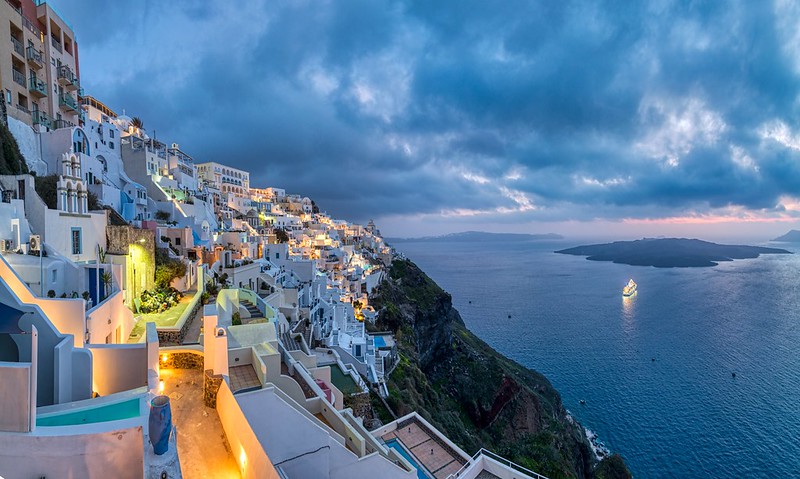
The western route from Piraeus connects to Serifos, Sifnos, Milos, Folegandros and Santorini. This path attracts travelers seeking authenticity over Instagram fame.
Serifos offers excellent beaches and a beautiful main village. Sifnos draws food lovers with its exceptional tavernas. And Milos? The unique Sarakiniko Beach and stunning boat trips to Kleftiko make it unforgettable. The route culminates in Folegandros, a dramatic clifftop island that feels worlds away from crowded hotspots.
Classic Dodecanese triangle
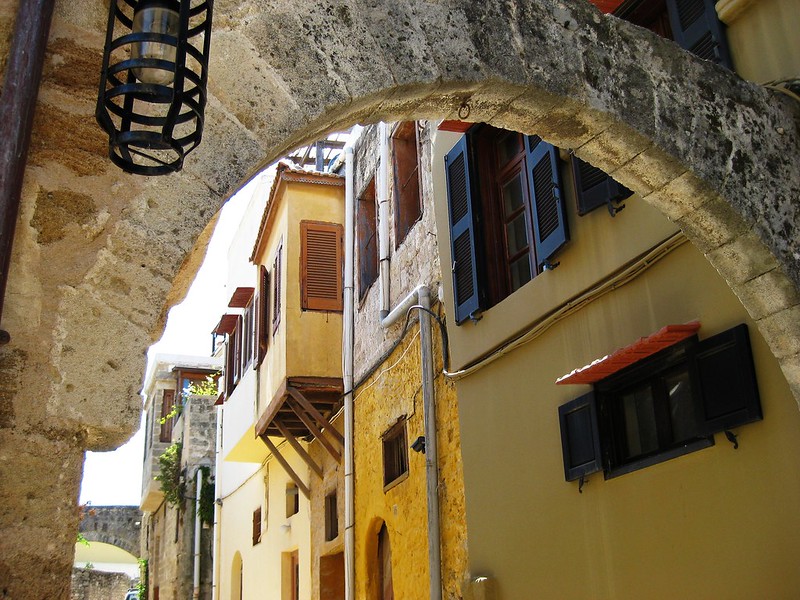
Starting from Rhodes, this route covers the string of islands along the Turkish coast, connecting Rhodes, Kos, and Patmos with convenient ferry links. The Rhodes to Kos route operates 2 to 4 times daily, taking between 2.5 to 7 hours with ticket prices ranging from €23 to €39.
Rhodes features one of the most fascinating Medieval towns in Greece, complete with its own annual Medieval Festival. The cobblestone streets and Palace of the Grand Master create an atmospheric backdrop. From there, Kos provides excellent beaches and ancient ruins, while Patmos offers spiritual significance as the island where Saint John wrote the Book of Revelation.
Ionian Sea escape
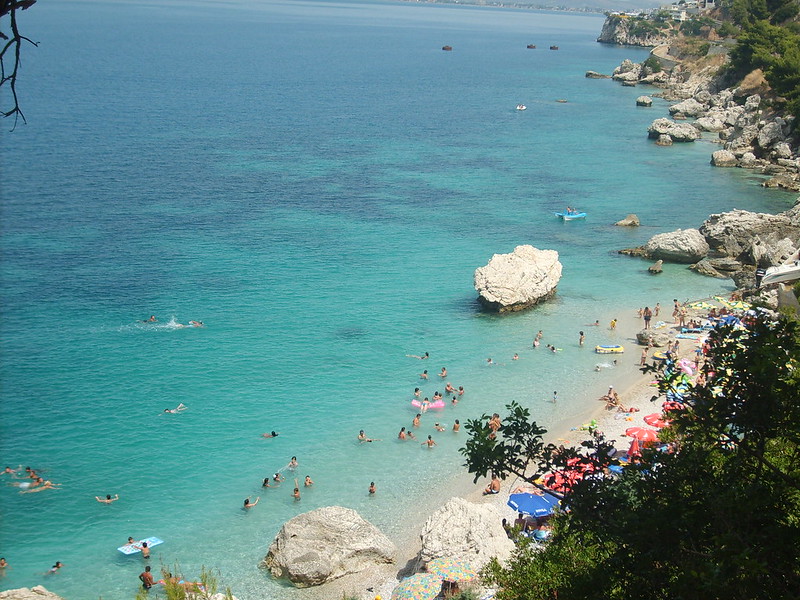
The Corfu-Paxos-Lefkada route showcases the lush greenery and Venetian influences that characterize the western islands. Starting from Igoumenitsa on the mainland, ferries to Corfu operate over 20 times daily in high season, taking around 1.5 hours for just €6.
Swimming in these crystalline Ionian waters feels like swimming in a turquoise pool. The coastline hides secret coves and water caves. Your itinerary should cover at least two major islands plus the twin isles of Paxos and Antipaxos, where pink sand beaches meet impossibly blue water.
Sporades nature circuit
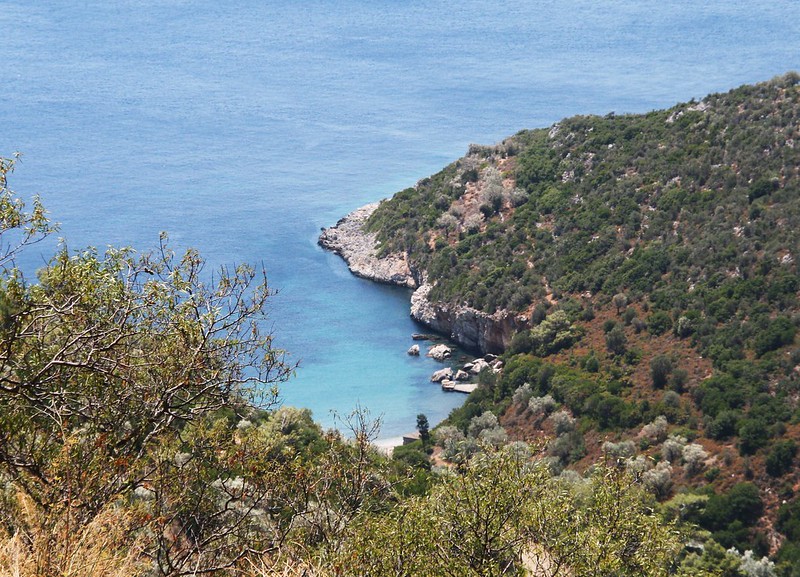
The Sporades islands—Skiathos, Skopelos, and Alonissos—offer an ideal combination of unspoiled nature and vibrant nightlife. The port of Volos serves ferry routes to the Sporades all year round, with numerous daily crossings operated by Seajets and Aegean Flying Dolphins.
Skiathos features a local bus route that connects visitors to its most popular beaches. Alonissos boasts the breathtaking Peristera ancient shipwreck and Greece’s first underwater museum. Skopelos gained fame as the filming location for Mamma Mia, but its pine forests and traditional architecture deserve attention beyond the movie connection.
Saronic Gulf day hopper
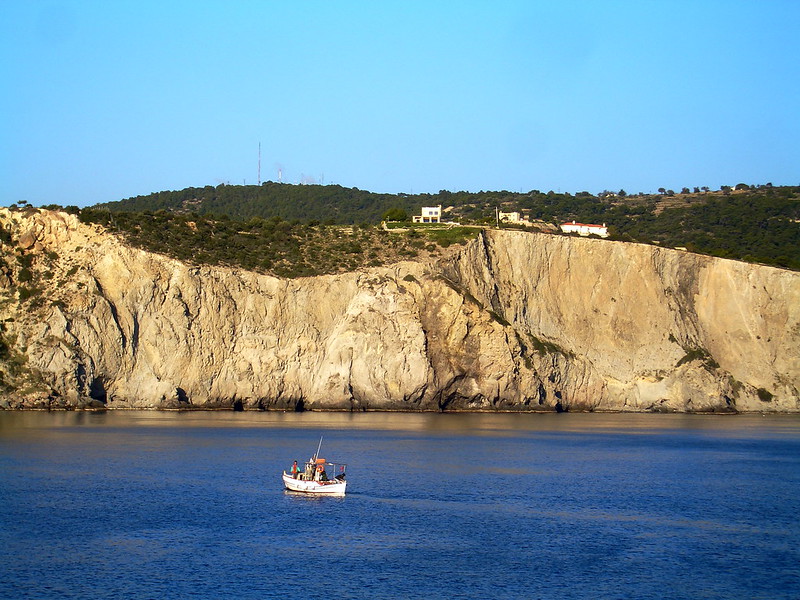
These islands near Athens range from less than an hour to two hours by ferry, making them perfect for quick escapes or day trips. Aegina sits just 1 hour from Athens and serves as the closest Greek island to the capital.
Hydra operates as a car-free island known for its art scene and scenic views, with ferry tickets costing about €40. Spetses features elegant Venetian architecture and can be explored by horse-drawn carriage, while Aegina tempts visitors with famous pistachios and ancient ruins. The local pistachio ice cream? Absolutely divine.
Eastern Cyclades discovery
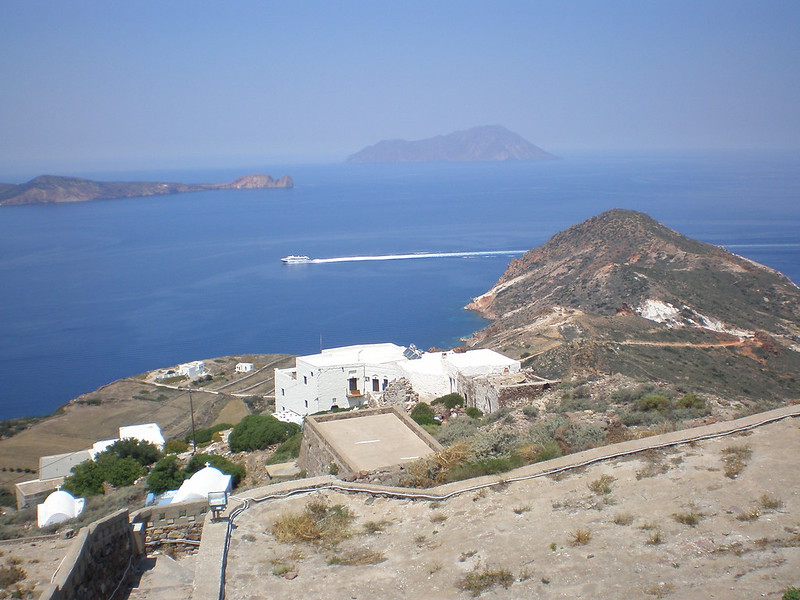
The eastern route from Rafina port reaches Andros, Tinos, and Mykonos. This path receives fewer crowds than the central Cyclades routes while delivering equally stunning experiences.
Andros attracts hikers with its network of trails and waterfalls. Tinos draws pilgrims to its miraculous icon at Panagia Evangelistria. Rafina to Mykonos offers up to 8 daily crossings with ferry tickets starting around €38. The route provides a gentler introduction to the Cyclades without the immediate intensity of Santorini crowds.
Middle Cyclades adventure
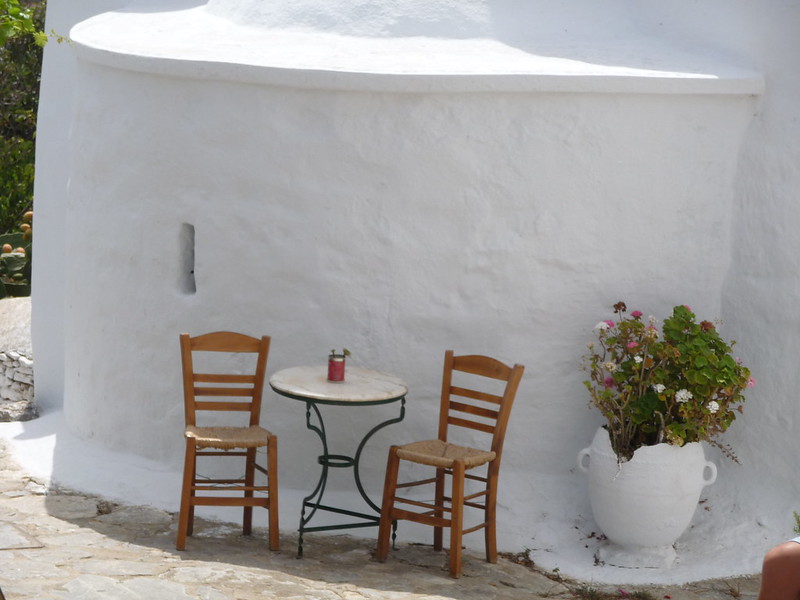
The middle route from Piraeus connects to Paros, Naxos, and Santorini, with another branch from Naxos to the Little Cyclades and Amorgos. This route balances popular destinations with hidden gems.
Naxos and Paros prove more affordable than Mykonos and Santorini while offering equally beautiful beaches and villages. From Naxos, you can try island hopping in the Small Cyclades with cheap ferry tickets at just € to -€8, including routes to Donousa and Koufonisia. These tiny islands feel like stepping back in time.
Northern Aegean explorer
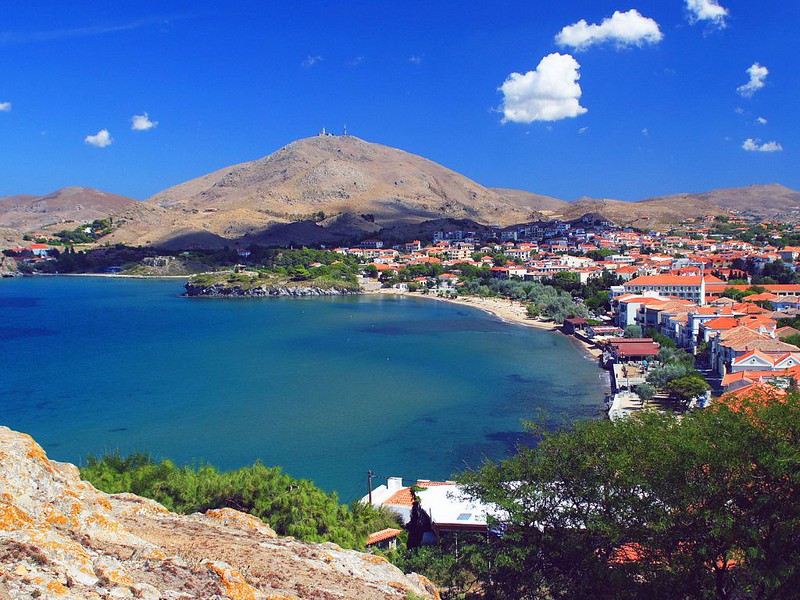
This route connects Athens to the northeastern islands, including Chios, Mytilene (Lesbos), and Samos. Ferry routes to the NE Aegean often stop at one of the Cyclades islands, making transfers possible.
Each island offers a distinct character. Chios produces the unique mastic resin and features medieval villages. Lesbos boasts excellent ouzo production and the petrified forest. Samos, birthplace of Pythagoras, combines mathematical history with exceptional wines. The route requires more planning but rewards travelers with authentic experiences away from summer crowds.
Crete circumnavigation
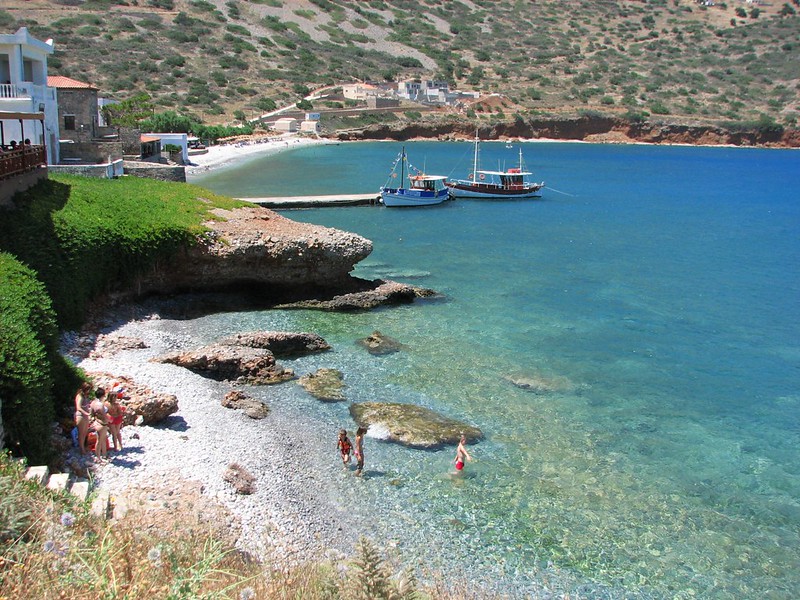
Getting back to Athens from this island-hopping journey requires connecting through Piraeus, the only port linking Crete to Athens, with up to 5 daily ferry crossings taking 9 to 9.5 hours. Crete features two well-connected airports—Chania and Heraklion—plus direct ferry connections to Santorini.
You can catch ferries from Heraklion to various Cyclades islands, or explore connections between Crete and the Dodecanese. The island’s size means you could spend weeks exploring Minoan palaces, dramatic gorges, and pristine beaches. But that’s another story entirely.
Lesser-known western gems
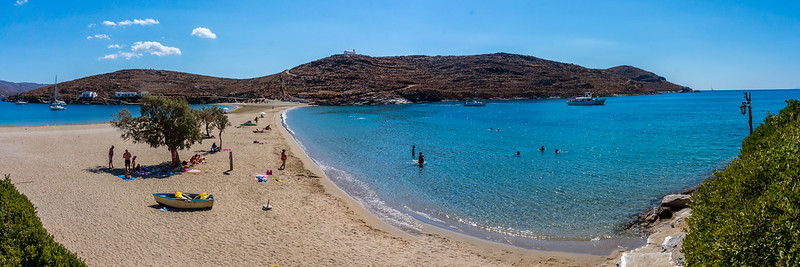
Some destinations can only be reached from Rafina or Lavrio, including Andros, Kythnos, and Kea. Lavrio to Kythnos offers up to 5 daily crossings with ferry tickets starting around €15, while Lavrio to Kea provides up to 7 daily crossings from just €11.
These islands receive significantly fewer visitors than their famous neighbors. Kea features ancient lion sculptures and excellent hiking trails. Kythnos offers thermal springs and fishing villages that feel untouched by tourism. The Piraeus-Kythnos ferry route usually operates in summer with a few crossings per week, taking approximately 3 hours.
Dodecanese island chain
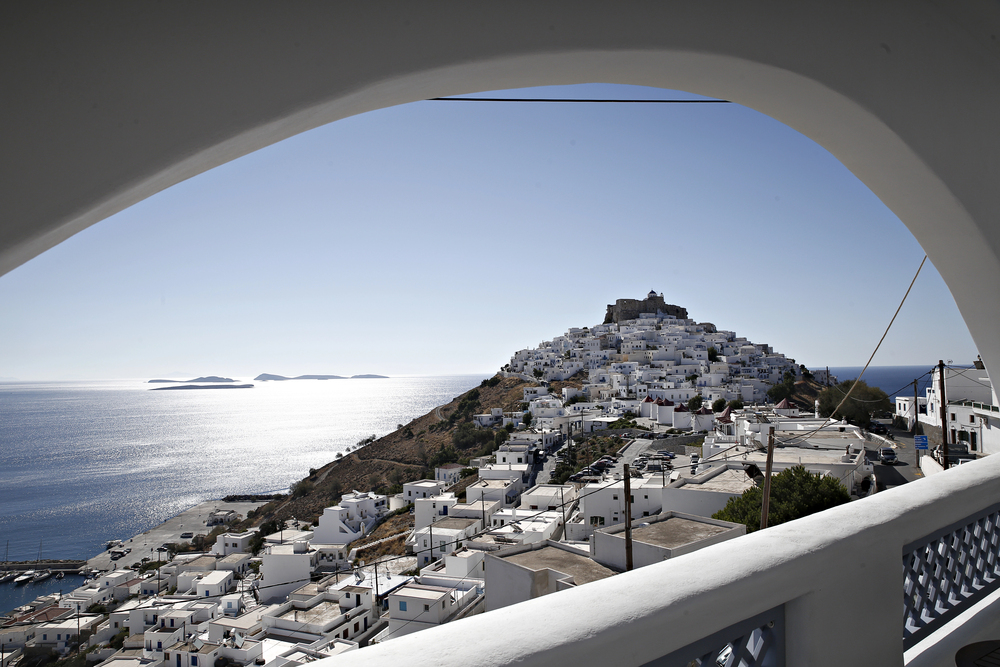
Ferry connections between Dodecanese islands are mainly served by Dodekanisos Seaways, including routes like Rhodes-Symi, Rhodes-Halki, and Kos-Nisyros. This extensive network allows for comprehensive exploration of the southeastern islands.
The route can extend from massive Rhodes down to tiny Kastellorizo, just off the Turkish coast. Each island maintains its own character. Symi dazzles with neoclassical mansions in rainbow colors. Halki offers complete tranquility. Nisyros features an active volcano you can actually walk into.
Small Cyclades hideaway
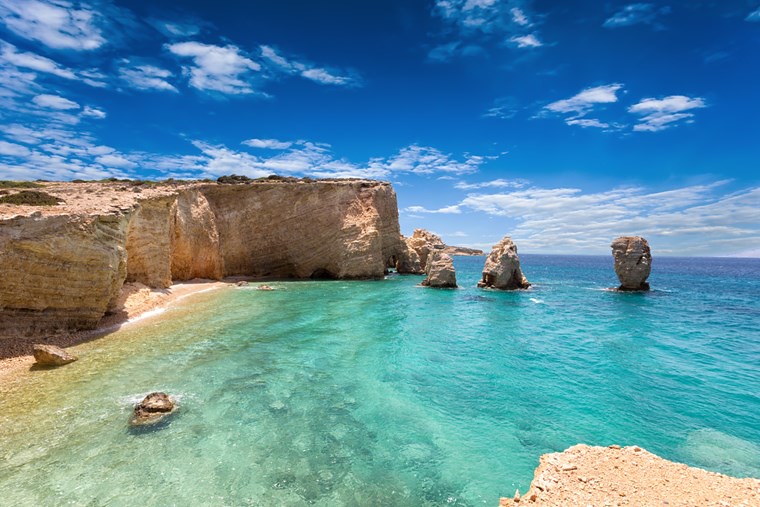
The Small Cyclades (Donoussa, Schinoussa, Iraklia and Koufonisia) represent some of the most tranquil destinations in the island group. Starting from Naxos, cheap ferry tickets cost just €7-€8 to reach these pristine islands.
Koufonisia particularly enchants visitors with its Caribbean-like beaches and relaxed atmosphere. The islands operate on genuine Greek time. No rush. No crowds during shoulder seasons. Just crystalline water, fresh seafood, and locals who remember your name after one coffee.
Cross-archipelago adventure
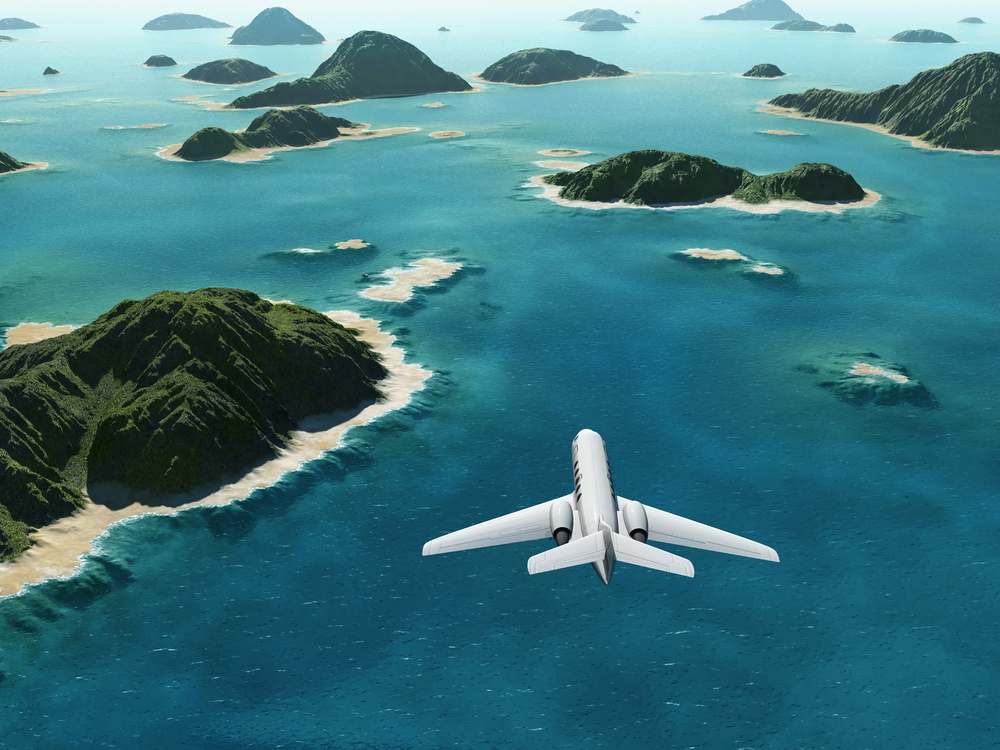
Generally, there are no ferry routes from the islands in the Aegean Sea to the islands in the Ionian Sea. But creative routing allows ambitious travelers to experience multiple island groups.
You might fly from Santorini to Corfu, or return to Athens between the archipelagos. It requires more planning but delivers incredible diversity:
- Cycladic minimalism to Ionian lushness
- Ancient Dodecanese history to Sporades nature
- Bustling Mykonos to serene Ithaca
The journey becomes as important as the destinations.
Northern routes via Thessaloniki
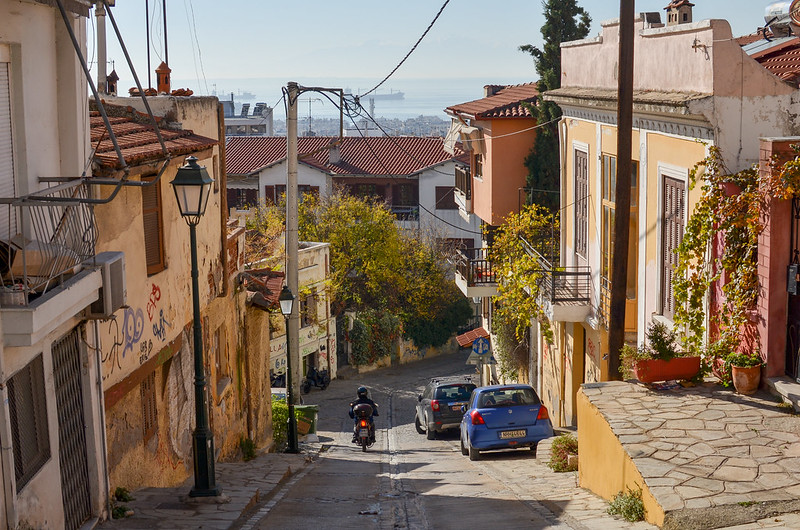
Arriving at Thessaloniki airport, you can reach Volos Port and Keramoti Port quite easily. In 2025, you can travel to Mykonos and Syros from Thessaloniki in northern Greece.
This northern approach opens different possibilities. Thasos connects via Keramoti with its pristine beaches and marble quarries. Samothraki offers dramatic landscapes and the sanctuary of the Great Gods. The route feels more adventurous, less touristed, authentically Greek.
Ultimate flexibility route
— Photo by d_zheleva
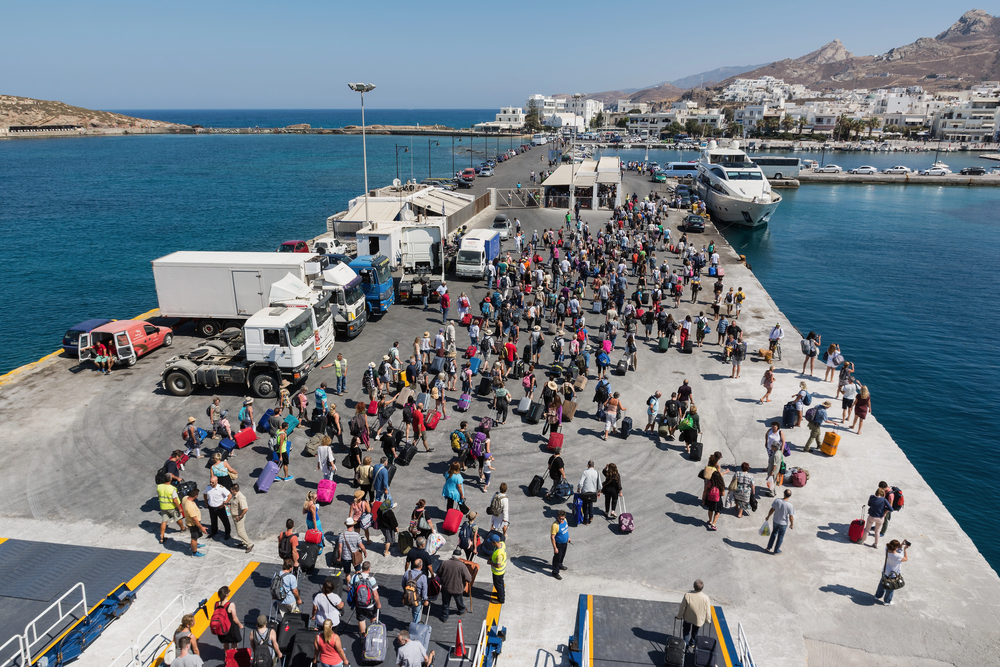
Remember that there are no tickets for multiple destinations—when island hopping, you need a separate ticket for every leg of your journey. This reality actually creates wonderful flexibility.
Start anywhere. Follow your instincts. Most ferry companies allow cars onboard, while all routes welcome foot passengers with readily available public transport including taxis, buses, and water taxis. The network connects virtually everywhere, eventually.
Finding your perfect adventure
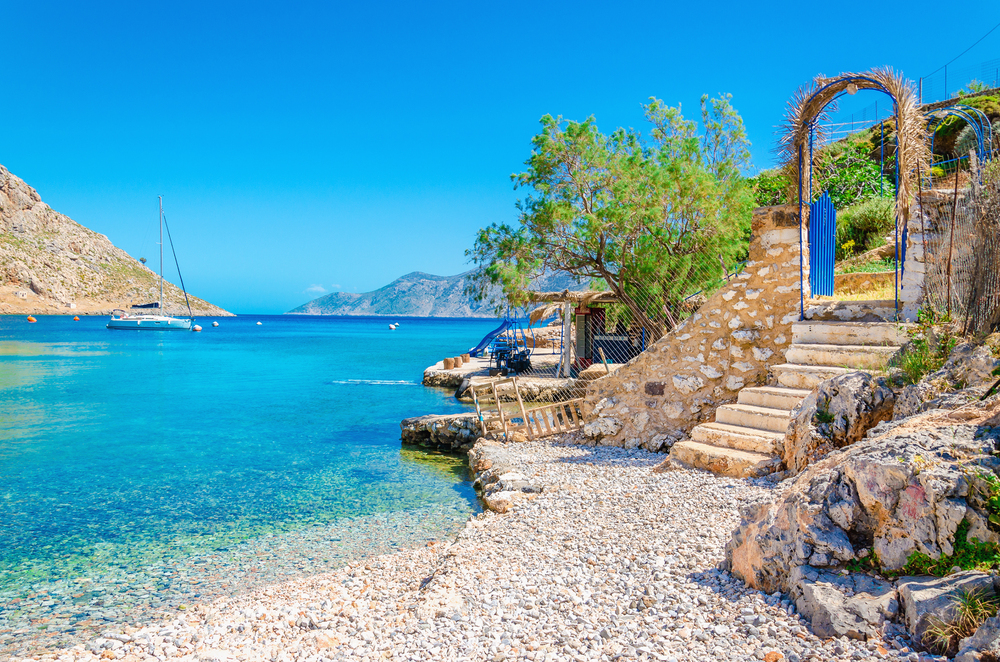
With one of the most extensive ferry systems in the world, Greece makes impromptu island hopping quite possible. If you are visiting two or three islands, give yourself at least seven days; if you are visiting four or more islands, give yourself 12 to 14 days.
The charm is in finding your own pace amid these historic islands, not just crossing places off a list. For every kind of visitor, the Greek islands provide countless combinations, whether you’re looking for tranquility in the Small Cyclades or sunsets in Santorini.
More from Travel Pug

- 20 Best Beach Towns in the Carolinas
- 13 Destinations Where Tourists Regularly Regret Their Trip
- 20 Things You Actually Get in First Class
- 20 Small Airports With Aviation Museums
- 20 Places in the U.S. That Are Perfect for a Reset Trip
Like Travel Pug’s content? Follow us on MSN.