

Every year, search and rescue teams respond to thousands of preventable mountain emergencies. The difference between a memorable adventure and a life-threatening situation often comes down to preparation and the right equipment. Here’s a comprehensive list of essential items that can keep mountain hikers safe when conditions turn dangerous or unexpected situations arise.
Navigation tools
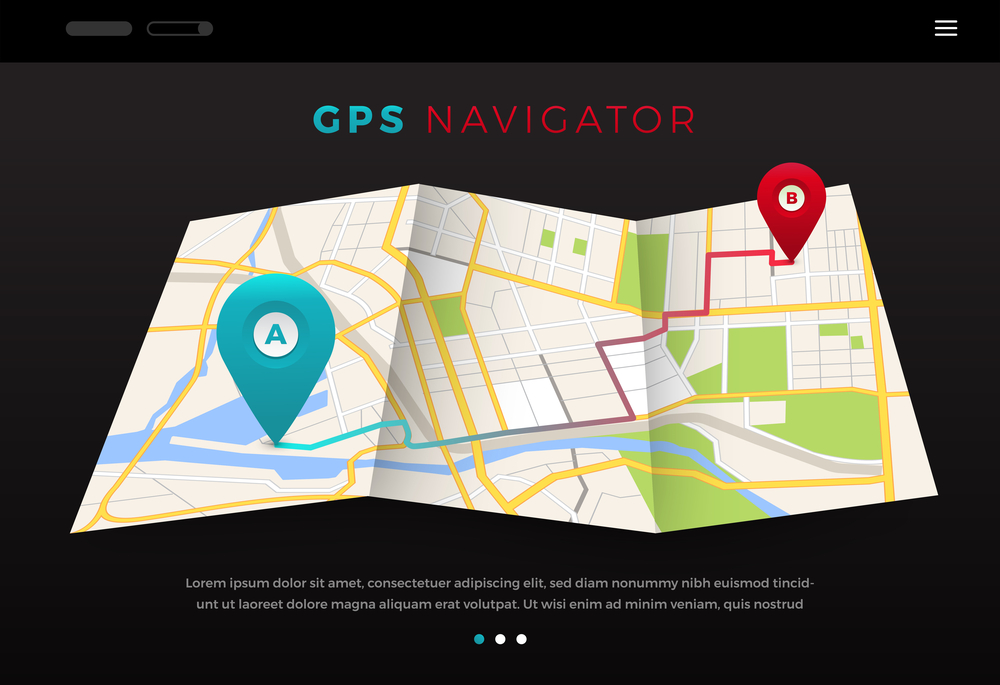
Getting lost in mountainous terrain can quickly become deadly. A reliable GPS device, detailed topographic maps of the area, and a quality compass form the foundation of safe navigation. Even with smartphone apps available, electronic devices can fail when batteries die or signals disappear in remote locations.
Emergency shelter
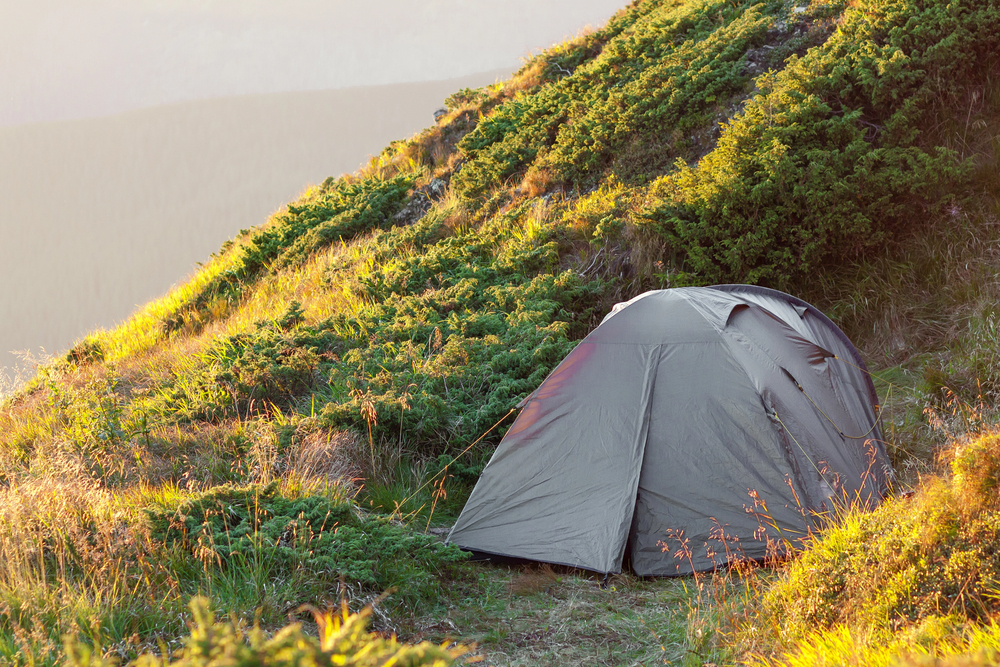
Weather changes fast in the mountains. An emergency bivy sack or lightweight tent can provide life-saving protection against sudden storms, temperature drops, or if an injury forces an overnight stay. Space blankets work too, though they’re less durable.
Insulation layers
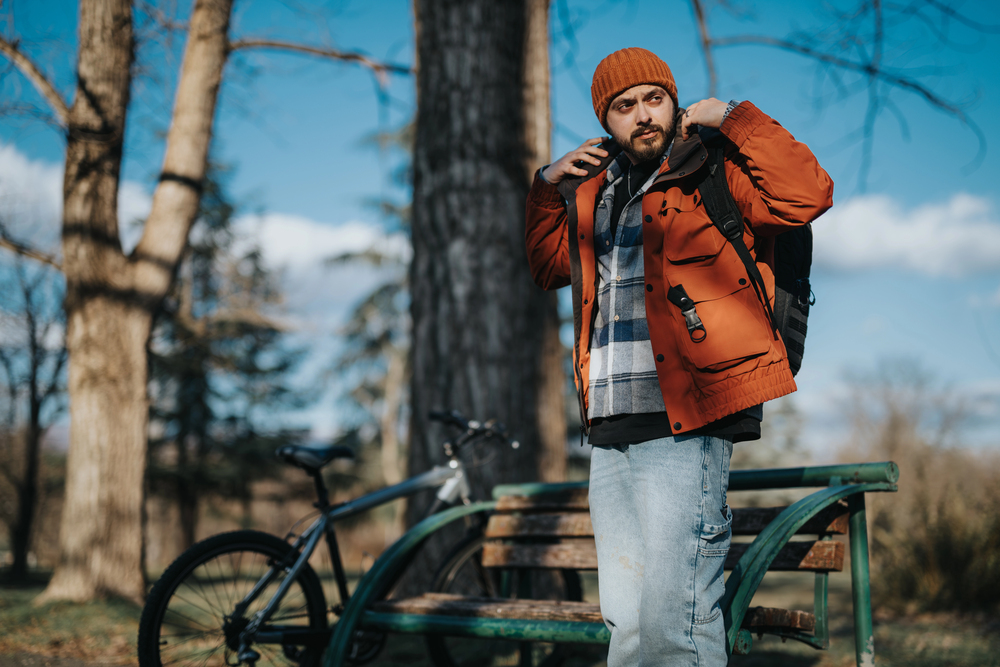
The key is layering systems that adapt to changing conditions. Base layers wick moisture away from skin, insulating layers trap warm air, and outer shells block wind and precipitation. Cotton kills in cold, wet conditions — synthetic materials and merino wool perform better when damp.
Sun protection
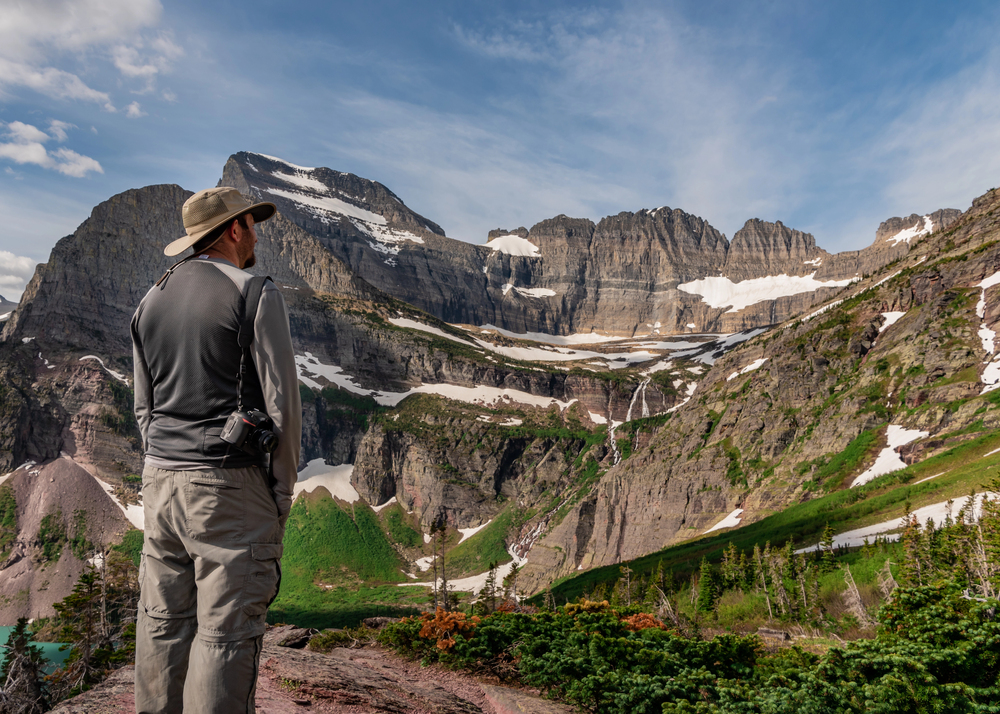
Mountain sun is brutal. Higher elevation means thinner atmosphere and less UV protection, while snow and rock surfaces reflect additional radiation at hikers.
Sunglasses with UV protection prevent snow blindness and long-term eye damage. Sunscreen with high SPF protects exposed skin, and wide-brimmed hats shield faces and necks from direct and reflected rays.
First aid supplies
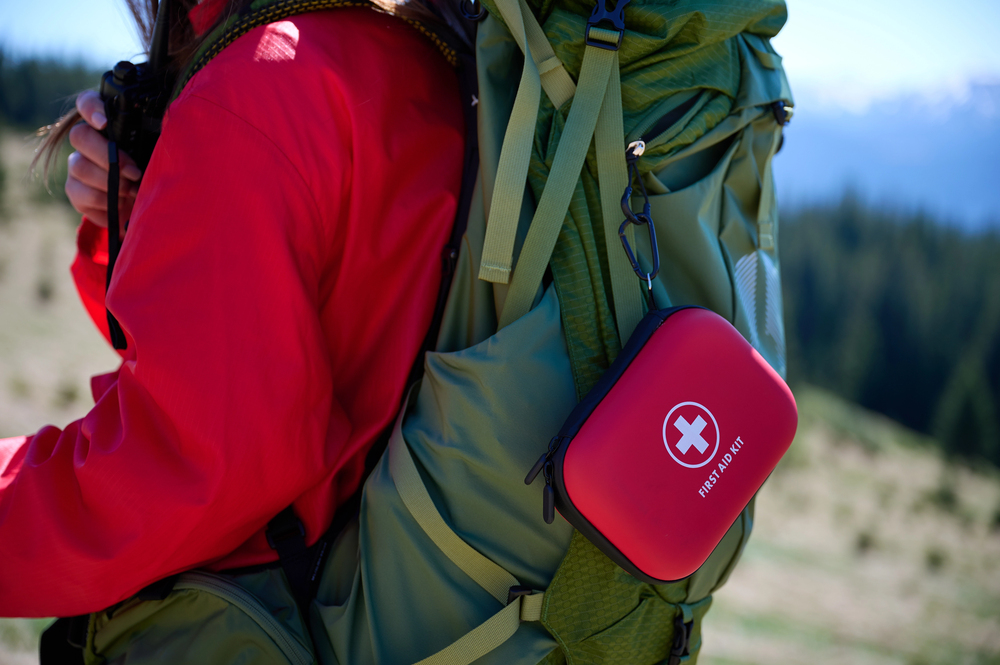
Accidents happen far from help. A well-stocked first aid kit should include bandages, antiseptic wipes, pain relievers, blister treatment, and any personal medications. Include a whistle for emergency signaling — three sharp blasts is the universal distress signal.
Fire starting materials
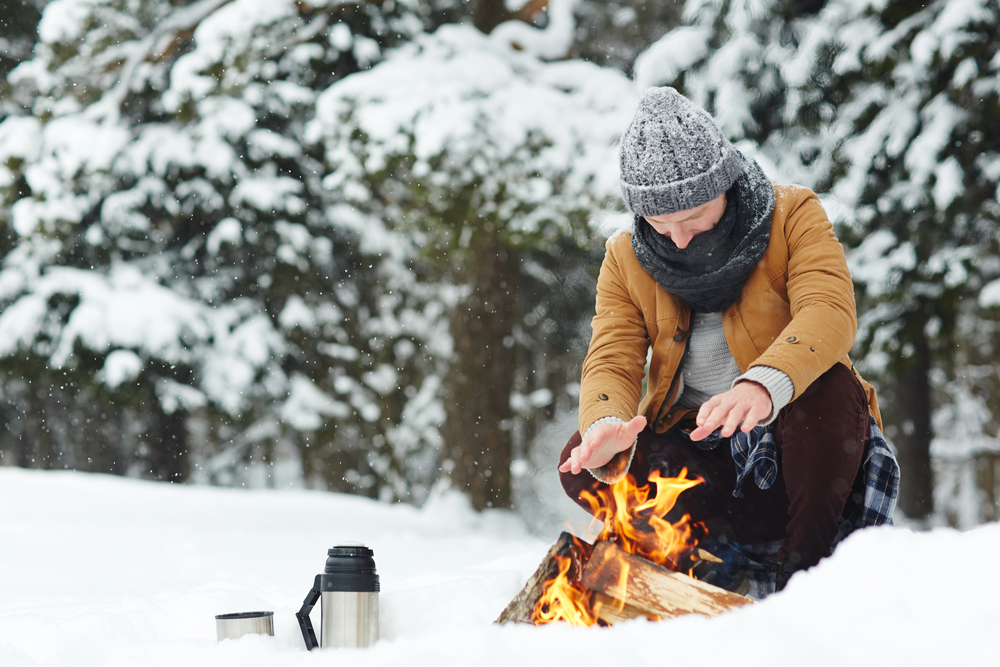
Hypothermia can set in quickly when temperatures drop or clothing gets wet. Waterproof matches, lighters, and fire starter materials like petroleum jelly-soaked cotton balls can mean the difference between warmth and dangerous cold. Even experienced hikers sometimes struggle to start fires with wet wood.
Emergency food

Extra calories become critical when trips extend longer than planned. High-energy, non-perishable foods like energy bars, nuts, and dried fruit provide fuel for both planned meals and unexpected delays. The smell of trail mix at 3 AM hits different when you’re genuinely grateful for those extra calories.
Water and purification
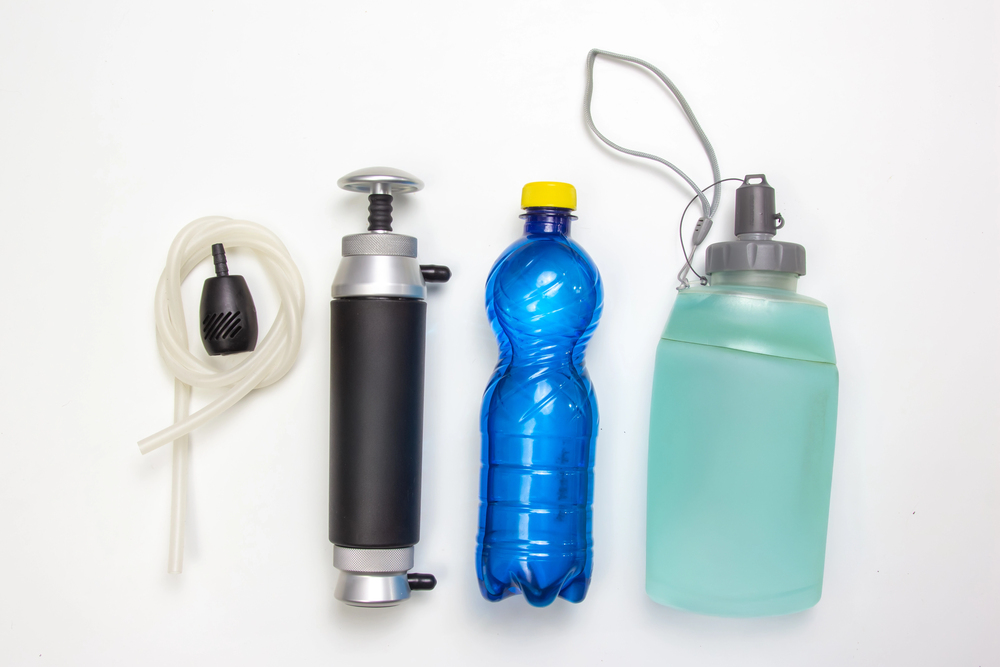
Dehydration impairs judgment and physical performance when both are most needed. Carry more water than initially planned, plus backup purification methods like: • Water purification tablets • Portable water filters
• UV sterilization pens • Boiling capability
Repair kit and tools
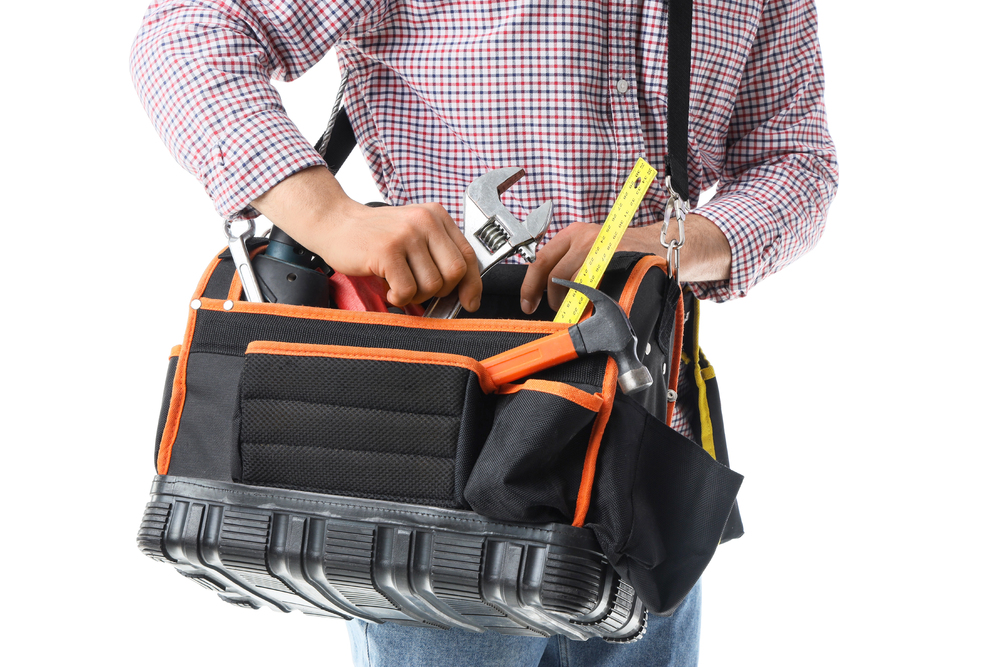
Gear fails at the worst possible moments. Duct tape fixes everything from torn clothing to broken equipment. A multi-tool provides cutting capability, pliers, and various implements for equipment repairs and emergency situations.
Illumination
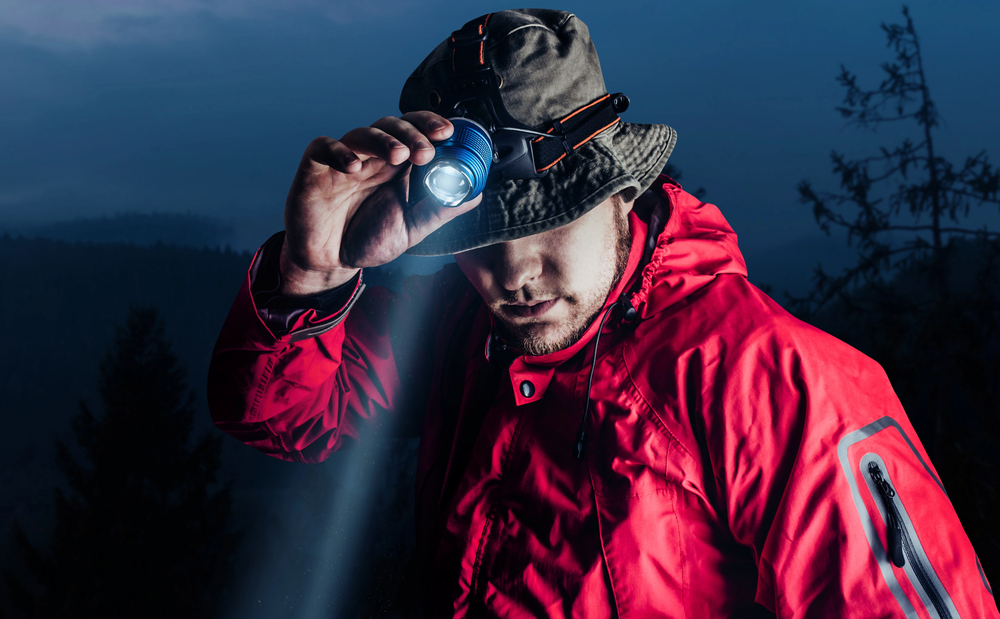
Darkness comes early in mountains, especially during shorter days or when weather blocks sunlight. Headlamps keep hands free for climbing or navigation, while backup flashlights ensure light availability when primary sources fail. Pack extra batteries.
Emergency communication device
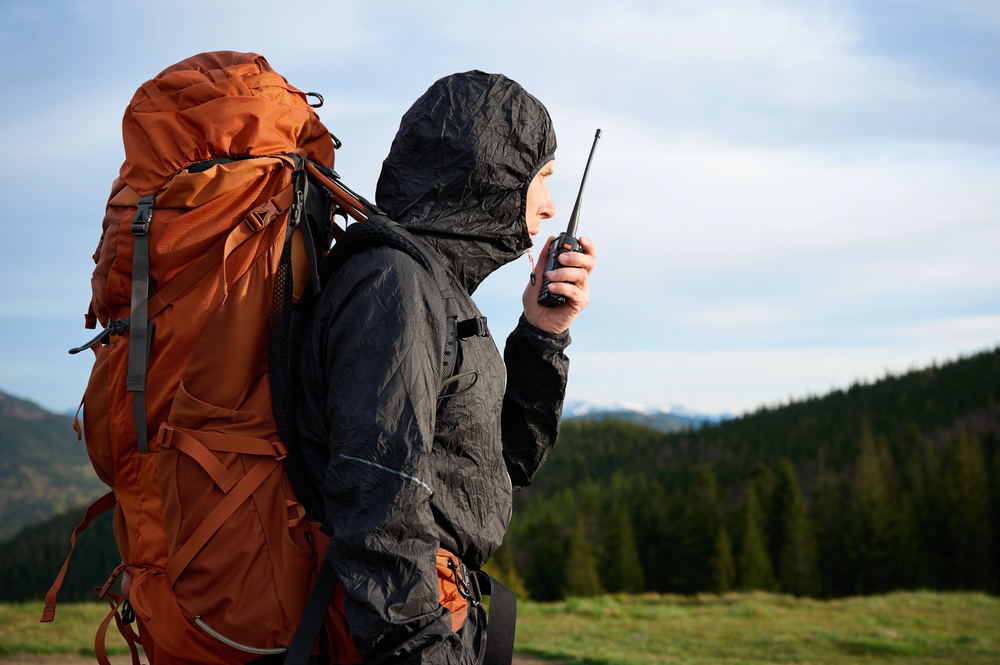
Cell phone coverage disappears quickly in remote mountain areas. Satellite communicators or personal locator beacons can summon rescue when other options don’t exist. These devices work anywhere with clear sky view and can send GPS coordinates to rescue teams.
Trekking poles
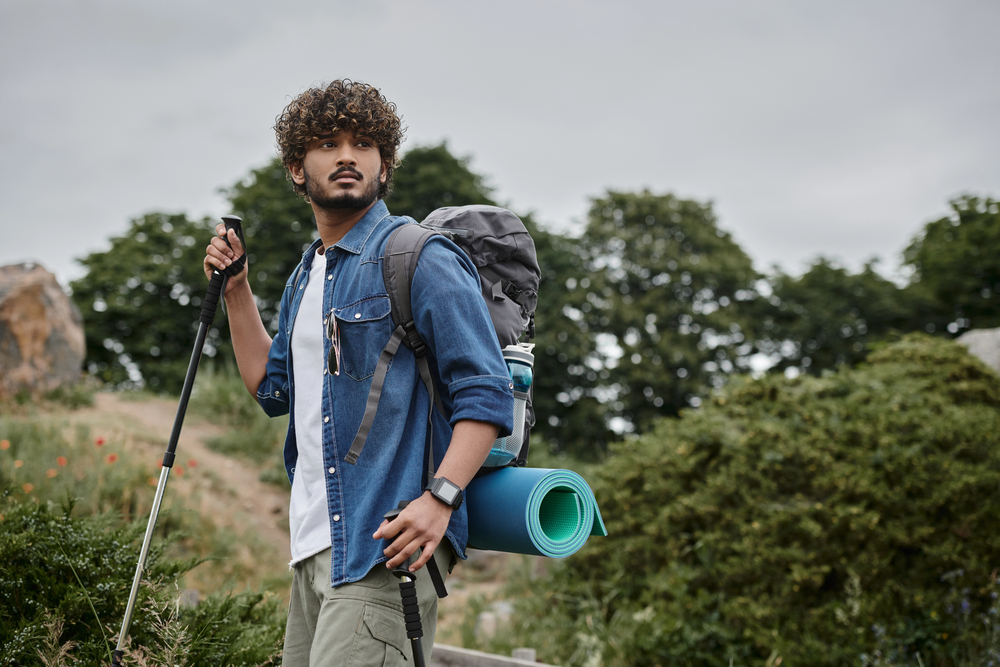
Stability matters on uneven terrain and steep slopes. Trekking poles reduce stress on knees during descents, provide balance on loose rock or slippery surfaces, and can serve as emergency splints or shelter supports if needed.
Weather protection clothing
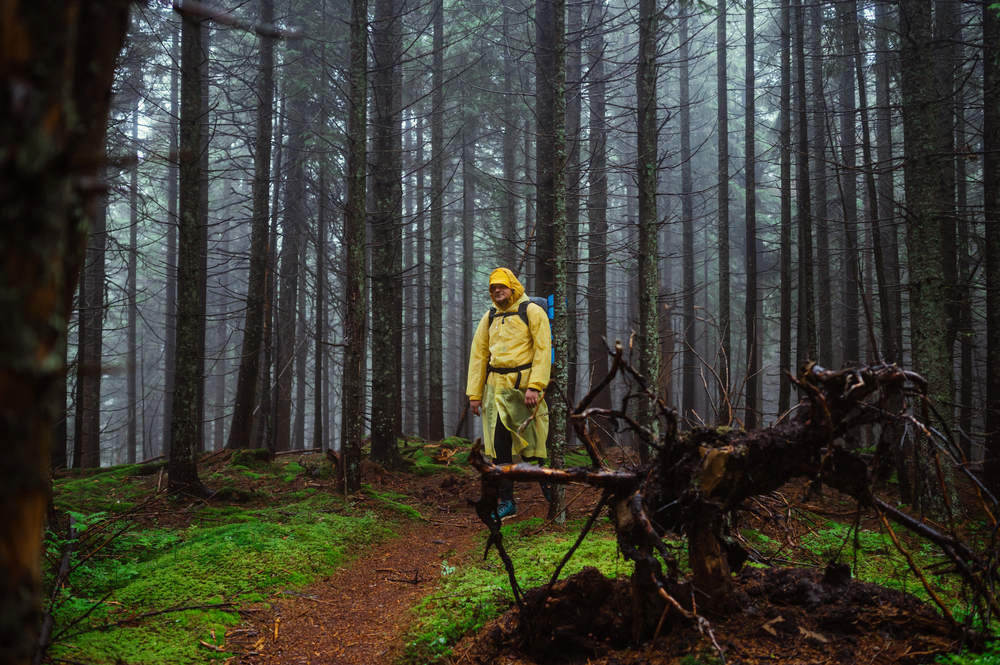
Mountain weather changes without warning. Waterproof rain gear keeps core temperature stable when storms hit unexpectedly. Breathable fabrics prevent overheating during active periods while maintaining protection from wind and precipitation.
Rope or cordage
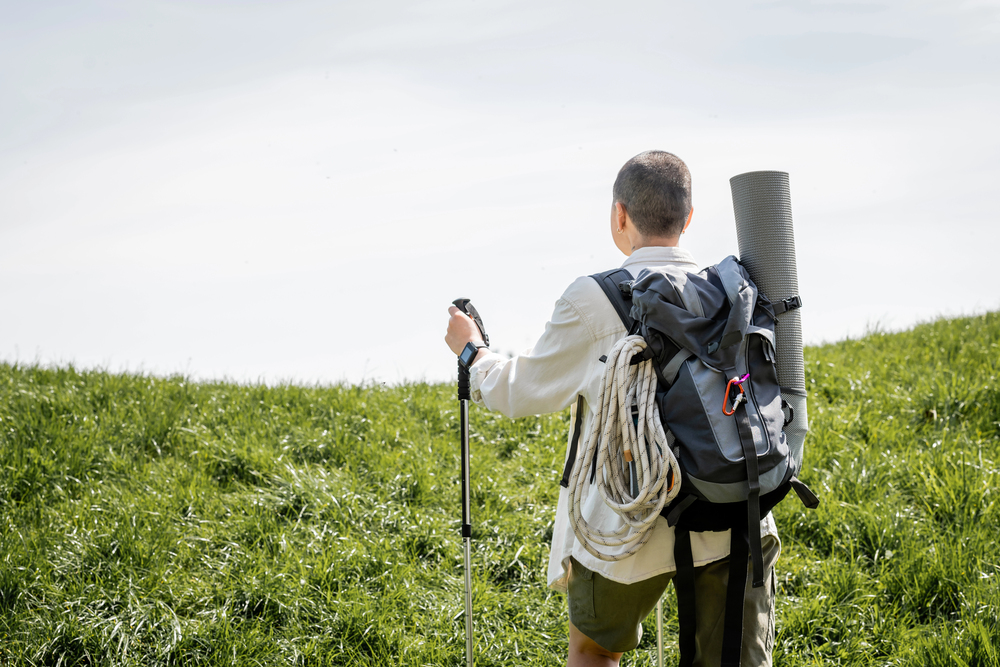
Fifty feet of lightweight rope opens up options for emergencies. It can secure gear, create makeshift shelters, assist with difficult terrain navigation, or help with rescue situations. Paracord works for most applications and packs small.
Emergency signaling devices

Being found quickly can prevent minor problems from becoming major emergencies. Signal mirrors reflect sunlight for miles in clear conditions. Bright orange or red bandanas create visible markers. Whistle blasts carry farther than shouting and require less energy.
Insect protection
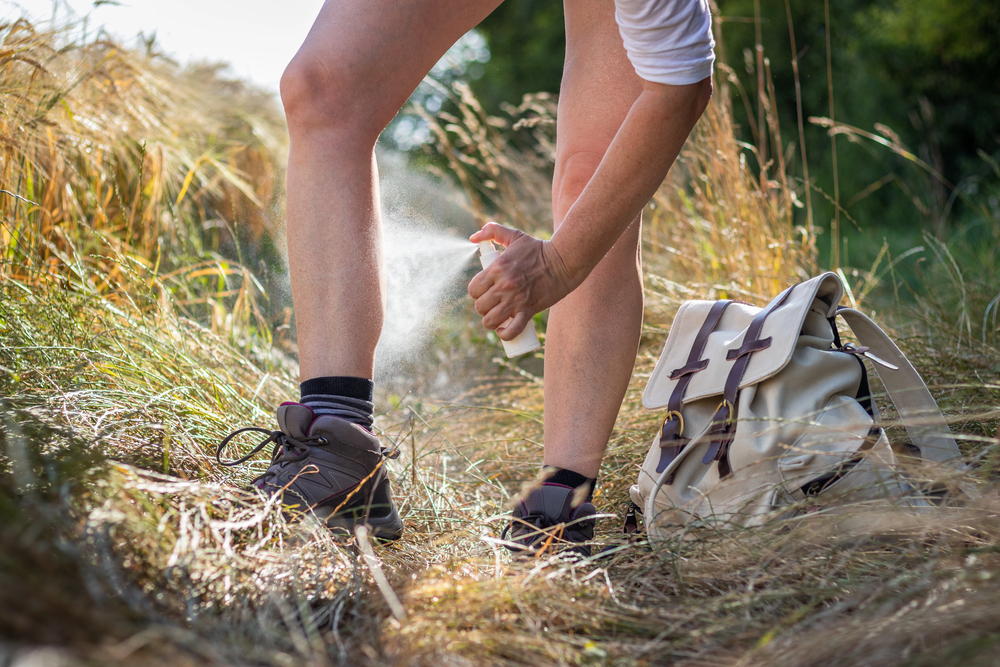
Bug bites seem minor until they become infected or cause allergic reactions far from medical help. Insect repellent containing DEET provides effective protection against mosquitoes, ticks, and other biting insects. Head nets offer additional protection in heavily infested areas.
Extra clothing

Weather can shift from pleasant to dangerous within hours in mountain environments. Pack additional warm layers, extra socks, and backup gloves or hats. Wet clothing loses insulating properties, so having dry alternatives prevents hypothermia in emergency situations.
Personal medications

Mountain environments can trigger health issues or make existing conditions worse. Carry adequate supplies of prescription medications plus common over-the-counter remedies for headaches, allergies, and stomach problems. Altitude can affect how medications work in some people.
The bottom line
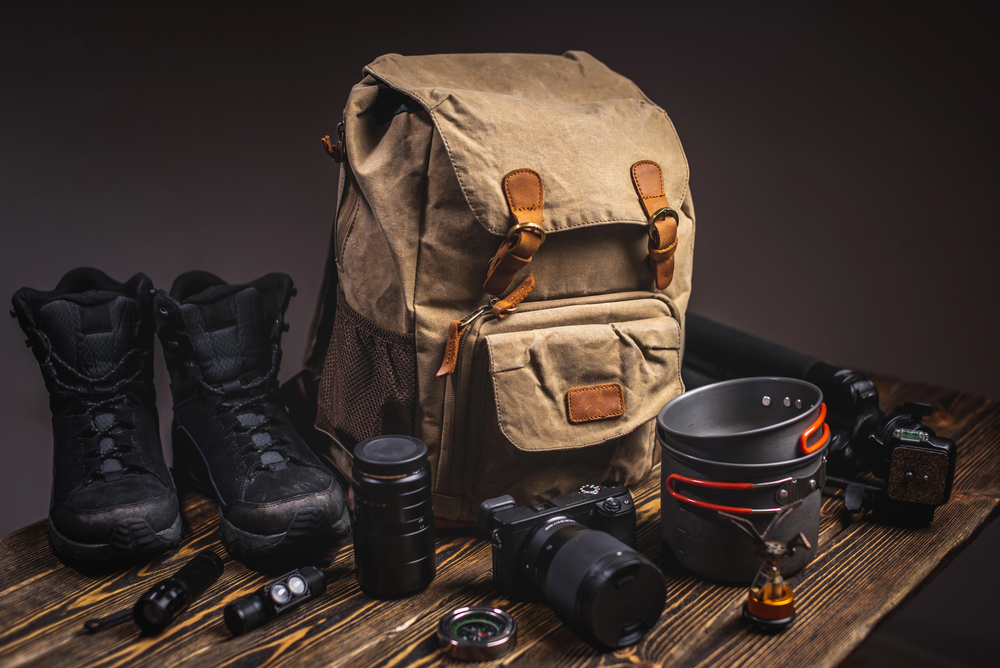
Mountain adventures offer incredible experiences, but the margin for error shrinks quickly when things go wrong. Proper preparation and essential gear create safety buffers that turn potential disasters into manageable challenges. Pack smart, stay safe, and enjoy the mountains.
More from Travel Pug

- 20 Best Beach Towns in the Carolinas
- 13 Destinations Where Tourists Regularly Regret Their Trip
- 20 Things You Actually Get in First Class
- 20 Small Airports With Aviation Museums
- 20 Places in the U.S. That Are Perfect for a Reset Trip
Like Travel Pug’s content? Follow us on MSN.