

With over 280 stations and 40 million daily passengers, Tokyo’s subway system moves more people than some entire countries. Yet locals glide through this underground labyrinth with an almost supernatural ease, using tricks and shortcuts that take years to master.
Here’s a list of insider strategies that will transform you from bewildered tourist to confident commuter, helping you navigate Tokyo’s rails like someone who’s lived there for decades.
Master the alphabet-number station codes
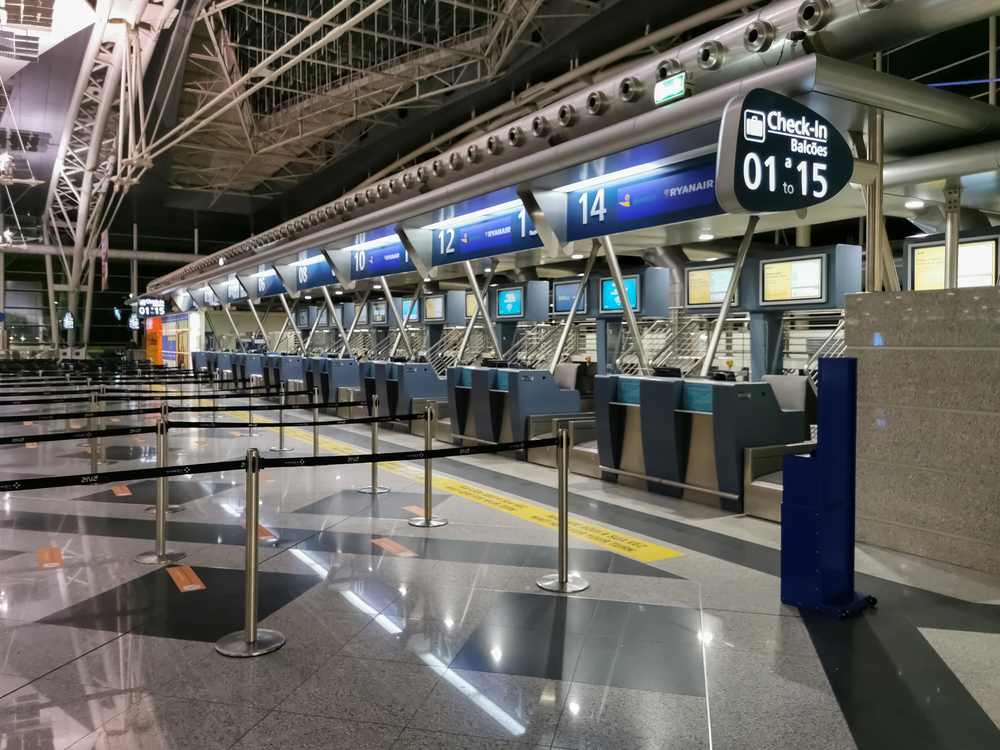
Every Tokyo subway station displays a simple code—like M-15 for Kasumigaseki on the Marunouchi line. Each of the 13 subway lines is assigned an alphabet. Each station along the line is given a number. Locals memorize these codes instead of station names because they’re universal across all signage, maps, and apps. The letter tells you which line, and the number shows the station sequence. Simple math reveals how many stops you need to travel.
And here’s the kicker—these codes work in any language, making navigation foolproof even when kanji characters look like abstract art.
Download the balance checker app

— Photo by jovannig
Finding a vending machine every time you want to check your Suica/Pasmo balance is a hassle, right? You might even miss out on a train if your card does not have an adequate balance. The Japan Train Card Balance Check app lets you scan your IC card with your phone’s NFC reader. Hold the card against your phone’s back and instantly see the remaining yen.
Locals check their balance while walking to the platform. Never get caught at the gate with insufficient funds again.
Board the strategic car
— Photo by HenryStJohn
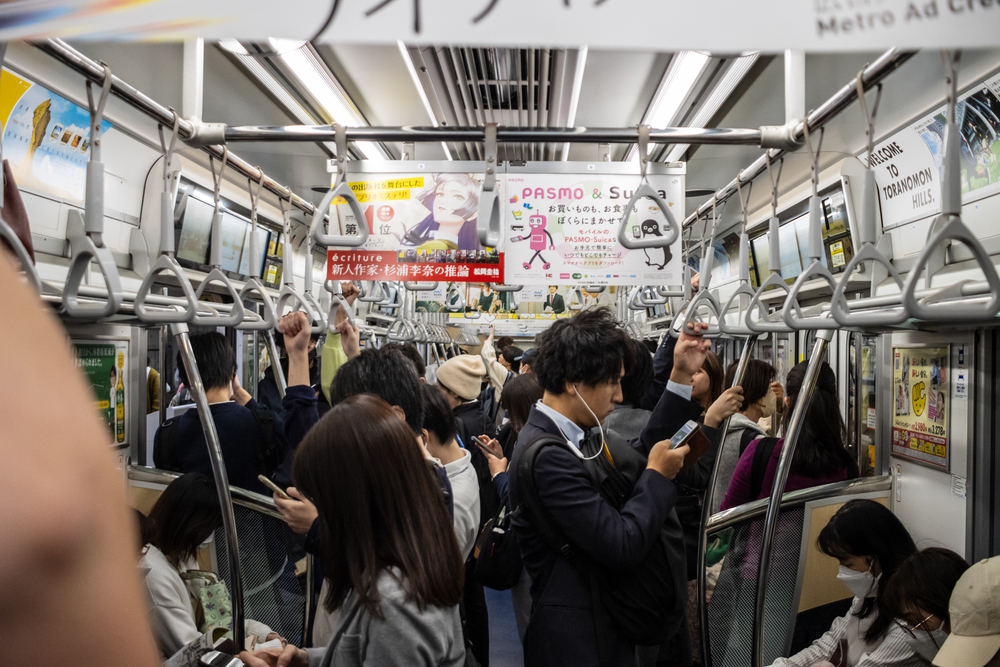
Most tourists randomly choose train cars. At each station, usually on a wall near the ends of the platform, you will find a map showing the numbered train cars for every station on the line. This map shows the locations of each station’s exits and transfers to other lines in relation to the cars. Study this map to board the car closest to your exit or transfer point.
Position matters enormously in massive stations like Shinjuku. Getting off near the right exit can save 10 minutes of underground wandering.
Enable IC card sound alerts
— Photo by kornkarinv@gmail.com
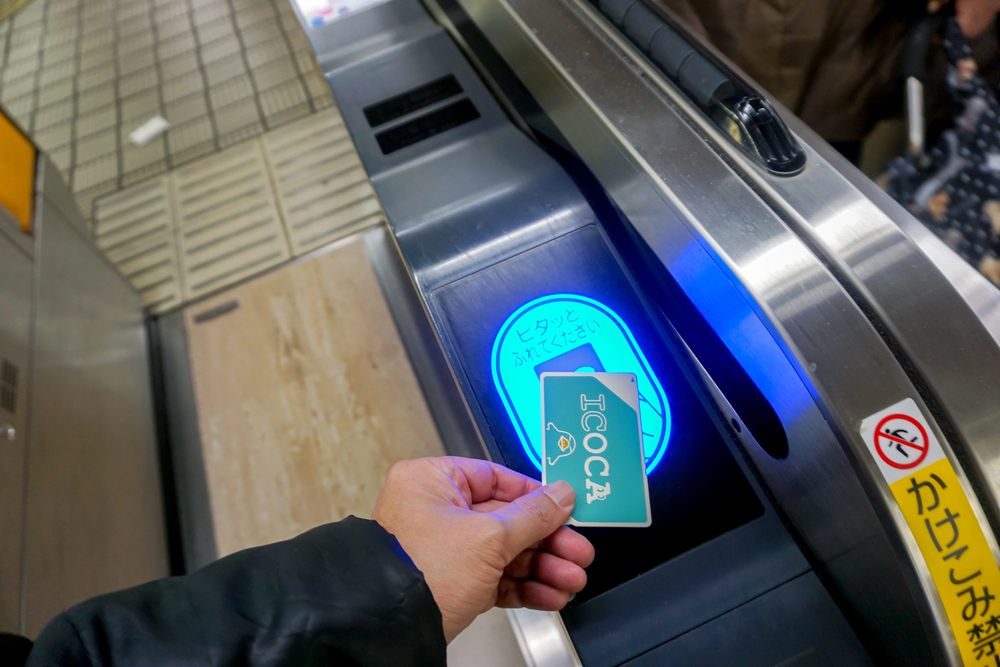
The main IC card vendors offer an optional “sound effect” service that lets you know when it’s time to charge your card. When activated, your card will make a different sound going through the gate depending on the amount of money left on it. Three beeps instead of two means less than 1,000 yen remaining. For commuter passes, two beeps warn of upcoming expiration.
This audible warning system prevents the embarrassing gate closure that happens when your card runs dry during rush hour.
Travel against the flow
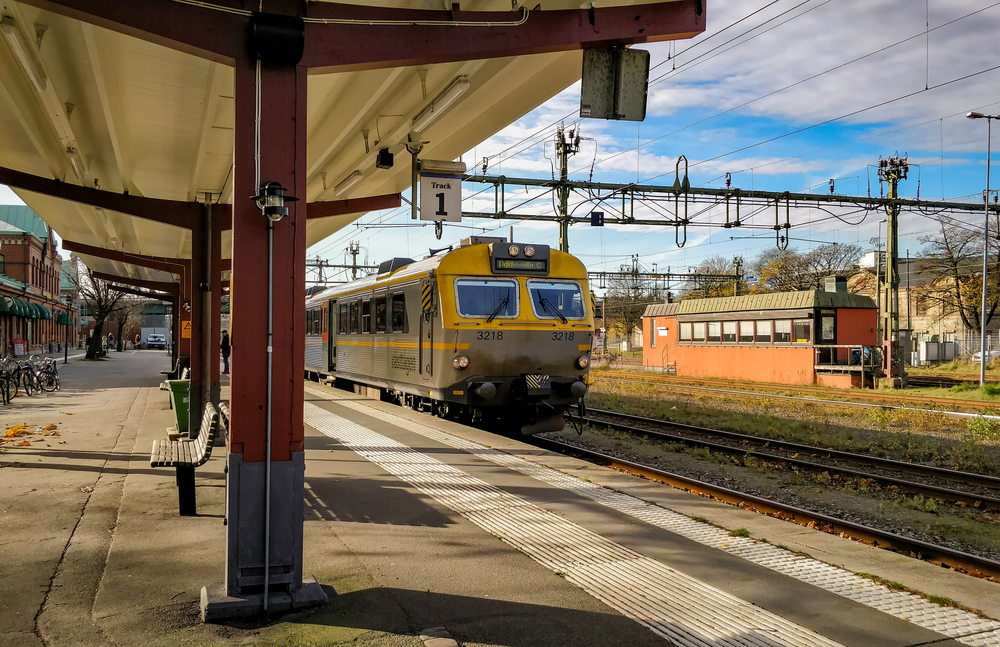
Rush hour intensifies between 8:00-9:30 AM and 5:30-6:30 PM, but locals know directional patterns. As a general rule, you want to steer clear of taking trains between 7am and 9am, which is when the majority of Tokyo commuters travel to work. If you must travel during peak times, ride away from central Tokyo in the morning and toward it in the evening—opposite to commuter traffic.
The trick works because most people commute from suburbs to city center, leaving reverse-direction trains surprisingly spacious.
Use coupon tickets for repeat journeys
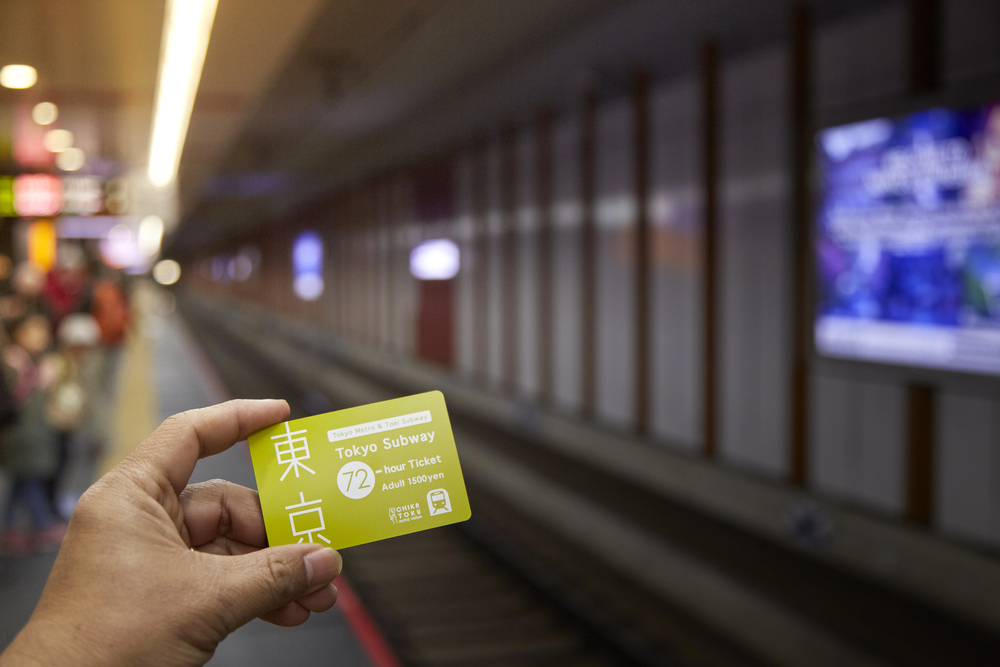
Metro fares on IC cards are slightly cheaper than ordinary paper tickets, but Tokyo Metro issues a special kind of ticket that you can use to save a bit of money when making multiple journeys of equal distance. Coupon tickets (called kaisuuken (回数券) in Japanese) are sold in packs for the price of 10 regular tickets. Depending on timing restrictions, you get 11–14 tickets for the price of 10.
Perfect for tourists making multiple trips of similar distance or commuters without regular passes.
Walk to less crowded nearby stations
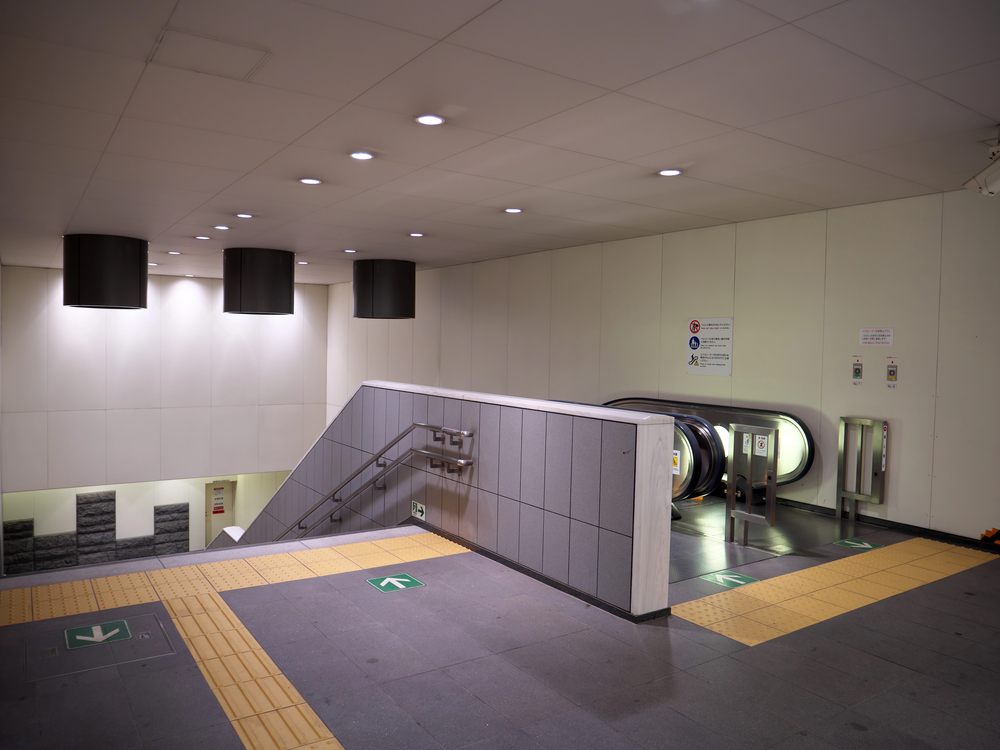
— Photo by KhunTa
Shinjuku currently holds the Guinness World Record for the busiest train station. Even for locals, the experience at the station can be maddening – there are 12 train lines, 36 platforms, and over 200 exits. Consider walking to nearby stations that are considerably less busy like Shinjuku-Nishiguchi Station to take the Oedo line, or Shinjuku-Sanchome for the Marunouchi line. The extra 5-minute walk often saves 15 minutes of platform navigation.
This strategy works for other mega-stations too. Locals regularly bypass Shibuya or Tokyo Station for quieter alternatives within walking distance.
Read the digital displays above doors
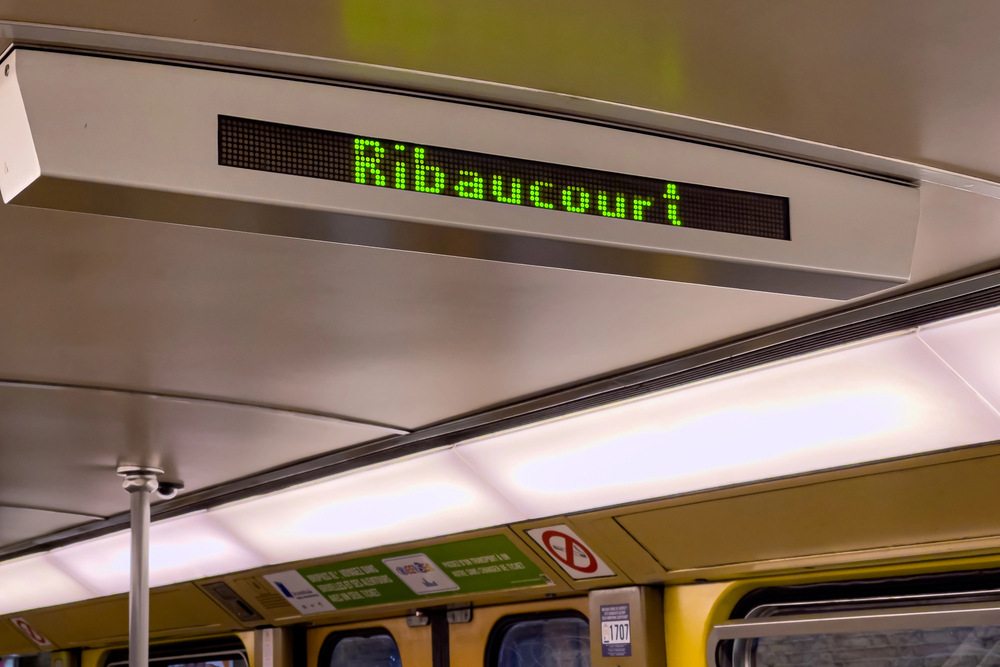
— Photo by Mounir91
Those electronic screens cycling between Japanese and English contain a gold mine of information. The screen shows upcoming stops, as well as the time it will take to reach them. Before arrival, displays show escalator and elevator locations at the next station. They also indicate transfer options—which other lines you can connect to.
These screens eliminate guesswork about timing and station layout. The smell of coffee from station convenience stores becomes your cue to start moving toward the doors.
Avoid the most congested lines during rush hour
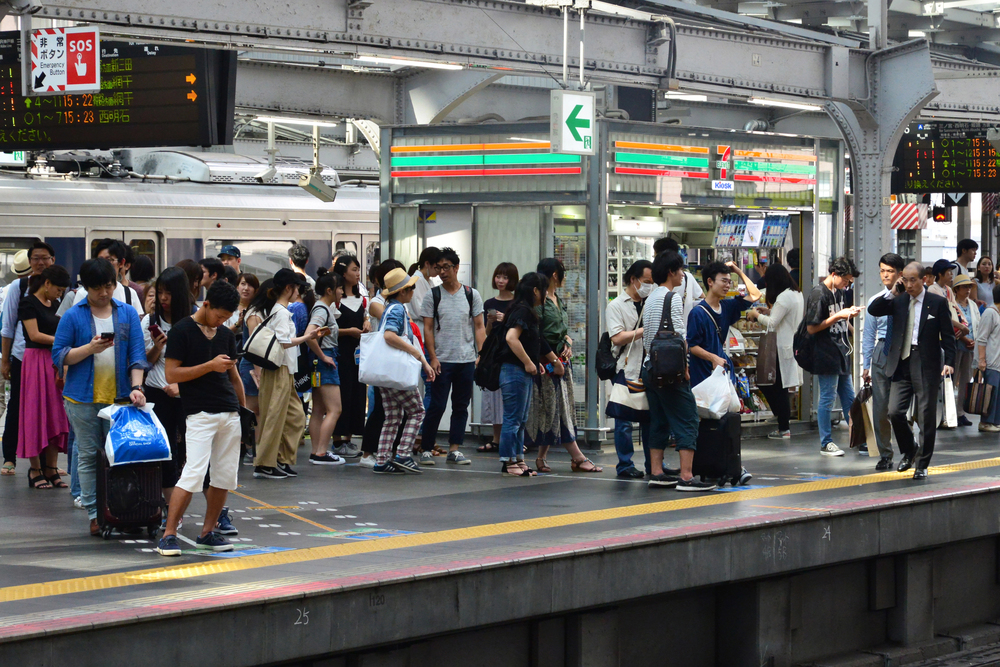
— Photo by packshot
The Tozai line stands as one of the most congested lines on the Tokyo Metro with over 76,000 passengers riding the trains during peak hours. The JR Chuo-Sobu line also ranks among the most packed. During peak times, opt for alternative routes using Hibiya or Namboku lines, which carry fewer commuters.
Sometimes the longer route proves faster when you factor in boarding delays and platform crowding.
Position yourself correctly on platforms
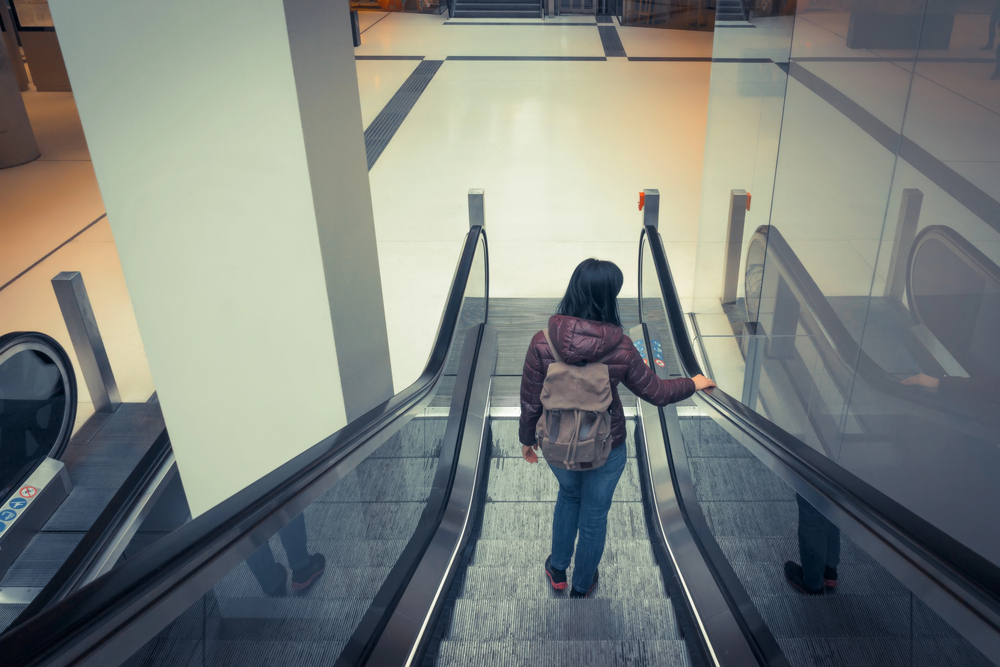
Waiting passengers form lines on platforms. Join them. Look out for markings on the platform that indicate where to line up. Floor markings show exactly where train doors will open. Line up on either side of the doors, not directly in front. Don’t rush or push. Stand left on escalators, walk right—except in Osaka where it’s reversed.
Following these positioning rules prevents boarding chaos and speeds up the entire process for everyone.
Use orange transfer gates strategically
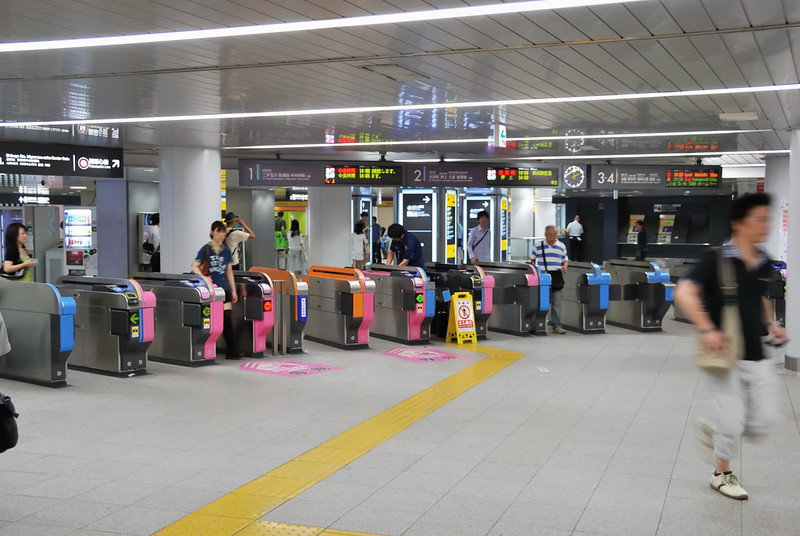
The orange-colored ticket gates often seen in Tokyo Metro stations are specifically for transfers within Tokyo Metro lines. If you exit through here with a valid single ticket or a coupon ticket, you may receive a transfer ticket. These gates can save money on multi-line journeys within the Metro system.
However, transferring between different operators requires exiting completely and re-entering through regular gates.
Check last train destinations
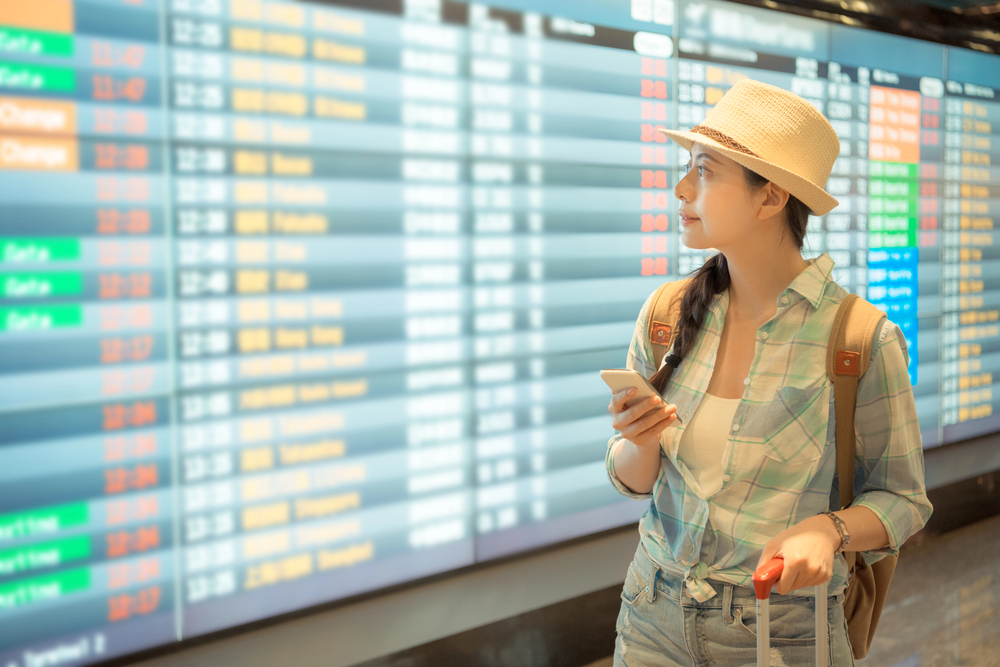
On some lines, the last trains departing from central Tokyo do not go all the way to the end of the line. To avoid having to walk or taxi the rest of your journey, you should check the board displaying last train times. Late-night trains often terminate at intermediate stations, stranding passengers miles from their final destination.
The last train information boards show exact termination points. Missing this detail means expensive taxi rides or overnight waiting.
Wear your backpack in front during rush hour
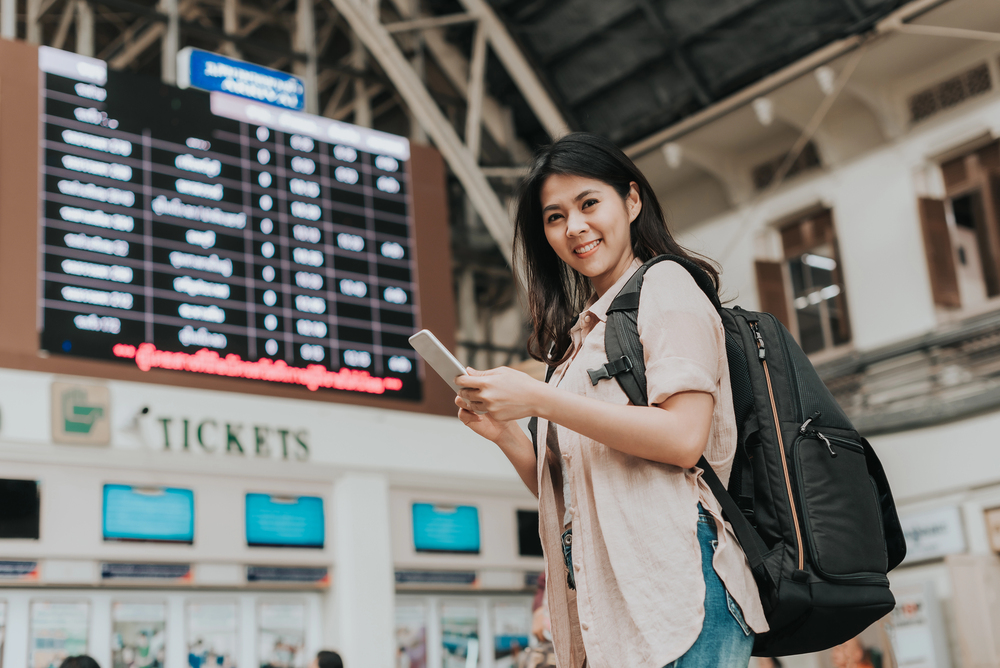
If you have a backpack, wear it in front of you or place it on the baggage racks above your head. If you have shopping bags (especially the rectangular ones with sharp edges) be mindful to hold them low below your waist. This Japanese courtesy maximizes space and prevents accidental hitting.
During peak crowding, bags become projectiles. Holding them properly protects both your belongings and fellow passengers.
Choose local trains over express trains
— Photo by surachetsh
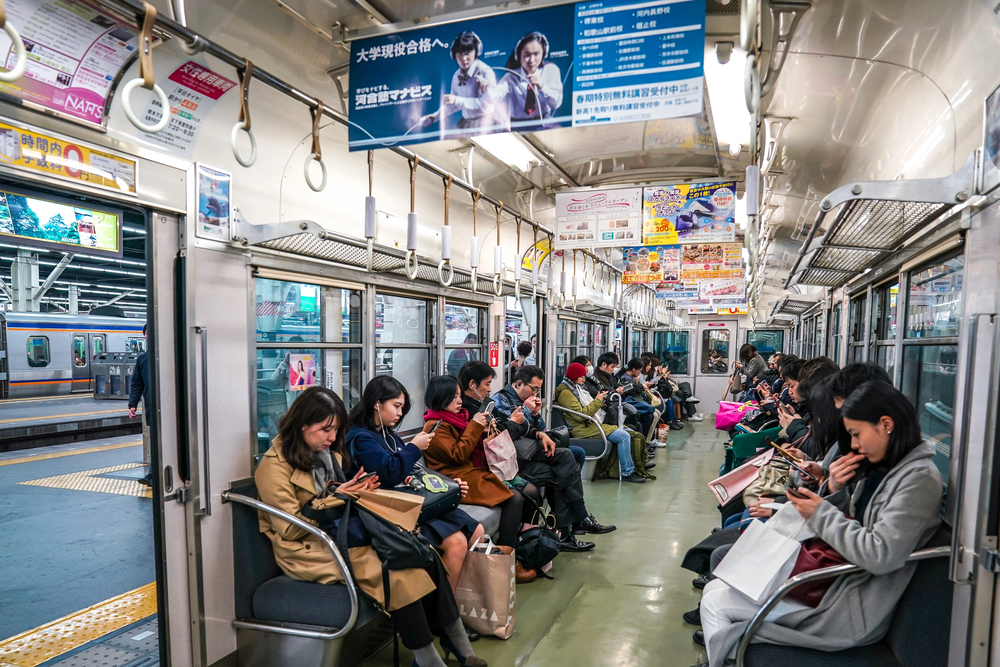
Express or Limited Express services skip more stations and are, therefore, more popular. If time allows, you could take a local train that stops at more stations and therefore have more space and up your chances of getting a seat too. The extra time often equals the delay from waiting for space on crowded express trains.
Local trains reveal hidden neighborhoods and offer breathing room that express services lack.
Use women-only cars strategically
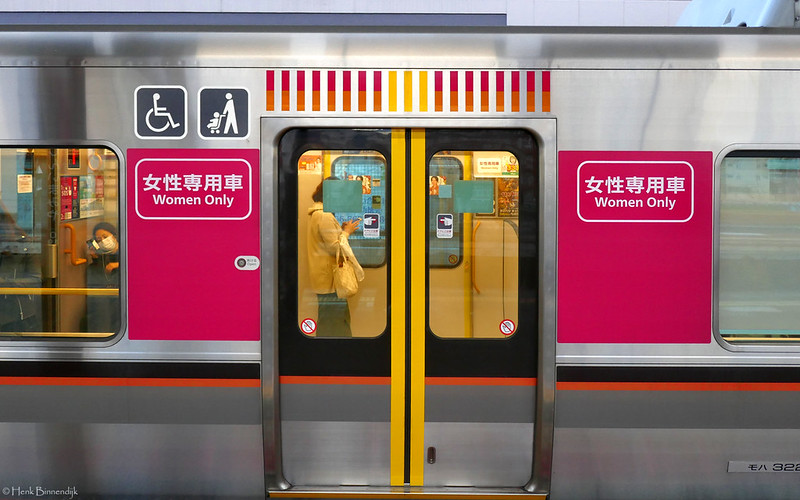
There are carriages reserved for women during morning rush hour on weekdays from 7.10 am on the Tokyo Metro and from 7.30 am on JR. Men can ride in these carriages after 9.30 am on weekdays. These cars typically run at the front or rear of trains and stay less crowded even during peak times. Other than women, “Women-only” cars can also be used by elementary school students and younger children.
Female travelers can use this option for more comfortable rides, while families with young children benefit from extra space.
Set phones to silent and avoid calls
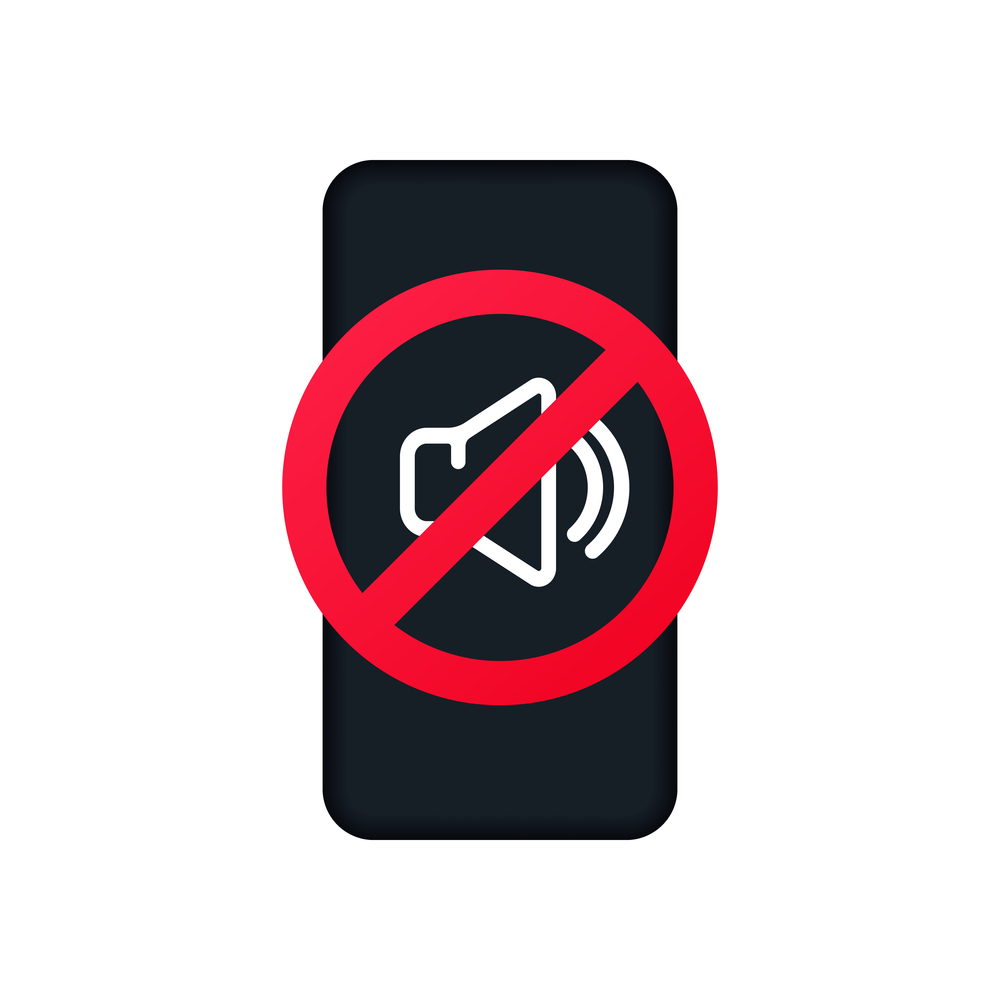
Please set your cell phone to silent mode and refrain from talking on it during your ride. Also, please turn your cell phone off when near priority seats during rush hour and other busy periods. Japanese trains are usually quiet. Locals tend to keep their voices low or avoid conversations altogether. Phone calls are particularly taboo—step off at the next station if urgent communication becomes necessary.
The silence isn’t unfriendliness; it’s collective respect for shared space in a densely populated city.
Time your arrival before departure gate
— Photo by HenryStJohn
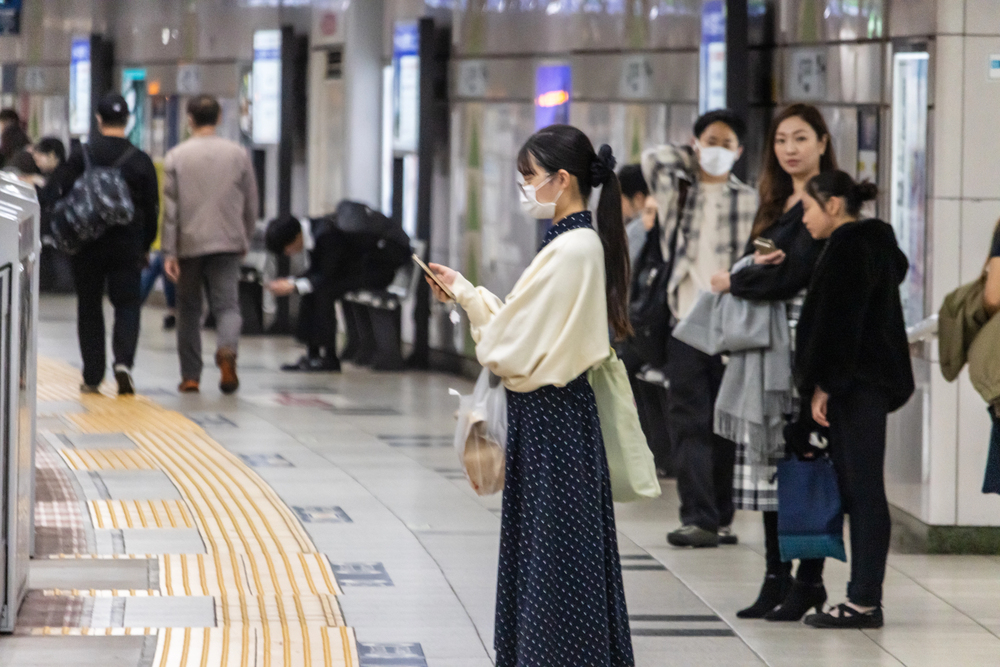
Locals arrive at stations 30–45 minutes before important connections, especially at major hubs like Tokyo Station. If you are taking a train or bullet train with a set time (or a pre-booked time) from a busy station such as Tokyo Station, Shinagawa or Shinjuku, I recommend arriving at the station around 45 minutes ahead of time. Navigation through mega-stations takes longer than expected, particularly with luggage.
This buffer time eliminates stress and prevents missed connections that could derail entire travel plans.
The rhythm of the rails
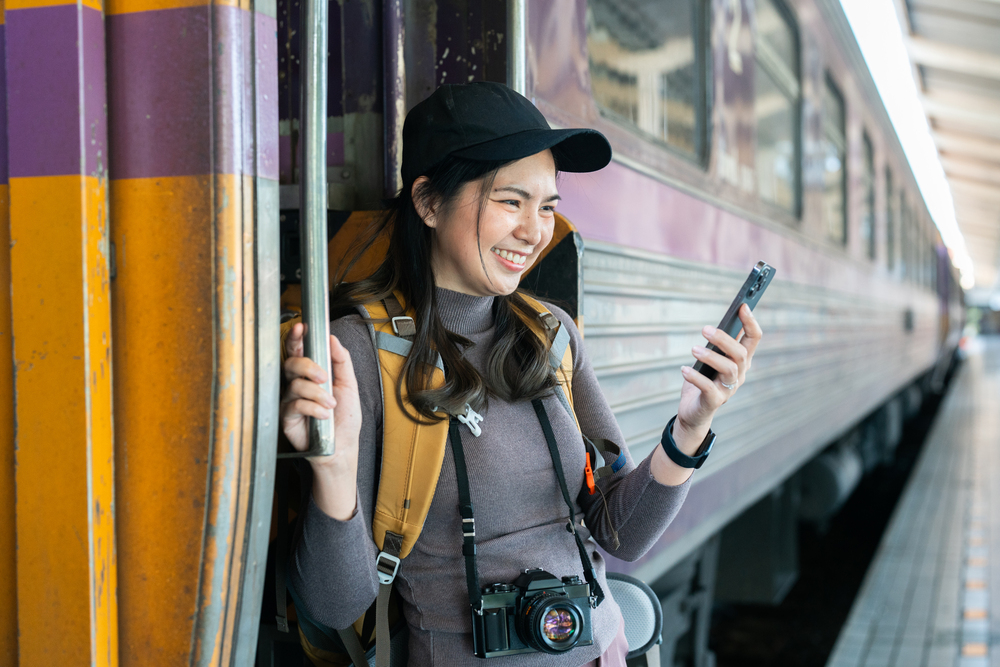
Tokyo’s subway system generally starts operating around 5:00 AM and runs until just past midnight. Master these 16 strategies and you’ll move through the underground city with the same fluid confidence as any Tokyo native—transforming one of the world’s most complex transit systems into your personal express route through Japan’s capital.
More from Travel Pug

- 20 Best Beach Towns in the Carolinas
- 13 Destinations Where Tourists Regularly Regret Their Trip
- 20 Things You Actually Get in First Class
- 20 Small Airports With Aviation Museums
- 20 Places in the U.S. That Are Perfect for a Reset Trip
Like Travel Pug’s content? Follow us on MSN.