

New Zealand’s unpredictable weather can catch even seasoned travelers off guard. You can experience four seasons in one day, and what starts as a sunny morning can turn into a torrential downpour by afternoon. Below are sixteen packing mistakes that can transform your dream trip into an uncomfortable ordeal.
Packing only cotton clothing
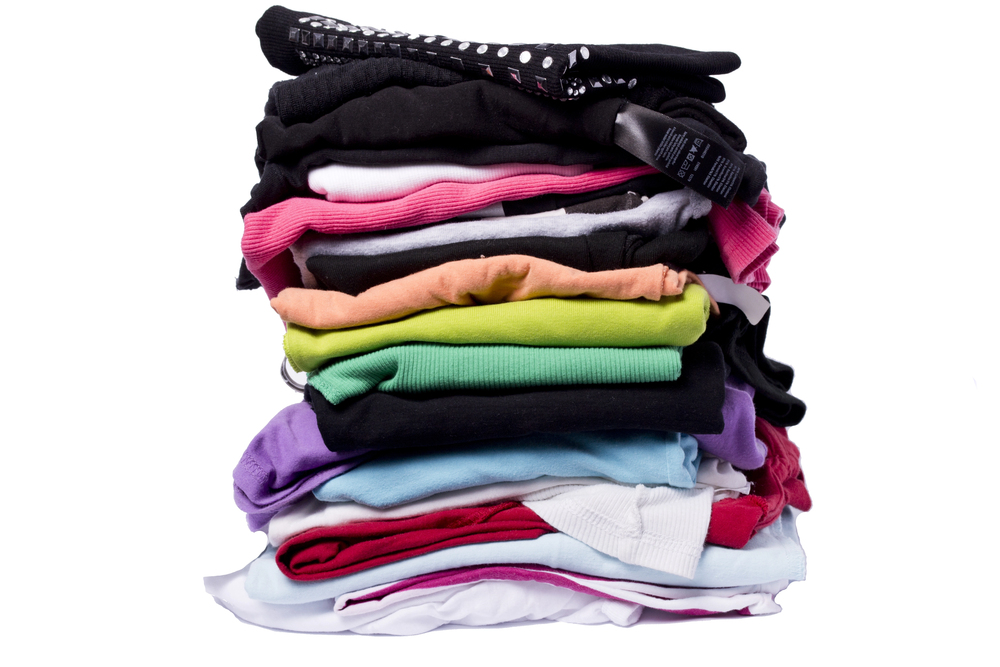
Cotton draws heat away from the body when wet, making it a poor choice for New Zealand’s changeable climate. Synthetic fabrics and merino wool dry faster and maintain warmth even when damp.
And once cotton gets soaked, it stays that way. The author regretted wearing jeans, which don’t dry quickly, and ended up walking around in soaked pants after rainfall.
Bringing new hiking boots without breaking them in
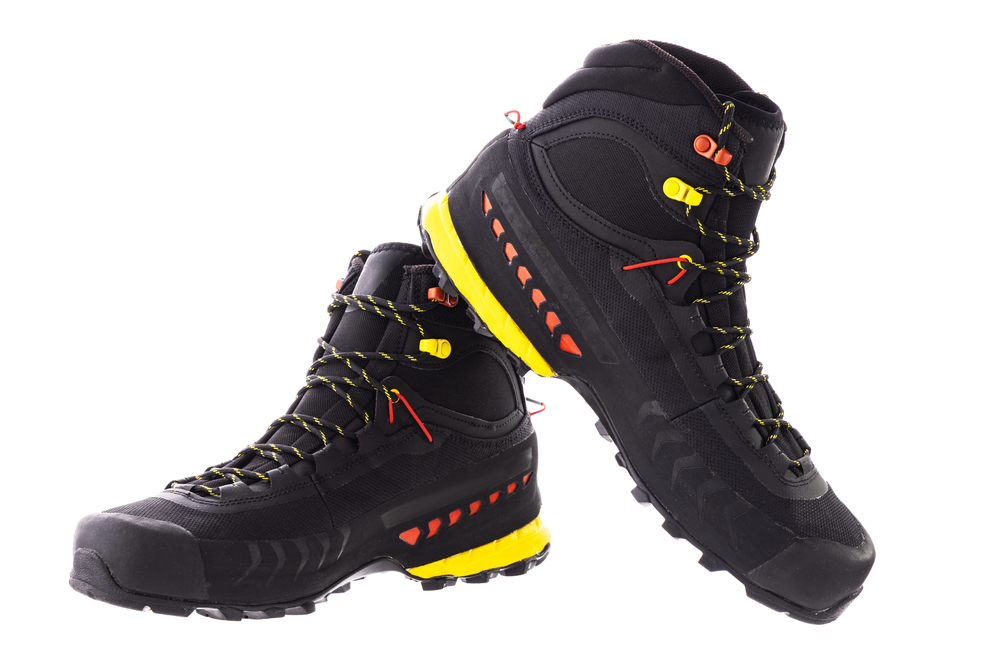
One suggested method is to put boots on, submerge them in water, then take a brisk five-mile walk at least twice. Training in gear before traveling is essential because blisters can ruin multi-day hikes.
Professional guides recommend buying shoes that are a size larger than normal since feet expand during long hiking days.
Skipping waterproof rain gear
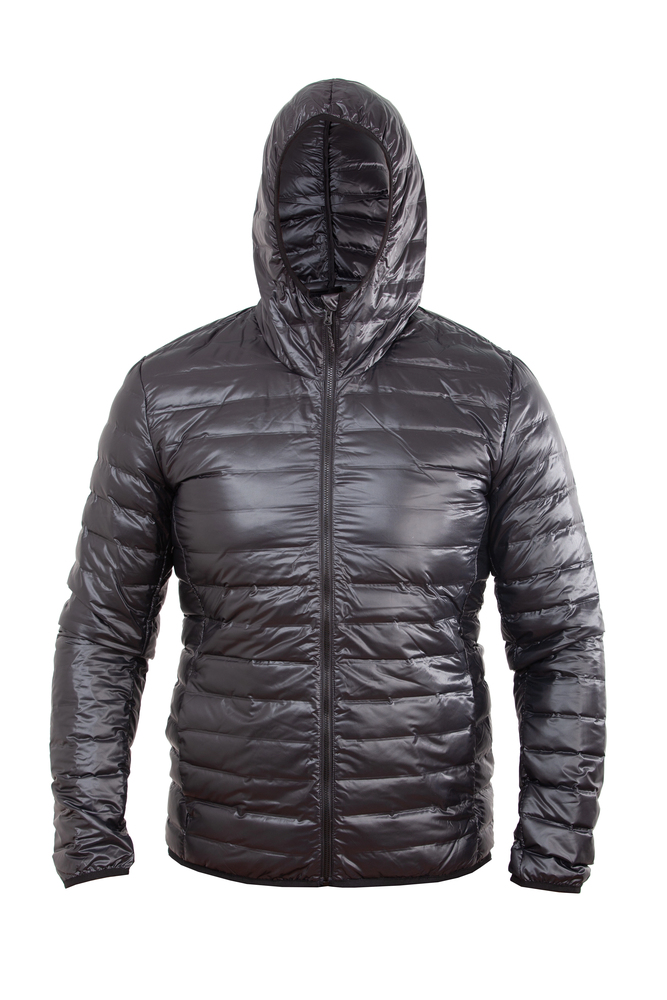
Not just water-resistant—fully waterproof. A waterproof and warm jacket was the single most important thing needed but not brought on one traveler’s experience. Ponchos aren’t suitable for New Zealand’s conditions.
Forgetting sandfly repellent
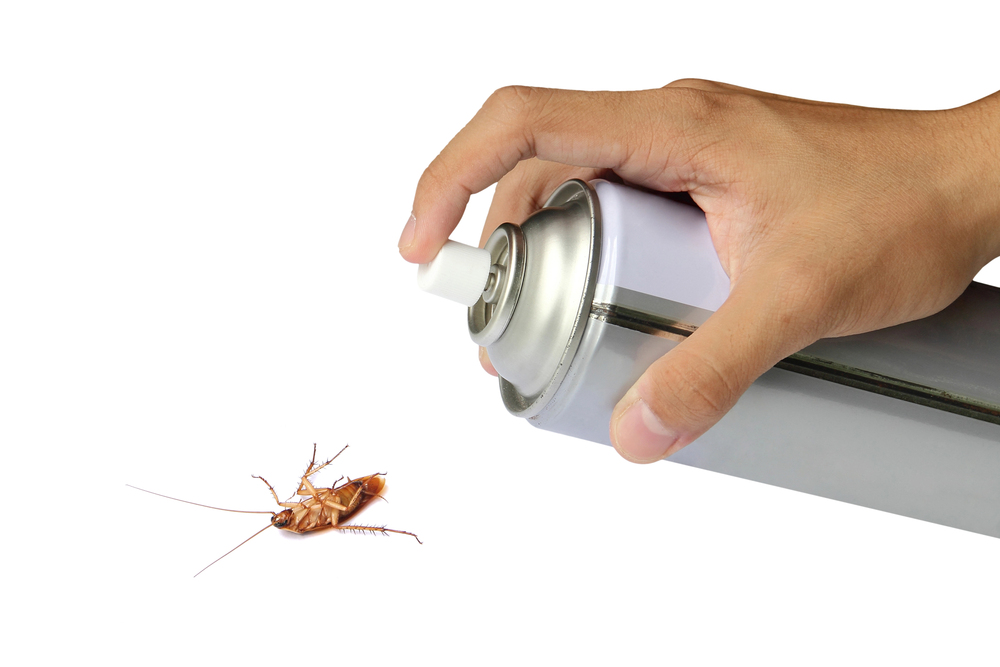
New Zealand is home to one of the nastiest, most incorrigible bloodsucking insect pests, according to Smithsonian Magazine. Sandflies are mentioned as essential protection for the West Coast, where they swarm vehicles immediately upon arrival. The smell of wet earth after rain seems to activate them.
Underestimating sun protection needs

The sun in New Zealand is more intense than in most places due to proximity to the ozone hole. One traveler got sunburned after just a few minutes despite warnings about the UV intensity.
Regular sunscreen from home might not cut it. At least one UPF sunshirt is recommended for additional protection.
Packing clothes you’ve never worn

If you don’t wear something at home, you probably won’t wear it on your trip. This includes sale items with tags still attached that seemed too good to pass up, but don’t actually fit properly.
Overpacking clothing
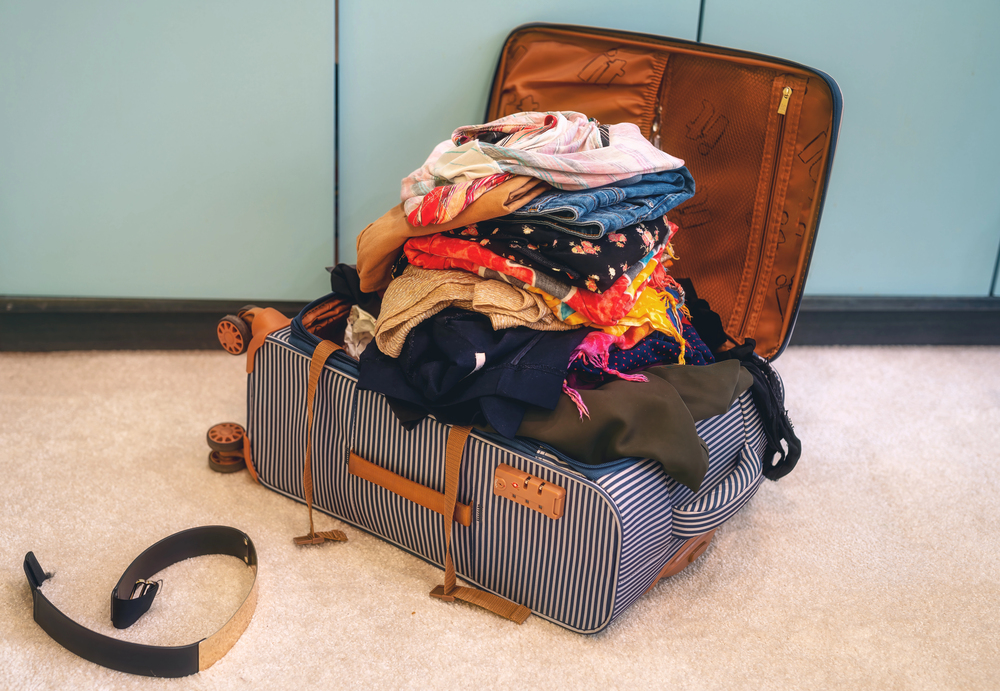
Almost everyone brings too many clothes, according to travel experts. A few key pieces go a long way, and you’ll have plenty of laundry opportunities.
Still, many travelers pack like they’re moving permanently. Leave room for souvenirs instead.
Wearing inappropriate footwear for activities
— Photo by Alavanta
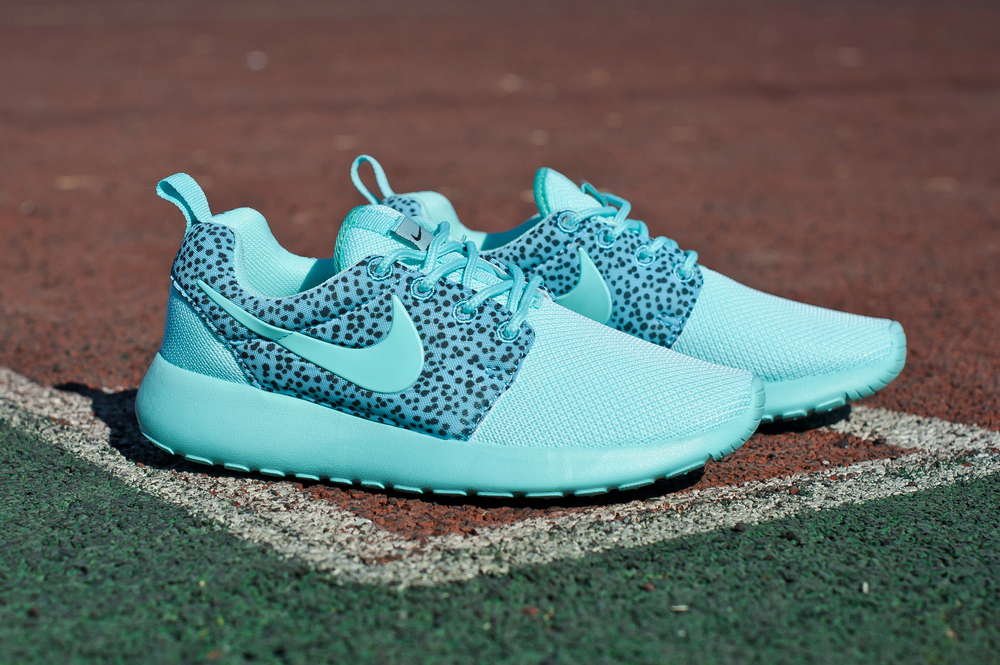
One hiker attempted a short hike in flip-flops and ended up with a sprained ankle. Nike Roshe Runs proved extremely absorbent and became waterlogged during wet conditions.
Trail shoes work for many hikes, but technical terrain demands proper boots with ankle support.
Ignoring biosecurity declaration requirements
— Photo by guynamedjames
People failing to declare biosecurity risk goods may be instantly fined NZD$400. This includes:
- Any food items
- Outdoor equipment used on farms or in nature
- Hiking boots and camping gear
- Wooden products or plant materials
Even accidental non-declaration triggers fines.
Bringing the wrong electrical adapters
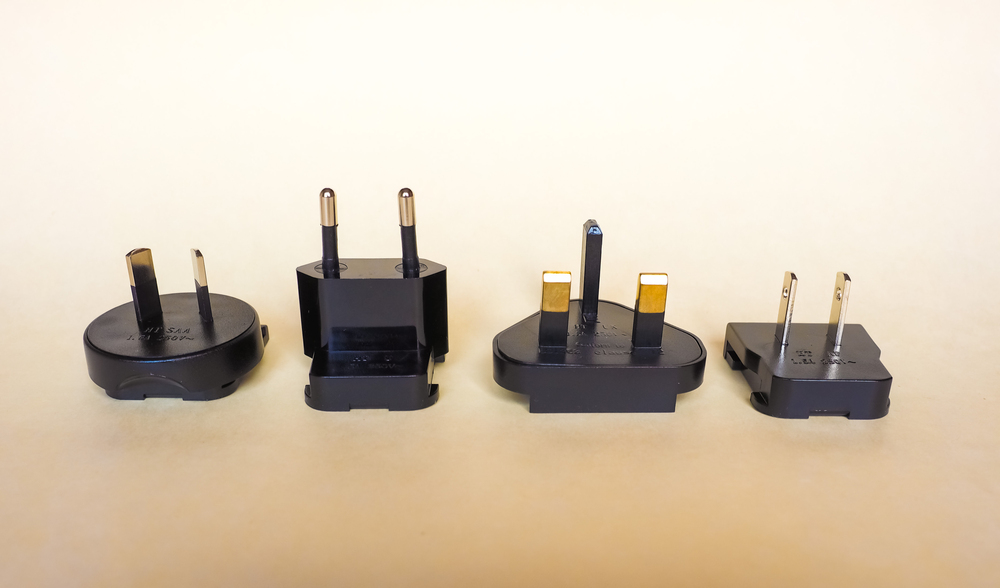
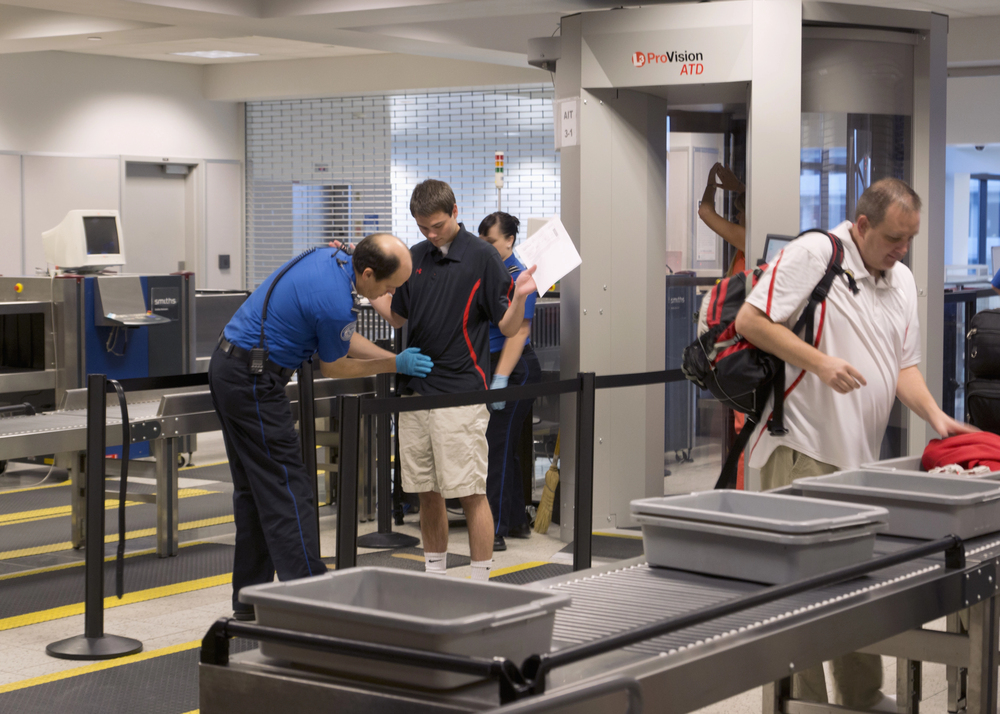
New Zealand uses Type I plugs with three flat pins. Personal electronic devices like laptops should be packed in carry-on bags for security screening requirements.
Packing restricted airline items incorrectly
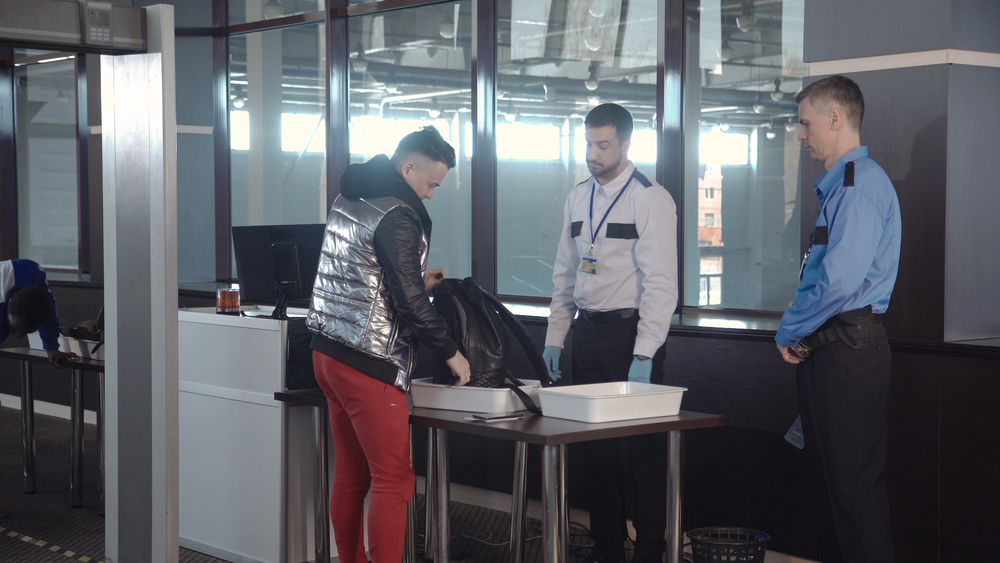
Liquids, aerosols, and gels must be in containers no larger than 100ml and fit in a transparent plastic bag. This includes items you can pump, squeeze, spread, smear, spray or spill like toothpaste, sunscreen, and bug spray.
Forgetting quick-dry alternatives
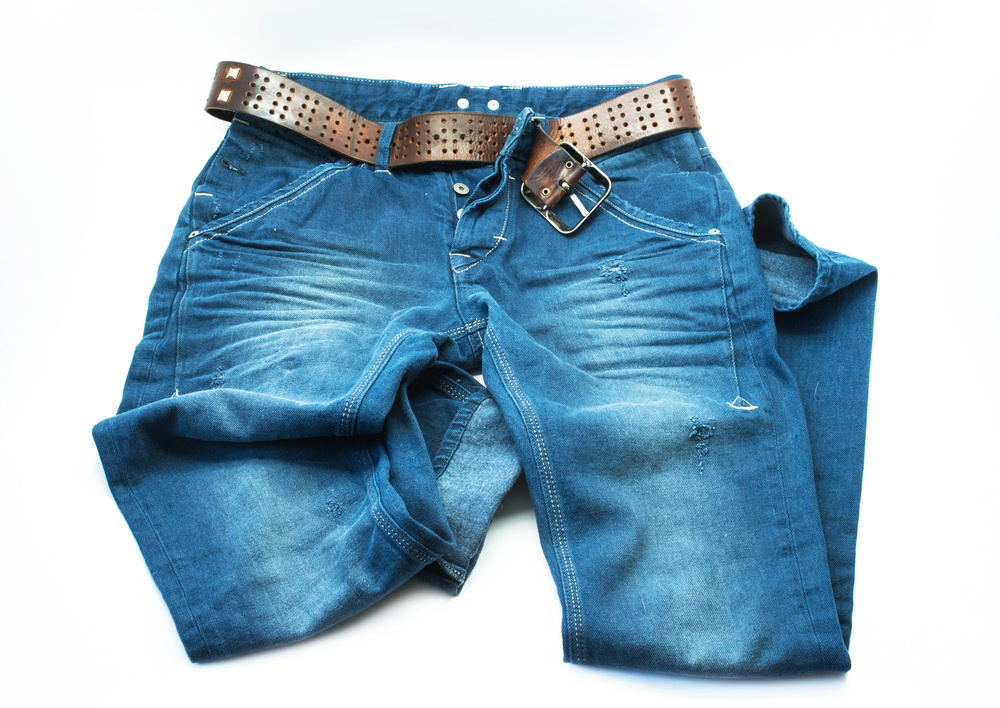
Jeans take forever to dry in humid conditions. Quick-drying pants are essential when rain hits and you need to keep moving on your itinerary.
But pack wisely. Torn jeans proved problematic when the traveler fell and scraped knees where the tears were.
Not cleaning outdoor equipment beforehand
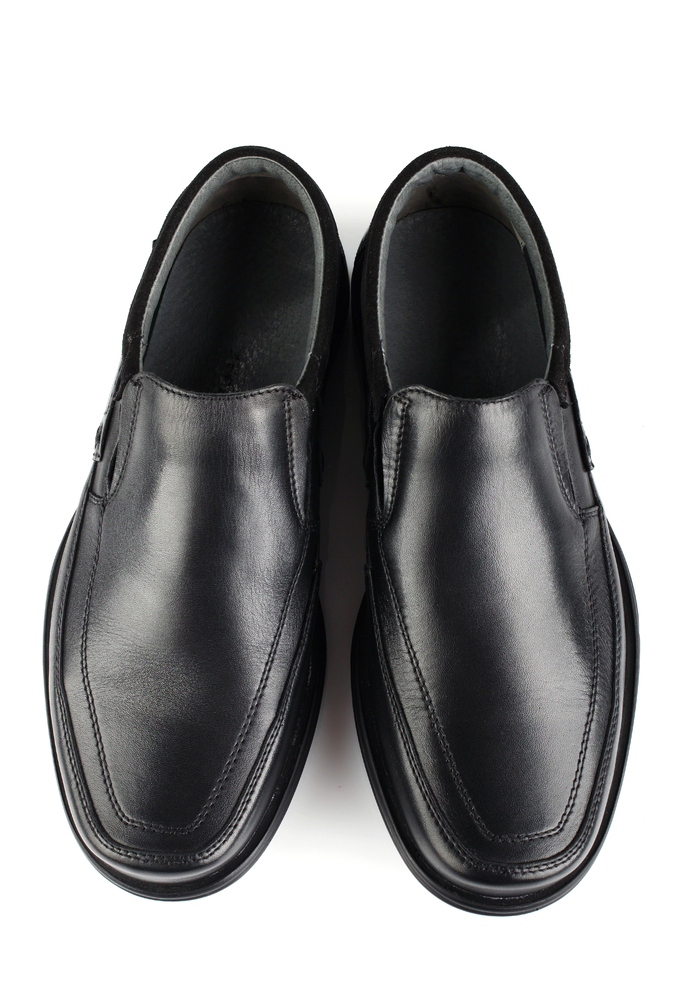
New Zealand customs are very strict, so boots must be clean, dry, and packed at the top of luggage ready for inspection. Equipment might carry soil containing diseases and pests.
The biosecurity team suggests “check, clean, dry” before packing anything used outdoors.
Bringing prohibited food items
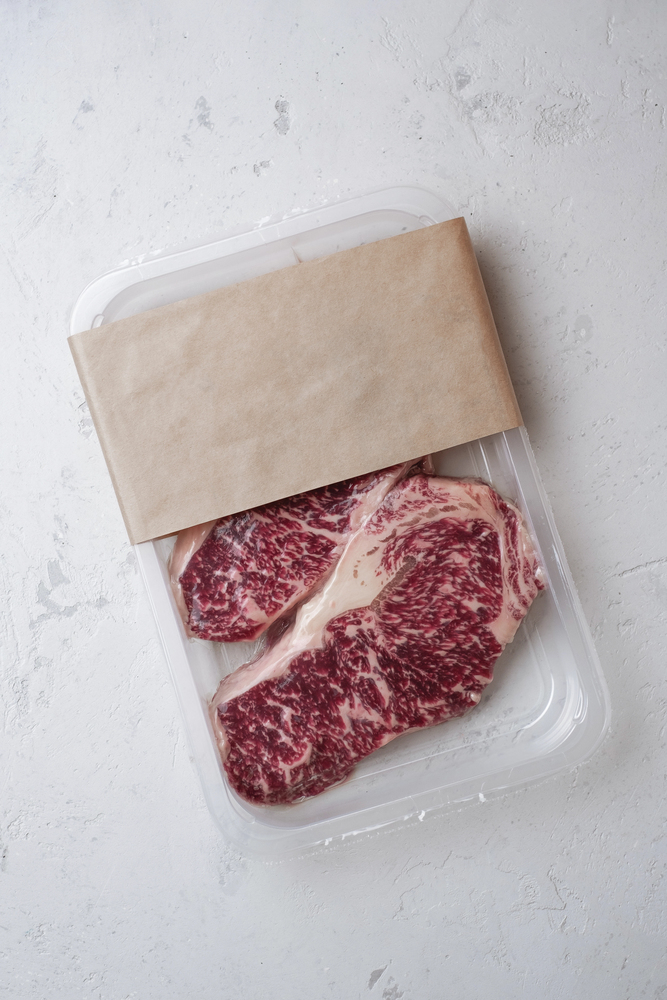
Fresh fruit and vegetables, fresh meat or fish, honey, and bee products cannot enter New Zealand. Any food must be declared including cooked, packaged, and dried varieties.
Packing too much in carry-on bags
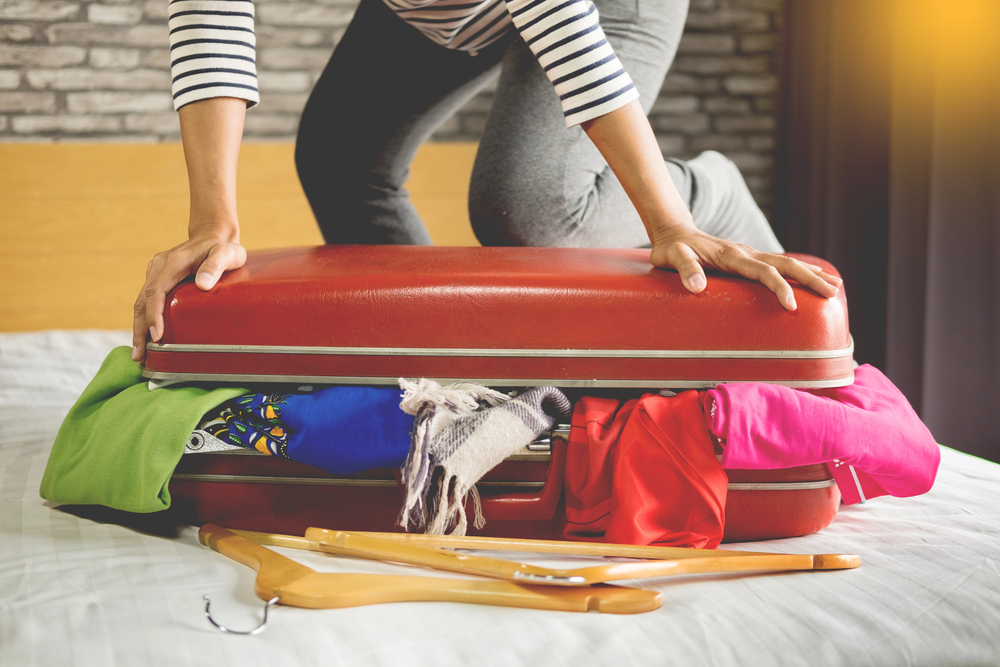
Overpacked bags place undue stress on locking mechanisms and are difficult to repack. For New Zealand, there’s no real reason to battle keeping luggage size down since streets are paved and most people travel by car or campervan.
Failing to pack for shoulder seasons
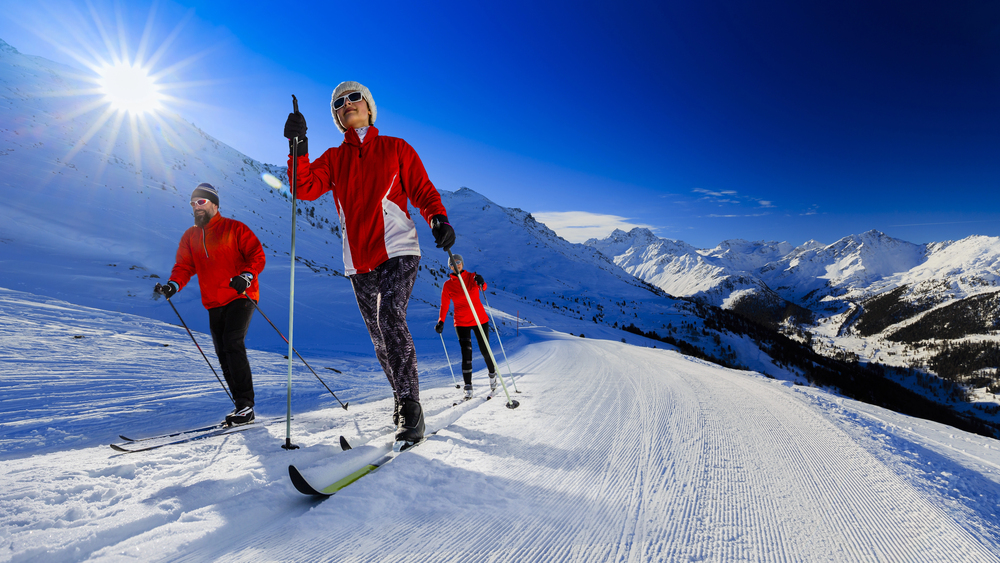
Packing for the season instead of checking the forecast leaves travelers unprepared for New Zealand’s unpredictable weather patterns. It’s a place where you can go skiing in the morning and surfing in the afternoon.
Ready for anything
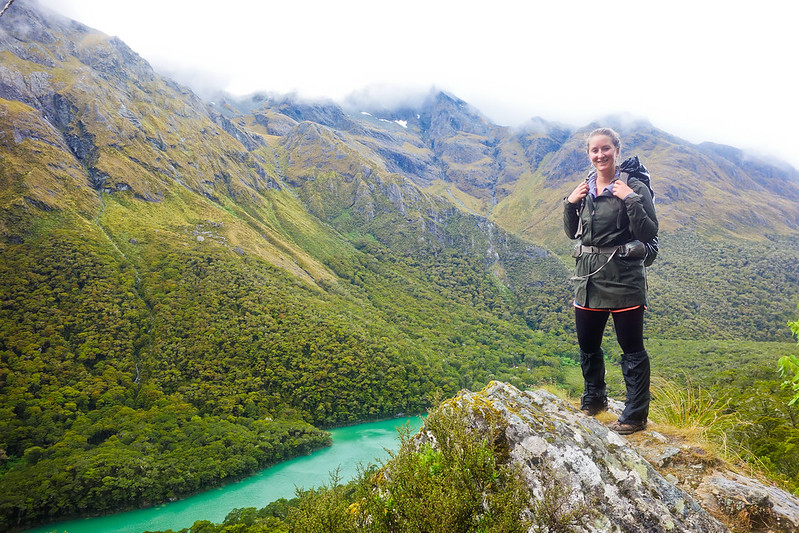
When hiking in New Zealand, carry the same gear in your backpack year-round because the weather can be temperamental and unpredictable. The country rewards those who prepare for everything and forgives those who don’t.
More from Travel Pug

- 20 Best Beach Towns in the Carolinas
- 13 Destinations Where Tourists Regularly Regret Their Trip
- 20 Things You Actually Get in First Class
- 20 Small Airports With Aviation Museums
- 20 Places in the U.S. That Are Perfect for a Reset Trip
Like Travel Pug’s content? Follow us on MSN.