

The Sierra Nevada runs for about 400 miles along California’s eastern spine, and within that range sits some of the most spectacular camping terrain in North America. From granite-rimmed alpine lakes to sequoia groves to desert-edge high country, the range offers a camping experience for almost every level of commitment and comfort preference.
Here is a list of 16 top camping spots in the Sierra Nevada, covering both developed campgrounds and backcountry destinations worth the extra planning.
Tuolumne Meadows Campground, Yosemite
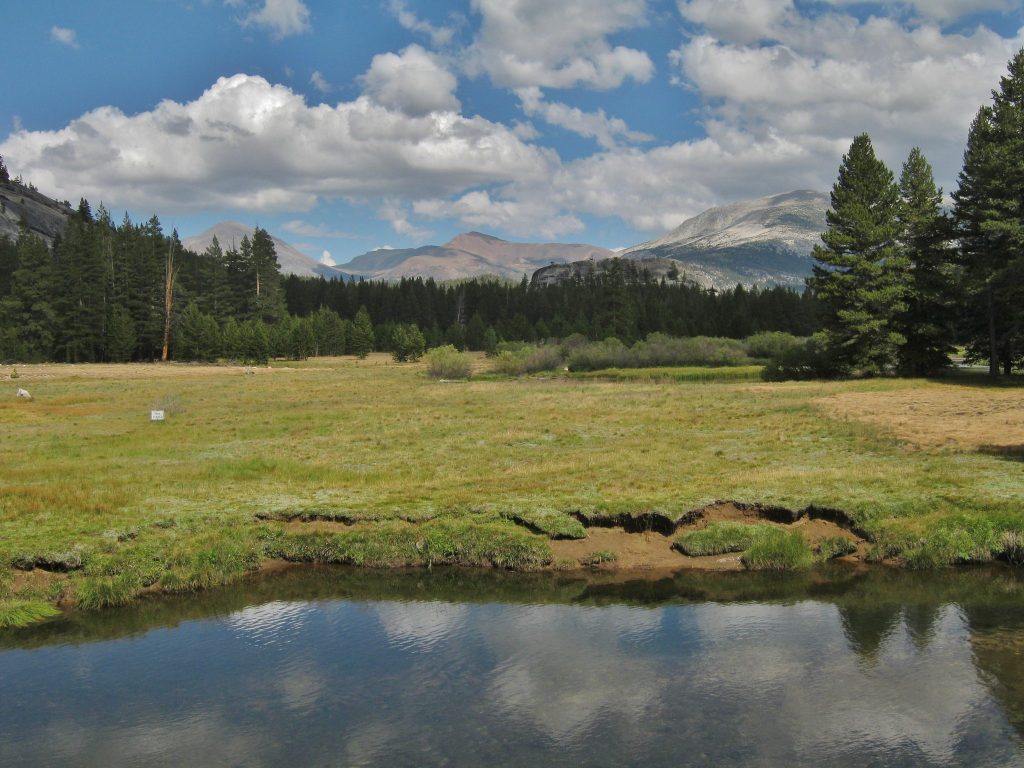
At 8,600 feet in Yosemite’s high country, Tuolumne Meadows feels like a different park from the crowded valley floor. The campground is large, but the setting is extraordinary — a broad subalpine meadow ringed by granite domes, with the Tuolumne River winding through it and excellent hiking in every direction.
Lake Thomas Edison, Sierra National Forest
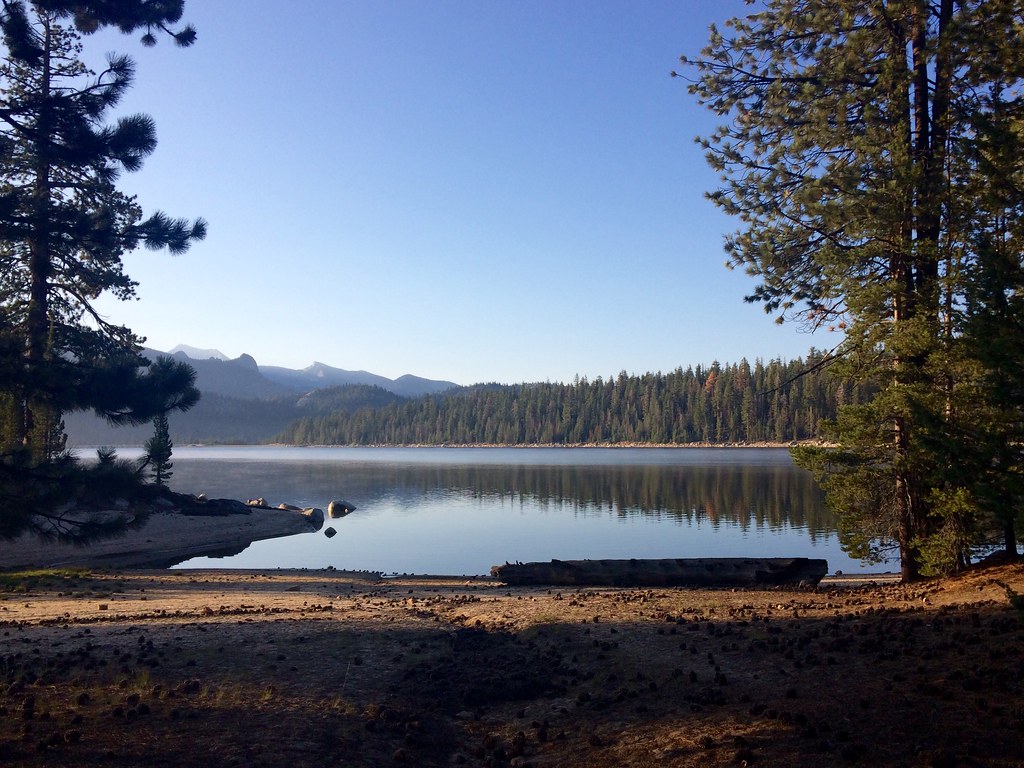
A floatplane-accessible reservoir at 7,000 feet that serves as the trailhead for the John Muir Trail section into the Muir and Evolution Wilderness areas. The campground is basic, but the location — backed against steep granite peaks with excellent fishing — earns it a permanent spot on serious Sierra camping lists.
Convict Lake Campground
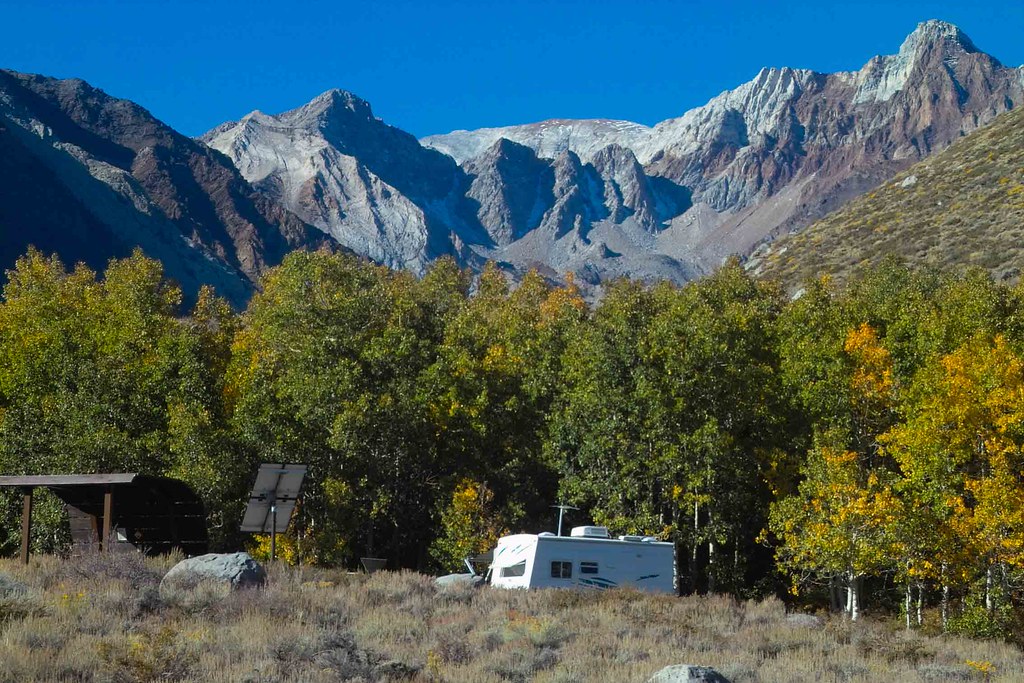
In the Eastern Sierra near Mammoth Lakes, Convict Lake is a postcard come to life — a deep turquoise lake beneath a wall of dark metamorphic peaks that rise dramatically above the campground. Trout fishing is excellent, the loop trail around the lake is accessible to all ability levels, and the proximity to Mammoth means resupply is easy.
Lodgepole Campground, Sequoia National Park
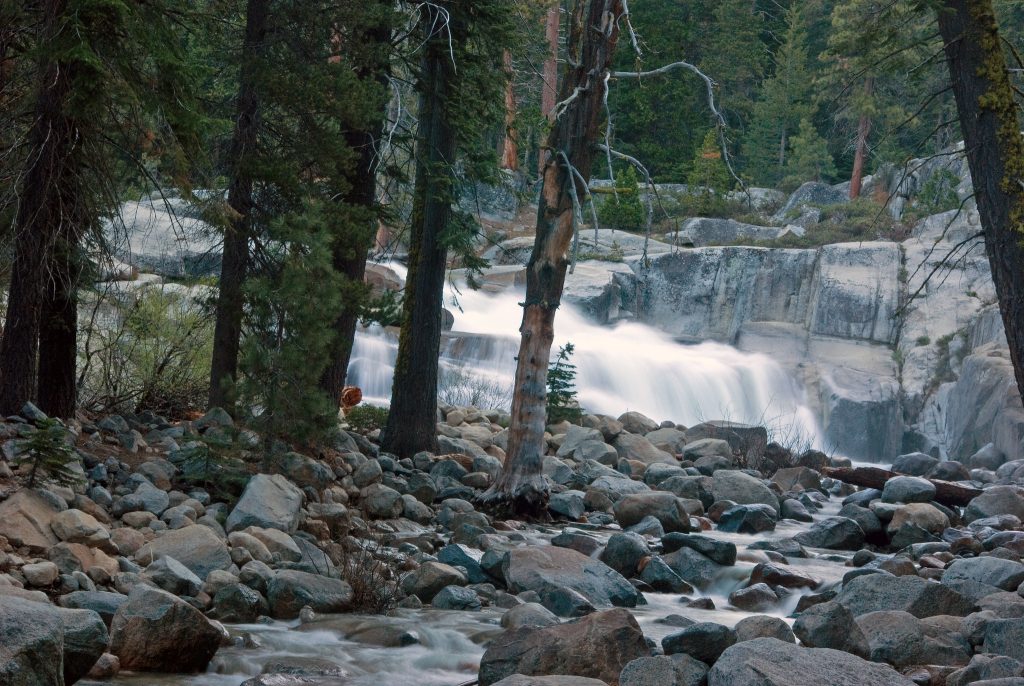
Lodgepole sits alongside the Kaweah River in Sequoia National Park, within easy reach of both the Giant Forest sequoia grove and the Tokopah Valley trail. It’s a busy campground by Sierra standards, but the infrastructure is solid and the access to the world’s largest trees more than compensates for the company.
Twin Lakes, Bridgeport Canyon
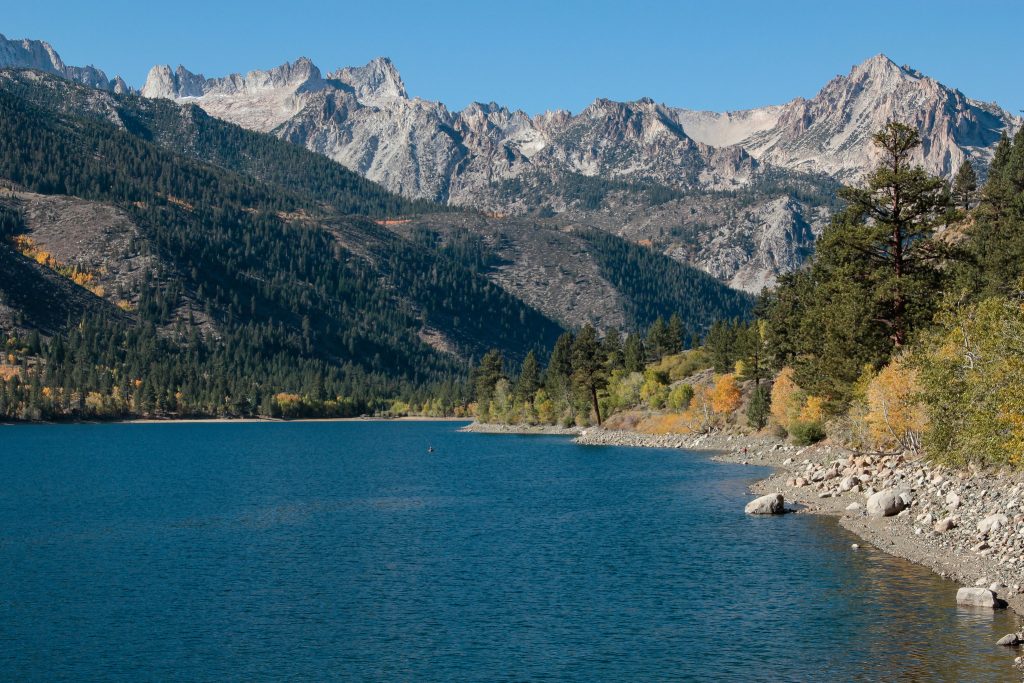
Near the eastern Sierra town of Bridgeport, the Twin Lakes campgrounds sit beneath the jagged Sawtooth Ridge at around 7,000 feet. The setting is dramatic in a way that feels more alpine than California, and trout fishing in both lakes draws anglers who return annually for the reliable catch rates.
Dinkey Lakes Wilderness
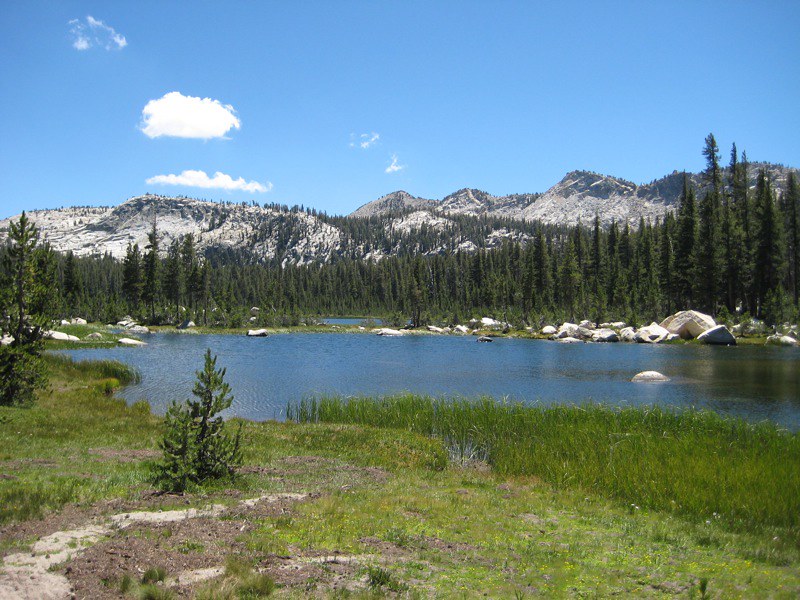
A lesser-known wilderness area west of Kings Canyon, Dinkey Lakes offers backcountry camping without the permit competition of the more famous Sierra destinations. A straightforward day hike from the trailhead accesses multiple lakes surrounded by wildflower meadows, and the crowds stay thin even in peak summer.
Ellery Lake, Lee Vining Canyon
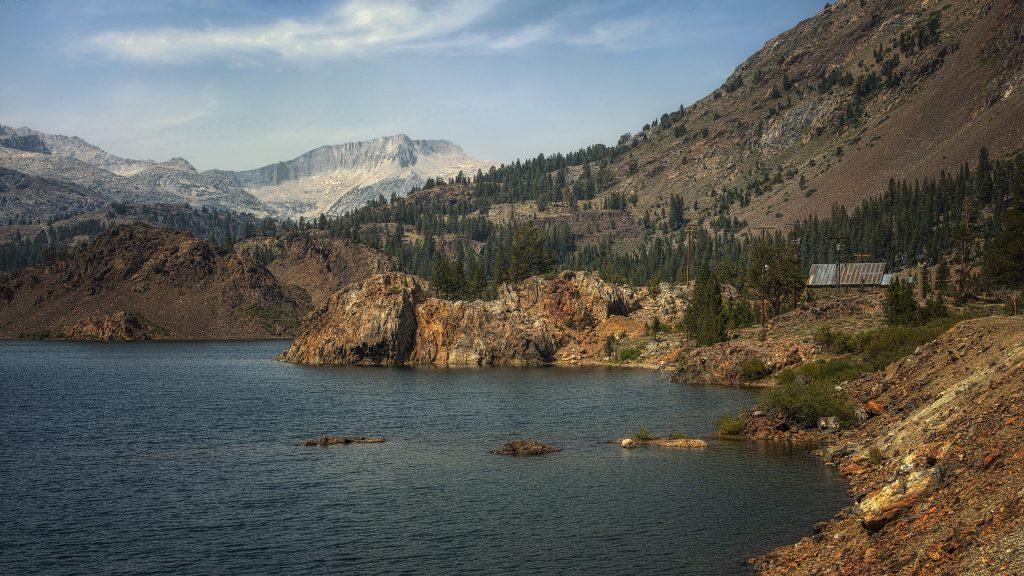
Right on Highway 395 as it climbs toward Tioga Pass, Ellery Lake is one of those campgrounds that feels earned despite requiring almost no effort to reach. The lake is beautiful, the stars at this elevation are exceptional, and the drive up the canyon from Lee Vining is one of the more dramatic road approaches in the Sierra.
Grover Hot Springs State Park, Markleeville
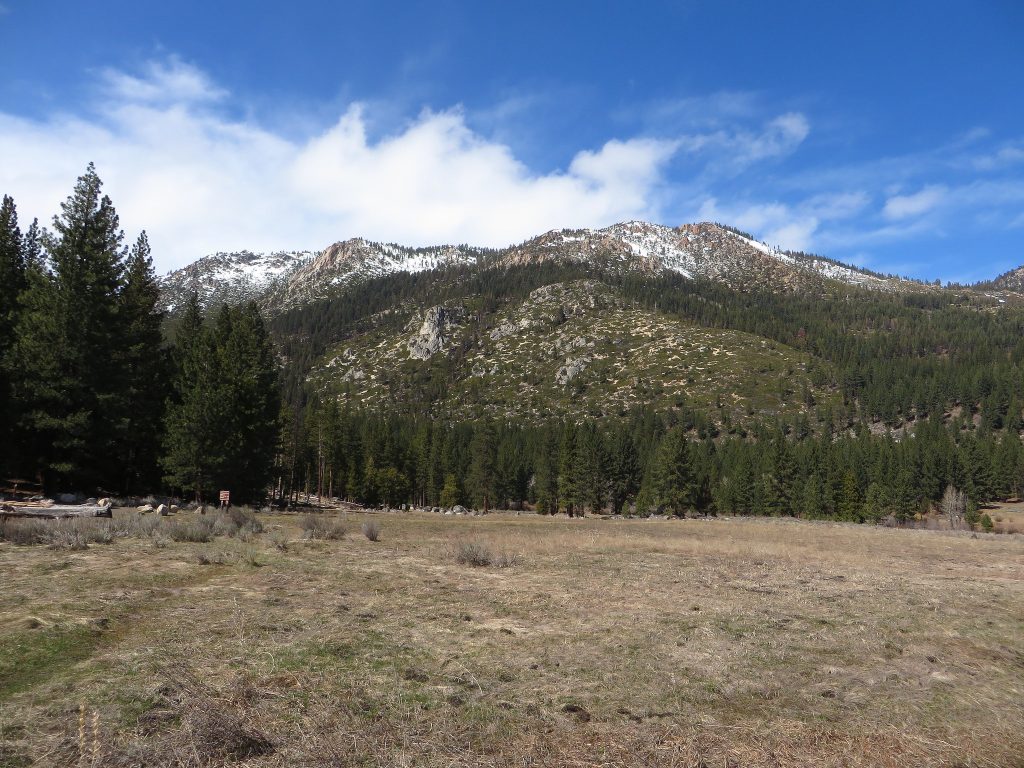
Grover Hot Springs combines camping in a high mountain meadow with access to a developed hot spring facility — meaning you can spend a day hiking Monitor Pass or the Carson River canyon and then soak sore legs in properly hot mineral water before cooking dinner. It books up well in advance during summer and fall.
South Lake, Bishop Creek Canyon
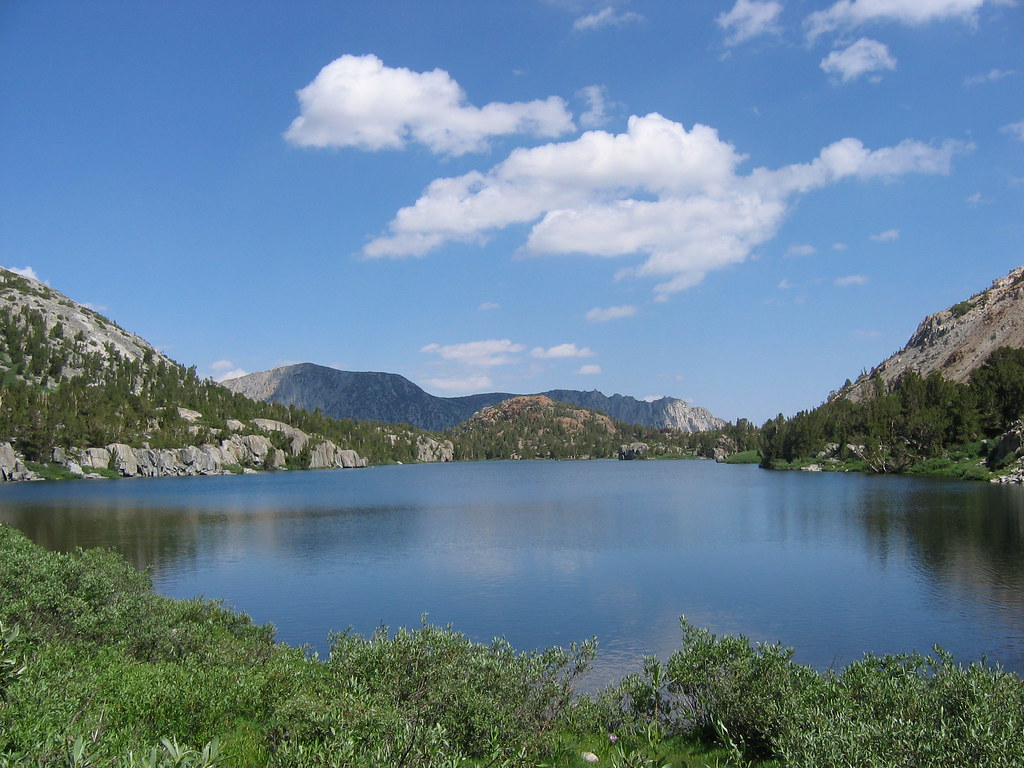
The Bishop Creek drainage on the Eastern Sierra is one of those corridors that serious hikers know well and casual visitors overlook. South Lake at the canyon’s head is a stunning alpine lake at 9,800 feet, and the campground serves as the main access point for trails into the John Muir Wilderness and toward Bishop Pass.
Mineral King, Sequoia National Park
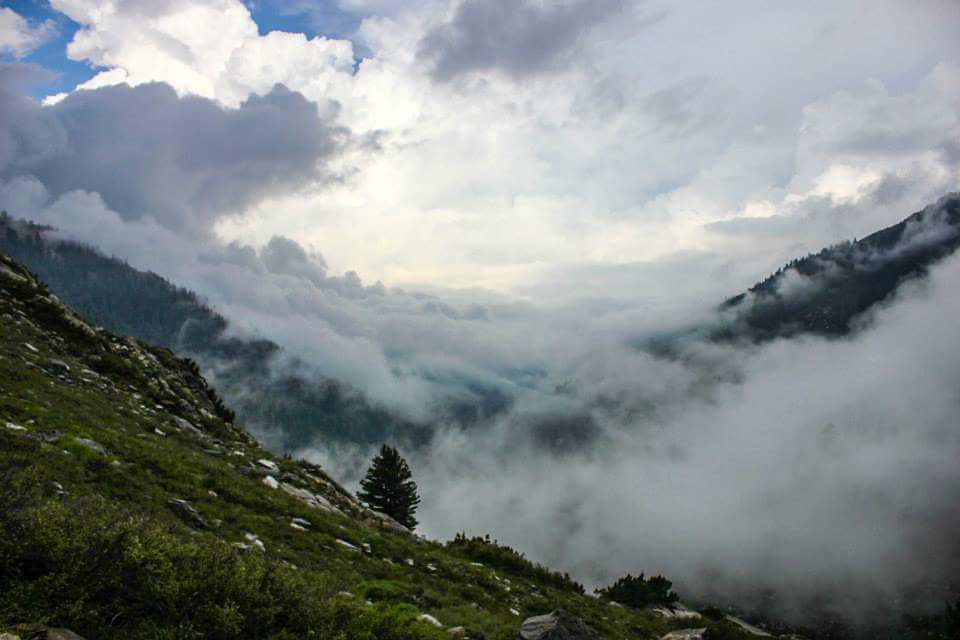
The road to Mineral King is famously narrow, winding, and slow — 25 miles of curves that discourage casual visitors and effectively preserve the valley as one of Sequoia’s best-kept secrets. The bowl-shaped hanging valley at 7,800 feet is ringed by peaks exceeding 11,000 feet, and the hiking into the backcountry here is as good as the Sierra offers.
June Lake Loop Campgrounds
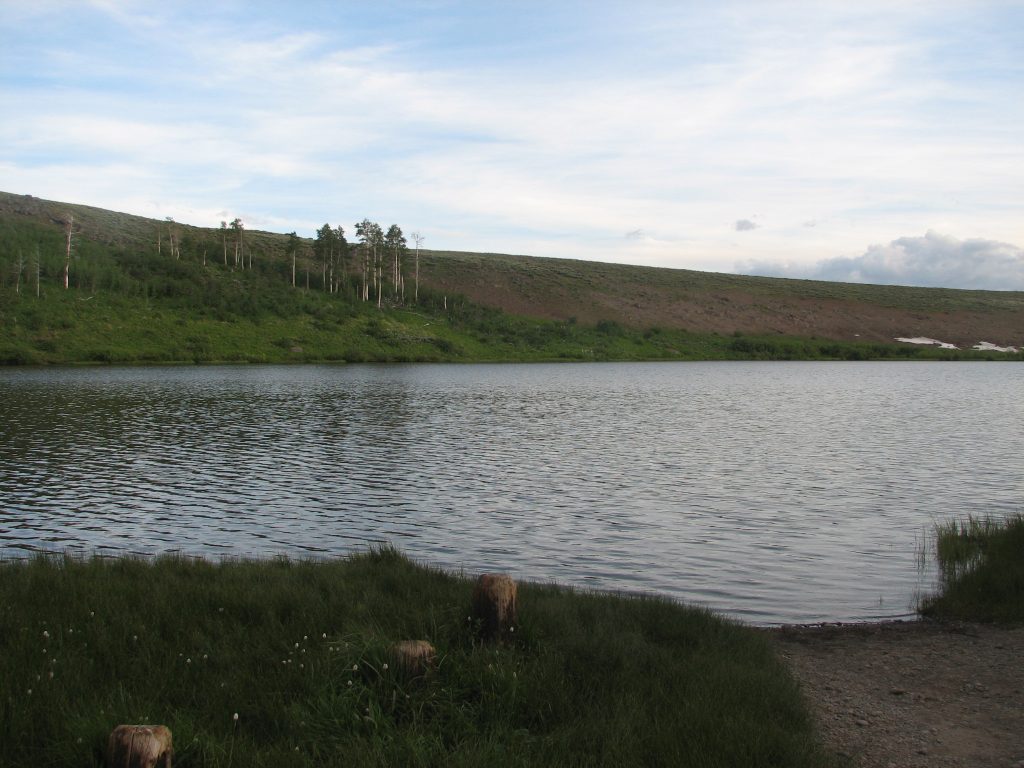
The June Lake Loop is a scenic detour off Highway 395 that threads four lakes in a spectacular glacially carved canyon beneath the Carson Peak ridgeline. The campgrounds at June Lake, Silver Lake, and Grant Lake all offer different perspectives on the same great scenery, and the loop’s relative proximity to Yosemite’s eastern entrance makes it a natural stopping point.
Onion Valley, Independence
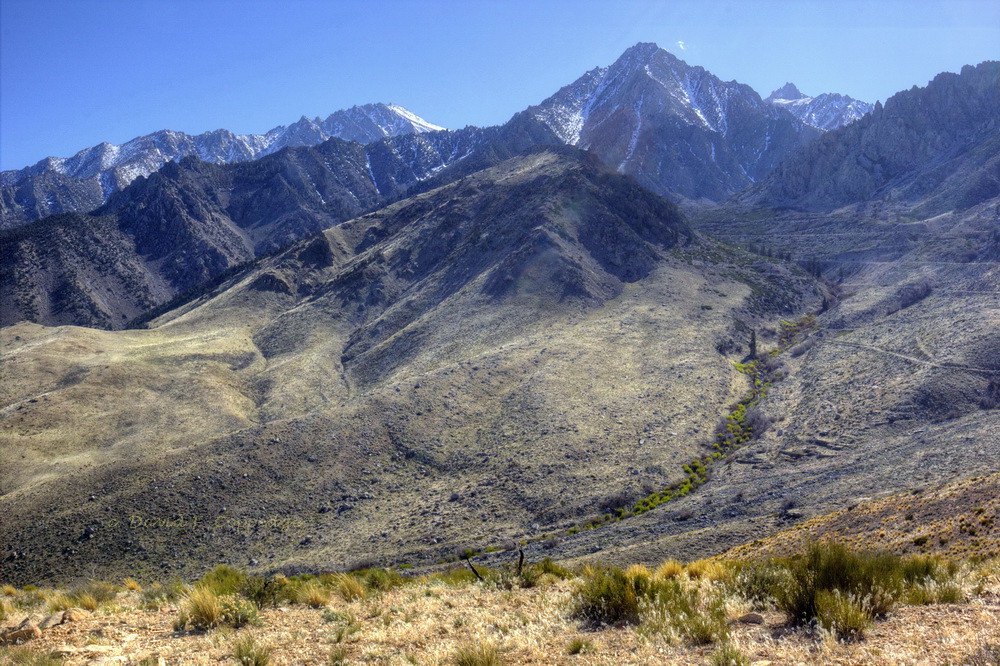
Onion Valley Road climbs 5,000 feet from the Owens Valley floor to one of the Sierra’s most dramatic trailheads at 9,200 feet, with a campground that sits beneath an amphitheater of granite peaks. The access trail over Kearsarge Pass is one of the most popular eastern Sierra backcountry entries, and the view from the pass — down into Bullfrog Lake and up toward Forester Pass — is hard to forget.
Agnew Meadows, Mammoth Lakes
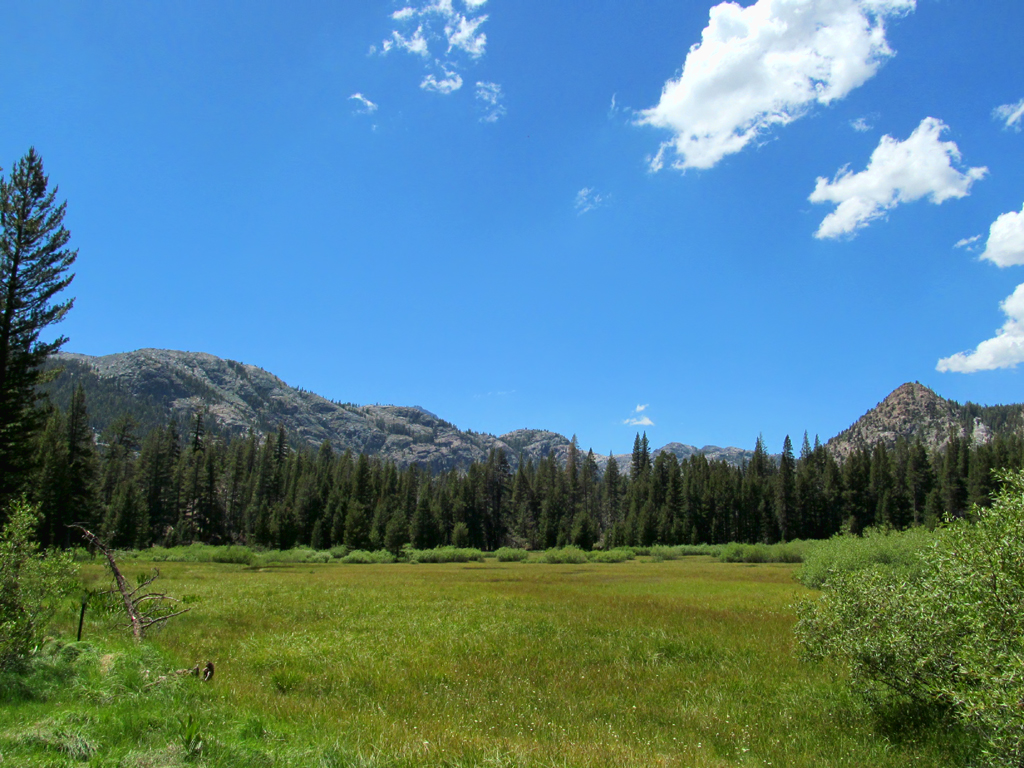
Agnew Meadows is accessible by shuttle from Mammoth during peak season, which keeps traffic manageable and the meadows intact. It’s a primary entry point for the Pacific Crest Trail and access to the Ritter Range and Shadow Lake, making it a preferred spot for those combining car camping with ambitious day hiking.
Serrano Campground, Big Bear Lake
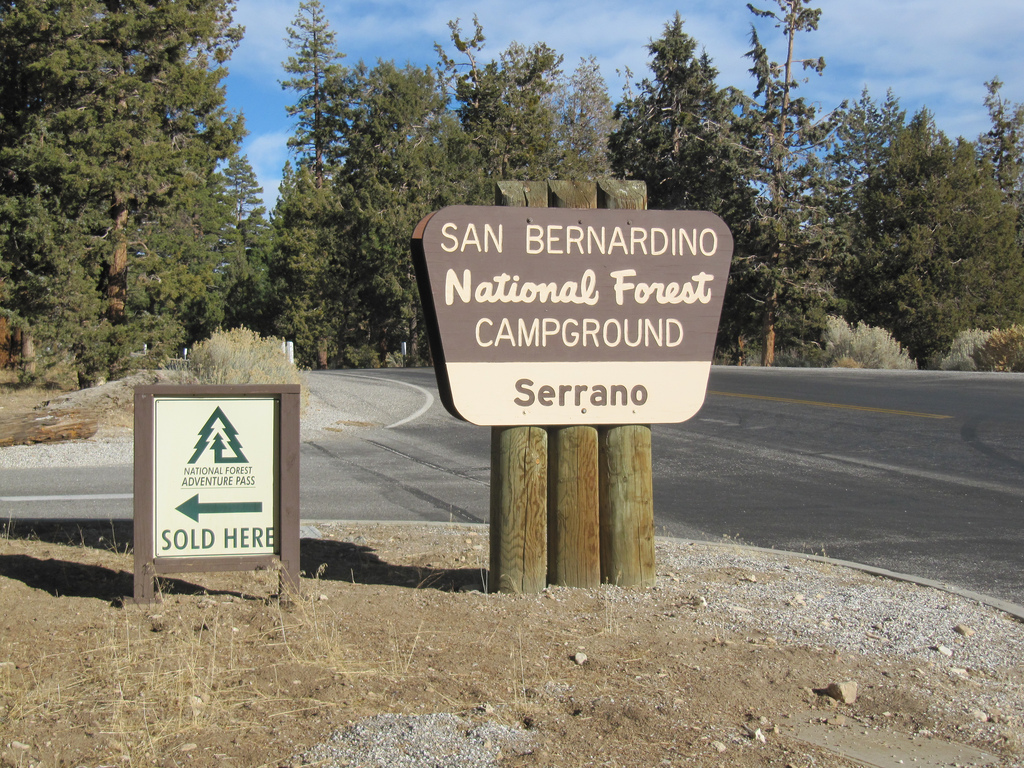
At the southern end of the Sierra Nevada, Big Bear Lake in the San Bernardino Mountains offers year-round camping at Serrano with mountain lake views, good fishing, and enough distance from Los Angeles to feel genuinely remote despite the drive being under two hours from the metro area.
Virginia Lakes, Bridgeport
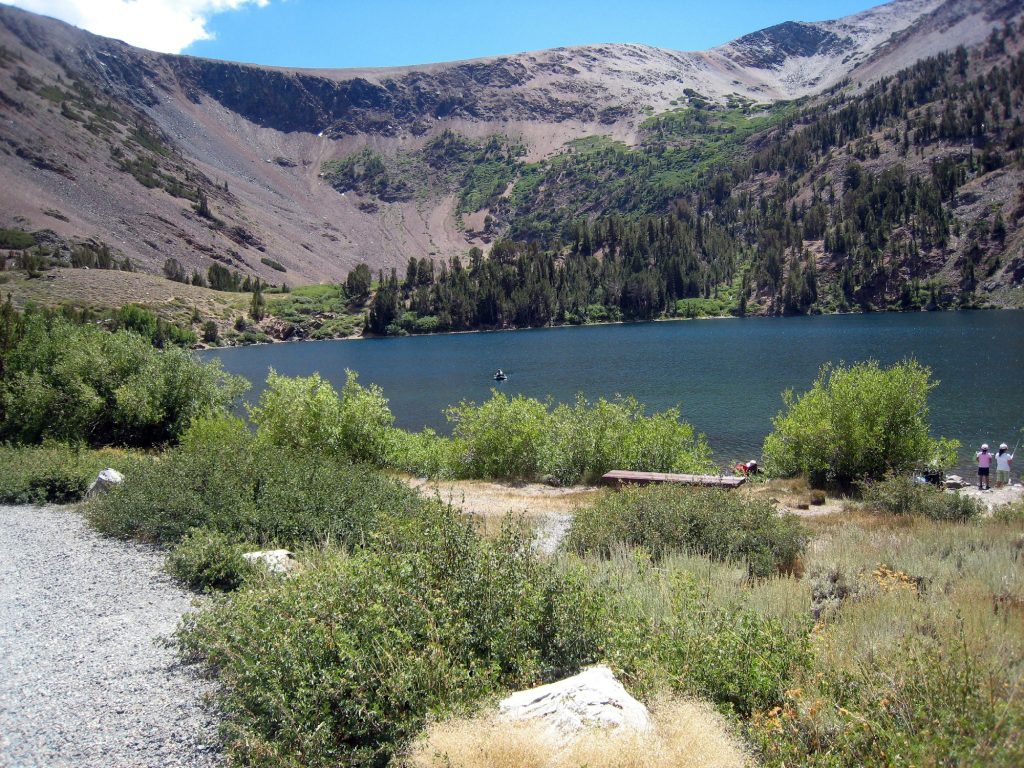
The Virginia Lakes basin in the Eastern Sierra is a network of small alpine lakes clustered together at elevations between 9,700 and 10,300 feet, accessible from a compact trailhead that puts multiple lakes within easy day hiking range. The campground at the lower lake is simple but well-positioned, and the wildflower display in July is among the Sierra’s best.
Hetch Hetchy Backpacker’s Camp, Yosemite
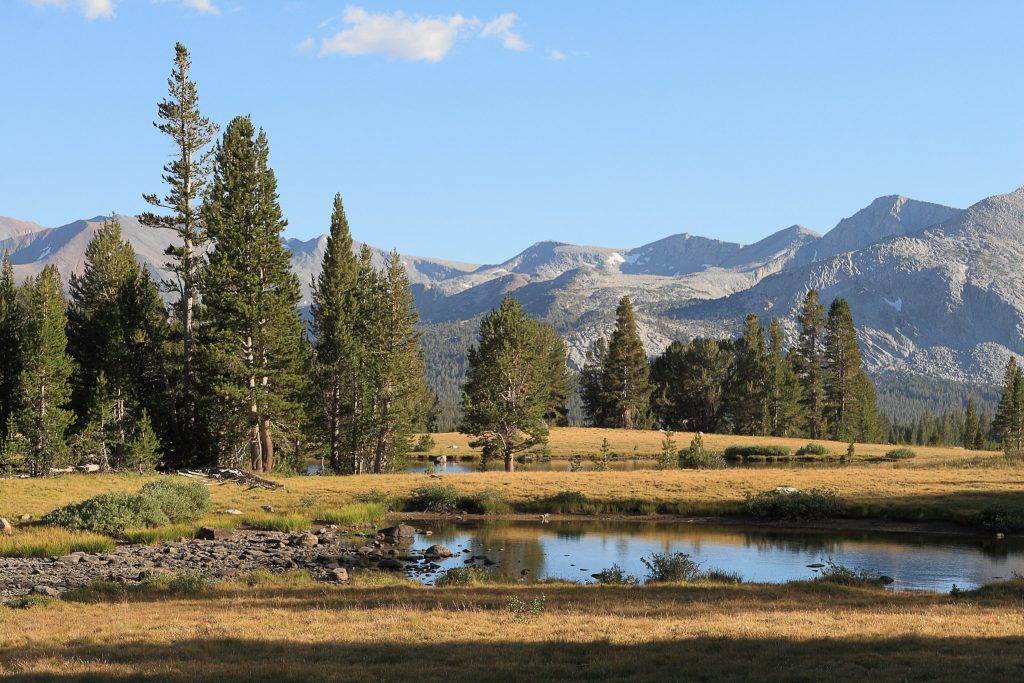
Hetch Hetchy — Yosemite’s controversial reservoir valley — is far less visited than the main valley, despite containing waterfalls, granite walls, and scenery that rivals anything the park offers. The backpacker’s camp at the valley’s edge serves as a base for exploring what John Muir called the equal of Yosemite Valley itself.
Sierra Nevada, campsite by campsite
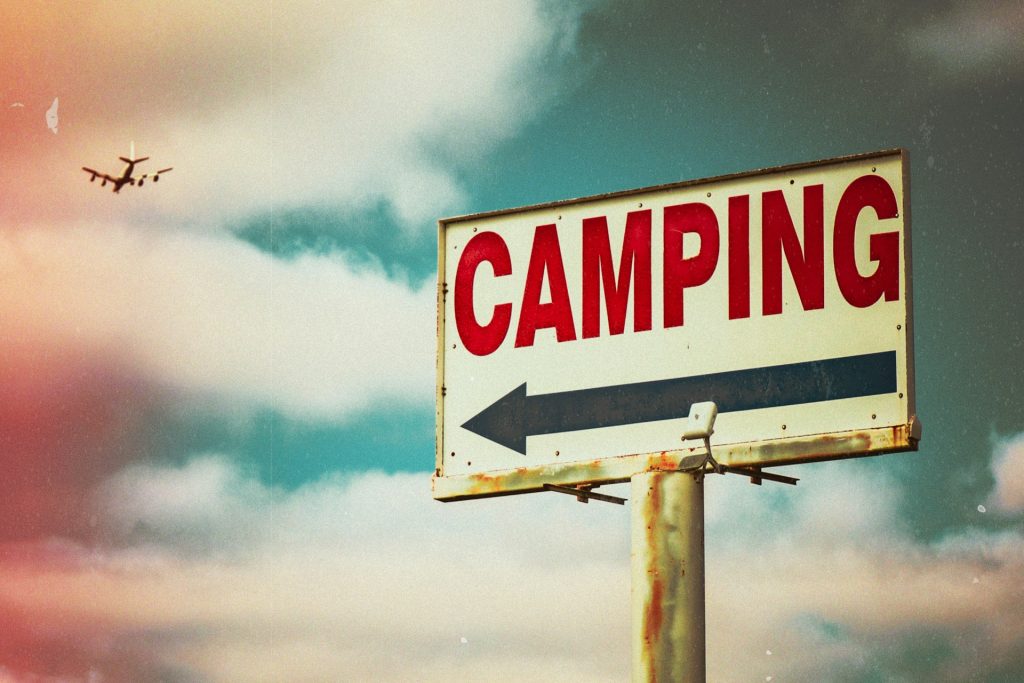
The Sierra Nevada has something to offer the campers who are willing to look past the “big names” – Yosemite Valley, Lake Tahoe, Kings Canyon – and explore the underlying topography of this mountain range. The 16 locations listed above are a true cross-section of what the Sierra has to offer, but they all have the same characteristics that define the Sierra Nevada: granite, clean water, high elevation, and a light that makes every day worth getting up for.
More from Travel Pug

- Underrated Italian Towns That Beat the Tourist Crowds
- Las Vegas Tourist Traps to Skip
- Prettiest Towns in Every US State
- 18 passport-free countries for Americans
- Signs Your Cruise Is Not Worth The Cost
Like Travel Pug’s content? Follow us on MSN.