

Argentina’s wine country stretches far beyond the famous city of Mendoza, offering wine lovers a diverse tapestry of destinations across different regions and altitudes. From traditional towns where European immigrants first planted vines in the 1800s to high-altitude modern wine regions producing some of the world’s most acclaimed bottles, these destinations showcase the incredible variety of Argentine terroir and winemaking traditions.
Whether you’re drawn to the robust Malbecs of Luján de Cuyo, the elegant high-altitude wines of the Uco Valley, or the aromatic Torrontés of northern Salta, each town offers its own personality and wine style. Here is a list of 16 wine towns across Argentina that deserve a spot on every wine enthusiast’s travel itinerary.
Mendoza
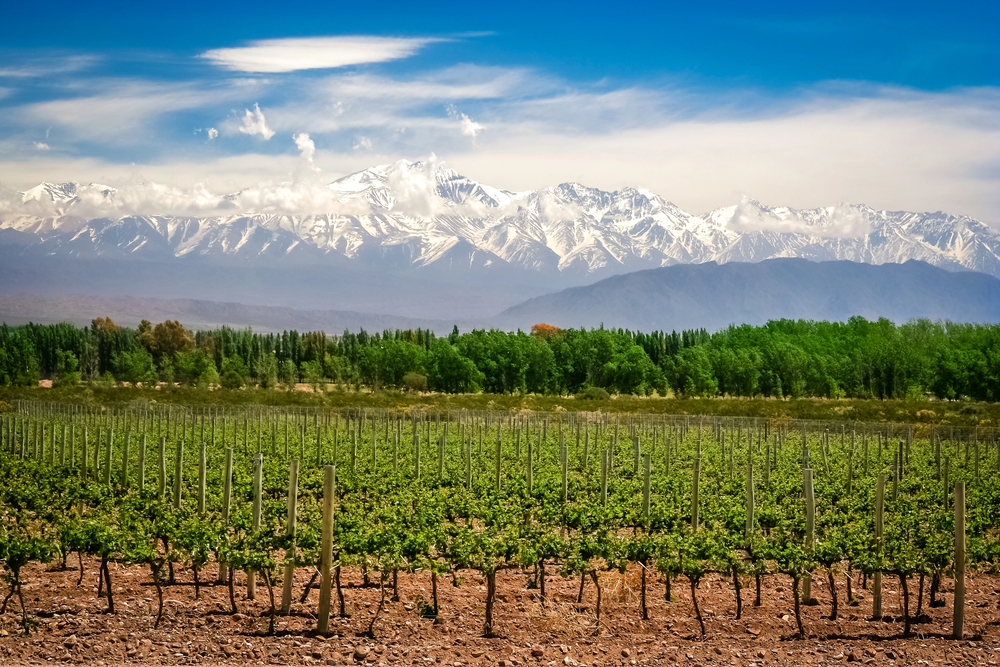
The undisputed wine capital of Argentina sits at the heart of the country’s wine industry, producing nearly 70% of the nation’s wine. This cosmopolitan city serves as the perfect base for exploring the surrounding wine regions, offering world-class restaurants, wine bars, and easy access to dozens of bodegas. The combination of desert climate, Andean snowmelt irrigation, and 300 days of sunshine per year creates ideal conditions for grape growing.
Maipú
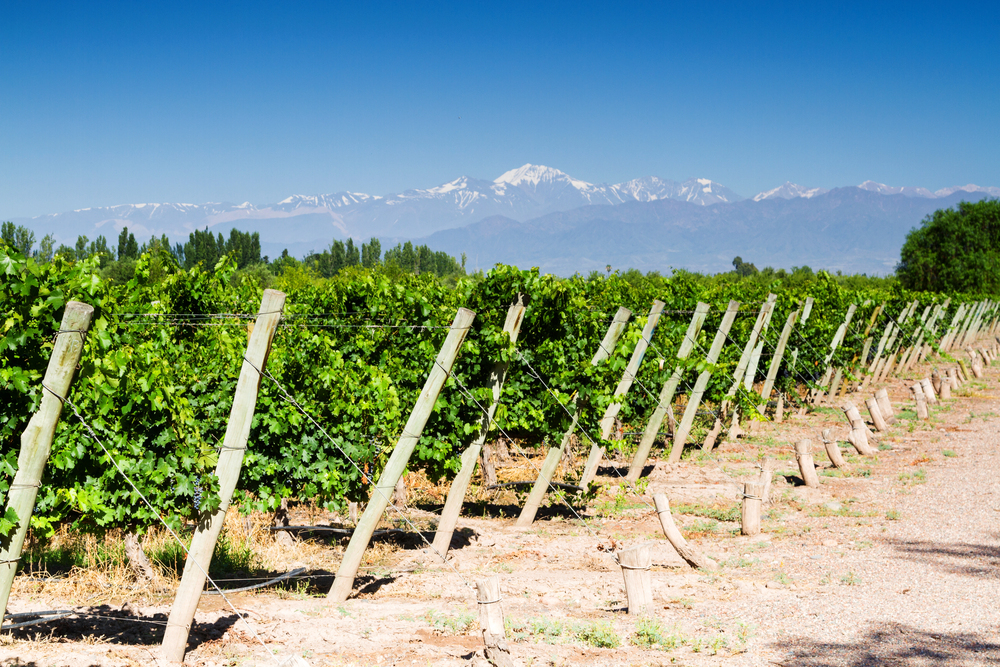
Often called the ‘cradle of Argentine wine,’ this historic town, just east of Mendoza city, was established in the 19th century and represents the birthplace of the country’s modern wine industry. Italian and Spanish immigrants planted the first European grape varieties here in the mid-1800s, creating a winemaking tradition that continues today. The flat terrain and lower altitude (around 2,000-3,000 feet) make it perfect for bicycle tours between family-run bodegas and larger commercial wineries.
Cafayate
— Photo by ibrester
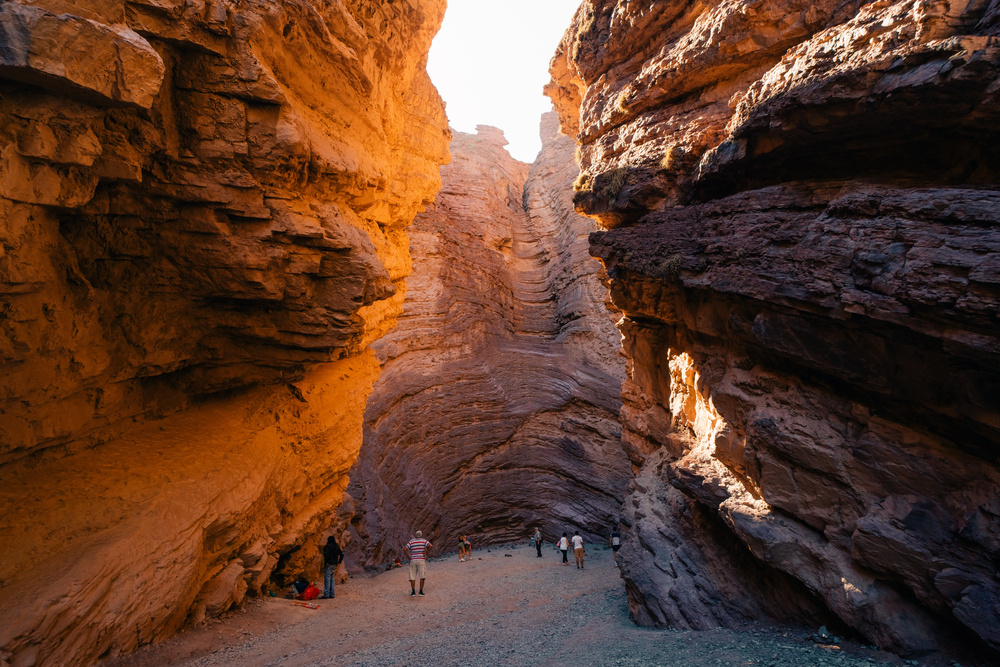
Nestled in the Calchaquí Valley of Salta province, this charming town sits at an extraordinary 5,500 feet above sea level, making it home to some of the highest vineyards in the world. The extreme altitude, intense sunlight, and dramatic temperature swings between day and night create perfect conditions for Argentina’s signature white grape, Torrontés. The stunning red rock formations surrounding the vineyards provide a backdrop unlike anywhere else in wine country.
Luján de Cuyo
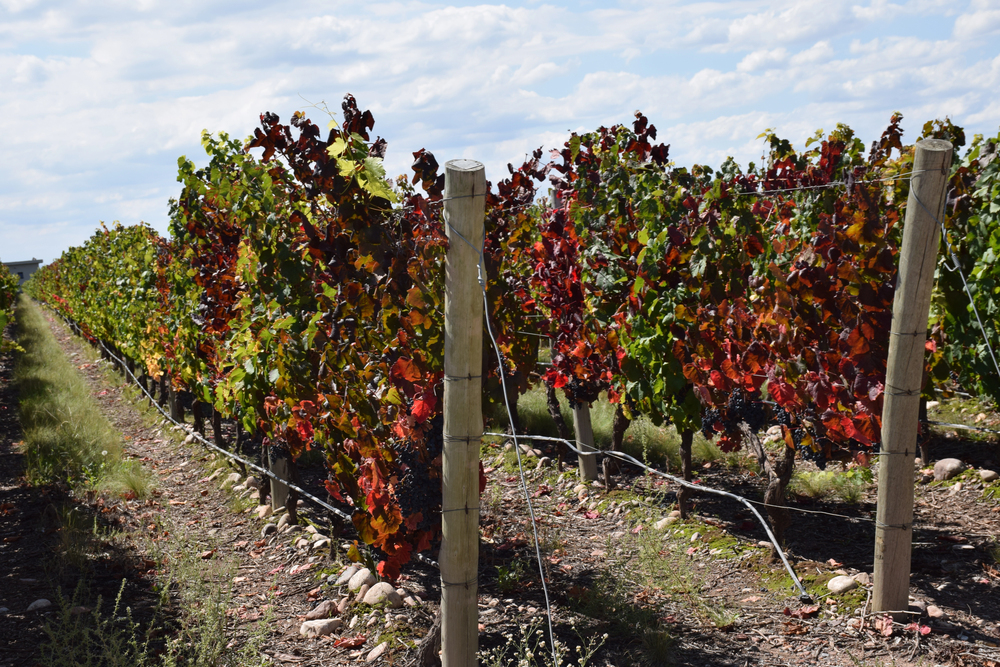
Known as the ‘first zone’ of Argentine winemaking, this prestigious region became Argentina’s first Denominación de Origen Controlada (DOC) in 1993. Located just 12 miles south of Mendoza city, it’s considered the birthplace of world-class Argentine Malbec, where the grape truly found its ideal terroir. The combination of alluvial soils, high altitude (averaging 3,300 feet), and proximity to the Andes creates wines with exceptional depth and complexity.
Agrelo
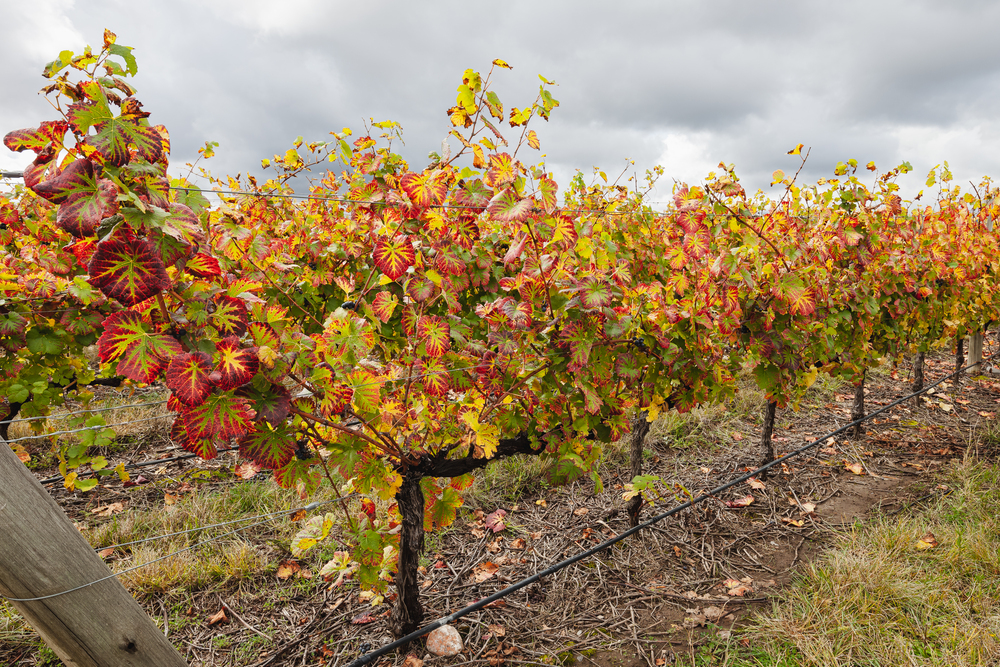
This subregion of Luján de Cuyo has earned recognition as perhaps the finest area for premium Malbec production in all of Argentina. Situated in the western foothills of the Andes at around 3,100 feet elevation, Agrelo attracts Argentina’s most prestigious wineries, including Catena Zapata and Viña Cobos. The stony, well-drained soils and cool mountain breezes produce Malbecs that perfectly balance power with elegance.
Vistalba
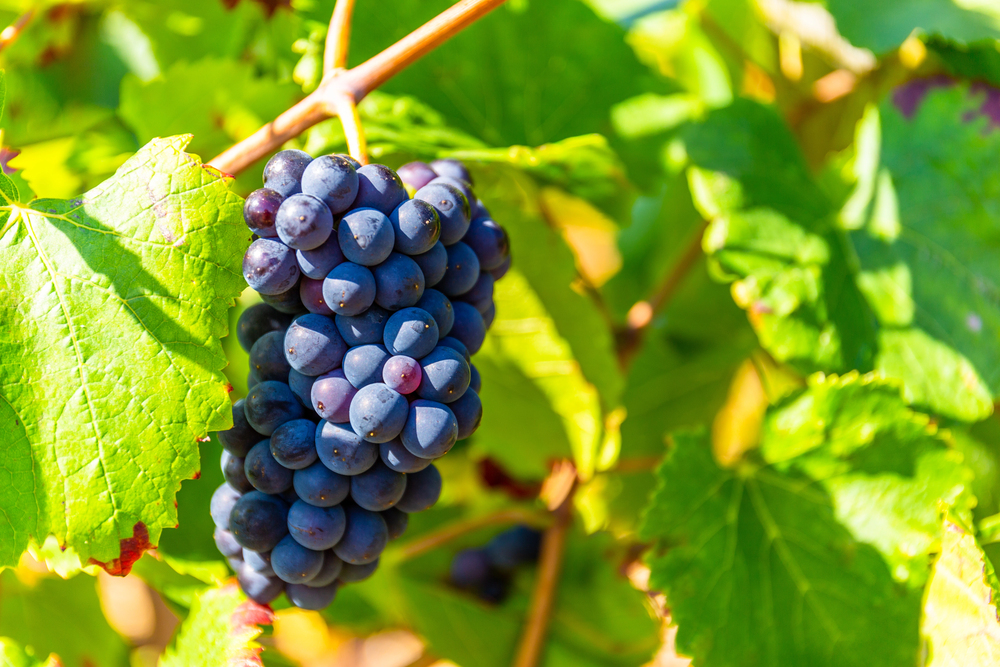
Perched on the northern edge of Luján de Cuyo, this elevated subregion is renowned for its mineral-rich alluvial soils and exceptional terroir for both red and white wines. The high altitude and well-drained stony soils make it one of the few places in Mendoza capable of producing elegant Pinot Noir alongside outstanding Malbec. Many consider Vistalba wines to display a distinctive minerality that reflects the unique mountain terroir.
Las Compuertas
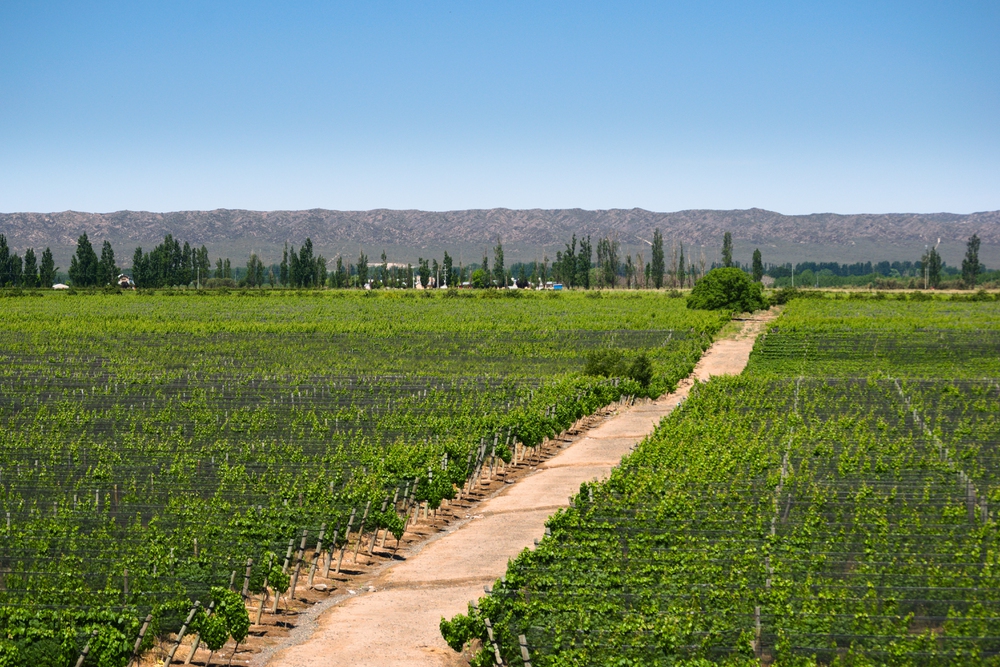
This prestigious subregion of Luján de Cuyo sits at one of the highest elevations in the area, creating ideal conditions for producing elegant, refined wines. The combination of altitude, rocky soils, and cool mountain air results in wines with excellent structure and aging potential. Las Compuertas has its own Geographic Indication status, reflecting the distinctive character of wines produced in this special terroir.
Perdriel
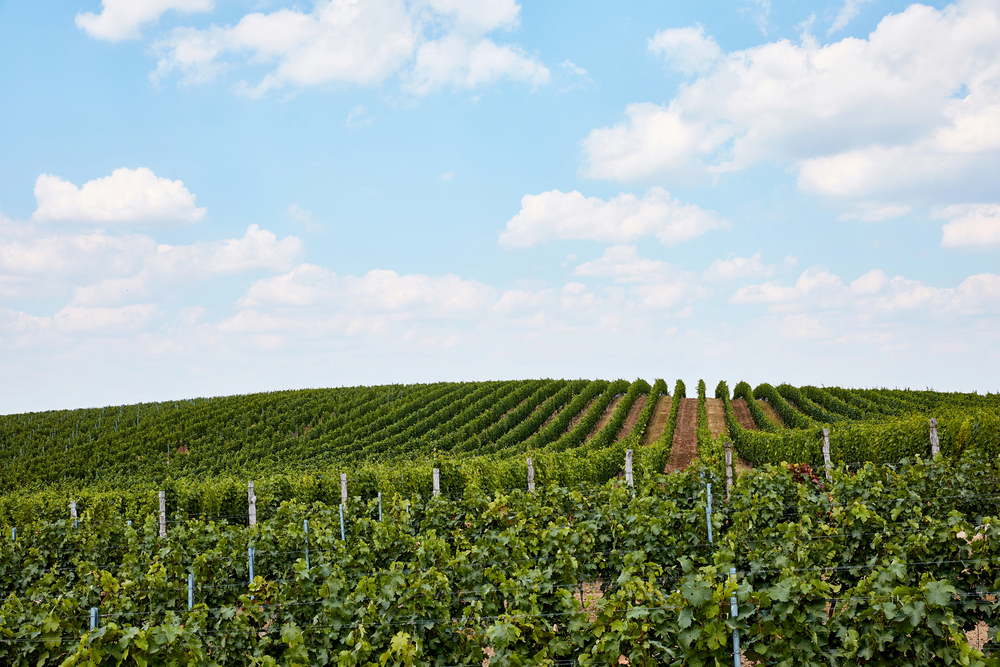
Located in the heart of Luján de Cuyo, this subregion has built a reputation for producing Malbecs with exceptional tannin structure and aging potential. The slightly warmer microclimate, compared to its higher-altitude neighbors, allows grapes to develop rich, concentrated flavors while maintaining excellent acidity. Many of Argentina’s most age-worthy red wines originate from the carefully tended vineyards of Perdriel.
Chacras de Coria
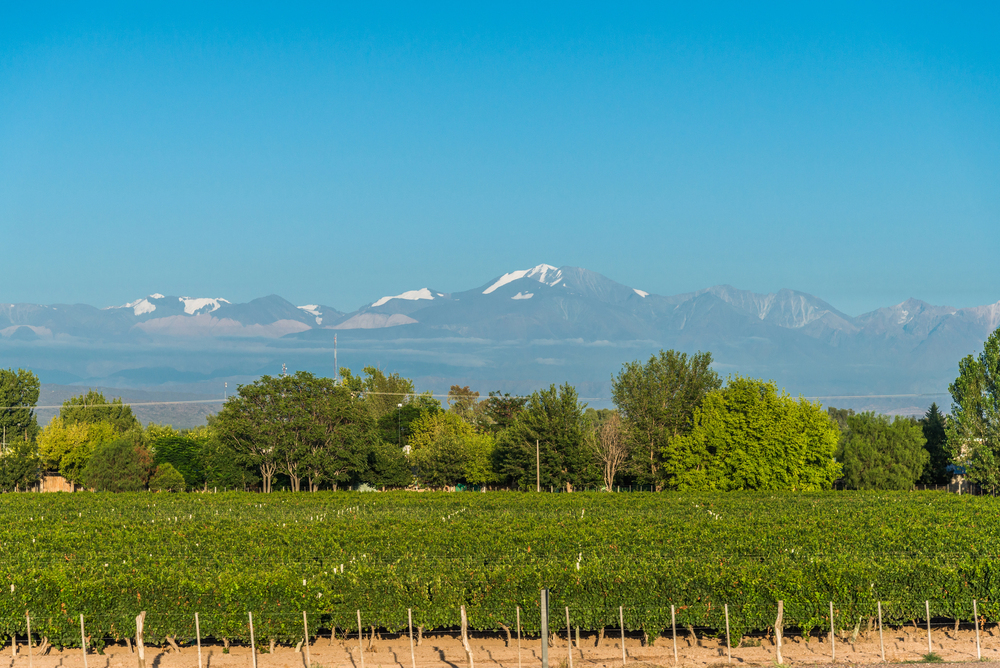
This picturesque town serves as the gastronomic heart of Luján de Cuyo, where former vineyard land has been transformed into an upscale residential and dining destination. While urban development has replaced many vineyards, several excellent wineries remain within walking distance of the charming town center. The area has become famous for its high-end restaurants and wine bars that showcase the best of Mendoza’s food and wine culture.
San Rafael
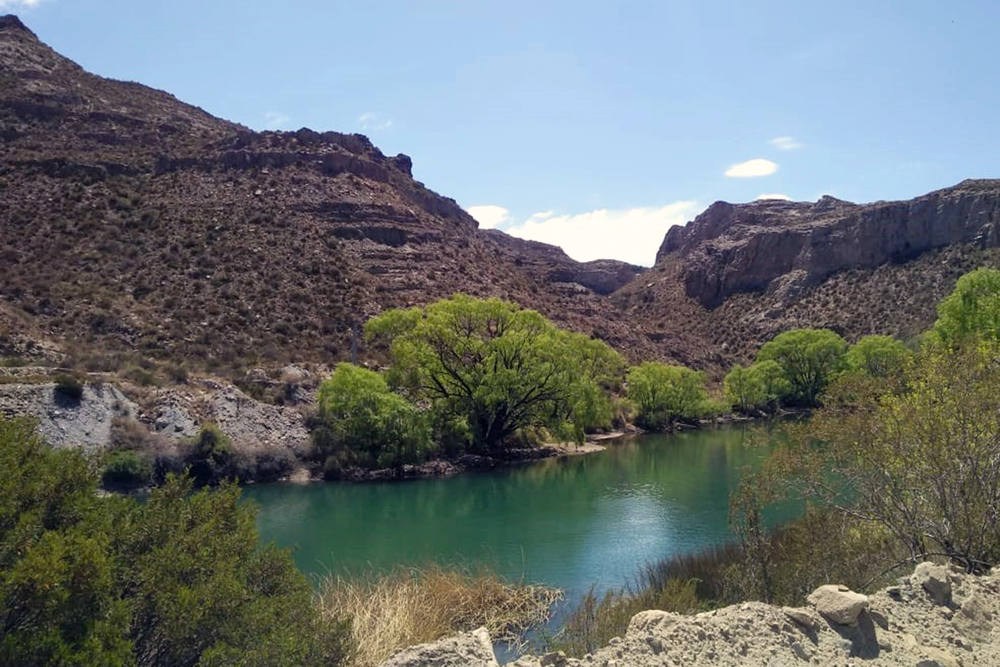
Located 150 miles south of Mendoza city, this traditional wine region represents one of Argentina’s oldest winemaking areas outside the immediate Mendoza vicinity. Founded around a Spanish fort built in 1805, San Rafael offers a more relaxed alternative to the busier northern regions, with family-owned bodegas and excellent value wines. The nearby Atuel Canyon provides stunning natural scenery, earning the area the nickname ‘Mendoza’s Grand Canyon.’
Tupungato
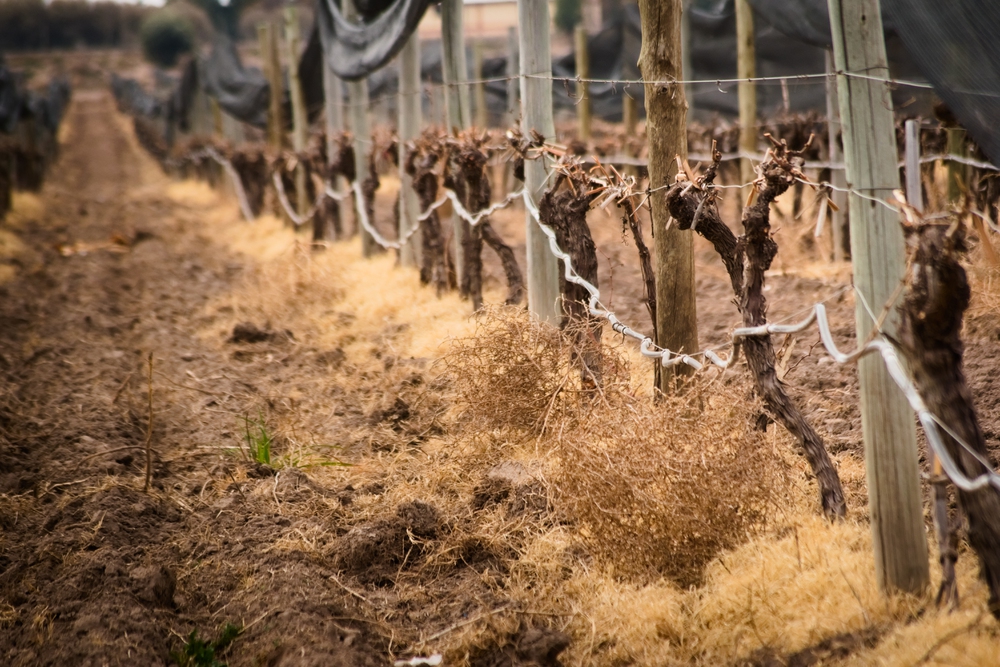
The northernmost department of the prestigious Uco Valley sits at the foot of the towering Tupungato volcano, creating some of the most dramatic vineyard landscapes in Argentina. At elevations reaching up to 4,900 feet, this region produces intensely colored, aromatic wines with excellent natural acidity. The combination of high altitude, glacial soils, and stunning Andean views has attracted international investment from renowned winemakers worldwide.
Tunuyán
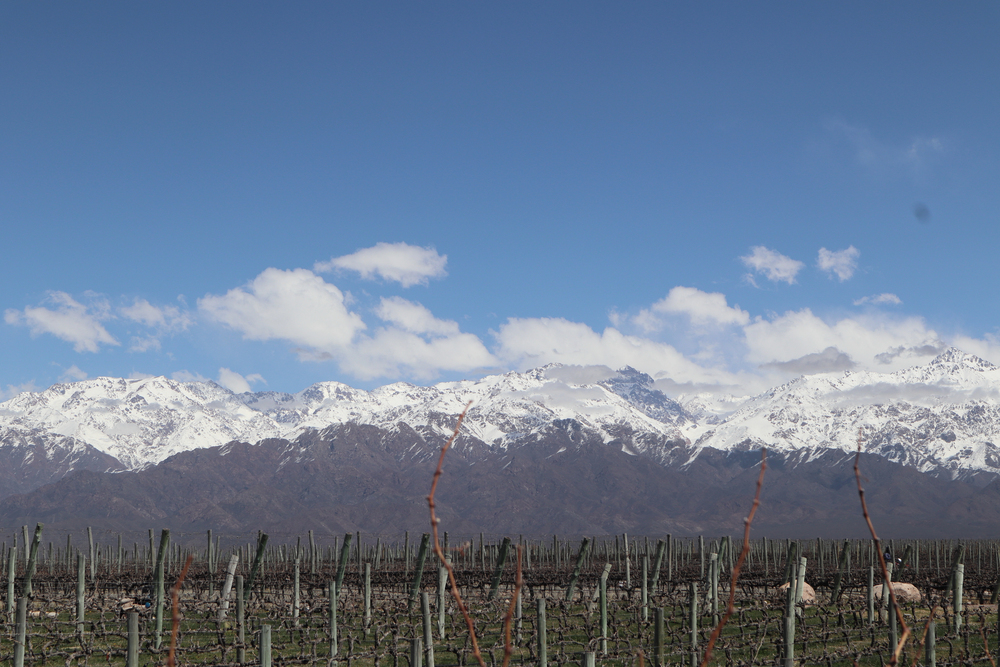
Positioned in the central part of the Uco Valley, this department encompasses some of Argentina’s most celebrated vineyard sites, including the famous Los Chacayes district. The area benefits from irrigation provided by the Tunuyán River, which flows down from the Andes, while vineyards planted at 3,600-4,200 feet elevation produce wines of remarkable concentration and finesse. Many consider Tunuyán the sweet spot of the Uco Valley for both red and white wine production.
San Carlos
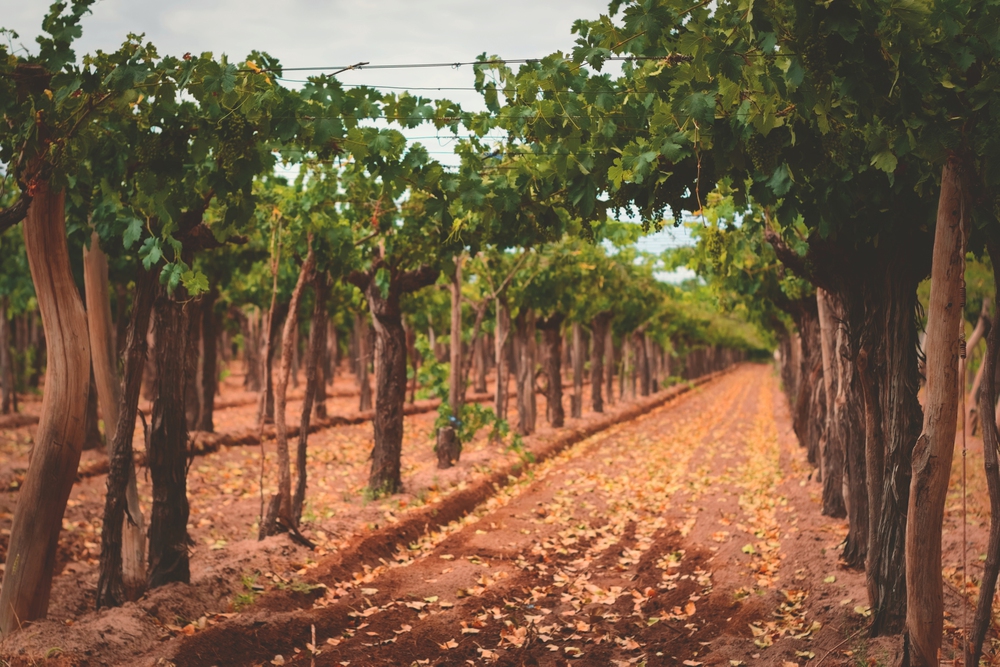
The southernmost department of the Uco Valley extends toward the Chilean border, offering the most diverse terroir within this prestigious region. Elevations range from 2,950 feet in the lower areas to over 5,000 feet on the mountain slopes, creating microclimates suitable for everything from elegant Pinot Noir to powerful Malbec. The famous Paraje Altamira district within San Carlos produces some of Argentina’s most expensive and critically acclaimed wines.
San Juan
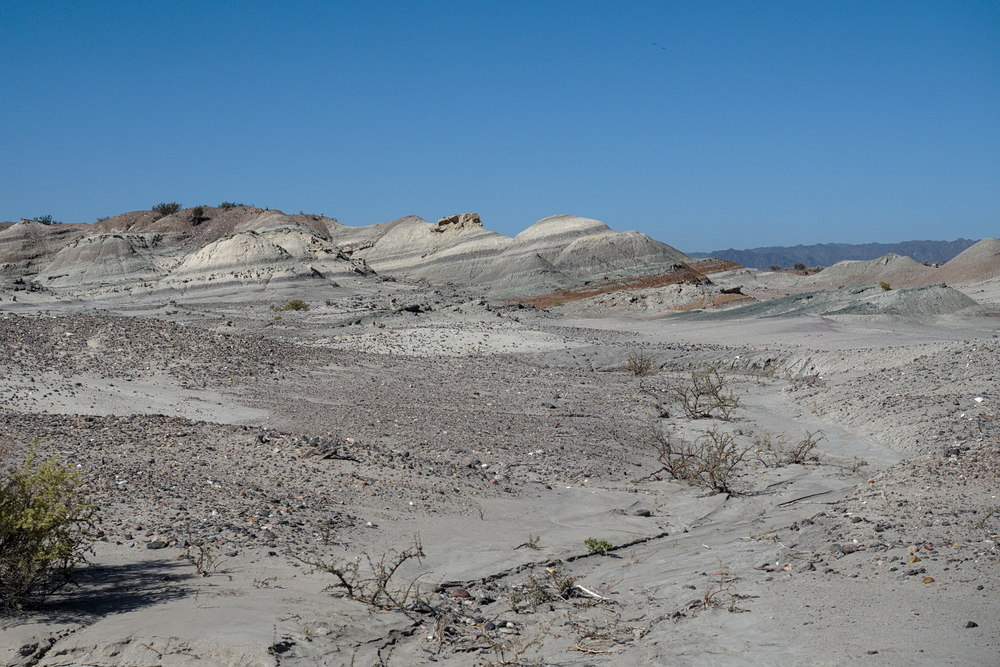
Argentina’s second-largest wine region by production volume sits just north of Mendoza in the sunny foothills of the Andes. With over 300 days of sunshine per year and irrigation from the San Juan and Jáchal rivers, this region excels at producing full-bodied reds, particularly Syrah and Malbec. The extreme climate and high-altitude vineyards (reaching up to 4,000 feet) in areas like Pedernal Valley are producing wines that rival those from more renowned regions.
La Consulta
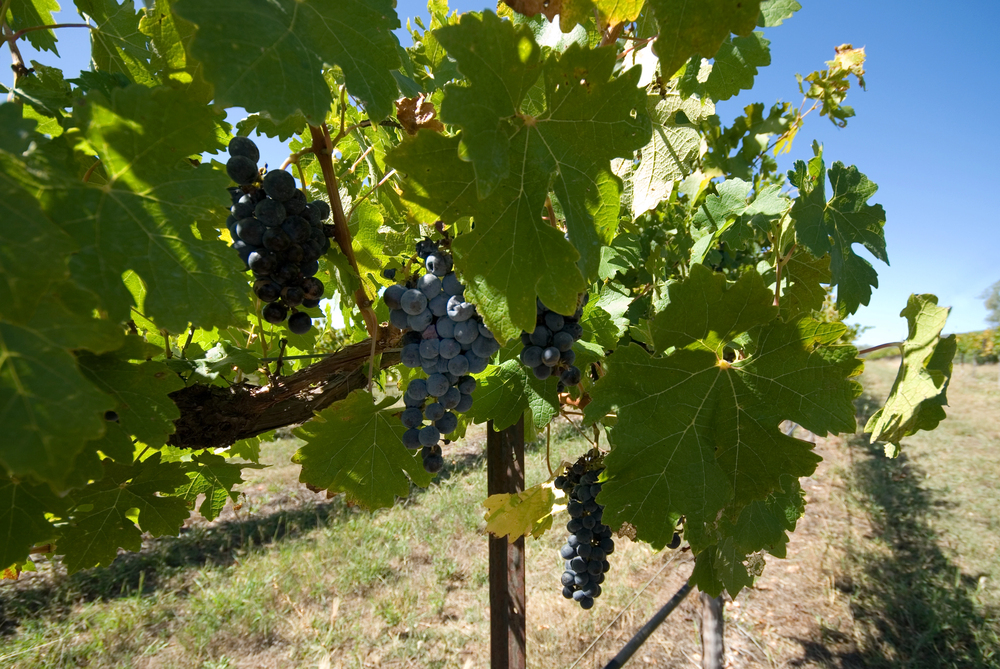
This Geographic Indication within the San Carlos department of the Uco Valley has emerged as one of Argentina’s most prestigious vineyard areas. Located at the southern end of the valley at around 2,800-3,500 feet elevation, La Consulta benefits from diverse soils and microclimates that allow for exceptional varietal expression. The area is particularly renowned for elegant Malbec and outstanding cool-climate white wines.
Godoy Cruz
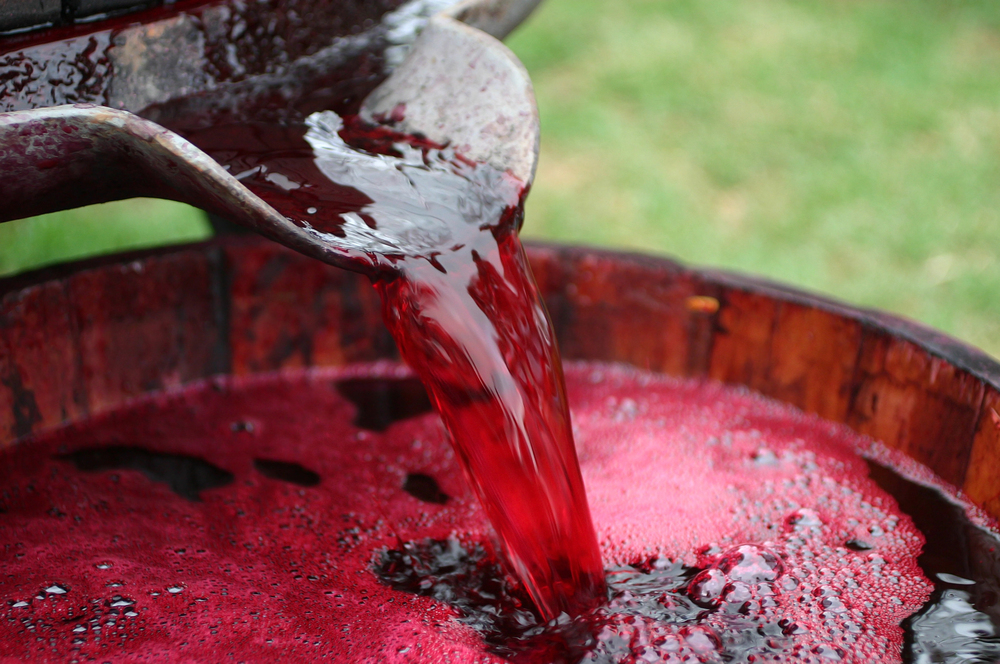
One of the traditional wine-producing areas adjacent to Mendoza city, this town maintains its agricultural heritage despite increasing urban development. Recognized with its own Geographic Indication status, Godoy Cruz represents the historic heart of commercial winemaking in the region, where many of Argentina’s largest producers maintain facilities. The area offers an easily accessible introduction to Argentine wine culture with numerous tasting rooms and wine shops.
From tradition to innovation

These 16 wine towns represent the evolution of Argentine winemaking from its Spanish colonial roots to today’s world-renowned industry. While traditional regions like Maipú and San Rafael preserve the heritage of 19th-century immigrant winemakers, newer areas like the Uco Valley push the boundaries of high-altitude viticulture.
More from Travel Pug

- Underrated Italian Towns That Beat the Tourist Crowds
- Las Vegas Tourist Traps to Skip
- Prettiest Towns in Every US State
- 18 passport-free countries for Americans
- Signs Your Cruise Is Not Worth The Cost
Like Travel Pug’s content? Follow us on MSN.