

As everyone is still battling over hotel rooms in Barcelona and avoiding the swarms of cruise ships in Dubrovnik, astute tourists are uncovering Europe’s best-kept secret, which is concealed in plain sight along the coast of the Caspian Sea. It’s about time the rest of the world realized that Baku, the capital of Azerbaijan, is quietly rising as the most interesting new travel destination on the continent. This intriguing city creates an ambiance that is both pleasantly familiar and delightfully unusual by fusing the glitz of contemporary oil wealth with the mystique of old Silk Road trading sites.
What makes Baku truly special isn’t just one thing — it’s the incredible mix of experiences you simply can’t find anywhere else in Europe. From wandering a UNESCO World Heritage medieval fortress to sipping cocktails in a rotating rooftop bar, from watching eternal flames on mountainsides to exploring the world’s largest carpet museum, Baku delivers the kind of diverse adventures that used to require hopping between multiple countries. Here is a list of 19 compelling reasons why this Caspian Sea gem deserves a spot at the very top of your European travel list.
The World’s most dramatic city skyline
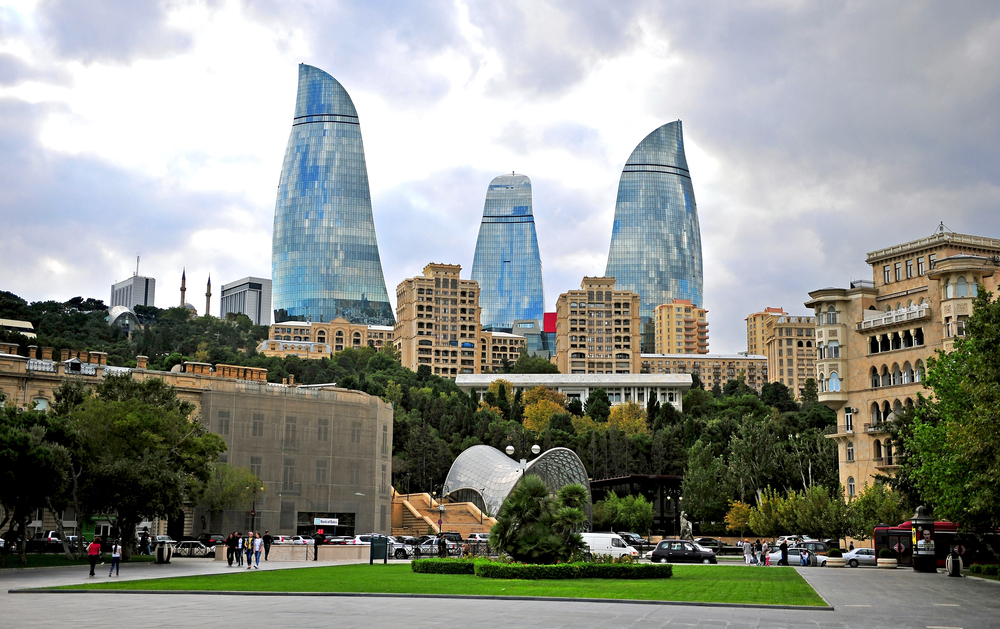
Baku is a capital and largest city of Azerbaijan.
— Photo by Krasnevsky
Like three enormous torches, Baku’s skyline is dominated by the iconic Flame Towers, which illuminate the night sky with their LED-covered surfaces that show captivating animated flames that can be seen from all across the city. These architectural wonders create a skyline so unique that it can be easily recognized from a distance, symbolizing the nation’s longstanding association with fire worship and its current affluence from oil. The towers’ true brilliance occurs after dark, when the entire complex transforms into the largest digital canvas in the world, although they also hold opulent hotels, offices, and homes.
A UNESCO World Heritage Site you can actually live in
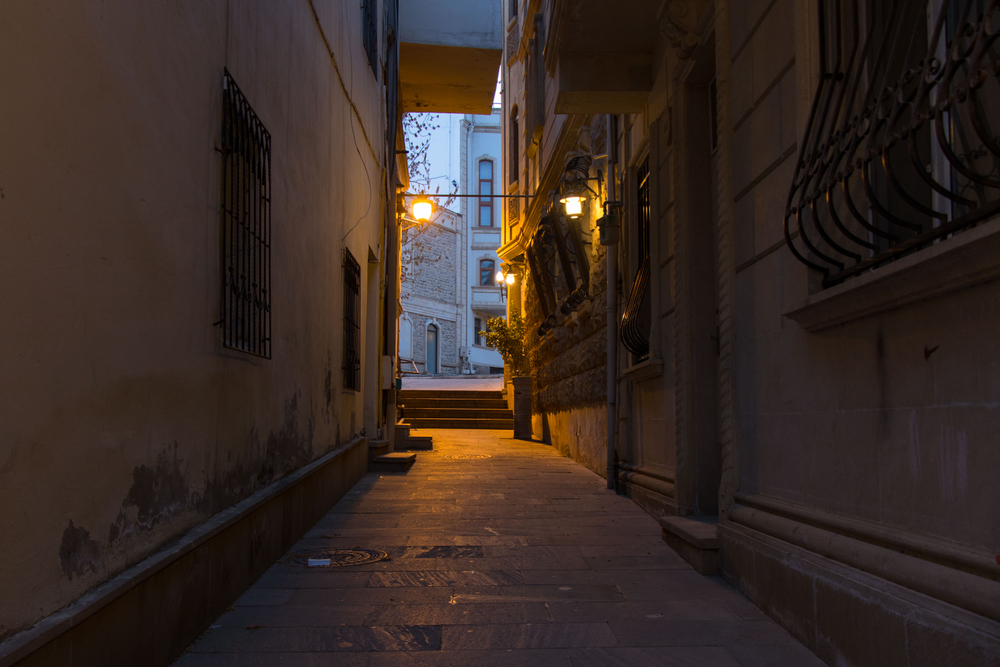
Unlike most UNESCO sites that feel like outdoor museums, Baku’s Old City (Icherisheher) remains a vibrant neighborhood where people still live, work, and run businesses within 12th-century walls. You can wander narrow cobblestone alleys lined with art galleries, traditional tea houses, and boutique hotels, all while exploring landmarks like the mysterious Maiden Tower and the Palace of the Shirvanshahs. The best part is that you’re not just observing history — you’re experiencing a living medieval city that has adapted to modern life without losing its ancient soul.
Oil money created Europe’s most beautiful architecture
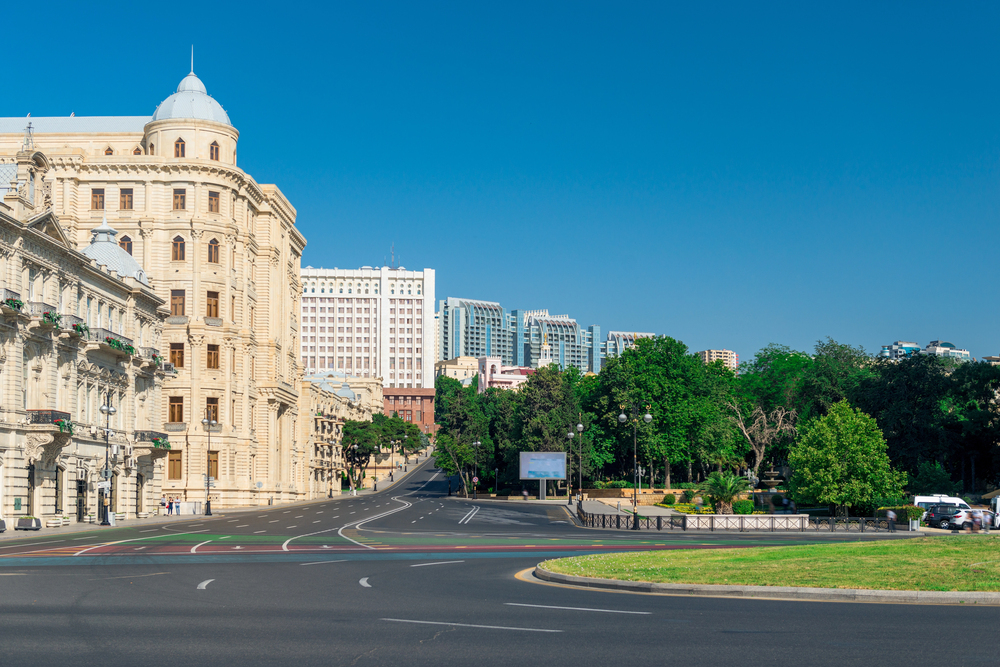
Baku’s late 19th and early 20th century oil boom attracted the world’s wealthiest entrepreneurs, who competed to build the most opulent mansions and public buildings using the finest European architects of their time. Walking through downtown Baku today feels like discovering a secret cache of architectural treasures, with ornate facades combining Gothic, Baroque, and Art Nouveau styles in ways that would make Paris and Vienna jealous. These ‘oil boom’ buildings have been lovingly restored and now house luxury hotels, upscale restaurants, and cultural venues that showcase the city’s golden age.
Nightlife that rivals Ibiza without the crowds
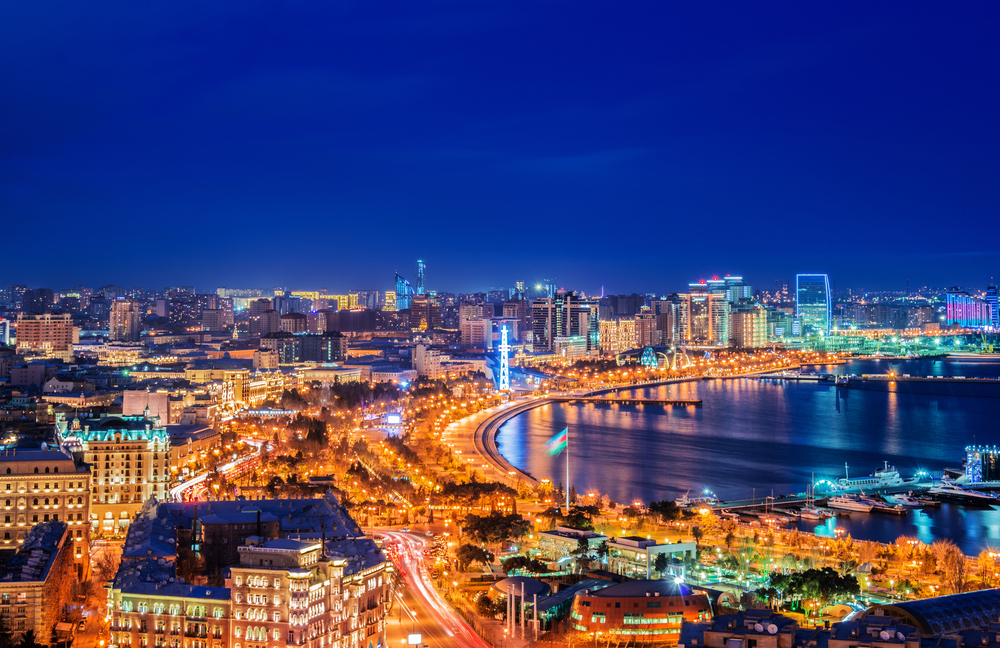
Baku’s nightlife scene has exploded over the past decade, with everything from underground jazz clubs to glamorous rooftop bars offering experiences that compete with Europe’s top party destinations. The crown jewel is the 360 Bar atop the Hilton Baku, a rotating cocktail lounge that provides panoramic city and sea views while you sip expertly crafted drinks. What makes Baku’s nightlife special is the perfect blend of international sophistication and local warmth, plus the fact that you can actually get into the hottest venues without waiting in massive tourist lines.
Natural eternal flames that have burned for millennia
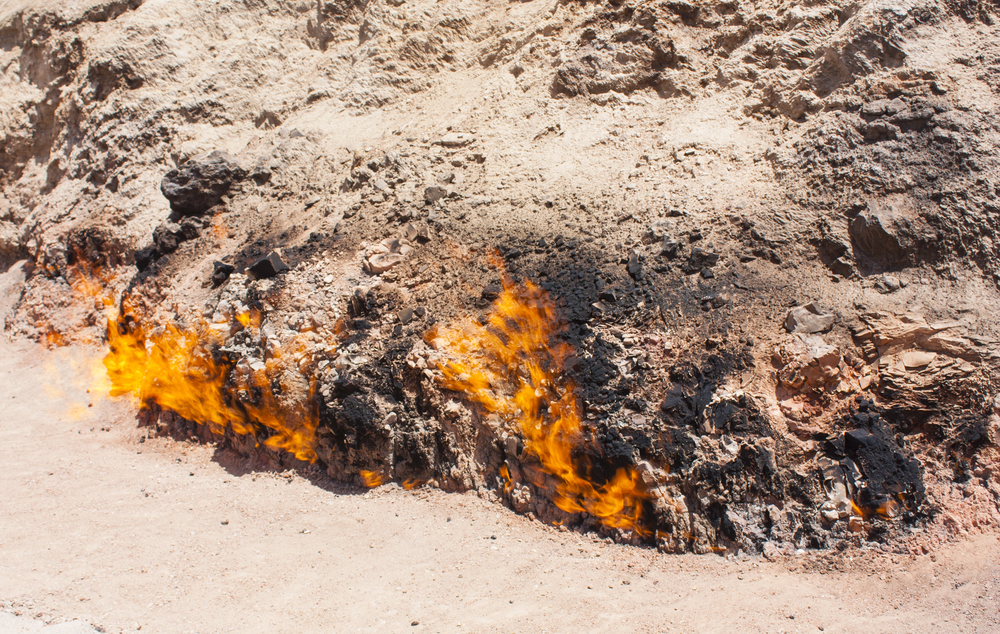
Yanar Dag, or ‘Burning Mountain,’ showcases natural gas flames that have been burning continuously from hillside vents for over 4,000 years, creating an otherworldly spectacle that inspired ancient fire-worshipping religions. Located just 25 kilometers from Baku, this natural phenomenon offers visitors the surreal experience of watching flames dance from the earth itself, especially dramatic during evening visits. The site connects you directly to Azerbaijan’s ancient nickname as the ‘Land of Fire’ and provides incredible photo opportunities that your friends will struggle to believe are real.
World-class museums in stunning architectural settings
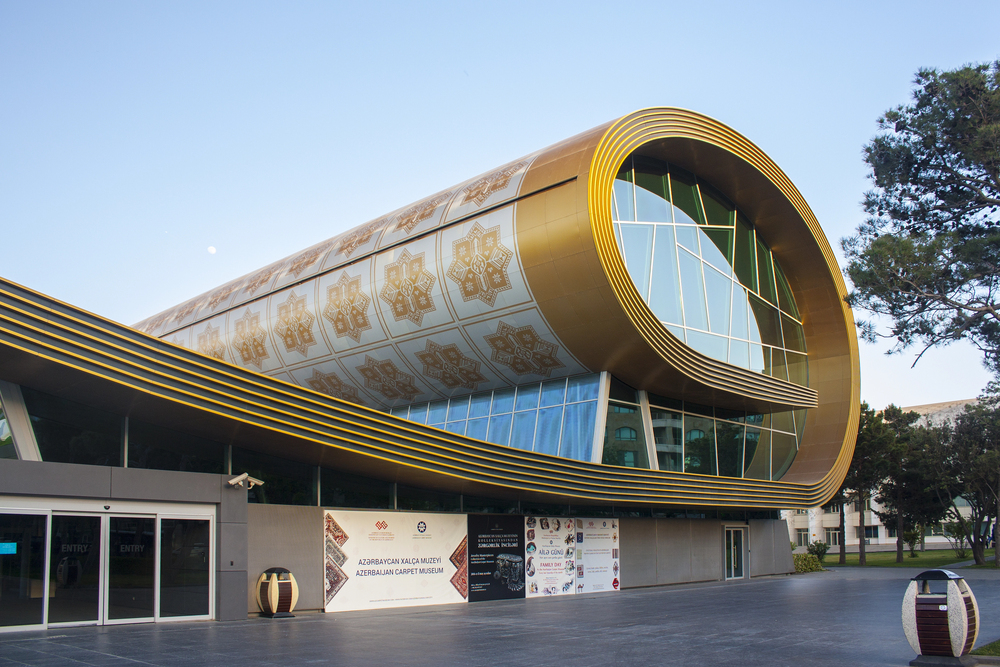
— Photo by Lindasky76
The Azerbaijan National Carpet Museum, housed in a building designed to look like a rolled carpet, contains the world’s largest collection of Azerbaijani rugs and provides fascinating insights into centuries of nomadic artistry. The Heydar Aliyev Cultural Center, designed by renowned architect Zaha Hadid, won international design awards for its flowing, wave-like structure that seems to defy gravity. These aren’t just world-class museums — they’re architectural destinations in themselves that showcase how Baku blends traditional culture with cutting-edge contemporary design.
Street food that will ruin you for everywhere else
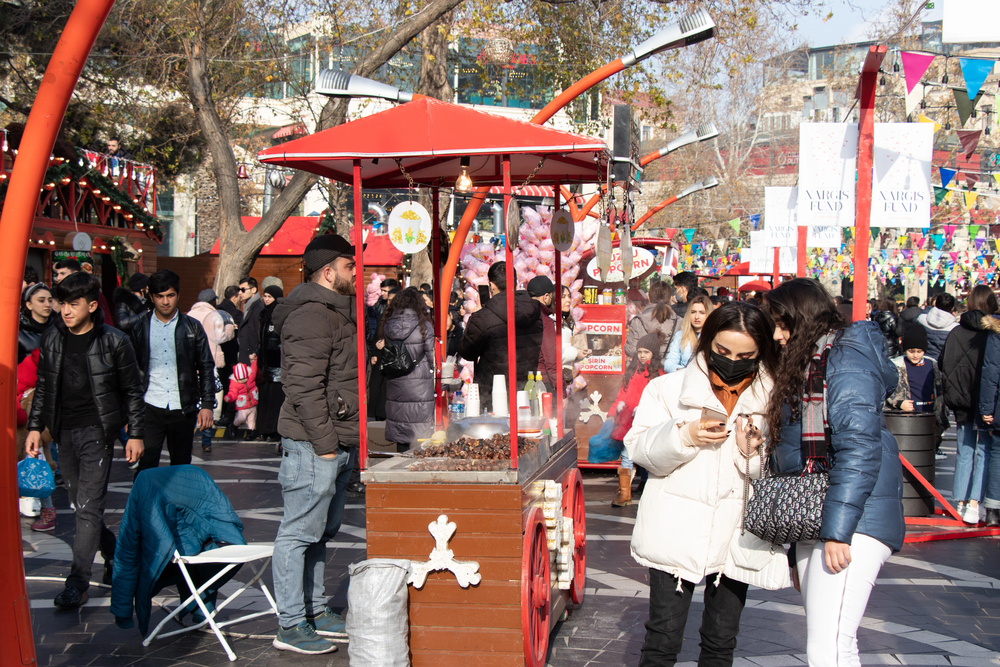
— Photo by nmemmedzade@gmail.com
Baku’s culinary scene combines the best of Persian, Turkish, and Russian influences with fresh Caspian Sea seafood and local specialties, creating flavor combinations that are hard to find elsewhere in Europe. The city’s famous ‘plov’ (pilaf) comes in dozens of variations, while dishes like ‘dolma’ and ‘kebab’ reach levels of perfection that will spoil you for the tourist-trap versions served in other capitals. Plus, dining out in Baku costs a fraction of what you’d pay in London or Paris, meaning you can afford to try the best restaurants without breaking your budget.
Luxury hotels at Eastern European prices
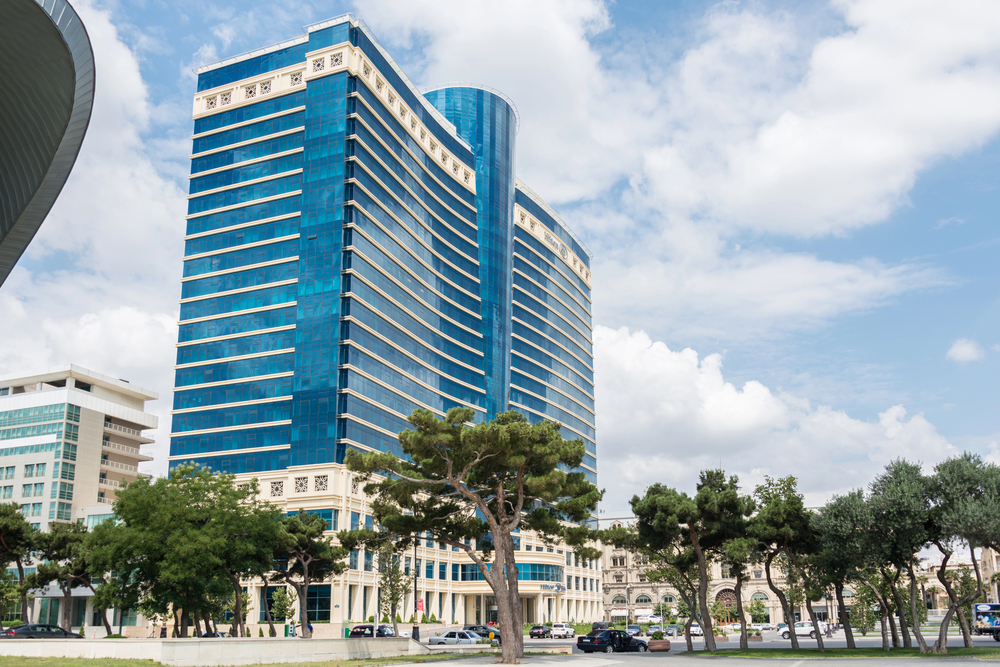
— Photo by Elnur_
Five-star accommodations in Baku offer the same level of luxury as top European hotels but at prices that would barely cover a decent room in Amsterdam or Stockholm. The Fairmont Baku and Four Seasons Baku offer world-class service, stunning views, and opulent amenities, all at a significantly lower cost than their counterparts in traditional European destinations. This pricing advantage extends beyond hotels to restaurants, entertainment, and shopping, making Baku accessible to travelers who want luxury experiences without luxury price tags.
The mud volcanoes look like visiting another planet
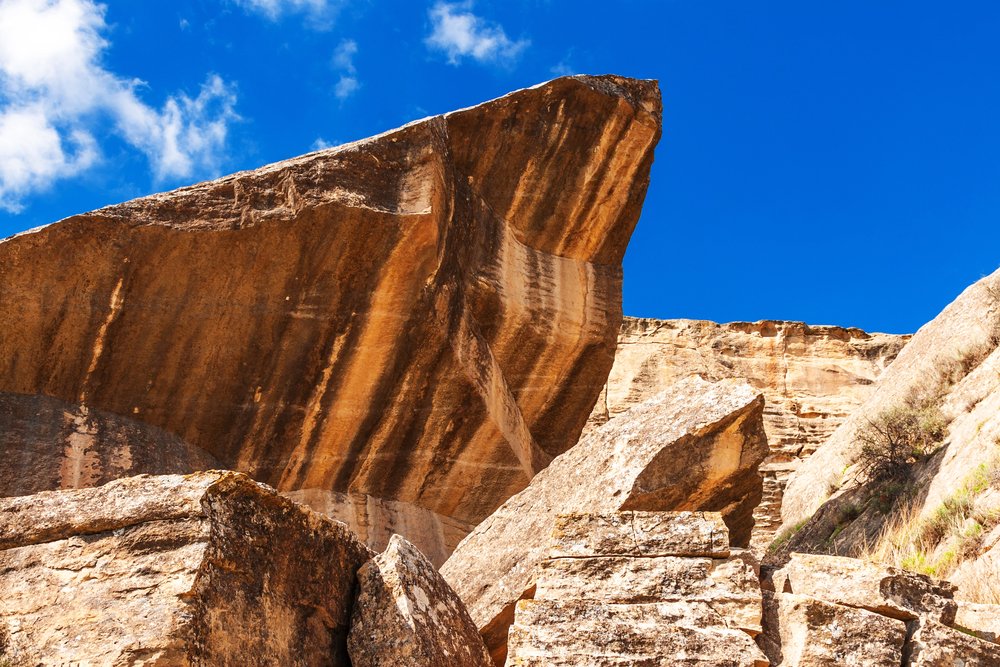
Gobustan National Park houses nearly 300 mud volcanoes that create an alien landscape of bubbling craters and steaming vents, unlike anywhere else on Earth. These geological wonders occur naturally when underground gases push clay and water to the surface, creating an ever-changing moonscape that’s both fascinating and slightly eerie to explore. The park also contains ancient petroglyphs dating back 40,000 years, making it a destination where geological wonders meet human prehistoric art in ways that feel almost magical.
Visa-free travel for most Europeans
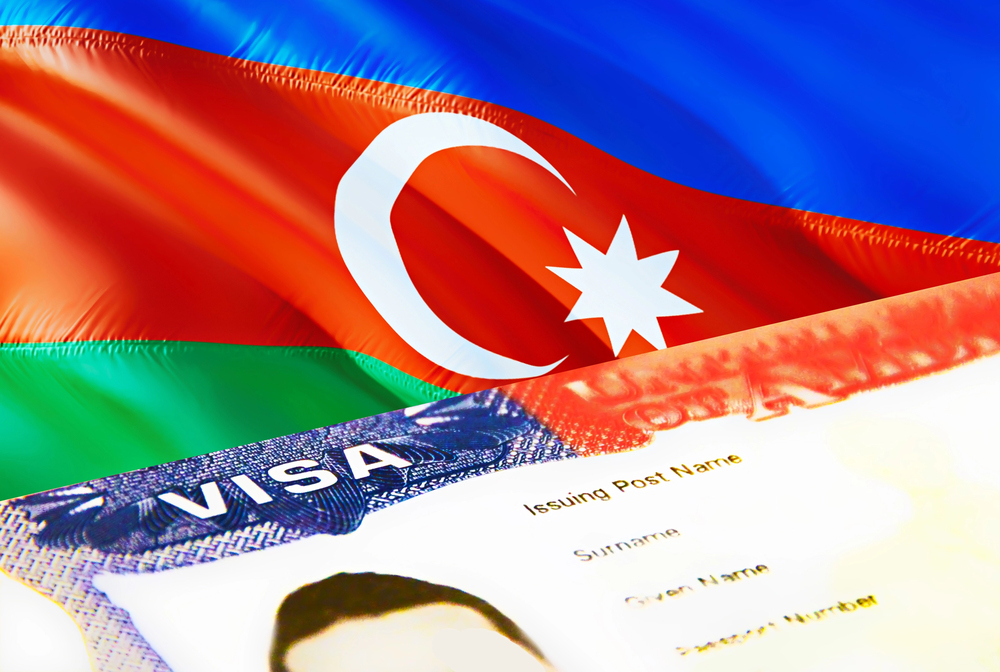
Azerbaijan visitor visa in passport, 3D rendering.
Azerbaijan multi entrance visa in passport. USA stamp emigration Visa
— Photo by borkus
Azerbaijan has implemented an electronic visa system, making it easier than ever to visit Baku, with most European citizens able to obtain 30-day tourist visas online within a few days. This streamlined process eliminates the embassy visits and lengthy paperwork traditionally associated with Caucasus region travel. The simplified visa requirements reflect the country’s growing focus on tourism, making Baku as accessible as any mainstream European destination.
Modern shopping that puts Milan to shame
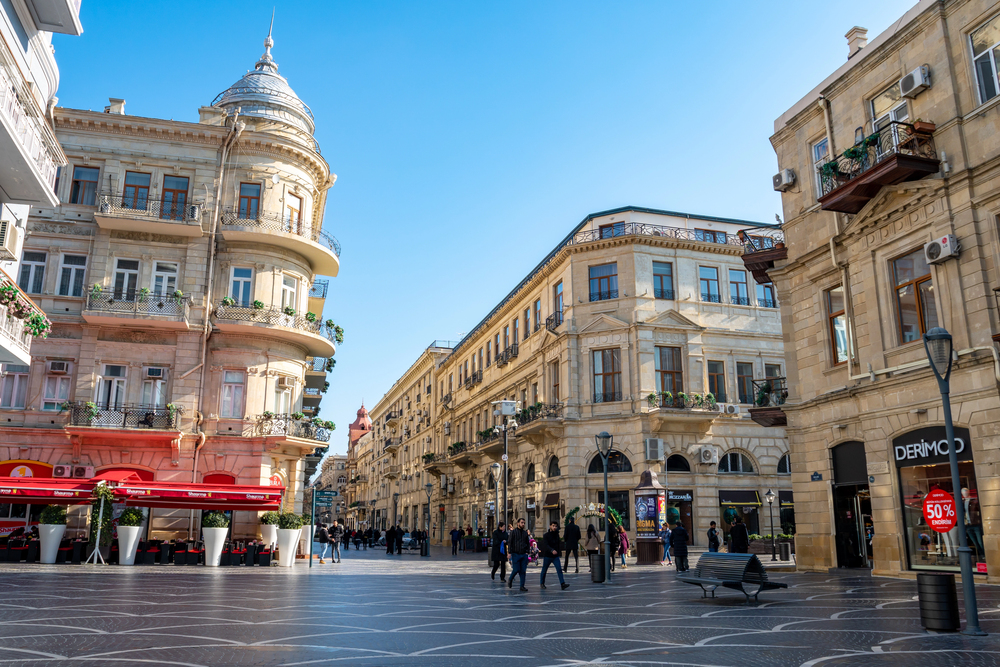
— Photo by samurkas
Park Bulvar and Port Baku represent the pinnacle of contemporary shopping and entertainment, featuring international luxury brands, designer boutiques, and entertainment complexes that rival anything in Western Europe. These ultra-modern malls showcase sleek architecture with glass atriums, transparent elevators, and central halls flooded with natural light, creating shopping experiences as impressive as the merchandise. The combination of international brands and local artisan products means you can find both global luxury items and unique Azerbaijani crafts all under one architecturally stunning roof.
The Caspian Sea feels like having a private ocean
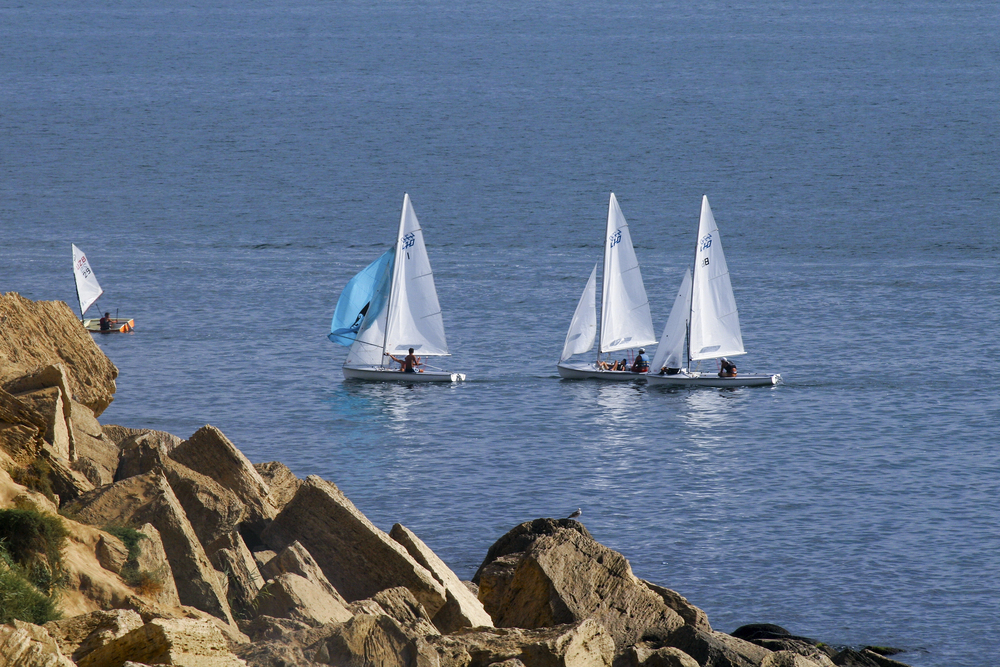
— Photo by pavel_miheev.list.ru
Baku Boulevard stretches along the Caspian Sea waterfront for miles, offering beach access, waterfront dining, and recreational activities without the crushing crowds of Mediterranean coastal cities. The Caspian’s unique character as the world’s largest lake creates calmer waters and a more relaxed beach culture than typical oceanic destinations. Bilgah Beach offers golden sand and clear water, perfect for swimming and water sports, while the seaside promenade provides romantic evening strolls with stunning sunset views.
Formula 1 brings world-class entertainment
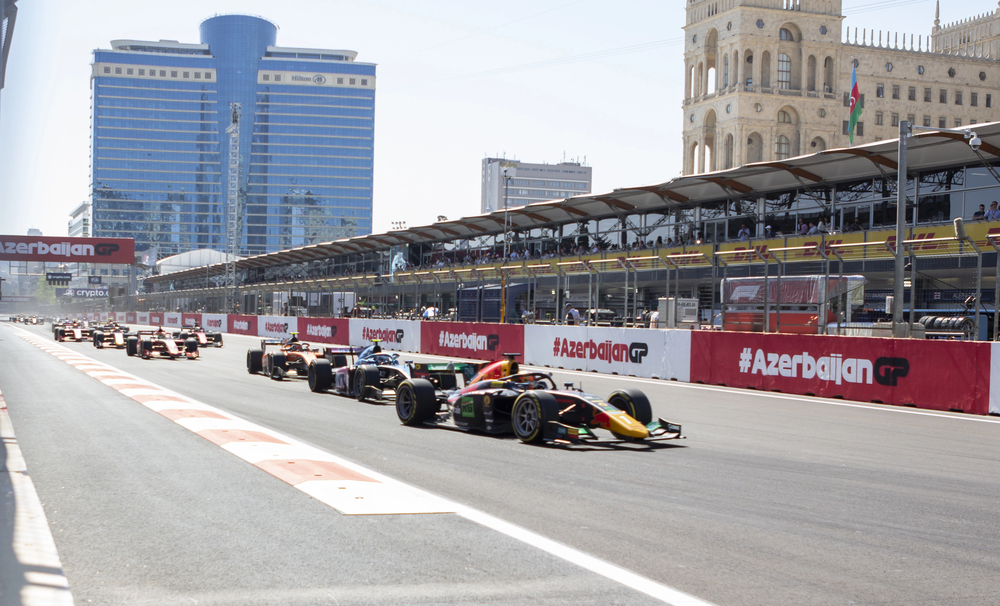
— Photo by NailAhmedov
The Baku City Circuit has transformed the city into an annual destination for Formula 1 fans, bringing international attention and world-class sporting infrastructure to Azerbaijan’s capital. The street circuit winds through Baku’s historic Old City and along the waterfront, creating one of the most scenic racing venues in the world and showcasing the city’s architectural diversity to a global audience. Even when F1 isn’t in town, the circuit infrastructure and international event experience have elevated Baku’s status as a major European entertainment destination.
Cultural festivals rival Edinburgh and Avignon
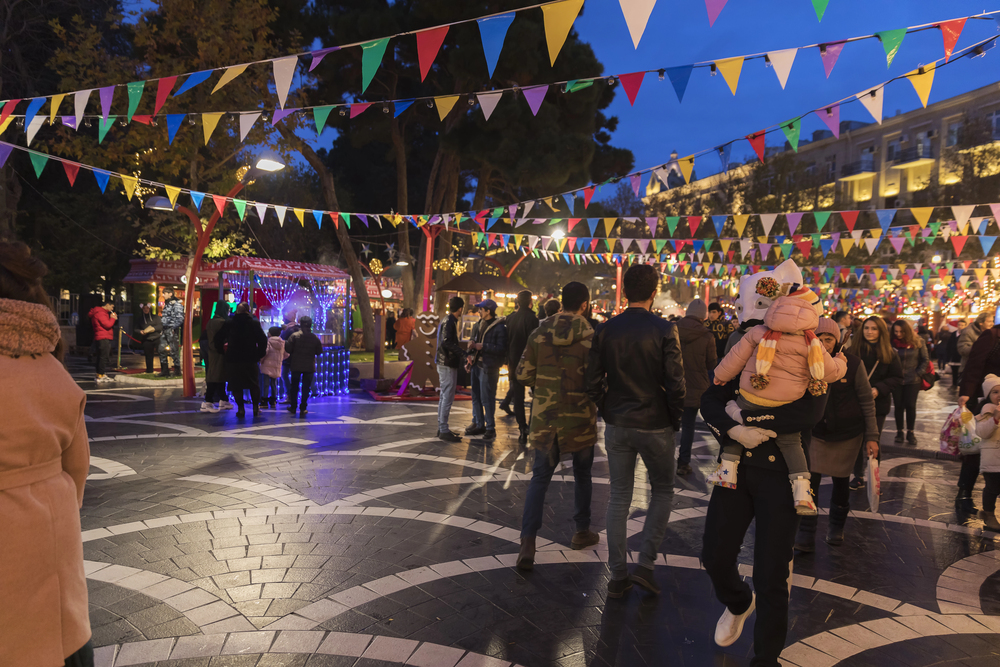
— Photo by NailAhmedov
Baku hosts numerous international festivals throughout the year, including the prestigious International Mugham Center performances that celebrate traditional Azerbaijani music alongside contemporary artists. The city’s growing reputation as a cultural hub attracts performers and artists from across Europe and Asia, creating festival experiences that feel both international and authentically local. These events showcase Baku’s emergence as a serious cultural capital while providing visitors with unique entertainment opportunities they can’t find elsewhere.
Ancient fire temples connect you to prehistoric religions
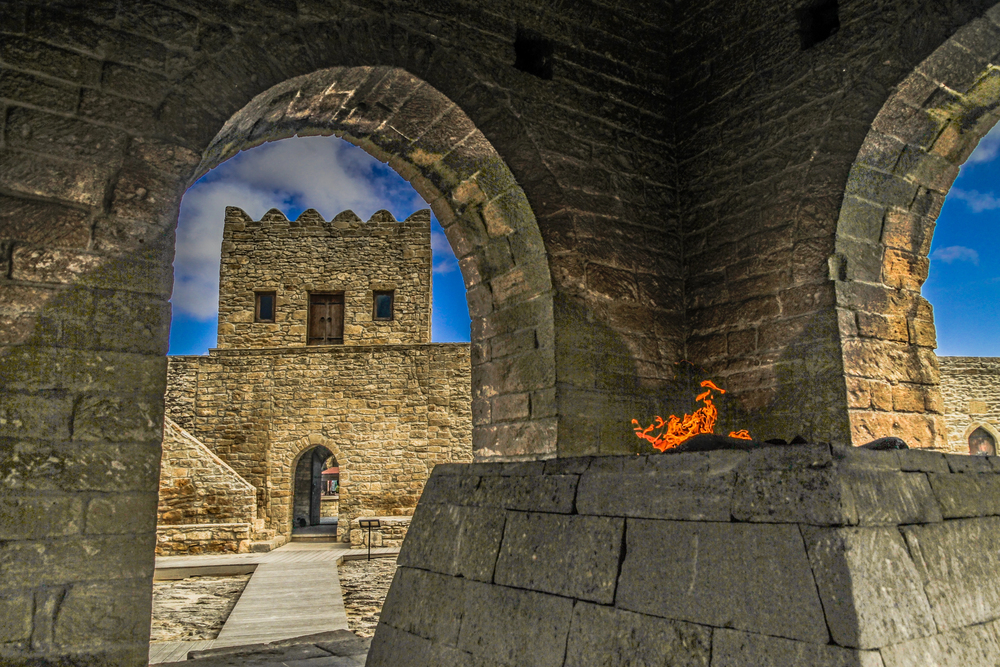
The Ateshgah Fire Temple, built by 18th-century Indian fire-worshippers, demonstrates Baku’s historical role as a pilgrimage destination for ancient religious practices centered around natural gas flames. This fascinating complex shows how Baku’s unique geology made it a sacred site for multiple religions over centuries, with Hindus, Sikhs, and Zoroastrians all considering it holy ground. Visiting the temple provides insight into religious practices that predate most major world religions and connects you to spiritual traditions that are both ancient and surprisingly relevant.
The carpet museum is actually fascinating
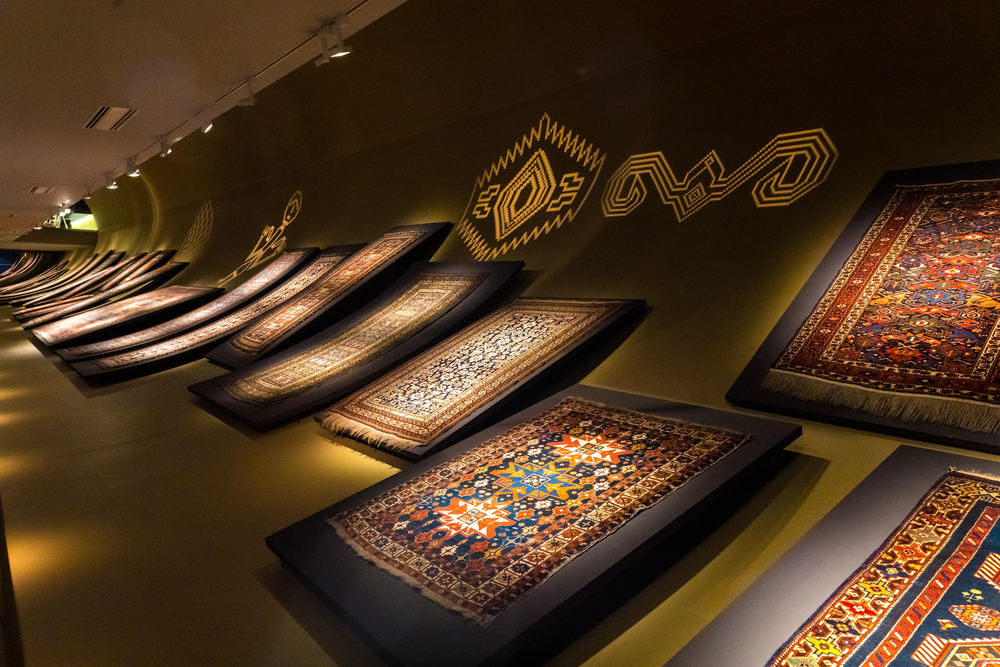
Decorative rug exhibition hall Baku Carpet Museum. Rug pattern view texture in carpet museum.
— Photo by Nasimi
The Azerbaijan National Carpet Museum showcases thousands of hand-woven carpets, revealing the incredible artistry, cultural significance, and historical importance of this ancient craft. Rather than dusty displays, the museum presents carpets as sophisticated art forms that tell stories of nomadic life, religious beliefs, and regional identity through intricate patterns and color combinations. The building itself, designed to resemble a rolled carpet, creates an immersive experience that makes textile art accessible and engaging even for visitors who never thought they cared about rugs.
Wine bars showcase unexpected vintages
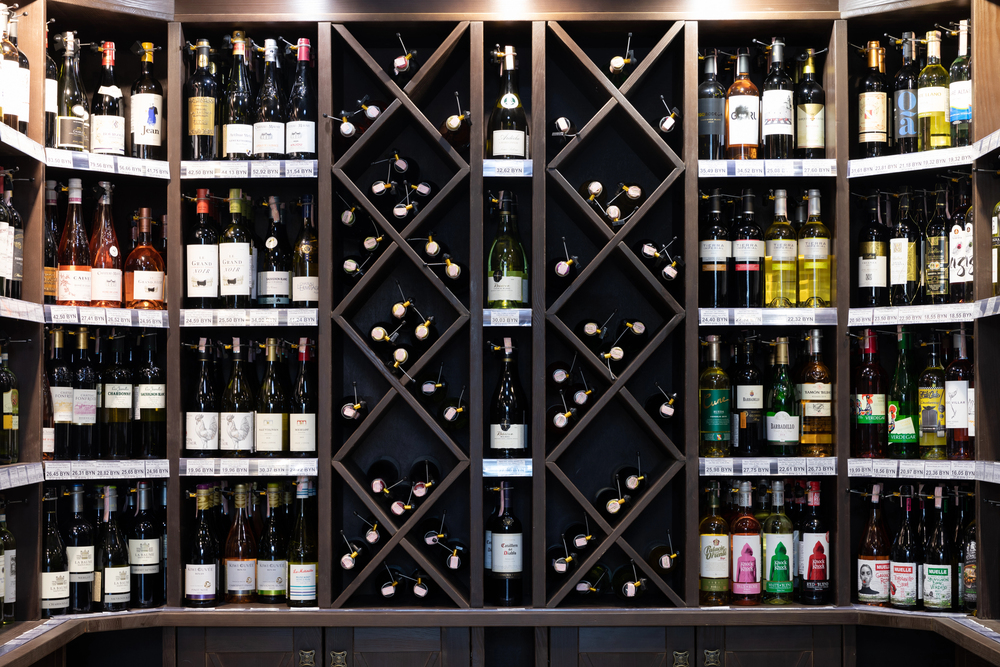
— Photo by fotoevent.stock
Baku’s growing wine scene features both traditional Georgian and Armenian wines alongside emerging Azerbaijani vintages, creating tasting experiences that introduce visitors to the Caucasus region’s wine-making traditions. Local wine bars offer intimate settings where knowledgeable staff guide guests through tastings that reveal the sophisticated wine culture of this region, often paired with local cheeses and appetizers. The wine scene represents Baku’s broader culinary evolution, offering sophisticated nightlife options beyond the typical club scene.
Architecture spans 1,000 years in walking distance
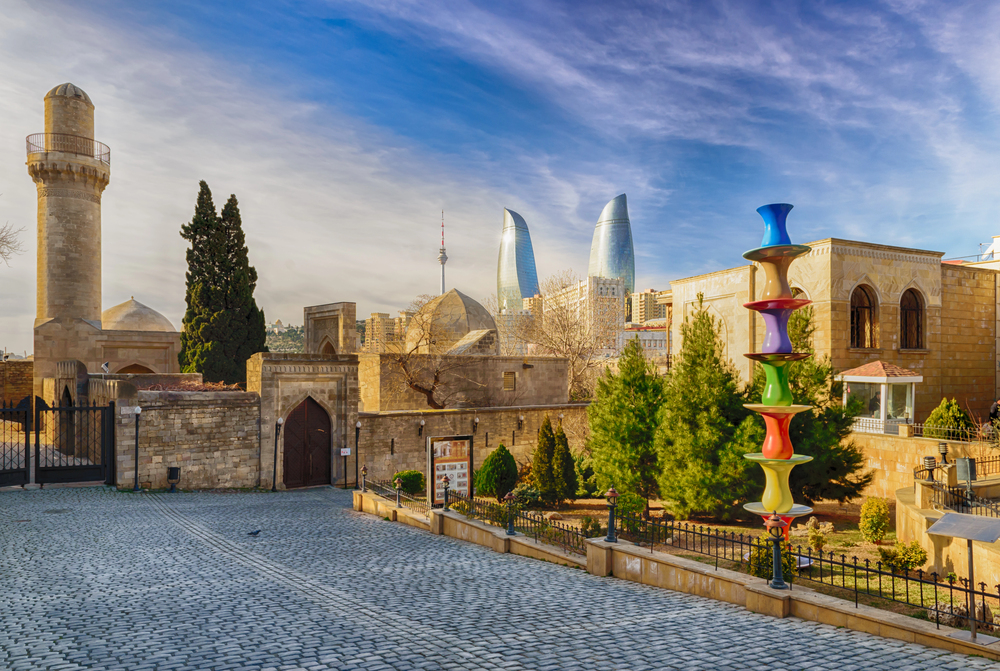
World Heritage Site by UNESCO.
— Photo by RAndrey
Within a few city blocks, you can experience medieval Islamic architecture, 19th-century European oil-boom mansions, Soviet-era monuments, and ultra-modern glass towers, creating a unique architectural timeline that spans ten centuries. This compressed historical experience means you can literally walk through architectural evolution in an afternoon, seeing how different eras and cultures have shaped the city’s appearance. The juxtaposition of the ancient Maiden Tower with the modern Flame Towers creates dramatic photo opportunities, helping visitors understand how Baku has continuously reinvented itself throughout its history.
Strategic location bridges Europe and Asia
— Photo by DmitriyAnaniev
Baku’s position at the crossroads of Europe and Asia makes it an ideal starting point for exploring the broader Caucasus region, with easy access to Georgia, Armenia, and Iran for extended travel adventures. This strategic location also means the city has absorbed cultural influences from multiple continents, creating a unique atmosphere that feels both familiar to Europeans and excitingly exotic. The geographical position has historically made Baku a crucial Silk Road trading post, and today it serves as a cultural bridge between Western Europe and Central Asia.
Safety and infrastructure rival Scandinavia
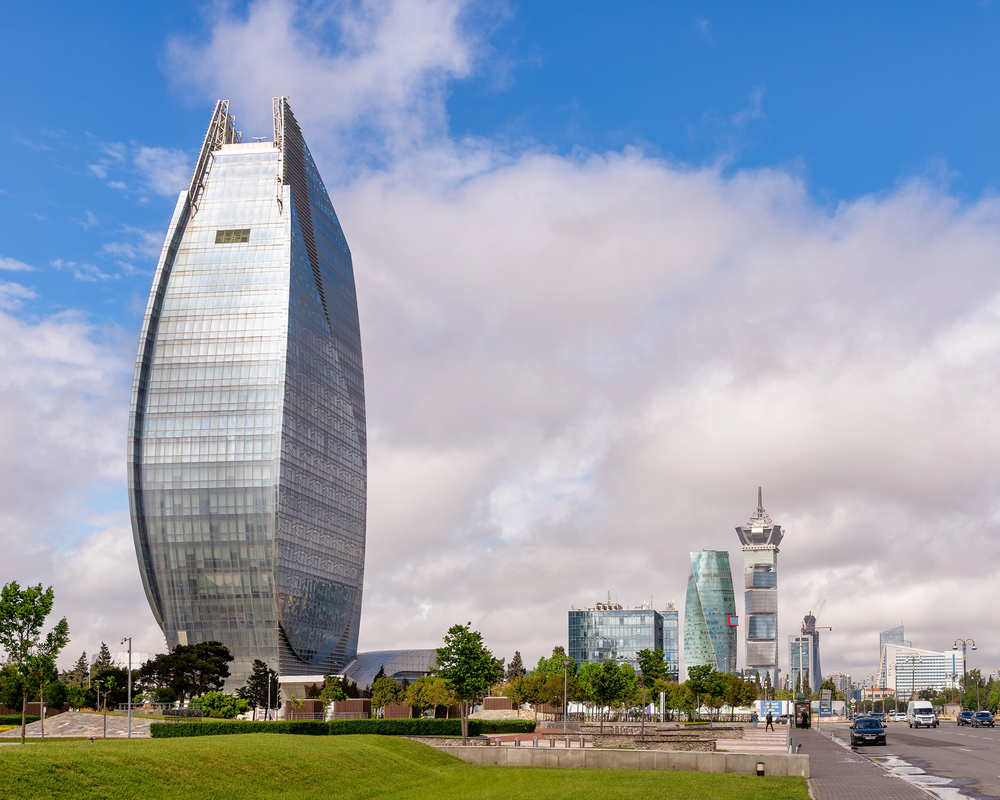
and contemporary architecture, offers a visually stunning experience with harmonious blend of sleek designs.
— Photo by KhaledElAdawy
Baku offers Scandinavian levels of safety and infrastructure quality at Eastern European prices, with efficient public transportation, reliable utilities, and low crime rates that make solo travel and family visits worry-free. The city’s rapid modernization has created infrastructure standards that exceed many traditional European destinations, while maintaining affordable pricing for visitors. This combination of safety, quality, and value makes Baku particularly attractive to travelers seeking sophisticated destinations without the hassles or expenses associated with more touristy European capitals.
From ancient Silk Road Hub to modern European gateway
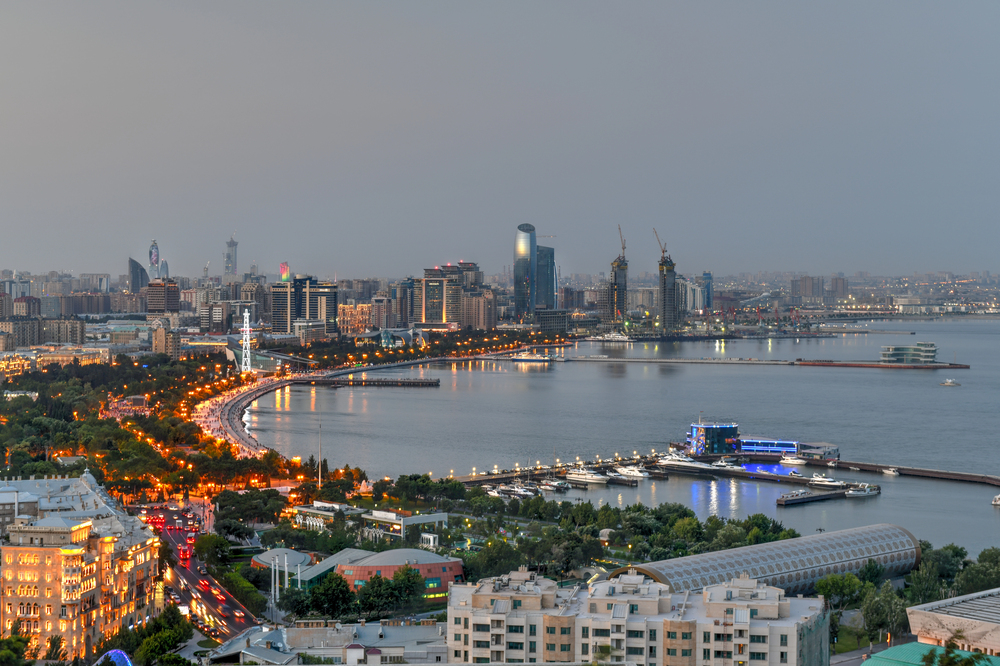
The Baku of today is the stunning evolution of a medieval trading post into a modern European resort that seamlessly meets East and West. The city that used to receive Silk Road traders now receives global tourists with top-class hotels, restaurants, and cultural sites while retaining its distinct Caucasian identity and welcoming traditions.
As long-established European destinations become increasingly crowded and pricey, Baku offers the high-level urban experience that today’s traveler craves — with historic flair, architectural marvels, gastronomic sophistication, and cultural depth — at prices that make luxury accessible, along with the added thrill of exploring something truly new.
More from Travel Pug

- Underrated Italian Towns That Beat the Tourist Crowds
- Las Vegas Tourist Traps to Skip
- Prettiest Towns in Every US State
- 18 passport-free countries for Americans
- Signs Your Cruise Is Not Worth The Cost
Like Travel Pug’s content? Follow us on MSN.