

The lottery tickets sit in your wallet, waiting for Friday’s drawing. You’ve got a mental list of debts to pay off, bills to catch up on, maybe a newer car that doesn’t make that sound when you turn left.
But somewhere past the practical stuff, there’s that other list — the places you’d go if money truly didn’t matter. Not just expensive vacations, but those legendary destinations that exist in a completely different financial universe.
The kind of places where the cost isn’t even listed on websites, because if you have to ask, well, you already know the answer.
Necker Island
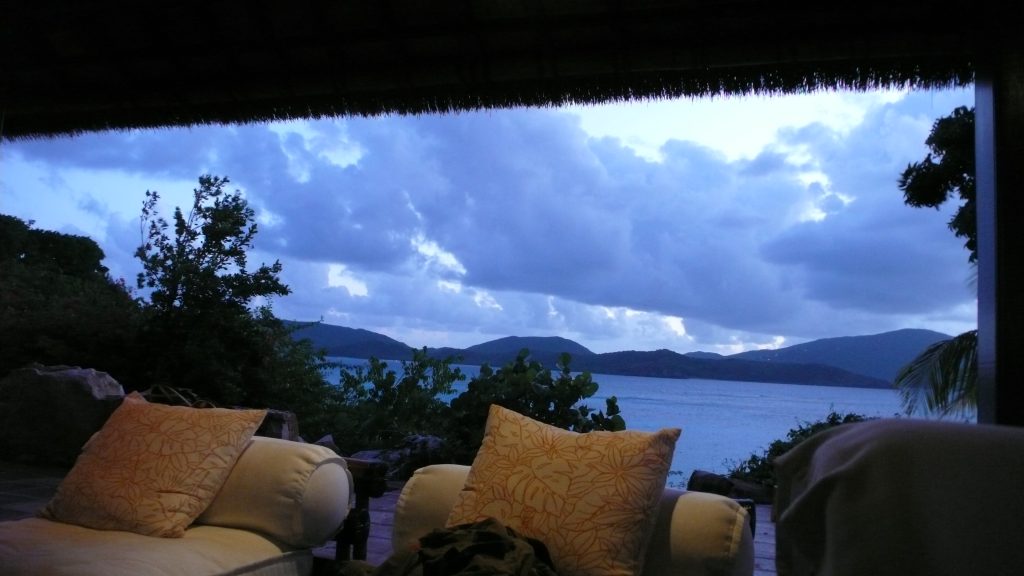
Richard Branson’s private Caribbean playground sits in the British Virgin Islands like a fever dream made real. The entire island rents starting around $100,000 per night.
You get 30 guests maximum, which means you’re paying roughly $3,500 per person per night just for the accommodation. Add in the private chefs, water sports equipment, and the kind of service where staff anticipate needs you didn’t know you had.
The math stops being math and becomes something closer to fantasy.
North Island, Seychelles
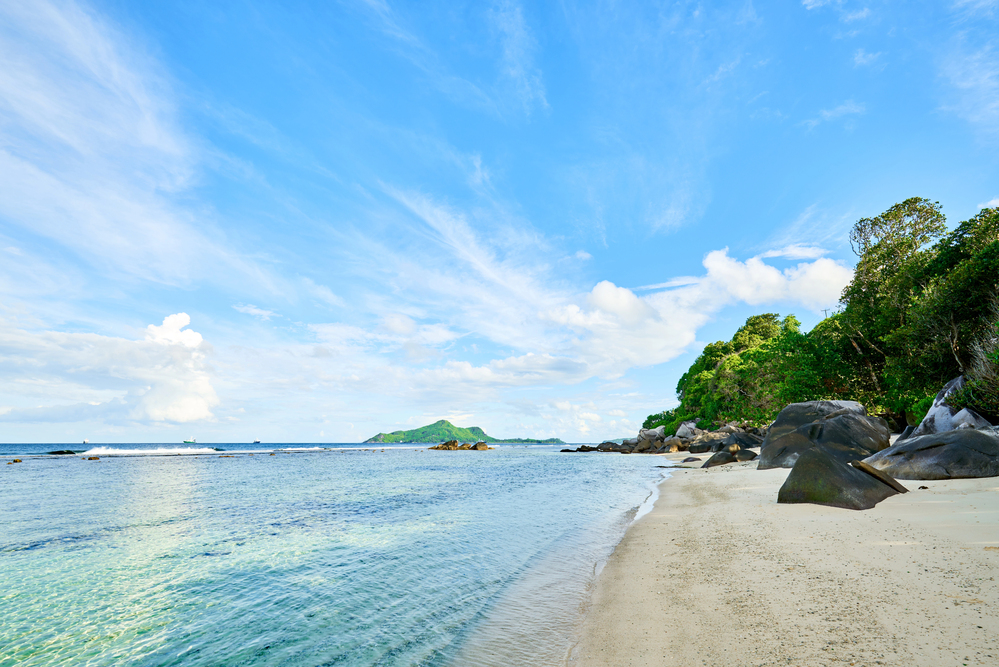
The place where celebrities disappear to have nervous breakdowns in paradise (or recover from them — the island doesn’t judge). William and Kate honeymooned here, which tells you something about both the privacy and the price point.
Eleven villas scattered across 500 acres of pristine beaches and tropical forest, each one designed to make you forget that other people exist. The conservation efforts here are legitimate — they’ve brought back species from near-extinction — but that’s almost beside the point when you’re paying $15,000 per night for the privilege of existing in this protected bubble.
So the guilt about excess gets mixed up with genuine environmental good, and somehow that makes the whole thing feel even more surreal. And yet the tortoises don’t care about your moral complexity; they just keep doing their tortoise things while you figure out whether this level of luxury makes you a better person or a worse one.
Antarctica Luxury Expedition
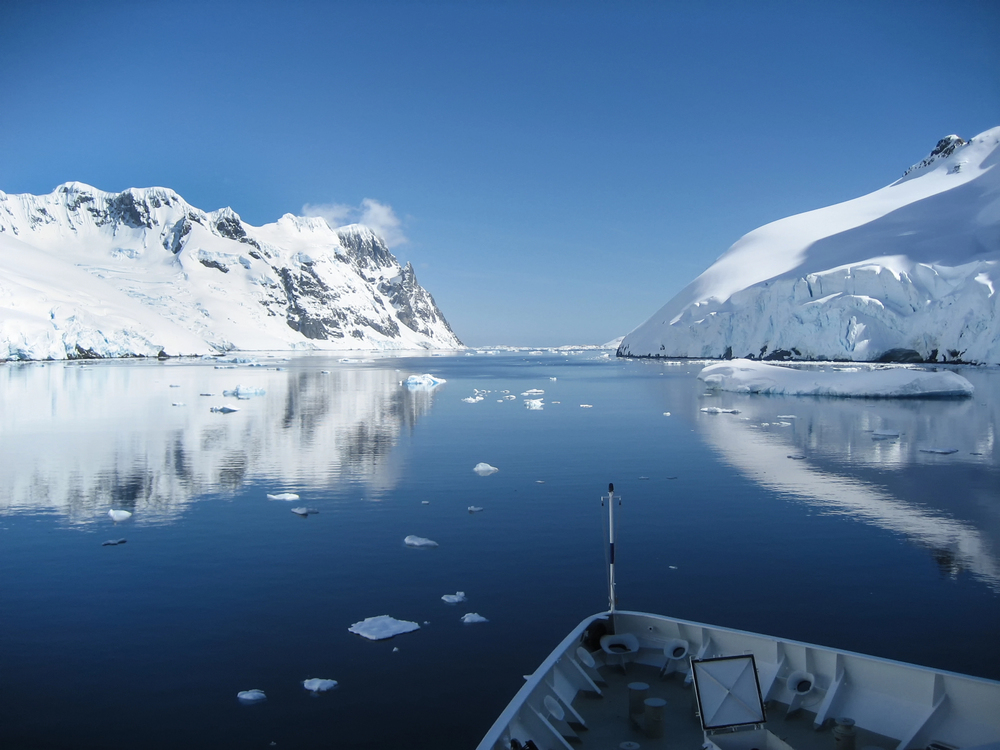
There’s something almost rebellious about bringing five-star service to the most hostile continent on Earth. These aren’t your typical cruise ships — think heated pools while icebergs drift by, champagne tastings at negative 20 degrees, and expedition guides who cost more per day than most people’s rent.
The irony runs deeper than the obvious environmental concerns. You’re paying premium prices to experience one of the last truly wild places on the planet, but you’re doing it from inside a cocoon of comfort so complete that the wildness becomes almost theoretical.
The penguins don’t know you spent $80,000 to see them waddle around, but somehow that ignorance makes the whole enterprise feel both more authentic and more absurd.
Amanzoe, Greece
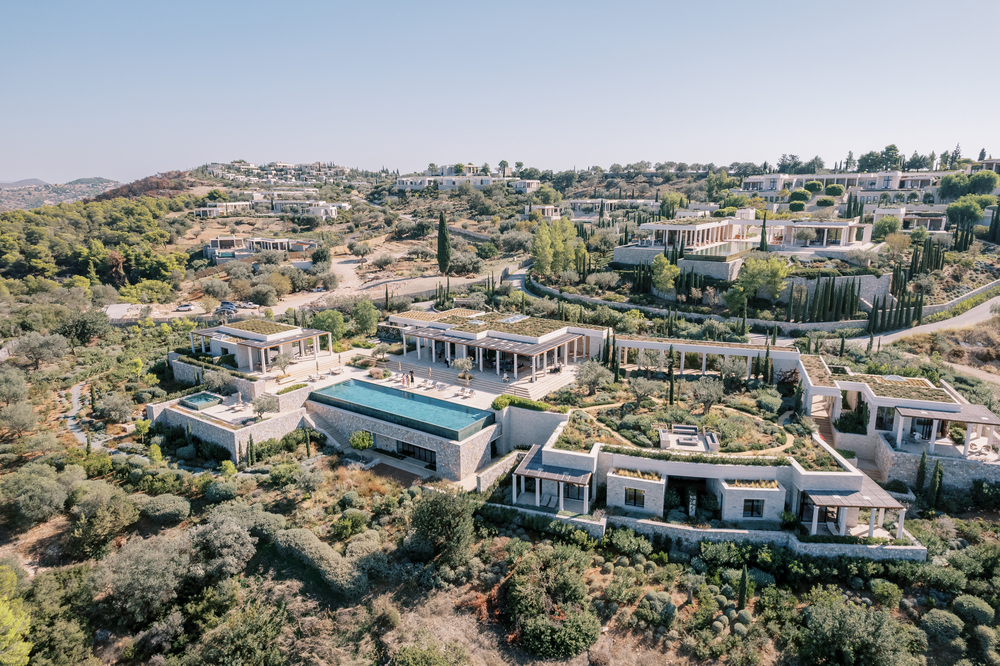
This isn’t a resort so much as a statement about what happens when minimalist design meets unlimited budgets. Perched on a hilltop overlooking the Aegean, every villa comes with its own infinity pool and enough marble to build a small museum.
The aesthetic is deliberately austere — all clean lines and neutral tones — which creates an interesting psychological effect. You’re surrounded by more luxury than most people see in a lifetime, but it’s presented as simplicity.
The contradiction would be maddening if it weren’t so expertly executed. Even the staff seem to move differently here, as if excessive wealth has its own gravitational field.
Royal Penthouse Suite, Hotel President Wilson, Geneva
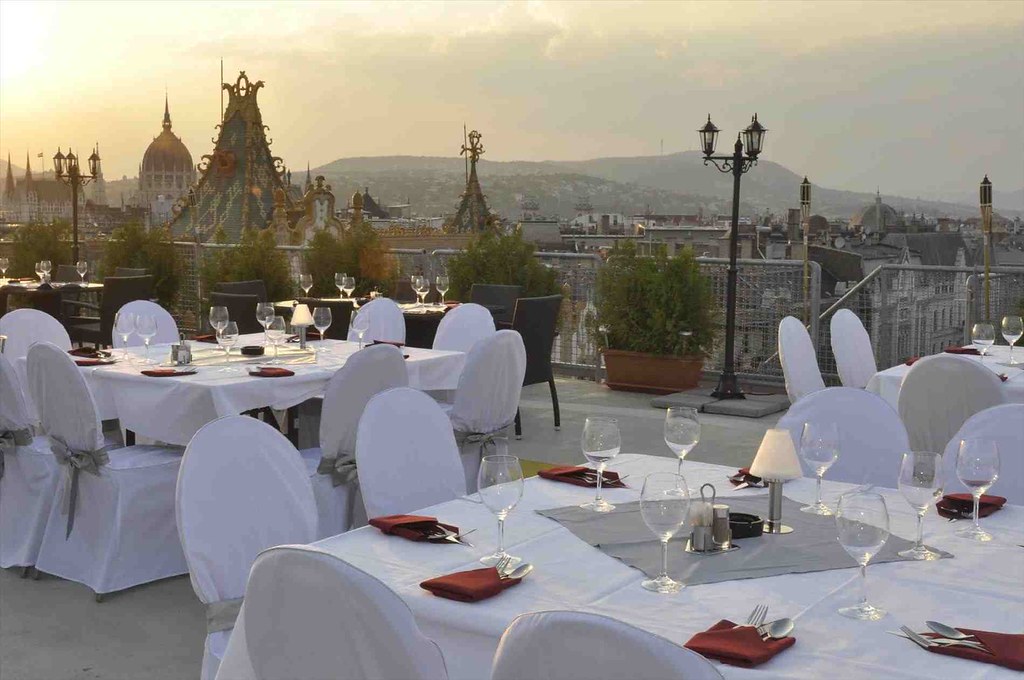
$80,000 per night gets you 12 bedrooms, bulletproof windows, and a private elevator. The security measures alone suggest the kind of guests who book this place — people for whom money isn’t just no object, it’s actively dangerous.
The suite spans the entire top floor and comes with its own personal chef, butler, and security team. There’s something almost comical about needing bulletproof glass to enjoy your lake view, but apparently that’s what peak luxury looks like in the real world.
The Alps visible through reinforced windows become a metaphor for something, though it’s hard to say exactly what.
Fogo Island Inn, Canada
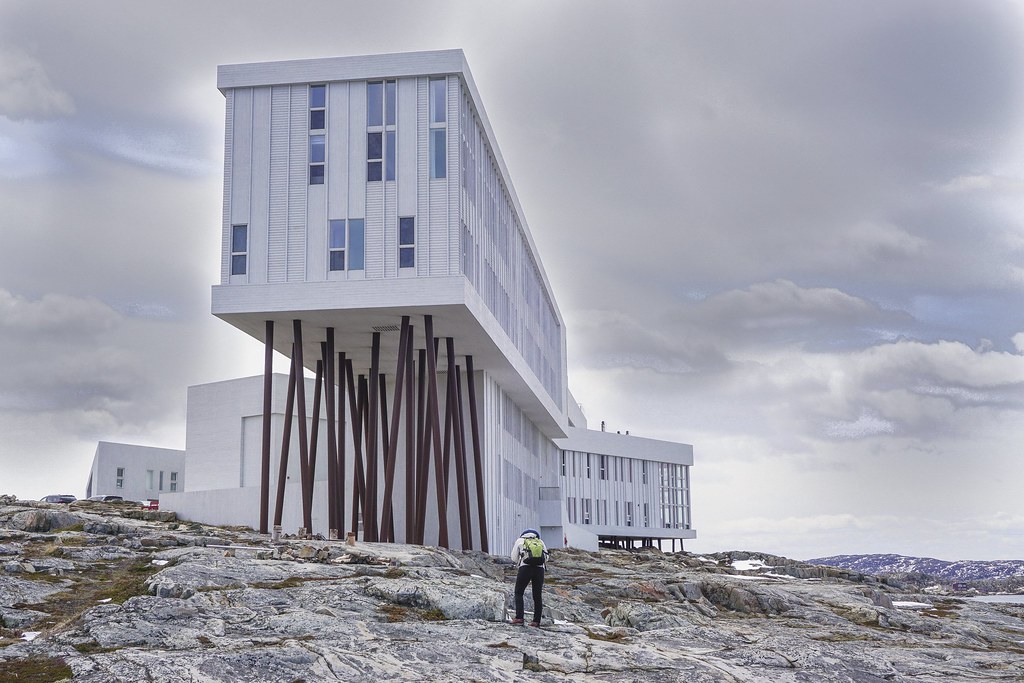
Built on stilts overlooking the North Atlantic, this place manages to make isolation feel like the ultimate luxury amenity. The architecture is deliberately stark — all angles and weather-beaten wood — but the interiors are filled with handmade furniture and art that costs more than most houses.
Each room has floor-to-ceiling windows facing the ocean, because apparently the best way to appreciate comfort is to be constantly reminded of the harsh environment you’re protected from. The local community was involved in every aspect of construction, which sounds like corporate responsibility but actually creates something more interesting: guilt-free excess.
You can spend $4,000 per night and feel good about it, which might be the most sophisticated luxury of all. So the money doesn’t just buy comfort; it buys moral clarity, and that’s worth more than thread count or marble bathrooms.
But then you wake up to icebergs drifting past your window, and the whole ethical framework seems as fragile as everything else humans build against the elements.
Laucala Island Resort, Fiji
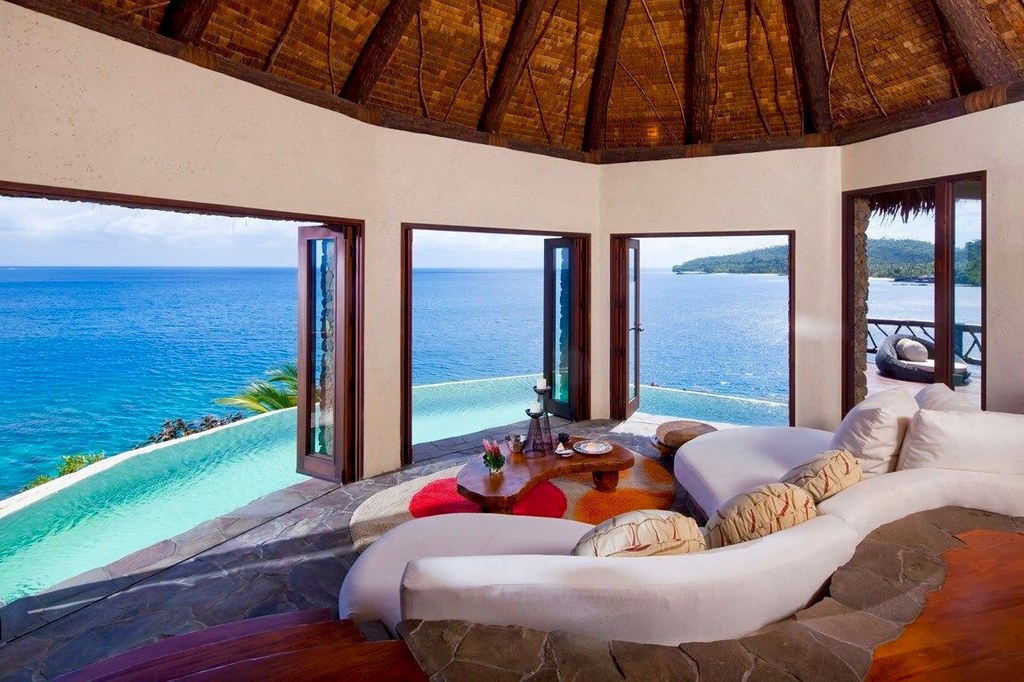
Mel Gibson’s former private island turned into a resort where villas start at $6,000 per night and climb toward absurdity. The 25 residences are scattered across 3,500 acres of tropical perfection, ensuring you might go days without seeing another guest.
The island grows its own organic produce, raises its own cattle, and maintains its own airstrip. It’s less a vacation destination than a temporary withdrawal from the global economy — a place where money has already solved every conceivable problem before you arrive.
Even the problems you didn’t know you had.
The Muraka, Conrad Maldives Rangali Island
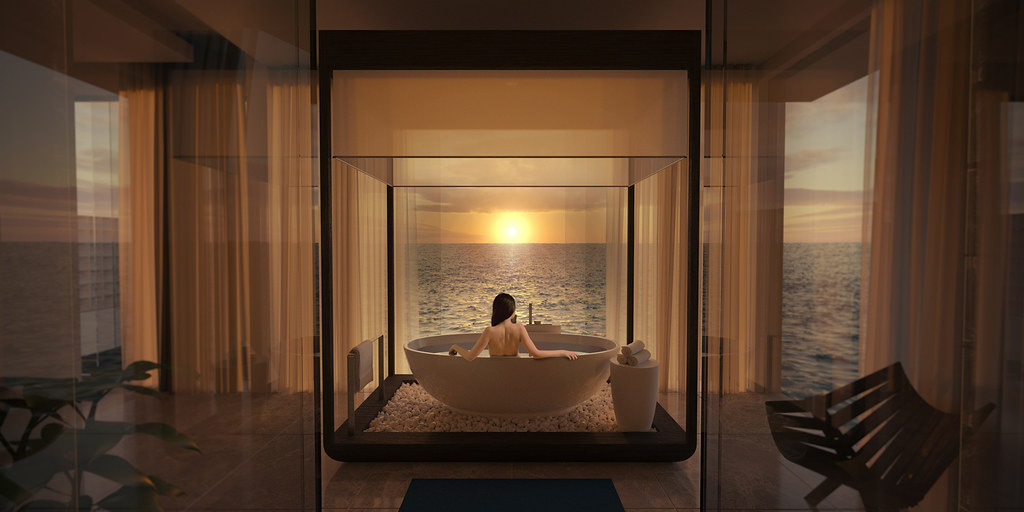
The world’s first underwater villa sits 16 feet below the Indian Ocean’s surface. Half the residence floats above water, half exists in an aquarium-like space surrounded by coral reefs and tropical fish.
Sleeping underwater while sharks cruise past your bedroom windows creates a specific kind of cognitive dissonance. You’re experiencing something genuinely unprecedented — humans aren’t supposed to live beneath the ocean — but you’re doing it in air conditioning with 24-hour room service.
At $50,000 per night, it’s hard to tell whether you’re paying for the experience or the bragging rights. Both, probably.
Kokomo Private Island, Fiji
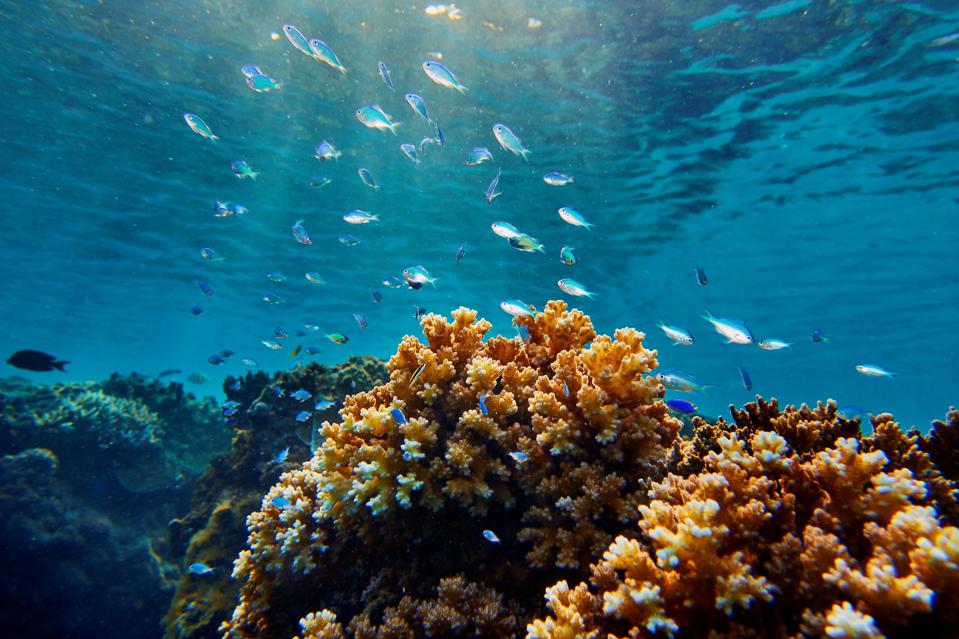
This adults-only retreat spans 140 acres of private beaches and jungle, with villas that redefine the concept of overwater accommodations. The Presidential Villa comes with its own island within the island — a separate piece of land connected by a private bridge.
Twenty-one residences total, each designed to make you forget that other humans exist. The staff-to-guest ratio approaches one-to-one, creating an environment where every whim gets anticipated and fulfilled before it fully forms in your mind.
It’s the kind of place that makes you understand why some people never come back to regular life.
Nihi Sumba, Indonesia
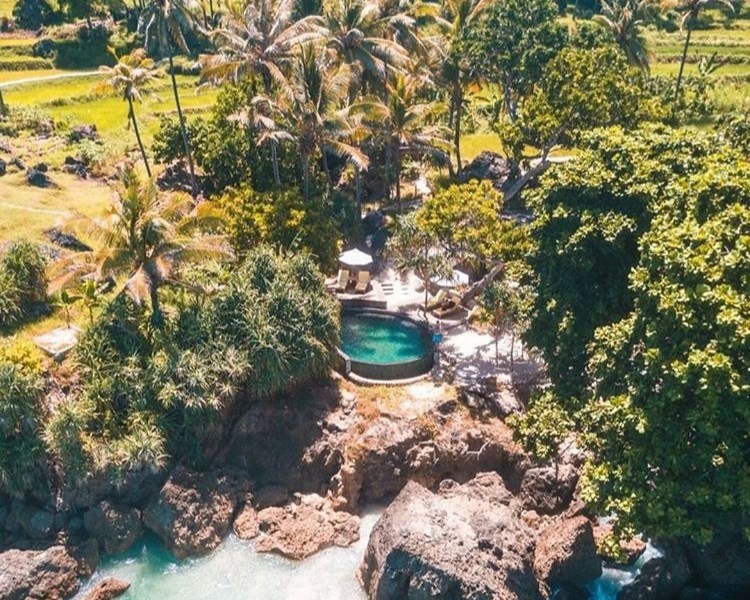
Frequently ranked among the world’s best hotels, this place turns a remote Indonesian island into a playground for people who’ve run out of conventional ways to spend money. The surf breaks are legendary, the accommodations are built into clifftops, and the spa treatments incorporate local rituals that have been practiced for centuries.
But here’s what makes it genuinely special: the isolation forces a different kind of luxury experience (one where the entertainment comes from the environment rather than amenities). You’re paying premium prices to live like humans did before modern civilization — albeit with thread counts and wine cellars that would make ancient kings weep with envy.
And yet the simplicity feels earned rather than performed, which is rarer than perfect beaches or private jets. So the money buys access to a kind of authenticity that can’t exist anywhere accessible, and that paradox becomes part of the experience rather than undermining it.
Villa La Cupola, Westin Excelsior, Rome
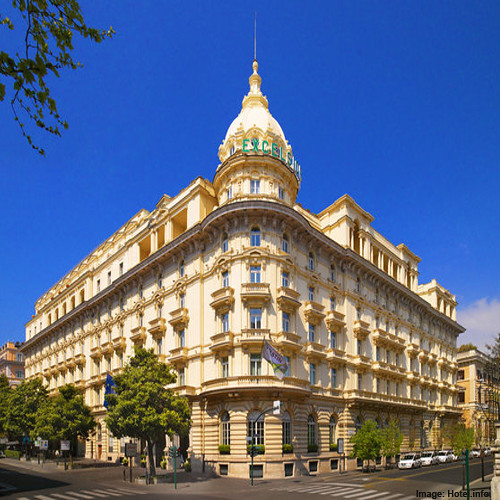
One of the largest hotel suites in Europe occupies the entire sixth floor of one of Rome’s most prestigious hotels. At $30,000 per night, it comes with frescoed ceilings, a private fitness room, and panoramic views of the Eternal City that make you understand why people used to believe in gods.
The suite has its own kitchen staffed by Michelin-trained chefs, because apparently ordering room service is for amateurs. There’s something almost absurd about experiencing this level of luxury while ancient ruins sprawl beneath your windows, as if the Roman Empire never actually fell; it just learned to charge more.
The Phantom, Saffire Freycinet, Tasmania
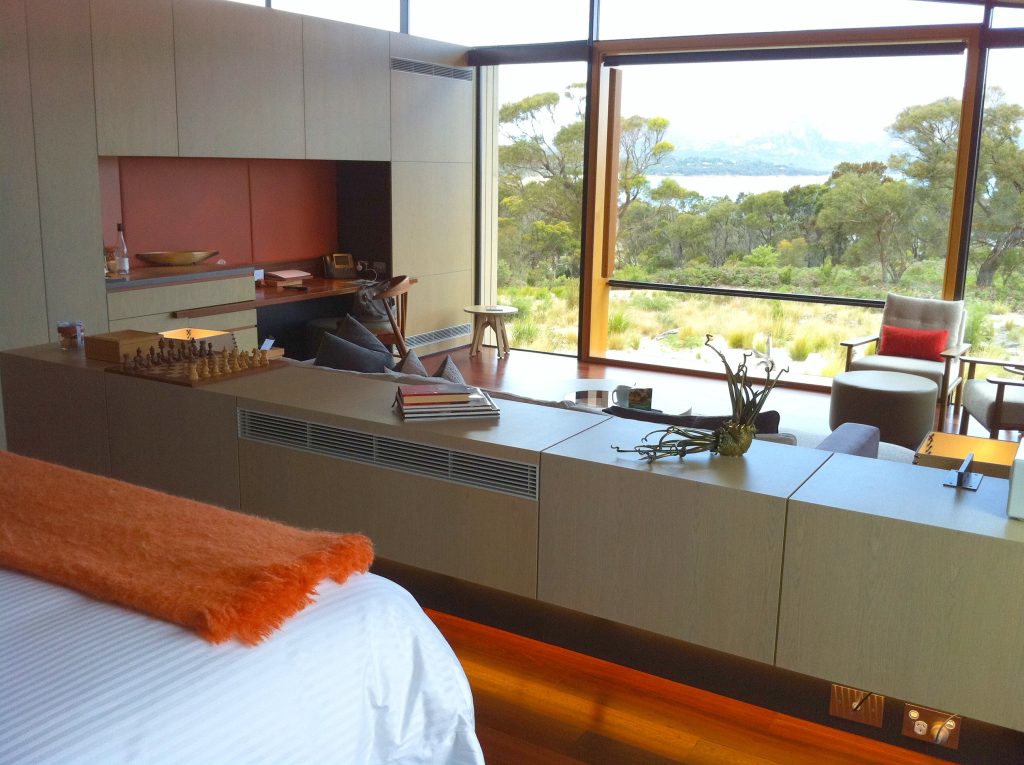
This pavilion sits on a private beach accessible only by helicopter, surrounded by pink granite mountains and some of the world’s most pristine wilderness. The design is deliberately minimal — just glass, stone, and steel — but every surface and angle has been calculated to enhance the dramatic landscape.
You’re paying for isolation so complete it becomes almost philosophical. The nearest neighbor is miles away, the wifi is deliberately limited, and the entertainment consists entirely of watching wombats waddle across pristine beaches.
It’s the kind of place that makes you realize how rarely you’re actually alone with your thoughts, and how expensive that privilege has become.
Singita Grumeti, Tanzania
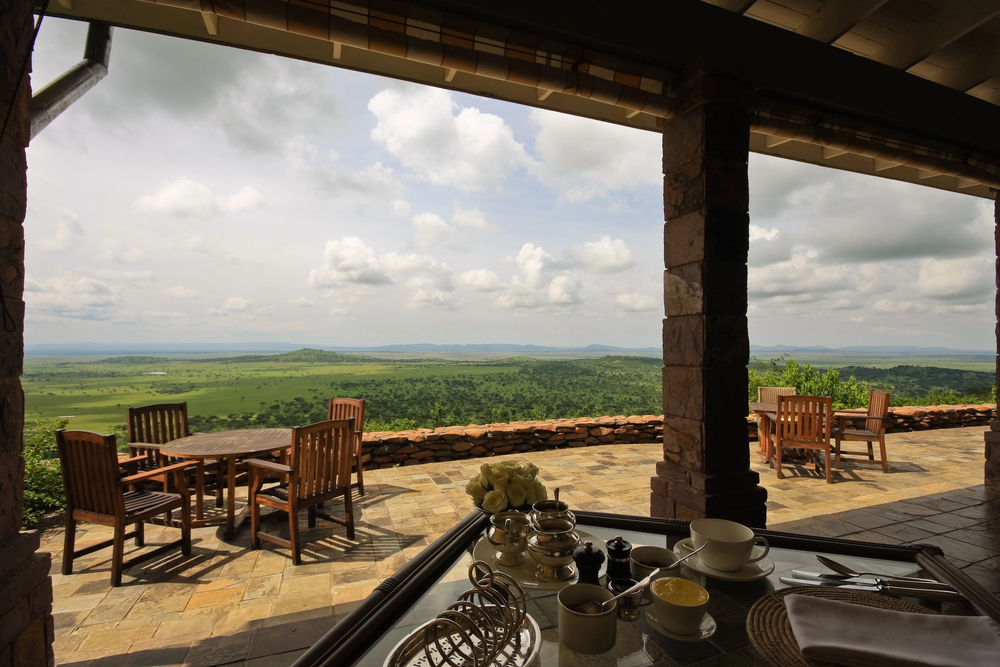
Private game reserves don’t come cheap, but this one redefines the relationship between luxury and conservation. The lodges are built along ancient animal migration routes, creating an environment where million-dollar accommodations coexist with some of Africa’s most endangered species.
Each suite comes with a private vehicle, guide, and tracker — essentially your own personal nature documentary crew. The conservation work here is legitimate and expensive; your $15,000 per night directly funds anti-poaching efforts and community development.
So the moral math works out differently than other luxury destinations, even if the financial math remains equally incomprehensible.
Como Shambhala Estate, Bali
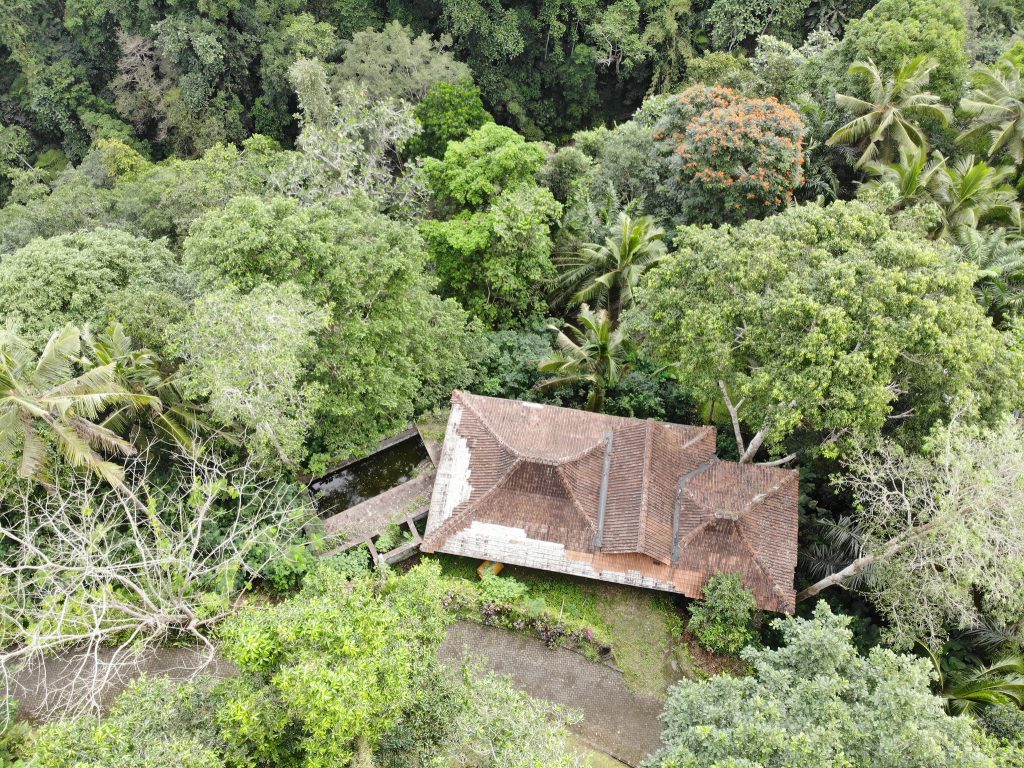
This isn’t a resort so much as a wellness retreat designed by people who’ve never worried about money. The suites are scattered across 23 acres of tropical jungle, each one positioned to maximize privacy while maintaining access to spiritual healers, yoga instructors, and chefs who treat nutrition like a religious practice.
The daily rate includes consultations with ayurvedic doctors, meditation sessions with Buddhist monks, and spa treatments that incorporate techniques developed over centuries. It’s the kind of place where enlightenment comes with thread counts, which should feel contradictory but somehow doesn’t.
Ashford Castle, Ireland
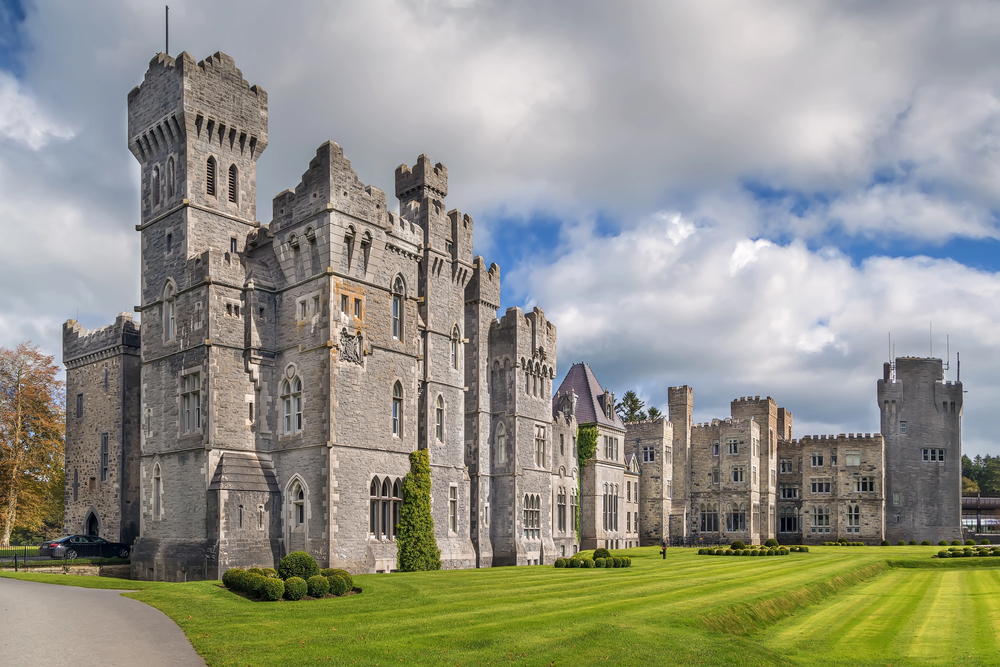
This 800-year-old castle turned luxury hotel sits on 350 acres of Irish countryside and charges accordingly. The Presidential Suite runs $5,000 per night, but that’s before you factor in the falconry lessons, private lake cruises, and the kind of service that makes you understand why people used to believe in aristocracy.
The castle has been hosting royalty since the 13th century, which means the luxury here comes with actual historical weight. You’re not just buying comfort; you’re buying access to a lifestyle that predates democracy.
The moral implications are complicated, but the experience is undeniably authentic.
Jade Mountain, St. Lucia
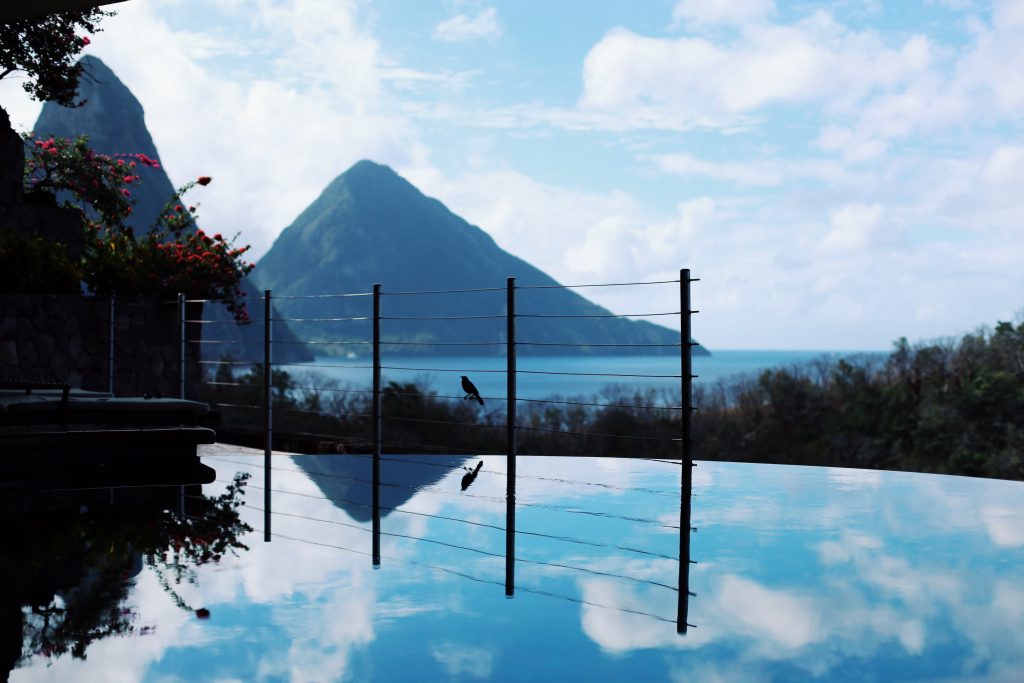
Every suite here is open to the elements — no fourth wall, just stunning views of the Pitons and Caribbean Sea. The architecture integrates so completely with the landscape that the boundaries between indoor and outdoor space become meaningless.
The infinity pools extend from each suite toward the horizon, creating the optical illusion that you’re swimming directly into the sky. At $2,000 per night, it’s practically affordable by the standards of this list, but the experience rivals anything at twice the price.
Sometimes, the most expensive thing about luxury is learning when less actually delivers more.
Emirates Palace, Abu Dhabi
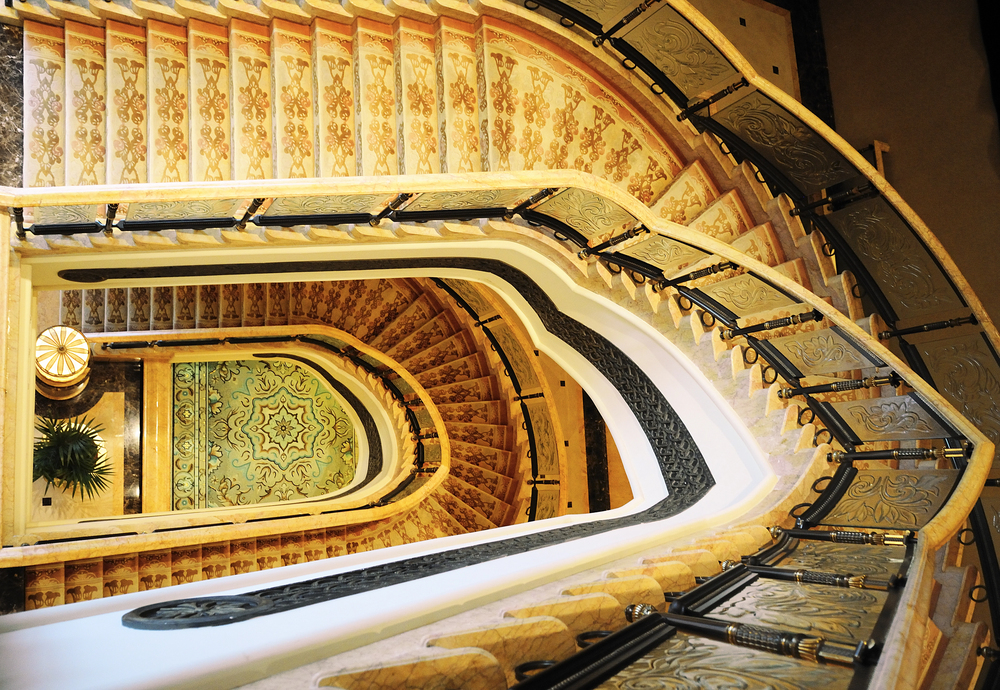
This isn’t just a hotel; it’s a monument to the idea that money can solve any conceivable problem, including the problem of having too much money. The suites are decorated with gold leaf, the vending machines dispense luxury watches, and the beach is regularly replenished with sand imported from other countries.
The Presidential Suite spans two floors and comes with its own private cinema, because apparently watching movies with other people is for peasants. There’s something simultaneously impressive and exhausting about experiencing this level of excess — like being trapped inside someone else’s fever dream about wealth.
But the service is flawless, the amenities are genuinely unprecedented, and the whole experience manages to feel both completely artificial and oddly compelling.
Velaa Private Island, Maldives
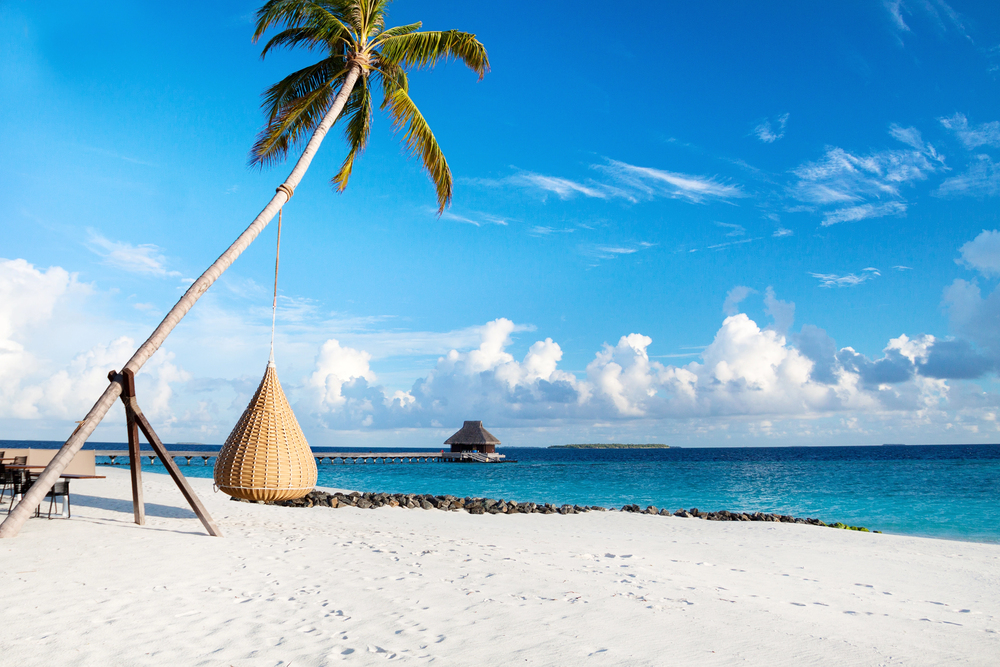
This private island resort redefines overwater living with villas that seem to float impossibly above coral reefs. Each residence comes with its own stretch of beach, private pool, and marine biologist on call to explain the ecosystem you’re temporarily disrupting.
The Romantic Pool Residence sits on its own tiny island connected to the main resort by a narrow bridge. At $15,000 per night, you’re paying for isolation so complete that other guests become theoretical rather than actual.
The whole place feels like a laboratory experiment in whether unlimited money can create perfect happiness. The results remain inconclusive, but the research is undeniably pleasant.
When numbers stop making sense
These places exist in a parallel economy where normal rules don’t apply. The prices aren’t really prices in any conventional sense — they’re barriers to entry, ways of ensuring that exclusivity remains exclusive.
And maybe that’s the point. In a world where most experiences can be purchased, photographed, and shared instantly, true luxury has become the ability to disappear completely.
To exist, temporarily, in spaces where money has already solved every conceivable problem and the only thing left is the strange, almost alien experience of having nothing left to want.
More from Travel Pug

- Underrated Italian Towns That Beat the Tourist Crowds
- Las Vegas Tourist Traps to Skip
- Prettiest Towns in Every US State
- 18 passport-free countries for Americans
- Signs Your Cruise Is Not Worth The Cost
Like Travel Pug’s content? Follow us on MSN.