

There’s something about watching the world unfold from a riverboat deck that makes travel feel the way it was meant to. The pace slows down.
The scenery changes gradually rather than in jarring jumps. And the towns that emerge along America’s great waterways seem to hold onto something that feels increasingly rare — a sense of place that hasn’t been polished smooth by mass tourism.
River cruising in America offers access to communities that highways bypass and airlines ignore entirely. These aren’t destinations that shout for attention.
Some places reward the slower approach, where the best discoveries happen on foot, and the most memorable conversations unfold over coffee with locals who still remember when the riverboat whistle meant something important was happening.
Natchez
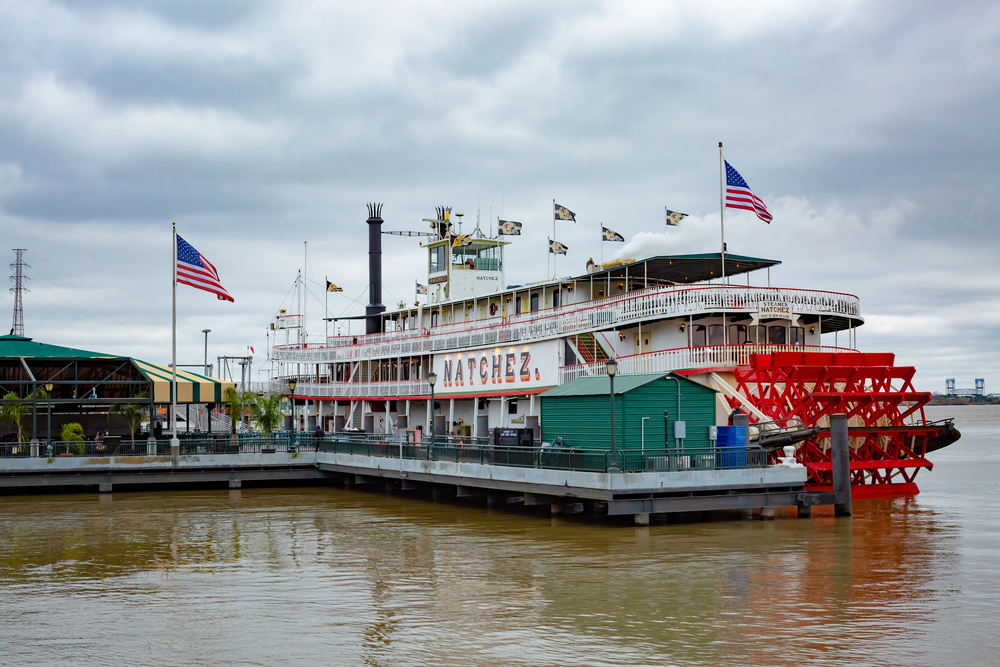
The antebellum mansions here didn’t survive by accident. Natchez sits on bluffs high enough above the Mississippi that Union forces found it easier to preserve than destroy during the Civil War.
What remains is America’s most concentrated collection of pre-war Southern architecture, minus the battlefield scars that mark other river towns.
The carriage tours feel touristy until the guide stops talking and lets the moss-draped oaks do the work. Some silences carry more weight than words.
Red Wing

So it turns out that a town built around pottery can actually look like art itself (which is either ironic or perfectly logical, depending on how much coffee has been consumed while pondering such things). Red Wing perches along the Mississippi in a way that suggests the original planners knew something about framing a view, and the fact that Red Wing Shoes still makes boots here adds a stubborn practicality to all that riverside charm.
But the real draw isn’t the famous footwear or even the historic pottery — it’s the way the bluffs cradle the downtown, creating this pocket of civilization that feels both protected and open to the river at the same time, which sounds contradictory until standing on the levee at sunset makes the contradiction make perfect sense.
And the Sheldon Theatre, which opened in 1904 and still hosts performances, sits downtown like a reminder that entertainment once required people to actually show up in the same room. Revolutionary concept.
Hannibal
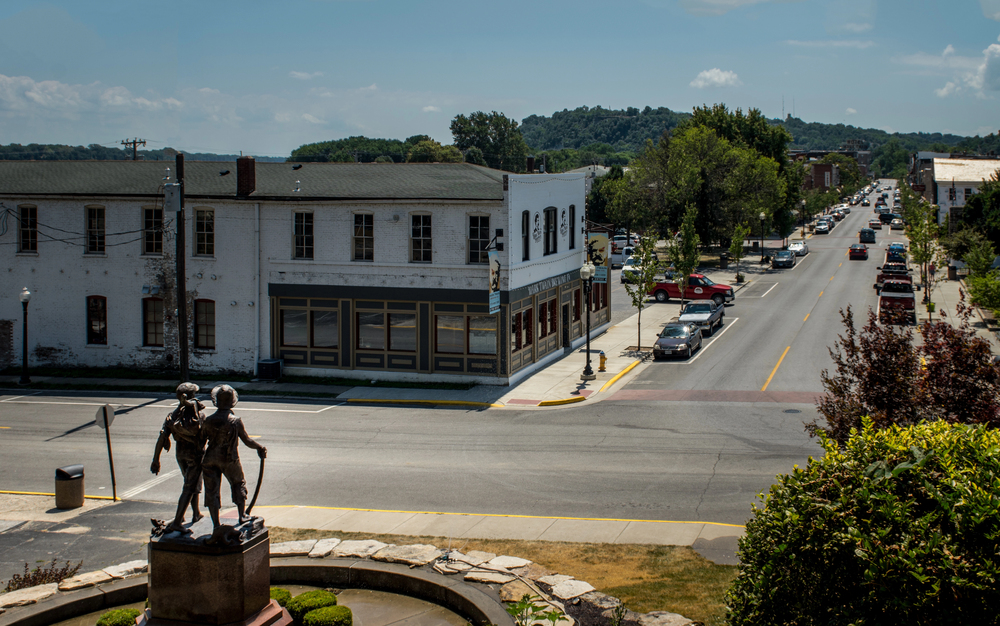
Mark Twain’s hometown carries its literary fame like a well-worn jacket — comfortable but not showy. The Mississippi here looks exactly like it should, wide and muddy and indifferent to the tourists photographing it from the Mark Twain Cave gift shop.
The cave tours themselves manage to be both cheesy and genuinely interesting, which takes a particular kind of skill.
Downtown Hannibal understands that nostalgia works best when it doesn’t try too hard. The whitewashed fence still gets painted by visitors, just like Tom Sawyer would have wanted.
Some marketing ideas are too good to abandon, even 150 years later.
Dubuque
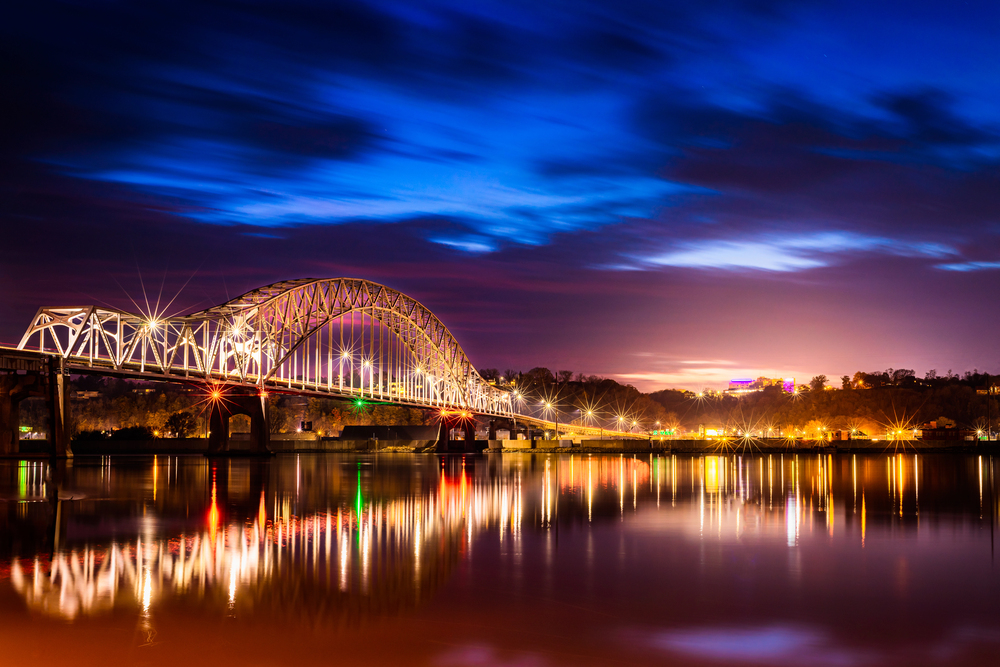
There’s a peculiar alchemy that happens when a working river town decides to embrace both its industrial past and its scenic potential without abandoning either completely. Dubuque figured this out sometime in the last few decades, transforming its riverfront into something that welcomes riverboat passengers while still functioning as a place where actual residents live and work and argue about property taxes like normal people do in normal places.
The National Mississippi River Museum sits right on the water, which means visitors can learn about river ecology while watching barges push grain downstream — a bit of educational theater that works because the Mississippi refuses to behave like a museum exhibit. It keeps flowing, carrying whatever the upstream towns decide to send down, indifferent to interpretive displays about its ecological significance.
The Fenelon Place Elevator, which is basically a very short, very steep cable car that climbs the bluff behind downtown, offers views that justify the tourist-trap pricing. Sometimes the obvious choice turns out to be obvious for good reason.
Cape Girardeau
The floodwall murals here tell the story of a town that learned to live with the Mississippi rather than fight it. Cape Girardeau floods.
Always has, probably always will. The response wasn’t to relocate — it was to paint the concrete barriers with scenes from local history and call it public art.
Rush Limbaugh was born here, which the town acknowledges without making a federal case about it. That kind of measured civic pride suggests a community comfortable with its own complexity.
Memphis

Memphis earns its reputation the hard way — through music that changed everything and barbecue that sets the standard for an entire region. Riverboat passengers dock downtown and find themselves within walking distance of Beale Street, Sun Studio, and the Civil Rights Museum.
That’s either extremely convenient planning or pure geographical luck.
The Mississippi here feels like it owns the place rather than just passing through. The river created Memphis, sustained it, occasionally threatened to destroy it, and somehow the city emerged with a musical legacy that makes the rest of America sound tentative by comparison.
Blues, gospel, rock and roll, soul — Memphis didn’t invent all of it, but it perfected most of it.
Vicksburg

Vicksburg carries its Civil War history like a family story that gets told at every reunion — important, complicated, and impossible to ignore. The siege that lasted 47 days in 1863 shaped the town’s identity in ways that persist 160 years later.
The National Military Park preserves the battlefield, but the real education happens downtown, where the terrain itself explains why this particular bend in the Mississippi River mattered enough to fight over.
Riverboat passengers often arrive expecting military history and leave talking about the murals on the floodwall. Both responses make sense.
Some places contain more layers than a single visit can absorb.
Vicksburg casinos generate revenue that helps preserve historic buildings, which creates a peculiar but effective partnership between gaming and heritage tourism. The Mississippi doesn’t care about such ironies — it just keeps flowing past both.
New Orleans

New Orleans exists because the Mississippi River demanded a city at its mouth, but the river didn’t specify what kind of city. What emerged defies every urban planning principle except the one that says great cities create their own rules.
The French Quarter receives most of the attention, and for good reason — it’s a 78-block museum of colonial architecture that happens to contain working bars, restaurants, and music venues. But riverboat passengers who venture beyond Bourbon Street discover neighborhoods like the Garden District, where antebellum mansions sit behind wrought-iron fences like beautiful secrets waiting to be noticed.
St. Louis

The Gateway Arch frames the Mississippi River in a way that feels both monumental and welcoming — a 630-foot stainless steel reminder that St. Louis was once the jumping-off point for everything west of the river.
The arch looks simple until closer inspection reveals the mathematical precision required to make that much steel appear weightless.
Riverboat passengers dock near the Arch and find themselves at the intersection of American expansion and urban renewal. The riverfront here was rebuilt in the 1960s, which means it lacks the organic messiness of towns that grew up gradually along the water.
But the view from the Arch observation deck provides context that ground level can’t match.
Downtown St. Louis contains enough breweries, ballpark history, and jazz venues to occupy several days.
The Mississippi here feels like a highway rather than a destination, which makes sense — St. Louis was always about going somewhere else, not staying put.
Prairie du Chien
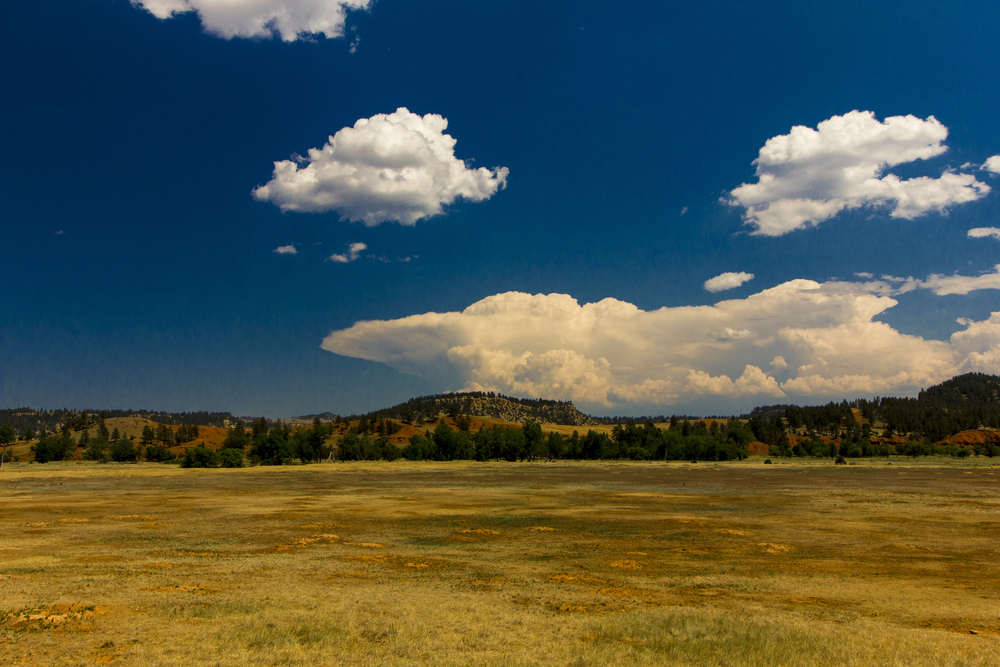
The name means “Dog Prairie” in French, which sounds either poetic or practical depending on fluency in 18th-century fur trader humor. Prairie du Chien occupies a natural terrace above the Mississippi that made it a logical stopping point for everyone from Native American tribes to European explorers to modern riverboat passengers looking for a place to stretch their legs.
The town’s main claim to fame involves being burned down during the War of 1812, then rebuilt with the kind of stubborn optimism that characterizes river communities throughout the Midwest. Villa Louis, a Victorian mansion turned historic site, suggests that some families not only rebuilt but upgraded significantly.
Alton
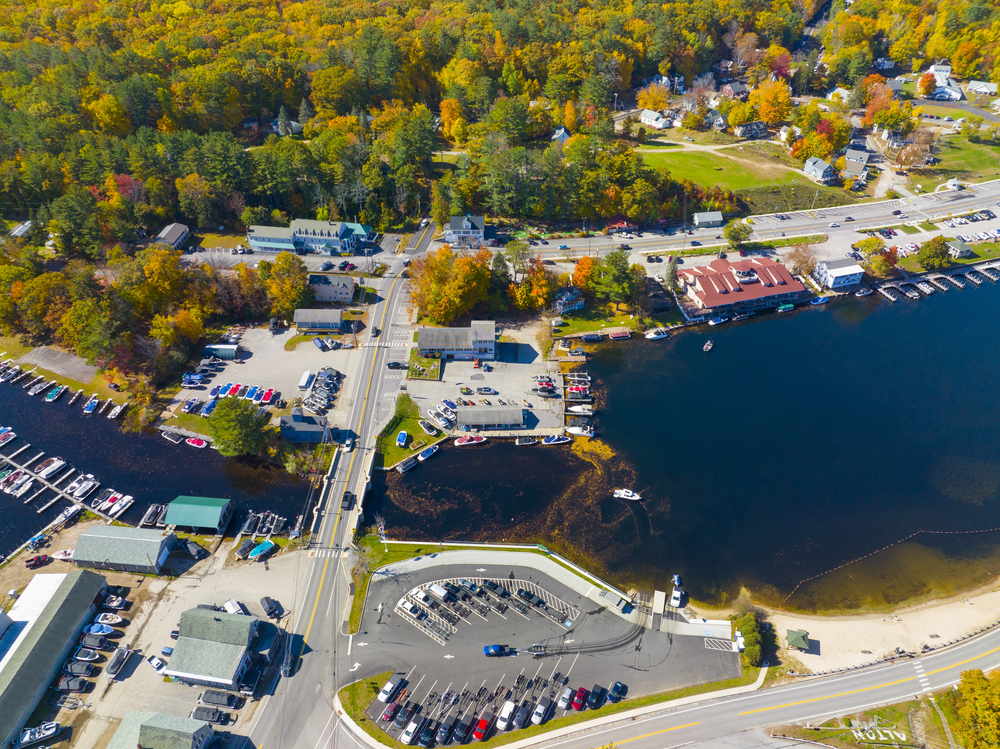
Alton sits on limestone bluffs that provide natural drama and practical flood protection — a combination that river towns rarely achieve without significant effort. The town’s location at the confluence of the Missouri and Mississippi Rivers made it strategically important during the Civil War and commercially viable ever since.
Robert Wadlow, the world’s tallest man at 8 feet 11 inches, lived in Alton, and the town maintains a statue and museum in his memory. This might seem like peculiar civic pride until considering that most river towns would celebrate any claim to fame that doesn’t involve devastating floods or military defeats.
Grafton
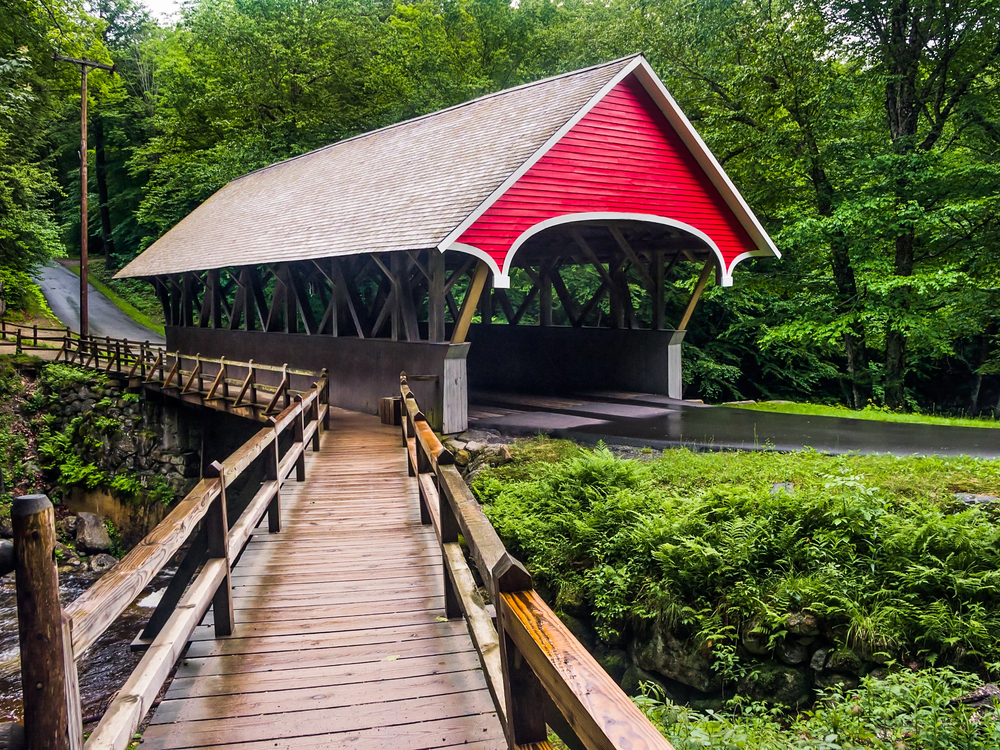
Grafton floods regularly, which explains why the town moves uphill during high water and back down when the Mississippi retreats to its banks. This seasonal migration has been happening for generations, creating a community that treats river levels like weather — something to monitor, plan around, and occasionally complain about, but never something to take personally.
The Pere Marquette Lodge sits on a bluff above town and offers views of the Illinois River meeting the Mississippi. The confluence creates a natural amphitheater that showcases the raw power of moving water.
Even after decades of river management, dam construction, and flood control, the meeting of these two rivers looks exactly like it did when Father Marquette paddled through in 1673.
St. Paul

St. Paul understands that being Minneapolis’s quieter sibling requires a particular kind of confidence — the kind that builds beautiful architecture, maintains excellent museums, and doesn’t feel compelled to prove anything to anyone.
The Mississippi here curves around downtown in a way that creates natural viewpoints and riverfront parks without requiring extensive engineering.
Riverboat passengers dock near the Science Museum of Minnesota and find themselves walking distance from a downtown that feels both urban and approachable. The Cathedral of St.
Paul dominates the skyline without overwhelming it, which takes architectural restraint that border cities don’t always manage.
Winona

Limestone bluffs, Victorian mansions, and a downtown that survived urban renewal — Winona possesses the essential ingredients for river town charm without the manufactured quaintness that makes some historic districts feel like theme parks. The town grew wealthy on lumber and wheat in the late 1800s, then adapted to recreational boating and tourism when the economic winds shifted.
Sugarloaf Bluff provides views of the Mississippi backwaters that explain why this particular stretch of river attracts thousands of migrating birds twice a year. The bluff requires a modest hike, which filters out casual tourists and rewards the effort with perspectives that riverboat decks can’t match.
Keokuk

The Mississippi narrows at Keokuk, creating rapids that required engineering solutions and generated hydroelectric power. Lock and Dam 19 tamed the water and created a lake that stretches upstream for miles.
Riverboat passengers experience this transition from free-flowing river to managed waterway without necessarily understanding the historical significance of what they’re witnessing.
Keokuk’s main street runs parallel to the river rather than toward it, which suggests the town learned early that the Mississippi makes a demanding neighbor. The Grand Opera House, restored to its 1890s grandeur, provides entertainment that doesn’t depend on river levels or navigation schedules.
Burlington

Burlington’s position on limestone bluffs kept it dry during the Great Flood of 1993, which devastated river towns with less favorable topography. The town watched the Mississippi rise 22 feet above flood stage and stayed relatively comfortable, which reinforced local belief in the wisdom of 19th-century city planning.
Snake Alley claims to be the most crooked street in the world, which sounds like hometown boosterism until attempting to drive it. The street was designed to allow horses to climb the bluff between the downtown business district and the residential areas above.
Modern cars manage the ascent, but barely.
Quad Cities
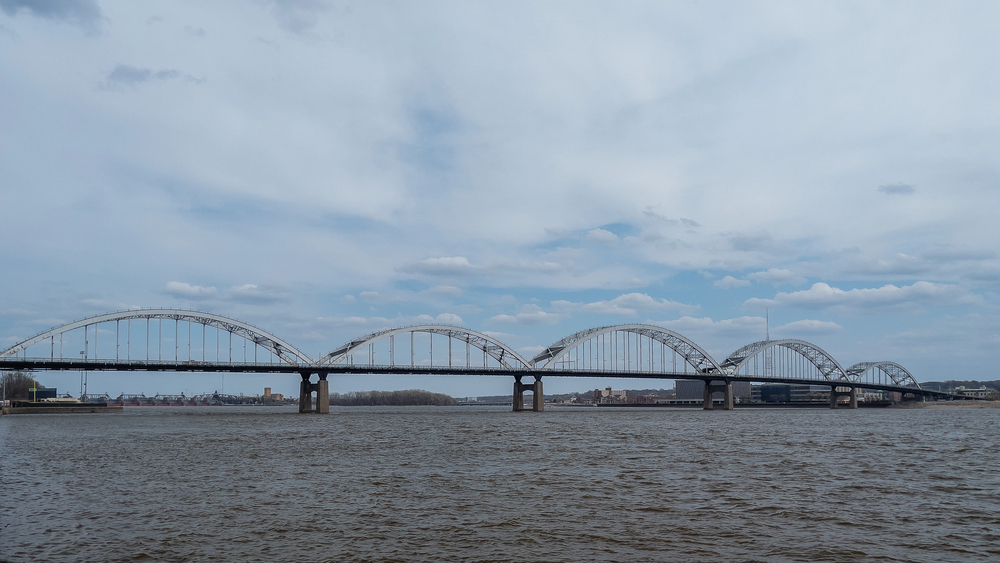
Four cities that function as one metropolitan area — Davenport and Bettendorf in Iowa, Rock Island and Moline in Illinois — are connected by bridges and divided by state lines. The Mississippi here feels urban, channeled between concrete and steel rather than meandering through the countryside.
Riverboat passengers dock in Davenport and find themselves in the middle of a working river corridor where commercial barges share the channel with recreational boats.
The Figge Art Museum sits on the Davenport riverfront and demonstrates that mid-sized metropolitan areas can support world-class cultural institutions when civic pride translates into actual financial commitment. The museum’s glass facade reflects both the river and the Iowa sky, creating an architectural conversation between building and landscape.
Something worth slowing down for
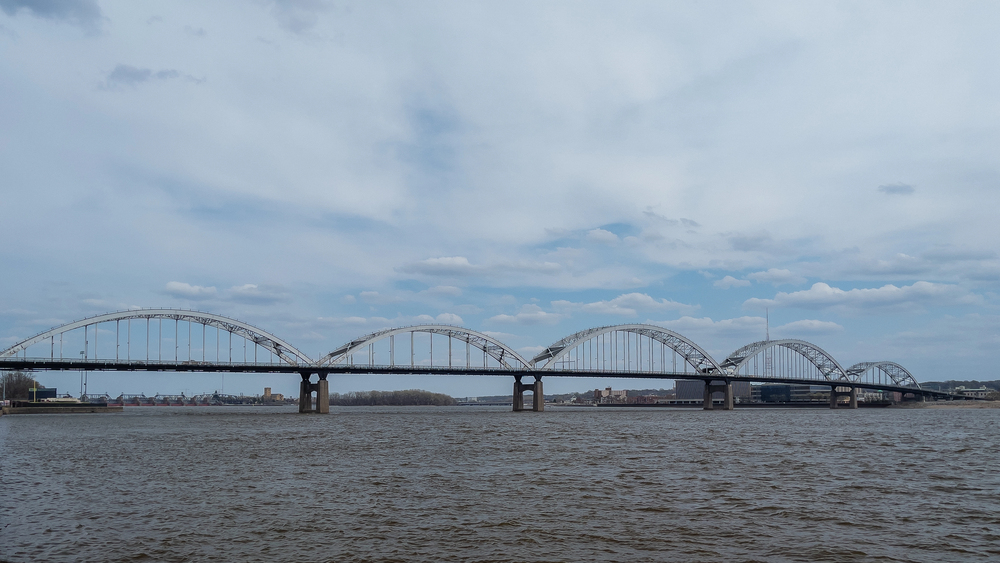
These towns exist because rivers demanded them — transportation hubs, trading posts, places where cargo transferred from boats to wagons or trains to trucks. The economic necessities that created them may have evolved, but the geography remains unchanged.
The Mississippi still flows south, smaller rivers still join larger ones, and travelers still need places to stop, refuel, and remember why the journey mattered in the first place.
River cruising reveals America at a pace that allows for actual observation rather than hurried photography. These towns reward that slower approach.
They’re not trying to compete with major metropolitan destinations or world-famous attractions. They’re simply offering what they’ve always offered — a place to pause along the way and consider the relationship between moving water and permanent settlement, between the urge to travel and the need to belong somewhere specific.
More from Travel Pug

- Underrated Italian Towns That Beat the Tourist Crowds
- Las Vegas Tourist Traps to Skip
- Prettiest Towns in Every US State
- 18 passport-free countries for Americans
- Signs Your Cruise Is Not Worth The Cost
Like Travel Pug’s content? Follow us on MSN.