

River cruising feels different from the open ocean experience most people picture when they think of luxury ships. The scale is intimate, the pace more deliberate, and the scenery changes every few miles rather than remaining endlessly blue.
These waterways cut through some of the most beautiful and historically significant parts of the country, offering views that highways and flight paths simply can’t match.
The luxury river cruise industry in America has grown substantially in recent years, with operators investing in smaller, more refined vessels that prioritize comfort and personalized service over sheer size. These ships typically carry fewer than 200 passengers, creating an atmosphere that feels more like a floating boutique hotel than a massive resort.
The dining is carefully curated, the staterooms are thoughtfully designed, and the shore excursions are led by experts who know the local history and culture intimately.
Mississippi River — New Orleans to Memphis

The Mississippi doesn’t apologize for what it is. America’s great river carries stories that textbooks can’t quite capture, and experiencing it from the deck of a luxury paddlewheeler puts those stories into proper context.
The route between New Orleans and Memphis covers some of the most culturally rich territory in the country.
Columbia River — Portland to Astoria
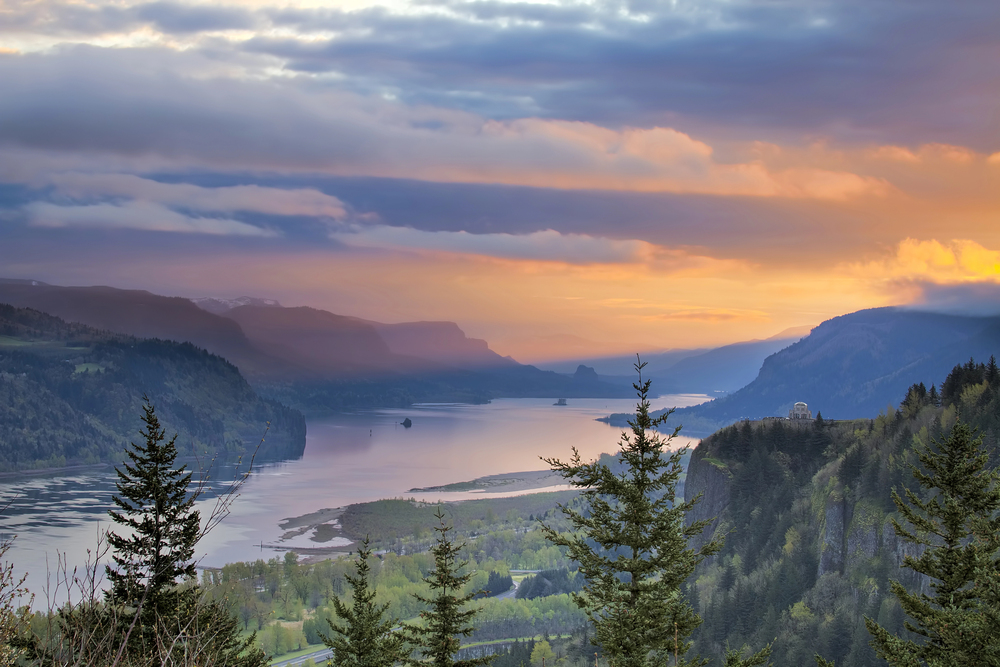
This is where the American West finally meets the Pacific, and the transition happens gradually enough that (if you’re paying attention) you can feel the geography shifting beneath the ship as mountain forests give way to coastal plains. The Columbia River cuts through a landscape that Lewis and Clark documented in journals that still read like adventure novels, though they were traveling upstream against currents that would have tested anyone’s resolve.
Modern luxury vessels follow the same route with considerably more comfort, offering floor-to-ceiling windows and observation decks that frame the Columbia River Gorge like a series of postcards you don’t have to crane your neck to appreciate.
The wineries along this stretch produce some of the region’s most respected vintages, and cruise itineraries typically include tastings that pair local wines with regional cuisine in ways that make perfect sense once you understand how the volcanic soil and maritime climate work together. And the waterfalls—Multnomah Falls being just the most famous of dozens—create a backdrop that changes with the light throughout the day, so even passengers who spend most of their time in the ship’s lounge find themselves drawn to the outer decks more often than they expected.
Hudson River — New York City to Albany

The Hudson Valley operates on East Coast time but moves at its own deliberate pace. Fall foliage here isn’t just scenery—it’s a legitimate reason to plan travel around specific weeks in October when the maples and oaks put on their annual show.
Historic mansions line the riverbanks like a museum of American wealth, each one representing a different era of how rich people chose to display their good fortune. The Vanderbilt Mansion and Franklin D.
Roosevelt’s Hyde Park home anchor the itinerary with guided tours that provide context for both the grandeur and the personalities behind it.
Snake River — Hells Canyon
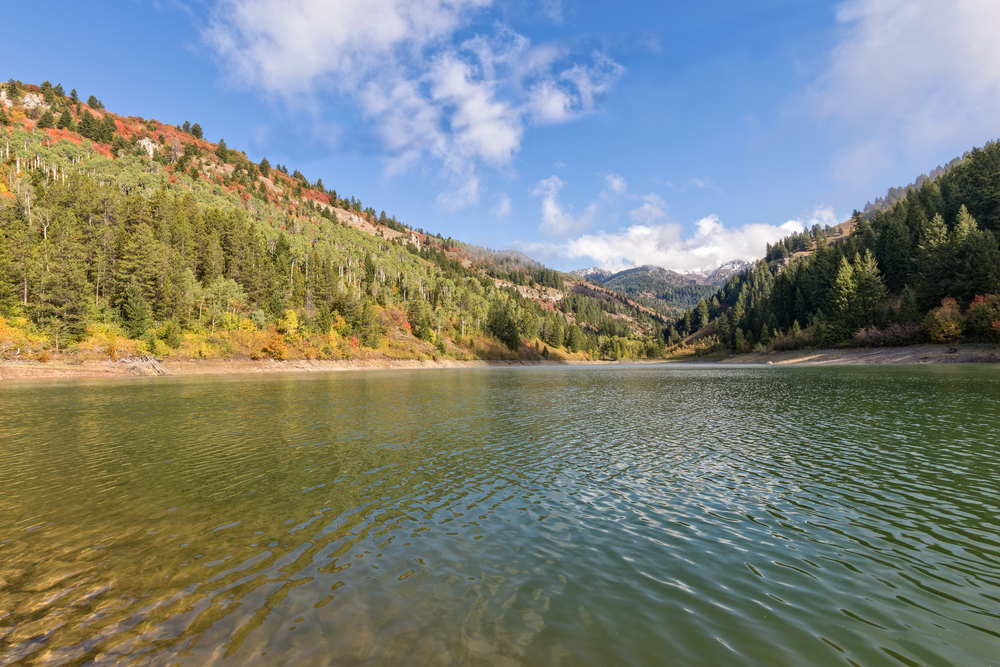
Hells Canyon earned its name honestly. This is the deepest river gorge in North America, and luxury river ships navigate it with the kind of respect the geography demands.
The canyon walls rise more than 7,900 feet above the river, creating a sense of scale that photographs struggle to convey accurately.
Wildlife viewing here includes bighorn sheep, river otters, and birds of prey that nest in the canyon walls and hunt along the water. The luxury vessels that operate in this region are specifically designed for the Snake River’s conditions, with shallow drafts that allow them to navigate sections that larger ships couldn’t attempt.
Sacramento River — San Francisco Bay to Sacramento
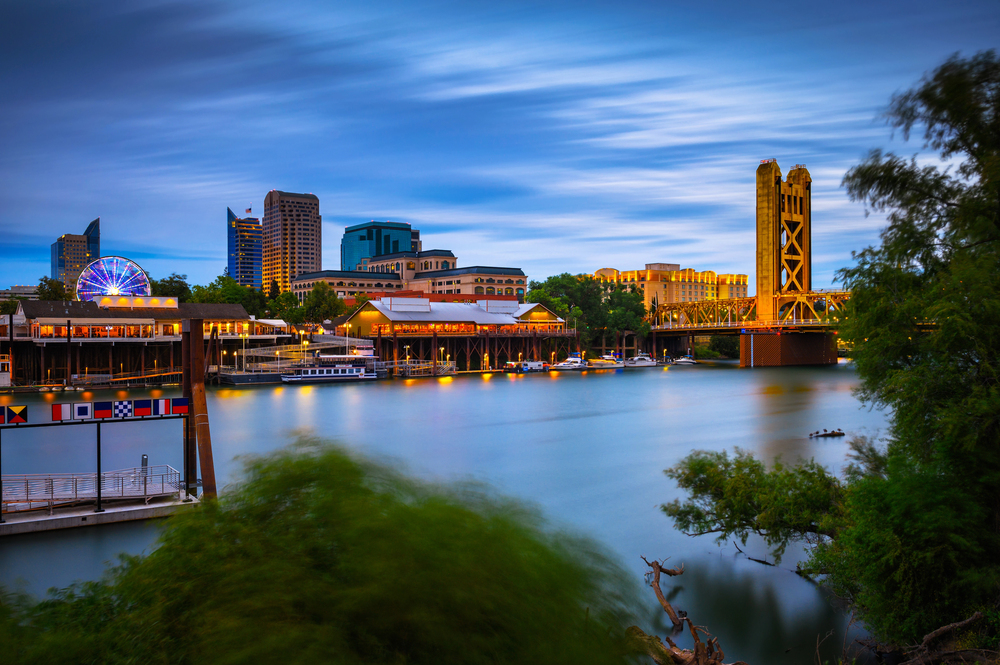
California’s Central Valley doesn’t get the attention that Napa or Sonoma receive, but the Sacramento River route reveals a different side of the state’s agricultural heritage. This waterway was the original highway for Gold Rush pioneers, and luxury cruises follow the same path with considerably more comfort and significantly better food.
The Sacramento River Delta is a maze of waterways that create their own microclimate, supporting wildlife that includes everything from river otters to migrating waterfowl. Luxury ships navigate these channels with local pilots who know where the deep water runs and which tributaries lead to the most interesting stops.
Historic towns like Old Sacramento provide shore excursions that feel like step-backs in time, complete with wooden sidewalks and buildings that were already old when the transcontinental railroad was completed. The dining on these cruises typically features Central Valley produce and wines from regions that tourists don’t usually discover on their own.
Tennessee River — Nashville to Chattanooga
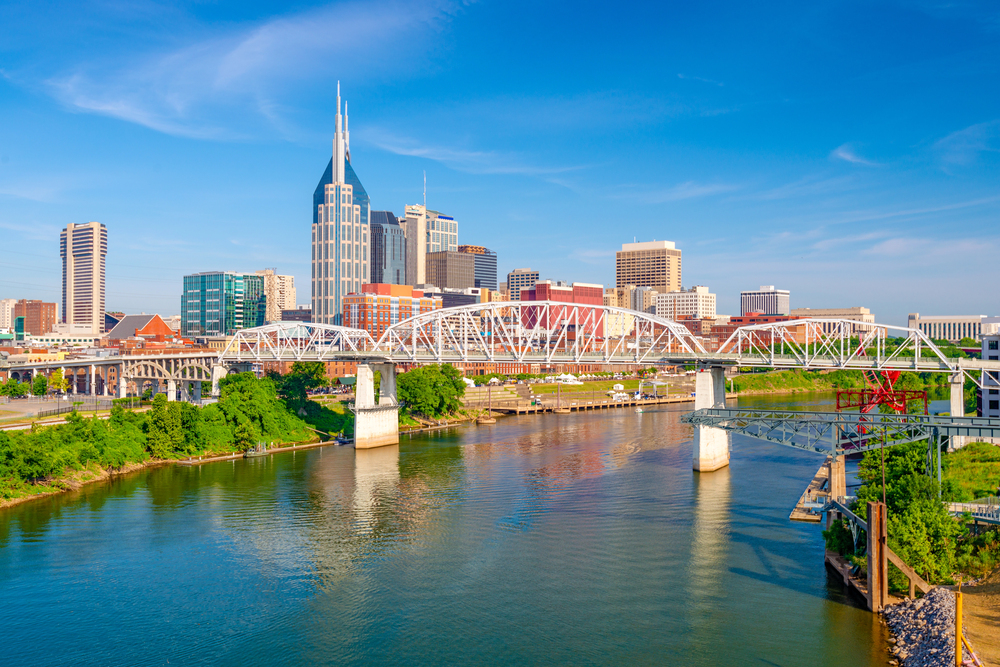
The Tennessee winds through country music history and Civil War battlefields with equal significance. Luxury river cruises along this route typically include stops in cities where the cultural influence extends far beyond their actual size, and where local guides can explain why certain spots mattered more than their current appearance might suggest.
Nashville’s music scene needs no introduction, but experiencing it as part of a river cruise itinerary adds context that day trips can’t provide. The Cumberland River connects to the Tennessee, creating a route that includes some of the most fertile farmland in the South and some of the most strategically important locations from the 1860s.
Ohio River — Pittsburgh to Louisville
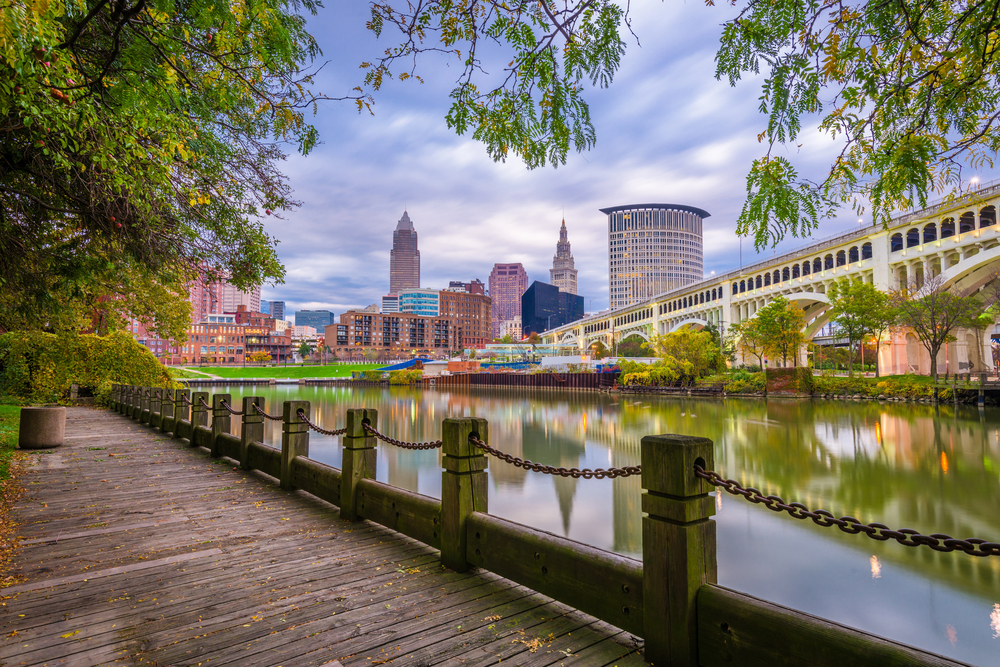
Rivers like the Ohio (and this sounds more romantic than it probably should) have a way of correcting your assumptions about American geography and history, simply by forcing you to slow down long enough to notice what’s actually there rather than what you expected to find. The Ohio River flows west from Pittsburgh through landscape that shifts from industrial heritage to agricultural abundance to bourbon country, each transition marked by changes in architecture, local cuisine, and the stories that local guides choose to emphasize during shore excursions.
The luxury vessels that operate along this route are designed for the Ohio’s specific conditions—wider than mountain rivers but shallower than the Mississippi, with locks that require precise timing and patience that’s built into the cruise schedule rather than treated as an inconvenience. So passengers end up with front-row seats for a process that’s both mechanically fascinating and historically significant, since these same locks enabled commerce that shaped entire regions.
And the bourbon distilleries in Kentucky offer tastings that pair small-batch whiskeys with regional cuisine in ways that make perfect sense once you understand how limestone-filtered water and local grains create flavors that can’t be replicated elsewhere.
St. Johns River — Jacksonville to Sanford

Florida’s St. Johns is one of the few rivers in the United States that flows north, which creates unique ecosystems and wildlife viewing opportunities that distinguish it from other luxury cruise destinations.
Manatees, dolphins, and hundreds of bird species call this river system home, making wildlife photography a legitimate reason to choose this itinerary.
The river passes through several distinct Florida environments, from coastal marshlands to inland forests, each supporting different wildlife communities. Luxury cruise ships designed for these waters typically feature shallow drafts and quiet engines that minimize disturbance to the animals passengers have come to observe.
Green River — Kentucky
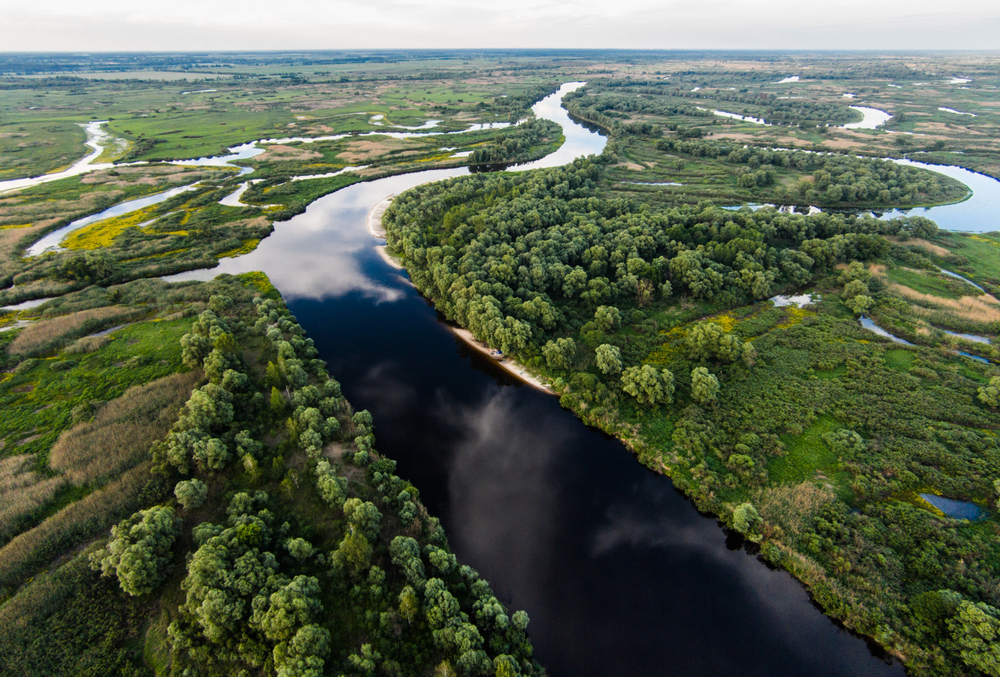
The Green River cuts through Kentucky cave country, and luxury cruises along this route often include excursions to Mammoth Cave National Park. The underground tours provide a striking contrast to the pastoral river scenery, revealing limestone formations that took millions of years to create.
Local cuisine along the Green River reflects Kentucky’s agricultural heritage, with farm-to-table dining that features ingredients sourced within miles of where the ship docks each evening.
Connecticut River — Hartford to Essex
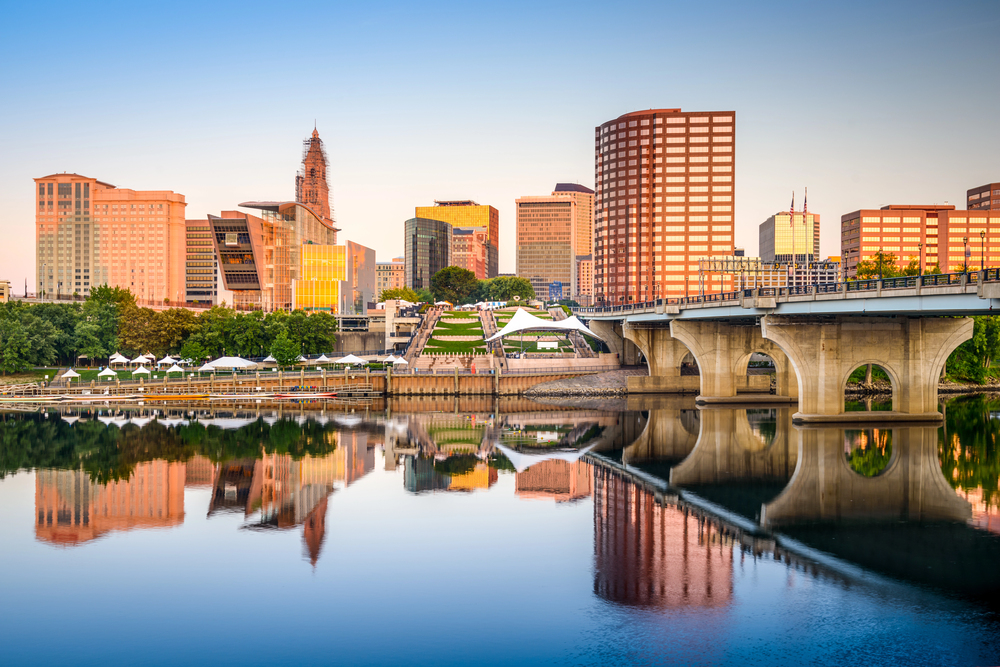
New England’s longest river flows through four states, but the Connecticut portion offers some of the most quintessentially New England scenery available from the water. Fall foliage cruises book months in advance, and for good reason—the maple, oak, and birch trees create a display that peaks at different elevations, extending the viewing season.
Historic towns like Chester and Deep River maintain their colonial architecture and small-town character, providing shore excursions that feel like visits to a different century.
Willamette River — Portland to Salem

Oregon’s Willamette Valley produces some of the world’s most respected Pinot Noir, and luxury river cruises provide access to family-owned wineries that don’t typically appear on standard wine tour itineraries. The valley’s volcanic soil and maritime climate create growing conditions that winemakers in other regions spend considerable effort trying to replicate.
The river route passes through farmland that supplies much of the Pacific Northwest’s agricultural production, including hazelnuts, berries, and specialty crops that end up in the ship’s dining room within hours of being harvested.
American River — Sacramento Area
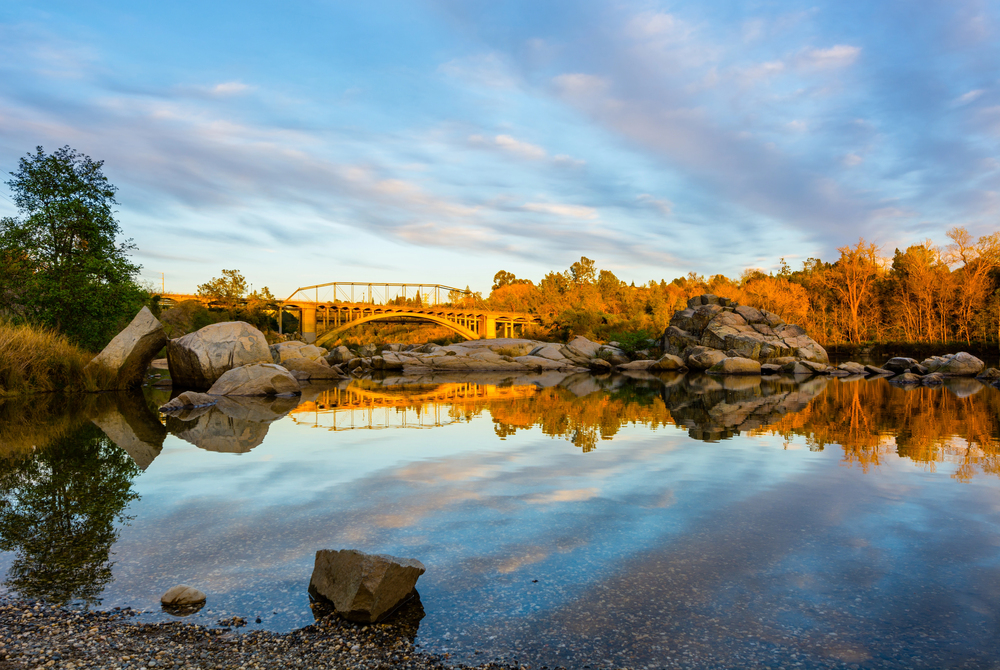
The American River holds a special place in California Gold Rush history, and luxury cruises along this waterway include stops at sites where the 1849 discovery of gold changed the trajectory of westward expansion. Modern gold panning demonstrations provide hands-on experience with techniques that attracted hundreds of thousands of fortune-seekers to this region.
The river runs through several distinct California ecosystems, supporting wildlife that includes river otters, beavers, and salmon runs that attract both fishermen and photographers.
Missouri River — Kansas City to St. Louis
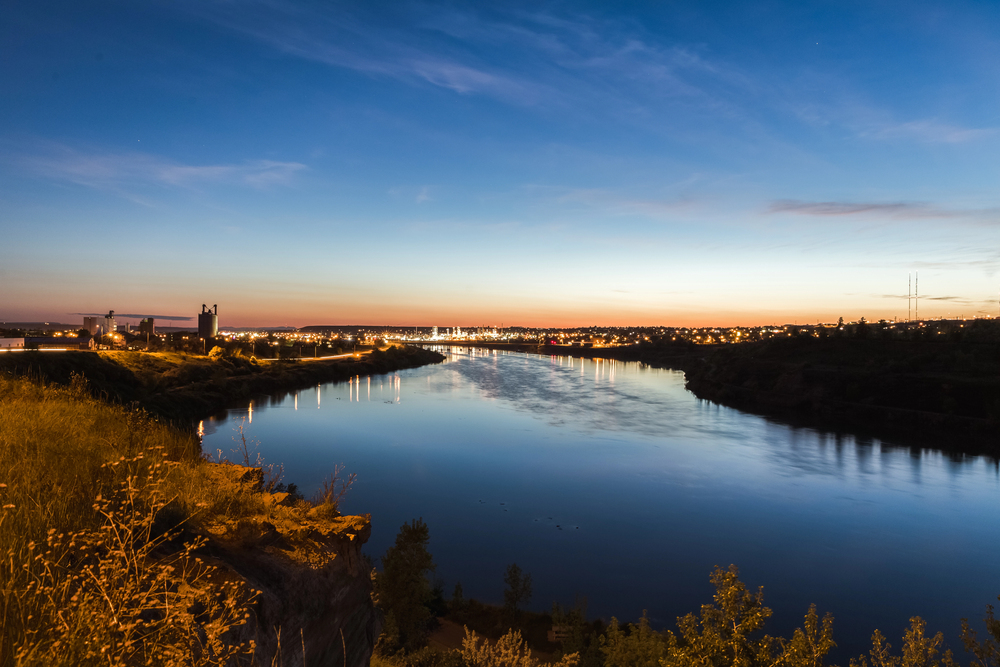
Lewis and Clark called the Missouri “Big Muddy” for reasons that become apparent to anyone who spends time on its waters. This is the longest river in North America, and luxury cruises along the Missouri provide perspective on the scale of the continent that highway travel simply can’t match.
The route between Kansas City and St. Louis passes through farmland that produces much of America’s corn and soybeans, creating a working landscape that extends to the horizon in every direction.
Susquehanna River — Pennsylvania
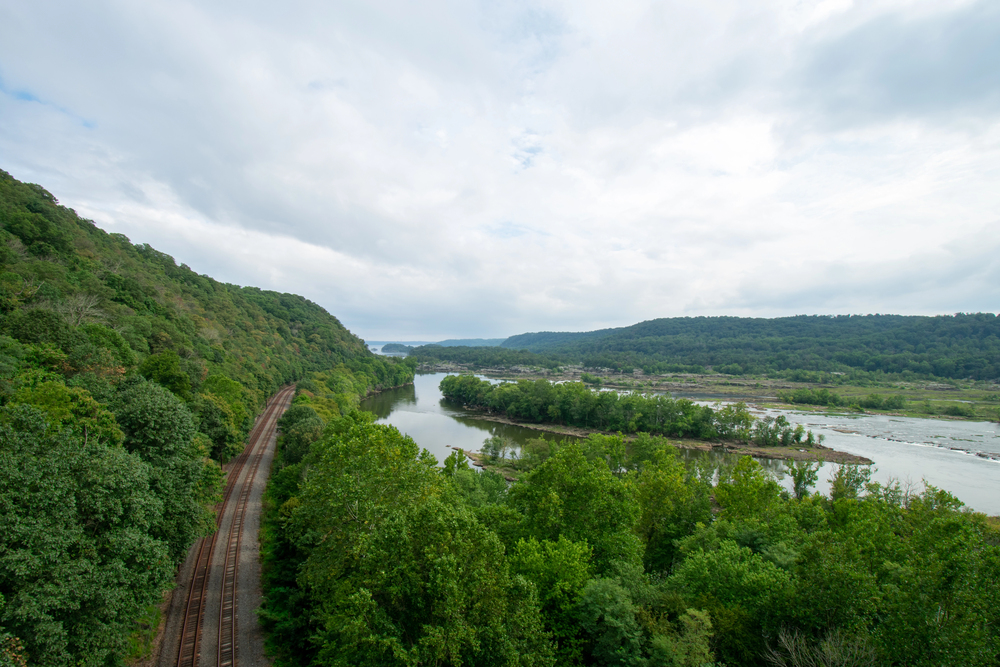
Pennsylvania’s Susquehanna flows through landscapes that shaped early American history, from Native American settlements to Revolutionary War sites to industrial heritage that powered the nation’s growth. Luxury river cruises provide access to locations that played significant roles in events that textbooks cover in single paragraphs.
The river’s watershed includes some of the most productive farmland on the East Coast, supporting agriculture that supplies major metropolitan areas while maintaining the rural character that makes river cruising appealing.
Alabama River — Montgomery to Mobile
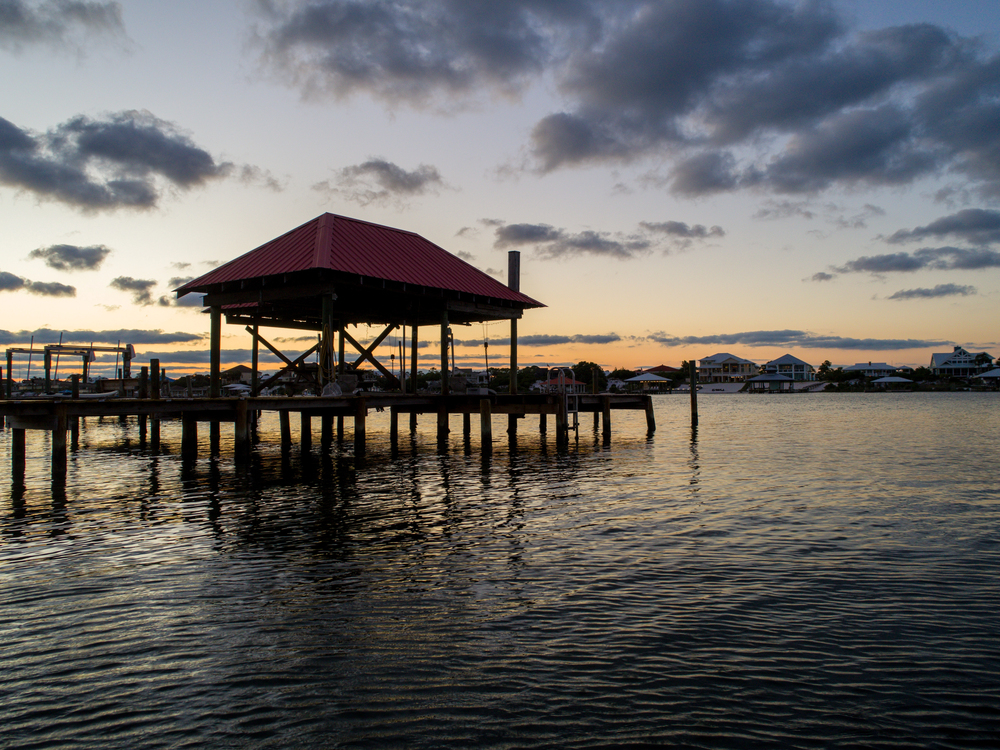
The Alabama River connects the state capital to Mobile Bay, flowing through landscapes that witnessed some of the most significant events in American civil rights history. Montgomery’s historic sites include locations where the civil rights movement gained momentum, and local guides provide context that transforms familiar names and dates into stories with genuine emotional impact.
The route passes through Alabama’s Black Belt, named for its fertile soil rather than its demographics, though the region’s history encompasses both agricultural abundance and the complex social structures that developed around cotton production.
Red River of the North — Minnesota to North Dakota

The Red River flows north into Canada through some of the flattest and most fertile farmland in North America. Luxury cruises along this route provide perspectives on agricultural production that feeds much of the world, with vast fields of wheat, soybeans, and sugar beets extending beyond the horizon.
The river’s northward flow creates unique weather patterns and wildlife migration routes, making this one of the most distinctive cruise experiences available in the continental United States.
Beyond the postcard views
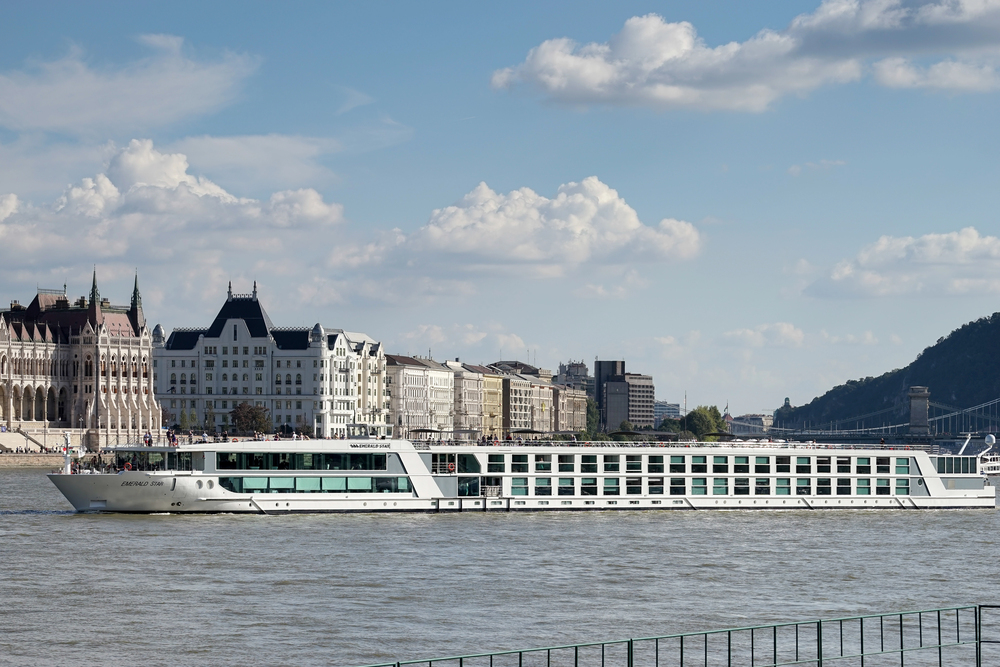
River cruising in America reveals landscapes and stories that remain invisible from interstate highways and airplane windows. These waterways served as the original transportation networks, connecting regions and cultures in ways that shaped the country’s development.
Luxury river ships provide comfortable platforms for experiencing these routes at the pace they deserve, with expert guides who understand both the natural history and human stories that give each river its distinctive character.
The investment in luxury river cruise infrastructure has created opportunities to experience American geography and history from perspectives that weren’t available to previous generations of travelers. These aren’t just scenic tours—they’re immersive experiences that provide context for understanding how rivers shaped the places they flow through and the people who built their lives along their banks.
More from Travel Pug

- Underrated Italian Towns That Beat the Tourist Crowds
- Las Vegas Tourist Traps to Skip
- Prettiest Towns in Every US State
- 18 passport-free countries for Americans
- Signs Your Cruise Is Not Worth The Cost
Like Travel Pug’s content? Follow us on MSN.