

There’s something magical about stepping into a place that shaped your favorite movie moments. While some famous filming locations have been demolished, rebuilt, or transformed beyond recognition, others have remained frozen in time — as if the cameras just finished rolling yesterday.
These places offer that rare chance to walk through scenes that live in your memory, where the boundary between fiction and reality becomes beautifully blurred.
Glenfinnan Viaduct, Scotland
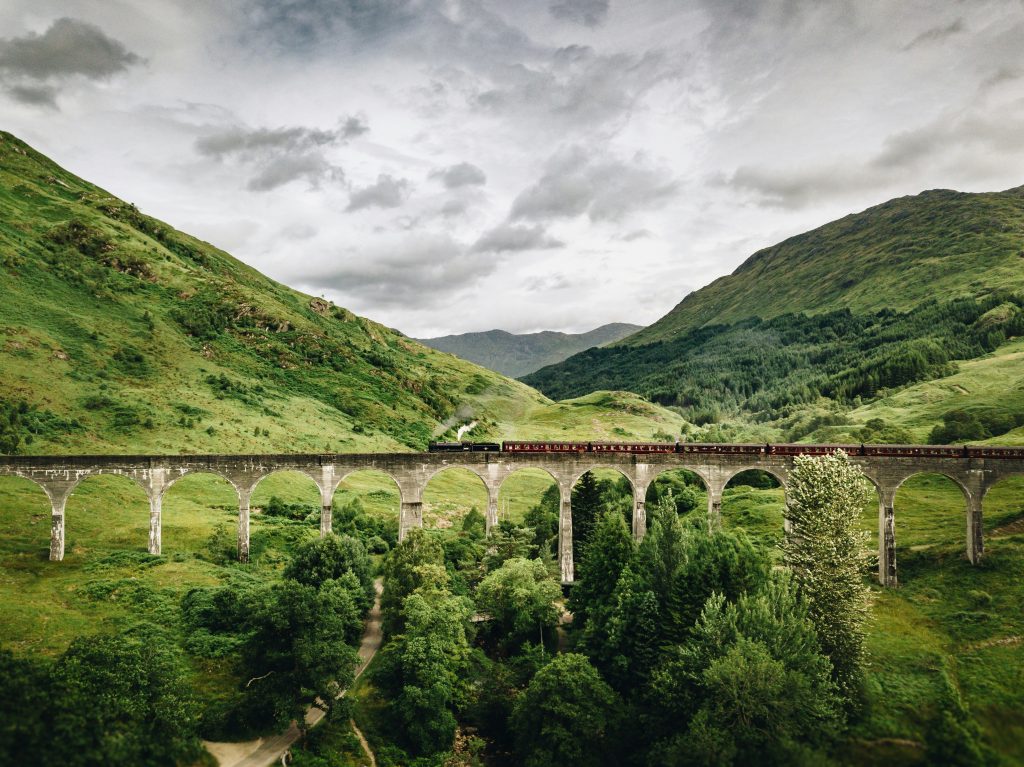
The Jacobite steam train crosses this curved railway bridge twice a day, just like the Hogwarts Express did in the Harry Potter films. The 1,248-foot concrete arch hasn’t changed since it opened in 1901, and it certainly hasn’t changed since those iconic shots were filmed.
You can stand at the same viewpoint where cameras captured the scarlet engine winding through the Scottish Highlands, and the scene looks identical — right down to the mist that often clings to the surrounding peaks.
Skellig Michael, Ireland
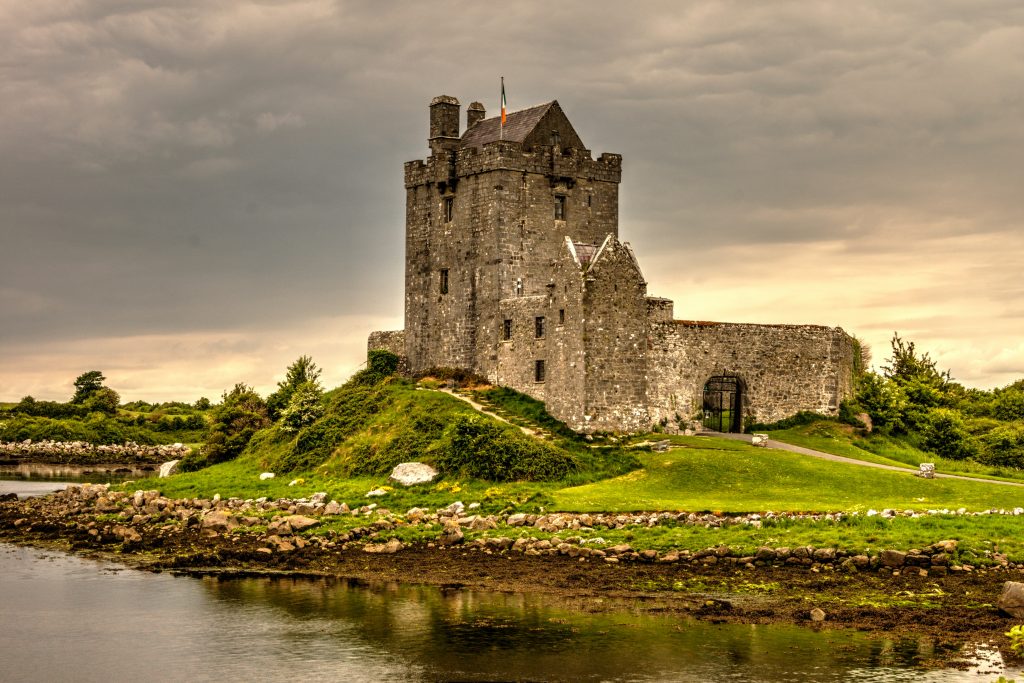
This jagged island off the Irish coast served as the retreat where Luke Skywalker chose his exile in the recent Star Wars films, and visiting it feels like stepping directly onto an alien world (which, technically, you are — at least according to the movies). The ancient monastery ruins, the stone steps carved into cliffsides, and the thousands of puffins that nest here during summer months all appeared exactly as they naturally exist, because the filmmakers barely altered anything.
The island remains so untouched that you need special permits just to visit, and even then, only a limited number of people are allowed each day.
Antelope Canyon, Arizona
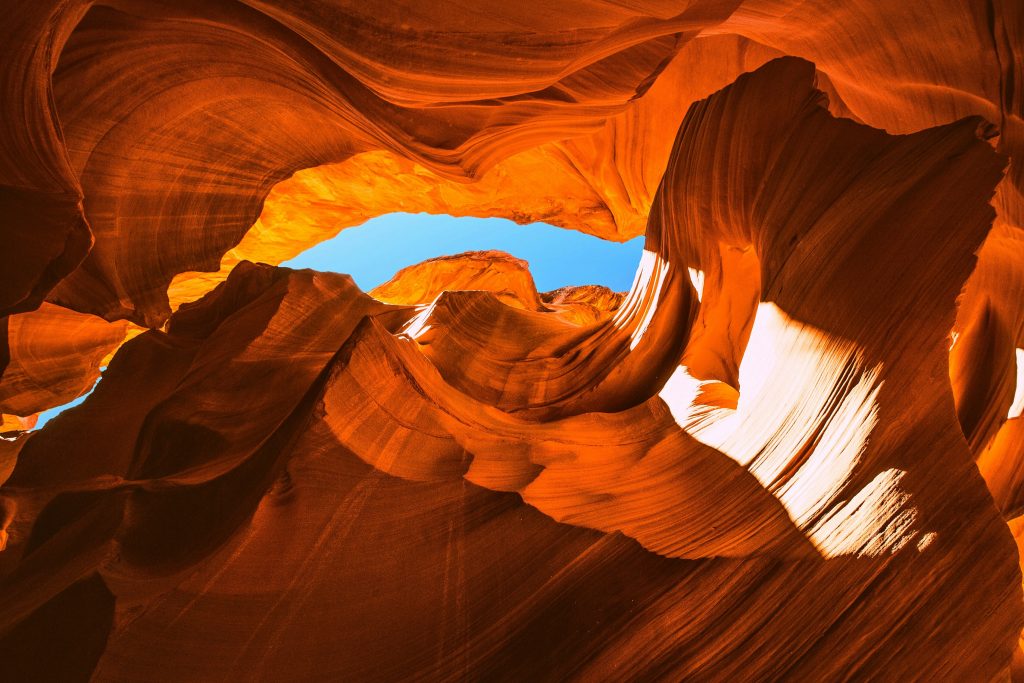
The slot canyon’s undulating sandstone walls and ethereal light beams have appeared in countless films and commercials, but seeing it in person reveals why cameras keep returning to this place. The way sunlight filters down through the narrow opening above creates those famous golden shafts that seem almost supernatural — and they happen naturally, every day, without any movie magic required.
The Navajo Nation still manages access to the canyon, and guided tours follow the same paths that film crews have used for decades.
Platform 9¾, King’s Cross Station, London
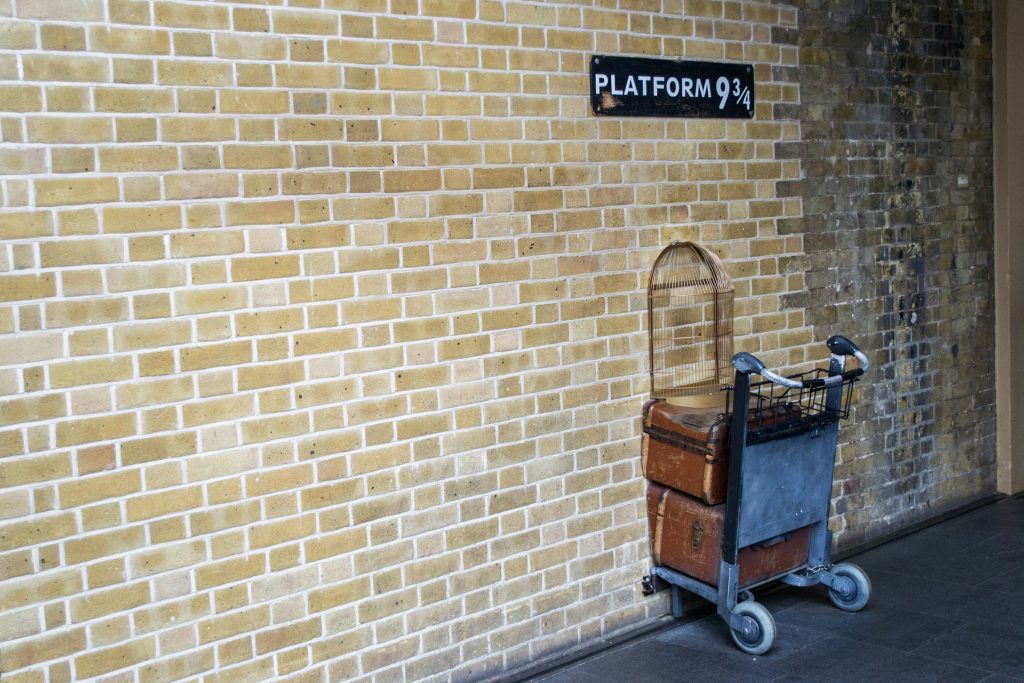
What started as a movie prop has become a permanent installation at the actual King’s Cross Station, but here’s the thing that makes this location special: the Victorian architecture surrounding it hasn’t changed since the Harry Potter films were shot here. The ornate ironwork, the soaring glass ceiling, and the bustle of travelers rushing to catch real trains create the exact same atmosphere that made this location perfect for the films in the first place.
You can grab the luggage trolley that’s been placed halfway through the brick wall and recreate the scene, but the setting itself needs no recreation.
Casa Bonita, Lakewood, Colorado
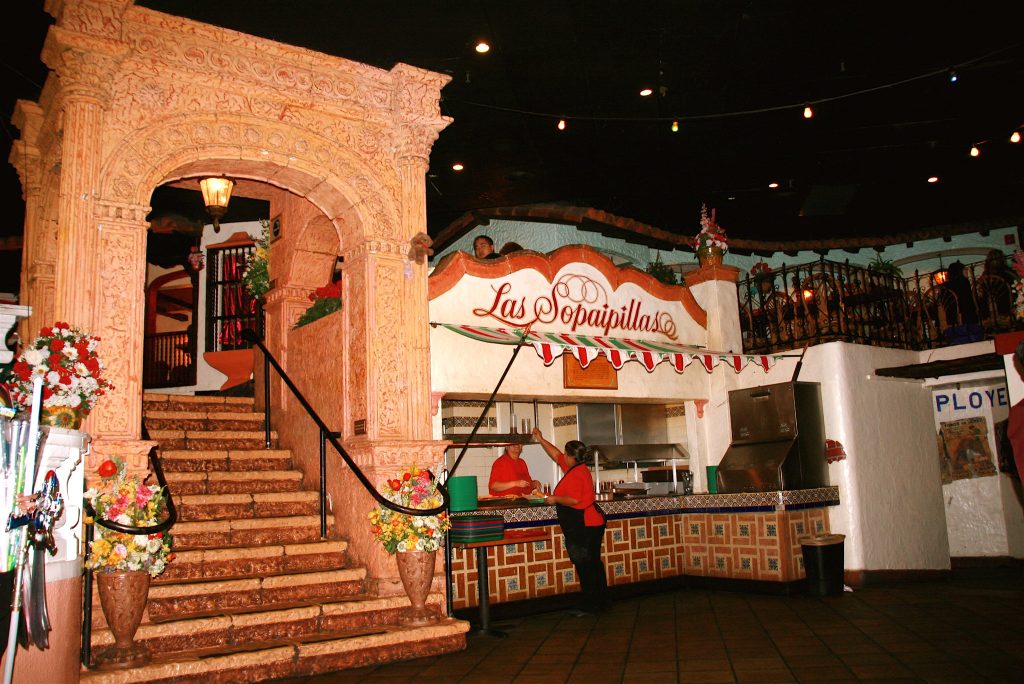
This pink adobe restaurant complex, with its cliff divers, fake caves, and indoor waterfall, appeared in South Park exactly as it exists in real life — because Trey Parker grew up going there and knew that no exaggeration was necessary. The restaurant’s over-the-top Mexican village theme, complete with mariachi bands and actors dressed as bandits, is genuinely as absurd as it appeared on screen.
Recent ownership changes have brought renovations, but the core experience remains the same theatrical dinner show that has operated here since 1974.
Fjaðrárgljúfur Canyon, Iceland
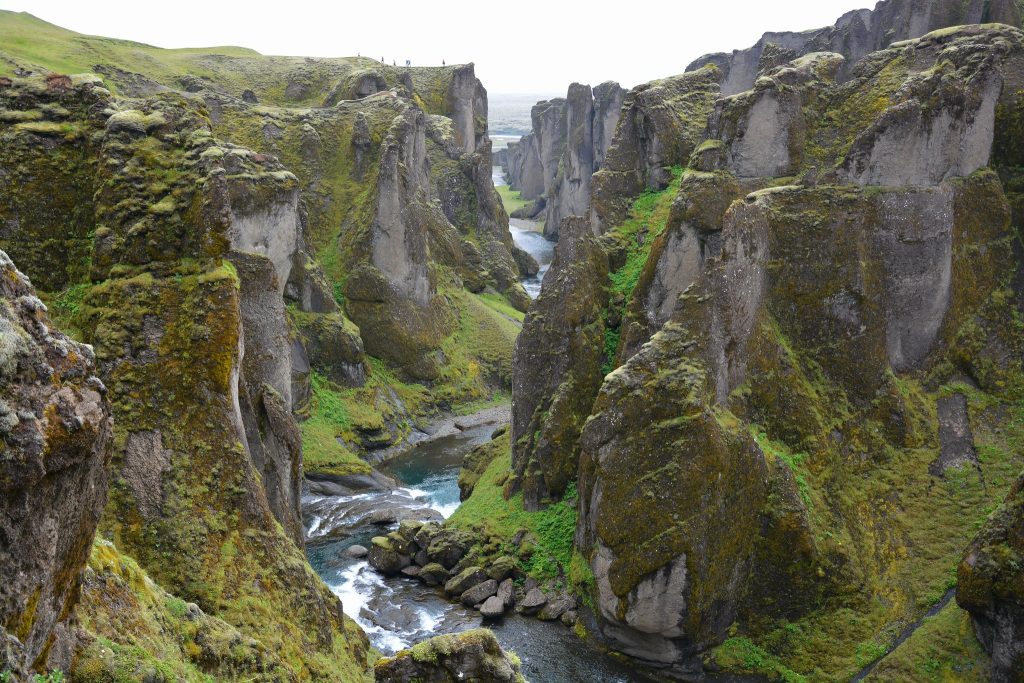
This narrow canyon with its serpentine river and moss-covered cliffs gained fame when Justin Bieber filmed a music video here, but it’s appeared in numerous other productions precisely because it looks otherworldly without requiring any digital enhancement. The canyon formed over thousands of years as glacial meltwater carved through the volcanic rock, creating walls that rise up to 330 feet on either side.
Walking along the rim today, you see exactly what cameras have captured: a landscape so dramatic it seems designed by a fantasy novelist rather than geological processes.
Hobbiton, Matamata, New Zealand
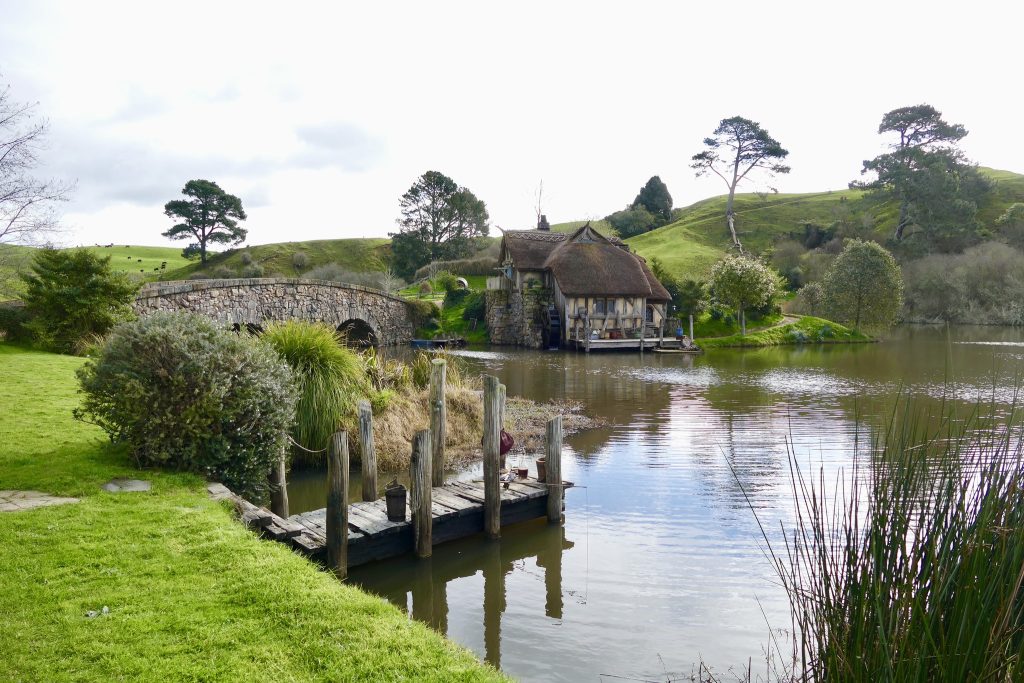
The hobbit holes built for Peter Jackson’s Lord of the Rings trilogy were meant to be temporary, but they proved so popular that they became a permanent tourist attraction — and they’ve been maintained to look exactly as they did during filming. The round green doors, the tiny gardens overflowing with vegetables, and the party tree where Bilbo celebrated his birthday all remain in place.
Even the pub where the hobbits gathered serves the same ales that appeared in the films, brewed specifically for the location using recipes developed for the movies.
Cannon Beach, Oregon
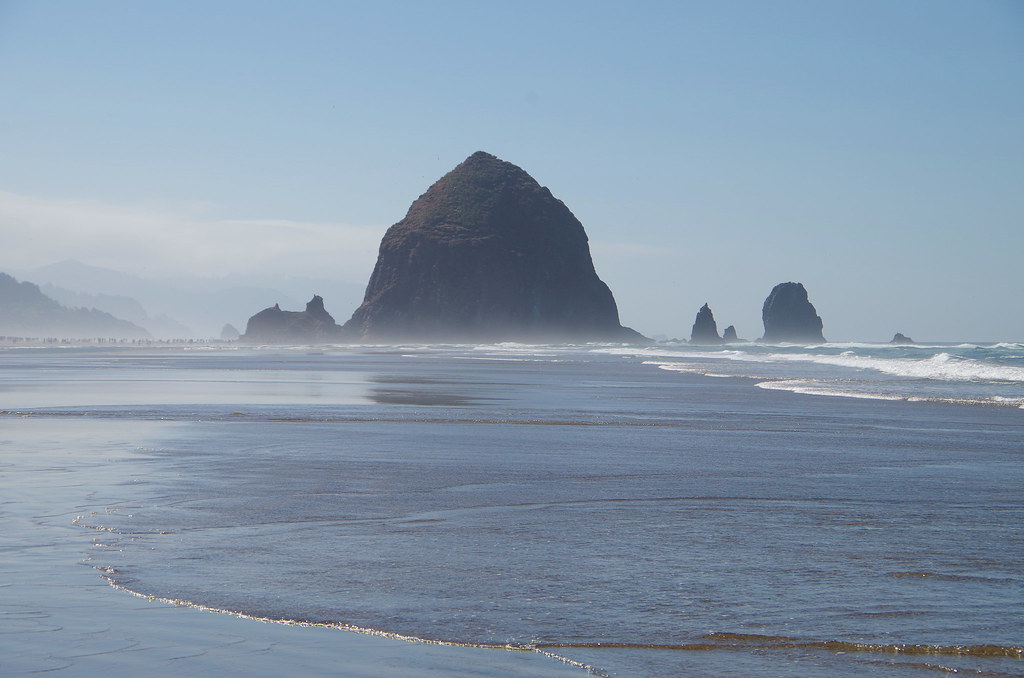
The massive sea stacks that rise from the sand here appeared in The Goonies without any digital alteration, and they continue to create the same dramatic coastline that made this location perfect for the film’s treasure-hunting adventure. Haystack Rock, the 235-foot monolith that dominates the beach, has been shaped by Pacific storms for millions of years — a timeline that makes the few decades since the movie was filmed seem insignificant.
The tide pools, the wide sandy beach, and the fog that often rolls in from the ocean all remain exactly as they appeared when the Goonies ran across this landscape chasing their map.
Vasquez Rocks, California
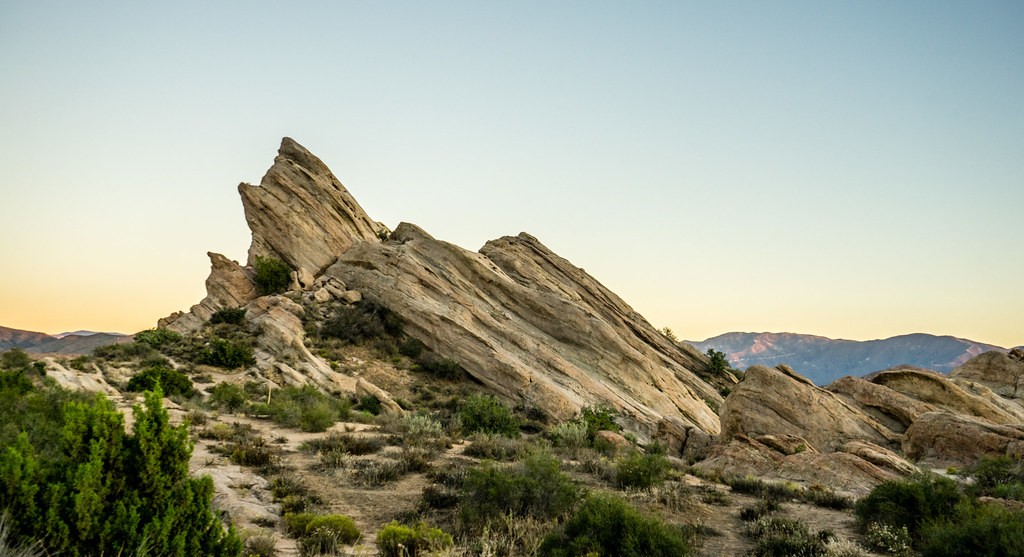
These jagged sandstone formations have appeared in so many science fiction productions — from Star Trek to Planet of the Apes — that they’ve become synonymous with alien worlds, yet they sit just 40 minutes north of Los Angeles, looking exactly as they have for the past 25 million years. The rocks tilted to their current dramatic angles during seismic activity long before humans existed, and they’ve weathered into the same distinctive shapes that keep drawing film crews back.
The hiking trails that wind between the formations follow the same paths that actors have walked in countless productions.
Greystone Mansion, Beverly Hills
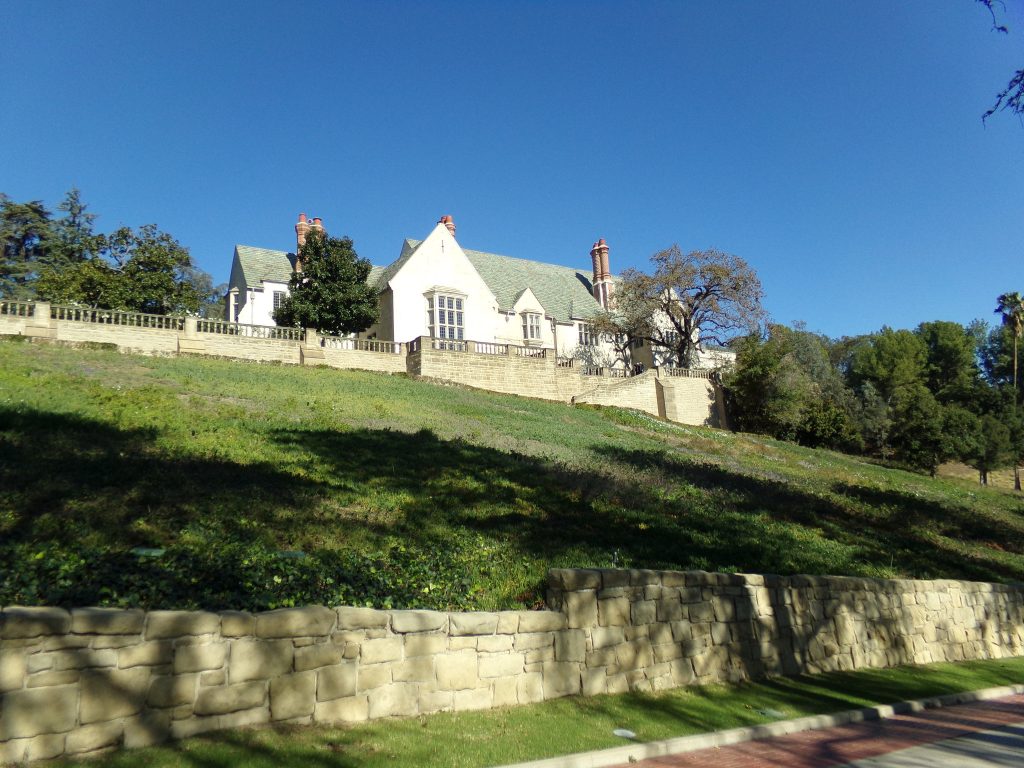
This 55-room Tudor revival mansion has served as the exterior for Wayne Manor in several Batman films, and its imposing stone facade continues to project the same gothic grandeur that made it perfect for the role. Built in 1928, the mansion sits on 18 acres of formal gardens that have been maintained to their original specifications, complete with the same terraced lawns and ornamental pools that appeared in the films.
The mansion is now owned by the city of Beverly Hills and operates as a public park, so you can walk the same grounds where Bruce Wayne’s fictional mansion was established.
The Plaza Hotel, New York
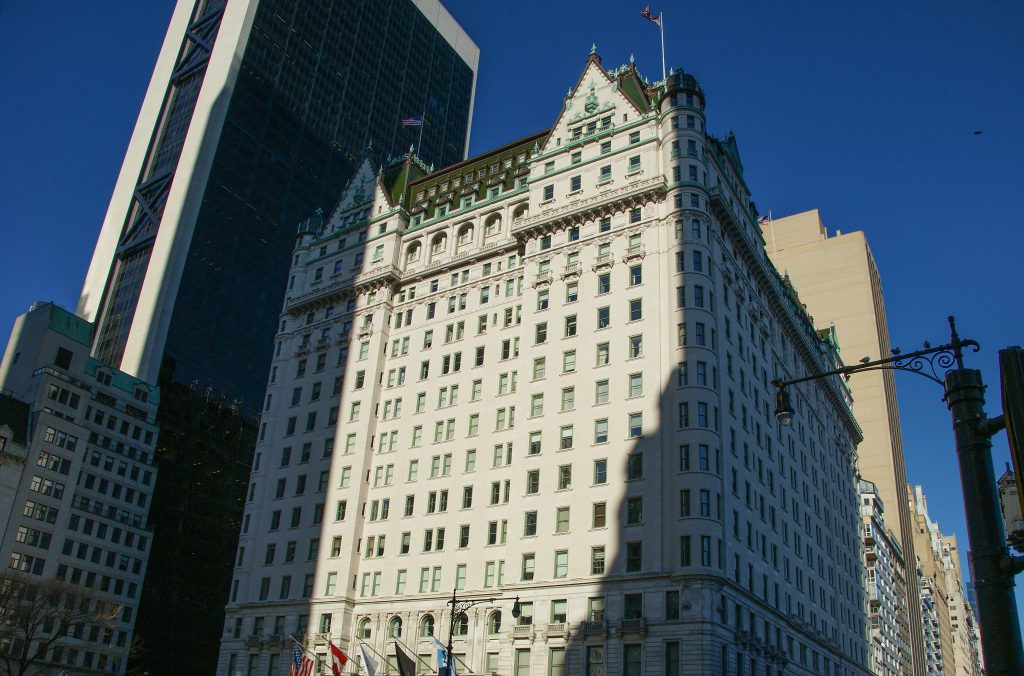
The grand lobby where Kevin McCallister checked in during Home Alone 2 remains virtually unchanged, because the Plaza’s management recognized that its old-world elegance was exactly what made it appealing to filmmakers in the first place. The palm court with its stained glass ceiling, the oak-paneled walls, and the sweeping marble staircases all appear precisely as they did when Macaulay Culkin’s character wandered through them.
The hotel has undergone renovations over the years, but the public spaces that appeared in the film have been carefully preserved to maintain their 1907 grandeur.
Astoria, Oregon
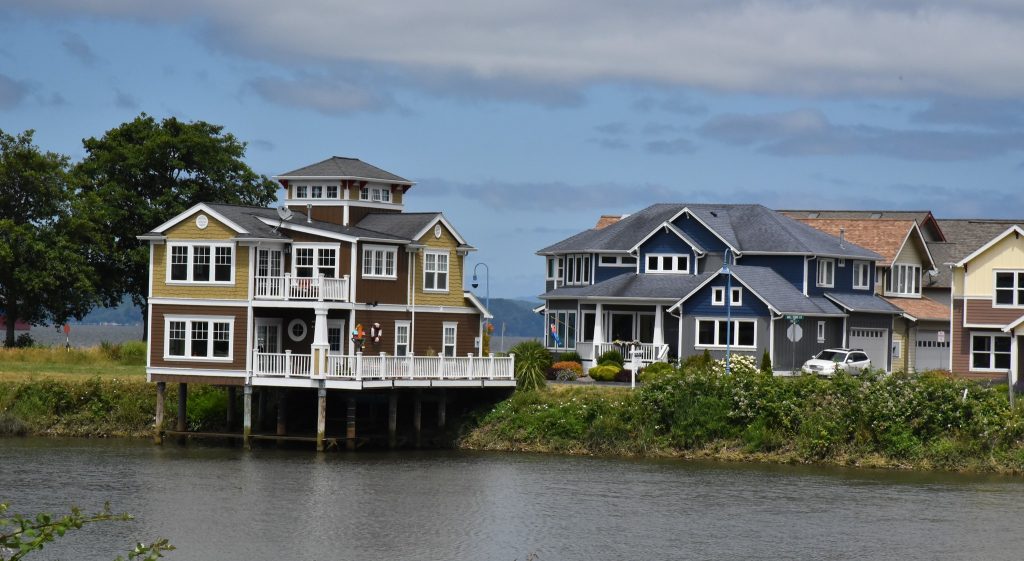
The entire town served as the setting for The Goonies, and walking through its steep residential streets feels like stepping directly into the film because the Victorian houses, the harbor views, and even the small-town atmosphere remain remarkably unchanged. The Goon Docks neighborhood where the main characters lived consists of actual homes where real families still live, and the local museum now celebrates the film’s connection to the town.
The house where Mikey and Brand lived still stands on the same hillside, painted the same color, with the same view of the harbor that appeared in the opening scenes.
Courthouse Square, Universal Studios
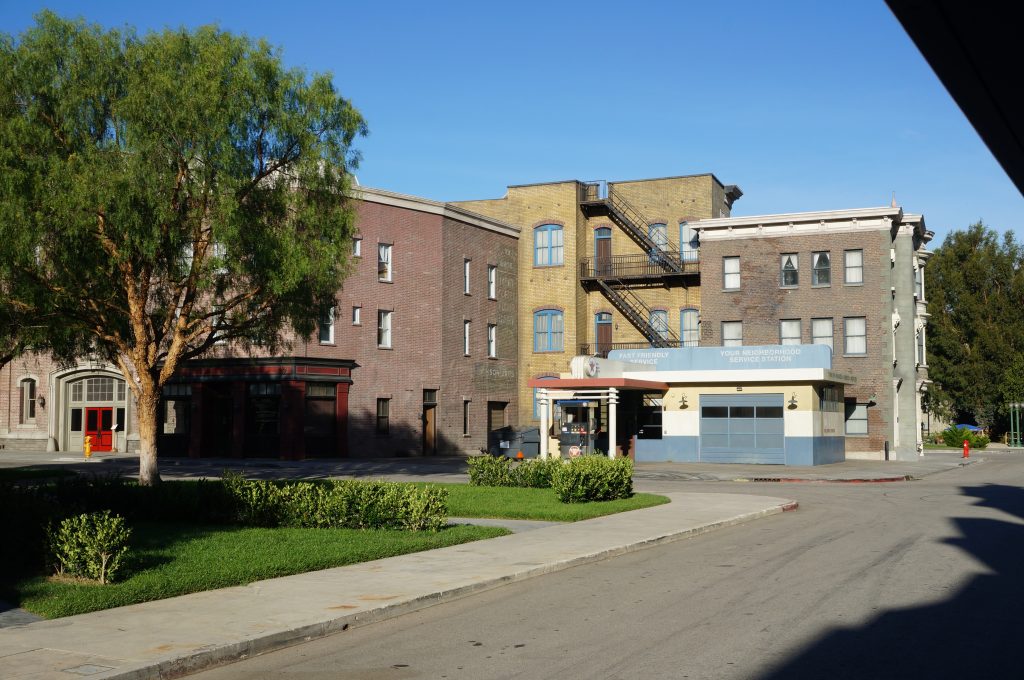
While this backlot set was built specifically for filming, it has been maintained to look exactly as it did in Back to the Future, complete with the clock tower that played such a crucial role in the plot. The square represents a perfect 1950s small-town America that never really existed outside of movies, but it’s been preserved so faithfully that stepping onto it feels like time travel itself.
The clock still shows the time when lightning struck it in the film, and the surrounding storefronts remain dressed exactly as they appeared when Marty McFly ran through them.
Wadi Rum, Jordan
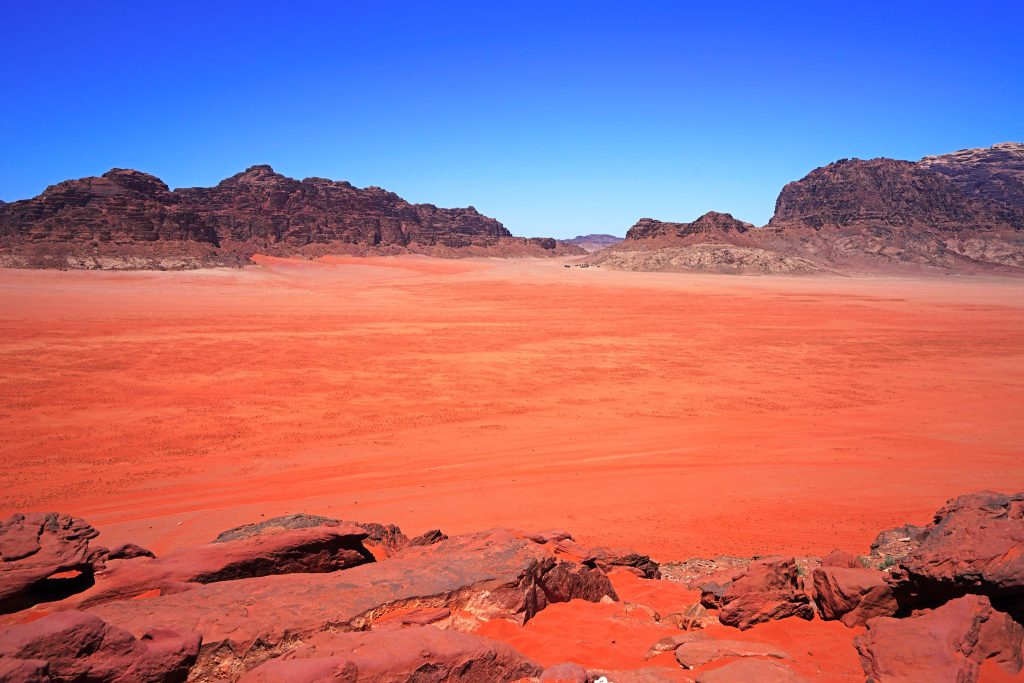
This vast desert landscape served as Mars in The Martian, and its red sand dunes and towering rock formations required no digital enhancement to convince audiences they were looking at an alien world. The Martian landscape is so convincing here that NASA actually uses the area for Mars simulation exercises, and the Bedouin camps where visitors stay look exactly as they did when the film crew used them as base camps.
The silence and isolation that made this location perfect for depicting a stranded astronaut remain as profound as they were during filming.
Highclere Castle, England
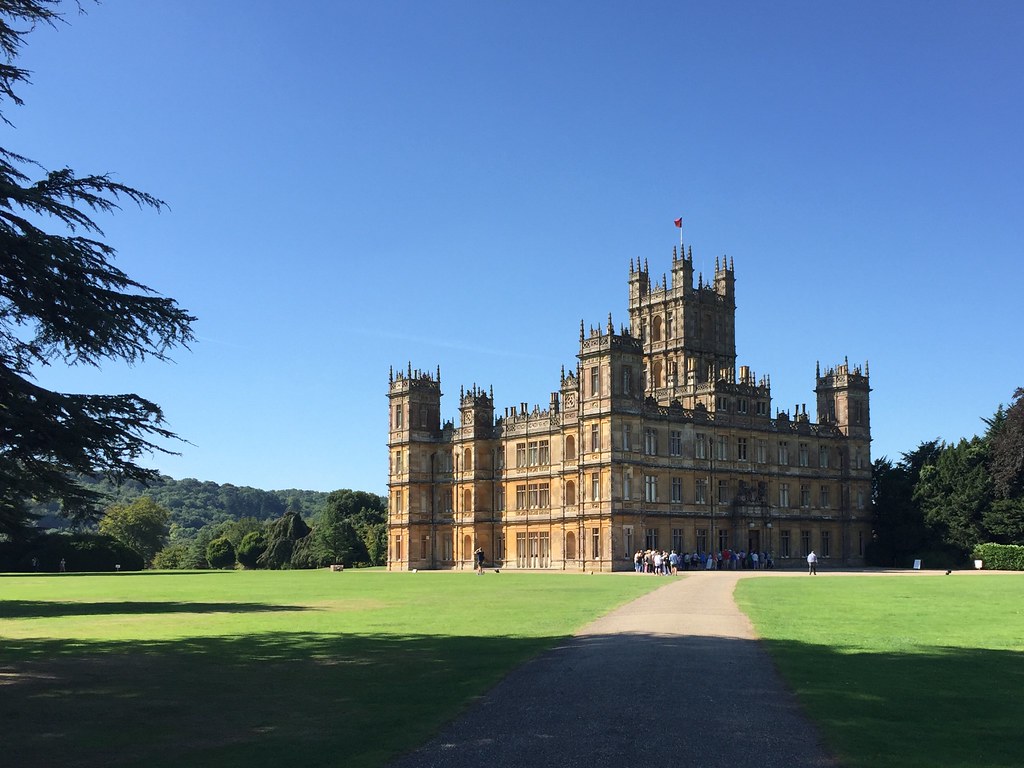
The Jacobethan mansion that serves as the filming location for Downton Abbey continues to operate as a private home, with the same family that has lived there for centuries still in residence. The state rooms where the Crawley family gathered for dinner parties are the actual reception rooms of the castle, furnished with the same antiques and oil paintings that appeared in the series.
When production wrapped, the castle simply returned to its regular function as a family estate, which means the rooms look exactly as they did during filming — because they are exactly as they were during filming, just without the cameras.
Eilean Donan, Scotland
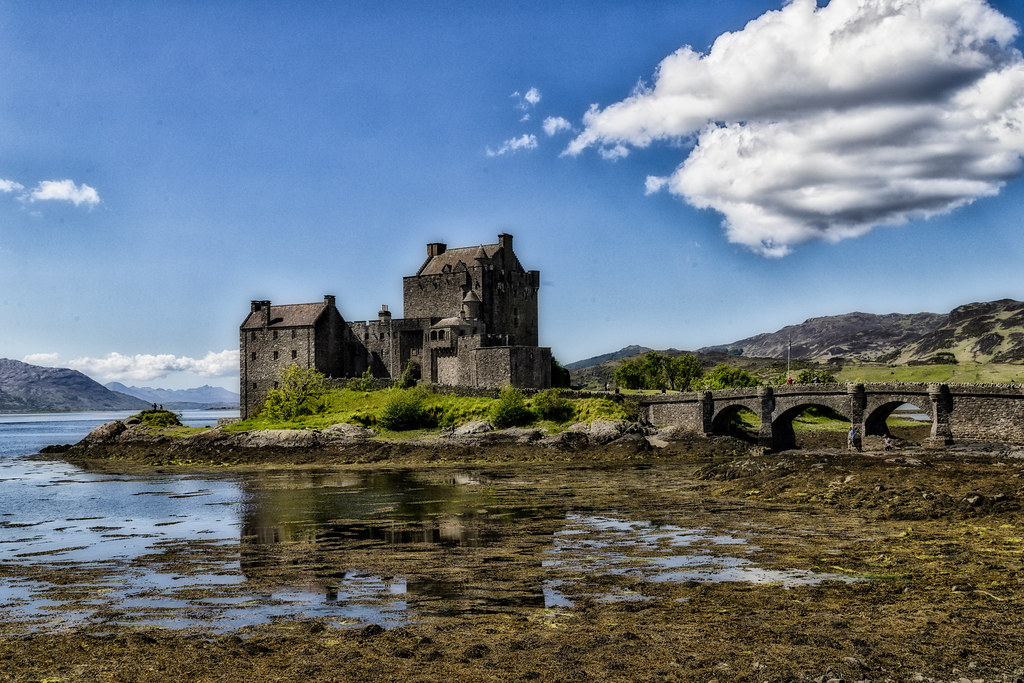
This 13th-century castle on its small tidal island appeared in Highlander exactly as it stands today, because 700 years of Scottish weather had already created the perfect romantic ruin that the film required. The stone bridge that connects the castle to the mainland, the loch that surrounds it, and the Highland mountains that rise in the background all remain precisely as they were when cameras captured Connor MacLeod’s story.
The castle has been restored since the film was made, but the restoration followed historical accuracy rather than modern convenience, so the exterior maintains the same weathered grandeur that made it perfect for an immortal warrior’s tale.
Monument Valley, Utah/Arizona
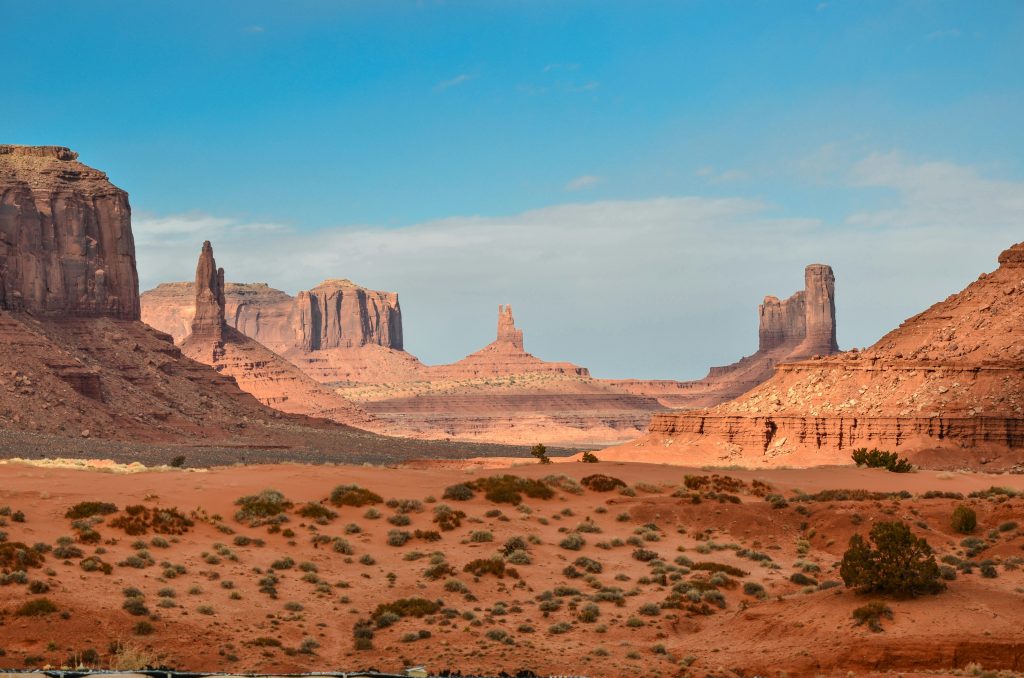
The towering sandstone buttes and mesas that have appeared in countless westerns — from John Ford’s films to modern productions — continue to rise from the desert floor exactly as they have for millions of years. The Mittens, Merrick Butte, and the other iconic formations that define this landscape have been shaped by wind and water into the same dramatic silhouettes that have made this location synonymous with the American West.
The Navajo Nation manages the valley as a tribal park, and the dirt roads that wind between the monuments follow the same routes that film crews have used since the 1930s.
Where Stories Live On

The persistence of these unchanged filming locations offers something that digital effects and studio sets cannot: the chance to stand where stories unfolded and find them still unfolding around you. Whether shaped by geological time or preserved by human care, these places remind you that the best movie magic often requires no magic at all — just the recognition of a landscape or building that already contains the story waiting to be told.
More from Travel Pug

- Underrated Italian Towns That Beat the Tourist Crowds
- Las Vegas Tourist Traps to Skip
- Prettiest Towns in Every US State
- 18 passport-free countries for Americans
- Signs Your Cruise Is Not Worth The Cost
Like Travel Pug’s content? Follow us on MSN.