

Saudi Arabia’s rich heritage is reflected in its ancient cities, imposing fortresses, and holy sites, which have witnessed thousands of years of history. From Nabataean tombs cut into sandstone cliffs to quaint mud-brick villages where the centuries of Arabian life reverberate, the Kingdom presents a journey through time. These heritage gems present everything from prehistoric rock paintings to Islamic architectural wonders, each sharing distinct tales of civilizations that molded the Arabian Peninsula.
Saudi Arabia has embraced its stewardship of these incredible sites, many of which received coveted UNESCO World Heritage status in recent years. This is the list of 19 Saudi heritage sites that show the richness and breadth of the country’s incredible history.
At-Turaif District in ad-Diriyah
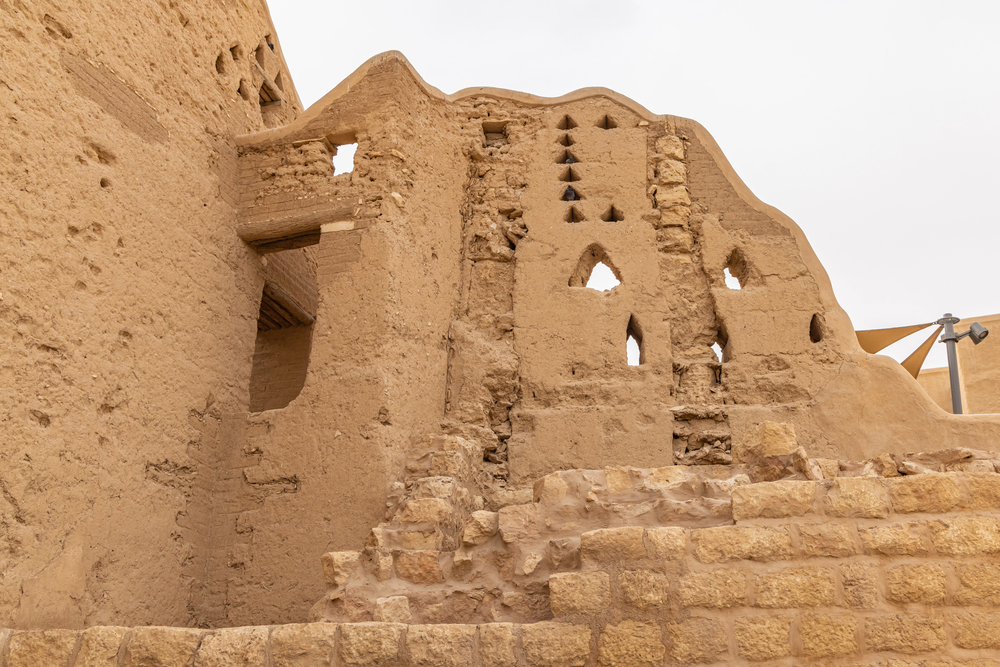
The birthplace of the Saudi dynasty rises from the banks of Wadi Hanifa, just outside modern Riyadh, where mud-brick palaces and mosques tell the story of the first Saudi state. Founded in the 15th century and serving as the political and religious center from 1744-1818, this UNESCO site preserves the distinctive Najdi architectural style with its geometric patterns and wind-tower designs. Walking through At-Turaif feels like stepping back in time to witness the very foundations of modern Saudi Arabia’s royal heritage.
Historic Jeddah
— Photo by KvNaushad
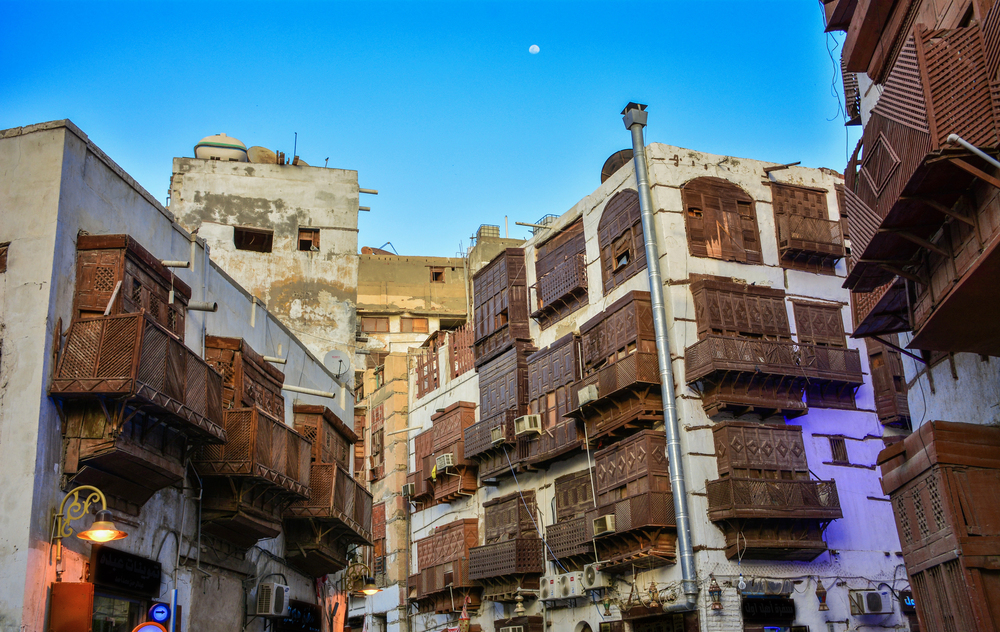
The ancient heart of Jeddah, known as Al-Balad, served as the Gateway to Makkah for Muslim pilgrims arriving by sea for over a thousand years. This UNESCO World Heritage Site enchants visitors with its towering coral stone houses featuring ornate wooden balconies called ‘roshan’ and narrow alleyways that have buzzed with international trade for centuries. The old city wall, traditional souks, and historic mosques create an authentic Arabian atmosphere where the echoes of merchants, pilgrims, and seafarers still seem to linger in the salty Red Sea breeze.
Rock Art in the Hail Region
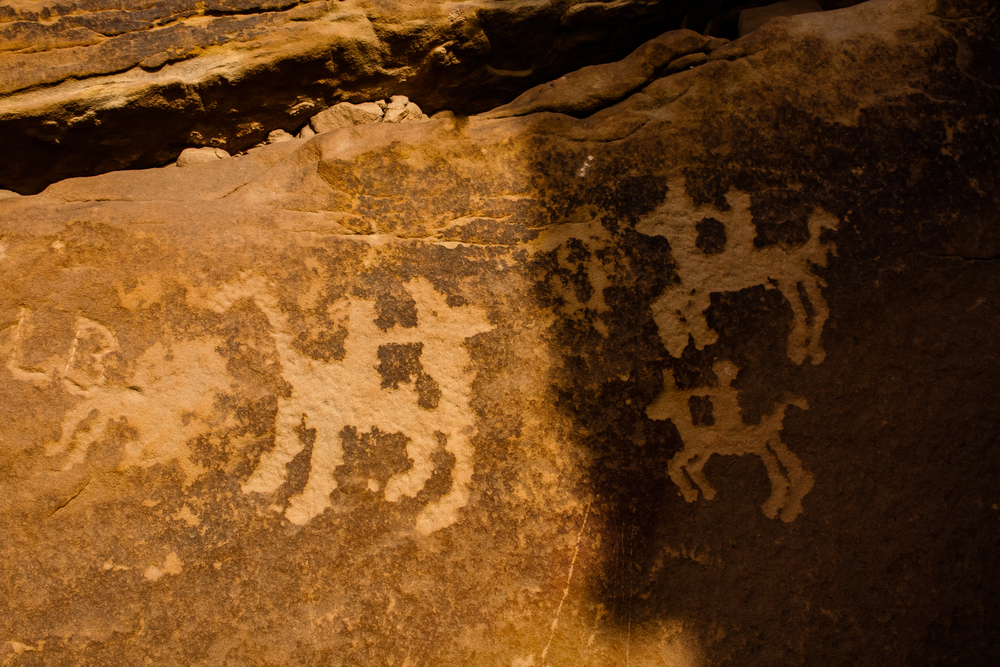
The sandstone outcrops of Jubbah and Shuwaymis preserve one of the world’s most significant collections of prehistoric rock art, spanning an incredible 10,000 years of human history. These UNESCO-protected petroglyphs reveal a time when the Arabian desert was a green savanna, depicting long-horned cattle, hunters with bows, and mysterious human figures that provide glimpses into ancient Arabian life. The sheer scale and artistic quality of these carvings make Hail’s rock art complexes among the most important archaeological discoveries in the Middle East.
Al-Ahsa Oasis
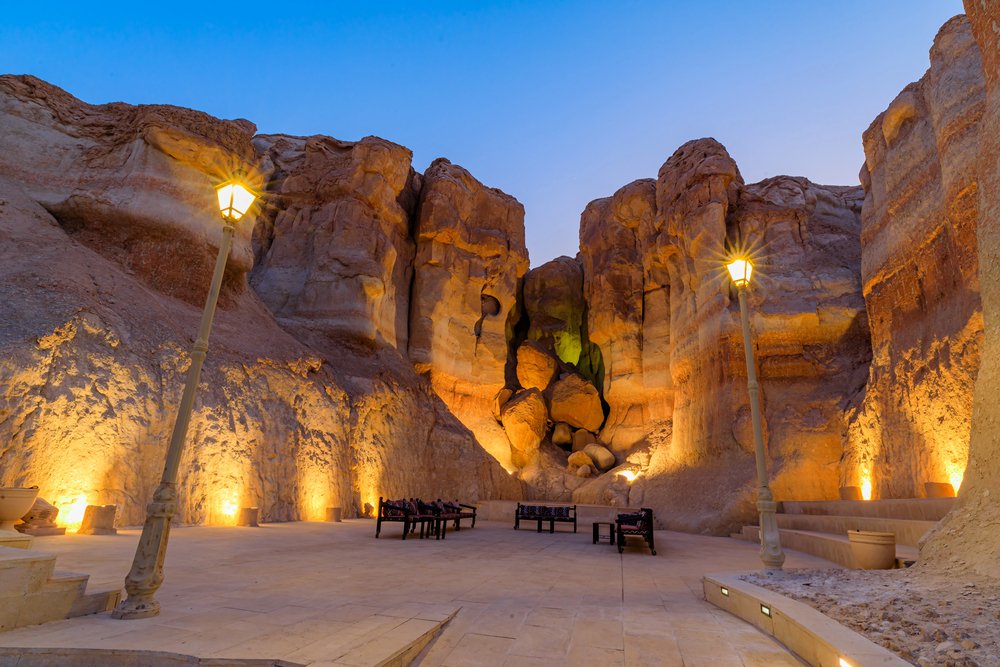
Stretching across 85 square kilometers in eastern Saudi Arabia, Al-Ahsa claims the title of the world’s largest natural oasis with over 2.5 million date palms creating a green paradise in the desert. This UNESCO site has supported continuous human settlement since Neolithic times, featuring ancient irrigation systems, traditional markets, and historic mosques that reflect the area’s role as a crucial stop on ancient trade routes. The oasis produces over 100,000 tons of dates annually, maintaining agricultural traditions that have sustained Arabian communities for millennia.
Hima Cultural Area
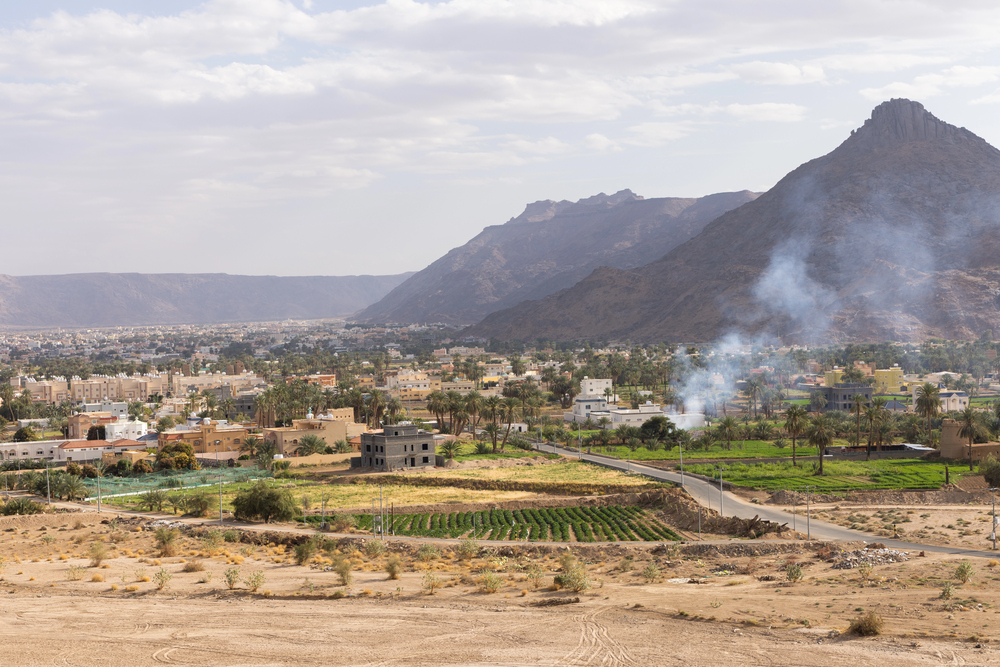
Hidden in the volcanic mountains of Najran province, Hima Cultural Area preserves 7,000 years of rock art and inscriptions along what was once a major caravan route connecting Arabia, Mesopotamia, and the Levant. This UNESCO site contains thousands of petroglyphs depicting hunting scenes, animals, and human figures, along with inscriptions in various ancient scripts, including Thamudic, Nabataean, and early Arabic. The site’s ancient wells, some 3,000 years old, still produce fresh water, demonstrating the incredible engineering skills of Arabia’s early inhabitants.
Ushaiqer Heritage Village
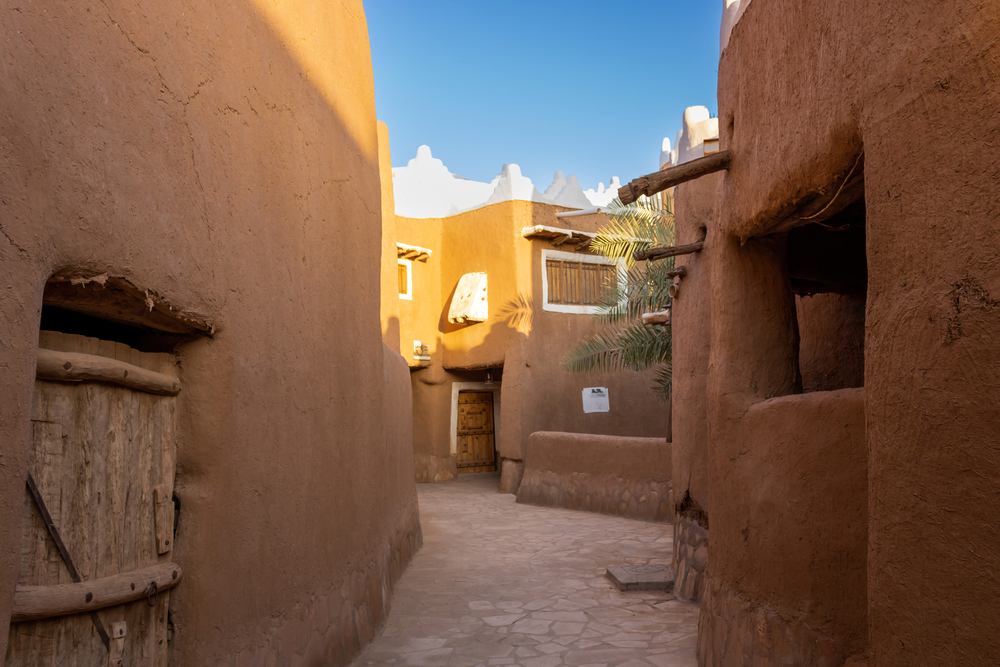
About 125 miles northwest of Riyadh, this remarkably preserved 1,500-year-old village showcases authentic Najdi architecture with over 400 traditional mud-brick houses and 25 historic mosques. Once a vital stop for pilgrims traveling from Kuwait and Iraq to the holy cities, Ushaiqer’s narrow alleyways and palm groves offer visitors an authentic glimpse into pre-oil Saudi life. The village features triangular architectural details, wooden doors with geometric patterns, and a fascinating museum displaying traditional crafts, weapons, and household items from centuries past.
Masmak Fortress
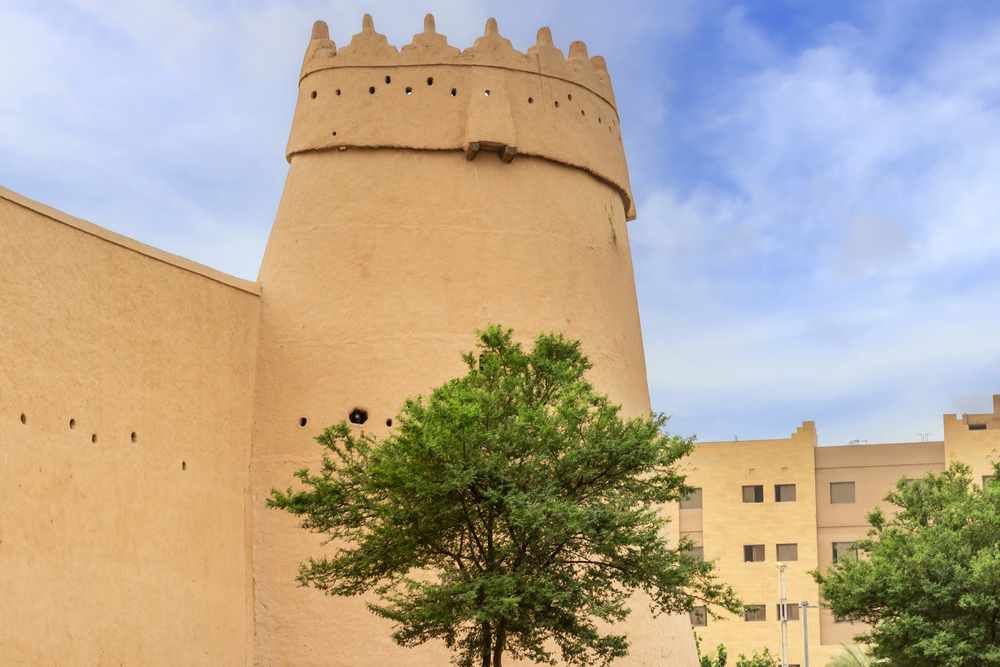
Standing proudly in the heart of old Riyadh, this mud-brick fortress witnessed the pivotal 1902 battle that launched King Abdulaziz’s campaign to unify Saudi Arabia. Built in 1865 with thick walls and distinctive Najdi architecture, the fortress now serves as a museum showcasing the dramatic story of the Kingdom’s formation through artifacts, photographs, and historical exhibits. The fortress’s strategic design, complete with watchtowers and defensive walls, demonstrates the military architecture that protected Arabian settlements for centuries.
Murabba Palace
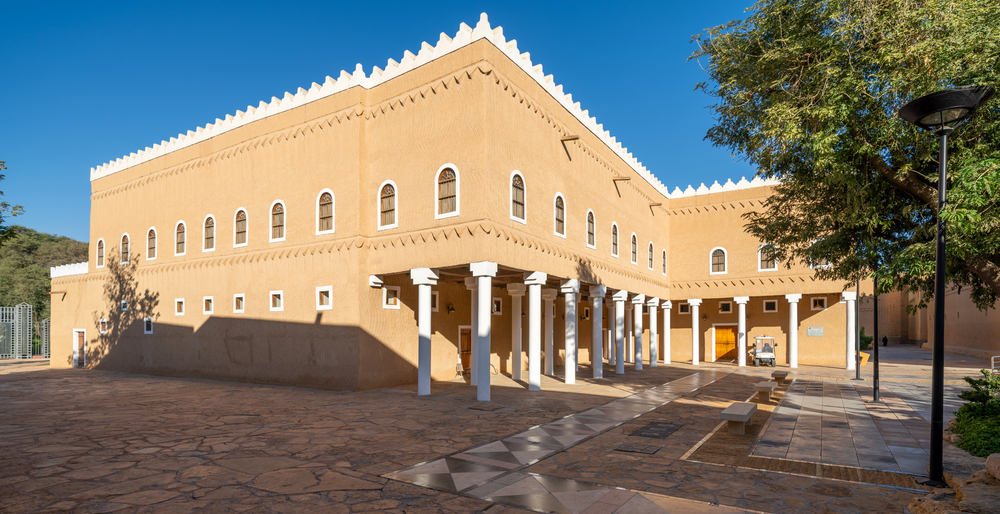
stunning example of traditional Saudi architecture, rich cultural heritage of Saudi Arabia.
— Photo by nmessana
King Abdulaziz built this elegant palace in 1937 as his official residence, marking the expansion of Riyadh beyond its ancient walls into the modern era. The two-story structure beautifully blends traditional Najdi architectural elements with contemporary amenities of its time, including Saudi Arabia’s first elevator installed in the late 1940s. Visitors can explore the king’s personal office, reception halls, and private quarters, all furnished to reflect the transitional period when Saudi Arabia was emerging as a modern nation.
Shubra Palace
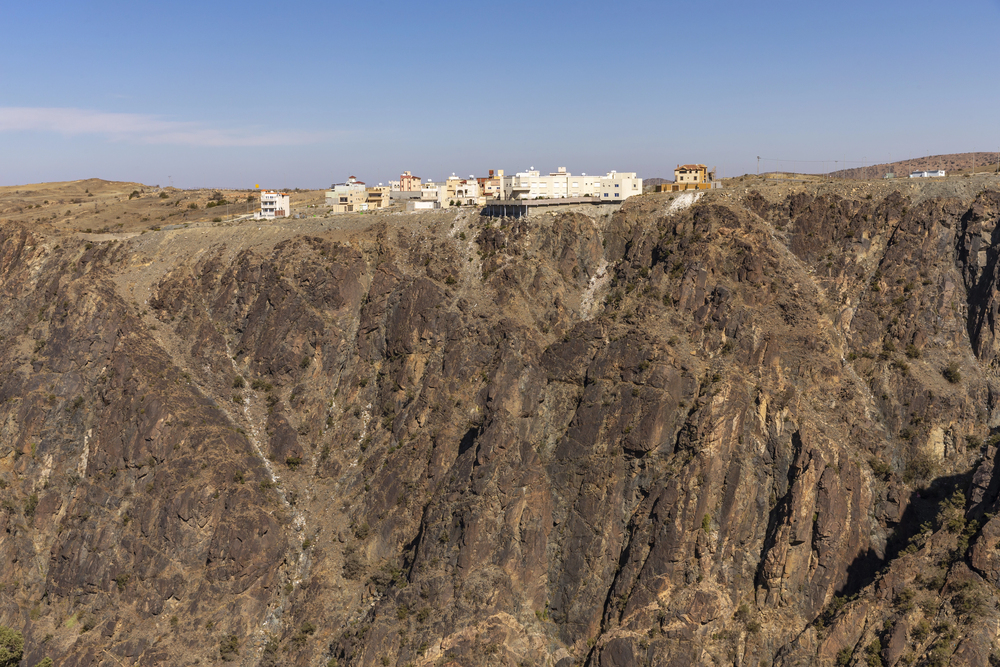
Perched on a hilltop in the mountain city of Taif, this four-story Ottoman-era palace served as the royal family’s summer retreat, showcasing a unique blend of Roman, Islamic, and Indian architectural influences. Built in 1905 with over 100 rooms supported by stone columns and surrounded by beautiful gardens, the white palace features intricate wooden balconies and criss-crossed window patterns that create stunning light displays. The palace now operates as a heritage museum displaying ancient Islamic artifacts, precious gemstones, gold and silver coins, and traditional weapons that illuminate Arabia’s rich cultural heritage.
Qasr Marid
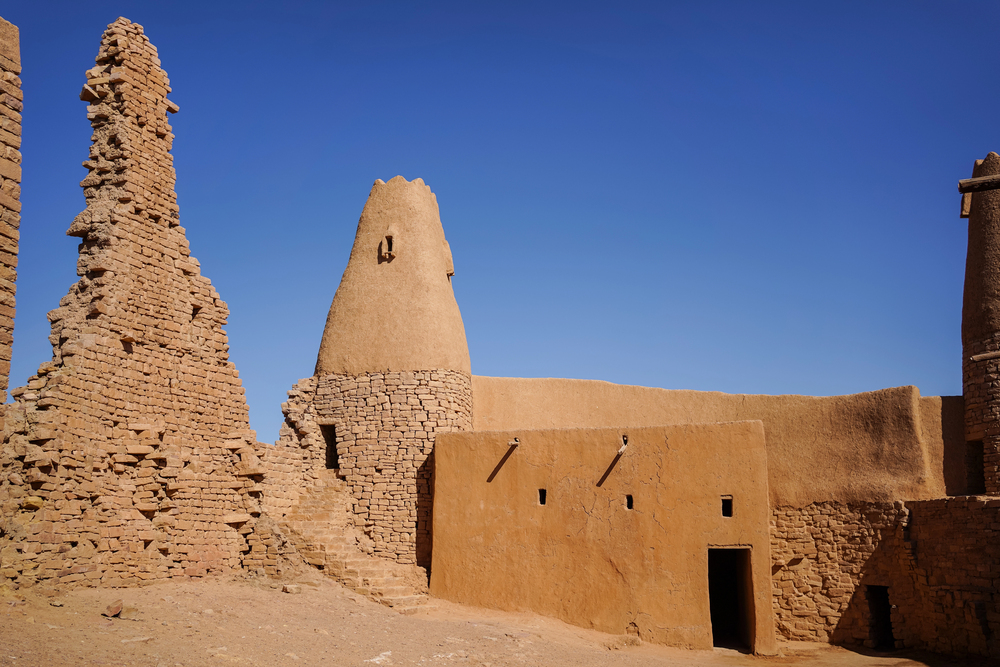
Dominating the ancient oasis of Dumat al-Jandal from its limestone hilltop perch, this formidable fortress dates back to the 1st century CE and served as a crucial stronghold along the incense trade routes. The fortress earned its name ‘Marid’, meaning ‘the rebel’ in Arabic, reflecting its strategic importance in defending the oasis against numerous invaders throughout history. Archaeological excavations continue to reveal layers of Nabataean, Roman, and early Islamic occupation, making Qasr Marid one of northern Saudi Arabia’s most significant archaeological treasures.
Omar ibn al-Khattab Mosque
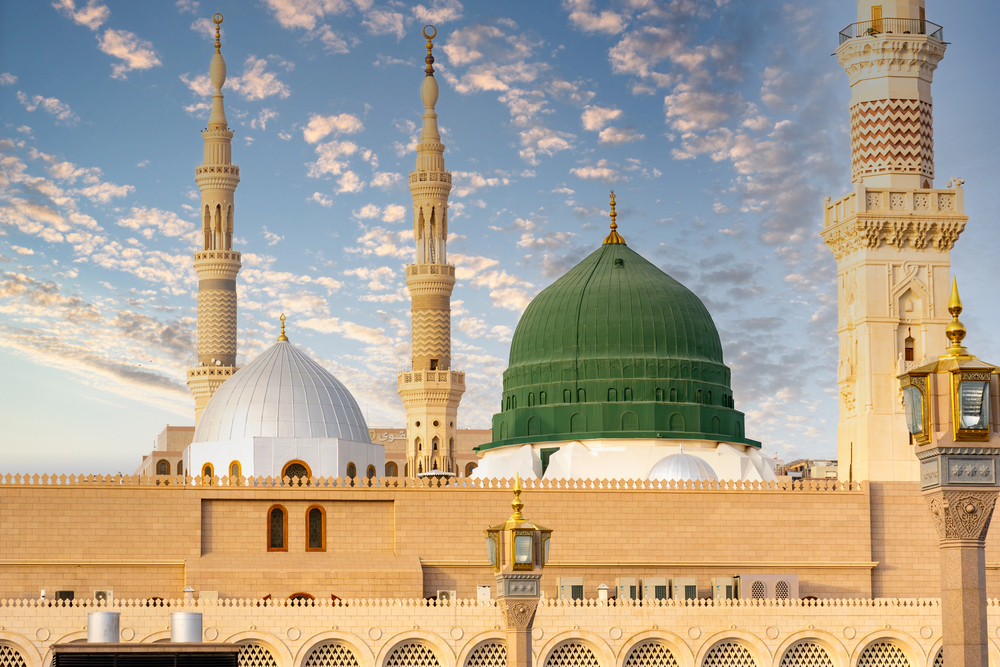
Adjacent to Qasr Marid in Dumat al-Jandal stands one of Saudi Arabia’s oldest and most historically significant mosques, believed to date from the early Islamic period of the 7th century CE. The mosque’s distinctive five-story, pyramid-shaped minaret rises 50 feet into the desert sky, while its prayer hall follows a simple rectangular plan similar to the Prophet’s Mosque in Medina. This architectural gem continues to serve the local community for daily prayers while attracting thousands of visitors who come to experience its profound historical and spiritual significance.
Quba Mosque
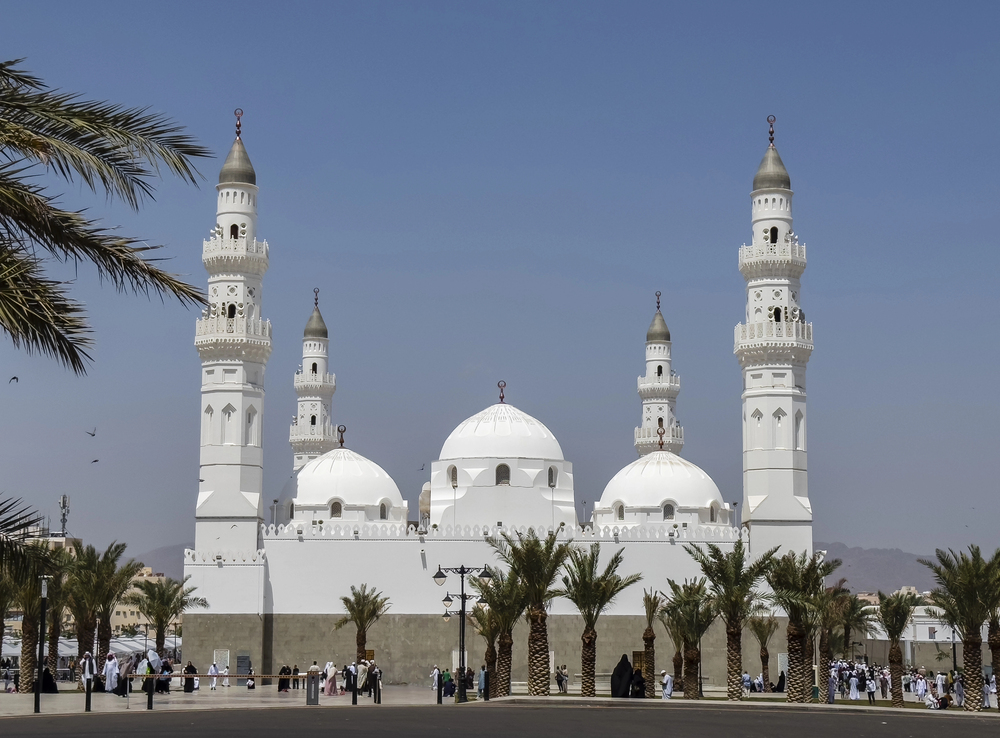
It’s the oldest mosque in the world
— Photo by ikurucan
Located on the outskirts of Medina, the Quba Mosque holds the remarkable distinction of being the first mosque built in Islamic history, constructed by the Prophet Muhammad himself in 622 CE. The mosque’s original foundation stones were laid by the Prophet during his historic migration from Makkah to Medina, making it one of Islam’s most sacred sites outside of the Two Holy Mosques. The current structure, beautifully expanded and modernized while preserving its spiritual essence, attracts millions of pilgrims who come to pray in this blessed location where Islamic architecture first took shape.
Al-Ula Heritage Village
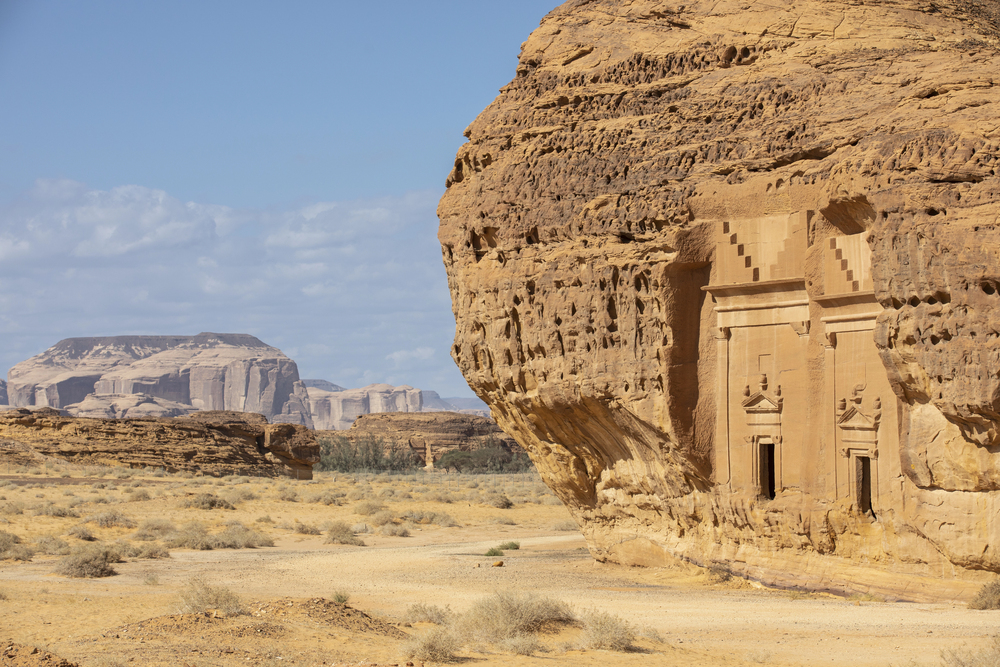
Known locally as Ad-Deerah, this traditional Arabian settlement has existed for over eight centuries and remained inhabited until the 20th century, preserving an authentic snapshot of oasis life. The village’s 800 mud-brick and stone houses, built with traditional techniques passed down through generations, demonstrate the ingenious ways Arabian communities adapted to desert living. Visitors can wander through the narrow alleyways, admire the ancient sundial, and explore the village mosque while surrounded by the dramatic rock formations that make Al-Ula one of Arabia’s most photogenic destinations.
Jubbah Rock Carvings
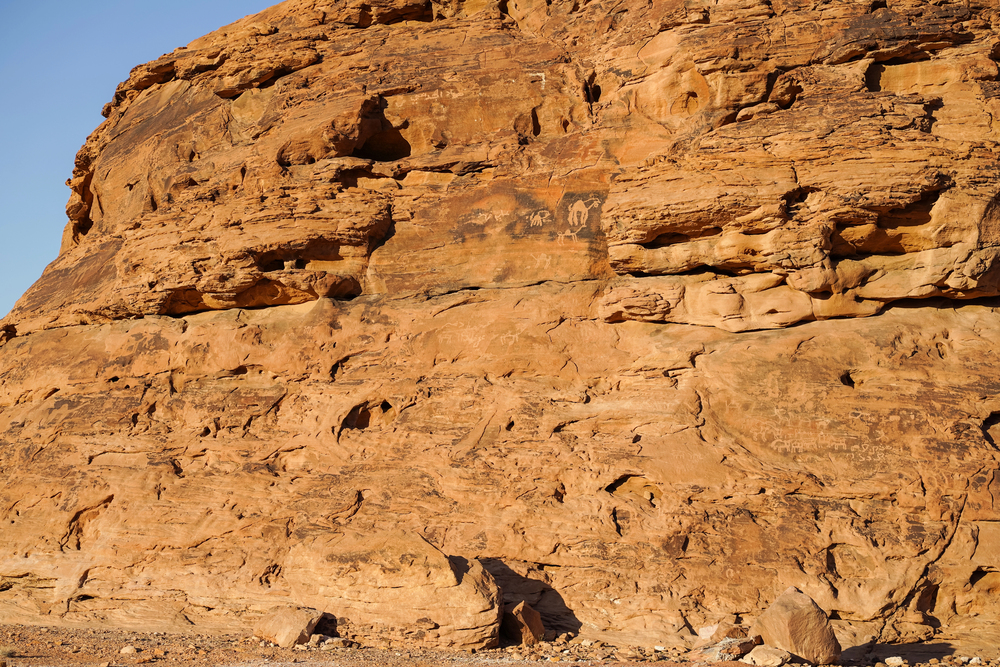
Within the Hail region’s UNESCO site, the specific area of Jubbah contains some of the finest and oldest petroglyphs in the Arabian Peninsula, with the most spectacular carvings dating to around 5500 BCE. Located at the foot of Jabal Umm Sinman, where an ancient lake once provided water for humans and animals, these rock faces preserve detailed hunting scenes and mysterious masked figures that may represent early religious ceremonies. The site’s combination of Neolithic artwork and later Thamudic inscriptions creates a visual timeline of human occupation spanning nearly 8,000 years of Arabian history.
Al-Faw Archaeological Site
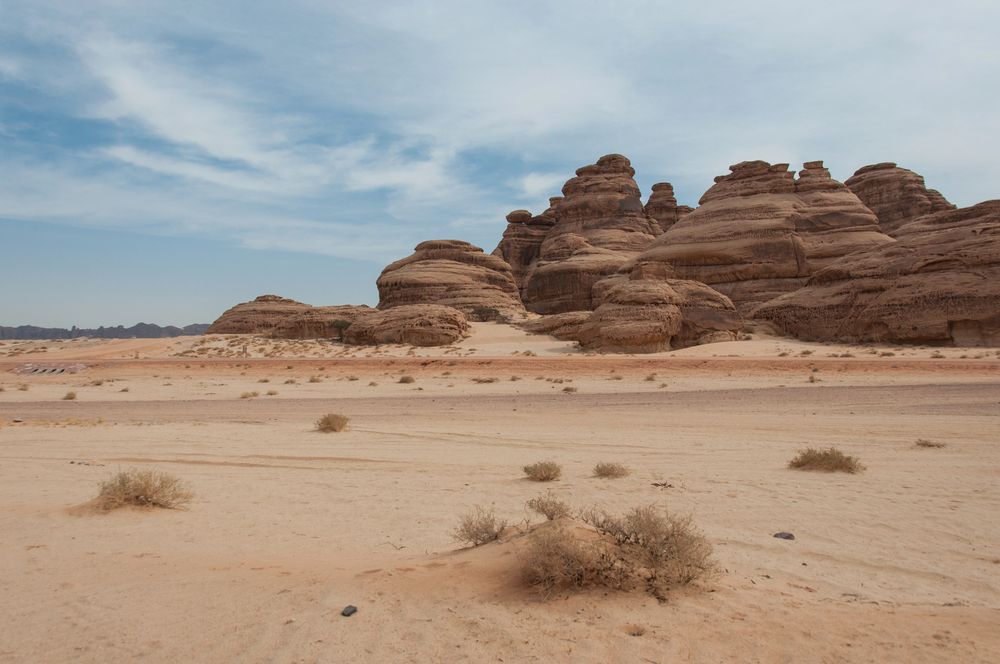
Recently added to UNESCO’s World Heritage List, Al-Faw represents one of Arabia’s most significant pre-Islamic cities, serving as the capital of the Kindah kingdom from the 1st century BCE to the 4th century CE. Archaeological excavations have uncovered an impressive urban center with residential areas, markets, temples, and a sophisticated water management system that sustained a thriving community in the challenging desert environment. The site’s well-preserved ruins and artifacts provide invaluable insights into the political, economic, and cultural life of pre-Islamic Arabian civilizations.
Yellow Lake
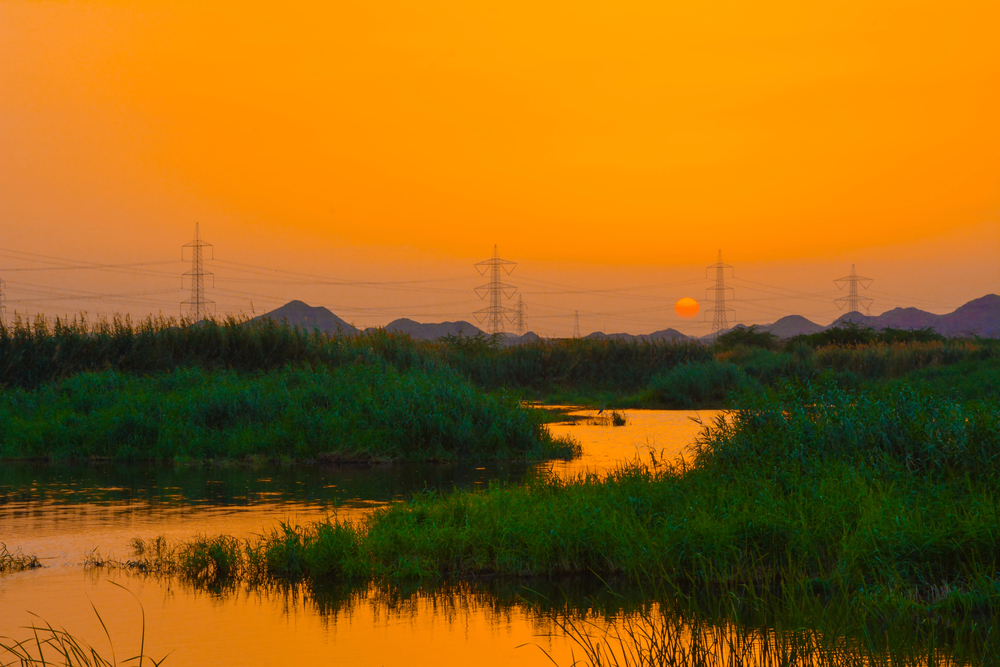
Located within the Al-Ahsa Oasis complex, this unique saltwater lake derives its distinctive golden color from algae and minerals, making it one of Saudi Arabia’s most photographed natural heritage sites. Fed by agricultural runoff from over 22,000 farms in the region, the lake supports diverse wildlife, including migratory birds that stop here during their seasonal journeys. The contrast between the bright yellow waters and the surrounding green palm groves creates a surreal landscape that perfectly captures the unexpected beauty found throughout Saudi Arabia’s oasis regions.
Najran’s Al-Ukhdood Fort
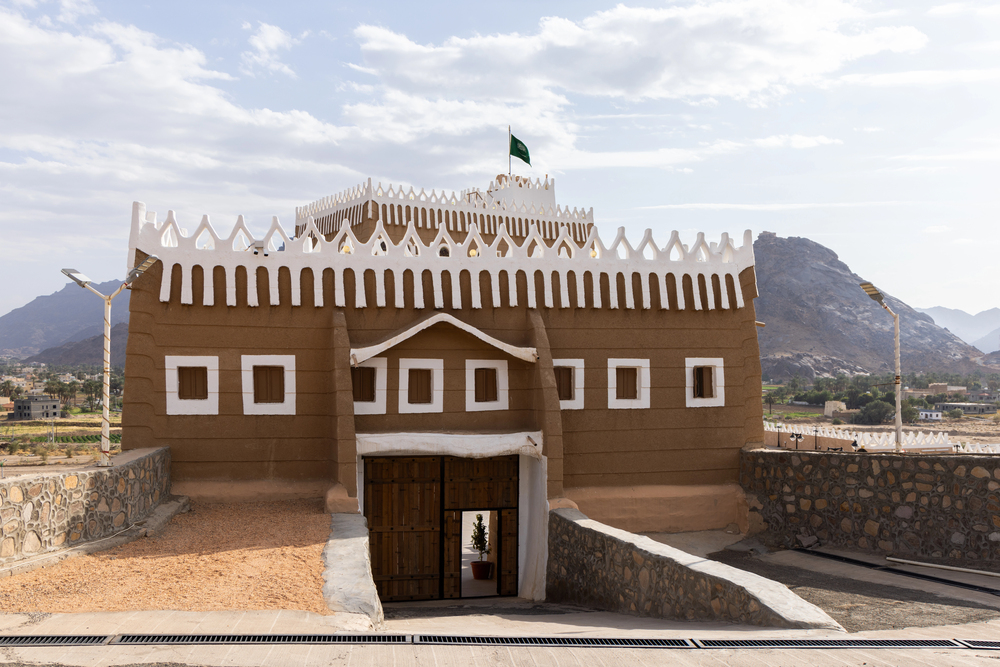
Rising from the ancient city of Najran near the Yemeni border, Al-Ukhdood Fort represents one of southern Saudi Arabia’s most important historical monuments with origins dating back over 2,000 years. The fortress played a crucial role in the dramatic events mentioned in the Quran, when the Christian community of Najran faced persecution by the Jewish king Dhu Nuwas in the 6th century CE. Today, the fort’s impressive mud-brick walls and archaeological remains provide visitors with insights into the complex religious and political conflicts that shaped early Arabian history.
Shada Archaeological Palace
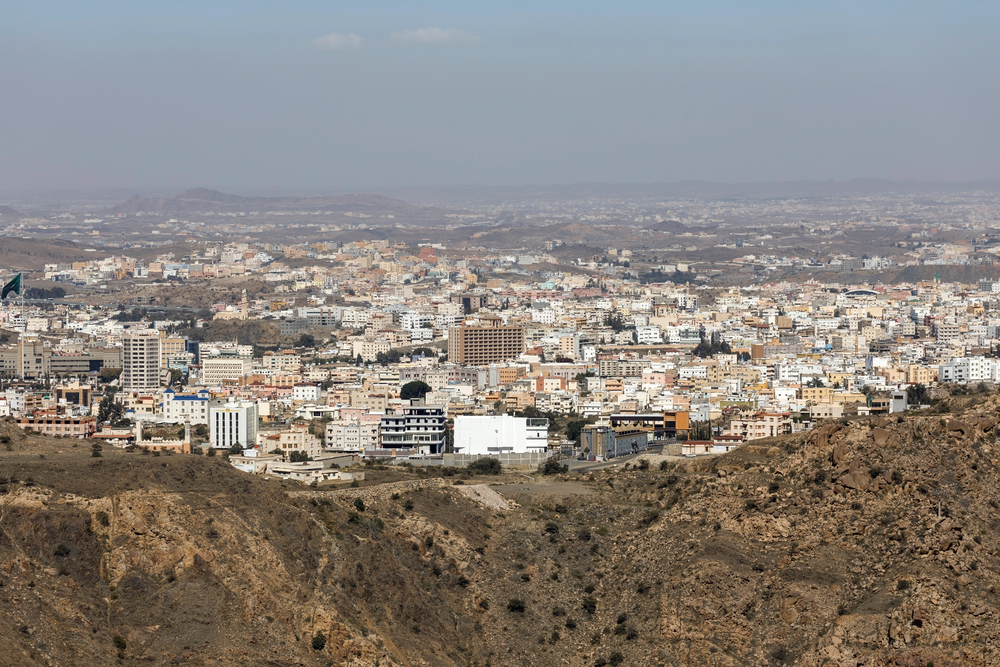
Perched on a hilltop in the mountain city of Abha, this converted museum was once the main ruling palace and demonstrates the distinctive architecture of the Asir region with its stone construction and strategic defensive design. The palace’s mud-walled tower, built with minimal windows for security purposes, offers panoramic views over the surrounding valleys and mountains that define Saudi Arabia’s southwestern highlands. Inside, visitors can explore historical exhibits showcasing traditional furnishings, equipment, and artifacts that illustrate the unique cultural heritage of the Asir people.
‘Uruq Bani Ma’arid Reserve
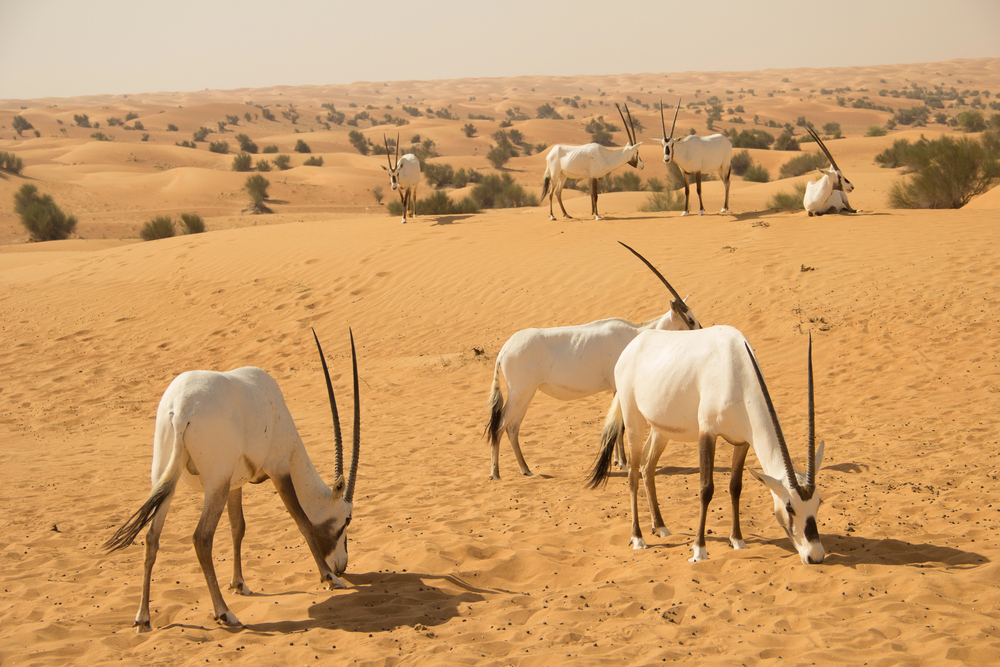
Saudi Arabia’s newest UNESCO World Heritage Site protects over 12,750 square kilometers of the Empty Quarter’s biodiversity, representing the world’s largest continuous sand sea and one of Earth’s most extreme environments. This natural heritage site supports over 120 species of indigenous plants. It provides crucial habitat for endangered animals, including the world’s only free-ranging herd of Arabian Oryx, Arabian Sand Gazelles, and Arabian Mountain Gazelles. The reserve demonstrates how life persists and thrives even in the planet’s harshest desert conditions, creating a living laboratory for understanding desert ecology and conservation.
Where ancient stories meet modern adventures
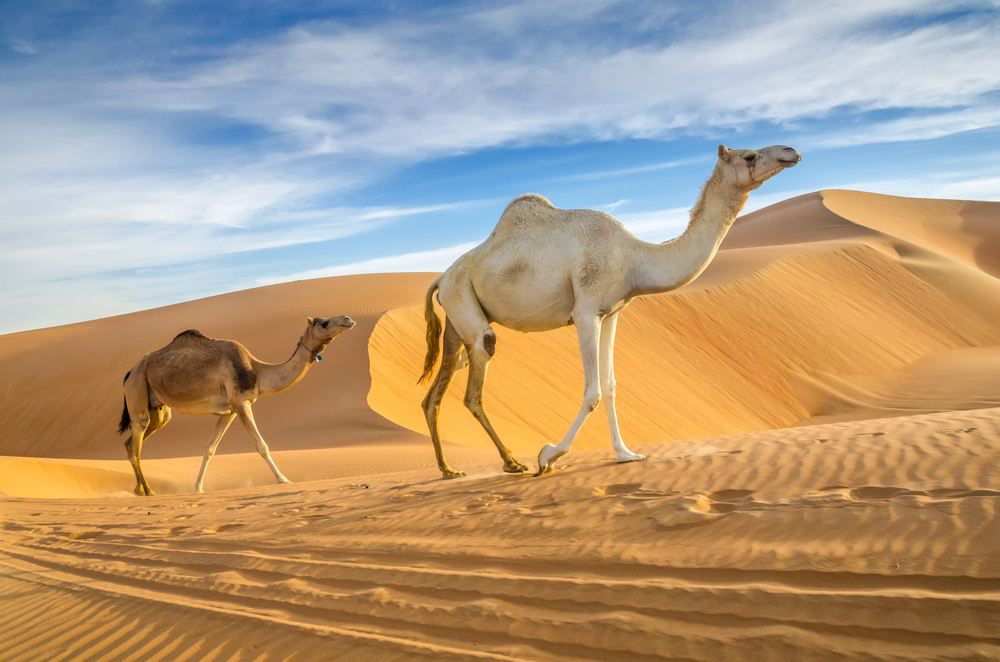
These sites of heritage are much, much more than tourist attractions – they’re living pages in the story of humankind, etched into stone, mud brick, and memory over the sweeping landscapes of Saudi Arabia. From the prehistoric bands who etched their stories into the rocks of Hail to the Muslim builders who constructed mosques that still resound with daily prayers, every site connects contemporary travelers to the universal human spirit of adaptation, creativity, and belief.
As Saudi Arabia unveils its cultural treasures to the world, these 19 heritage sites offer visitors a unique opportunity to step into history and experience the incredible civilizations that once thrived in the heart of the Arabian Peninsula.
More from Travel Pug

- Underrated Italian Towns That Beat the Tourist Crowds
- Las Vegas Tourist Traps to Skip
- Prettiest Towns in Every US State
- 18 passport-free countries for Americans
- Signs Your Cruise Is Not Worth The Cost
Like Travel Pug’s content? Follow us on MSN.