

Airlines are mishandling fewer bags than they used to. SITA’s 2026 Baggage IT Insights report put the global rate for 2025 at 4.9 bags per 1,000 passengers, the best figure since before the pandemic, yet that still added up to about 24 million bags that went somewhere they should not have.
Plenty of those mishaps begin with the airline. A surprising number begin at the check-in counter, the kiosk or the carousel, with small choices travelers make without a second thought.
Leaving Old Tags and Barcode Stickers Attached
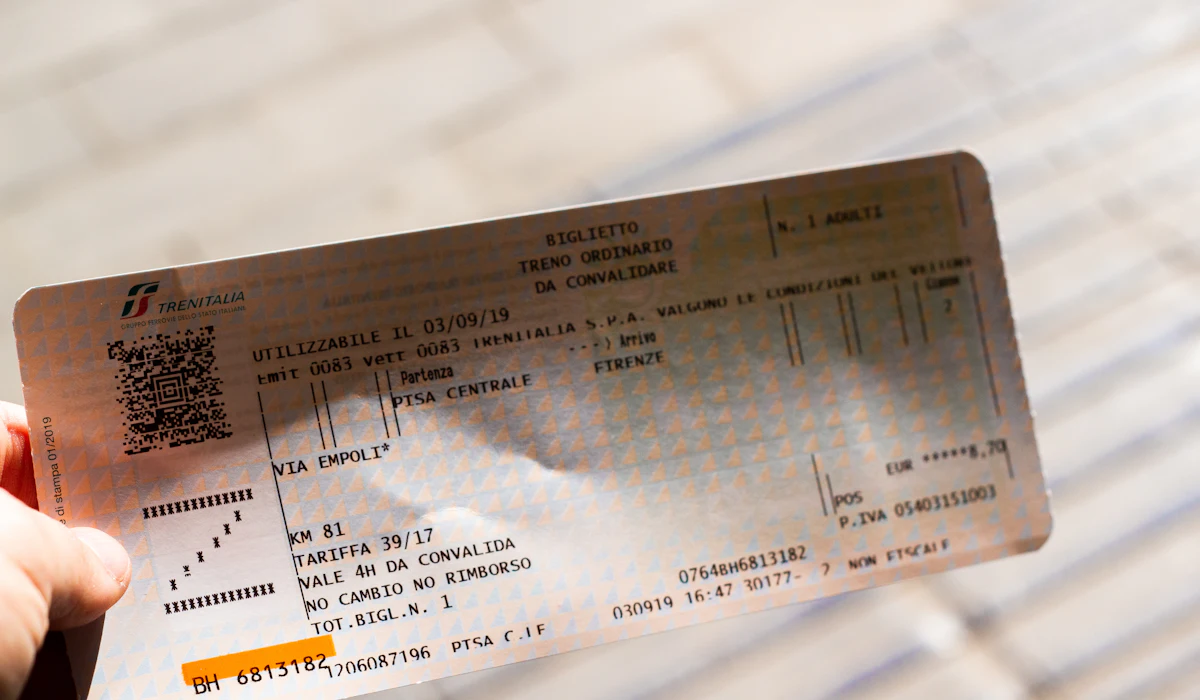
Every checked bag gets a paper tag with a barcode, and many airlines also stick a small barcode label directly onto the side of the suitcase. Travelers who leave old tags and stickers on their bags can make the bag harder to identify and may create confusion during handling.
A scanner that picks up a sticker from last month’s trip is not normally going to route a bag based on that old sticker alone, but removing outdated tags eliminates unnecessary markings. Peeling off every old label takes a minute at home.
It removes a potential source of confusion before the bag enters the system.
Booking Connections Too Tight for Bags

Transfers are a major cause of mishandled luggage. SITA’s 2026 report found that transfer problems accounted for 39 percent of mishandled bags in 2025.
A passenger can sprint between gates in 35 minutes, but a suitcase has to be unloaded, sorted, driven across the airfield, and loaded onto another plane. Airlines publish minimum connection times for each airport, yet legal connections can still be tight in practice, especially at large hubs.
Travelers checking bags often choose a layover of at least an hour or more when the fare difference is small.
Checking In Close to the Bag Cutoff

Airlines set baggage cutoff times, often somewhere between 30 and 60 minutes before departure depending on the carrier, the airport, and whether the flight is international. Bags checked right at the deadline may not make it through screening and sorting in time, even if the passenger reaches the gate.
Some airlines will refuse to accept a bag after the cutoff, while others accept it with a warning that it may travel on a later flight. Long security lines and crowded bag drops make the problem worse during holidays.
Arriving early is the simplest way to keep a bag on the same plane.
Never Checking the Airport Code on the Tag

The three-letter airport code printed on the bag tag determines where the suitcase goes. Agents can occasionally enter or print incorrect routing information, and some codes are easy to confuse, such as SAN for San Diego and SNA for Orange County in Southern California.
A quick glance at the tag before the bag disappears down the belt can catch a mistake. The final destination and any connection codes should both match the itinerary.
Travelers who spot an error can ask for a new tag on the spot, which is far easier than tracking a bag sent to the wrong state.
Booking Separate Tickets for Each Flight
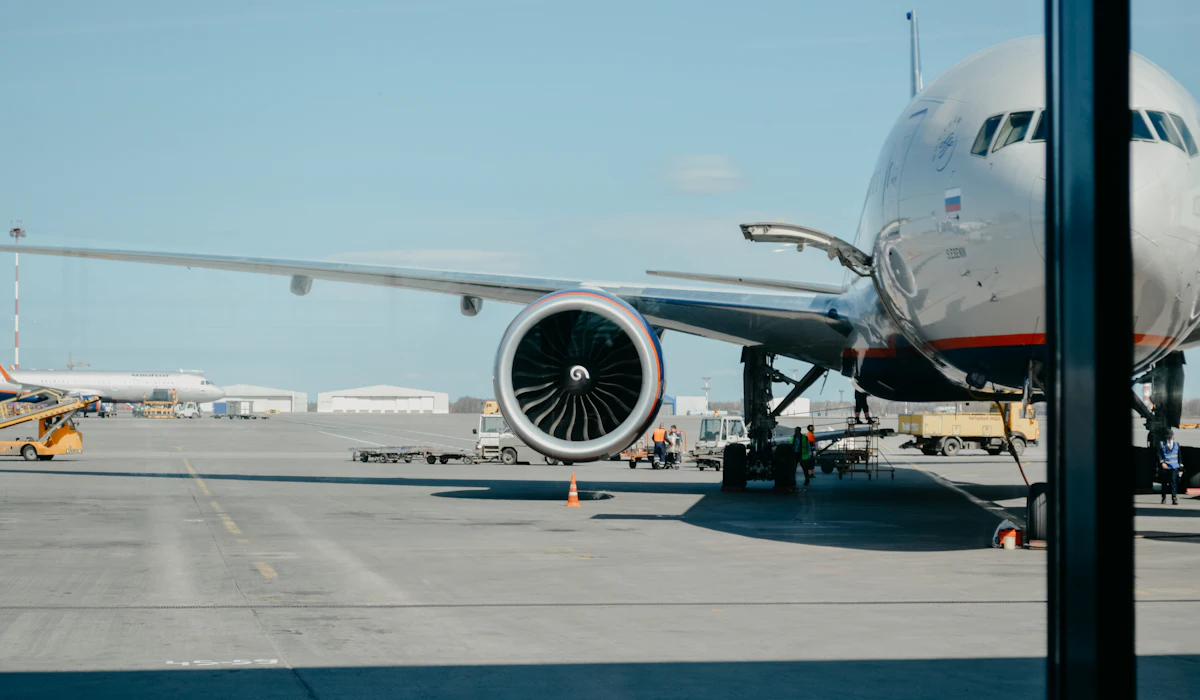
Travelers who book two flights on separate tickets, especially on airlines without a partnership, may not be able to check bags through to the final destination. Many low-cost carriers, including Ryanair, do not transfer bags to other airlines at all.
That means collecting the suitcase, exiting, and checking in again for the second flight, often with a new bag fee. Delays on the first flight can make the second check-in deadline impossible.
A separate-ticket connection therefore creates more opportunities for a bag to be delayed or left behind. Booking a connection on a single ticket generally makes baggage handling simpler.
No Contact Information Inside the Bag

External luggage tags can tear off on conveyors and belts. When that happens and there is nothing inside identifying the owner, an airline has very little to work with.
Airline staff may inspect unidentified luggage for identifying information, such as a name, phone number, email address or itinerary. A simple card in an outside pocket, plus a copy of the itinerary inside the main compartment, can make the difference between a quick delivery and a long search.
Some travelers tape a business card inside the lid for the same reason.
Choosing an Unremarkable Black Suitcase

Black rolling suitcases dominate airport carousels, and many look almost identical. Travelers grabbing the wrong bag by mistake can create a situation that looks like lost luggage, since the right bag may be sitting nearby while its owner searches the room.
A colorful strap, distinctive tag or patterned luggage cover makes a bag easier to spot and harder to take by accident. Checking the name tag before walking away also helps.
An easily identifiable bag is less likely to be mistaken for someone else’s.
Loose Straps and Dangling Extras

Shoulder straps, unclipped buckles, and items tied to the outside of a bag can catch on conveyor belts and sorting equipment. A snagged strap can stop a belt, tear off a tag, or rip the bag itself.
Airlines and airports may require loose straps or other protruding items to be secured before a bag enters the system. Backpacks with hip belts and dangling clips are frequent culprits.
Tucking straps inside, removing detachable items, and clipping buckles closed reduces the chance that a bag gets pulled aside or damaged in the system.
Overstuffed Bags That Burst Open
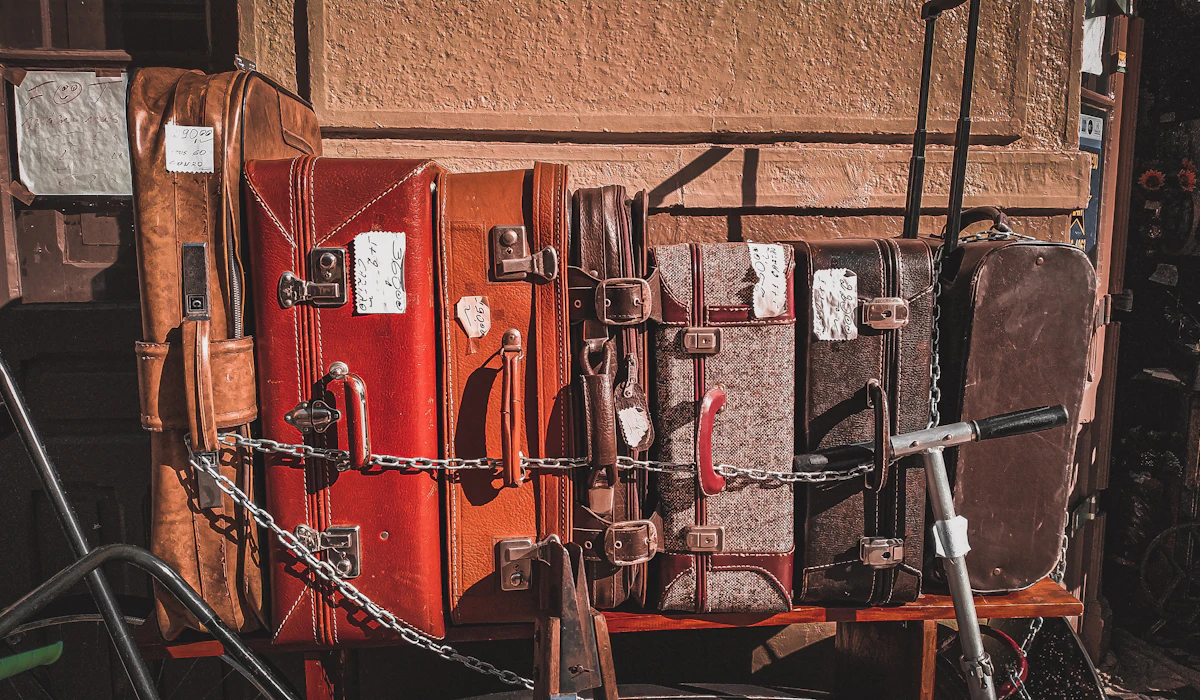
A suitcase packed to the limit puts heavy strain on its zippers and seams. Baggage handling involves drops, stacks, and conveyor transfers, and a bag that bursts open can lose items or be set aside for repacking.
Contents scattered across a sorting room do not always make it back into the right bag. Compression straps inside the suitcase and a little extra room reduce the risk.
Travelers who expect to bring back souvenirs often pack a folding duffel rather than cramming everything into one case.
Waiting at the Wrong Carousel
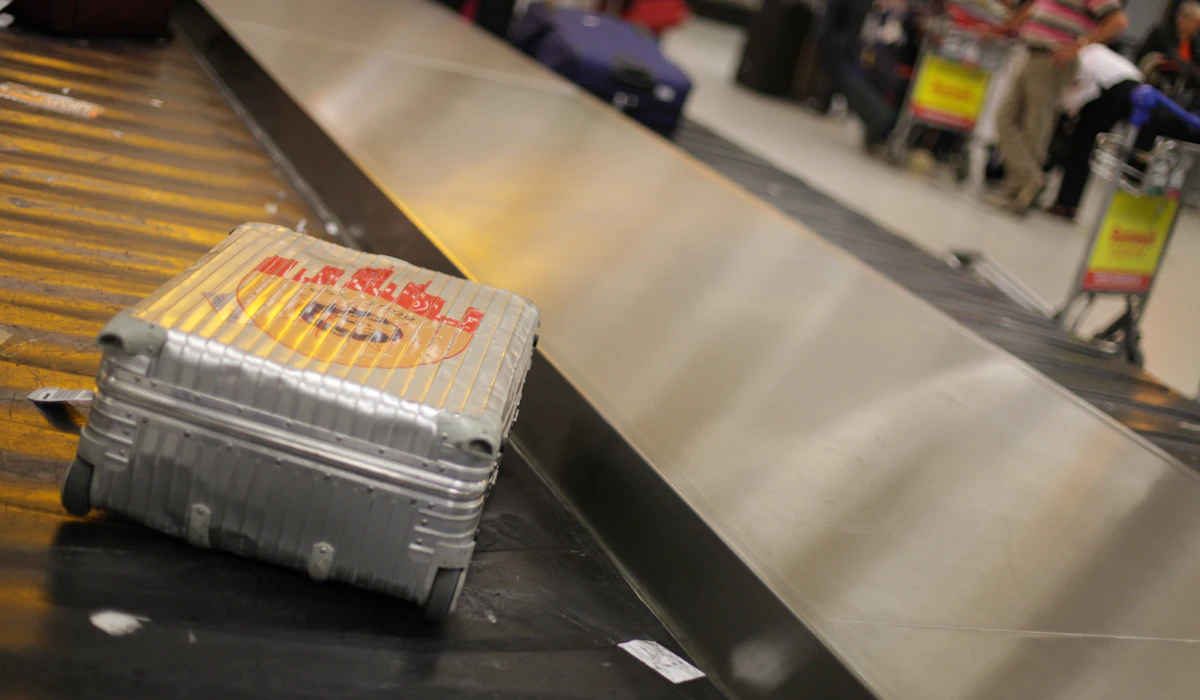
Large airports run many carousels at once, and the assignment shown on arrival screens sometimes changes. Travelers who wait at the wrong belt can miss their bag entirely, and unclaimed bags are eventually removed and stored in the airline’s baggage office.
Those bags are not technically lost, but owners can spend a long time hunting for them. Checking the screen again after a few minutes, or asking an airline agent, usually solves the problem.
Oversized items may also arrive at a separate area rather than the main carousel.
Leaving the Airport Without Filing a Report
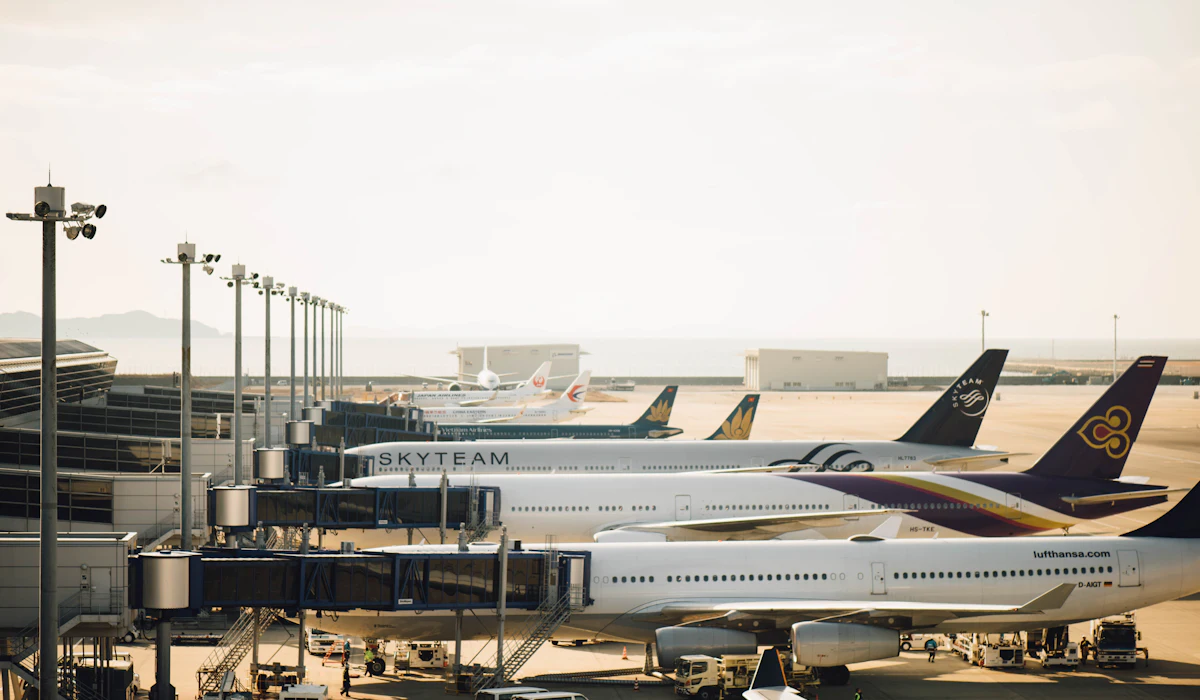
When a bag does not arrive, report it to the airline as soon as possible, preferably before leaving the airport. Airlines record missing bags in tracing systems, and many carriers use SITA’s WorldTracer, which matches unclaimed bags with reports.
A report filed at the baggage office creates a file reference number that helps with follow-up searches. Airlines have their own deadlines and procedures for delayed-bag reports, so waiting can create problems.
Travelers should keep the reference number and contact details for follow-up, along with the name of the agent who took the report.
Throwing Away the Bag Claim Receipt
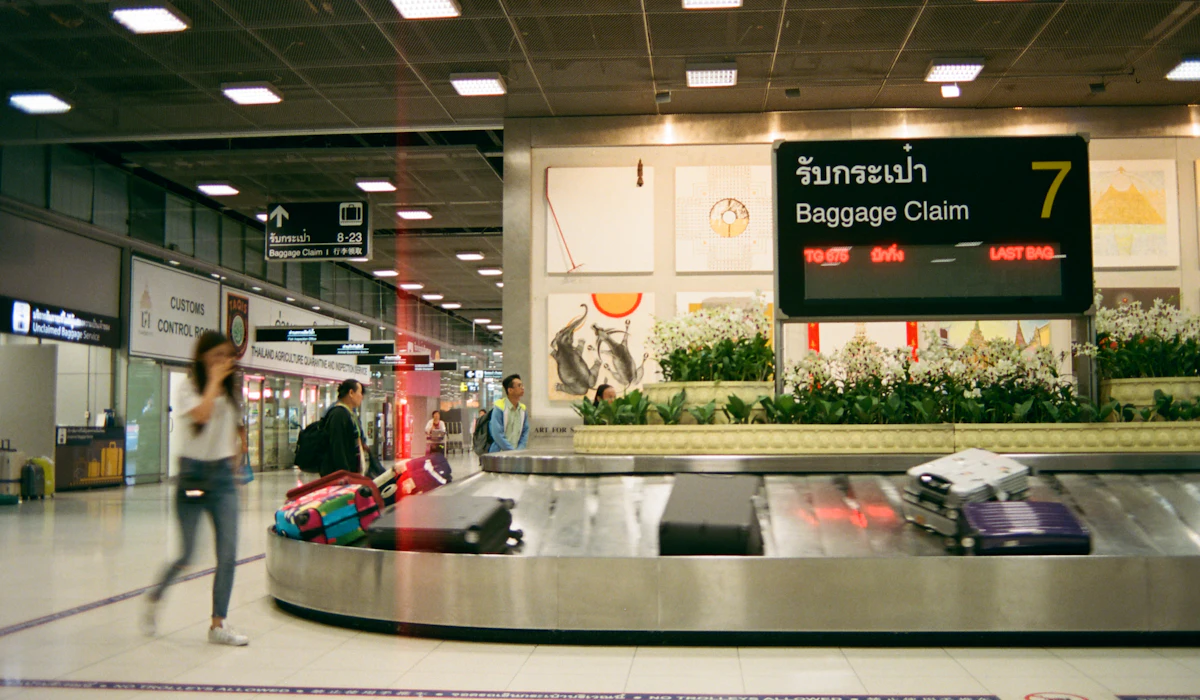
The small receipt stuck to a boarding pass or handed over at check-in contains the bag tag number. That number is an important reference for tracing a missing suitcase through airline systems.
Travelers who toss the receipt or lose it in a pocket make the airline search harder. Taking a photo of the receipt as soon as it is handed over is a simple backup.
Many airline apps now display bag tag numbers as well, but a picture never hurts. Having the number ready can make a missing-bag report faster and more accurate.
No Photos of the Bag or Its Contents

A missing bag report asks for a description, and vague answers such as a black suitcase do not help much. Travelers who photograph their bag and its contents before departure can show staff exactly what to look for.
Photos also help with compensation claims if the bag is permanently lost. Brand names, colors and distinctive features all matter.
A few quick pictures on a phone take seconds and can make a big difference when describing a bag to an overworked agent at midnight. The same photos can serve as a useful record for insurance or baggage claims.
Skipping a Tracking Device
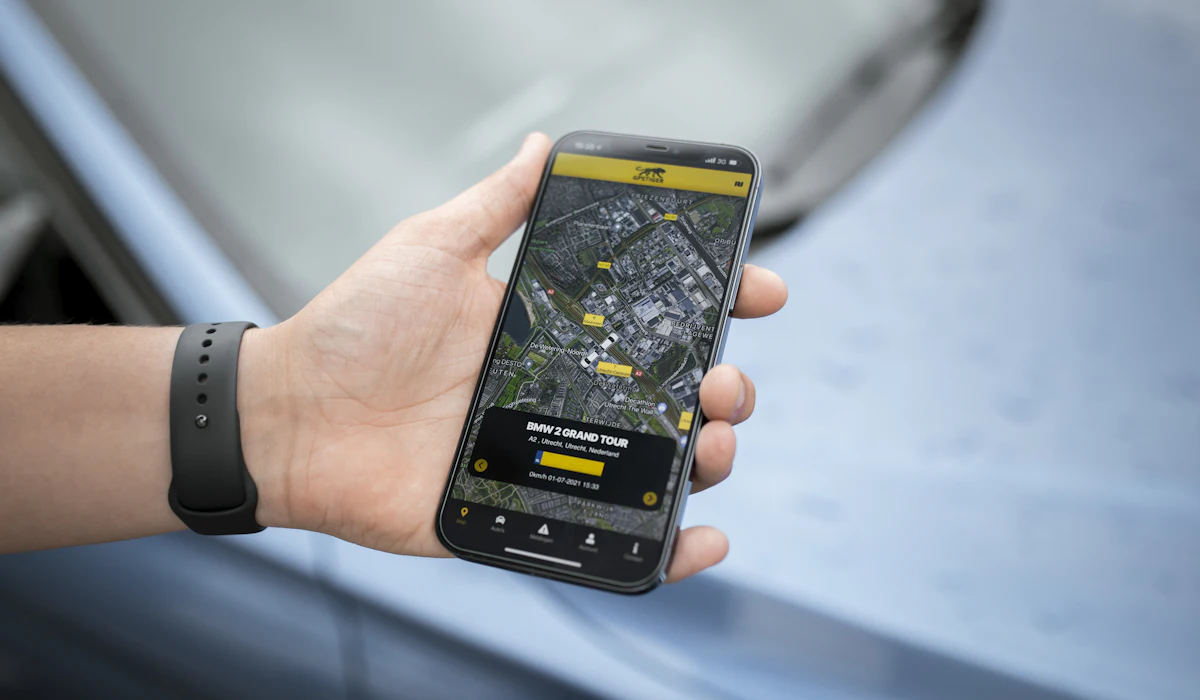
Personal luggage trackers, such as Apple AirTags, have changed how travelers find delayed bags. In 2024, SITA integrated Apple’s Share Item Location feature into WorldTracer, allowing passengers to share a tracker’s location directly with participating airlines.
Tracker-sharing capabilities have since expanded, including support for other compatible devices and platforms. Trackers do not prevent mistakes, but they can help airlines and passengers locate a delayed bag faster.
A small device tucked inside a suitcase adds useful peace of mind, especially on itineraries with several connections.
Ignoring Airline App Bag Tracking

Many airlines now offer bag tracking in their apps, showing when a suitcase is loaded, transferred, and unloaded. Delta began using RFID bag tags across its network in 2016, and other carriers have expanded similar systems.
Travelers who check the app can spot a problem early, such as a bag that did not board a connecting flight. Contacting an airline agent promptly when the tracking information looks wrong can help start the tracing process sooner.
The information is often free and easy to access, yet many passengers never open it until something has already gone wrong.
Forgetting to Recheck After U.S. Customs

International travelers arriving in the United States will generally need to collect checked bags at their first U.S. airport, clear customs, and then follow the airport’s instructions for transferring the bags to a connecting flight. At many airports, bags are dropped at a designated recheck point after customs; at others, the process varies depending on the terminal and airline.
Travelers who walk past the recheck area can leave their bags behind. Signs and staff usually point the way, but a long line or tight connection can confuse.
Following the airport’s baggage-transfer instructions is essential when making a domestic connection after an international arrival.
Losing Track of Gate-Checked Bags
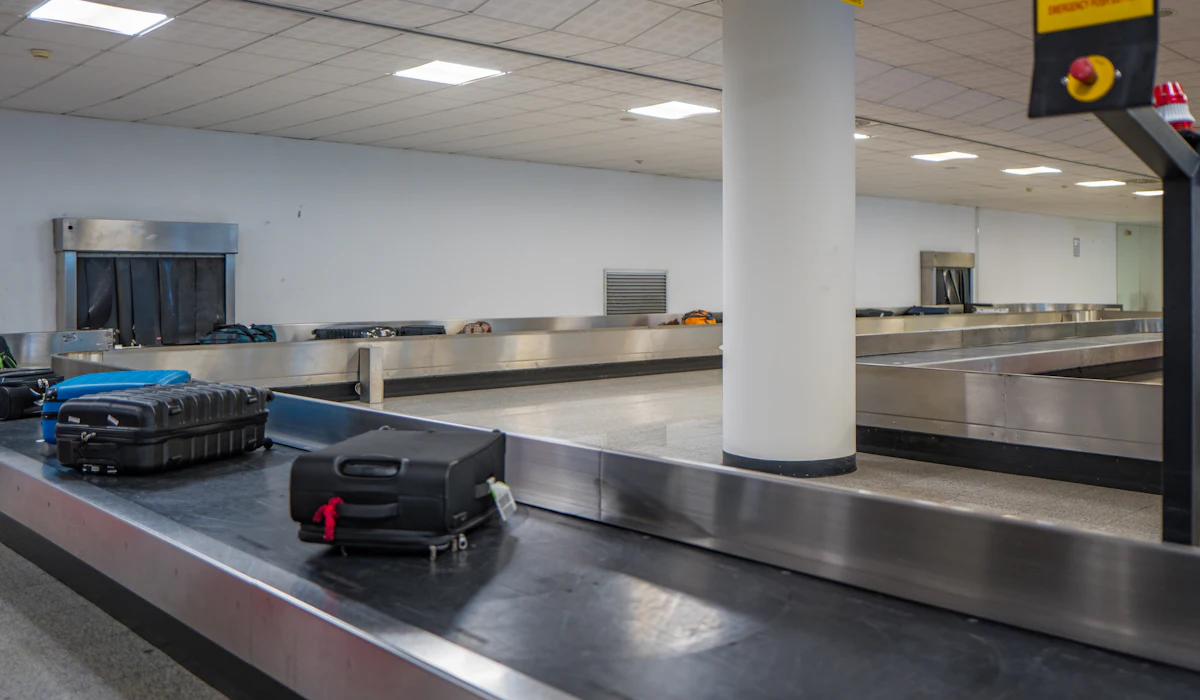
Carry-on bags checked at the gate on full flights receive a separate tag, and travelers often ignore the small receipt that comes with it. On regional jets, gate-checked bags are often returned on the jet bridge, while on larger aircraft they may go to the main carousel.
The exact procedure varies by airline, aircraft, and airport. Asking the gate agent where the bag will be returned avoids that confusion.
Keeping the receipt helps if the bag goes missing. Valuables and medications should come out of the bag before it leaves the gate.
Dropping Oversized Items in the Wrong Place

Strollers, car seats, golf bags, skis, and other oversized items may need to be dropped off at a separate oversized baggage area after check-in. Travelers who leave them at the regular belt can see them delayed or misrouted.
On arrival, these items often come out at a separate oversized area rather than the main carousel. Signs are not always clear, and tired travelers often miss them.
Asking an agent where to drop and collect oversized items can save a long search. Families traveling with strollers often find the wait at the oversize door is longer than at the carousel.
Flying on Weight-Restricted Regional Flights
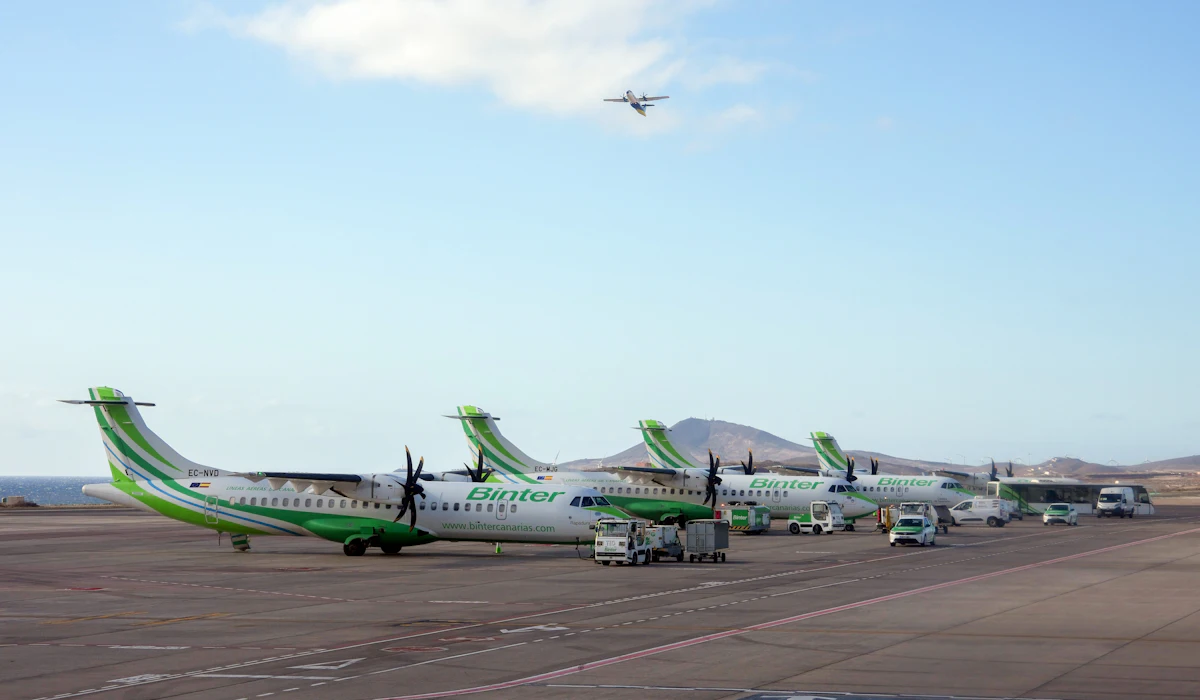
Smaller regional aircraft can face weight restrictions on hot days, at high-altitude airports or when strong headwinds require extra fuel. Airlines sometimes leave checked bags behind to keep the plane within limits, sending them on a later flight.
Passengers often learn this only when the bag fails to appear. Some airlines announce weight restrictions at the gate.
Travelers flying regional routes in summer heat or to mountain airports should pack essentials in their carry-on in case their checked bag arrives later. High-elevation airports and hot-weather operations can create challenging payload conditions, although restrictions depend on the aircraft, weather, and airline’s operating requirements.
Booking the Last Connection of the Day

A connection on the last flight of the day leaves no backup if a bag misses the transfer. The bag will wait until the next morning at the earliest, and the passenger may arrive at a hotel without clothes or medications.
Travelers with checked bags often avoid the final connection when they can. If a late connection is unavoidable, packing a change of clothes and essentials in a carry-on helps.
Planning for a delay is easier than scrambling after one. Morning connections give both passenger and suitcase more opportunities to recover from a disruption.
Changing Flights Without Moving the Bag

Travelers who switch to an earlier flight, volunteer to give up a seat, or rebook after a delay sometimes assume their checked bag will follow automatically. A checked bag may remain on its original routing unless the airline successfully retags or reroutes it.
Passengers should ask the agent to confirm what will happen to the bag and whether a new tag is required. The same caution applies to volunteering for compensation on oversold flights.
A bag that flies on a different plane can arrive separately from its owner. A fresh bag tag receipt is useful proof that the change went through.
Missing the Deadline for Delayed Bag Claims

Under the Montreal Convention, which governs many international flights, passengers may have 21 days after receiving a delayed bag to make a written complaint for certain claims. If a bag has not arrived within 21 days, it is generally treated as lost under the Convention.
Domestic rules and airline policies vary, and passengers should check the applicable carrier’s deadlines. Travelers who wait too long risk losing compensation.
Keeping receipts for essentials bought while waiting for a bag strengthens a claim. Filing promptly and in writing creates a clear record.
Credit cards and travel insurance policies may also cover delayed-bag expenses, but they set their own deadlines.
Mistakes at the Self-Tagging Kiosk

Self-service bag tagging is now common at many airports, and it shifts responsibility for attaching tags onto passengers. A tag wrapped loosely around a handle, stuck to itself incorrectly, or attached to a detachable strap can fall off in the system.
Airlines usually provide instructions on screen or on signs near the kiosk. Following them carefully, and asking an agent for help when unsure, avoids problems.
A bag without a tag is one of the hardest to trace. Agents at the bag drop can also check that the tag reads correctly before the bag goes down the belt.
Checking In and Then Missing Boarding
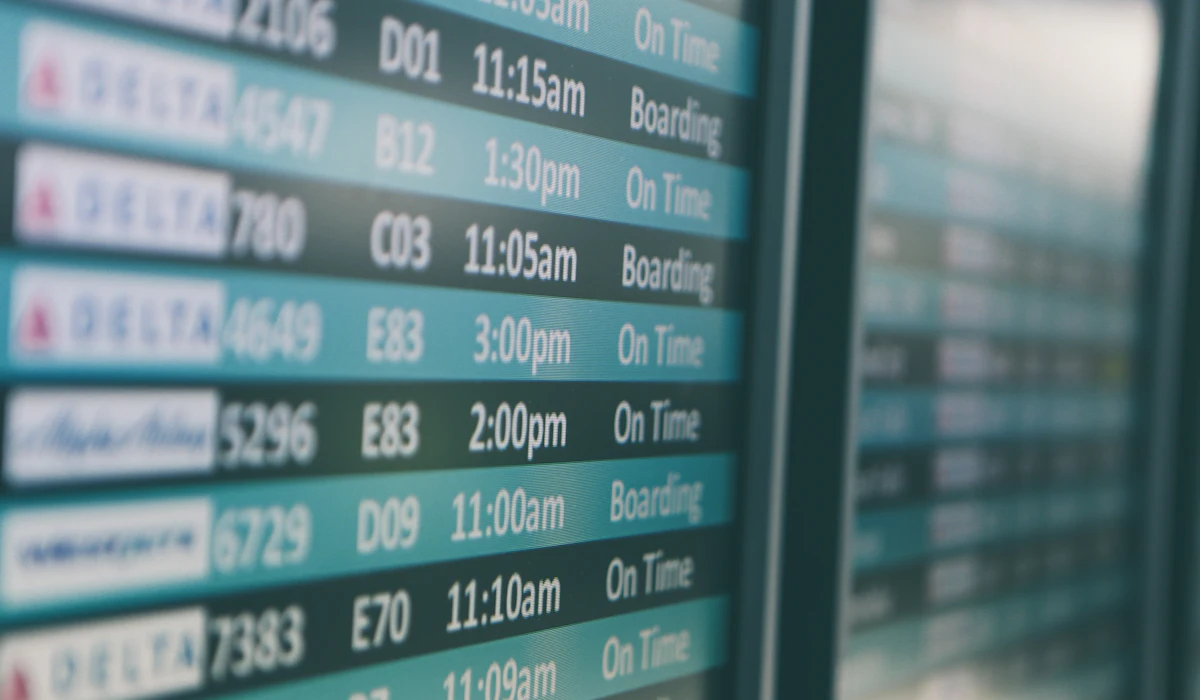
On many international flights, airlines may use passenger-bag reconciliation procedures, meaning a checked bag can be removed or held if its owner does not board. Travelers who check a bag and then miss the flight may find their suitcase held at the departure airport rather than sent to the destination.
The bag might be stored, rerouted, or delayed while the airline sorts out the situation. Contacting the airline immediately after missing a flight helps keep track of the bag.
Passengers should not assume the bag will continue without them.
Bags Travel on Paperwork
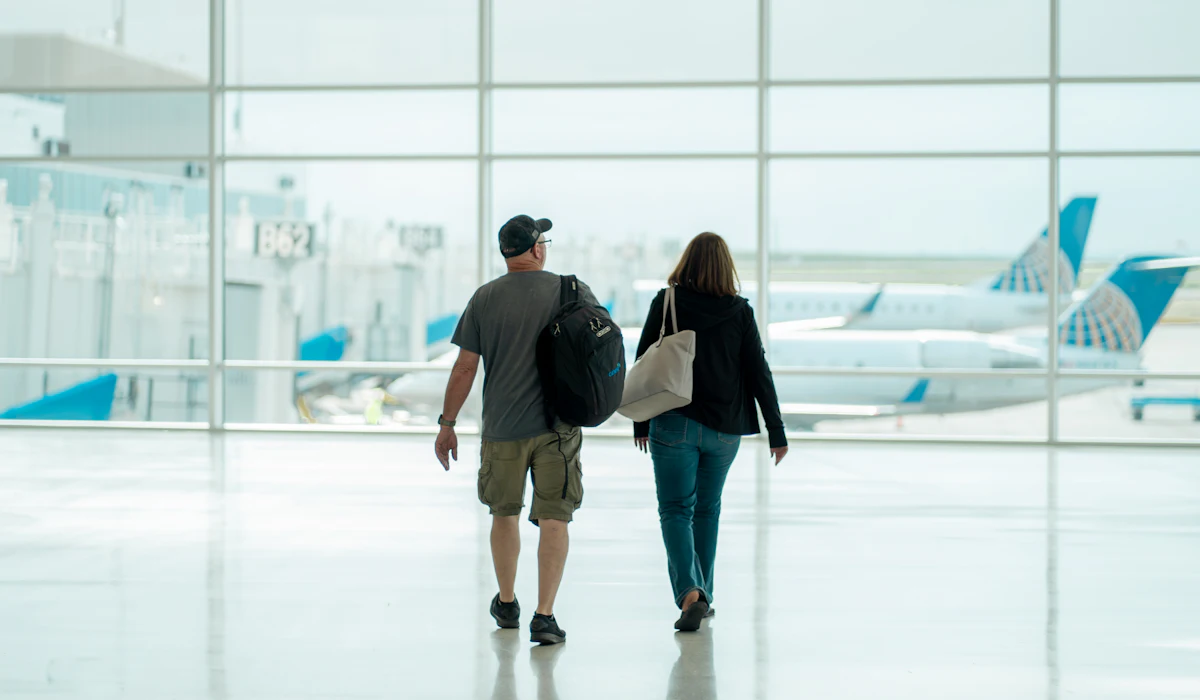
A suitcase cannot ask for directions. It moves through an airport entirely on the strength of a barcode, a three-letter code and a chain of scans, and any weak link can send it astray.
Most of the habits that protect a bag are about keeping that chain clean.
Airlines and airports are investing heavily in tracking technology, and mishandling rates are falling. Travelers still control a handful of small decisions at the counter and the carousel.
Those decisions rarely take more than a minute, which is a small price for seeing the same bag at both ends of the trip.
More from Travel Pug

- Underrated Italian Towns That Beat the Tourist Crowds
- Las Vegas Tourist Traps to Skip
- Prettiest Towns in Every US State
- 18 passport-free countries for Americans
- Signs Your Cruise Is Not Worth The Cost
Like Travel Pug’s content? Follow us on MSN.