

On embarkation day, checked luggage disappears with a porter at the terminal curb and may not reach the cabin until dinner. Everything needed for the first afternoon, and anything too precious to lose, has to travel in a carry-on bag.
Repeat cruisers pack that bag with a precision that first-timers rarely match. Some items are about comfort, some are about cruise line rules and a few only make sense after a sailing or two.
Swimsuit Ready For The First Afternoon
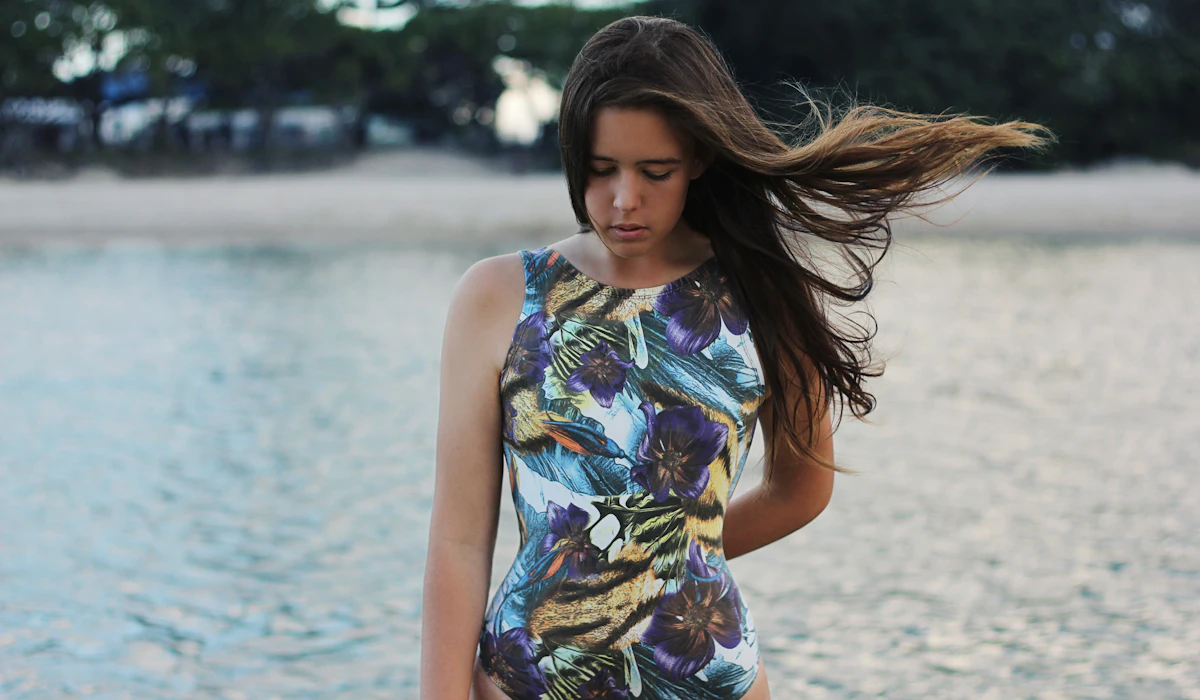
Cabins on most big ships are not ready until early afternoon, yet pool areas may be available before cabins are ready. Repeat cruisers pack a swimsuit, flip-flops and a cover-up at the top of their carry-on so they can change in a public restroom and head straight to the deck.
The first afternoon can be a good time to use the pool before the ship settles into its regular routine, although crowds vary by sailing. Checked luggage might not arrive until evening.
Those who pack swimwear in a suitcase spend the sunniest hours of day one watching other people swim.
Reef-Safe Sunscreen
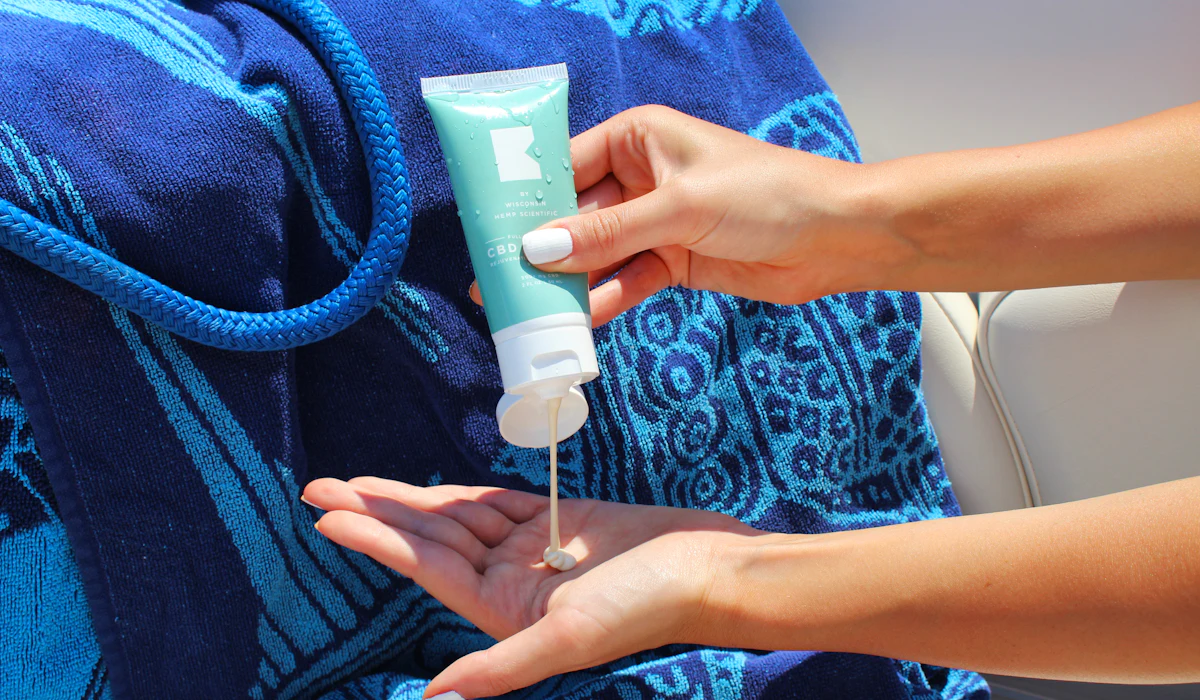
Sunscreen belongs in the carry-on because the strongest sun of the voyage can hit on the first sea day or in the first port. Many repeat cruisers choose mineral formulas, since Hawaii has prohibited the sale and distribution of sunscreens containing oxybenzone or octinoxate without a prescription since 2021.
Some tour operators in Mexico and the Caribbean ask snorkelers to use reef-conscious products in protected areas as well. Onboard shops sell sunscreen, usually at resort prices.
Packing a full bottle avoids paying extra and keeps the first afternoon from ending with a painful burn.
Prescription Medications In Original Containers

Experienced cruisers never put prescription medications in checked luggage. Bags occasionally get delayed or misdirected, and a missing medication can derail an entire trip.
Keeping prescriptions in their original labeled containers also helps if customs officials in a port ask questions. Many travelers bring a few extra days’ supply in case of travel delays or an unplanned change in the itinerary.
The ship’s medical center can help in emergencies, but it may not stock a specific medication and visits are billed separately from the fare.
Passports And Cruise Documents
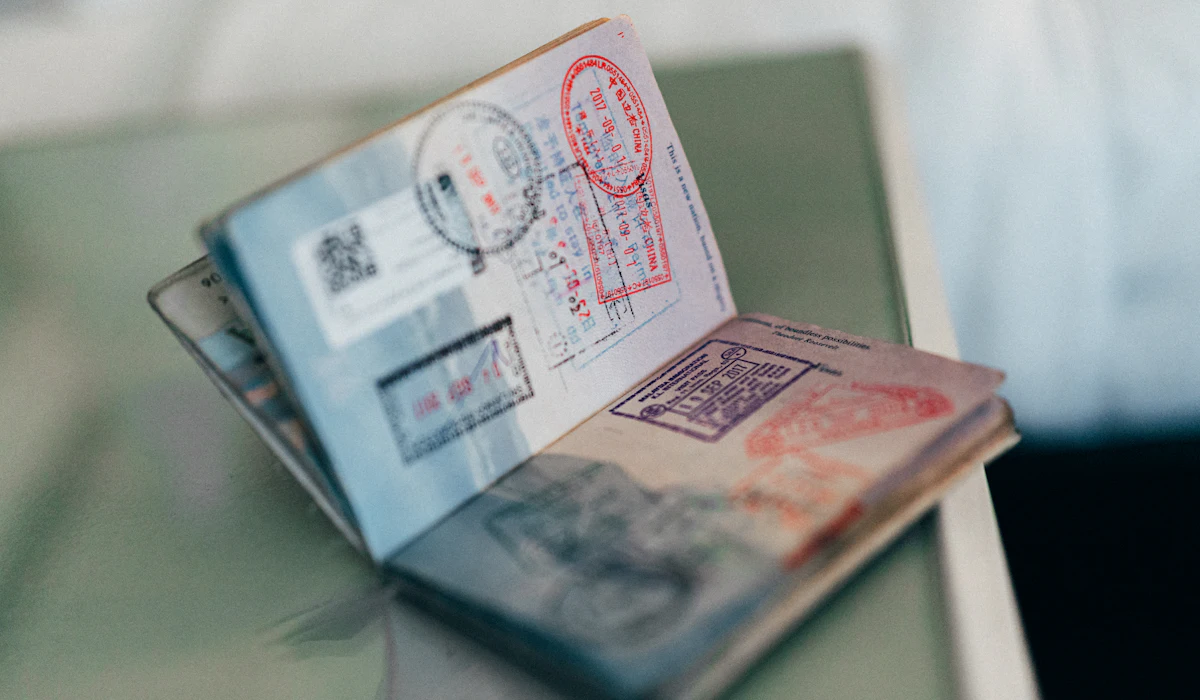
Passports, boarding documents and identification belong in a carry-on so they remain accessible throughout the journey. Many repeat cruisers sail with passports even on closed-loop itineraries from U.S. ports, where certain travelers may be able to use a certified birth certificate and government-issued photo ID instead, depending on the itinerary and citizenship, because a passport makes flying home far easier if someone has to leave the ship early in a foreign port.
A folder or zip pouch keeps everything together. Copies saved on a phone and a printed backup add an extra layer of security.
Losing these items before boarding can end a vacation before it begins.
Bottle Or Two Of Wine
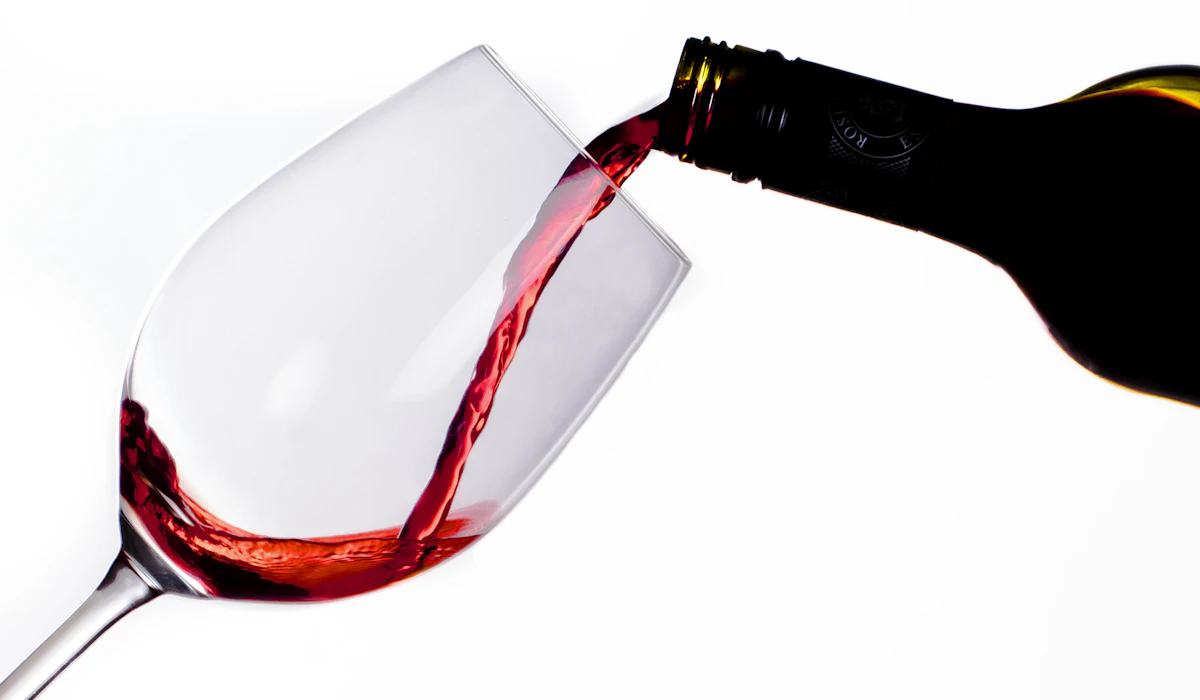
Most cruise lines allow passengers to bring a limited amount of wine aboard and require it to be hand-carried rather than packed in checked bags. Carnival allows each guest 21 or older one 750 ml bottle of wine or champagne, while Royal Caribbean allows one 750 ml bottle per drinking-age guest.
Celebrity also allows one 750 ml bottle per drinking-age guest. Drinking it in the cabin is usually free, though corkage fees often apply in dining rooms and bars.
Hard liquor and beer are typically prohibited. Repeat cruisers who enjoy wine with dinner find this rule one of the easiest ways to save money aboard.
Cans Of Soda Or Sparkling Water
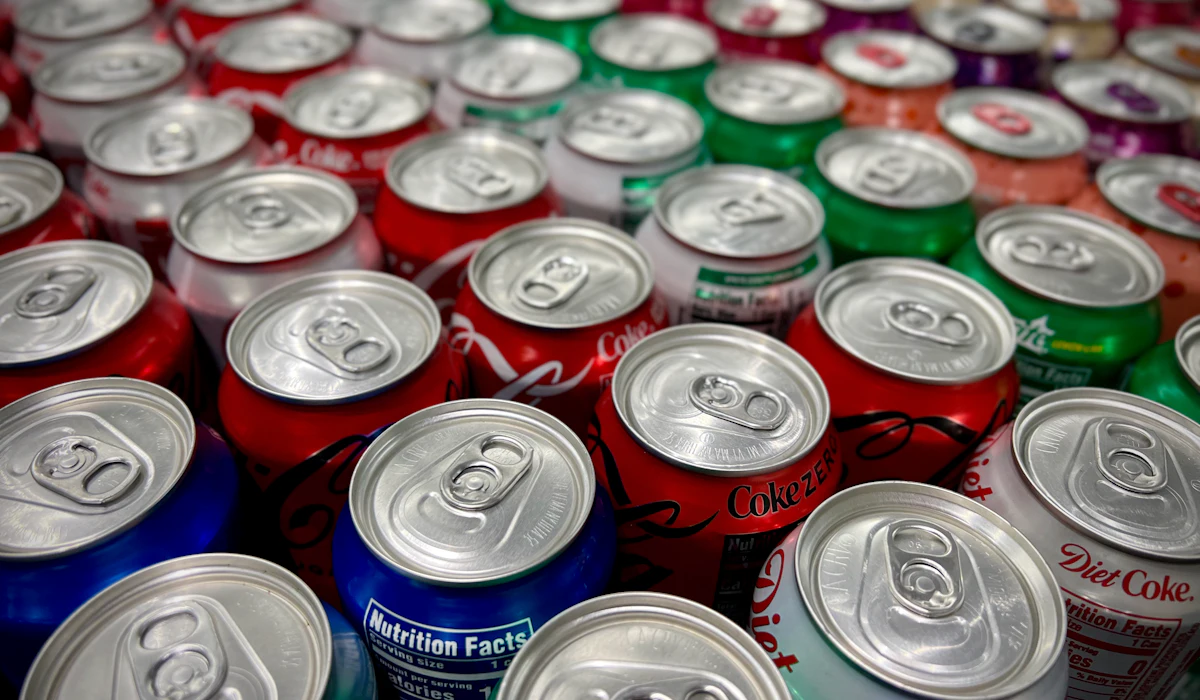
Carnival allows each guest to bring up to 12 sealed cans or cartons of non-alcoholic drinks, each 12 ounces or smaller, and Royal Caribbean permits up to 12 sealed containers of 17 ounces or less per stateroom. Soda is not included in the basic fare on many lines, so these small packs can save real money.
Carnival does not allow bottled drinks under that rule, only cans and cartons. Policies change, so repeat cruisers check the latest rules before packing.
A few cans of a favorite drink chilled in the cabin fridge add a small comfort to the voyage.
Non-Surge Power Strip Where Allowed
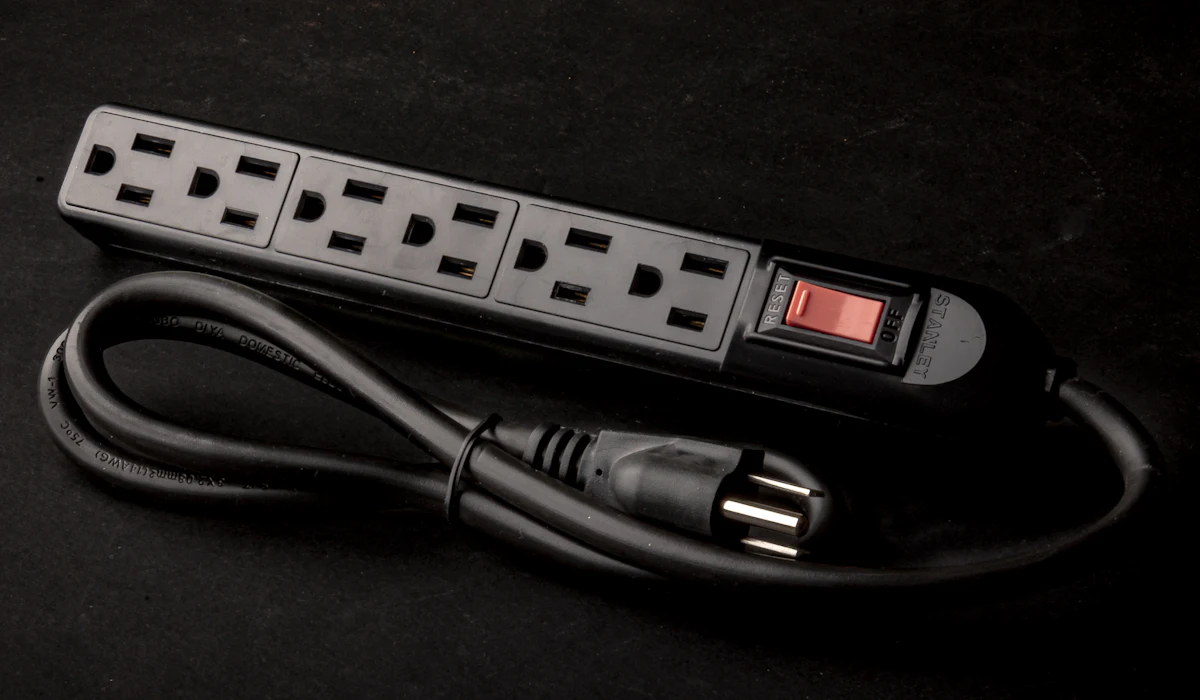
Cabins on older ships often have only one or two outlets near the desk, which is not enough for phones, cameras, watches and tablets. Repeat cruisers bring a power strip, but it has to be the right kind.
Cruise-line rules differ significantly: some lines allow non-surge power strips while others prohibit power strips and extension cords altogether. Packing a cruise-approved USB charging hub or other permitted charging device is often the safer choice.
Always check the specific line’s current electrical-device policy before putting one in the carry-on.
Magnetic Hooks
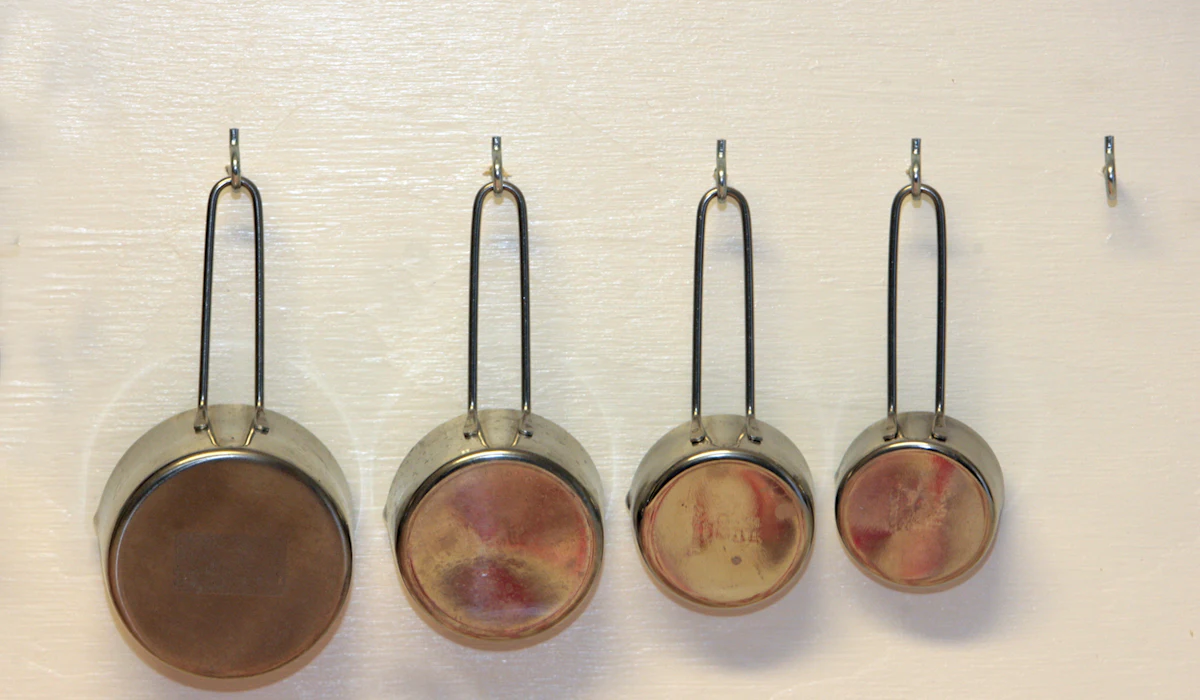
Cruise ship cabin walls and ceilings are usually made of steel, which means magnets can stick to many cabin surfaces. Repeat cruisers bring strong magnetic hooks to hang hats, lanyards, bags and damp swimsuits.
Cabins are compact, so extra hanging space makes a real difference over a week. Some passengers also use magnetic clips to post daily schedules or excursion tickets on the wall.
Hooks are inexpensive and weigh almost nothing. They tend to become one of the most useful items in the cabin within hours of arrival.
Over-The-Door Shoe Organizer
Hung over the bathroom or cabin door, a clear plastic shoe organizer becomes extra storage for small items. Sunscreen, toiletries, chargers, snacks and sunglasses all fit neatly in the pockets.
Cabin storage is limited and countertops fill quickly when two or more people share a room. Organizers fold flat in a carry-on and can be hung within minutes.
Repeat cruisers say they make it easier to find items quickly in a small space. Check the cruise line’s rules before using one, since some lines require over-door organizers to meet fire-safety requirements.
Lanyard For The Cabin Card
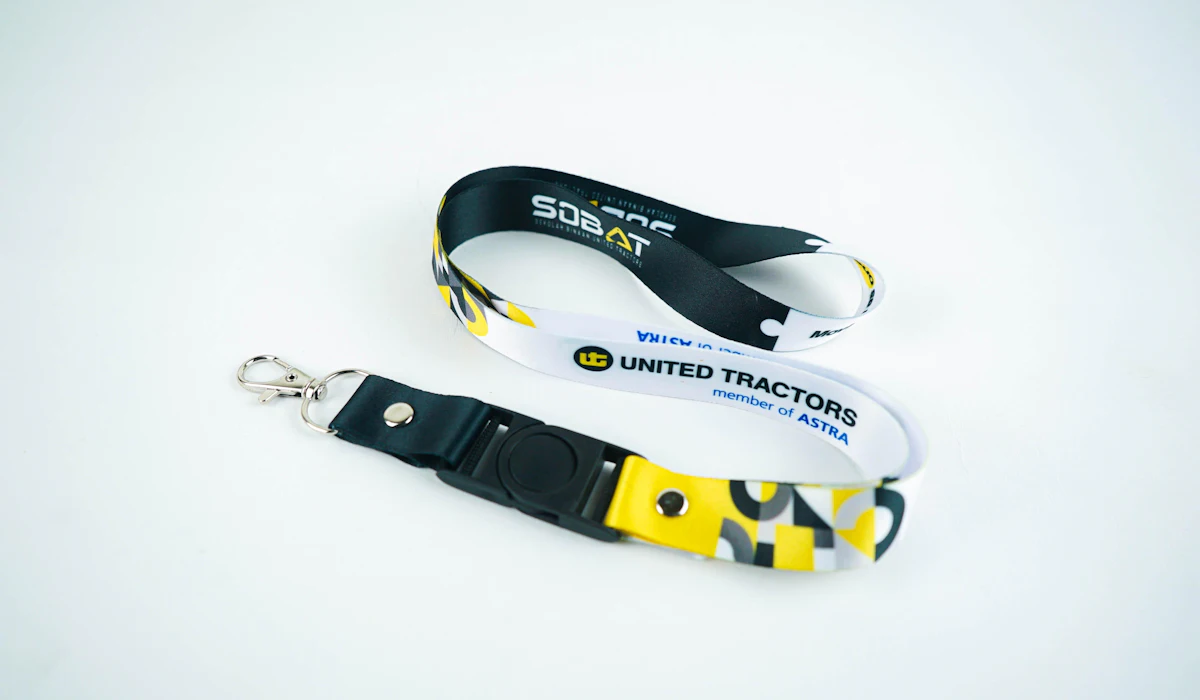
Cruise cards serve as room keys, payment cards and identification on most ships. Losing one can mean a trip to guest services and a temporary hassle.
Repeat cruisers bring a lanyard or retractable holder so the card stays on hand during pool days and port stops. Some lines sell lanyards aboard, but bringing one from home is cheaper.
Princess Cruises uses Medallion wearable devices on its ships, and lanyards or clips work with those as well. A card that is always within reach speeds up access and boarding at some points during the cruise.
Insulated Tumbler
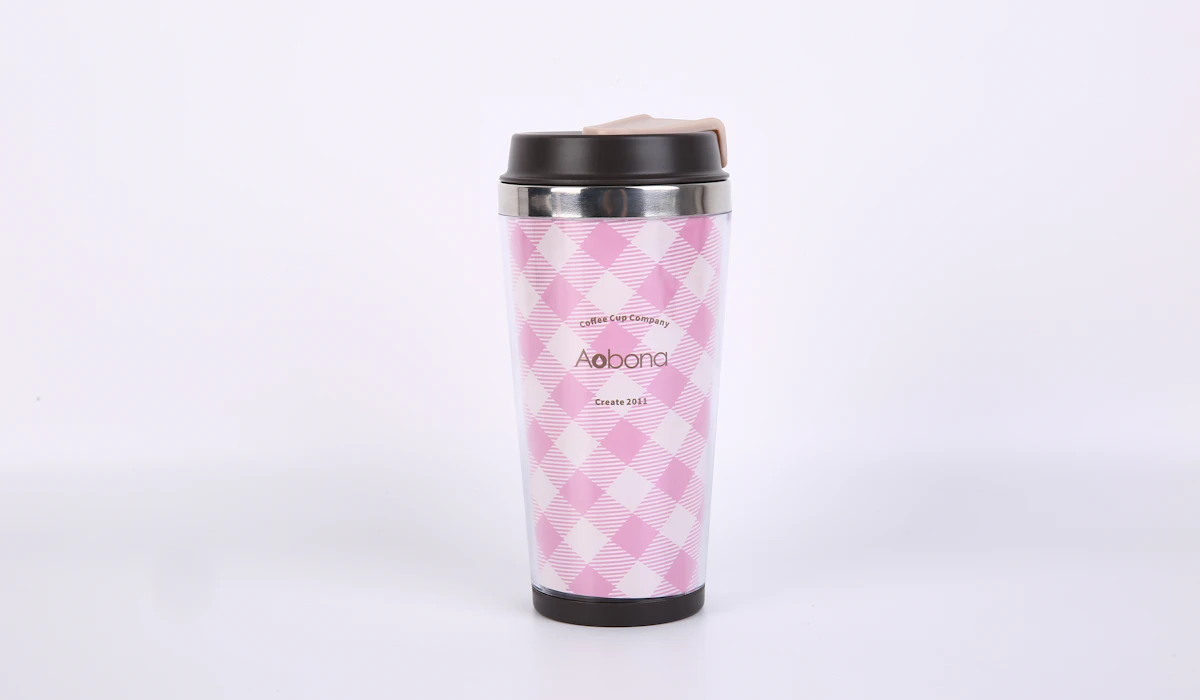
Repeat cruisers often bring an insulated tumbler or reusable water bottle to keep drinks cold on deck. Self-serve water and iced tea stations are usually free and a tumbler means fewer trips back for refills.
Some bars and beverage stations may refill personal containers, although hygiene procedures can require crew members to pour the drink into the personal cup rather than letting the container touch the dispenser. Lids also prevent spills on busy pool decks.
A reusable bottle reduces plastic waste on shore days as well. Most lines allow empty containers in carry-on bags subject to their current policies.
Glass bottles are a different story, so metal or plastic is the safer pick.
Motion Sickness Remedies
Even on large ships, some passengers feel queasy in rough seas. Repeat cruisers pack motion sickness remedies such as meclizine, ginger chews or acupressure wristbands before they need them.
Guest services and the medical center may have some motion-sickness products, but supplies vary and doctor visits cost extra. Taking medication before symptoms appear can be more effective than waiting until symptoms are severe.
Choosing a cabin on a lower deck near the middle of the ship can also reduce motion. Packing a remedy in a carry-on ensures it is available on the first night at sea.
Plug-In Or Battery Night Light
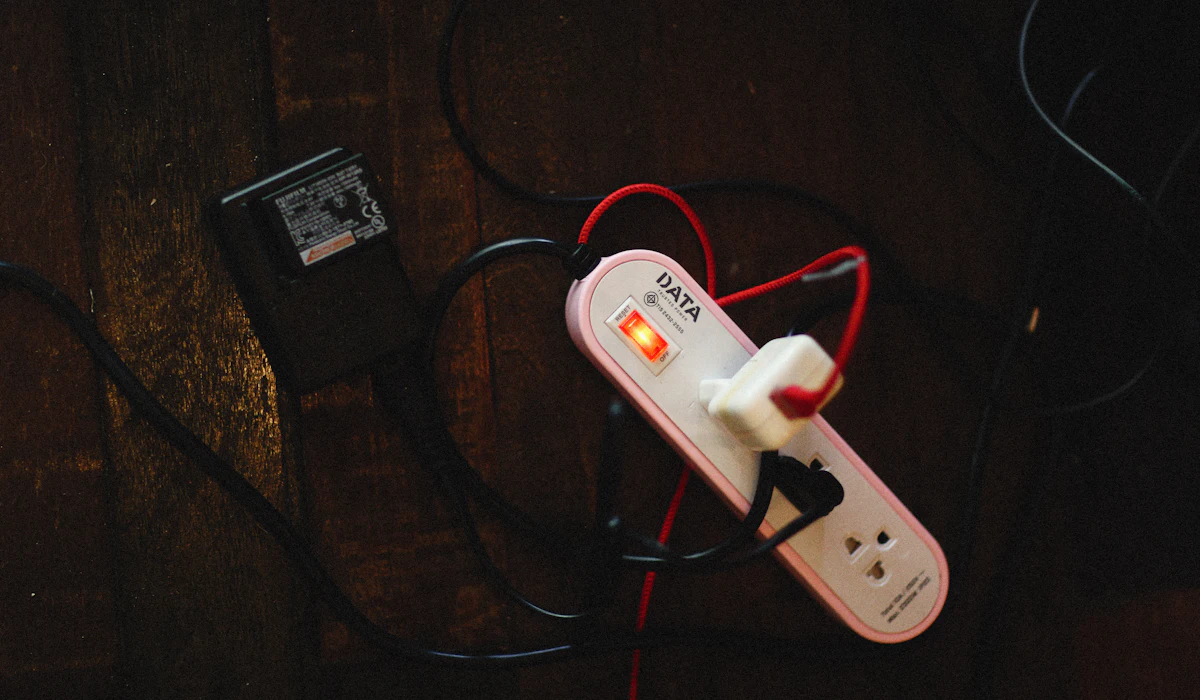
Inside cabins have no windows and when the lights go out they can be completely dark. A small night light helps passengers find the bathroom without tripping over luggage or waking others.
Repeat cruisers often bring battery-powered motion sensor lights or approved plug-in versions that use little power. Some prefer leaving the bathroom light on with the door cracked, but that can disturb sleep.
A tiny light takes up almost no space in a carry-on. It makes nights far easier in a small, unfamiliar room, especially for children waking up in a new place.
Small Bills For Tips

Porters at the cruise terminal handle checked bags and are customarily tipped, often a few dollars per bag. Small bills also come in handy for tour guides, taxi drivers and quick purchases in port.
Many ports accept U.S. dollars, though change may come in local currency. Many cruise lines use cashless onboard accounts, so passengers sometimes forget to bring cash at all.
Repeat cruisers keep a stack of ones and fives in a carry-on to avoid scrambling at the curb. Having small bills ready makes boarding smoother and saves an awkward search for an ATM at the terminal.
Pen For Forms And Puzzles

Pens sound like a minor item, but cruisers may need one for forms, waivers, notes or puzzles during the trip. Pens disappear quickly at guest services desks and tour desks.
Repeat cruisers keep one or two in a carry-on, along with a small notebook for jotting down show times or cabin numbers of new friends. Puzzle fans also use them for crosswords and trivia sheets handed out aboard.
It is a tiny item that solves a surprising number of small problems, from signing a form or receipt to filling in a customs declaration before arriving home.
Zip-Top Plastic Bags

Gallon- and quart-size zip-top bags are a staple of experienced cruisers. They protect phones from sand and water on beach days, hold wet swimsuits after the pool and keep snacks fresh.
Bags also help separate medications and liquids during airport security screening before the cruise. They fold flat, weigh almost nothing and serve dozens of purposes.
Repeat cruisers often bring more than they think they will need. By the end of the voyage, most of them have been used at least once, often for damp clothes on the final packing night.
Waterproof Phone Pouch
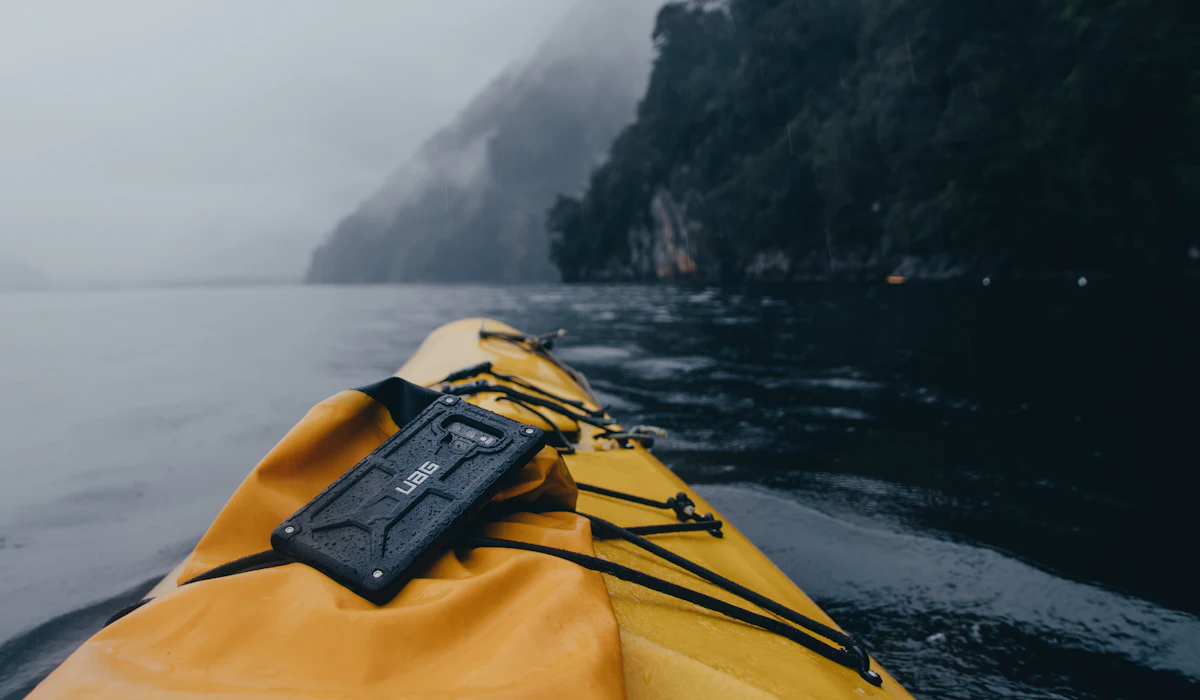
Waterproof phone pouches let passengers take photos at the pool, on a beach or during water excursions without risking damage. Many pouches allow touchscreen use through the plastic and some are designed to float if dropped.
Repeat cruisers wear them on lanyards during snorkeling trips or kayaking tours. Saltwater and sand can ruin phones quickly.
Pouches are inexpensive, especially compared with replacing a phone in a foreign port. They also protect credit cards and cash during wet activities.
On tender rides to shore, spray from the boat can soak anything left in an open bag.
Collapsible Beach Tote
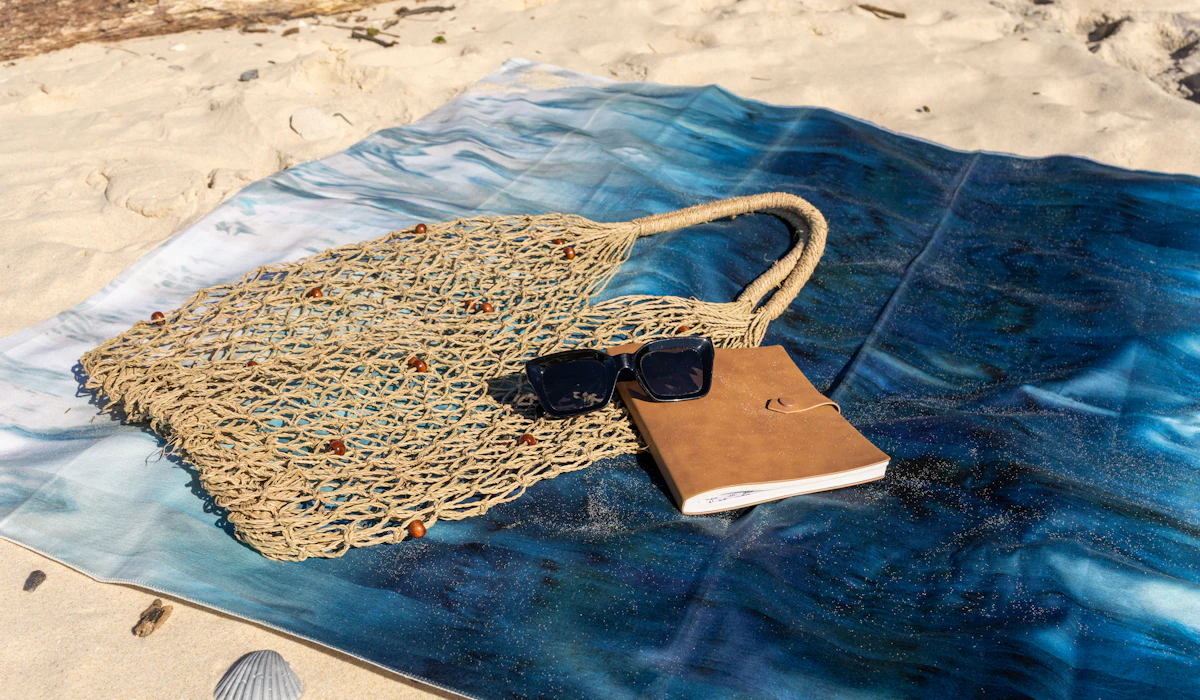
Foldable tote bags fit easily in a carry-on and become useful the moment passengers board. One carries towels, sunscreen, books and water to the pool deck or beach.
On port days, it holds souvenirs and snacks. Many lines provide towels at the pool but not bags to carry them.
Repeat cruisers like totes with zippers or waterproof linings. When not in use, the bag folds back into a pocket of a suitcase.
Many ships lend pool towels for beach days and may charge a fee for towels that are lost or not returned, so a tote also helps keep them together.
Change Of Clothes For Dinner
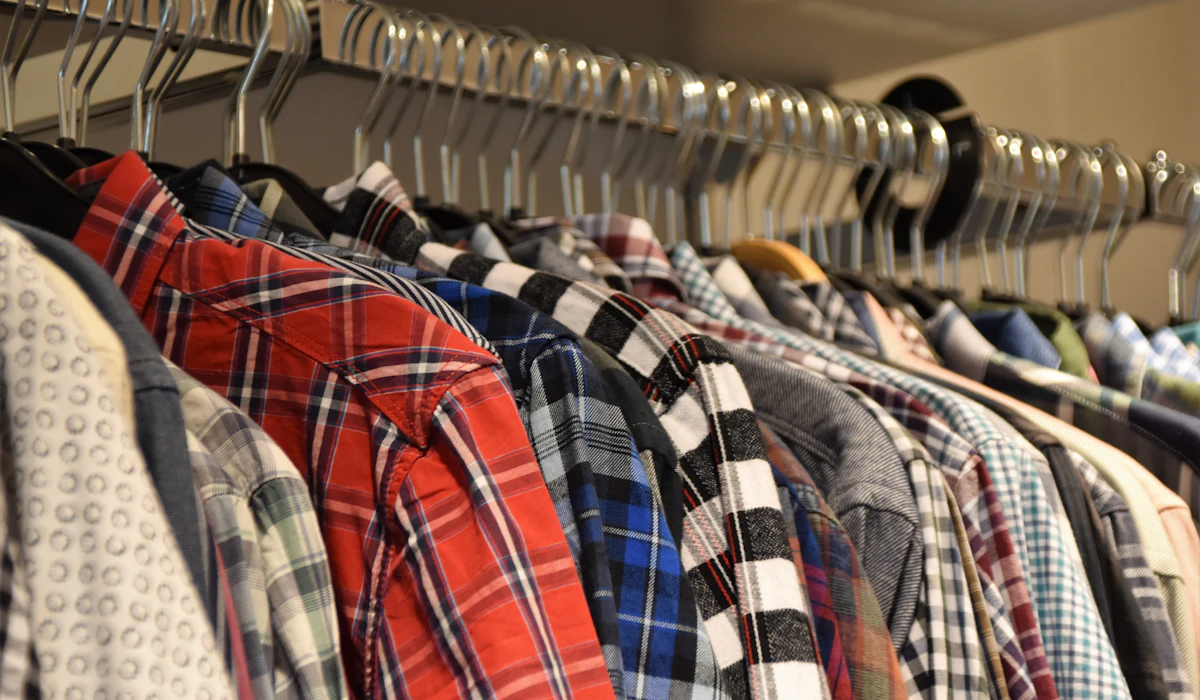
Checked luggage may not arrive until late afternoon or early evening and sometimes even later on busy days. Repeat cruisers pack a change of clothes for dinner in their carry-on so they are ready for the first evening, whether in the main dining room or a specialty restaurant.
Most lines have a relaxed dress code on the first night, although dress expectations vary by line and venue. Comfortable shoes also help.
A fresh outfit makes the first night feel like the vacation has properly begun.
Small First-Aid Kit

Ship shops sell basic first-aid items, but prices can be high and selection limited. Repeat cruisers pack a small kit with bandages, pain relievers, antacids, blister pads and other basic supplies.
Excursions involving hiking or snorkeling can lead to scrapes or cuts. Having supplies on hand means passengers can treat minor problems without a visit to the medical center.
The kit takes up little space in a carry-on. It is especially useful for families with children.
Tweezers can also be useful for splinters or other minor problems.
Soap-And-Water Habits Plus Sanitizer
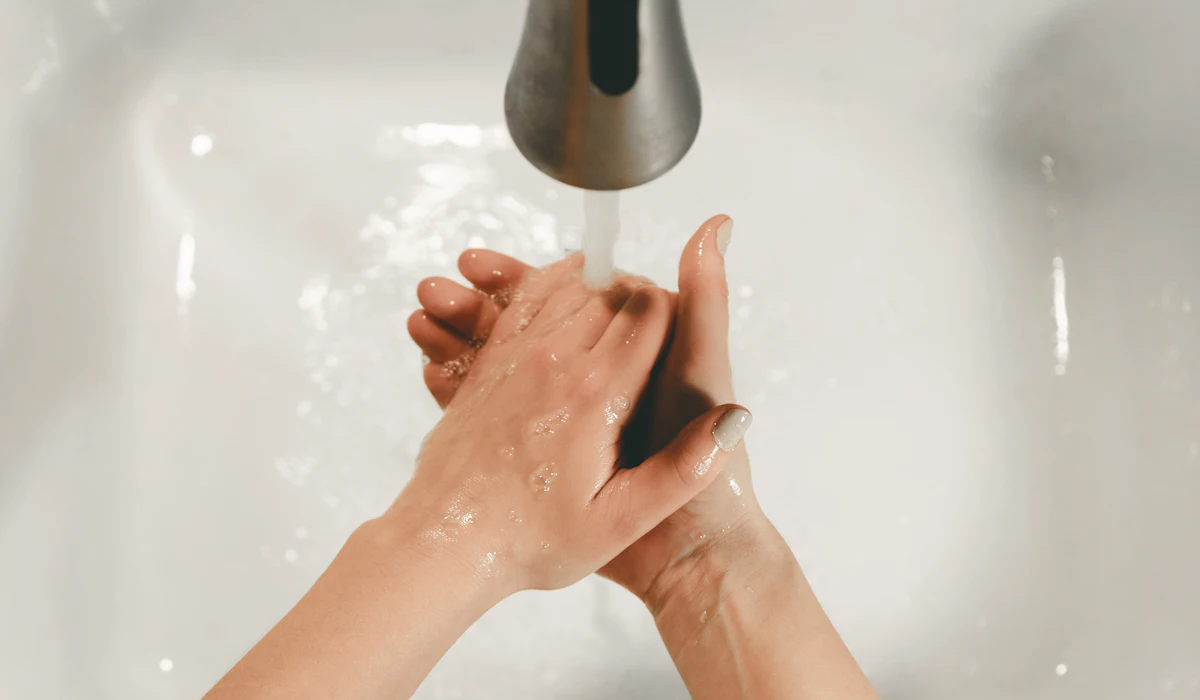
Norovirus outbreaks occasionally affect cruise ships and the Centers for Disease Control and Prevention notes that washing hands with soap and water is more effective against norovirus than alcohol-based sanitizer alone. Repeat cruisers still carry small bottles of sanitizer and wipes for excursions, where sinks may be scarce.
Wipes help with tables, armrests and tour bus seats as well. Many ships station sanitizer dispensers near dining venues.
Combining good handwashing with portable supplies helps keep illness from spoiling a vacation. Crew members often greet passengers at buffet entrances with sanitizer for the same reason.
Binoculars For Wildlife And Scenery

Alaska cruises are famous for whales, eagles and glaciers and binoculars make a big difference. Repeat cruisers on scenic itineraries often bring a compact pair in their carry-on so they are ready for the first sighting from the deck.
Caribbean voyages can also offer dolphins, flying fish and passing ships. Binoculars help when watching sail-aways from distant decks.
Rental pairs are not always available aboard. A lightweight pair costs far less than missing a breaching whale.
Glacier days in Alaska can last hours and binoculars can help passengers spot wildlife and details that are difficult to see with the naked eye.
Multi-Port USB Charger
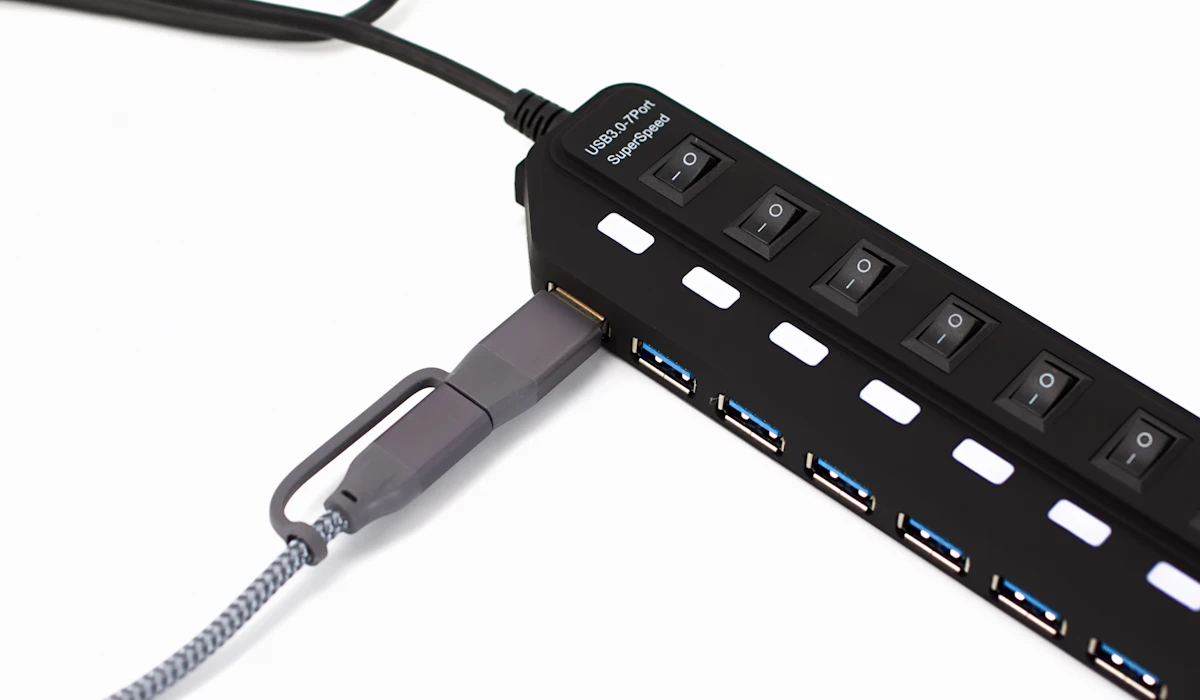
Modern travelers carry phones, smartwatches, tablets and cameras that all need charging. A compact USB charger with several ports lets one outlet power multiple devices at once.
Repeat cruisers often combine it with a cruise-approved charging setup. Some newer ships have USB ports built into cabins, but older vessels may not.
Bringing cables in different lengths helps reach outlets from the bed. Packing chargers in the carry-on ensures devices are ready on the first day.
Phones drain quickly at sea while searching for a cell signal.
Earplugs And A Sleep Mask
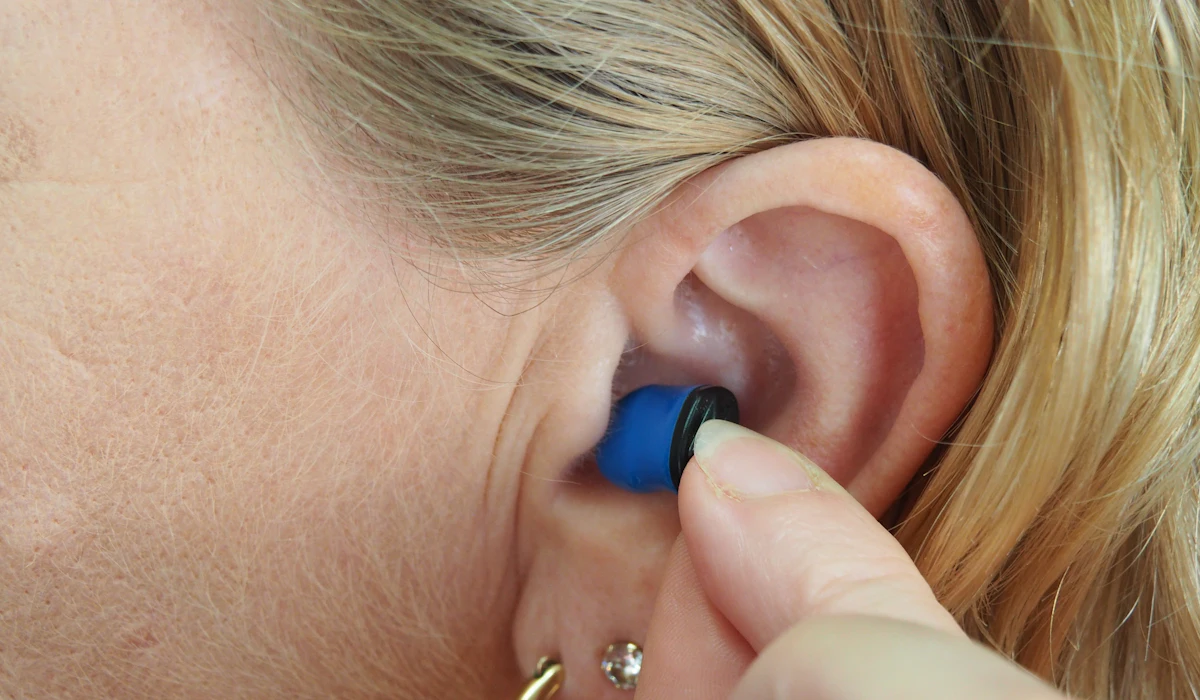
Cruise ships can be surprisingly noisy, with sounds from neighboring cabins, hallways, engines and late-night entertainment. Repeat cruisers pack earplugs and a sleep mask to get better rest.
Cabins near elevators, theaters or nightclubs can be especially loud. Balcony cabins may also let in early morning light.
These items are small, light and cheap. They often make the difference between a restful night and a groggy morning on a busy port day.
Some cabins also hear the anchor chain on tender days, which can create a loud rattle in the early morning.
Wrinkle-Release Spray
Irons and steamers are banned on many cruise ships because of fire risk, and security may confiscate prohibited heating appliances. Repeat cruisers pack a non-aerosol wrinkle-release product where permitted instead, which smooths clothes after a few minutes of hanging.
Hanging outfits in the bathroom during a hot shower also helps. Some lines offer pressing services for a fee.
A travel-size bottle of spray takes up little space in a carry-on. It keeps formal-night outfits looking sharp without breaking any rules.
Rolling clothes rather than folding them also reduces creases and a hanging garment bag helps for formal wear.
Personal Snorkel Mask
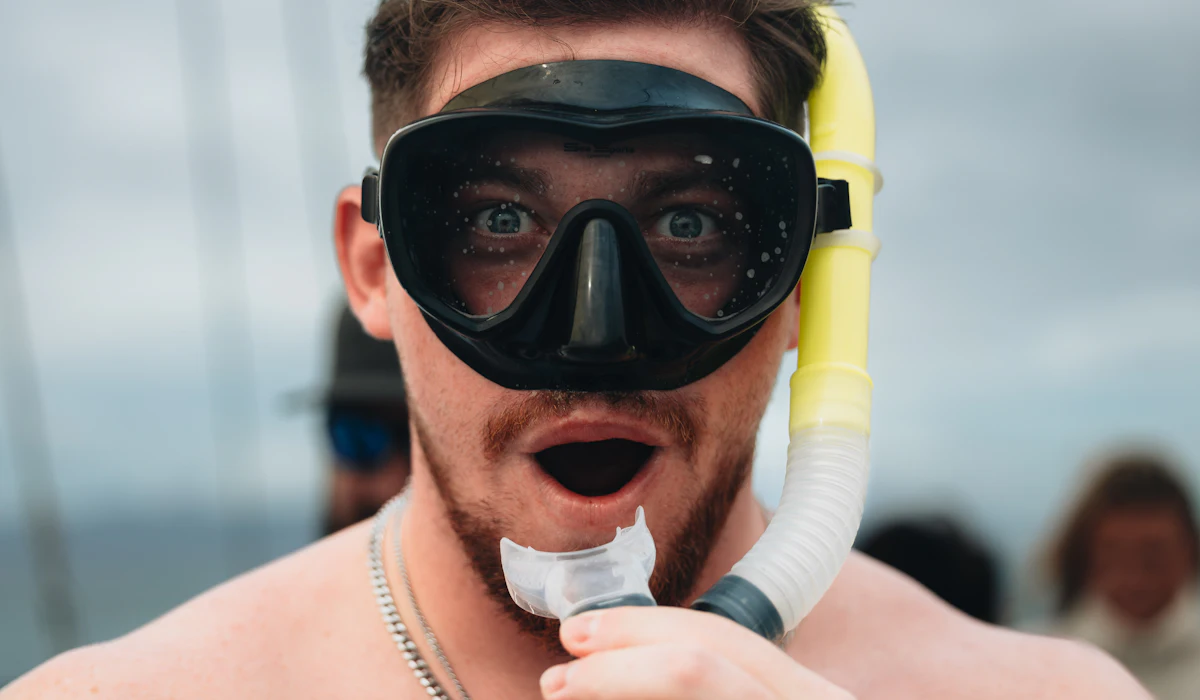
Snorkeling is one of the most popular activities in Caribbean and Pacific ports and many excursions provide gear. Repeat cruisers often prefer their own mask for a proper fit and better hygiene.
A mask that leaks or fogs can spoil a snorkeling trip. Bringing a personal mask and snorkel ensures comfort and familiarity.
Fins are bulkier and often left behind, but masks pack easily. Having gear ready allows passengers to snorkel off beaches without renting equipment.
A commercially made defogging solution can help keep the lens clear.
Small Daypack
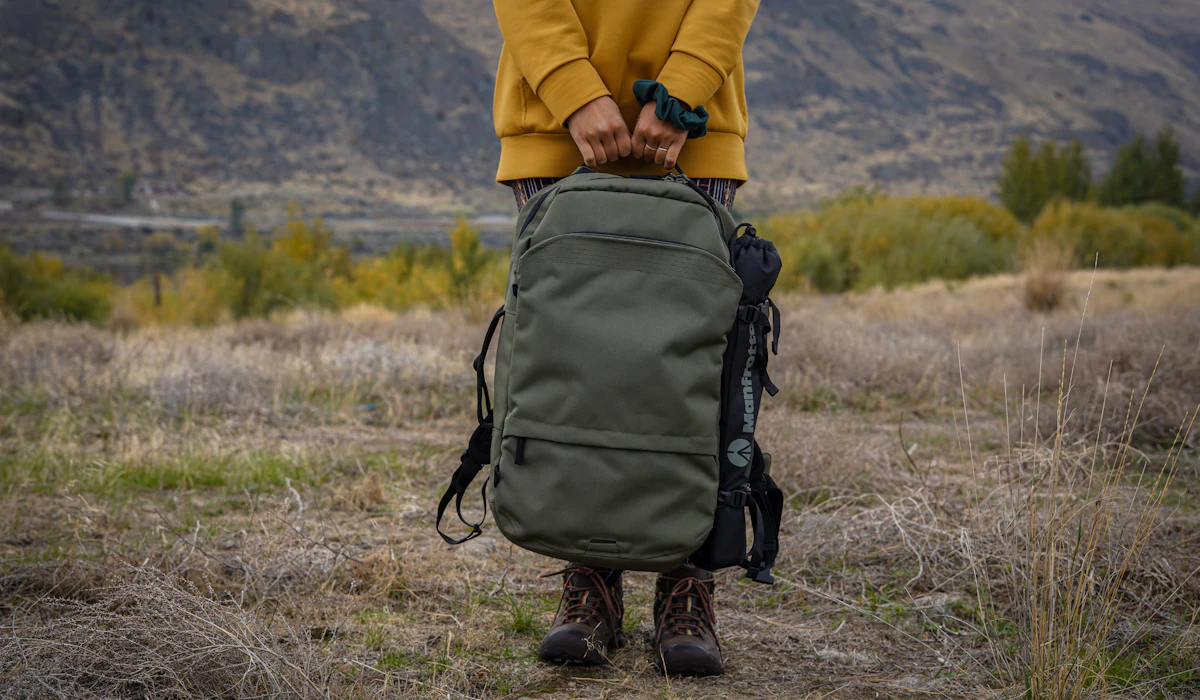
Lightweight daypacks earn their place on port days, carrying water, sunscreen, snacks and souvenirs. Repeat cruisers pack one in their carry-on or use it as their personal item on the flight.
Daypacks also keep hands free for exploring or climbing stairs. Some passengers choose models with anti-theft features for busy ports.
Bags with water bottle pockets are especially handy in hot climates. A good daypack makes shore excursions easier and more comfortable.
It also doubles as a bag for the last morning, when passengers carry everything off the ship themselves.
E-Reader Loaded Before Boarding
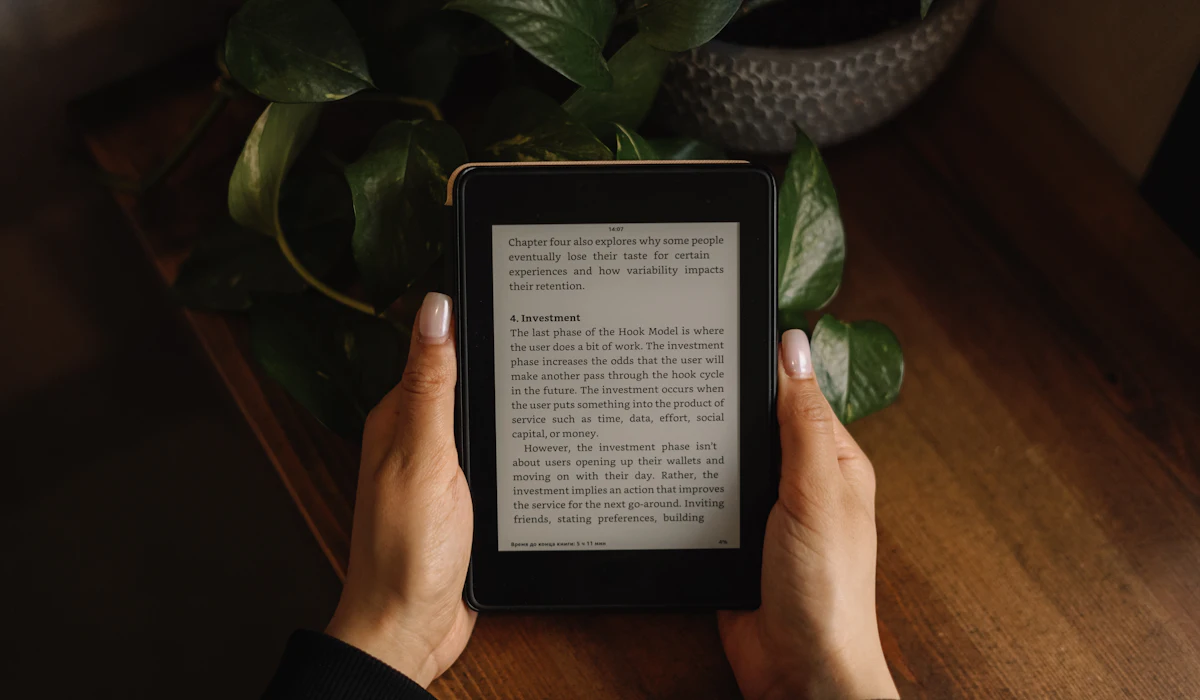
Sea days and long port transfers offer plenty of downtime. Repeat cruisers load an e-reader or tablet with books, magazines and movies before leaving home, since onboard internet can be slow and expensive.
E-readers are lightweight and hold hundreds of titles. Ship libraries exist on many vessels but may have limited selections.
Reading on a balcony or pool lounger is a favorite way to relax. Downloading content in advance avoids frustration later.
Audiobooks and podcasts work well for passengers who prefer listening by the pool with their eyes closed.
Deck Of Cards
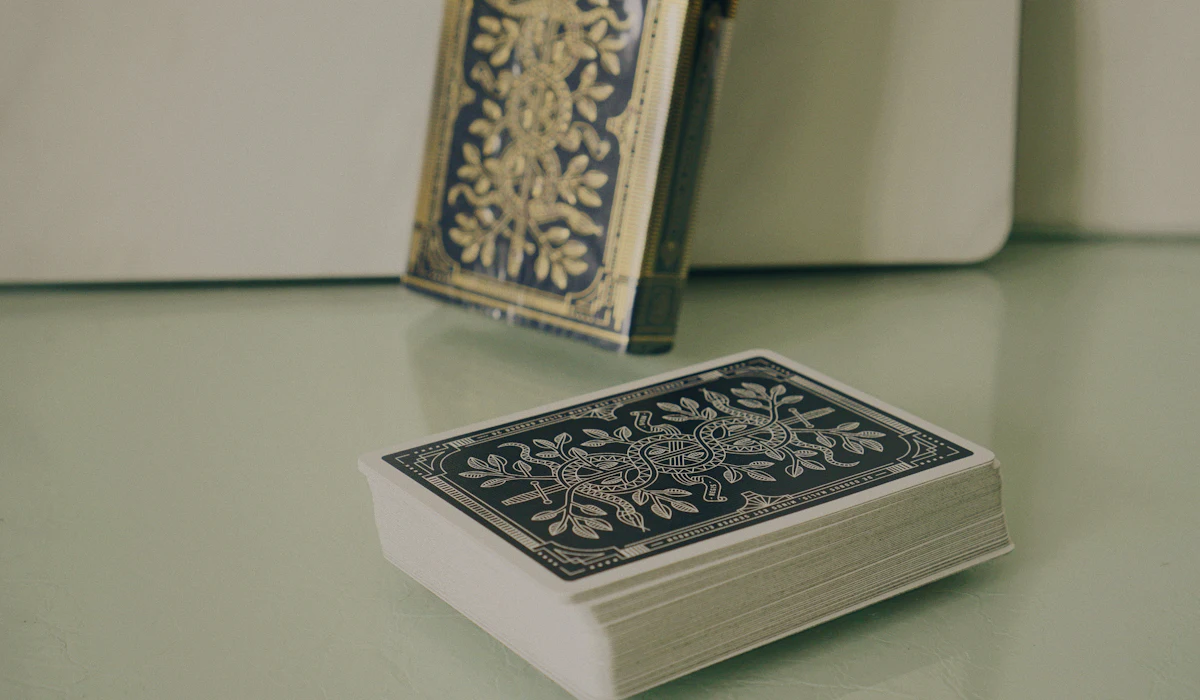
Cards in a simple deck provide hours of entertainment on sea days, in cabins or while waiting for tenders. Repeat cruisers often pack a deck or a small travel game for families and groups.
Card games are a good way to meet other passengers in lounges. Many ships have game rooms, but supplies can be worn or incomplete.
Cards are light, cheap and easy to pack. They also come in handy during rainy days or long port waits.
On ships with spotty internet, an old-fashioned game of rummy can fill an entire evening.
Carry-Ons Buy Back The First Afternoon

Embarkation day is the one stretch of a cruise that passengers do not fully control. Bags vanish into the system, cabins open on the ship’s schedule and the clock keeps running on a vacation that has already been paid for.
A well-packed carry-on hands some of that control back.
The items themselves are ordinary. What experienced cruisers learn is the order in which they will be needed and the gap between when a bag leaves the curb and when it reaches the cabin door.
Packing for that gap is most of the trick.
More from Travel Pug

- Underrated Italian Towns That Beat the Tourist Crowds
- Las Vegas Tourist Traps to Skip
- Prettiest Towns in Every US State
- 18 passport-free countries for Americans
- Signs Your Cruise Is Not Worth The Cost
Like Travel Pug’s content? Follow us on MSN.