

There’s a particular kind of thrill in turning a corner and running straight into something nobody paid an admission fee to see. No velvet rope, no hushed docent explaining brushstroke technique, just a wall that somebody decided needed color instead of blank concrete.
Museums have their place, and nobody’s arguing otherwise, but they can’t compete with the accident of discovery — the way a mural finds you rather than the other way around. These 25 cities have quietly built collections that would make any curator jealous, and most of it costs nothing to see.
Philadelphia
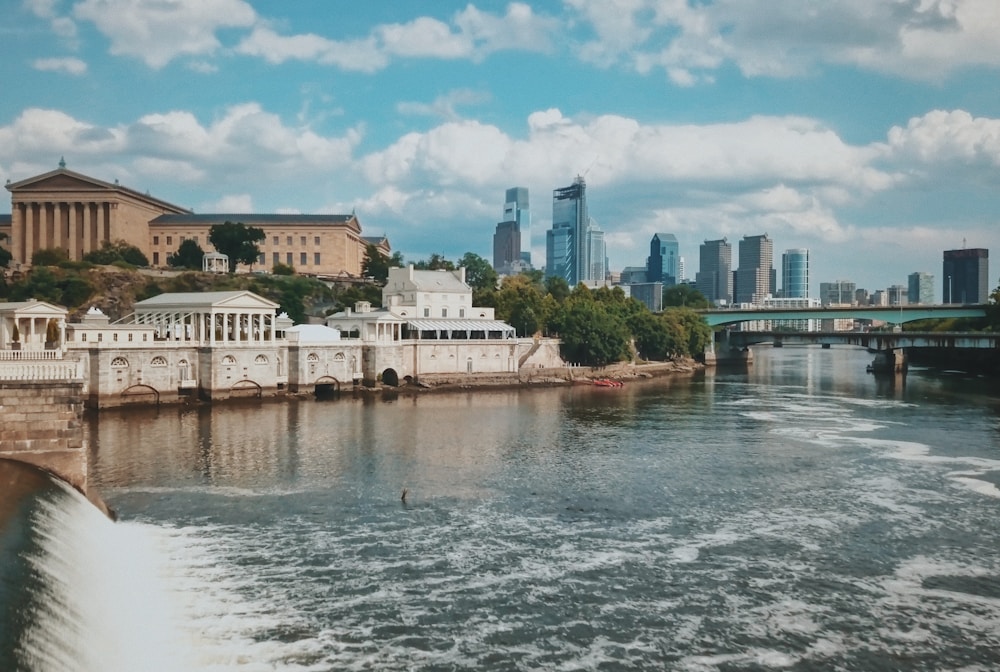
Philadelphia doesn’t play at this. The Mural Arts Program has produced more than 4,000 murals since 1984, making it the largest public art program in the country.
Whole blocks change character because of a single wall. You walk out of a corner store and suddenly you’re standing in front of a story.
Miami
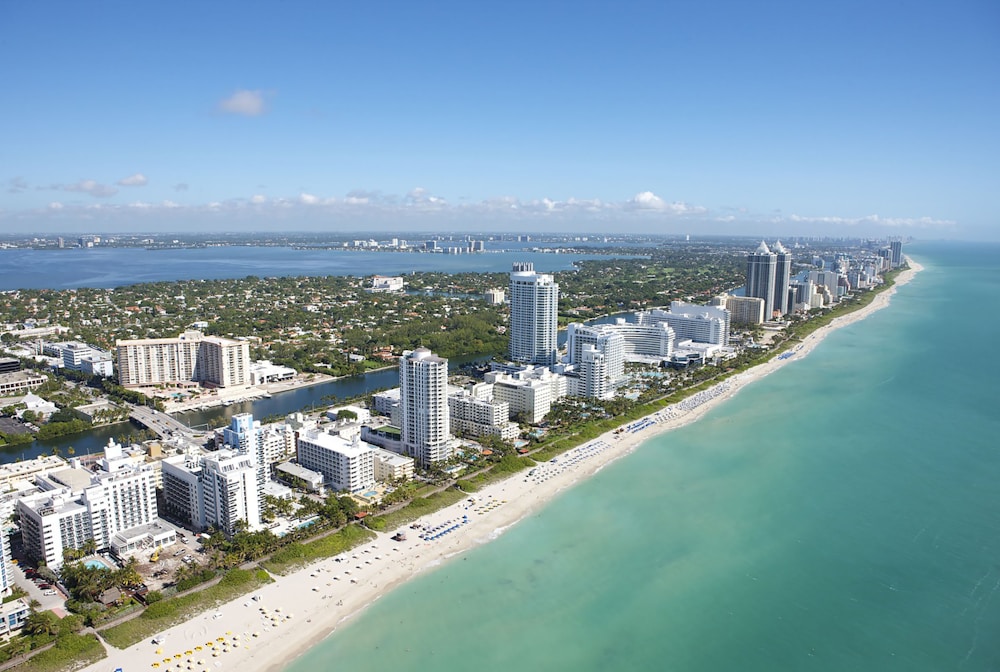
Wynwood used to be warehouses and not much else, until developer Tony Goldman decided in 2009 that empty walls were wasted opportunity — and invited artists from around the world to prove it. The result is relentless: block after block of pieces that shift completely every year or two, so returning visitors rarely see the same neighborhood twice.
Five styles, one intersection. So Wynwood Walls charges admission now, which tells you something about how far this thing traveled from graffiti tags to a ticketed attraction, and also about how quickly art scenes can outgrow their own origin stories.
Los Angeles
Los Angeles treats its walls the way other cities treat monuments, except monuments don’t argue with each other. Judy Baca’s Great Wall of Los Angeles stretches nearly half a mile along the Tujunga Wash, a river of painted history where flood-control concrete becomes a timeline of the city’s own restless memory.
Venice Beach still carries the looseness of the 1960s in its boardwalk murals, unbothered by trend, stubborn in a way that feels almost defiant. Nothing here asks permission, and somehow that’s exactly the point.
New York City
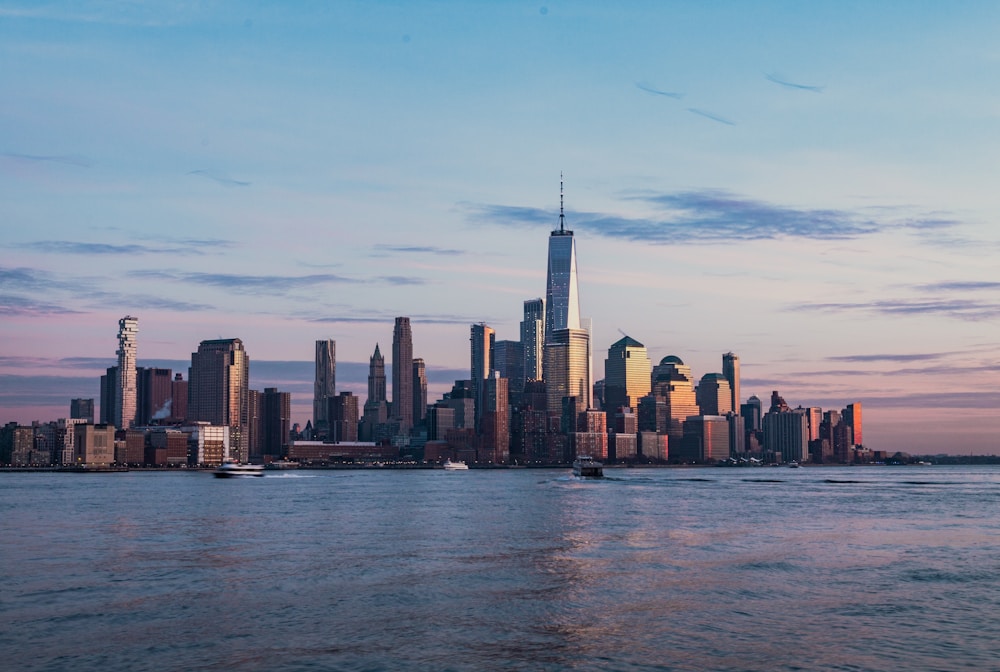
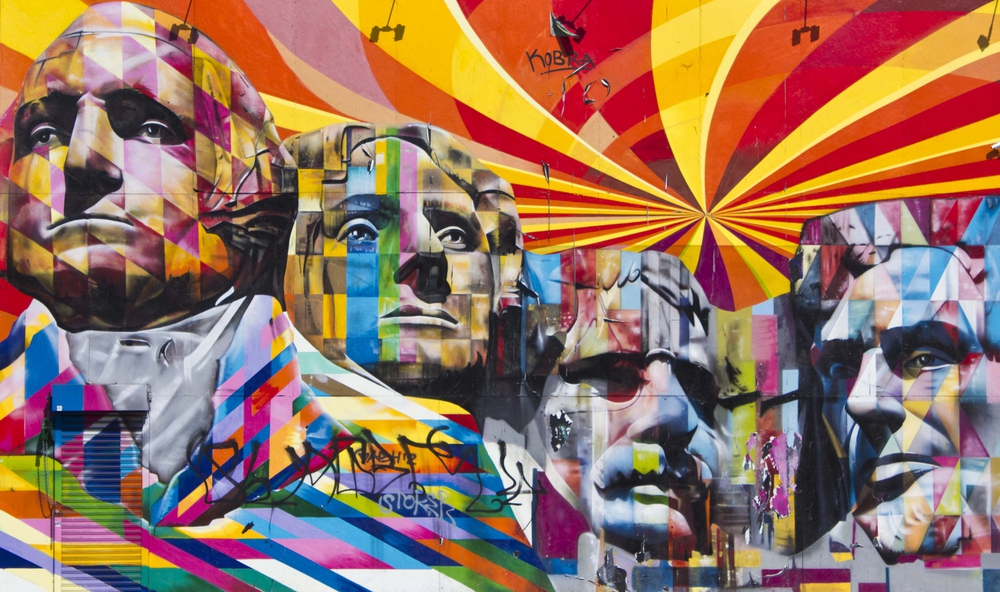
New York invented half the vocabulary people now use to talk about street art, so pretending it’s just catching up to Berlin or Bogotá is frankly insulting. The Bushwick Collective turned a handful of Brooklyn blocks into an open gallery that rotates constantly, no membership required, no velvet rope.
5Pointz got demolished in 2014, which still stings anyone who saw it, and the developers behind it were later hit with a court judgment over it — about as satisfying an ending as these stories get. The city that gave the world graffiti culture in the 1970s and ’80s never actually stopped, it just moved neighborhoods.
Detroit
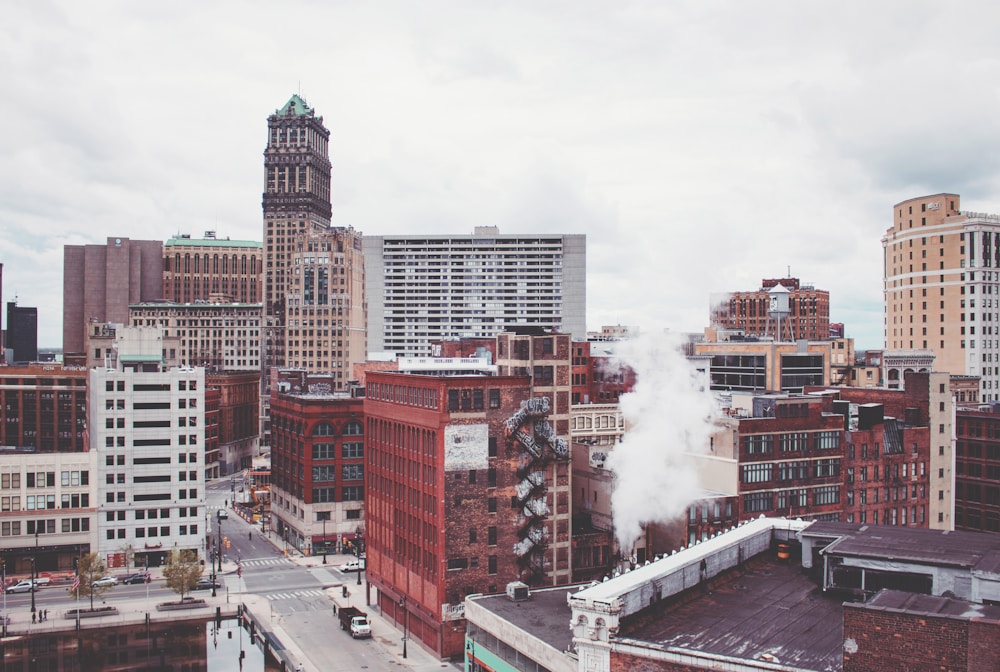
Detroit’s murals carry weight the way scars do. Eastern Market alone hosts hundreds of pieces, many added during the annual Murals in the Market festival.
The Dequindre Cut greenway turns a former rail line into a running gallery. Nobody dressed this city up to look pretty — it just kept creating anyway.
Chicago
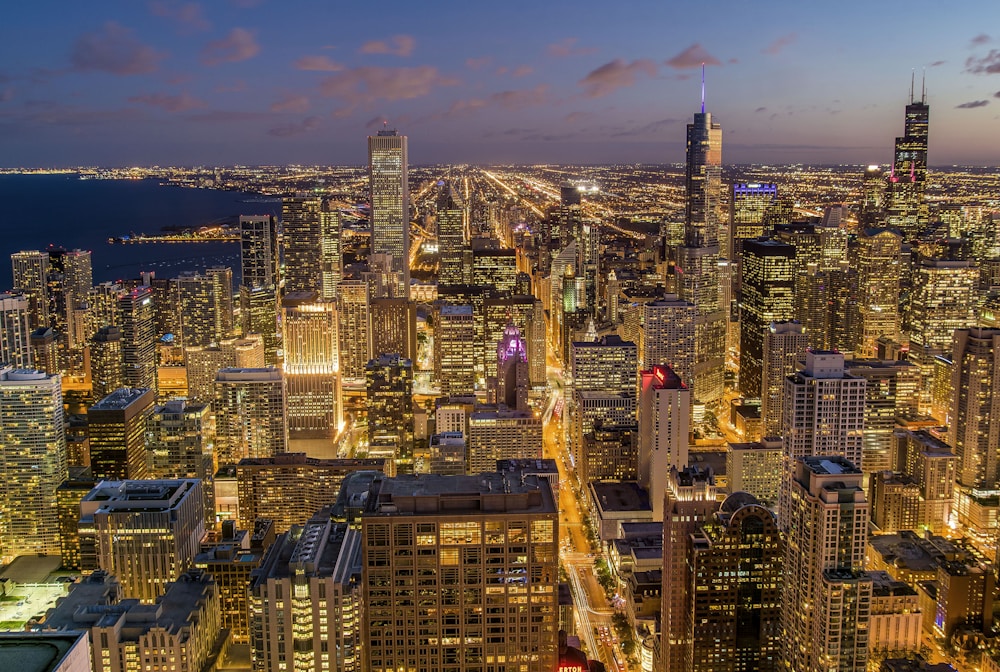
Chicago spreads its street art out instead of clustering it in one photogenic strip, so you actually have to explore Pilsen’s mural-heavy blocks alongside the Wabash Arts Corridor downtown — dozens of pieces wrapped around Columbia College buildings — to get the full picture. Pilsen leans political, rooted in the neighborhood’s Mexican-American identity and decades of activism: the paint isn’t decoration, it’s testimony.
Quiet, but relentless. And that’s the thing about this city’s scene — it never announces itself the way Miami’s does, yet once you notice it, you can’t stop.
Nashville
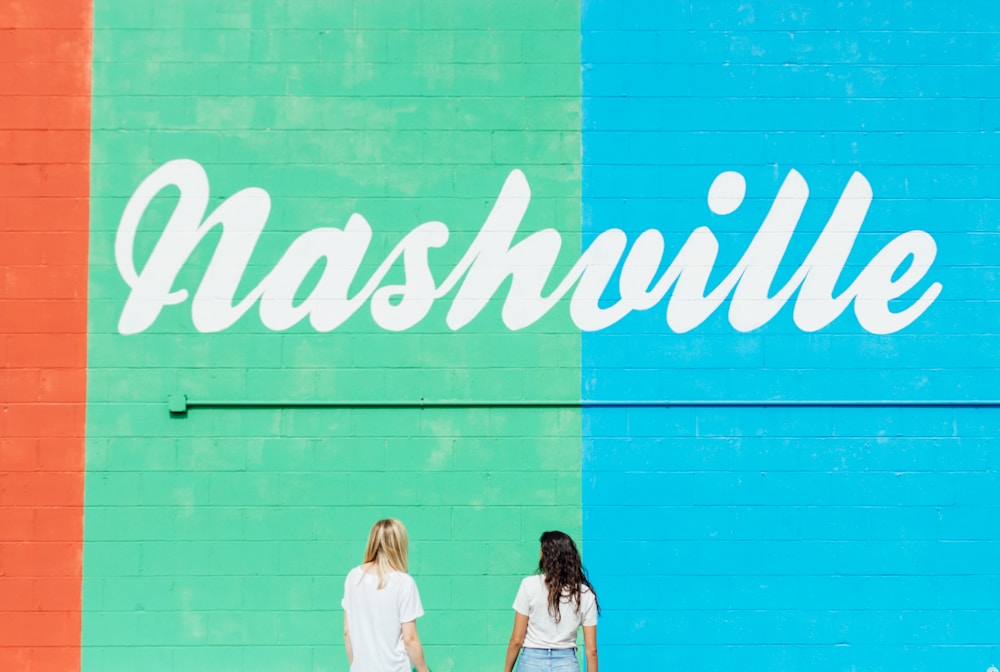
Nashville’s murals behave like the city’s music: loud in places, tender in others, always aiming for something you’ll want to remember. Kelsey Montague’s “Wings” mural near the Gulch has become something like a modern pilgrimage site, tourists lining up to stand where the paint turns them briefly into something with feathers.
The Gulch itself used to be rail yards and warehouse shadows, and now it’s color stacked on color, an entire district that decided gray wasn’t going to be the final word. There’s something almost tender about a city known for guitars finding room for spray cans too.
San Francisco
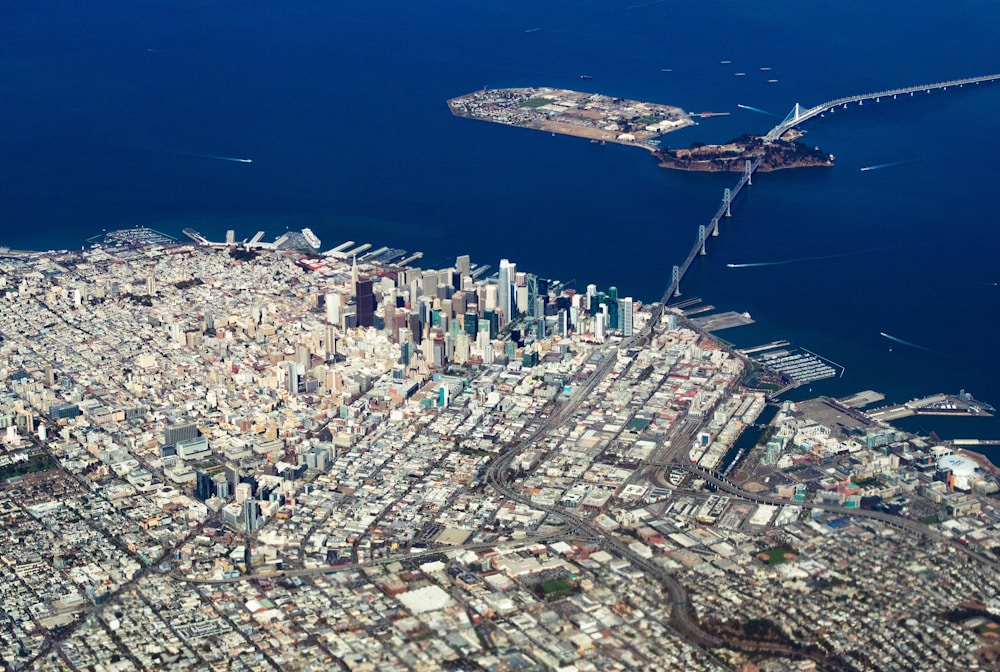
San Francisco’s Mission District has been doing this longer than almost anywhere else in the country, and Clarion Alley proves it — activist murals have covered that one stretch since 1992, with no sign of slowing down. Balmy Alley nearby started even earlier, in the 1970s and ’80s, tackling Central American politics decades before street art became something museums wanted to buy pieces of.
To be fair, plenty of cities have prettier murals. Few have ones with this much actual argument behind them.
Bogotá
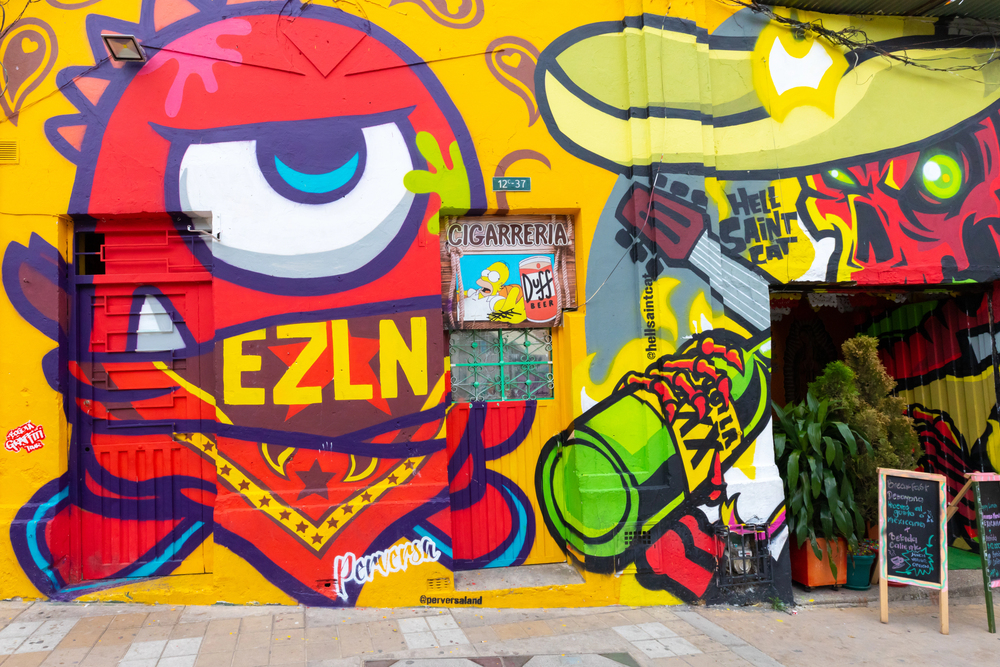
Bogotá adopted more permissive policies toward graffiti after 2011, following public debate over police treatment of graffiti artists. La Candelaria is covered wall to wall now, dense and unapologetic.
Few cities turned tragedy into permission this directly.
Buenos Aires
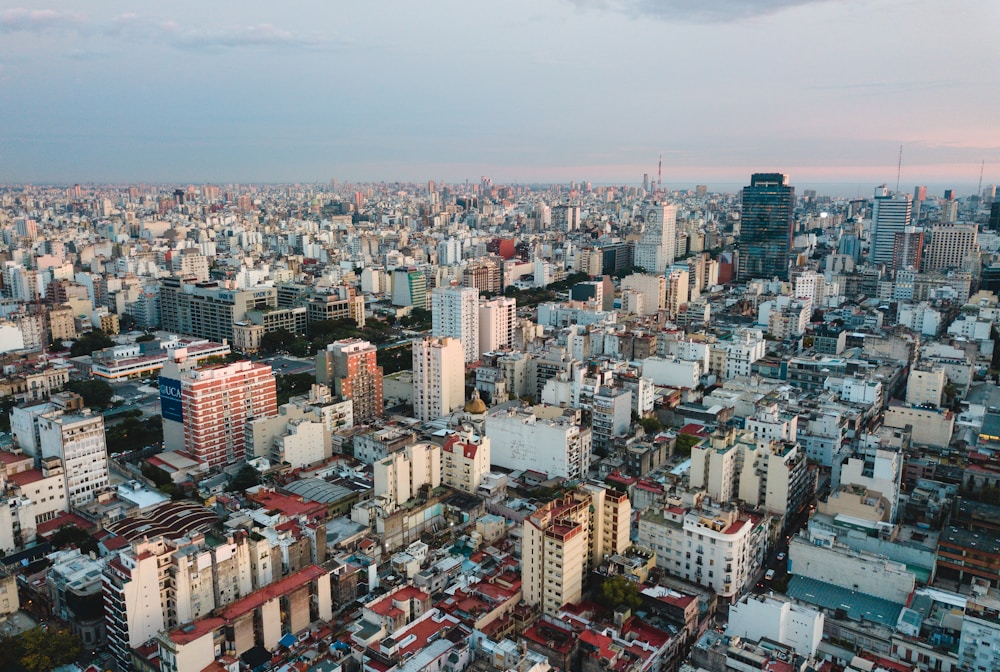
Buenos Aires runs on a permission system unlike most of the world — property owners simply invite an artist to paint their building, and once that’s done, the work is legally protected, no permit, no bureaucratic runaround. Palermo has become the unofficial capital of this arrangement (specifically Palermo Soho and Hollywood), its streets shifting almost season to season: one visit and a wall is abstract color, the next it’s a five-story portrait staring back at you.
Nothing official about it. So the scene grows organically, block by block, without the top-down planning you’d expect from an officially designated arts district.
Valparaíso
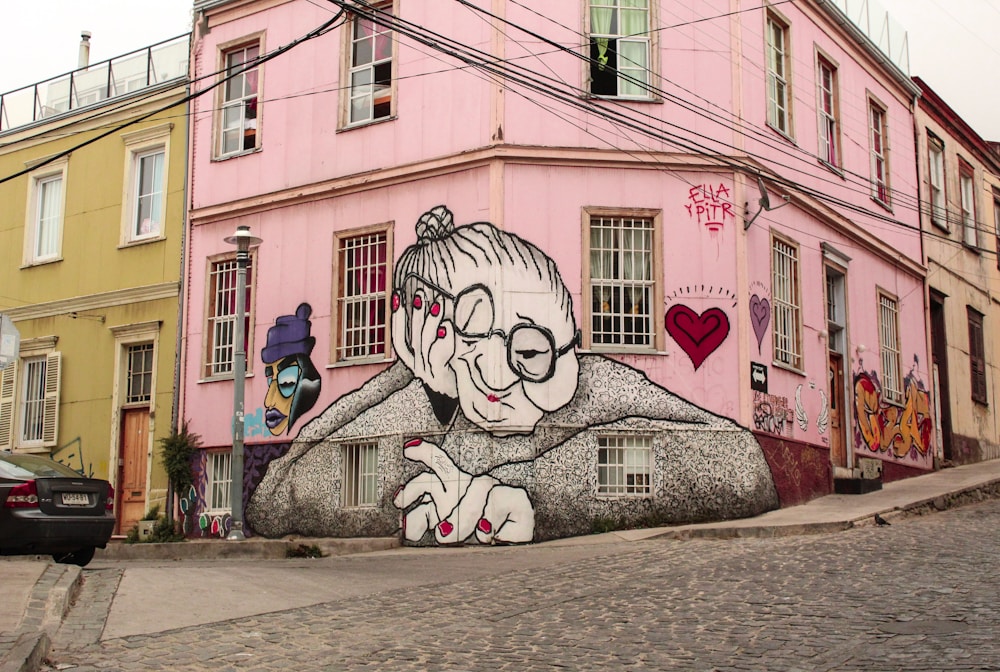
Valparaíso’s hills do something no flat city can manage: they turn every staircase into a vantage point and every crumbling wall into an argument for its own preservation. Cerro Alegre and Cerro Concepción wear color like a second skin, houses and stairwells painted in shades that seem to argue with the gray Pacific fog rolling in below.
The murals here don’t feel added on so much as inevitable, as if the hillside always intended to look this way and the paint just finally caught up. Even the disrepair looks intentional, which is either the city’s greatest trick or its most honest quality.
São Paulo
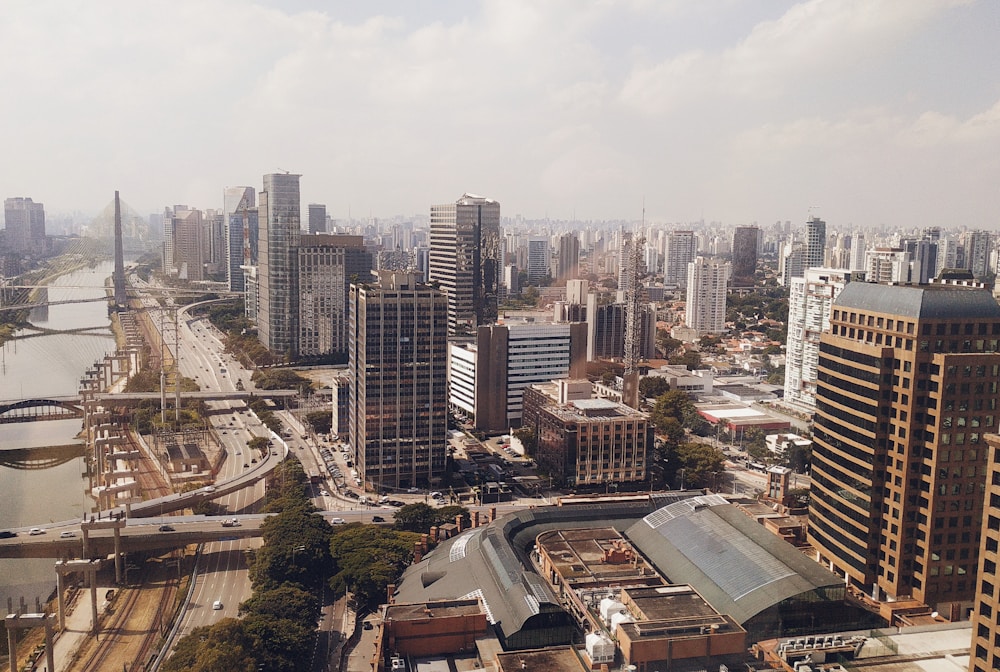
São Paulo doesn’t get nearly enough credit for what it started, and that’s a shame, because Beco do Batman in Vila Madalena has been rotating murals since the 1980s, long before anything made this kind of thing fashionable. The alley earned its name from an early Batman graffiti piece and just kept absorbing new work ever since, artist over artist, layer over layer.
Brazil’s pichação scene — the sharp, cryptic tagging style unique to the country — runs alongside the murals and confuses plenty of tourists who can’t tell one from the other. Frankly, that confusion is part of the education.
Mexico City
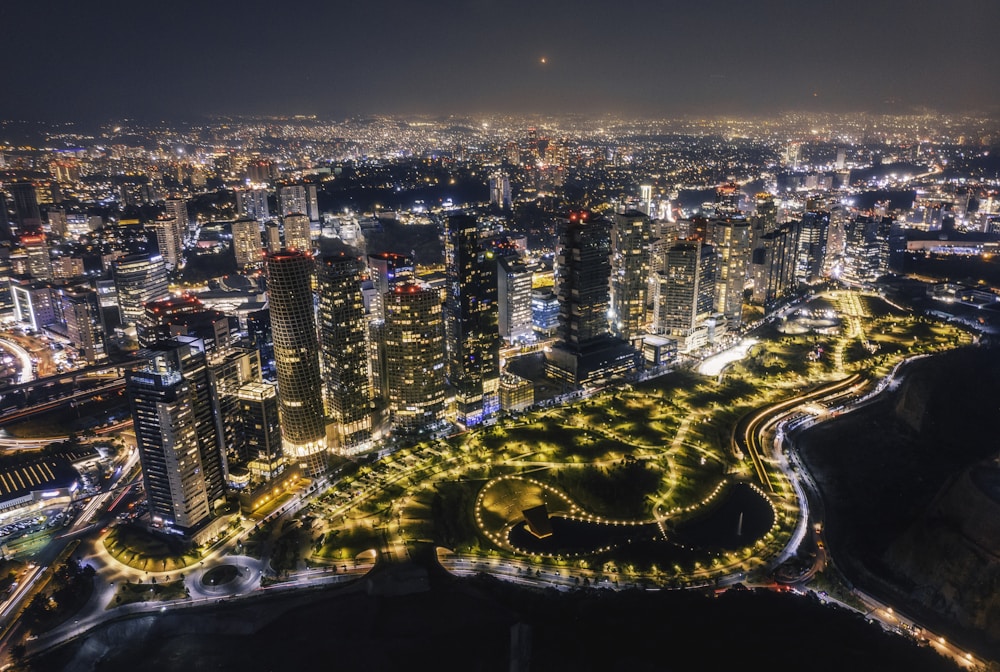
Mexico City wears its history openly. Roma and Condesa are dense with murals that mix folk tradition with contemporary politics, often on the same wall.
Diego Rivera’s muralist legacy hovers over all of it, decades later, still setting the tone. This is a city that decided public walls were public property in the truest sense.
Berlin
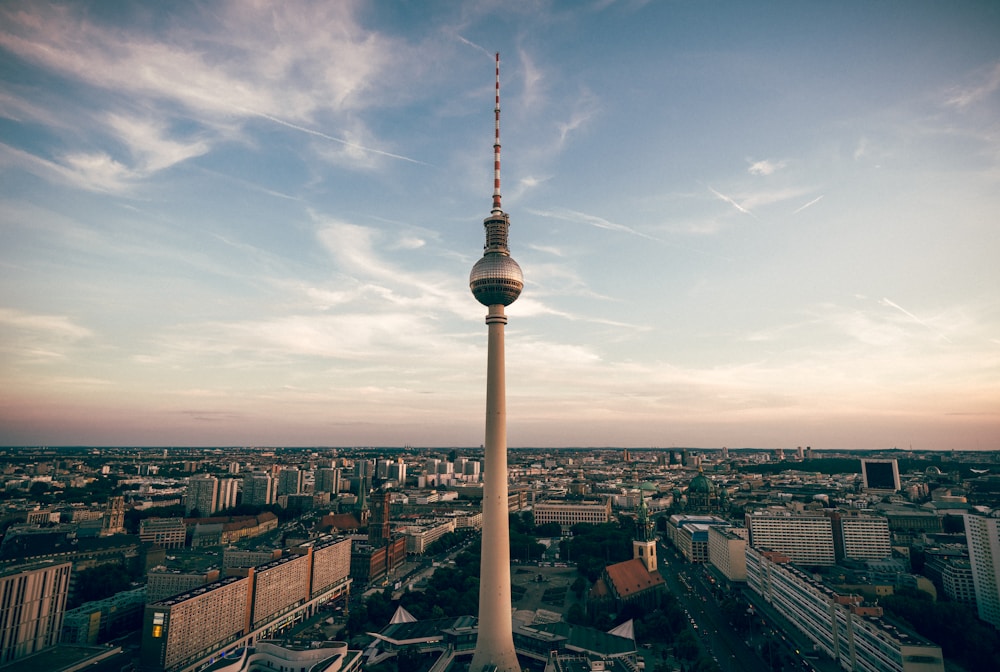
Berlin has the East Side Gallery, nearly a mile of the actual Berlin Wall covered in more than 100 murals painted right after reunification in 1990, which makes it probably one of the world’s largest open-air galleries. Dmitri Vrubel’s kiss between Brezhnev and Honecker is the piece everyone photographs: one panel in a much longer, stranger conversation about freedom, collapse, and what comes after both.
Kreuzberg keeps it current. So the city treats its most painful scar as its most honest canvas, and somehow that works.
London
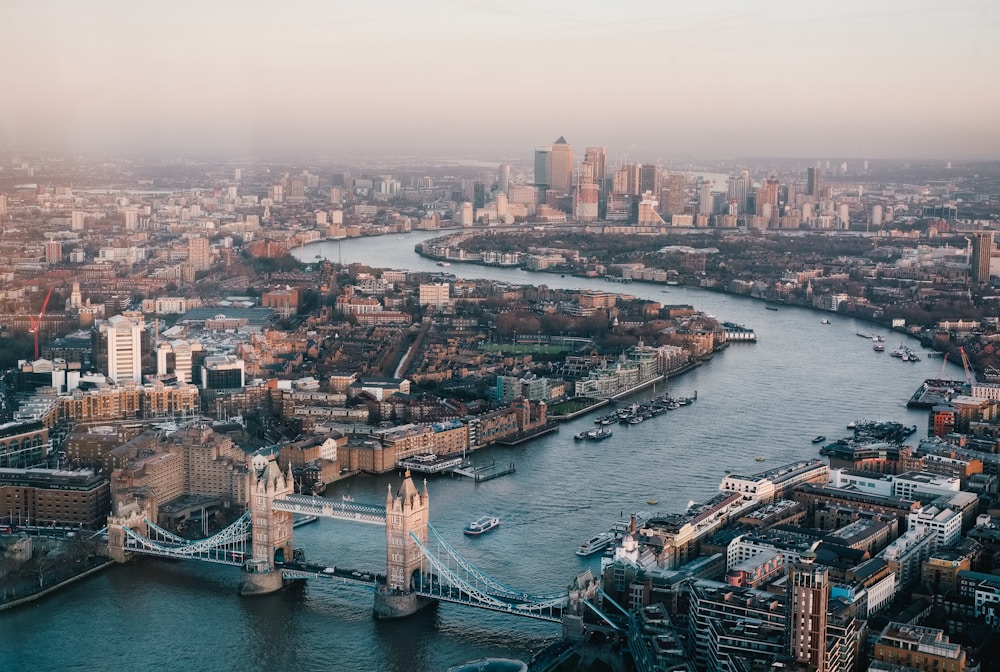
Shoreditch treats its walls like a conversation that never quite ends, one artist answering another, sometimes literally painting over a rival’s work within days. Banksy’s pieces still surface here occasionally, ghostlike, appearing overnight and vanishing behind protective glass by morning as if the city itself panics at the thought of losing them.
Brick Lane carries the weight of decades of immigration and change, painted directly onto brick that’s seen every version of the neighborhood. It’s less a gallery than a living argument about who gets to claim the East End.
Bristol
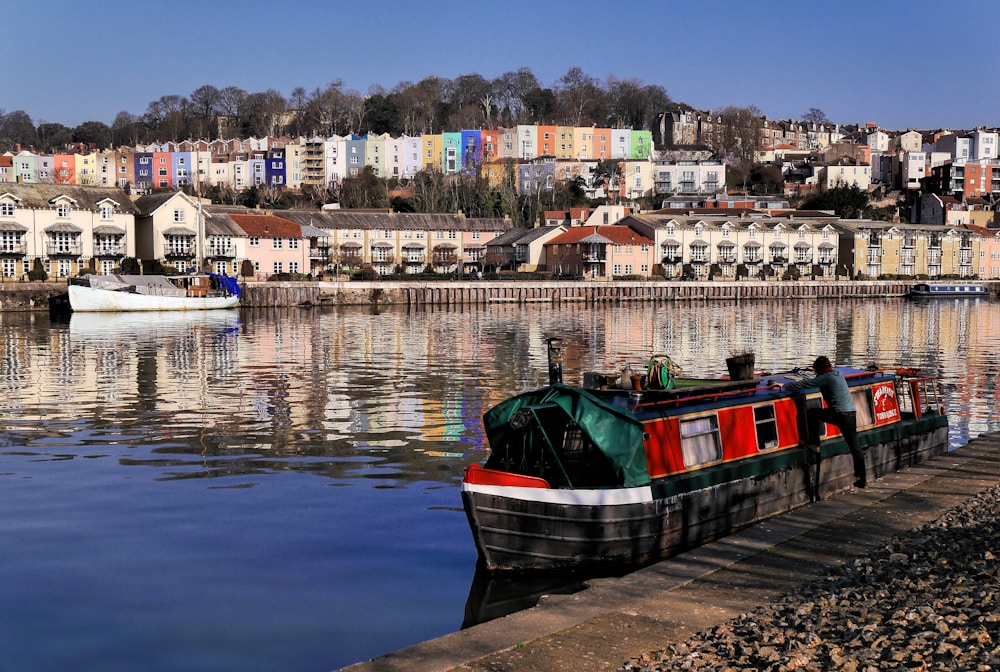
Bristol gets to claim Banksy, which is either the city’s greatest asset or its most exhausting burden, depending on who’s answering. Nelson Street was repainted almost entirely during the 2011 See No Evil festival and has stayed one of Europe’s most concentrated stretches of large-scale murals ever since.
Upfest, the city’s annual street art festival, draws artists from across the world and somehow hasn’t turned into the corporate mess these things usually become. Bristol earned this reputation the hard way, one illegal tag at a time, long before anyone thought to put a velvet rope around it.
Lisbon
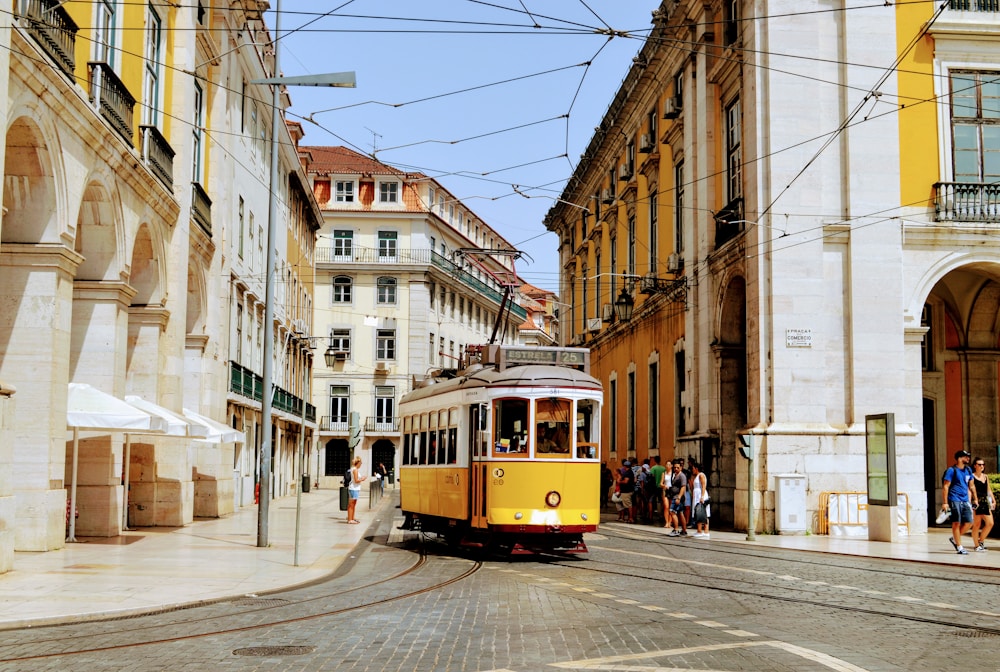
Lisbon didn’t wait for permission either. Quinta do Mocho, a housing estate on the city’s edge, went from forgotten to famous once dozens of massive portrait murals covered its towers.
Bairro Alto keeps things messier, tighter, more improvised. Both approaches work, somehow, in a city that seems allergic to choosing just one style.
Rome
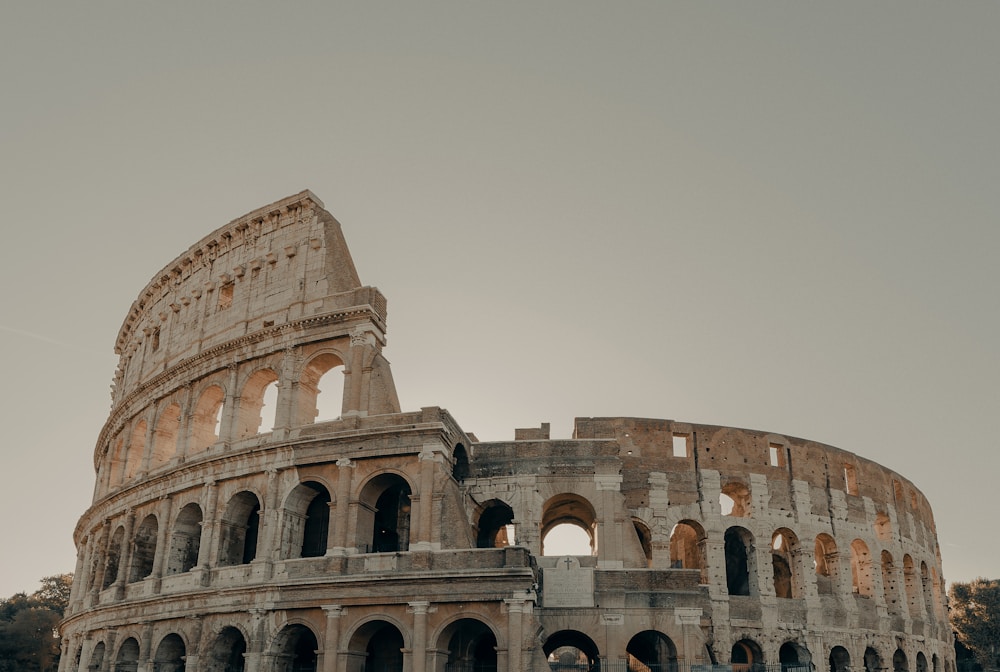
Rome spends most of its tourism energy pointing you toward ruins two thousand years old, so it’s almost funny that Tor Marancia — a working-class neighborhood south of the center — became one of Europe’s most ambitious open-air mural projects, more than 20 artists covering entire facades back in 2015. Ostiense followed a similar path: old industrial buildings near the Gazometro gas holder now wrapped in massive figurative work by artists like Blu and JB Rock.
No apology offered. And that’s the pairing that sticks with you — ancient columns a few miles away, spray paint here — a city that never actually finished building itself.
Belfast
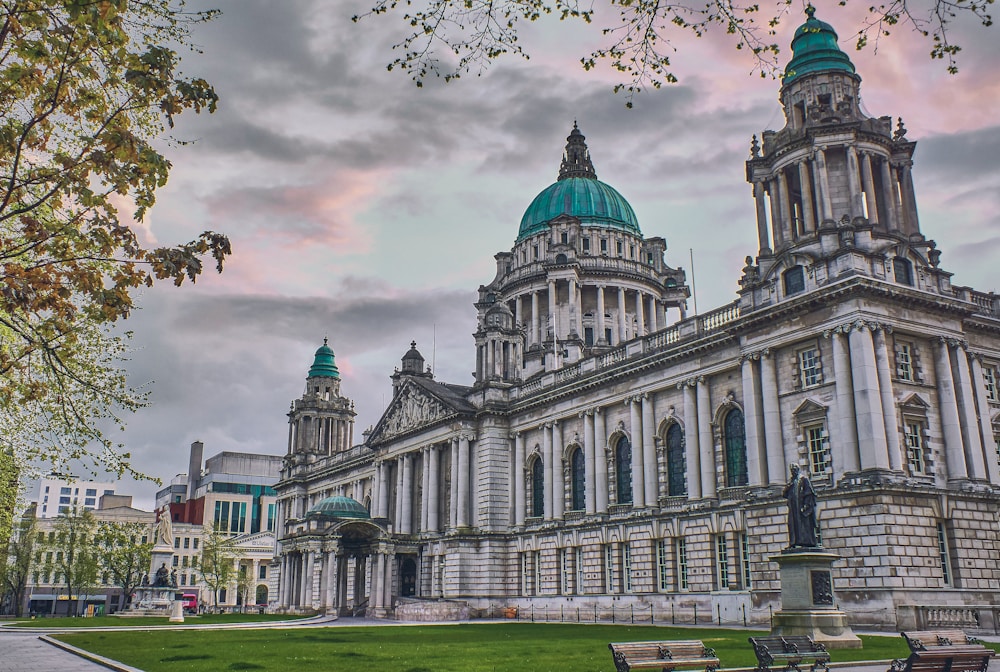
Belfast’s murals carry a different kind of gravity than most cities on this list, less about beauty and more about memory refusing to fade. The political murals along Falls Road and Shankill Road date back decades, painted through the Troubles and maintained since as a kind of visual testimony neither side seems willing to let go of.
Newer work has crept in around Cathedral Quarter, softer, more playful, as if the city is slowly allowing itself permission to paint something other than grief. Walking between the two feels like reading two different chapters of the same difficult book.
Athens
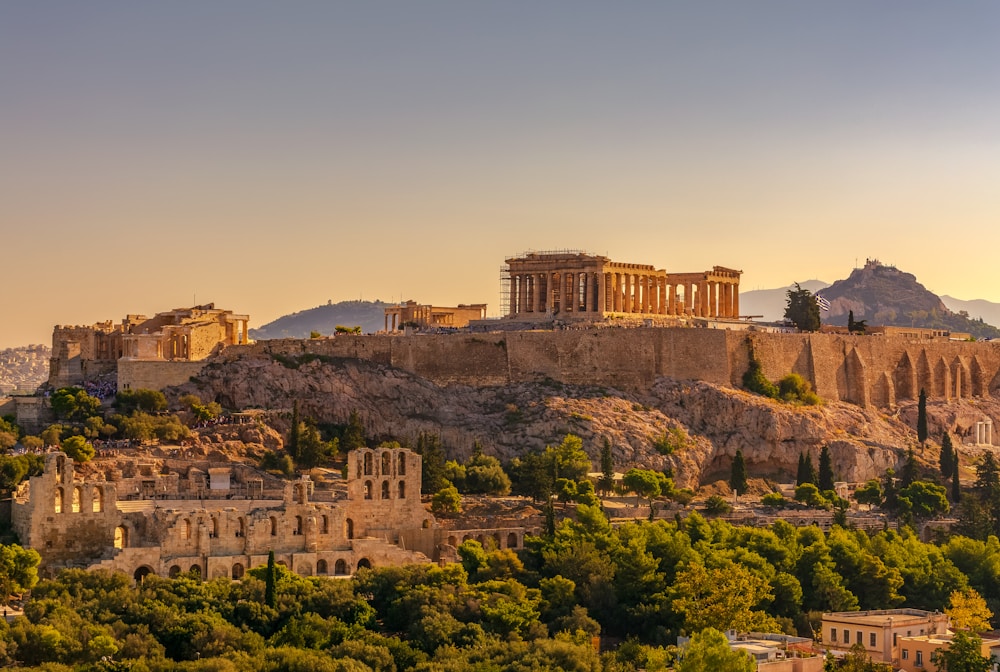
Athens turned economic collapse into one of the densest street art scenes in Europe, and there’s nothing subtle about admitting that. Exarcheia, long associated with anarchist politics and student protest, became the epicenter once the 2008 financial crisis hit and empty, abandoned buildings gave artists more surface area than they knew what to do with.
Most cities would have painted over the evidence of hard years. Athens just kept adding to it, which, to be fair, is a far more honest response.
Melbourne
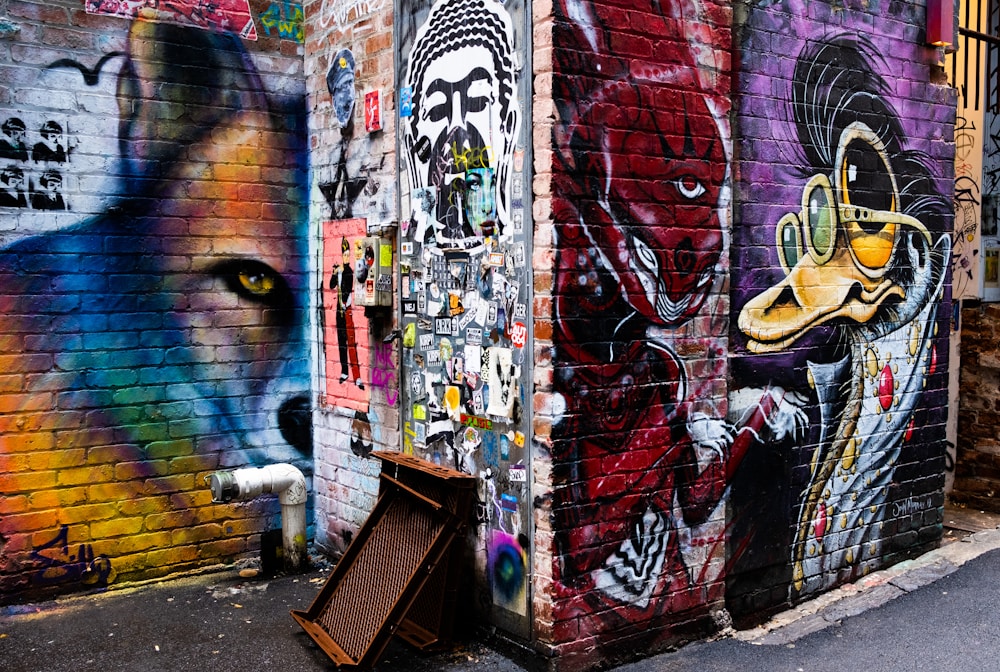
Melbourne built an entire identity around its laneways. Hosier Lane is the famous one, layered so thick with paint that the surface itself has texture, and it’s legal, sanctioned, actively encouraged.
AC/DC Lane and Union Lane carry the overflow. Few cities have made graffiti this official without draining it of its edge.
Sydney
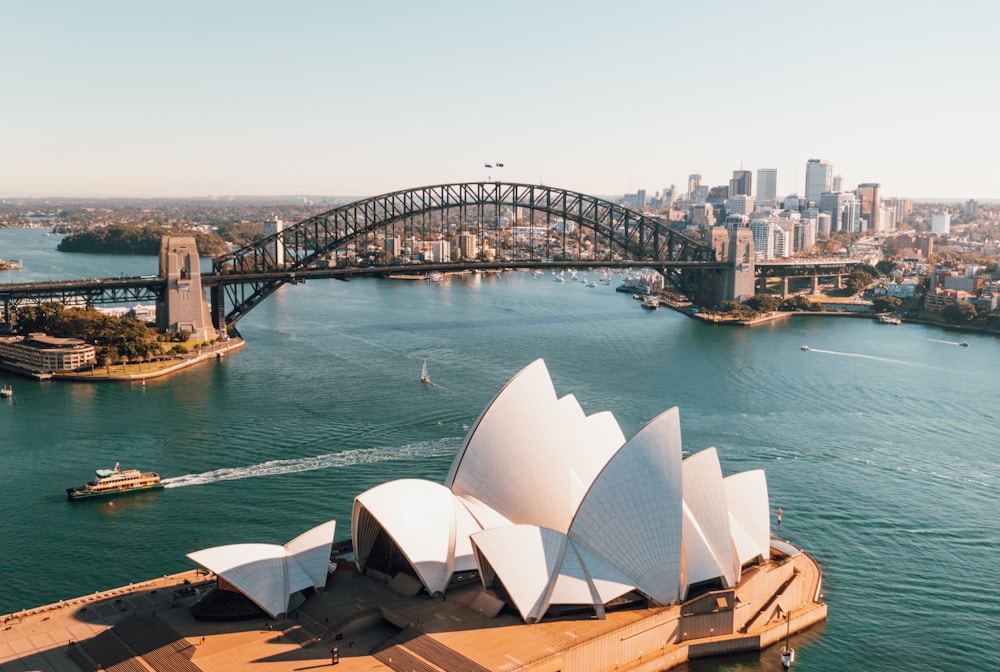
Sydney took longer to embrace this than Melbourne did (there’s a decades-old rivalry between the two cities about basically everything, and street art is no exception), but Newtown eventually became the answer — King Street and its side alleys covered in work that ranges from political statements to enormous, technically stunning portraits. Chippendale followed with its own version, quieter, more curated, closer to what you’d expect from a neighborhood built around design schools and galleries.
Different energy entirely. So the two suburbs ended up representing opposite instincts, one chaotic and defiant, the other polished and intentional, and the city needed both to feel complete.
Cape Town
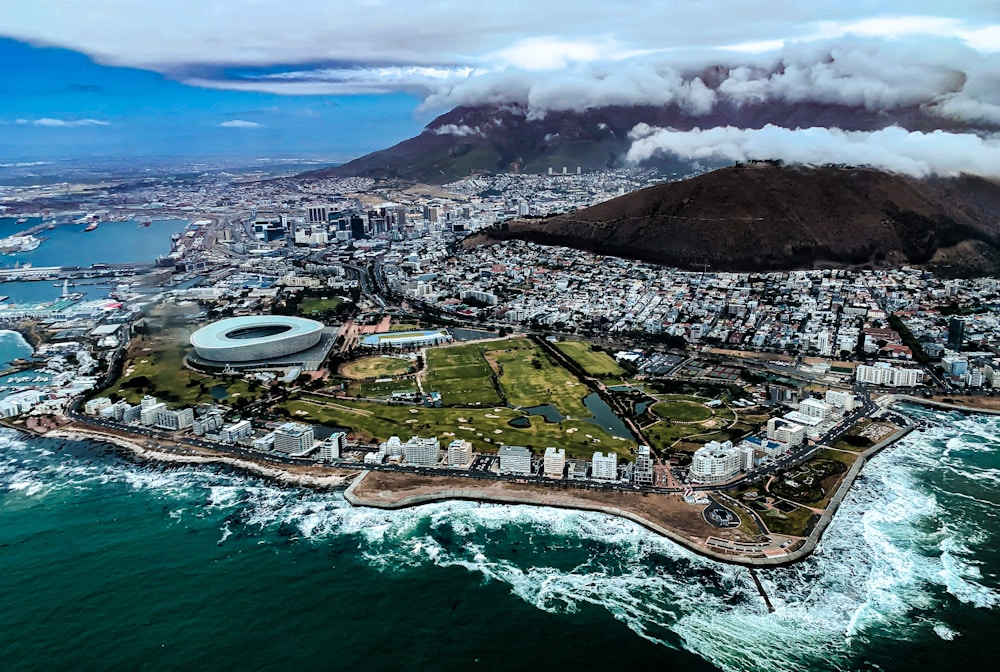
Woodstock wears its transformation on its sleeve, quite literally, old factory walls and crumbling facades turned into some of the most technically accomplished murals on the African continent. The neighborhood’s own history of displacement under apartheid gives the art an undertone that’s hard to ignore once you know it, color painted directly over a place that was once emptied by force.
International festivals keep bringing new work through, so the walls rarely sit still for long. There’s a particular kind of hope in painting something beautiful onto a place that was built on loss.
George Town
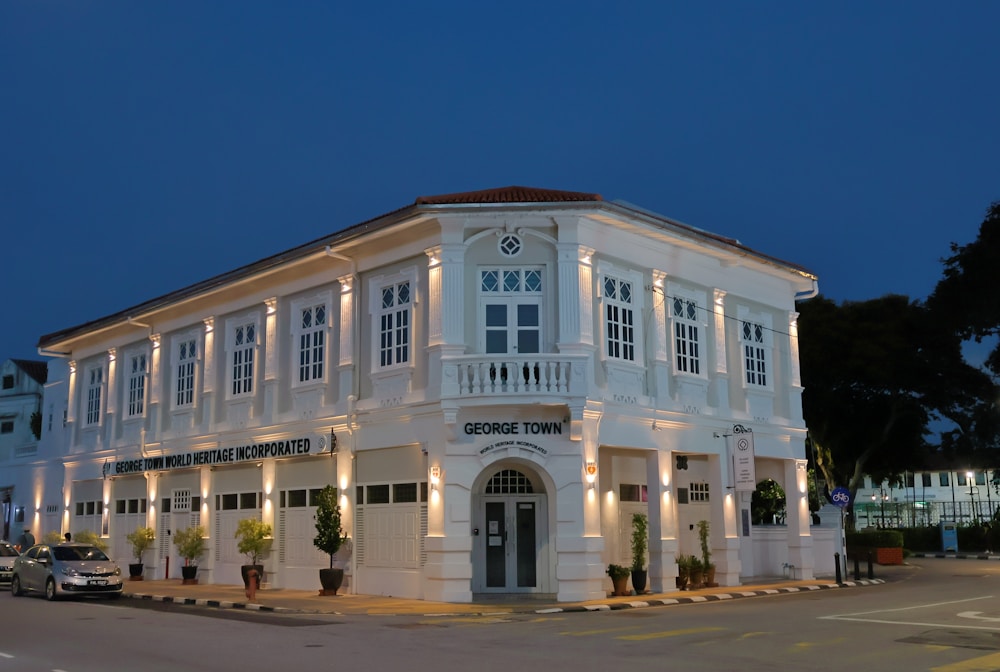
Penang did something almost no one else managed: it made a single artist’s murals into a genuine tourism engine. Ernest Zacharevic’s “Children on Bicycle,” painted in 2012, turned an ordinary alley into one of the most photographed pieces of street art on the planet, a real bicycle welded to the wall and everything.
George Town leaned into it hard, commissioning dozens more pieces across its UNESCO-listed old town. Plenty of destinations have tried copying this formula since, and none of them quite pull it off the same way.
Seoul
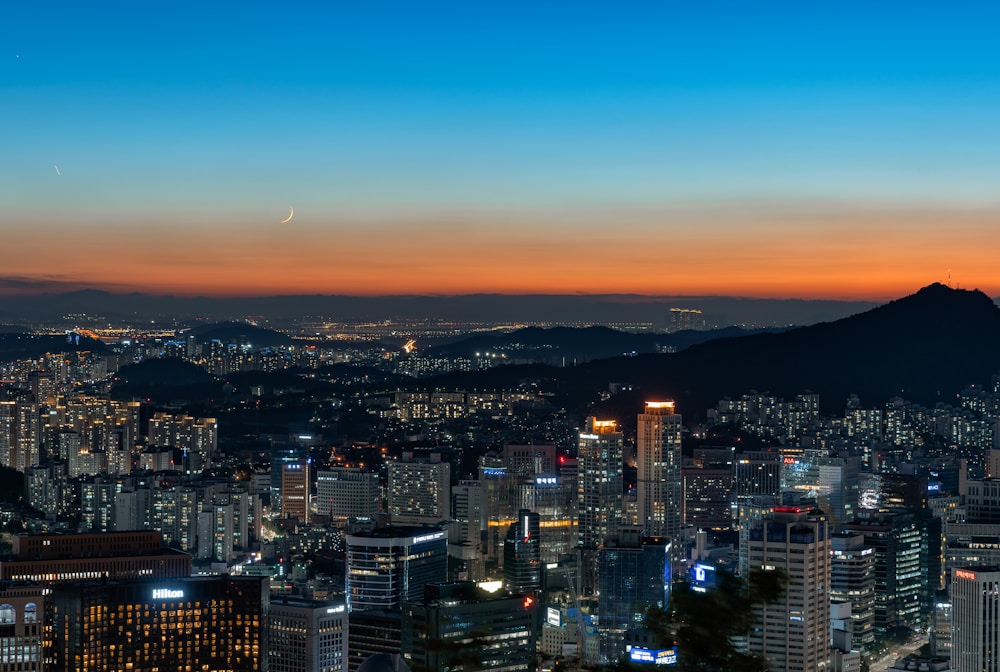
Seoul’s Ihwa Mural Village sits on a steep hillside near Naksan Park, staircases painted with giant koi fish and sunflowers climbing toward the sky. Locals living there have mixed feelings about the tourist foot traffic, and that tension is real, not manufactured for a headline.
Some murals have been removed over the years at residents’ request. Even so, what remains still stops people mid-step, which is more than most museums manage on a Tuesday afternoon.
The Gallery Without Walls
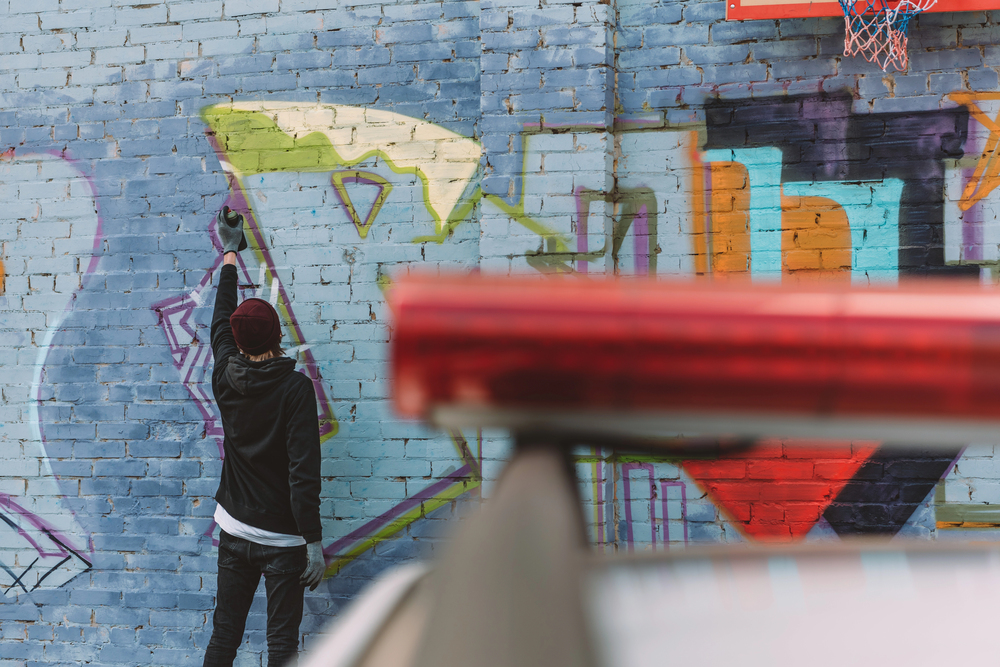
None of these cities asked for permission to matter, and that might be the whole point. Museums preserve what’s already finished, sealed behind glass and climate control, while these streets keep arguing with themselves, repainting over last year’s certainty with something new.
A mural can vanish overnight, painted over by a rival or the weather or a landlord who never cared, and somehow that impermanence makes it feel more honest than anything hanging in a frame. The next great piece in any of these places probably hasn’t gone up yet, and there’s something worth appreciating in that kind of unfinished business.
More from Travel Pug

- Underrated Italian Towns That Beat the Tourist Crowds
- Las Vegas Tourist Traps to Skip
- Prettiest Towns in Every US State
- 18 passport-free countries for Americans
- Signs Your Cruise Is Not Worth The Cost
Like Travel Pug’s content? Follow us on MSN.