

There’s a particular kind of quiet that happens on deck in the early morning, right before a ship slides into harbor. Coffee in hand, land just starting to take shape on the horizon, and suddenly the whole trip feels like it’s been building to this one moment.
Some harbors barely register — a dock, a crane, a parking lot. Others rearrange your sense of what a city entrance can look like, and you find yourself elbowing a stranger at the railing just to point.
These are the arrivals that earn that reaction, the ones where the view from the ship does more work than any guidebook ever could.
Sydney, Australia
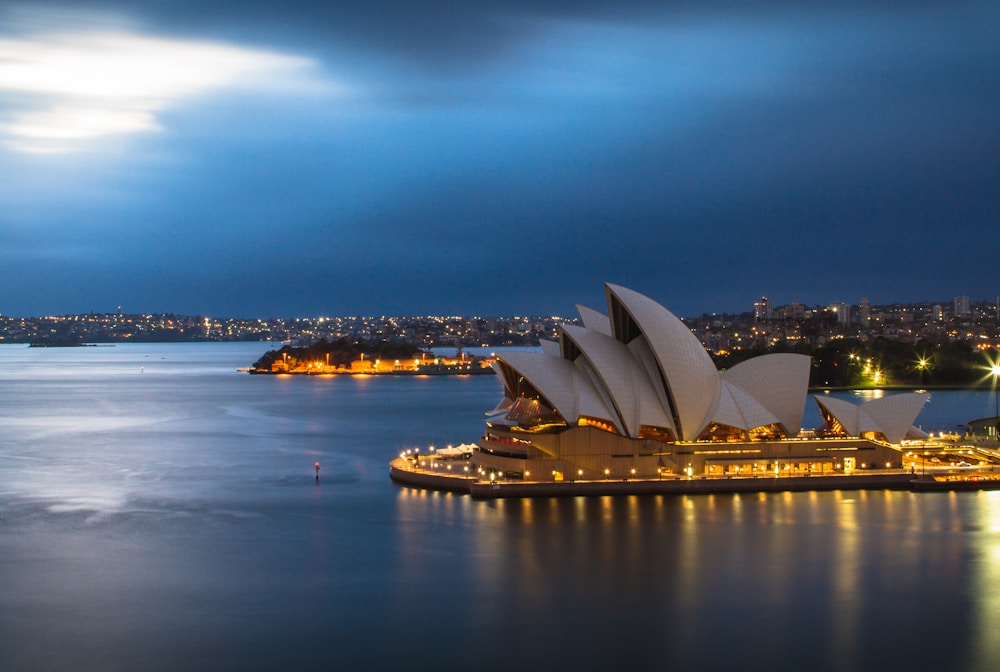
Nothing else on this list gets a fair comparison after Sydney. The Opera House shells catch morning light before the rest of the city wakes up, and the Harbour Bridge frames the whole scene like it was built for exactly this photograph.
Ferries crisscross in front of the ship, ignoring the tourists entirely, which somehow makes it feel more real. Cruise ships usually dock at Circular Quay or White Bay, and either way, you get the skyline for free.
Hong Kong, China
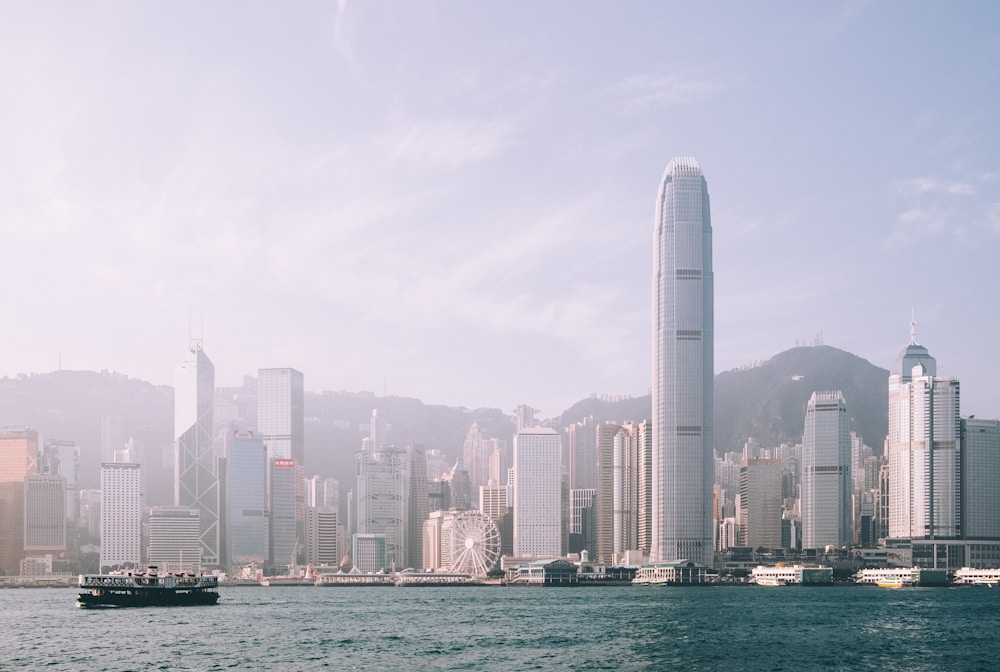
Victoria Harbour at dusk does something no daylight arrival can match, because the skyline doesn’t just sit there — it performs, with towers lighting up in sequence like someone backstage is flipping switches one at a time. Ships easing past Kowloon get the full effect: the Symphony of Lights show timed for exactly this moment, mainland ferries cutting across the wake, junks with their red sails looking almost staged against all that glass and neon (though they’re not staged, they’ve been crossing this water since long before the skyscrapers showed up).
So the contrast becomes the whole point: centuries-old fishing boats against a skyline that seems to update itself nightly. Most passengers don’t expect Hong Kong to hit this hard, and that’s exactly why it does.
Rio de Janeiro, Brazil
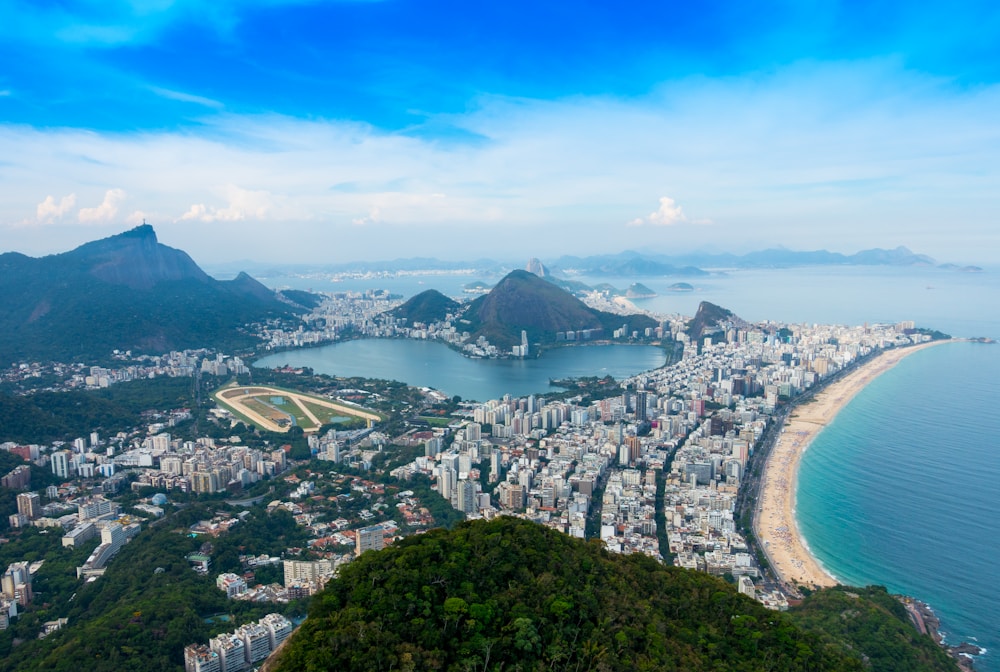
Guanabara Bay makes an entrance the way a mountain range makes a stubborn argument, refusing to be ignored no matter which angle the ship takes. Sugarloaf leans over the water like it’s checking its own reflection, and Christ the Redeemer watches from Corcovado with arms out, indifferent to the size of the crowd gathering at the railing below.
The city fills in the gaps between the peaks, all that white and pastel stacked against green slopes that seem too steep for anything to actually live on. By the time the ship clears the entrance and the bay opens wide, the skyline has already made its case, and nobody on deck is arguing back.
Cape Town, South Africa
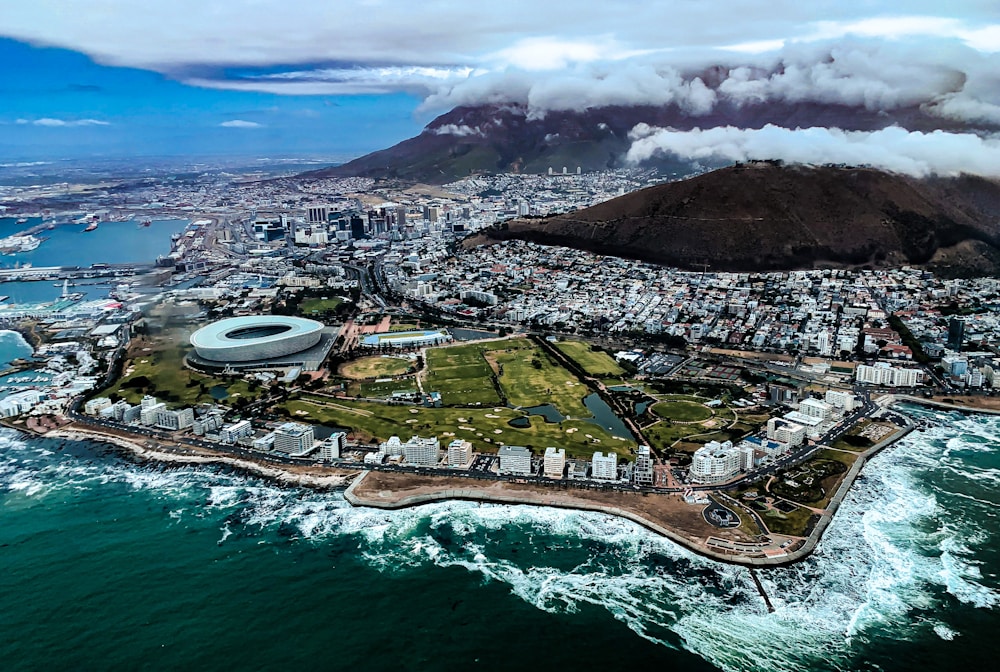
Table Mountain ruins every other flat-topped hill you’ll ever see again, and that’s just the truth. Ships rounding into Table Bay get the whole slab of rock laid out with its signature tablecloth of cloud spilling over the edge, which sounds like a postcard cliché until you’re standing there watching it happen in real time.
The city crouches at the base like it knows better than to compete, and Robben Island sits out in the bay as a quiet reminder that not every view here is meant to be pretty. Cape Town doesn’t need the mountain to be impressive, to be fair, but it certainly doesn’t hurt.
Vancouver, Canada
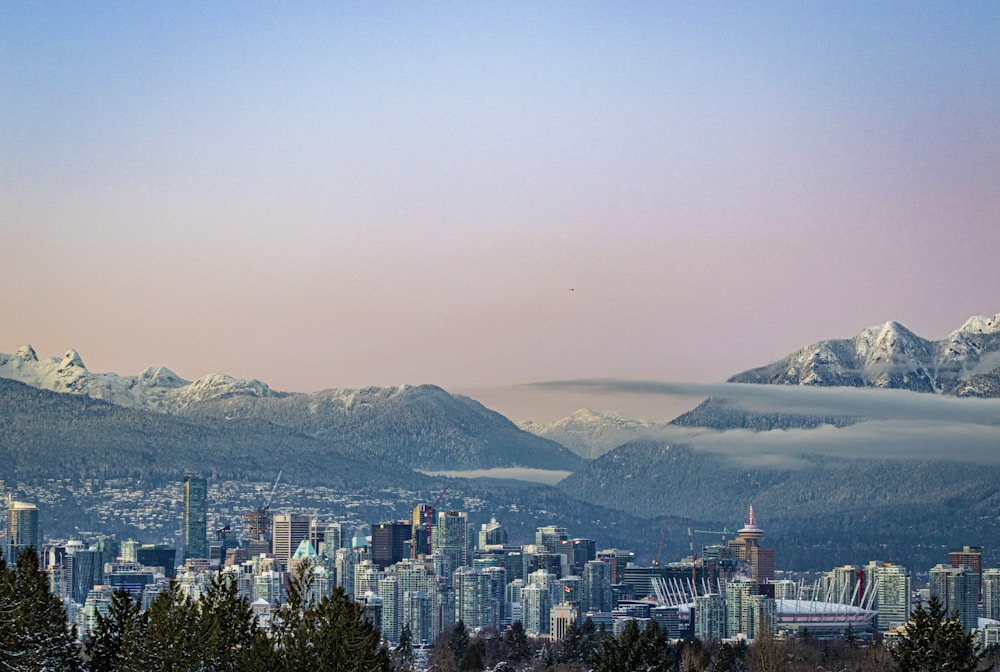
The mountains show up before the city does. Snow-capped peaks stack up behind the glass towers like nature refused to be upstaged by real estate.
Ships slide past Stanley Park’s dense green edge, then downtown appears all at once, glass and forest sharing the same frame without either one backing down. Vancouver doesn’t do subtle arrivals, and it never apologizes for that.
Geirangerfjord, Norway
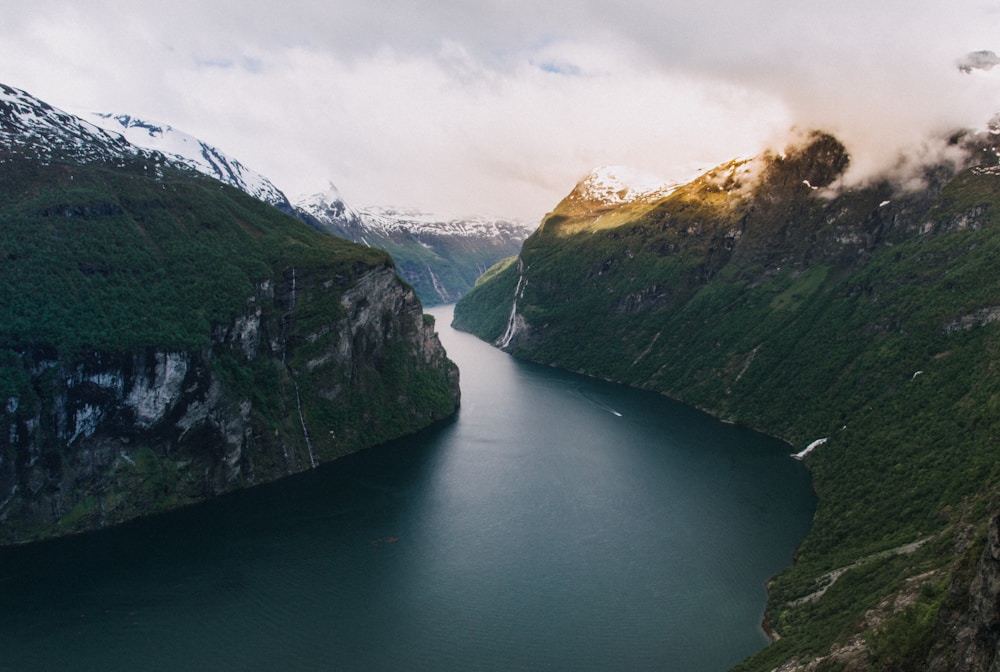
Ships don’t so much arrive in Geiranger as get swallowed by it, easing between rock walls that rise over 5,000 feet on either side while waterfalls drop straight down like someone forgot to turn off a faucet somewhere up in the clouds. The Seven Sisters waterfall gets most of the attention (seven separate streams tumbling down the same cliff face, which feels almost excessive until you’re actually looking at it), but the fjord itself does the real work — narrow enough in places that the ship’s horn bounces back off the rock before it even finishes echoing.
And there’s a stillness to it that’s hard to explain to anyone who hasn’t stood on deck at that scale: farms clinging to impossible ledges, a scatter of red rooftops that look like they were placed there just to prove people actually live this far into the wilderness. So the ship creeps forward at a crawl, not because it has to, but because nobody on board wants it to go any faster than this.
Santorini, Greece
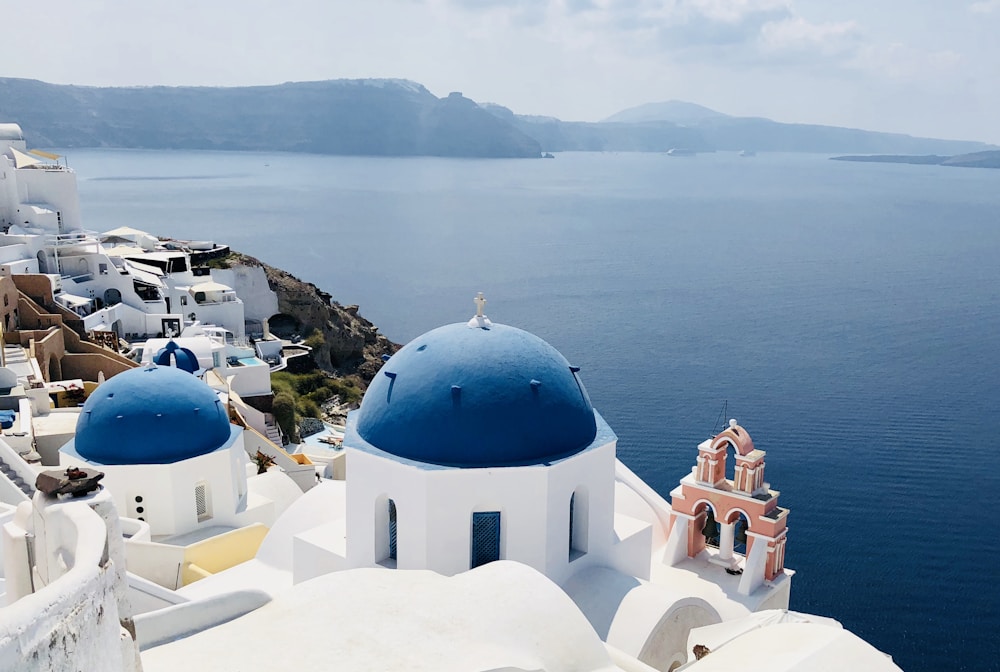
The caldera doesn’t look like something the earth built so much as something it broke, and Santorini simply moved into the wreckage and made it beautiful. White buildings cling to the cliff edge in tight clusters, stacked like sugar cubes someone dropped and decided to leave exactly where they landed.
Ships anchor in water so deep and blue it feels less like the sea and more like the inside of something, and the village of Fira spills down the rock face in a way that looks improbable even after you’ve seen the photographs a hundred times. There’s a hush that settles over the deck here, the kind that comes from realizing a volcano’s worst day became someone else’s view.
Venice, Italy
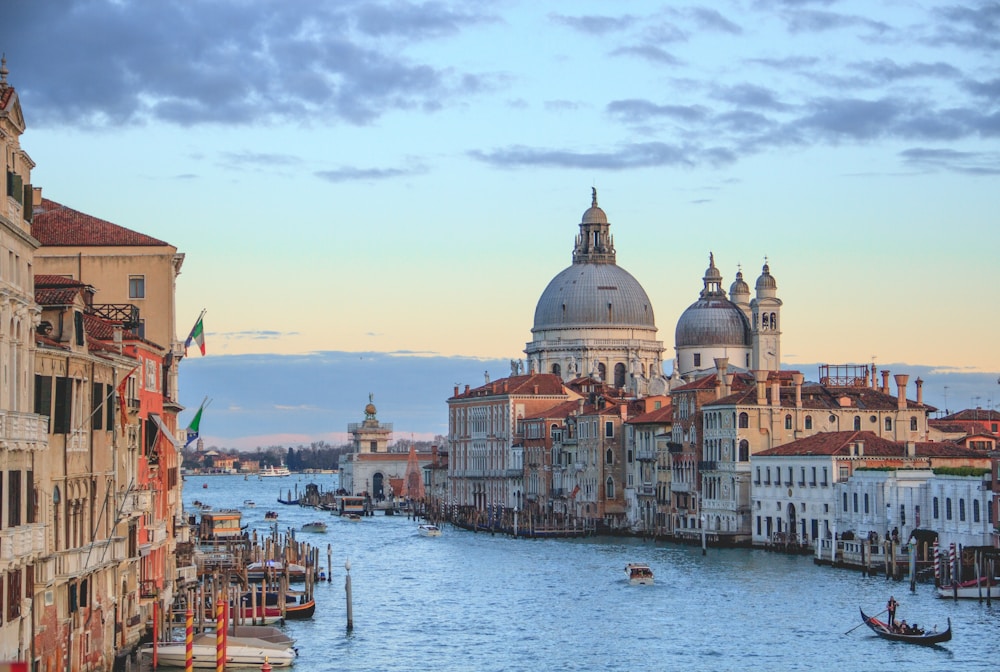
Sailing into Venice is not subtle, and honestly, subtlety was never the point. The ship glides down the Giudecca Canal with St.
Mark’s Square close enough to touch, campaniles and domes stacked up like the city ran out of room centuries ago and just kept building anyway. Critics love to complain about cruise ships dwarfing the skyline, and fair enough, they’ve got a point, but standing on deck watching the Doge’s Palace slide past at eye level is still one of the strangest, most gratifying entrances a person can have.
No other city hands you its entire history in a fifteen-minute glide, which is saying something.
Halong Bay, Vietnam
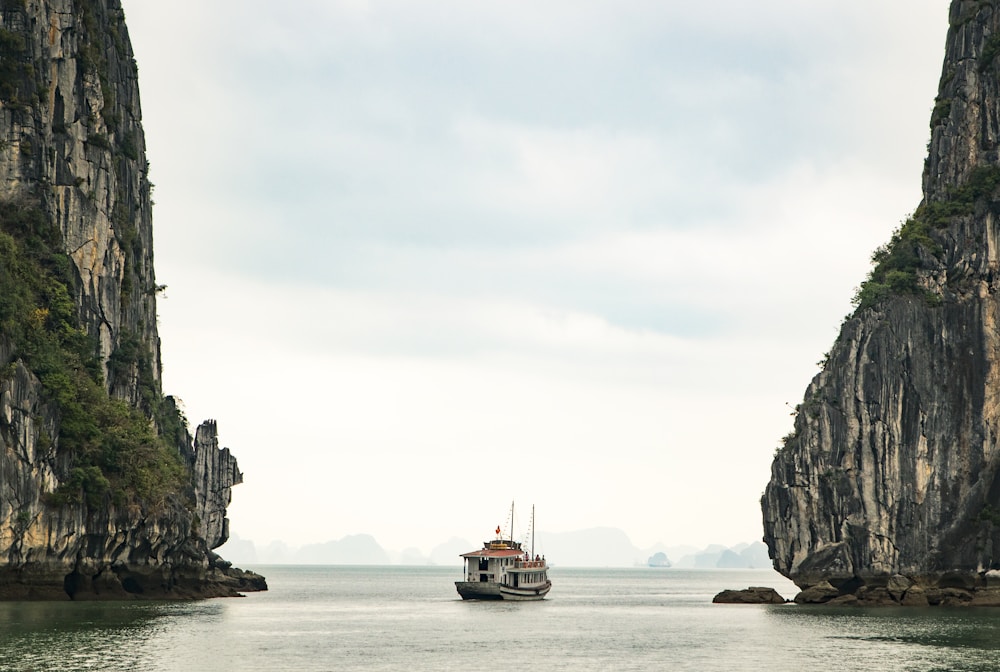
Nearly 2,000 limestone islands rise straight out of emerald water, and no two look alike. Ships thread between them like the bay was designed as a maze with no wrong turns.
Fog rolls low most mornings, wrapping the peaks halfway up so they seem to float free of the water entirely. Nothing about it looks real, and yet there it is, every single time.
Kotor, Montenegro
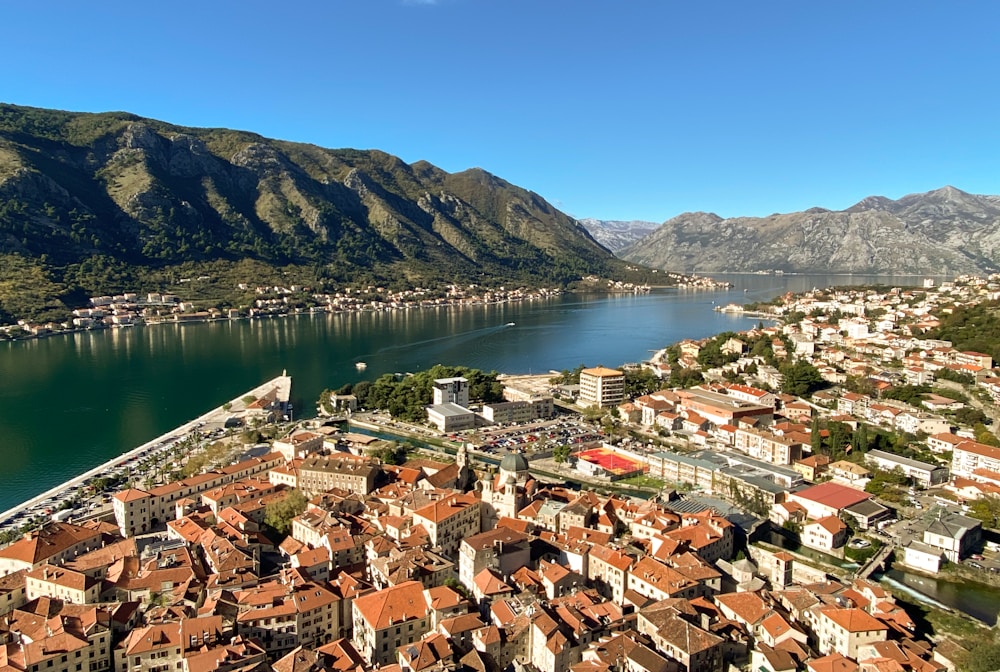
The approach into Kotor takes the better part of an hour, and that’s exactly the point, because the ship spends that time snaking through a bay so folded and mountain-walled it barely qualifies as coastal — it feels landlocked, sealed in by peaks that rise straight up out of the water without any polite build-up. Medieval walls climb the slope behind the Old Town like they’re trying to escape the sea entirely, zigzagging up toward a fortress that most passengers don’t spot until someone points and says look, up there: that thin gray line snaking along the ridge.
So the bay keeps narrowing, and narrowing again, until it seems impossible that a ship this size fits through at all, and then it does, and the town appears all orange rooftops and stone against slopes too steep for the goats that somehow still graze on them. Nobody on deck expects a fjord in the Adriatic, and yet here it is, refusing to behave like the rest of the Mediterranean.
Milford Sound, New Zealand
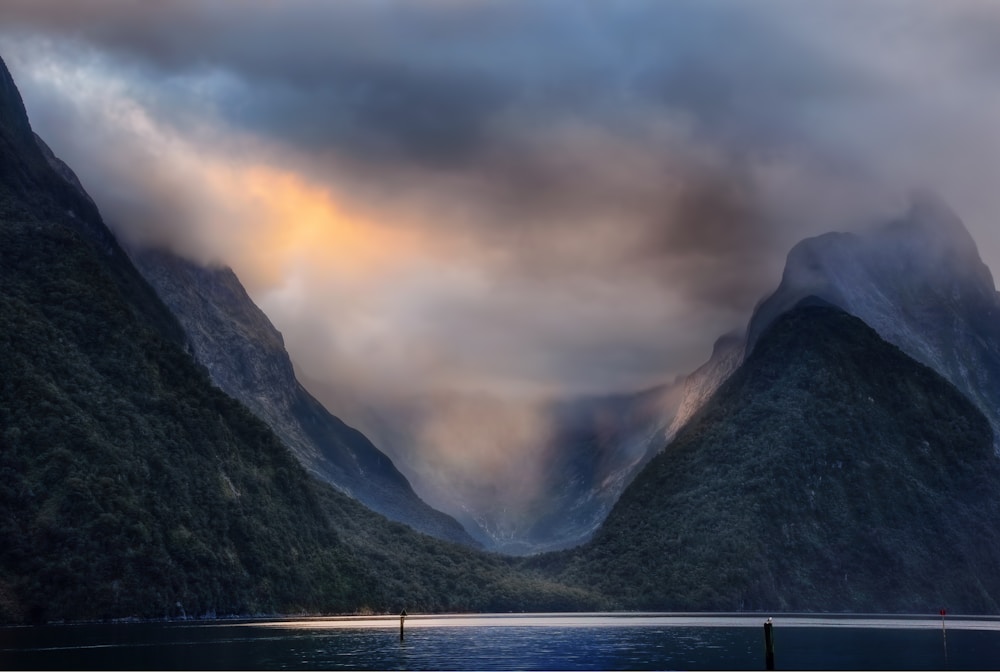
Mitre Peak doesn’t rise out of the water so much as insist on it, a gray wall of rock climbing 5,551 feet straight from the fjord’s surface without so much as a foothill to soften the approach. Rain falls here more days than not, and somehow that’s the point, because every storm carves a fresh waterfall down the cliffs that vanishes again once the sun comes back out, temporary rivers that exist for an afternoon and then quietly disappear.
Ships slip through water so still it holds the mountain’s reflection like a photograph nobody bothered to develop, dolphins occasionally breaking that mirror just to remind everyone it’s alive down there. There’s a hush that settles over Milford Sound that feels less like silence and more like the fjord holding its breath, waiting to see if you’re paying attention.
Glacier Bay, Alaska
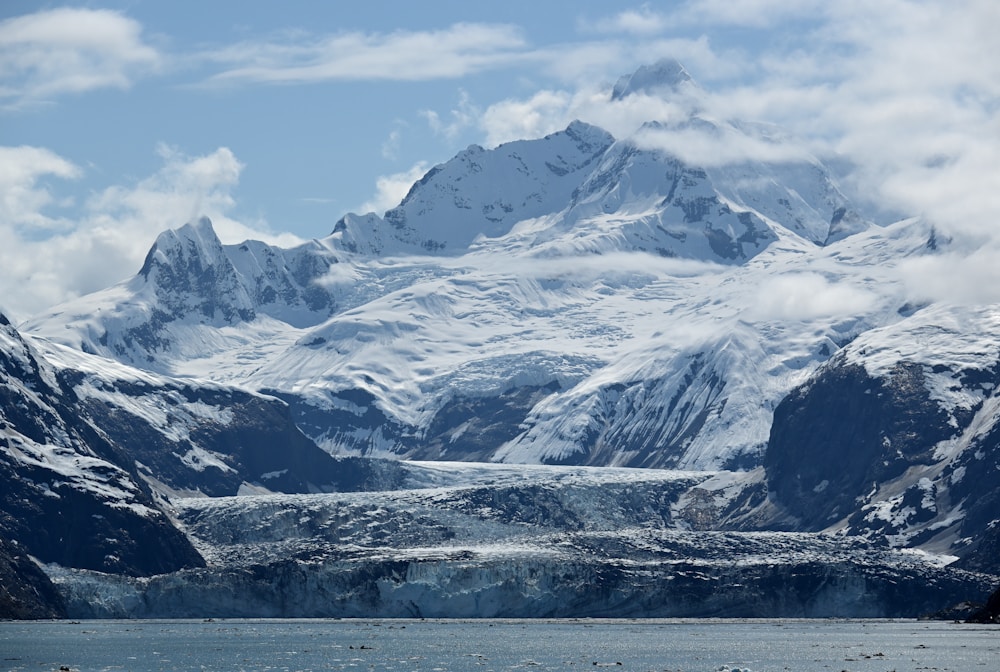
Calving glaciers are not a metaphor for anything, they’re just physically startling, and no amount of research prepares a person for the sound of ice cracking off a wall and hitting water like a building falling over. Ships idle in Glacier Bay for hours specifically so passengers can watch the Margerie Glacier do this at its own pace, a wall of blue-white ice over 250 feet tall that occasionally decides to shed a chunk the size of a house.
The water runs a strange milky turquoise from all the rock ground down by ice that’s been moving for centuries, and harbor seals haul out on the floating chunks like the whole scene was arranged for their benefit. Alaska has better-known cruise ports, sure, but none of them make you feel quite this small.
San Francisco, California
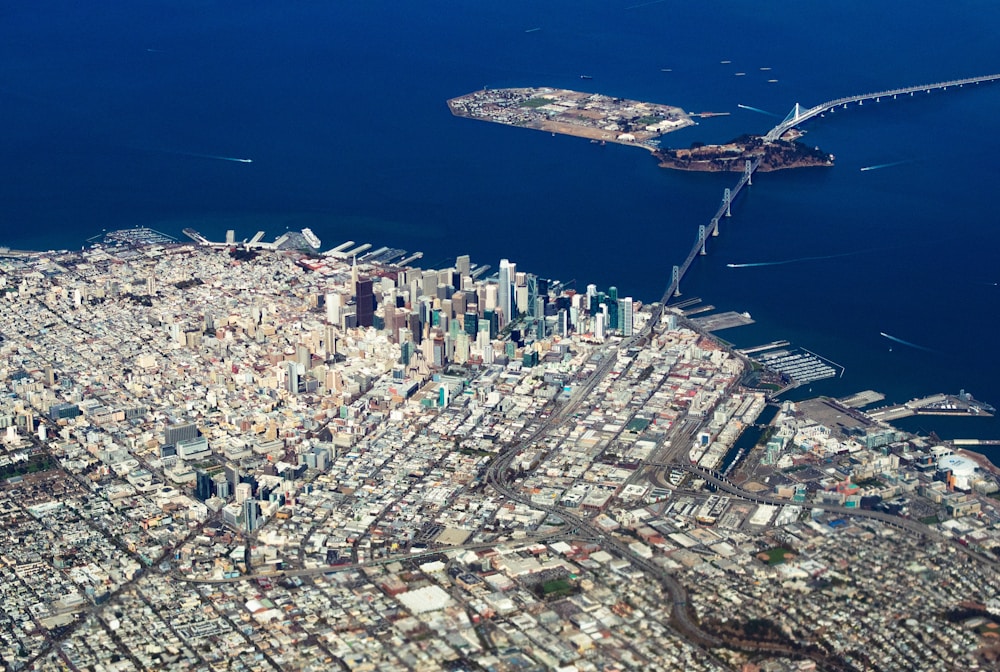
The Golden Gate Bridge does the introducing here, and it doesn’t need help. Ships pass directly beneath the span, fog usually shredding the towers into two separate objects, orange steel above and below with nothing but gray in between.
San Francisco appears behind it a few minutes later, stacked hills and all, like the bridge was just clearing its throat first. That’s the entire show, and somehow it’s enough every single time.
Bora Bora, French Polynesia
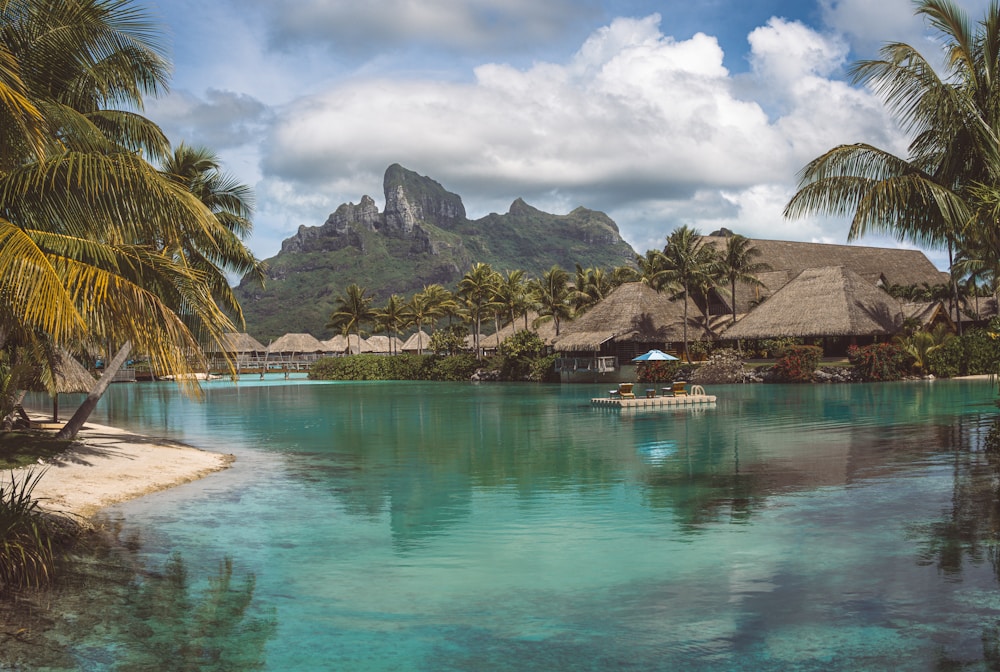
Ships don’t so much arrive at Bora Bora as get gently ambushed by it, easing past a barrier reef into a lagoon so clear the anchor chain seems to hang in nothing, and then Mount Otemanu shows up behind it all — a jagged green spike left over from a volcano that collapsed on itself thousands of years ago, though nobody standing on deck is thinking about geology at that moment. The water changes color in bands as the ship moves through it, turquoise sliding into something closer to glass, and overwater bungalows perched on stilts near the shore look almost too tidy to be real (they are real, they’re just also absurdly photogenic).
So the whole approach takes on a strange, unhurried quality, like the island knows it doesn’t need to rush anyone toward it: the lagoon is going to be there whether you appreciate it fast or slow. Most passengers stop talking somewhere around the reef entrance, and that silence says more than any description could.
Dubrovnik, Croatia
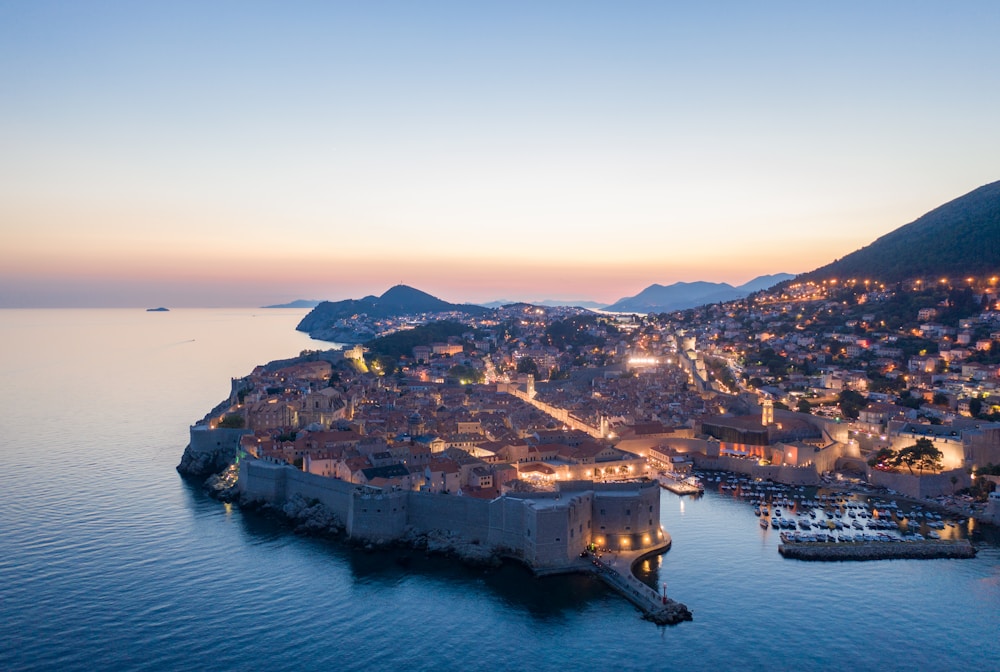
The walls arrive before the city does, a pale ring of limestone wrapped so tightly around the old town it looks less like defense and more like an embrace that never let go. Ships slow to a crawl outside the harbor, and from that distance Dubrovnik reads like a closed fist of terracotta roofs pressed against the blue, stubborn against a coastline that offers no other interruptions for miles.
Sunlight does something particular to those walls in the late afternoon, turning the stone the color of old honey, and the whole scene carries a hush that has nothing to do with quiet and everything to do with age. Nobody explains why it feels this way, the harbor just corrects you, gently, if you’d assumed a small walled city couldn’t hold this much weight.
Istanbul, Turkey
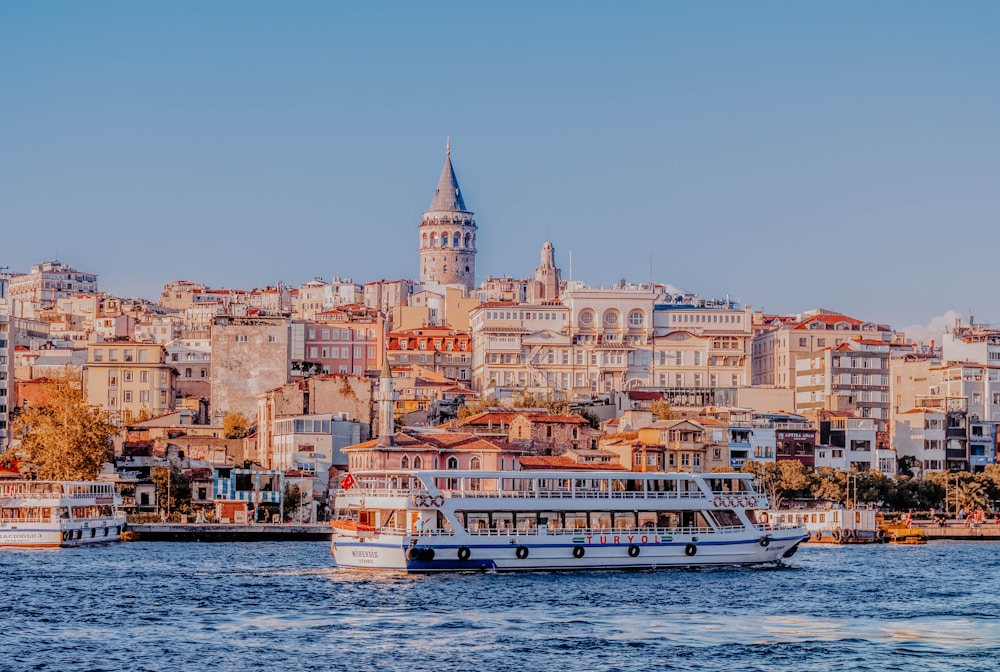
The Bosphorus is the only strait on earth that gets to claim two continents as scenery, and it uses that privilege shamelessly. Ships gliding through get Ottoman palaces on one bank and Asia casually sitting on the other, minarets stacking up against the skyline like the city never met a silhouette it didn’t want to complicate further.
Topkapi Palace and the Hagia Sophia’s dome show up early in the approach, which is a lot to process before breakfast, frankly. Istanbul doesn’t do a modest entrance, and given what it’s working with, why would it bother.
Stockholm, Sweden
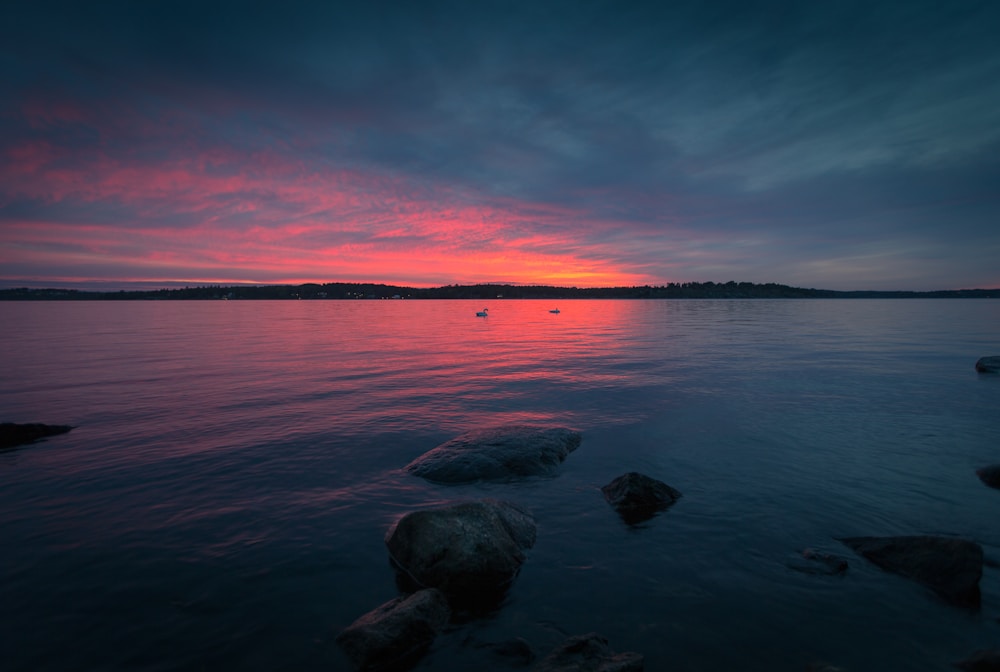
Thirty thousand islands stand between the open sea and the city, and the ship threads through every one of them. Red cottages, pine trees, granite rock worn smooth by ice age glaciers — the scenery doesn’t quit for hours.
No skyline announces itself until suddenly it does, spires and copper roofs rising out of the archipelago like the city snuck up on purpose. Stockholm makes you work for the view, and then hands you the best one in Scandinavia anyway.
Lisbon, Portugal
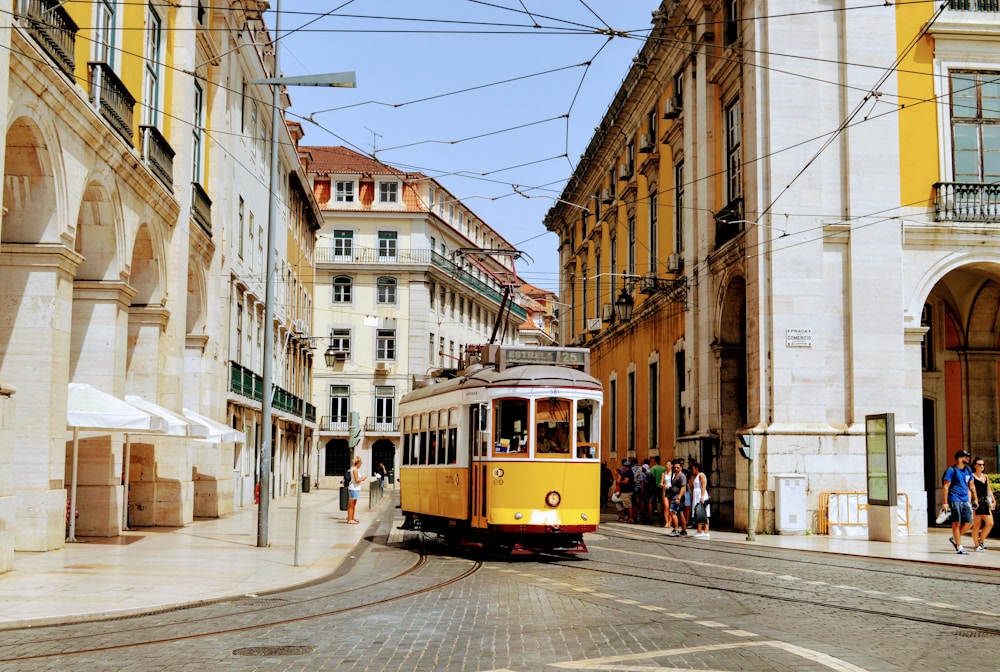
The Tagus River doesn’t announce Lisbon so much as unroll it, one pastel building at a time, like a hand slowly turning over a deck of cards that all happen to be the same faded pink and ochre and yellow. The 25 de Abril Bridge stretches overhead first, a rust-red cousin of the Golden Gate that nobody outside Portugal seems to talk about enough, and just past it the Cristo Rei statue watches from the far bank with its arms out, patient in a way that feels almost maternal.
Hills stack the city up in tiers behind the waterfront, trams somewhere in there grinding up inclines steep enough to make the whole skyline look slightly unsteady on its feet. There’s a worn softness to the color here, sun-bleached and salt-stripped, that no other European harbor quite manages, and it makes the arrival feel less like sightseeing and more like walking into someone’s very old, very loved photograph.
Monte Carlo, Monaco
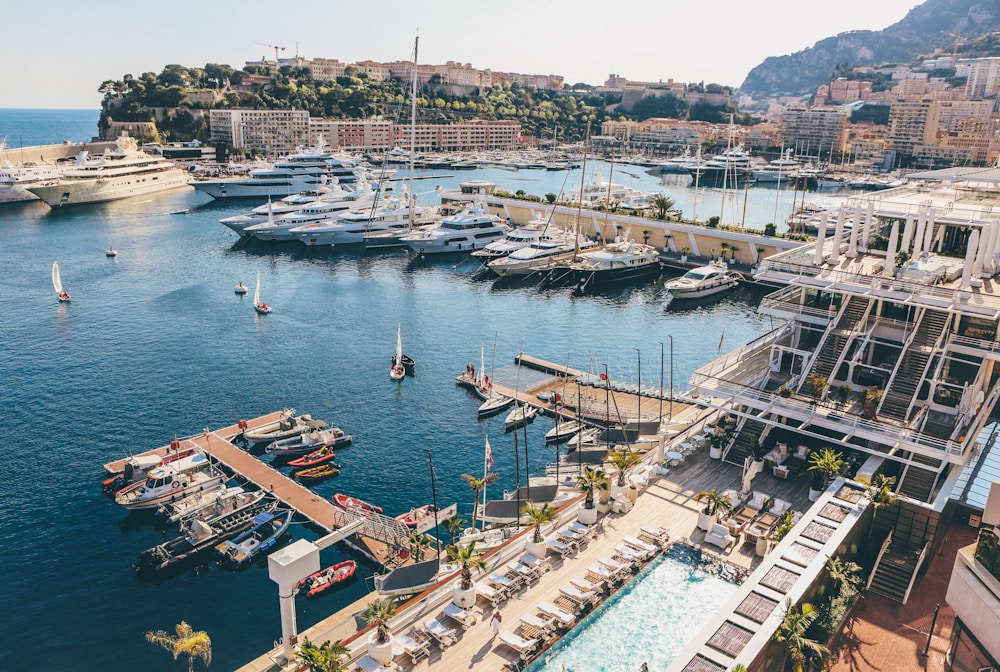
Monaco barely stretches a mile across, and somehow it still manages to look enormous from the water. Towers stack straight up the hillside, wedged in tight because there’s nowhere left to build but up.
The Rock sits at one end with the old palace keeping watch, and the harbor below stays crowded with yachts that cost more than most houses ever will. Ships don’t dock here so much as park among royalty, and everyone on deck knows it.
Positano, Amalfi Coast, Italy
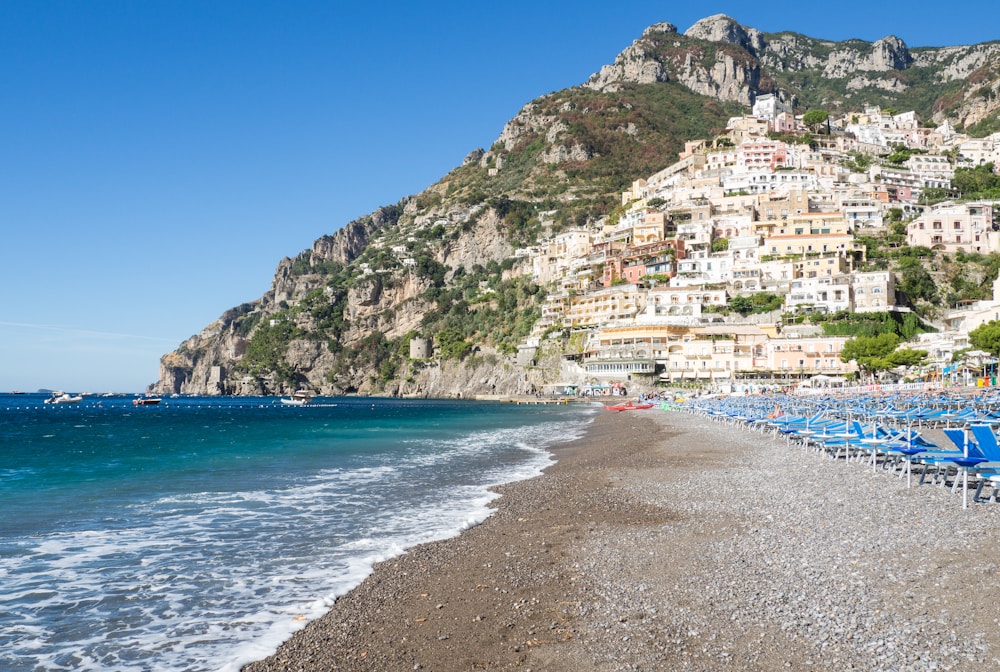
Positano doesn’t build outward, it builds straight up, because the cliff never left it any other option. Houses stack in tiers of pink and ochre and lemon yellow, one balanced on the roof of the next, all the way from the waterline to the ridge.
Most cruise visitors arrive by tender rather than docking directly. The town just hangs there against the rock, stubborn and unreasonable in the best possible way.
Why These Harbor Arrivals Stay With You
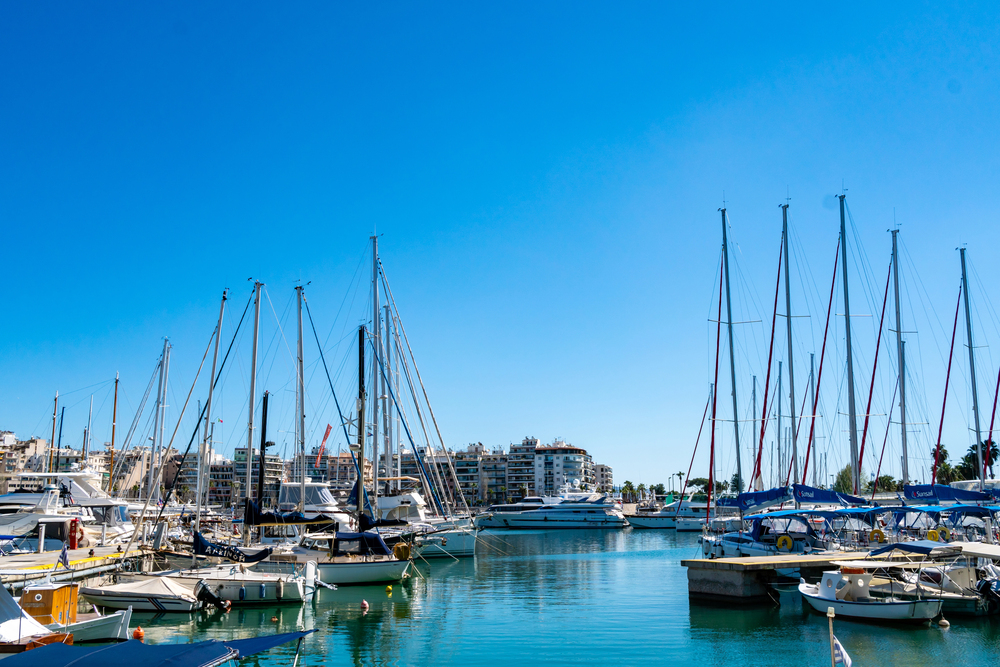
After days at sea, the first glimpse of land often becomes the moment travelers remember most. A remarkable harbor arrival does more than announce the next destination—it sets the mood before anyone steps ashore.
Whether it’s mountains rising straight from the water, medieval cities wrapped in stone walls, or skylines glowing against the evening sky, these approaches remind passengers that sometimes the journey into port is every bit as memorable as the destination itself.
More from Travel Pug

- Underrated Italian Towns That Beat the Tourist Crowds
- Las Vegas Tourist Traps to Skip
- Prettiest Towns in Every US State
- 18 passport-free countries for Americans
- Signs Your Cruise Is Not Worth The Cost
Like Travel Pug’s content? Follow us on MSN.