

Family holidays have a way of requiring a different kind of negotiation. The adults want something resembling rest.
The children want to be constantly occupied. The teens want to be nowhere near either group.
Cruise ships, at their best, solve all three problems simultaneously — and the reason families book again within months of returning home is almost always traced back to what happened when the kids were taken care of and the parents got an hour to themselves.
The activities listed here span lines and ship types, from Disney’s famously immersive programmes to Royal Caribbean’s floating adventure parks. The specific ships matter, but the principle is consistent: the best cruise lines for families don’t just allow children on board, they build the experience around them, and then quietly make sure the adults are having an equally good time.
The Adventure Ocean Programme on Royal Caribbean
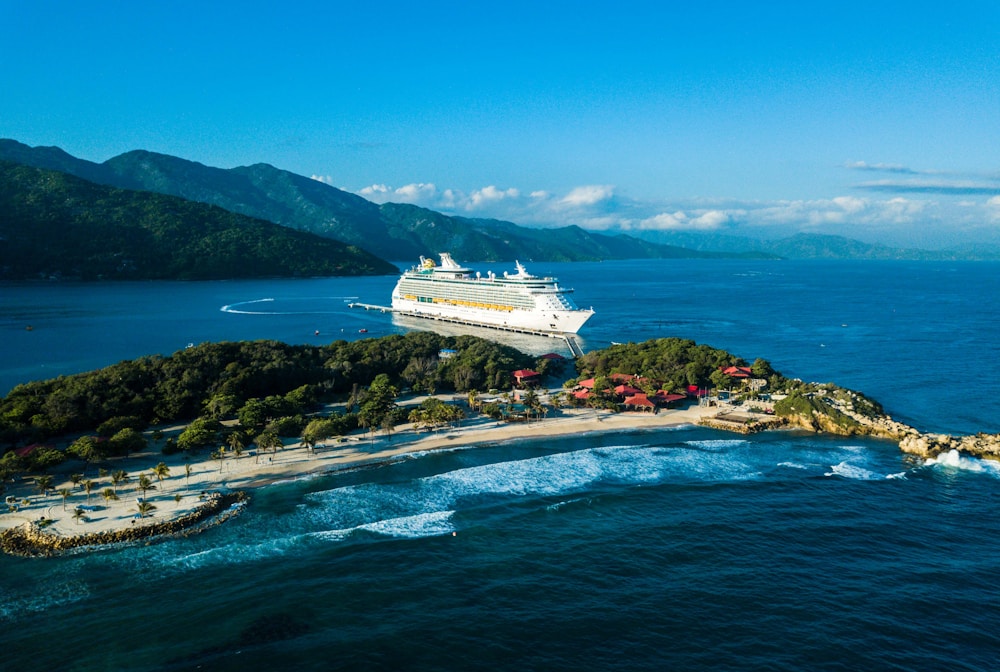
Royal Caribbean’s Adventure Ocean divides children into age-specific groups — from AO Babies for six to 18-month-olds right through to the teen Hangout and Fuel disco — and each group runs its own schedule of activities throughout the day. The programme is staffed, structured, and free during daytime hours, with a nominal charge kicking in after 10pm for late-night group babysitting.
On Icon of the Seas and other Oasis-class ships, the dedicated kids’ area includes a theatre, an arts and crafts workshop, and a science lab.
The Scratch DJ Academy on Royal Caribbean
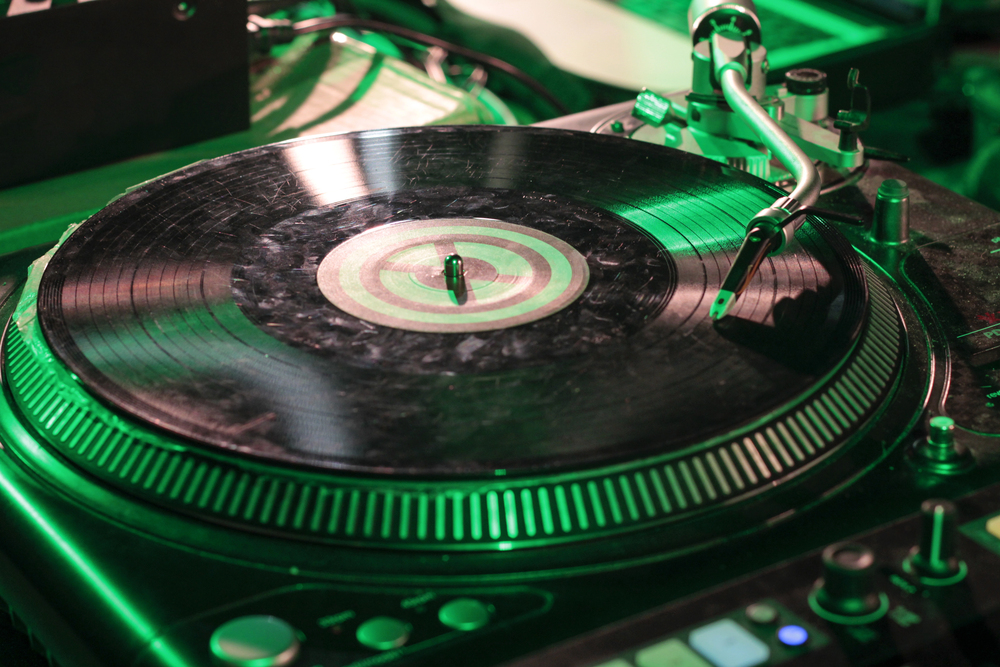
Available on select Royal Caribbean ships, the Scratch DJ Academy teaches kids and teens how to mix music using real equipment under the guidance of instructors. This is not a passive activity — children leave with a skill, or at least a genuine attempt at one.
It fills quickly and it’s one of the activities that older kids specifically ask to repeat on subsequent sailings.
Disney’s Oceaneer Club and Lab
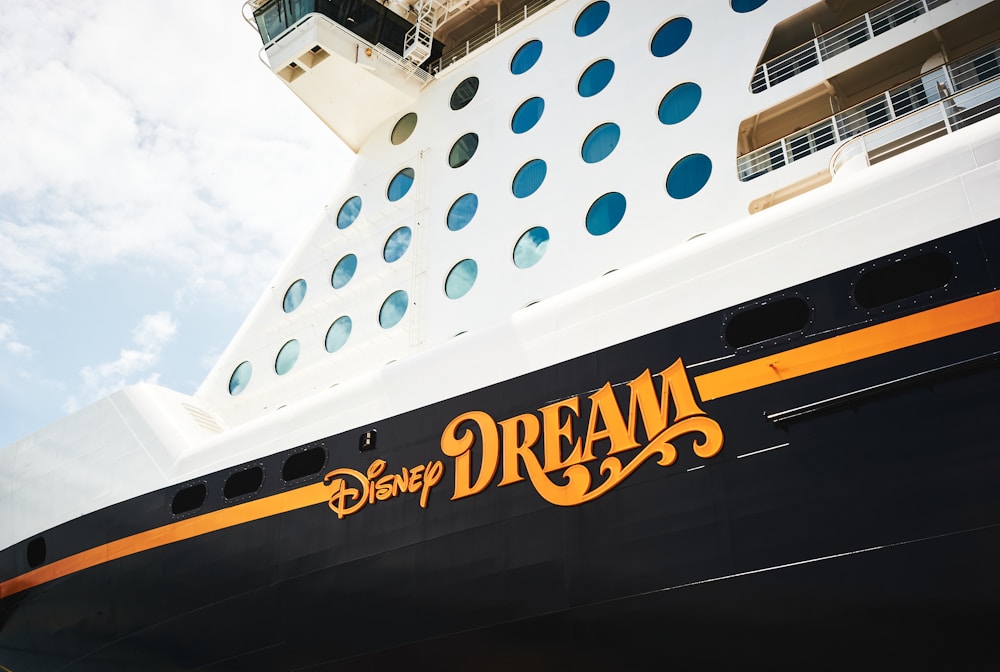
Disney’s Oceaneer Club for younger children and Oceaneer Lab for older ones are immersive, themed environments where children can spend entire days without repeating an experience. Characters show up unannounced.
Activities rotate constantly. The Lab’s programming includes coding, science experiments, and imaginative play based on current Disney properties.
Disney ships also run exclusive deck parties where characters join the action — something that genuinely cannot be replicated on other lines.
Water Parks and Waterslides
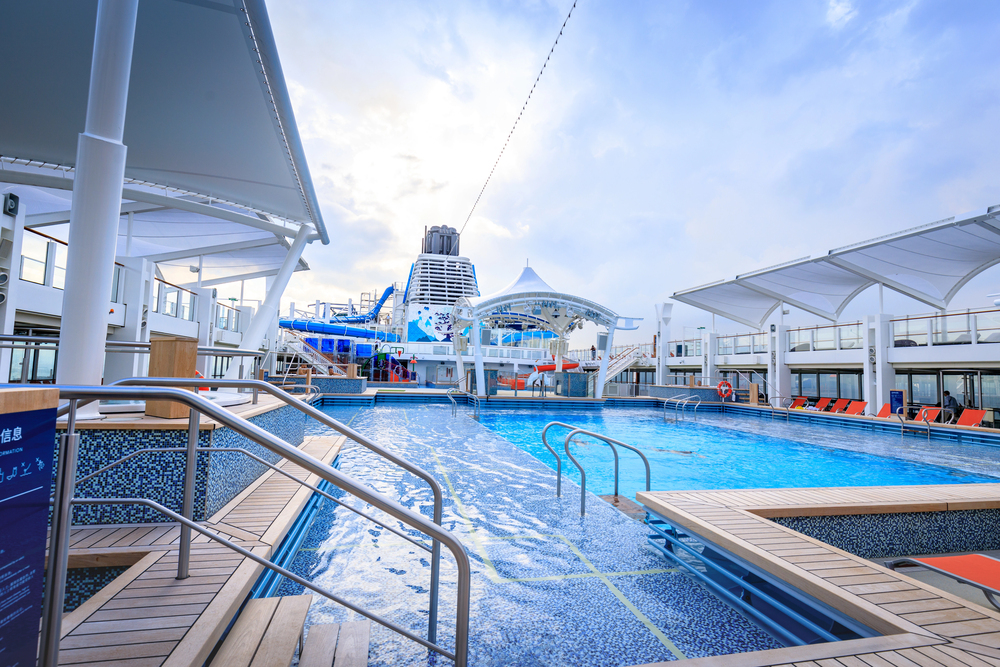
Royal Caribbean’s Category 6 water park on Icon of the Seas holds six waterslides and, at the time of its 2024 launch, was the largest water park at sea. Carnival’s WaterWorks runs waterslides including the Twister and the Drainpipe on multiple ships.
Norwegian’s newer vessels, including Norwegian Prima and Norwegian Viva, include multi-drop waterslides that children will ask to ride repeatedly until someone else needs them to stop.
The FlowRider Surf Simulator
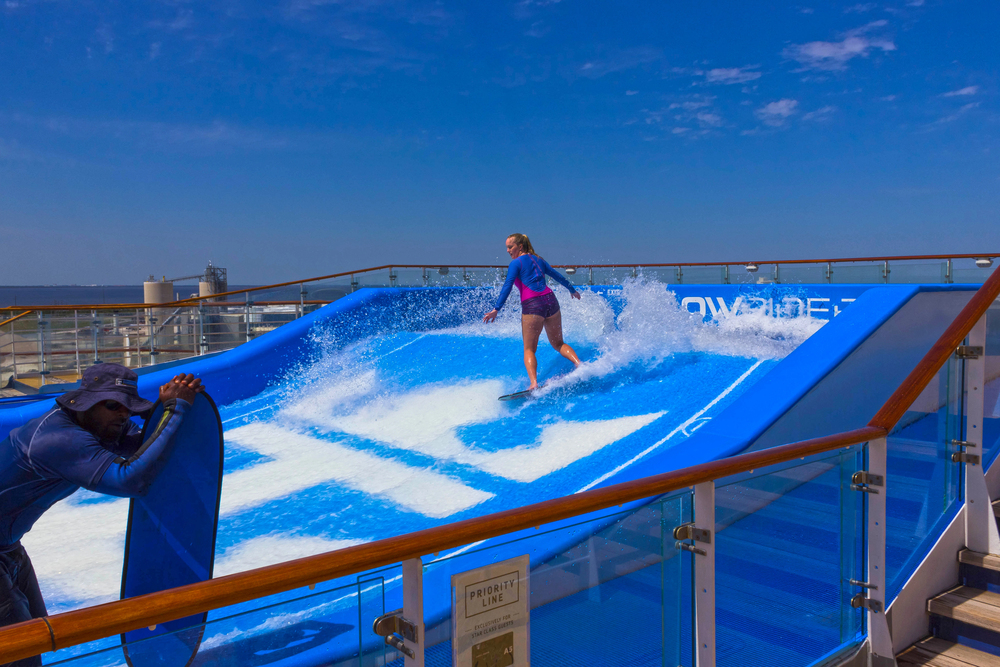
Royal Caribbean’s FlowRider is a stationary wave machine where passengers ride a boogie board or stand-up surfboard against a continuous sheet of water. It’s available on Freedom-class, Oasis-class, and Icon-class ships.
First-time riders fall off constantly. That is apparently part of the appeal.
Lessons are available, and the ability to say you surfed on a cruise ship retains its novelty for most children well past the end of the voyage.
Rock Climbing Walls
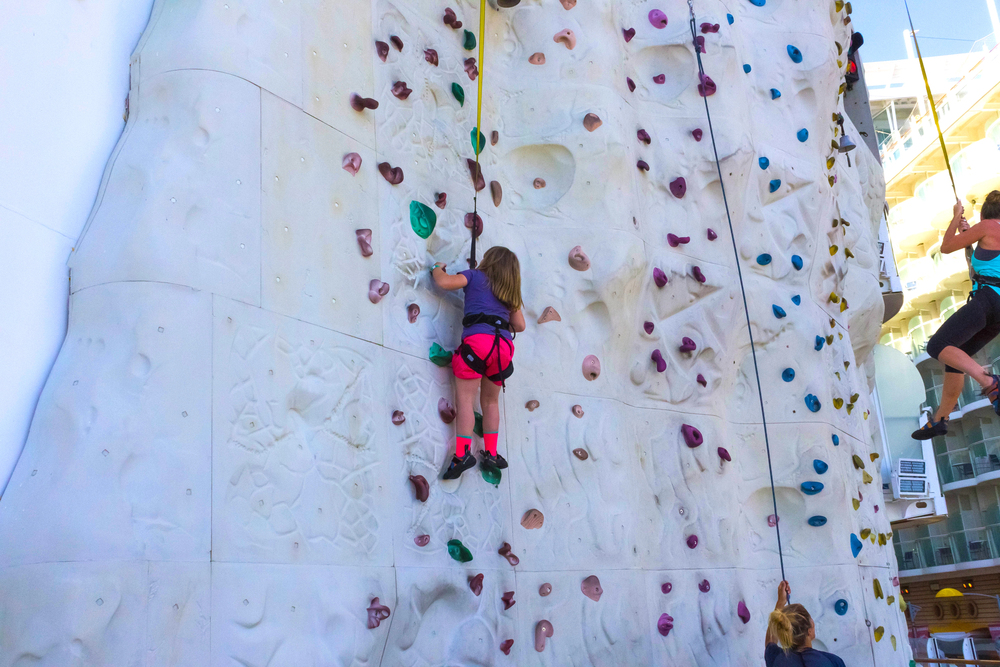
Rock climbing walls appear on Royal Caribbean ships from the Voyager-class upward and are supervised, free to use, and popular enough to form queues on sea days. Harnesses are provided.
Children who’ve never climbed before are welcomed by staff and given basic instruction. The novelty of scaling a wall while the ocean passes by thirty metres below is not something anyone forgets quickly.
Splash Academy on Norwegian Cruise Line
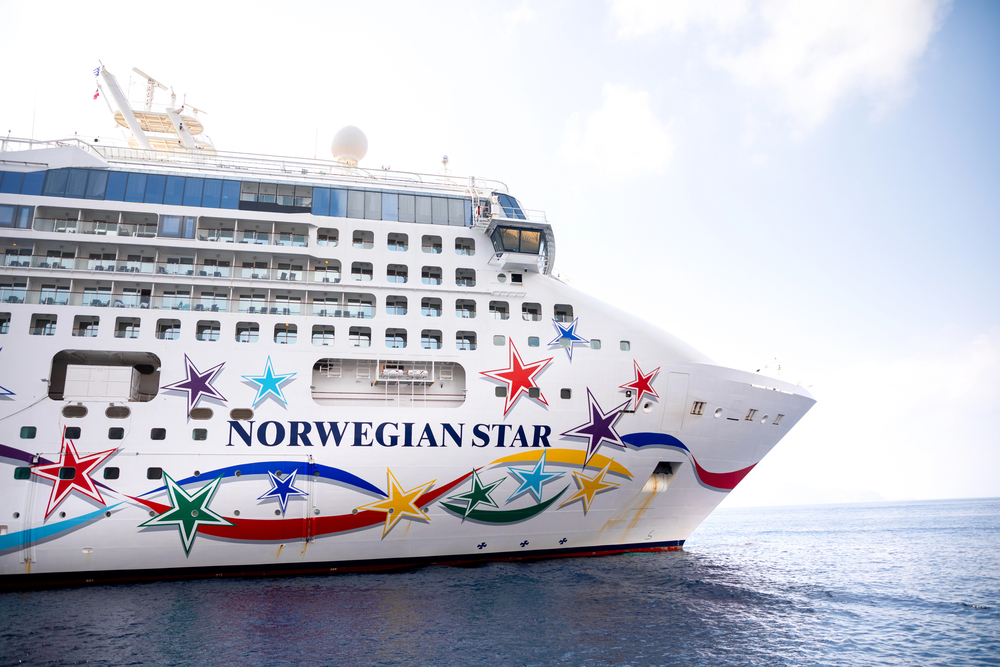
Norwegian’s Splash Academy accepts children from ages three to twelve in age-specific groups. Activities include arts and crafts, sports, treasure hunts, and theme nights.
Teens have their own Entourage spaces — dedicated lounges that function as social hubs rather than supervised programmes, with planned events like karaoke, game shows, and group film screenings. Norwegian also runs Guppies Ocean Co-op for children six months to two years old, which is among the few cruise programmes specifically designed for infants.
MSC’s Baby and Mini Club
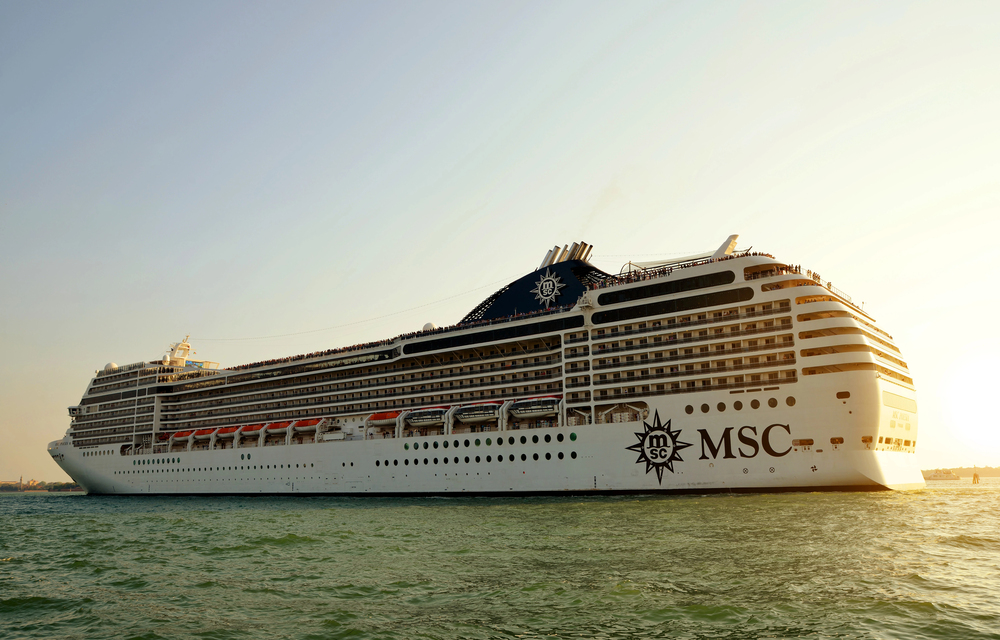
MSC Cruises partnered with Chicco, the Italian children’s brand, to develop its infant programming, making it one of the more thoughtfully resourced baby and toddler programmes at sea. The Baby Club covers ages one to three, the Mini Club runs from ages three to six, and each operates with age-appropriate equipment and structured activities.
MSC also offers an Infinity programme for teenagers, which includes gaming, sports, and social activities in teen-only areas.
The AquaDome on Icon of the Seas
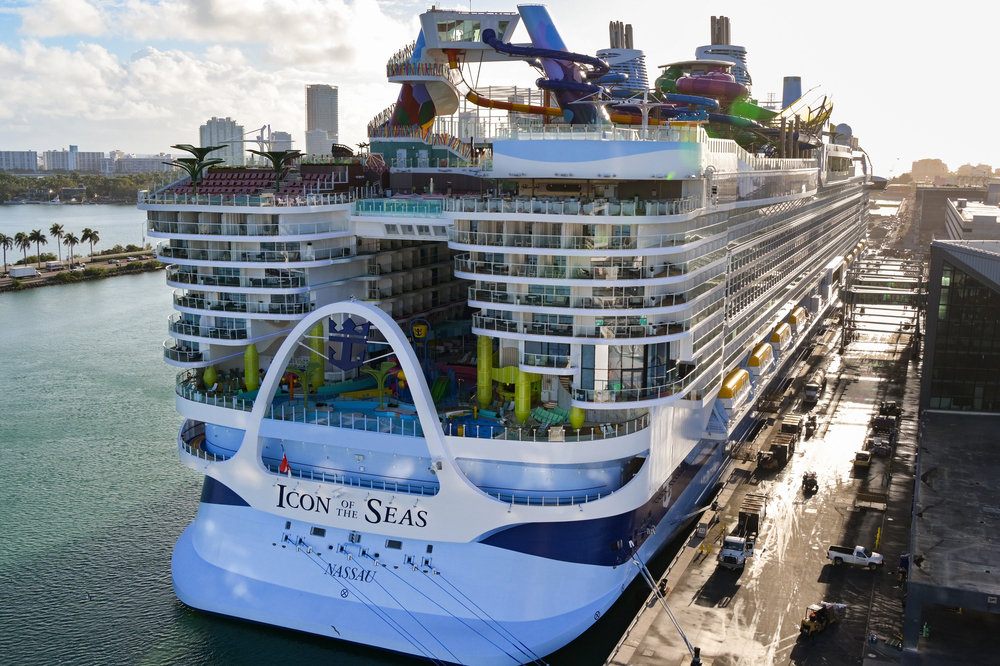
Royal Caribbean’s Icon of the Seas features the AquaDome — a glass and steel structure that houses a waterfall, pools, and a performance space. During the day it functions as an aquatic play environment; in the evenings it transforms into an entertainment venue with live shows featuring divers and high-performance athletes.
The 55-foot-tall water curtain it uses as a performance backdrop is among the more spectacular things available on any cruise ship currently in service.
Zip Lines
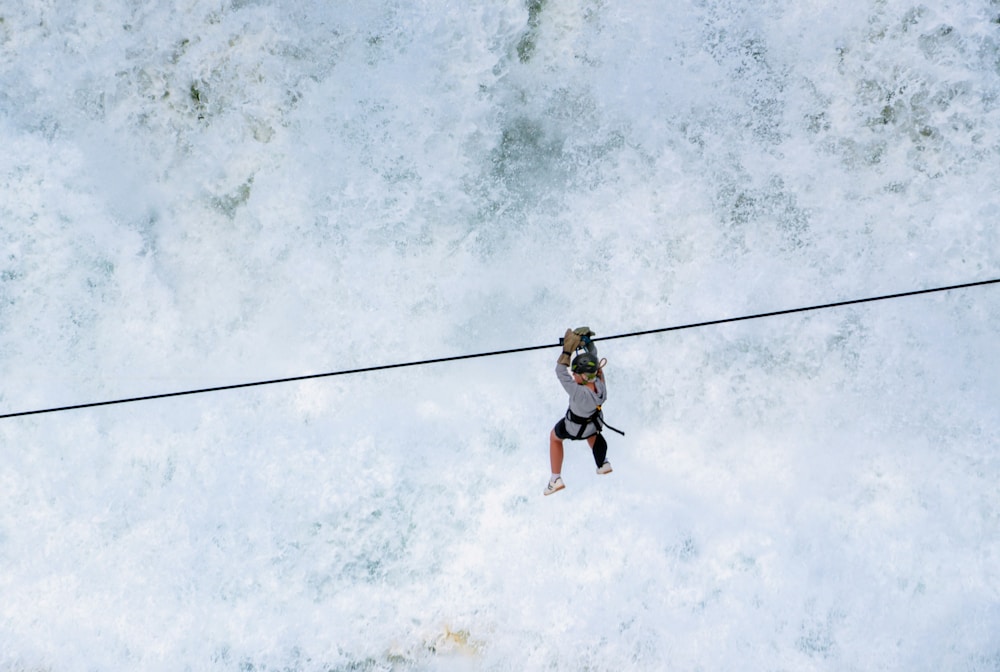
A handful of cruise ships offer zip lines running across the width of the ship on upper decks. Royal Caribbean includes this on its Freedom-class and larger ships.
Carnival’s Carnival Horizon and similar vessels have offered zip lines that send passengers across the lido deck at height. The experience is brief — the ship isn’t wide enough for anything longer — but the combination of altitude, speed, and open ocean on both sides makes the few seconds count.
Mini Golf
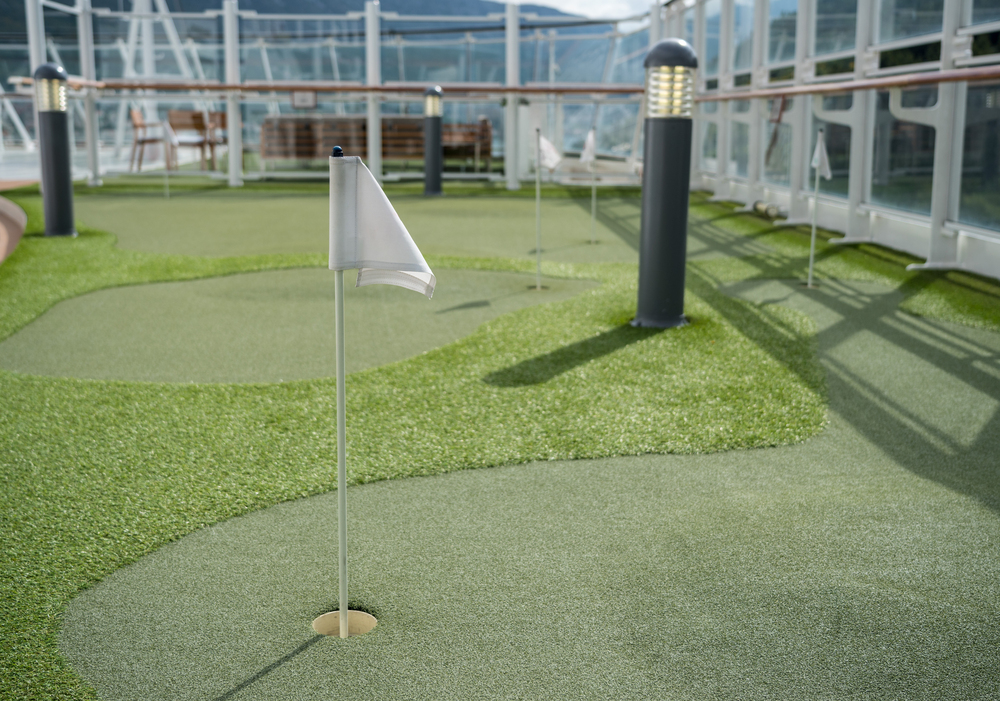
Mini golf courses exist on many mainstream cruise ships, including Holland America, Princess, Carnival, and Royal Caribbean. They’re free, they function as a neutral activity that works across age groups, and they’re consistently underused except on sea days when children discover there’s nothing else quite like a putting green on an upper deck with a ship’s wake visible in every direction you don’t want to hit toward.
Camp Ocean on Carnival
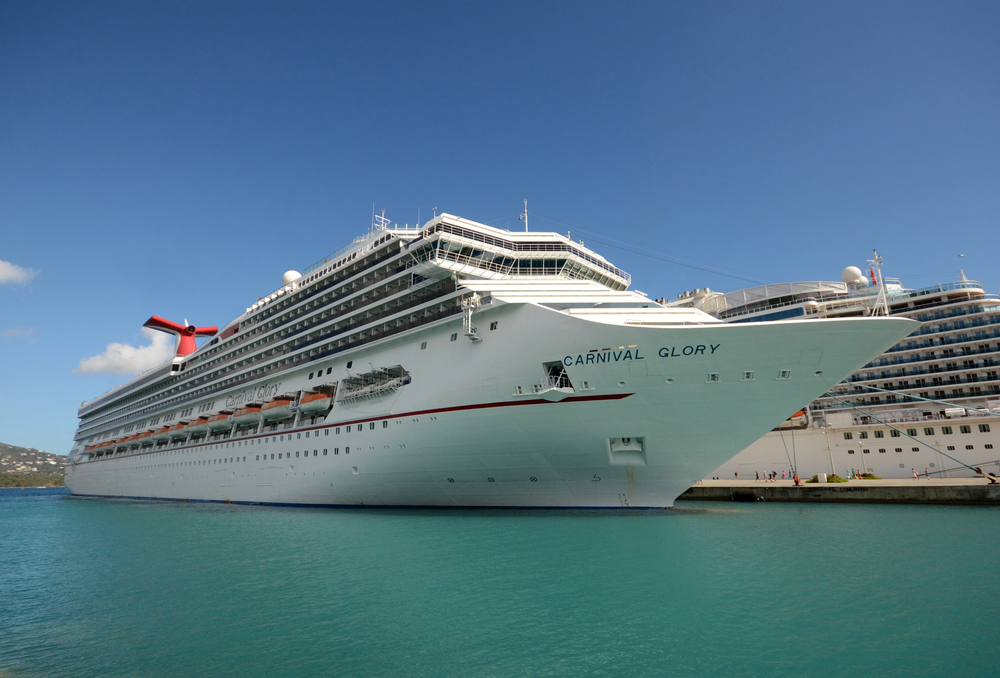
Carnival’s Camp Ocean divides kids into Penguins (two to five years), Sting Rays (six to eight years), and Sharks (nine to eleven years). Programming reflects those divisions with appropriately calibrated activities, and the overall approach is more relaxed and informal than some of the more structured programmes on competing lines.
Carnival’s BOLT roller coaster — a real electric go-kart track that loops around the upper deck of the Mardi Gras — is one of the more extraordinary family activities at sea and one that older children and teens consistently rate as a highlight.
Ice Skating on Royal Caribbean
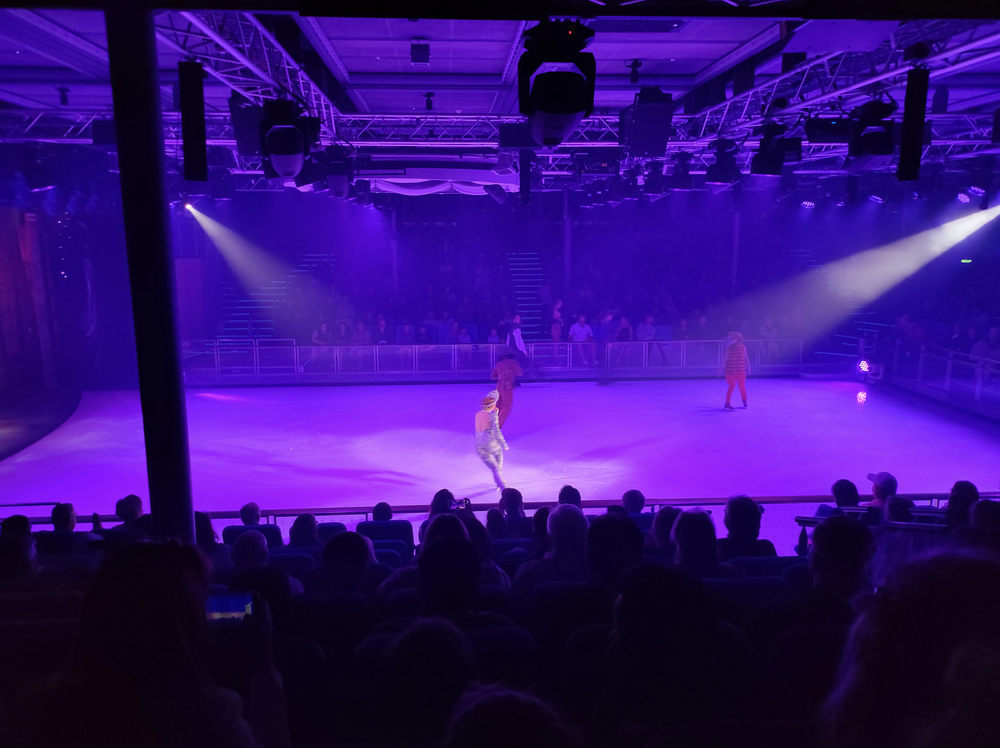
The ice skating rinks on Voyager-class ships and above run public skating sessions where children can skate in the middle of the Caribbean Sea. Figure skating shows happen in the evenings.
The idea that a cruise ship contains a functioning ice rink still surprises many passengers on their first sailing, and the rinks are well-maintained and properly staffed.
The Nursery for Infants
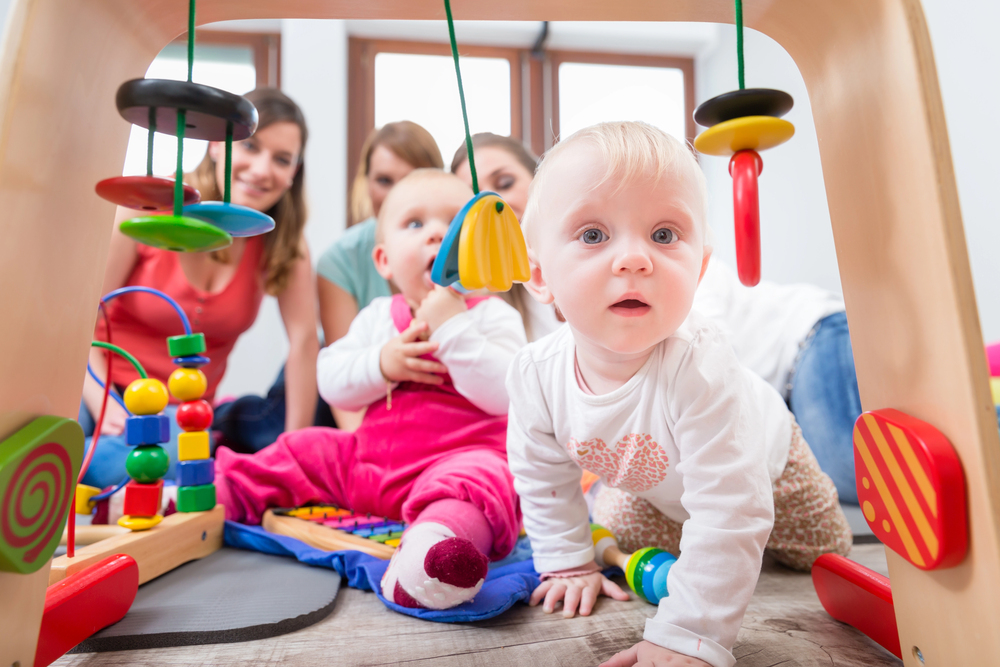
Disney, MSC, Carnival, and Royal Caribbean all offer nursery facilities for children under two or three, typically at a per-hour charge. Disney’s nursery on its ships is themed and staffed to a higher ratio than most, and it takes reservations in advance — meaning it fills up quickly on popular sailings.
For families with very young children, the existence of supervised infant care on board is often the deciding factor in whether a cruise is possible at all.
Circus Skills Workshops
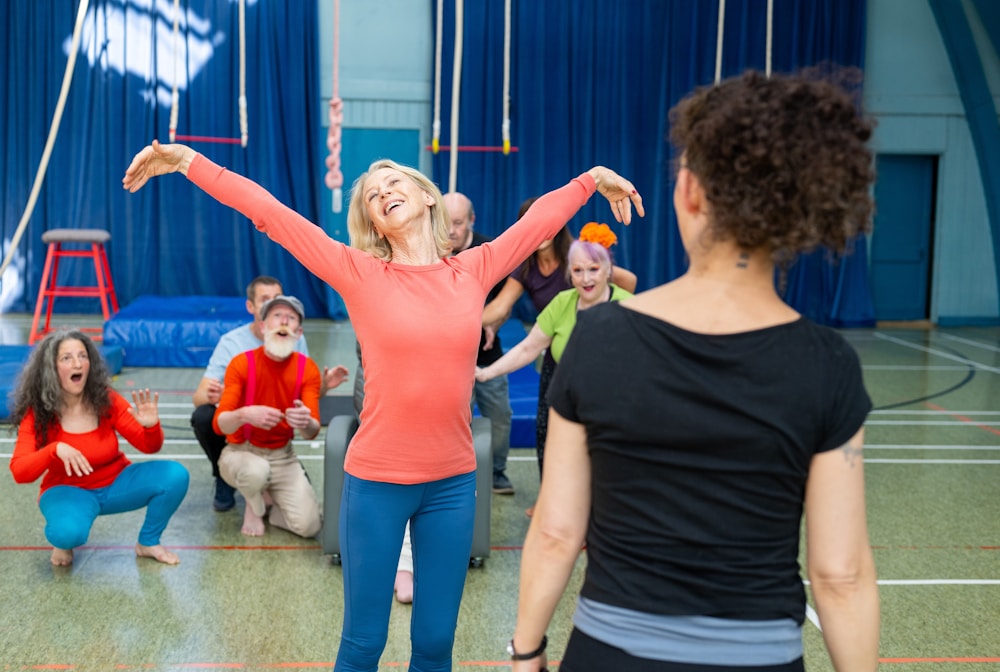
Norwegian Cruise Line runs circus skills workshops for children on select sailings, teaching juggling, balancing, and basic acrobatics. Similar activity programming appears on other lines under different names.
These are the sessions that children describe enthusiastically to everyone they know for weeks after the holiday, regardless of how skilled they actually became.
Cooking Classes for Kids

Several cruise lines offer children’s cooking or baking sessions — decorating cupcakes, making pizza, assembling simple dishes — as ticketed or complimentary activities. Carnival’s Hasbro game shows and food-based game formats bring similar energy.
The activity itself is secondary to the experience of having done something with their hands and having something to show for it.
The Teens-Only Zone

Most large cruise lines now operate separate, staffed spaces for teenagers that are off-limits to younger children and adults. Royal Caribbean’s Fuel is a disco-style lounge.
Norwegian’s Entourage includes gaming equipment and its own social calendar. Disney’s Vibe is an invitation-only teen space with its own events.
The presence of a space genuinely designed for teenagers — not just a corner of the regular kids’ club — is often what converts sceptical adolescents into passengers who ask their parents when the next cruise is.
Science Labs and STEM Activities
Royal Caribbean’s Adventure Ocean includes dedicated science activity spaces on its larger ships. Princess Cruises has run STEM-based programming through its Camp Discovery Youth Centre in partnership with Discovery at Sea.
These activities — coding, experiments, engineering challenges — run in the structured club environment and tend to attract children who aren’t interested in physical activities without having fewer options as a result.
Scavenger Hunts Across the Ship
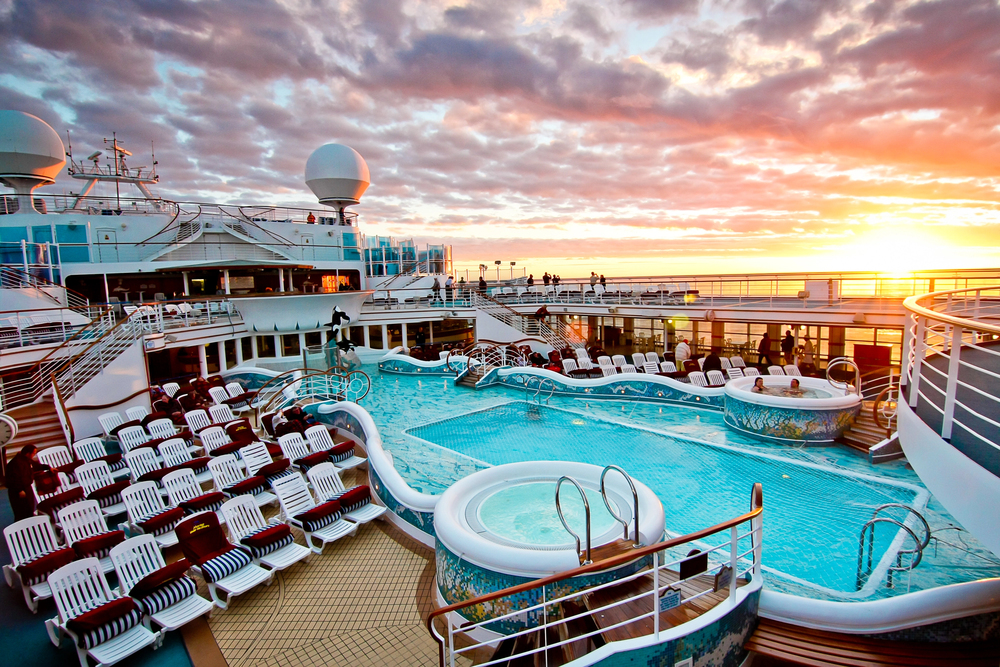
Ship-wide scavenger hunts and treasure hunt programmes — where children are given clues or maps and move between locations across the ship — appear on many lines as organised activities. Disney runs elaborate versions tied to its characters and storylines.
Other lines offer simpler versions. They keep children occupied for hours at a stretch and are one of the few activities that actually teaches children the layout of a very large vessel.
Carnival’s Family Harbor
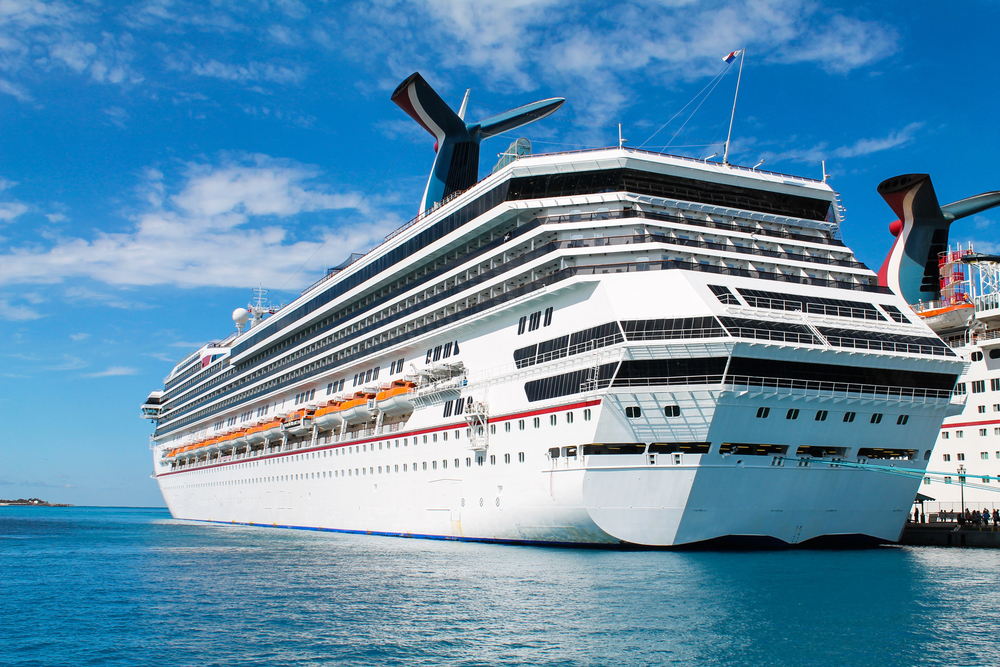
Carnival’s Family Harbor is a dedicated section of certain ships — the Horizon, Panorama, and Mardi Gras among them — that groups family cabins together near a dedicated lounge with kids’ programming, snacks, and a board game library available exclusively to Family Harbor guests. The concept of a neighbourhood-within-the-ship for families has been well-received, particularly by parents travelling with children who need a lower-stimulation retreat from the main pool deck.
Group Kids’ Club Dinners
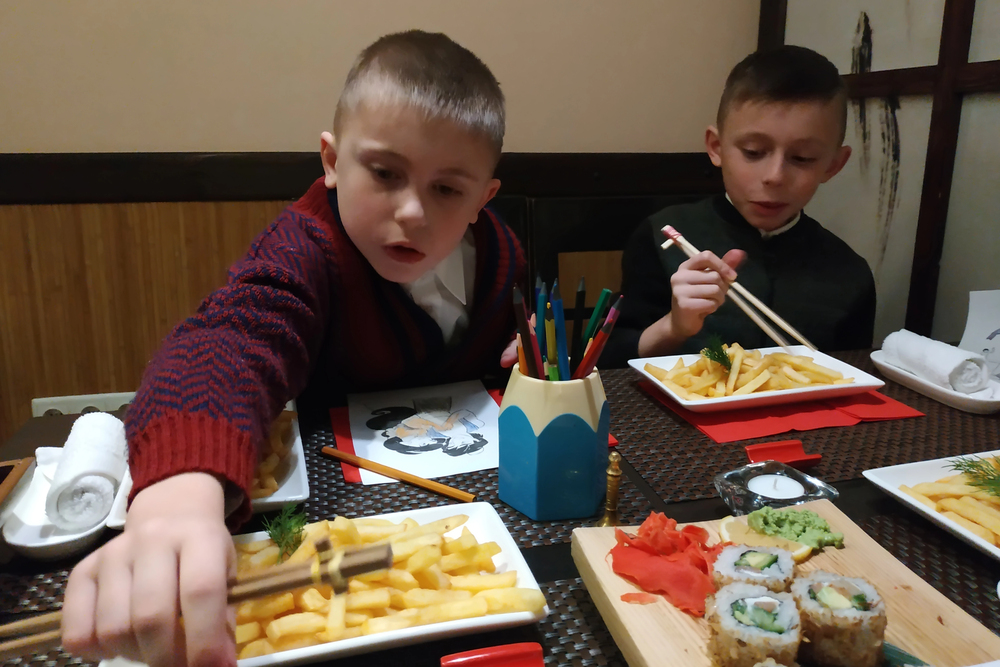
On certain evenings, the kids’ clubs on Disney and Royal Caribbean ships run group dinners where children eat with the youth staff in the kids’ club area rather than going to the main dining room. These are free, they’re announced in advance, and they’re actively popular with children who’ve made friends at the club and don’t want to leave.
They’re equally popular with parents, for obvious reasons.
Art Classes and Creative Sessions

Art programmes ranging from basic drawing for young children to more structured classes for older kids appear in the daily programme on most cruise lines. Disney’s ships offer character drawing sessions where artists teach children to draw specific characters.
Princess includes dedicated arts spaces. These activities cost nothing and produce the kind of tangible result — a drawing, a painted item, a craft — that tends to end up on a refrigerator rather than in a drawer.
Themed Parties and Character Events
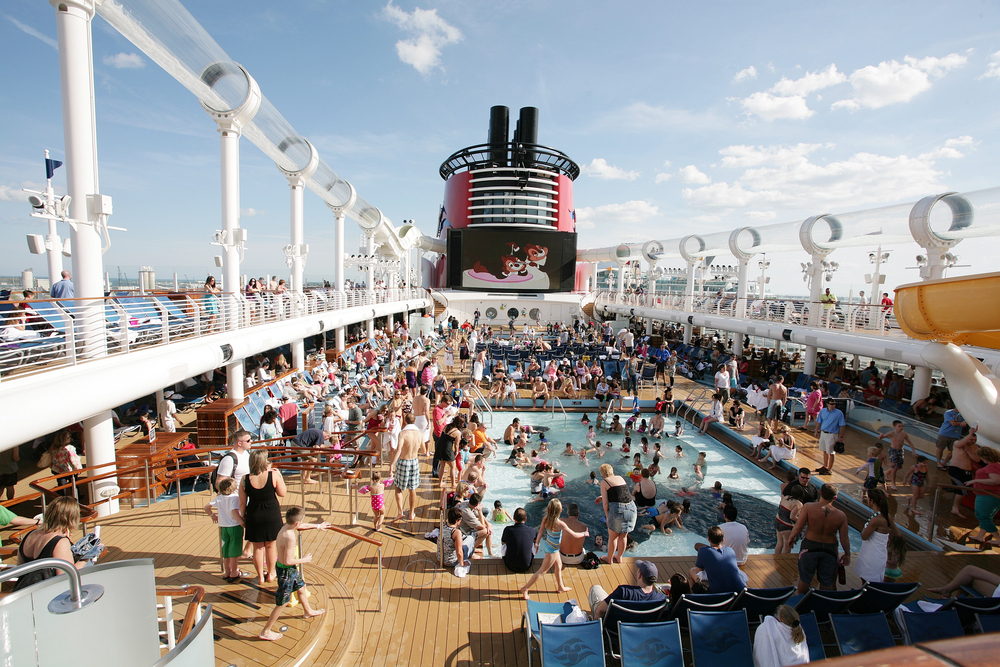
Character experiences on Disney ships — breakfast with characters, meet-and-greets, deck parties — are among the most deliberately designed events in the family cruise space. Royal Caribbean runs DreamWorks character events on select sailings featuring characters from Shrek, Madagascar, and Kung Fu Panda.
These events are scheduled and included in the fare, and for children of a certain age they represent the clearest memory of the entire holiday.
Sports Courts and Active Deck Space
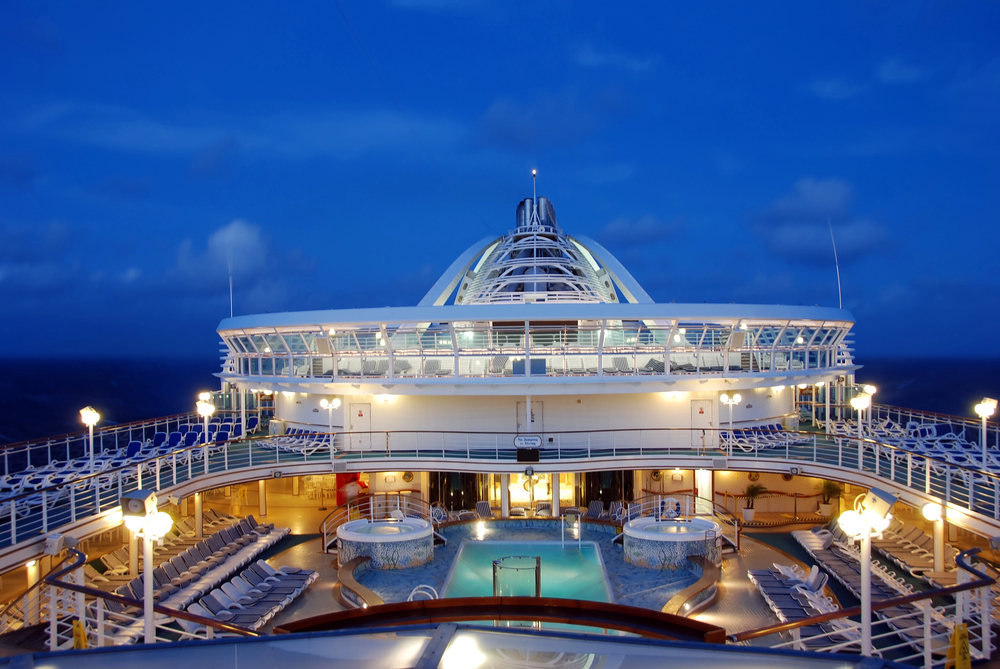
Basketball courts, volleyball nets, and multi-sport areas appear on deck on most large ships and are available free of charge throughout the day. Royal Caribbean’s larger ships include dedicated sports courts and, on Icon of the Seas, a Crown’s Edge balance challenge that puts passengers on a platform extending over the side of the ship at height.
The straightforward sports courts are often the most consistently used outdoor activity space on sea days, particularly by older children and teens.
The Kids’ Pool and Water Play Areas
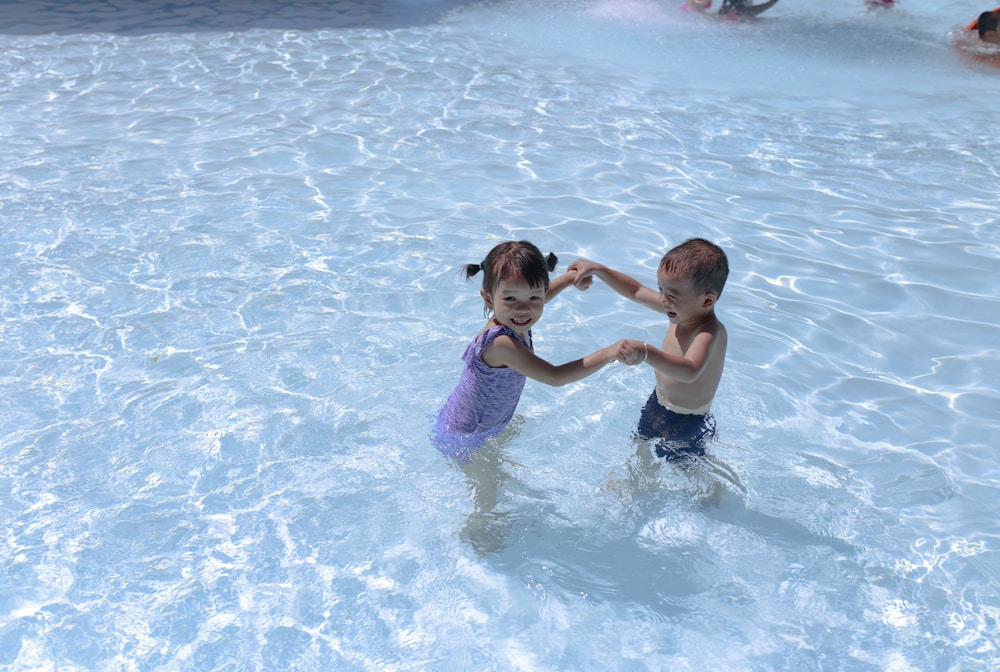
Separate shallow pool areas and splash zones for young children exist on nearly every mainstream cruise ship. Carnival’s Splash Zone areas, Disney’s dedicated children’s pool areas with water features, and Norwegian’s Aqua Park kids’ splash area all provide contained, supervised water play for children who are too young for the main slides.
The simple logic of a warm-weather sailing with dedicated children’s water play available every day is the reason so many families return to the same type of holiday year after year. It works.
Why Families Keep Coming Back
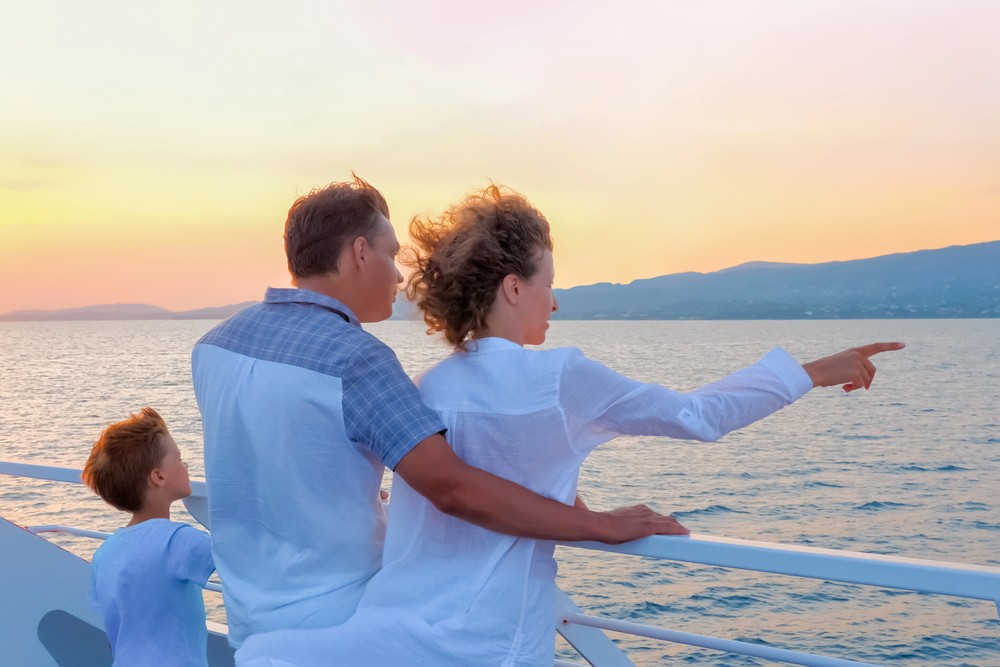
The repeat rate among families who take a cruise with children is strikingly high, and the reason isn’t the destinations — it’s the structure of the day. When children are engaged and actively entertained, parents relax in a way that doesn’t happen on most other types of holiday.
The ship provides the entertainment without requiring constant adult participation, and the result is a holiday that satisfies multiple people with competing needs at once. It sounds simple.
As any parent of a ten-year-old and a fifteen-year-old trying to plan a two-week holiday will tell you, it isn’t. Cruise ships, at their best, have actually solved something that is genuinely difficult to solve.
More from Travel Pug

- Underrated Italian Towns That Beat the Tourist Crowds
- Las Vegas Tourist Traps to Skip
- Prettiest Towns in Every US State
- 18 passport-free countries for Americans
- Signs Your Cruise Is Not Worth The Cost
Like Travel Pug’s content? Follow us on MSN.