

There’s a piece of cruise advice that gets repeated so often it starts to sound like law: book midship, book high, and you’ll dodge every rough patch of ocean and every hallway hassle a ship can throw at you. It’s not wrong, exactly.
It’s just incomplete, the way a lot of advice becomes incomplete once someone repeats it enough times that nobody stops to ask why it started in the first place. Deck plans look tidy on a screen, all clean lines and little icons, but ships are loud, mechanical, crowded places, and the deck number stamped on your cabin door tells you less than you’d think about what your week is actually going to feel like.
The Noise from Deck Above

The deck above your cabin isn’t empty. It’s a walkway, a jogging track, sometimes a stretch of open deck chairs dragged across metal at six in the morning.
Every footstep and every scrape lands closer than you’d expect. That’s not paranoia, that’s just how a steel hull carries sound.
Wind Exposure on Open Decks
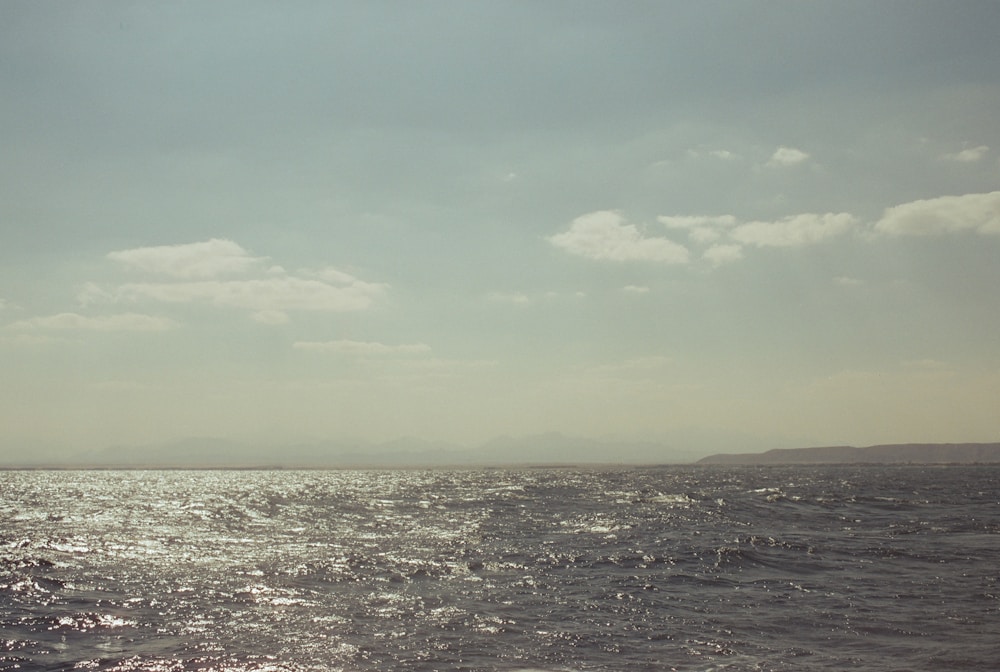
Higher decks catch more wind than lower ones, which sounds obvious until you’re standing on your balcony at deck twelve watching your towel take flight over the railing — and no, housekeeping does not chase it down for you. Wind speed increases with altitude at sea the same way it does on land, so a cabin that seemed charming in the brochure can turn into a wind tunnel the moment the ship picks up speed.
The balcony becomes unusable, the door slams if you crack it open, and the whole idea of “outdoor space” quietly evaporates.
So the higher deck that promised fresh air sometimes delivers weather you’d rather avoid. Short version: elevation isn’t free.
Elevator Traffic Bottlenecks
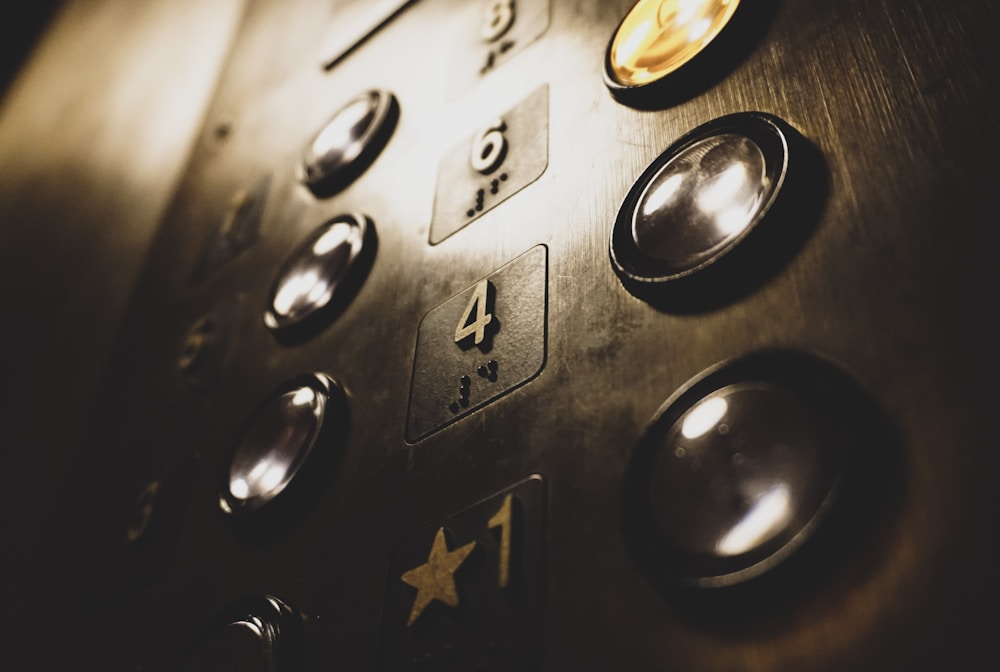
A midship elevator bank on a high deck turns into a subway platform at rush hour — everyone funnels toward the same three doors, and patience becomes a currency nobody has enough of. Wait long enough by those doors on formal night and you’ll understand what commuters felt like before flexible schedules existed.
The convenience of being centrally located has a cost nobody mentions in the brochure: everyone else wants that same convenience, at the same time, heading the same direction.
Stairs stop being exercise and start being an escape route.
Distance from Amenities

Being midship on a high deck does not put you close to anything except the elevator. The dining room, the spa, the casino, the shows — those tend to cluster on lower decks, which means every meal turns into a small expedition.
Nobody mentions in the deck plan that “central location” mostly means central to hallways. To be fair, the walk is good exercise, which is more than can be said for the buffet line.
Motion Isn’t Eliminated, Just Changed
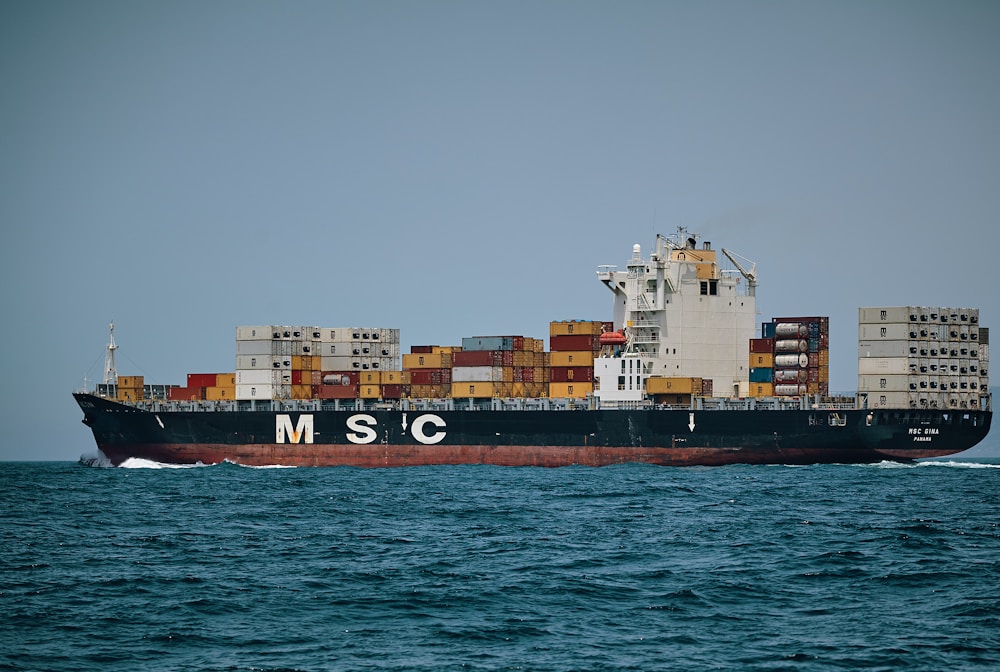
Midship reduces motion. It doesn’t erase it.
Stack a few extra decks on top and the sway creeps back in, right when you least want it — three a.m., rough water, no exceptions.
The Sun Deck Overhead Problem
Book a cabin under the sun deck and you inherit everything that happens up there, from the shuffleboard tournament at ten a.m. to a deckhand dragging loungers across metal decking at dawn — and somehow it always sounds louder than it should, like the ceiling is a drum nobody warned you about. The ship’s structure carries sound differently than a hotel does: steel transmits vibration in ways drywall never will, so a scraping chair eight decks up can register as a thud right above your pillow.
But nobody puts that detail in the deck plan, because “sun deck below” reads like a selling point, not a warning label. So you find out the hard way, usually around six in the morning on sea day one.
Pool Deck Noise Transfer

Sound doesn’t fall straight down, it rolls, the way a marble finds every low point on a warped table before finally settling. A cabin two or three decks under the pool doesn’t get silence, it gets bass — the pool band’s afternoon set arriving as a dull thump through the wall long after the actual music has faded into the ocean air above.
Ask anyone who’s tried to nap under a poolside string quartet on a sea day and they’ll tell you the same thing: proximity to fun is not the same as immunity from it. The higher the deck, often the closer that fun gets.
Higher Decks Mean Longer Waits for Tender Ports

Tender ports are where the higher-deck advantage collapses completely. Passengers staying on higher decks may take slightly longer to reach the gangway simply because they have farther to travel.
Cruise lines call it “priority tendering” for suite guests, which is a nice way of saying everyone else waits regardless of altitude. High deck, low deck, same tender, same line, same grumbling.
Balcony Views Can Be Obstructed by Lifeboats

Lifeboats hang somewhere on most ships. Cabins nearby inherit the view: an orange hull, a winch, a length of chain.
A higher deck doesn’t guarantee you dodge it.
Cost Premium Without Proportional Benefit

Cabin categories climb in price with deck number almost automatically, as if height itself were the amenity being sold, when really what’s being paid for is a number on a chart and the vague promise of prestige — and prestige, it turns out, doesn’t fix a wobbly night in rough seas. A deck nine balcony can cost several hundred dollars more than an identical layout on deck six, same square footage, same furniture, same angle on the water: the only real difference is the elevator ride.
So the math rarely favors going higher just to go higher. But cruise lines know people equate height with luxury, and that assumption alone sells a lot of cabins every year.
Evacuation and Muster Station Distance

A ship’s muster stations sit low, near the lifeboats, for reasons that have nothing to do with convenience and everything to do with physics and speed. The higher the cabin, the longer the walk down when an alarm actually matters, and stairwells during a real drill feel less like corridors and more like arteries suddenly asked to carry too much at once.
Nobody thinks about this while admiring the ocean view from deck ten, and fair enough, it’s not exactly vacation talk. But the ship doesn’t care what deck impressed anyone at check-in, it only cares how fast people reach the boat deck.
Housekeeping and Room Service Timing
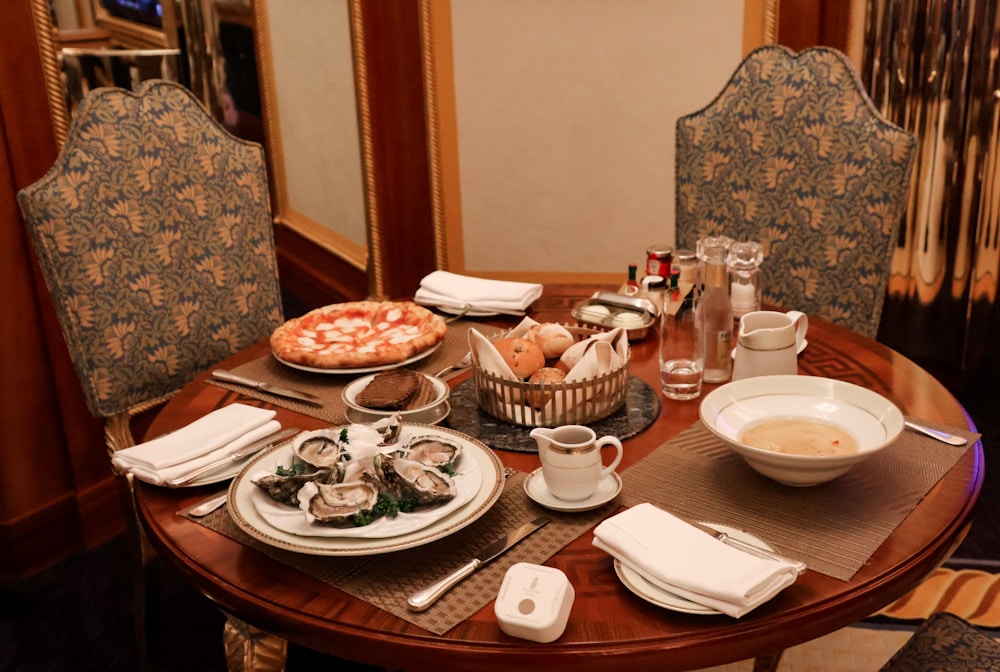
Room service takes longer on higher decks, and nobody wants to admit it, but the numbers work exactly how you’d expect. Trays travel from a galley that’s almost always positioned low and midship, which means an order takes an extra elevator ride and an extra hallway before it arrives lukewarm.
Housekeeping carts work the same way, cabin by cabin, and deck by deck. Service may take slightly longer on higher decks depending on the ship’s layout and staffing.
It’s not a conspiracy. It’s just geometry, and geometry doesn’t negotiate.
The Midship Myth About Stability
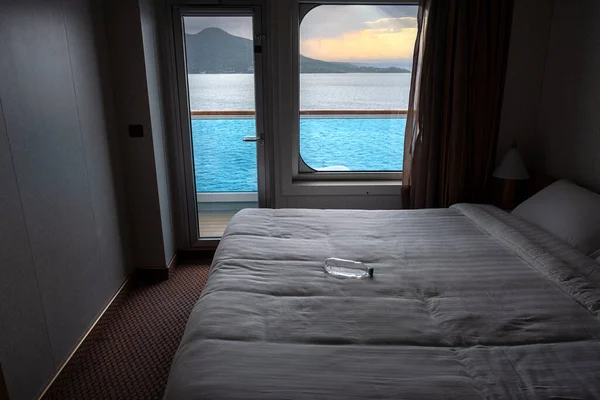
Midship isn’t magic. It reduces pitch, not roll.
Pick the wrong deck height and the roll finds you anyway.
Weather Deck Vibration from Funnels
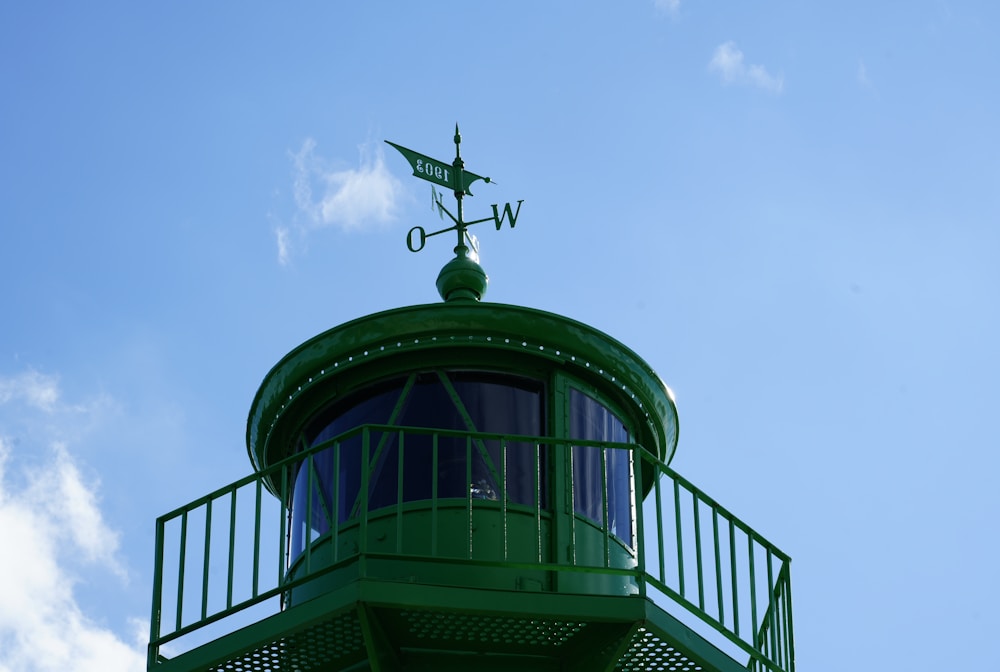
Cabins near the base of the funnel, especially on high decks toward the aft, sometimes pick up a low mechanical hum that guests describe more often than cruise lines would like — a vibration less like sound and more like a faint tremor running through the mattress at three in the morning. It’s the engines and stabilizers doing their job: felt more than heard, and worse the higher and farther aft you go, physics again, always physics.
So a deck plan that looks perfectly symmetrical on paper can hide a genuinely noisy pocket near the stack. But the brochure never marks it, because “near the funnel” doesn’t sell as well as “premium high deck.”
Family Cabins and Higher Deck Foot Traffic

A high deck near the kids’ club or the sports court turns the hallway into a corridor of sneakers, all day, every day, the way a school hallway never quite goes silent between bells. Families gravitate toward those decks for exactly the reasons that make them loud: proximity to the climbing wall, the arcade, the mini golf course tucked up top.
The same closeness that saves parents a ten-minute walk costs everyone else a nap. Convenience for some becomes noise for others, and the deck plan rarely makes that trade visible until check-in.
What Actually Matters More Than Deck Height

Deck height is one of the least useful things to obsess over when picking a cabin. What actually matters is what’s directly above and below, what’s fore and aft, and how close the cabin sits to anything with a speaker, a galley, or a gangway.
A midship cabin on deck six with a spa below and a quiet cabin above beats a midship cabin on deck eleven under the running track every single time. Which is saying something, considering how much marketing effort goes into convincing travelers otherwise.
The Deck Plan Is a Map, Not a Guarantee

A good cabin choice has less to do with altitude and more to do with what’s printed in the fine text nobody reads, the tiny icons for galleys and lounges and crew stairwells tucked along the edges of the deck plan. Height gets marketed because it’s easy to sell: a bigger number feels like a better cabin, the way a bigger house number never actually tells you anything about the neighbors.
What actually decides whether a week at sea feels restful or restless is quieter than that, buried in the layout rather than the label. Next time the temptation is to chase a higher deck out of habit, it might be worth tracing a finger across the plan instead, checking what sits above, below, and beside the room being considered, and picking the quiet spot over the impressive one.
More from Travel Pug

- Underrated Italian Towns That Beat the Tourist Crowds
- Las Vegas Tourist Traps to Skip
- Prettiest Towns in Every US State
- 18 passport-free countries for Americans
- Signs Your Cruise Is Not Worth The Cost
Like Travel Pug’s content? Follow us on MSN.