

There is a global economy running entirely on impulse purchase — the keychain grabbed at the last minute, the fridge magnet that seemed charming at the time, the hand-painted bowl that cost four times what a local would pay. Souvenir pricing often follows a simple formula: the more famous the landmark nearby, the more the trinket shop charges for something made three countries away.
Knowing which destinations have perfected this art of the markup won’t stop you from wanting a memento, but it might stop you from paying €18 for a snow globe.
Paris, France
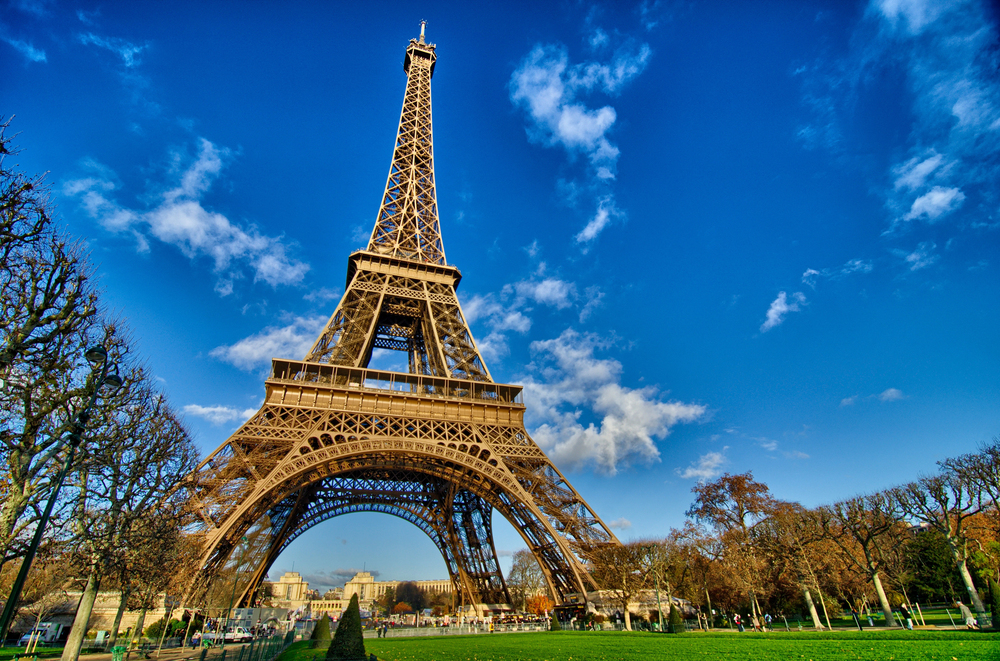
Anything sold within visible distance of the Eiffel Tower carries a premium that has nothing to do with quality. Miniature iron towers — the most ubiquitous souvenir in the city — can be found at three to five different price points within the same street, with the cheapest stalls often undercutting the nearest shop by 60 percent.
Most are manufactured in China and imported wholesale. The same applies to berets, lavender sachets labeled “Provence,” and macarons in gift tins that taste nothing like the real thing from a proper pâtisserie. The museum gift shops at the Louvre and Musée d’Orsay offer more original items at fairer prices, though still not cheap.
Venice, Italy
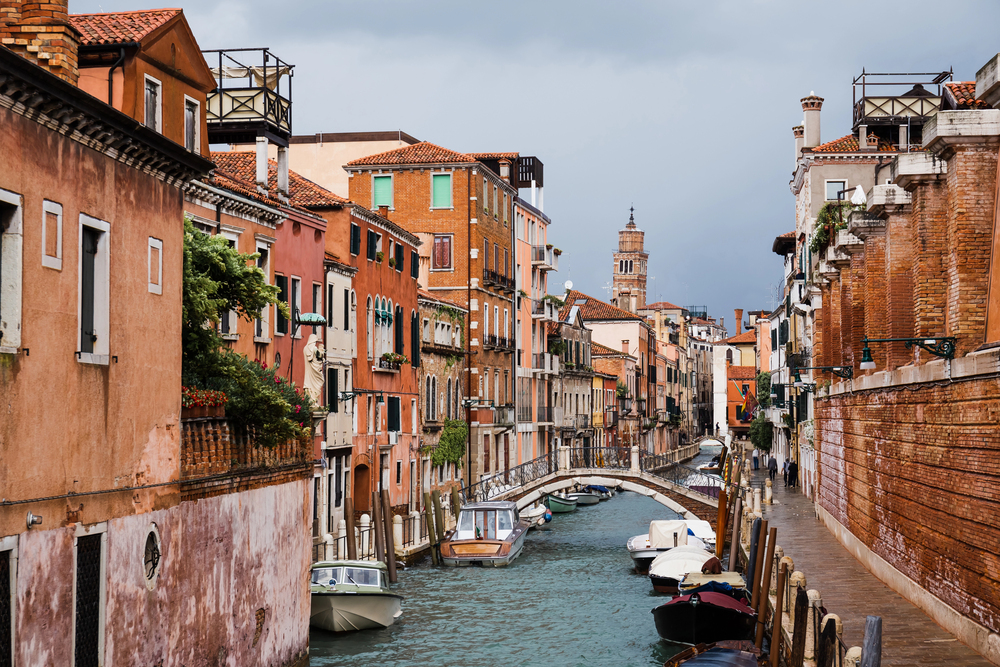
Venice has refined the art of tourist pricing across every category, and the souvenir market is no exception. Carnival masks — the city’s most iconic keepsake — range from handcrafted works by artisans near Rialto selling for €80 to €300, to painted plastic versions near San Marco Square selling for €15 that look identical in a shopping bag but reveal their quality the moment you hang them on a wall.
Murano glass jewelry is similarly stratified: genuinely made-on-the-island pieces cost significantly more than the imported imitations filling most tourist-facing shops. The price of a simple espresso near Piazza San Marco can reach €8 with a “sitting fee” that isn’t disclosed until the bill arrives.
Rome, Italy
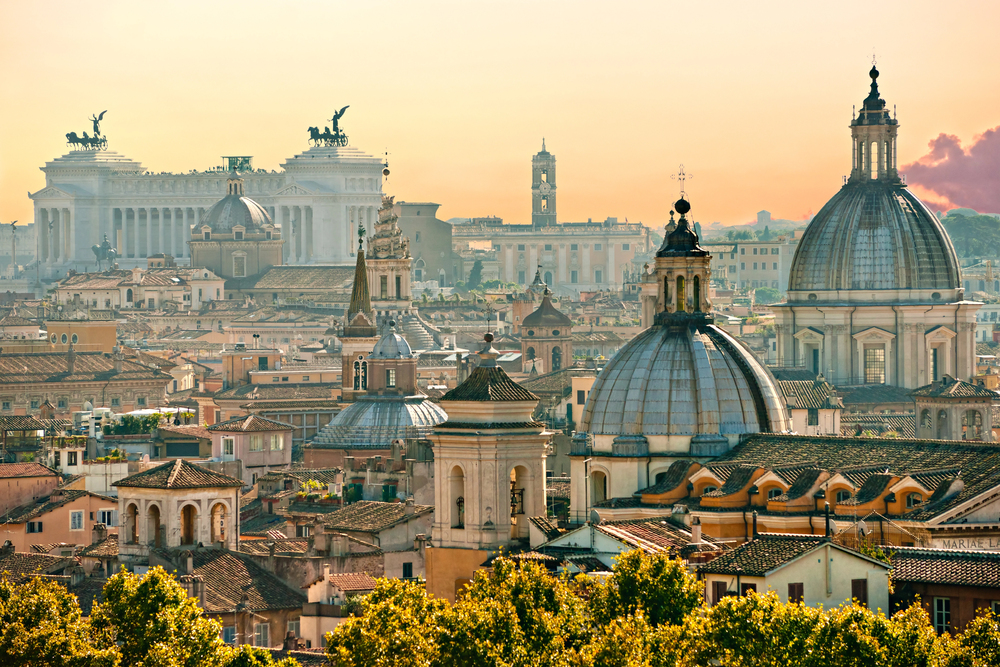
The area around the Colosseum and the Trevi Fountain hosts some of the most aggressive souvenir pricing in Europe. Gladiator helmets, replica Roman coins, and busts of Julius Caesar fill the stalls, all manufactured far from Italy and priced with the assumption that no visitor will comparison-shop.
Selfie-stick vendors and costumed centurions near the Colosseum charge for photos and then negotiate the price after the camera shutter has already clicked. The Campo de’ Fiori market, which sells legitimate produce and local goods during the morning, transforms in the afternoon into a stall-heavy souvenir scene at inflated prices.
Santorini, Greece
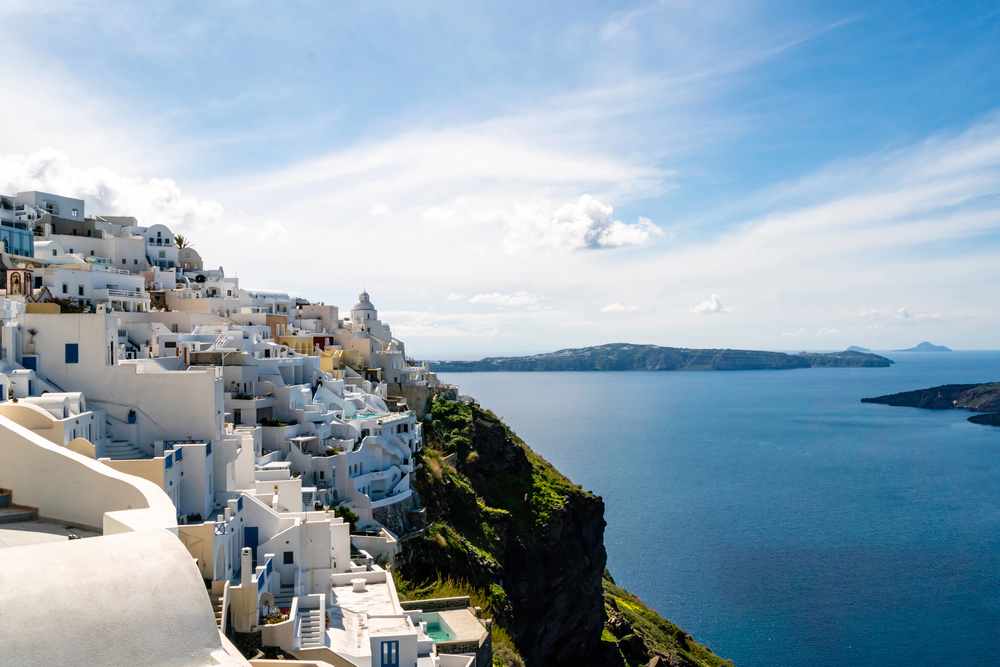
The iconic blue dome and whitewashed wall appear on every product category available on the island: mugs, prints, keychains, tote bags, bottles of local wine with custom labels, and ceramic tiles hand-painted with the Oia skyline. Prices track the view: shops on the caldera-facing streets in Oia charge two to three times what the same items cost in the village’s back alleys or in the port shops on the eastern side of the island.
Dubrovnik, Croatia
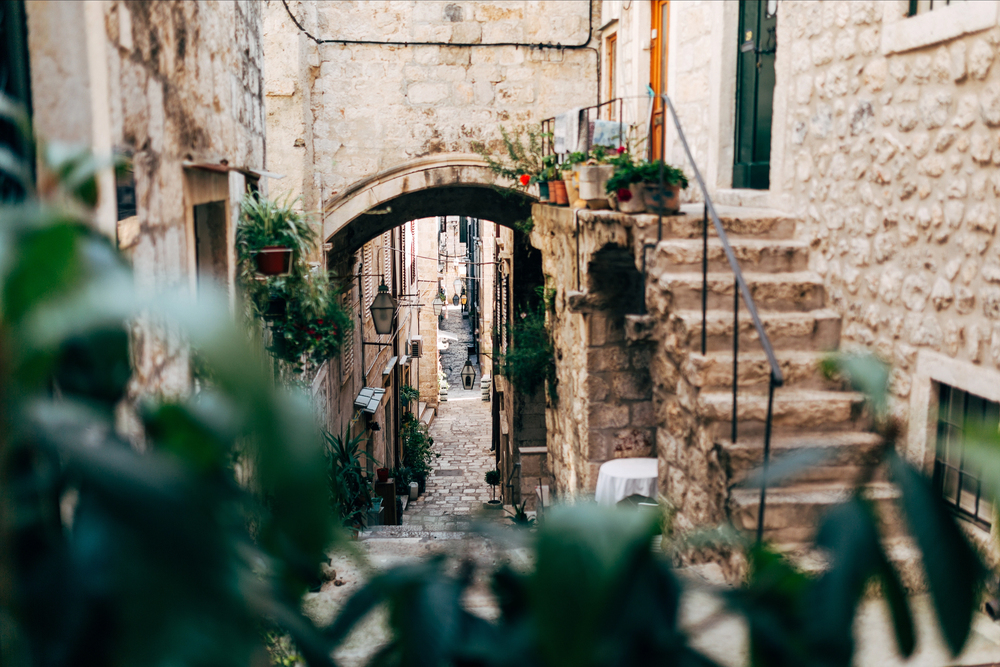
Since the city became widely recognized as a filming location for a globally popular fantasy series, souvenir pricing in the Old Town has escalated sharply. The city’s walls, its stone streets, and its harbor now host an almost entirely tourist-facing economy during summer months, with local shops largely displaced by vendors selling branded merchandise tied to the shows filmed there — some of which carry licensing fees that justify the premium, and some of which do not.
A small stone carving or piece of local coral jewelry sold near the Pile Gate commands significantly more than the same item from a market vendor in nearby Cavtat.
Bali, Indonesia

Bali presents an unusual dynamic: it is simultaneously one of the best places in the world for affordable, genuinely handmade goods and one of the easiest places to pay far too much for them. The difference is geography.
Shops along the main tourist drag in Seminyak or near the Ubud central market charge prices that would be reasonable in a Western city but represent a significant markup over the same batik fabric, wood carvings, or silver jewelry sold ten minutes’ walk from the tourist zone. Fixed-price shops charge more than market stalls, but market stalls require confident negotiation — a skill that takes practice and a genuine willingness to walk away.
Bangkok, Thailand
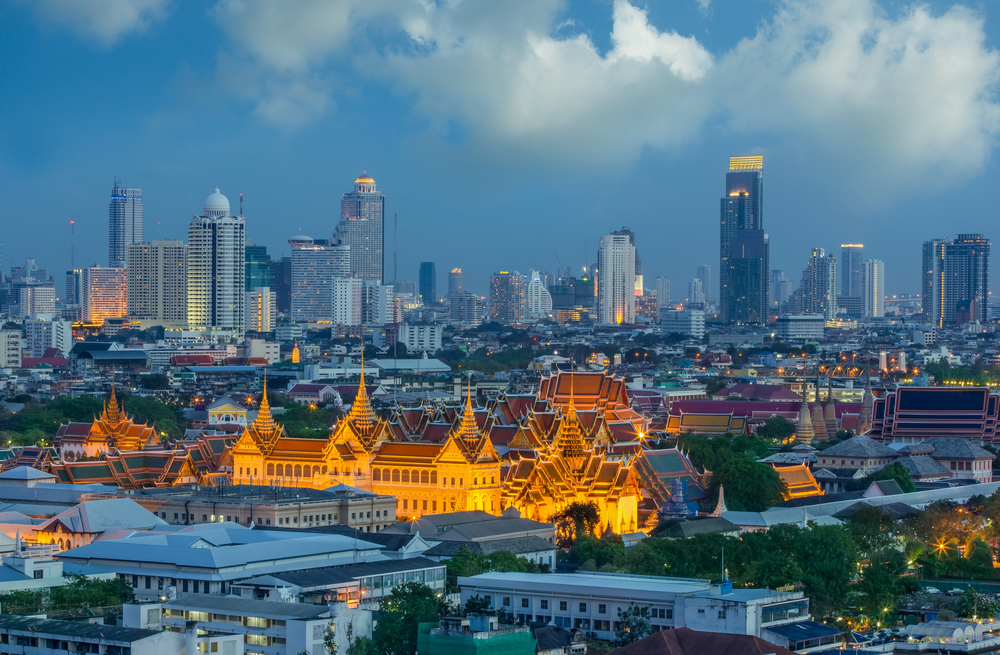
The floating markets around Bangkok — particularly Damnoen Saduak — have become more theatrical than commercial, with prices calibrated to tourist expectations rather than local ones. Carved soap flowers, silk scarves, and lacquered boxes sold from the photogenic wooden boats carry a premium attached to the experience of buying them from a boat on a canal.
The same items in the indoor markets of Chatuchak or MBK Center in the city cost a fraction as much. Thai silk, in particular, is worth buying in Bangkok, but the markup between a tourist-facing boutique near Khao San Road and a legitimate silk vendor in a less-photographed part of the city is significant.
Marrakech, Morocco
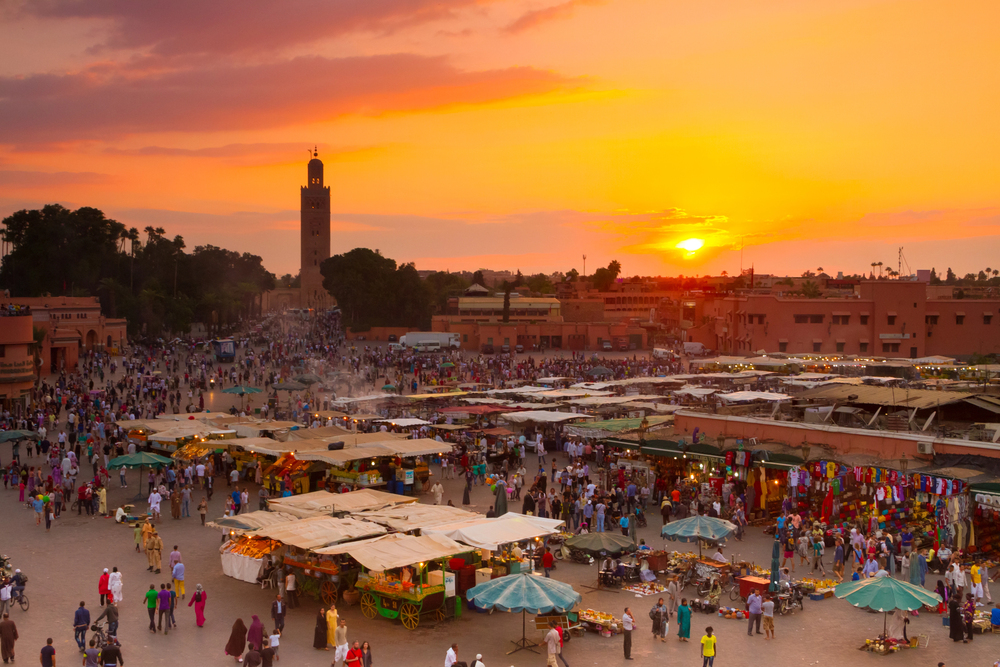
The medina in Marrakech is widely cited as one of the world’s great shopping experiences, but it is also one of the hardest places to get a fair price without local knowledge. Carpets, leather goods, argan oil, and spices are the primary categories where tourists consistently overpay.
Argan oil sold in tourist-facing cosmetics stalls near Jemaa el-Fna can cost twice the price of the same certified product from a women’s cooperative outside the medina. Leather goods in the tannery-adjacent shops around the famous Chouara dye pits come with an entrance “gift” of fresh mint that shopkeepers use to invite you inside before showing you high-commission items.
Amsterdam, Netherlands
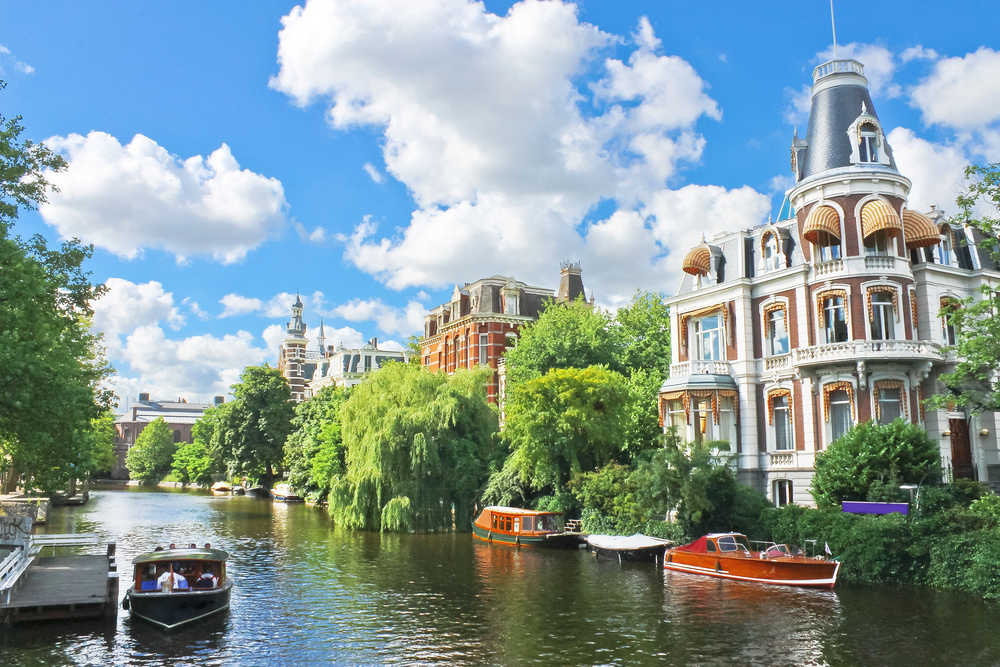
Canal-side souvenir shops selling wooden clogs, Delft blue ceramics, and tulip bulbs represent one of the more straightforward tourist markups in Europe. Genuine hand-painted Delft pottery from a certified manufacturer like Royal Delft comes with documentation and a price that reflects the craft.
The “Delft blue” mugs and tiles in most tourist shops near the Rijksmuseum or Anne Frank House are mass-produced imitations, priced almost as high as the real thing without any of the provenance. Tulip bulbs sold in airport gift shops and tourist kiosks are similarly overpriced compared to the same varieties at the Bloemenmarkt floating flower market, which itself charges more than flower wholesalers outside the city center.
Lisbon, Portugal
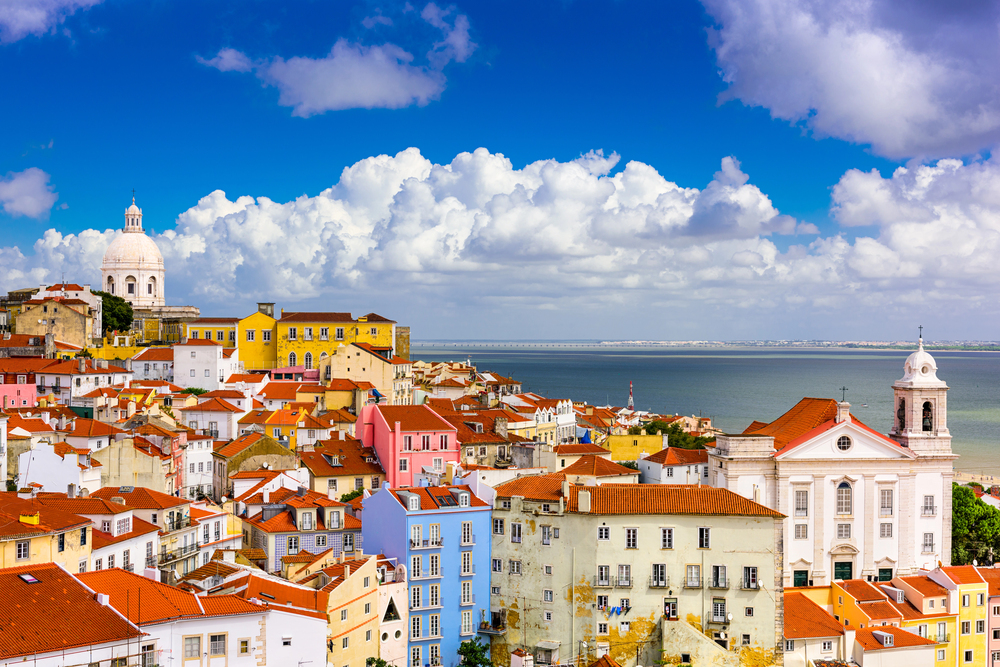
Lisbon’s souvenir market leans heavily on azulejo tile imagery, cork products, and canned sardines — the last of which has become one of Portugal’s most aggressively marketed tourist purchases. Gourmet sardine tins in decorative packaging sell for €5 to €12 per can in tourist-facing shops along Rua Augusta and near the Alfama district, compared to under €2 for equivalent quality tins in a standard supermarket.
The decorative tins are genuinely charming and the sardines are real, but the premium is almost entirely packaging. Cork goods — bags, wallets, notebooks — are legitimately a Portuguese specialty and represent reasonable value from shops with clear Portuguese production credentials, less so from stalls selling cork items manufactured elsewhere.
New York City, USA
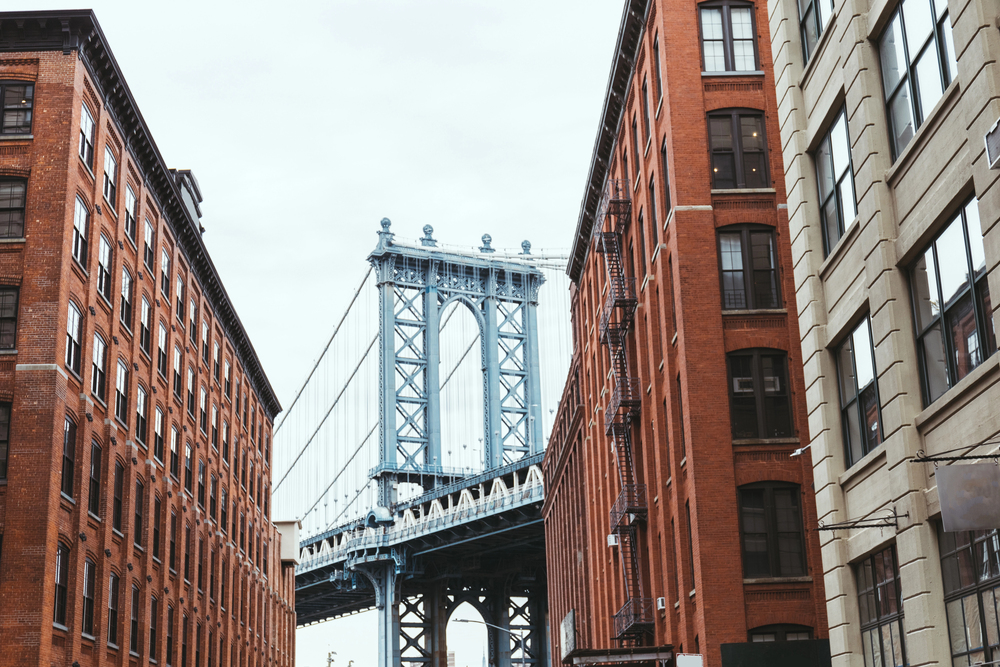
Times Square is the capital of American tourist retail, and the souvenir economy there operates with a confidence that borders on theatrical. “I ❤ NY” merchandise — mugs, shirts, hoodies, hats — floods every street-level shop at prices that average $20 to $40 for items that cost a few dollars to produce. The original “I ❤ NY” logo was designed by Milton Glaser in 1977, commissioned for a state campaign, and is technically publicly licensed — which is why it appears on everything and why none of the shops selling it are paying the kind of royalties that might justify the prices.
The same products, with the same logo, are available from street vendors two blocks away for a fraction of the price.
Phuket, Thailand
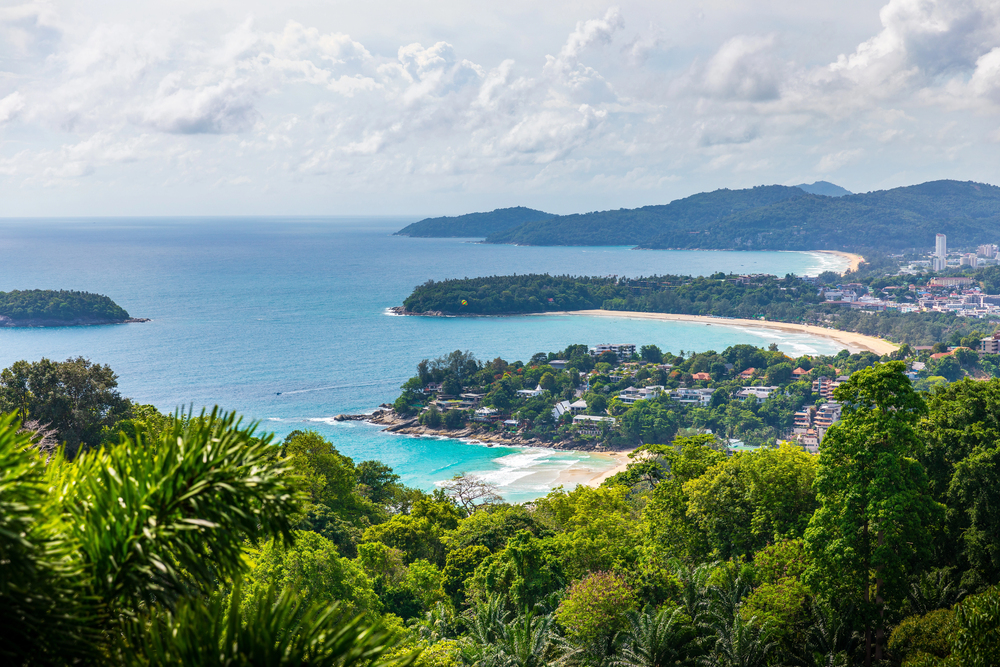
Phuket’s Patong Beach area hosts a concentrated band of souvenir shops selling everything from carved wooden elephants to fake designer goods, all within a few blocks of the beach. The elephant carvings are the most common purchase, available in every size from thumbnail to desktop, and the markup between a beach-adjacent shop and a vendor at the Phuket Weekend Market is typically three to four times.
Counterfeit goods — watches, sunglasses, branded bags — are openly sold near the beach and carry legal risks for buyers taking them through customs that most first-time visitors don’t consider.
Cairo, Egypt
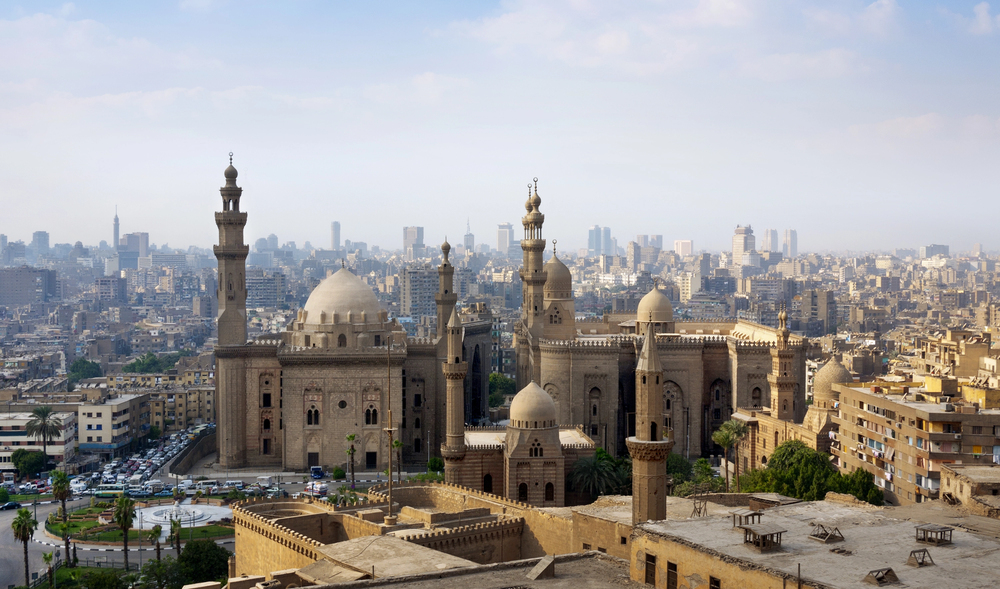
The area around the Pyramids of Giza hosts some of the most persistent souvenir selling in the world, with vendors who follow tourists across significant distances offering scarabs, papyrus scrolls, and alabaster figurines at opening prices ten times what they’ll accept after negotiation. Much of the papyrus sold near tourist sites is actually banana leaf paper treated to look like papyrus — genuine papyrus, made from the sedge plant that grows along the Nile, has a different texture and is sold at the Papyrus Institute and a handful of certified shops at higher but honest prices.
The Egyptians used papyrus as a writing medium for thousands of years; the banana leaf version was introduced relatively recently and specifically for the tourist market.
Agra, India
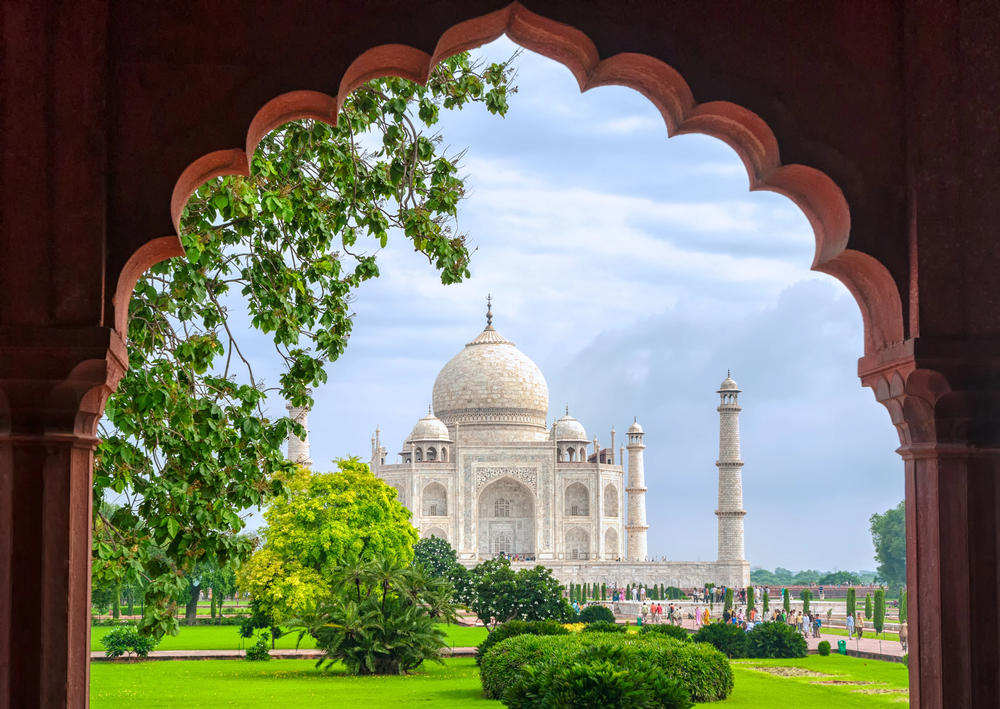
The Taj Mahal draws enormous numbers of visitors, and the souvenir zone surrounding it is scaled to match. Marble inlay work — miniature Taj replicas, decorative boxes, and tabletops with floral patterns set in semi-precious stones — is the authentic local craft, and genuinely skilled pieces from Agra’s craftspeople are remarkable.
The problem is that most items sold in tourist-facing shops near the monument are machine-made or decorated with paint rather than real stone inlay. Inspecting the back of an item and the uniformity of the pattern reveals the difference: handmade inlay is slightly irregular.
Machine-produced versions are perfectly consistent, which sounds like a virtue until you understand what was lost in the process.
Prague, Czech Republic

Bohemian crystal and garnets are the Czech Republic’s signature souvenirs, and both categories have genuine, high-quality versions available from respected Czech manufacturers at prices that reflect actual craft. The tourist shops around the Old Town Square and Charles Bridge sell crystals of varying quality and garnets of uncertain origin at prices only slightly below authenticated Czech-made versions.
The Czech Garnet trademark — a certified mark used by producers using stones from the Bohemian deposits — is a reliable indicator of origin.
Istanbul, Turkey
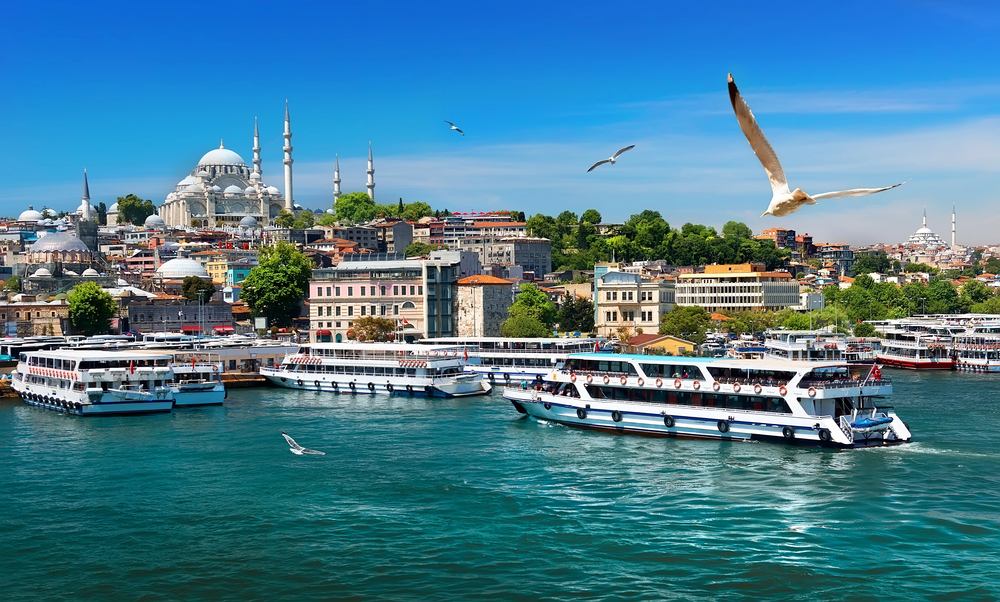
The Grand Bazaar is one of the world’s oldest covered markets, with more than 4,000 shops across 61 covered streets, and its pricing reflects centuries of practice at distinguishing tourists from locals. Carpets, tiles, evil eye amulets, Turkish delight, and spices are all available at tourist prices near the bazaar entrance and at considerably lower prices deeper inside or in the Egyptian Spice Bazaar nearby.
Carpet sellers are particularly skilled at the extended hospitality sell — tea, conversation, a tour of the weaving process — before presenting prices that, while negotiable, almost always start at a significant multiple of the eventual sale price.
London, England
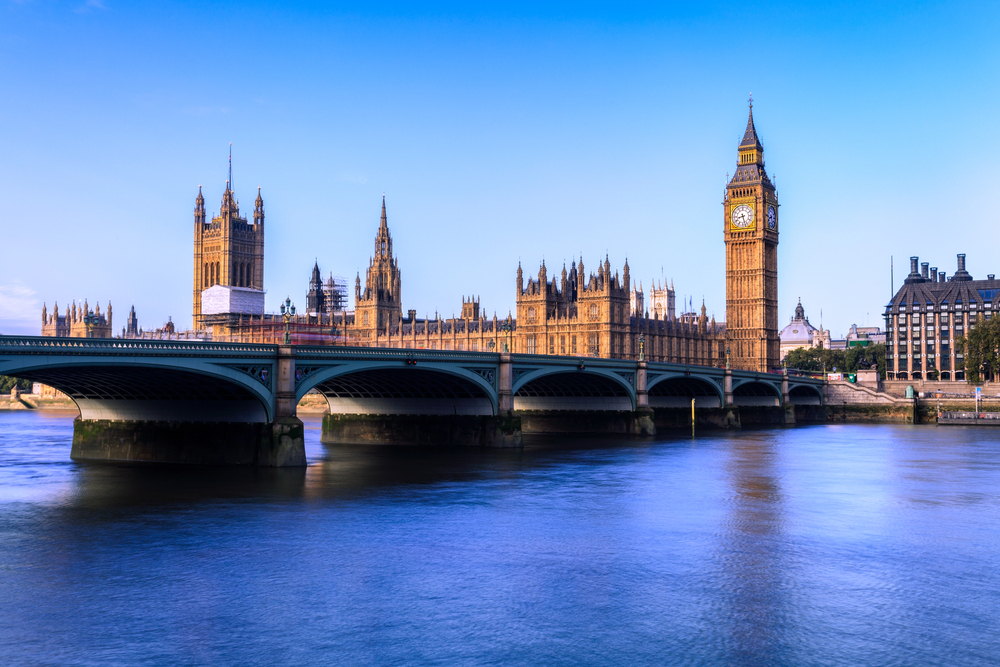
The souvenir economy around Buckingham Palace, the Tower of London, and Westminster sells a vast quantity of royal-themed merchandise at prices that reflect premium addresses rather than premium products. A guardsman keychain, a “Keep Calm” mug, or a Union Jack tote from a tourist shop near Trafalgar Square costs significantly more than the same item from a supermarket or market stall elsewhere in the city.
The exception is the royal family’s official gift shops, which sell properly licensed merchandise at high but consistent prices — the markup there is at least going to a known recipient.
Kyoto, Japan
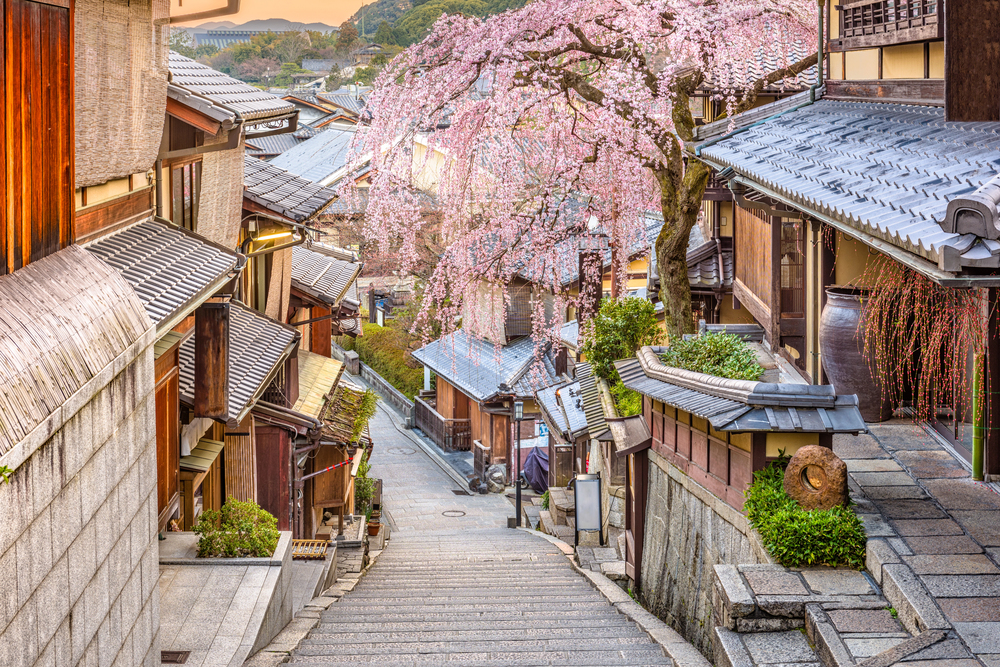
Kyoto is unusual in that its tourist souvenir market includes a genuine tier of high-quality, locally made goods that justify their prices — Nishijin-ori woven textiles, Kiyomizu-yaki pottery, and Kyoto-style sweets made by confectioners with century-long histories. The problem is that these legitimate items share shelf space in tourist areas with mass-produced imitations wearing identical packaging.
Matcha-flavored products are the clearest example: genuine ceremonial-grade matcha from a Uji producer costs more than a “matcha chocolate” souvenir bar made with green tea powder of unclear origin. The color difference alone is instructive — real matcha is a vivid, slightly muted green; the cheap version is a brighter, more artificial shade.
Cancún, Mexico
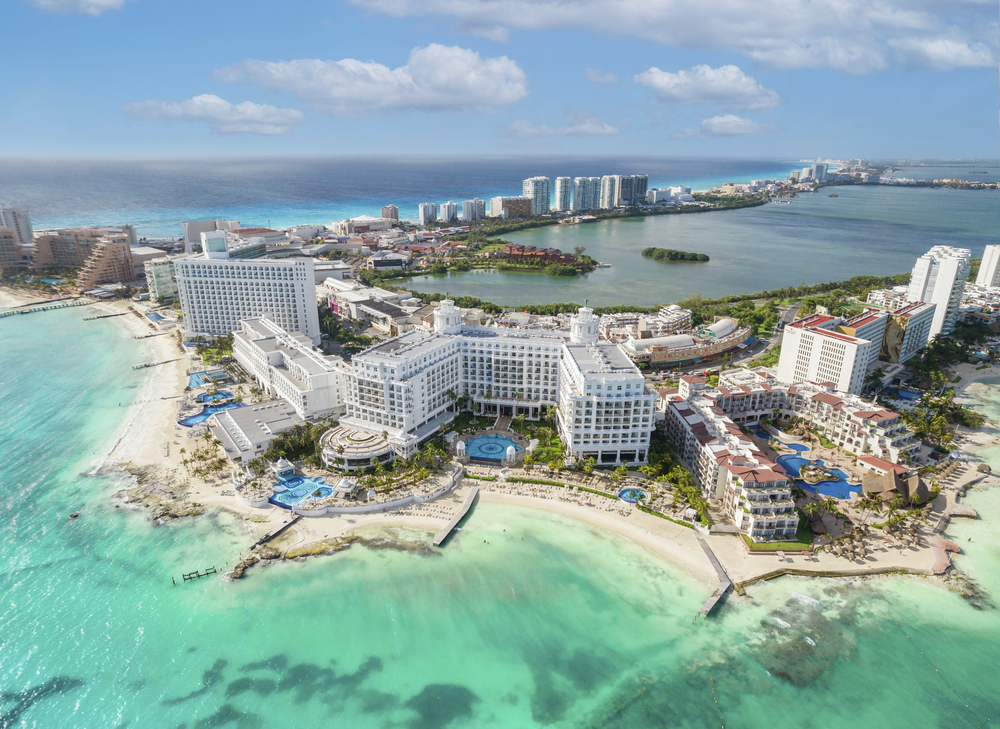
The hotel zone in Cancún is a near-perfect closed system for tourist spending, with souvenir shops selling silver jewelry, hand-painted pottery, embroidered textiles, and tequila at prices calibrated to compete with the all-inclusive bar rather than with local vendors. Mexican silver from Taxco — a genuine silver-producing town in Guerrero state — is sold throughout tourist areas at prices that don’t always reflect whether the piece is solid sterling or silver-plated.
Asking for a stamp mark (925 for sterling silver) and a receipt identifying the producer is the most reliable way to confirm what you’re buying.
Machu Picchu, Peru

The limited retail space within and immediately below the Machu Picchu site makes it one of the few destinations where physical scarcity genuinely explains some of the pricing. Alpaca wool sweaters, woven textiles, and ceramic pieces are the primary categories, and the jump in price between vendors in Aguas Calientes (the base town) and the site entrance stalls is significant.
Genuine alpaca wool — particularly from baby alpaca fiber — is soft, warm, and worth what it costs from a legitimate producer. The blended versions, mixed with acrylic fiber, feel similar on a warm day and reveal themselves in cold weather.
Havana, Cuba
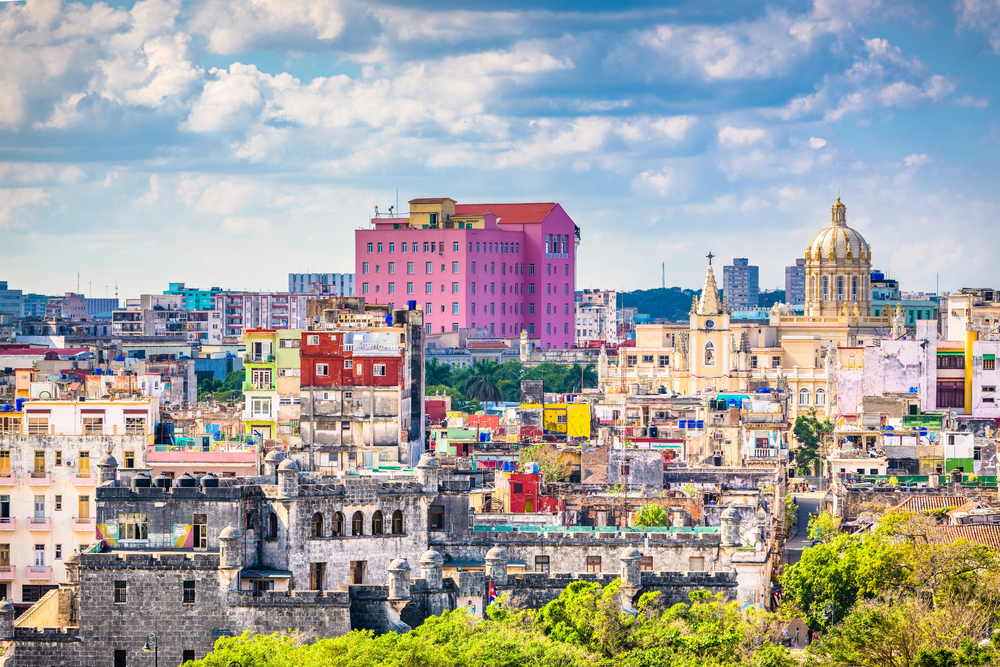
Havana’s souvenir market runs on a dual pricing structure — tourist prices and Cuban peso prices — that is rarely negotiable and sometimes isn’t disclosed upfront. Vintage car magnets, Che Guevara prints, hand-rolled cigars, and rum are the dominant categories.
Cigars purchased from street vendors rather than official government shops are frequently fakes — made from inferior tobacco, badly rolled, and sometimes containing non-tobacco filler materials. The government’s Casa del Habano shops sell authenticated products at fixed prices that are high by global standards but at least guaranteed to be what they claim.
Reykjavik, Iceland
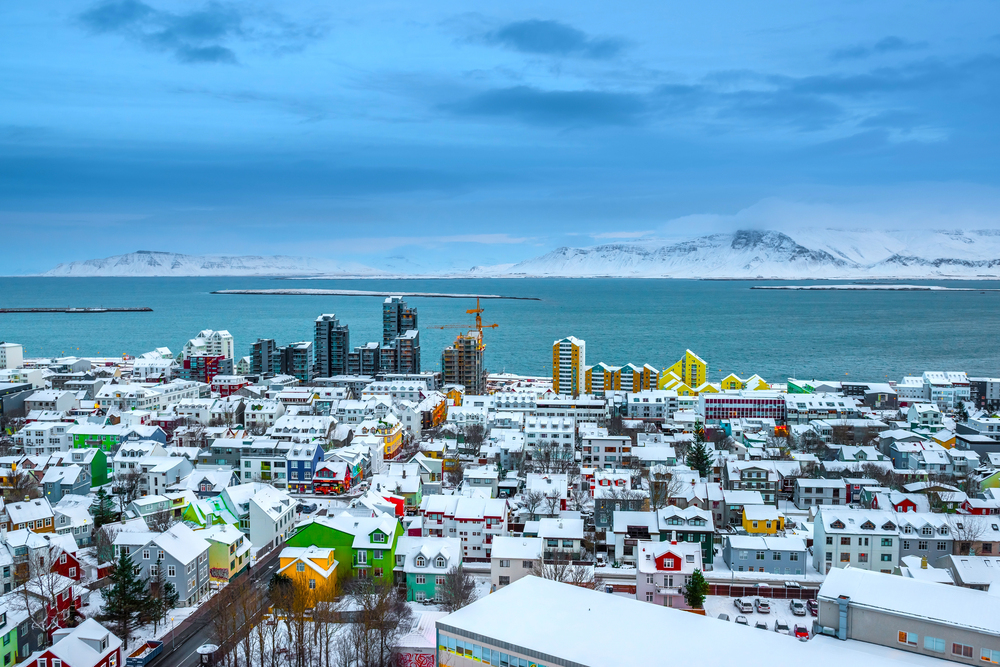
Iceland’s tourism boom has produced a souvenir industry built almost entirely on the country’s dramatic landscape imagery. Lava rock souvenirs — technically illegal to remove from the natural environment but legally sold as “lava products” when acquired from authorized sources — sit alongside puffin merchandise, Northern Lights prints, and Icelandic wool sweaters.
The Lopi sweater (lopapeysa) is the only item where the price is reliably justified: genuine hand-knitted versions from Icelandic wool take many hours to produce and cost accordingly. Machine-knitted lookalikes are sold in tourist shops at similar prices and are only distinguishable by checking the label for country of manufacture.
Queenstown, New Zealand
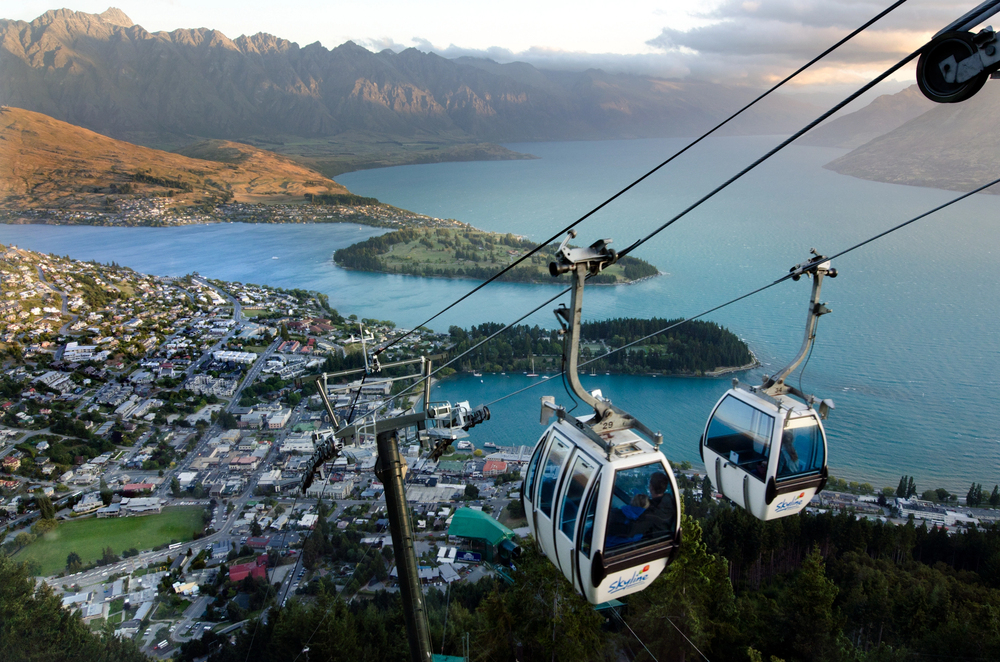
New Zealand’s Maori-inspired souvenirs range from genuine carved jade (pounamu) and bone pendants created by Maori artists to factory-produced imitations imported from Asia and sold alongside them. Genuine pounamu comes from the South Island’s West Coast and carries cultural significance in Maori tradition — pieces made by certified Maori craftspeople often come with documentation.
The distinction matters both ethically and commercially, since the price difference between an authenticated piece and an import is significant but not always visible from the item itself.
Cape Town, South Africa
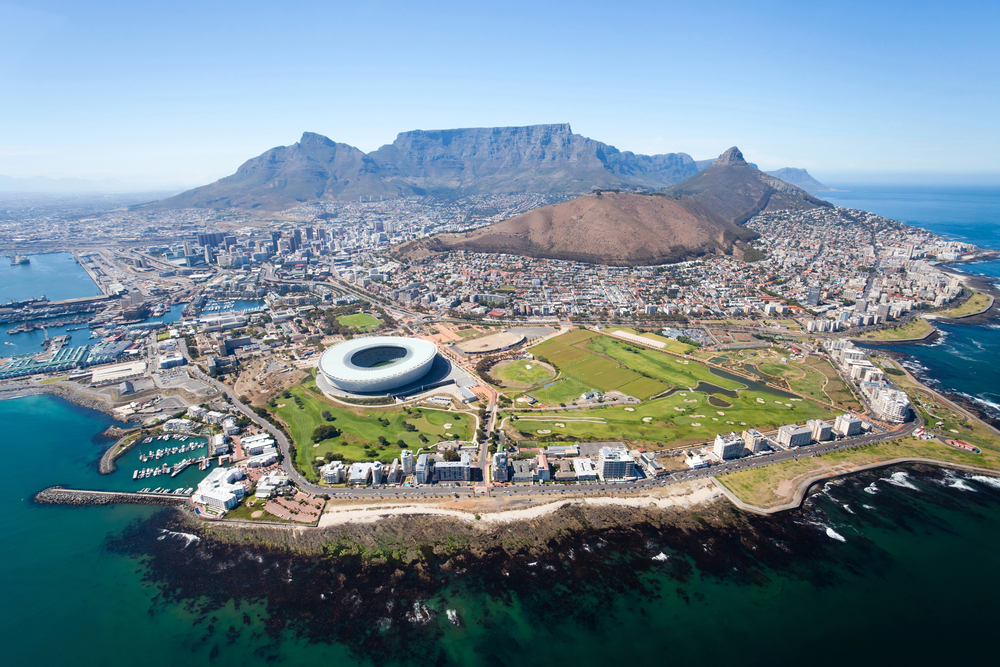
The V&A Waterfront market and the tourist-facing stalls of the city’s main shopping areas sell African art, beaded jewelry, soapstone carvings, and drums at prices that vary enormously by vendor and by the seller’s read of each customer. The township art markets in areas like Khayelitsha offer more directly priced goods from the craftspeople who make them, with lower overhead and no middleman markup.
Wire craft, beadwork, and hand-printed fabric from township markets represent some of the most genuinely affordable and authentically local shopping in the city.
Dubai, UAE
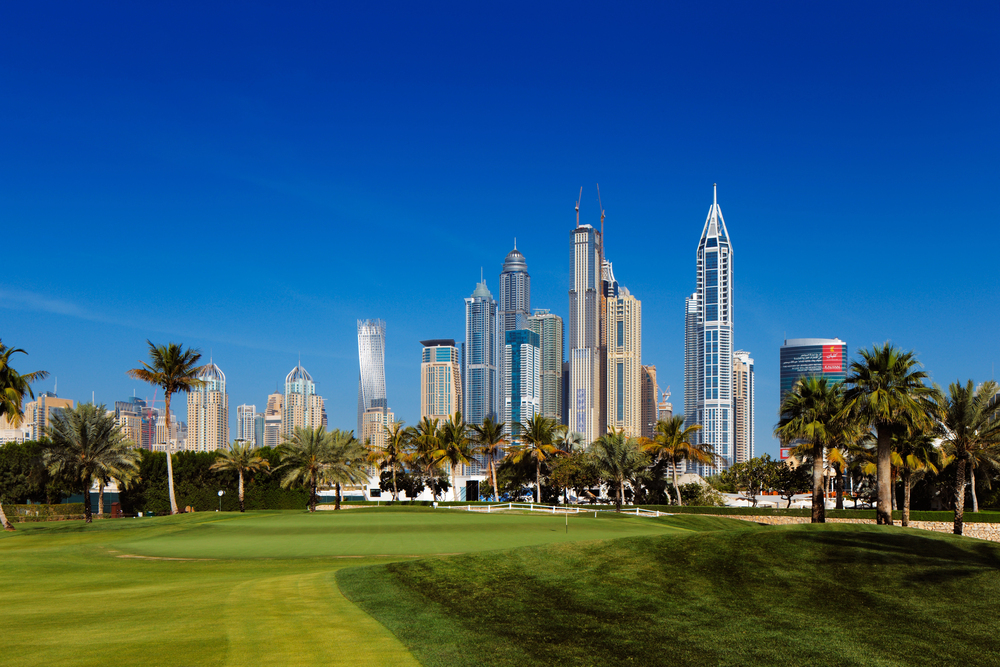
Dubai’s souvenir market sits within one of the world’s most commercially sophisticated retail environments, which means even its tourist traps are well-organized. Gold from the Gold Souk is fairly priced by weight according to daily international rates — the markup is in craftsmanship, not artificial inflation.
Everywhere else, the “Arabic” souvenirs — camel figurines, frankincense, brass coffee pots, and patterned scarves — are frequently imported from neighboring countries or from South Asia. The most overpriced category is perfume: oud-based fragrances in tourist-facing shops near major malls start at prices three to four times what a local perfume vendor in the Deira district charges for comparable quality.
What the Markup Is Actually Buying
The price premium in tourist souvenir markets almost never reflects the quality of what’s inside the bag. It reflects location rent, high foot traffic, captive customers, and the psychological weight of vacation spending — the sense that this moment deserves a memento, so cost matters less than usual.
Experienced travelers know this and buy accordingly: further from the landmark, later in the trip when the impulse has passed, and after comparing at least three stalls before committing. The souvenir that holds its meaning longest is almost never the one grabbed nearest the attraction.
It tends to be the thing bought slowly, from someone who made it, in a place where the price made sense.
More from Travel Pug

- Underrated Italian Towns That Beat the Tourist Crowds
- Las Vegas Tourist Traps to Skip
- Prettiest Towns in Every US State
- 18 passport-free countries for Americans
- Signs Your Cruise Is Not Worth The Cost
Like Travel Pug’s content? Follow us on MSN.