

Los Angeles has been standing in for the rest of the world on camera for more than a century, and a surprising number of those sets, backlots, and street corners remain open to the public. Some require a ticket and a tram.
Others just require showing up and knowing where to look.
The city rarely advertises which alley or hotel lobby became a movie moment, so half the fun is recognizing a place before reading the plaque that confirms it.
Warner Bros. Studio Tour Hollywood
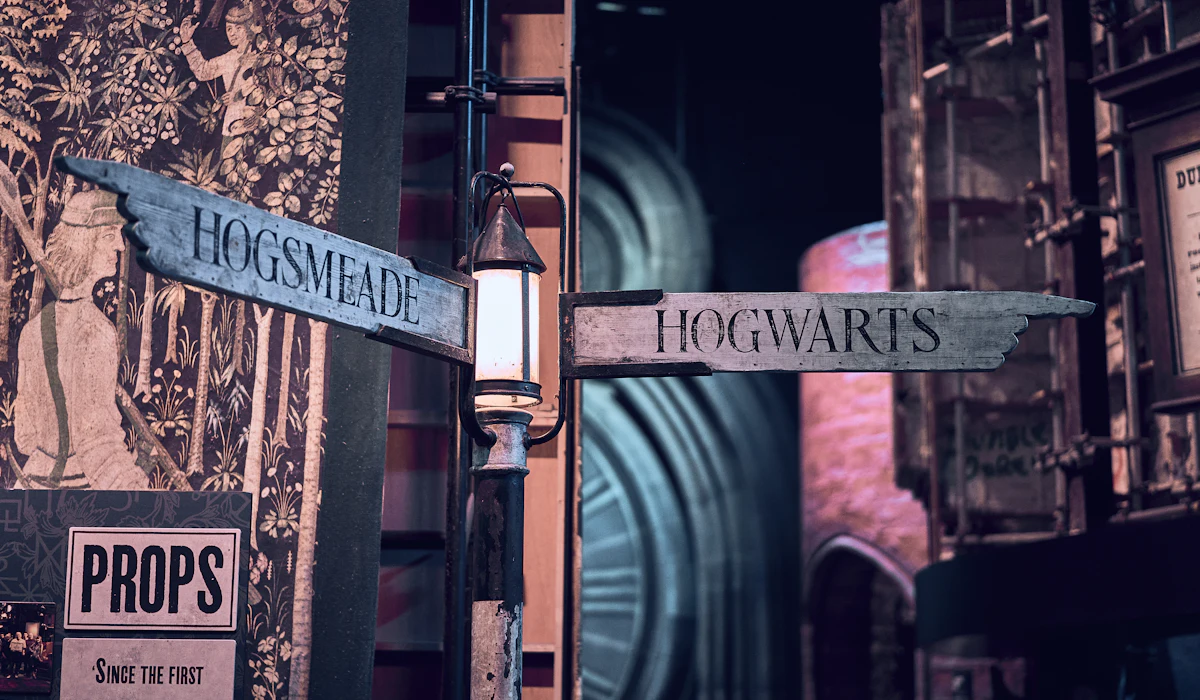
This working studio in Burbank runs guided tours through active soundstages, backlots, and prop archives, with the specific sets on view shifting depending on what’s currently in production. Visitors walk streets built for decades of films and television shows, from courthouse facades to suburban neighborhoods.
The tour includes a museum section displaying props and costumes from franchises filmed on the lot.
Universal Studios Hollywood Studio Tour
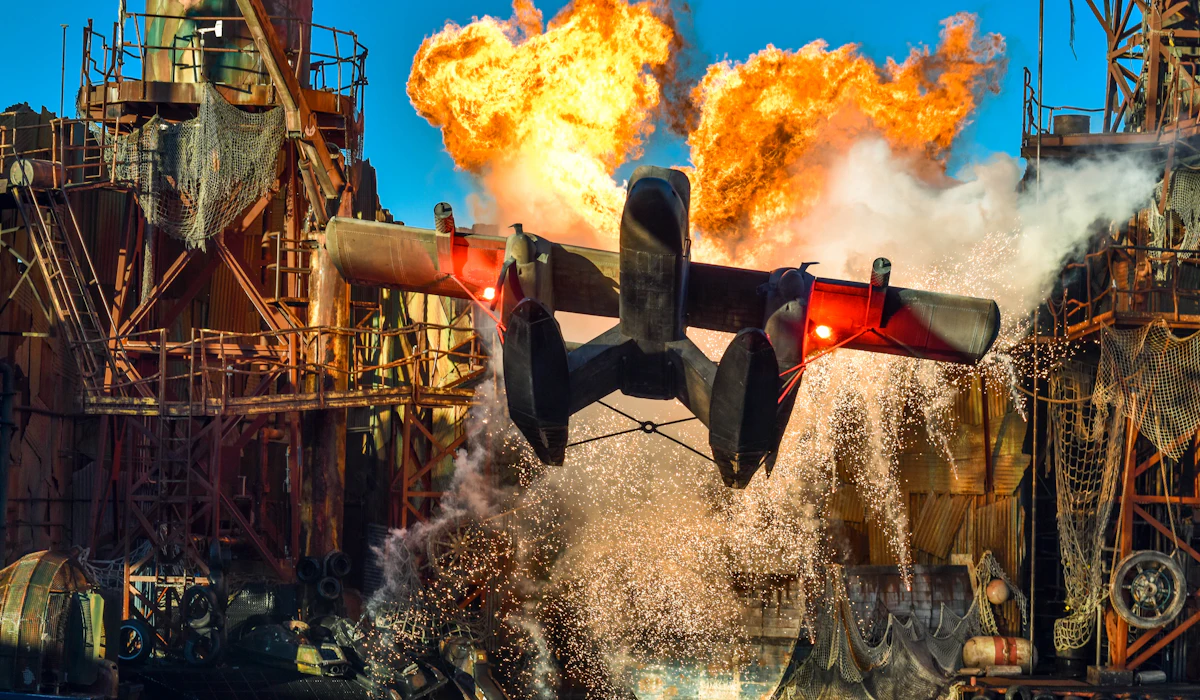
The tram tour that gave this park its name still runs guests past soundstages, the King Kong 360-3D encounter, and a recreation of the Bates Motel from Psycho. Unlike a pure theme park ride, this tour narrates real production history alongside its special effects sequences.
It remains the most accessible way to see a functioning studio backlot without industry credentials.
Paramount Pictures Studio Tour
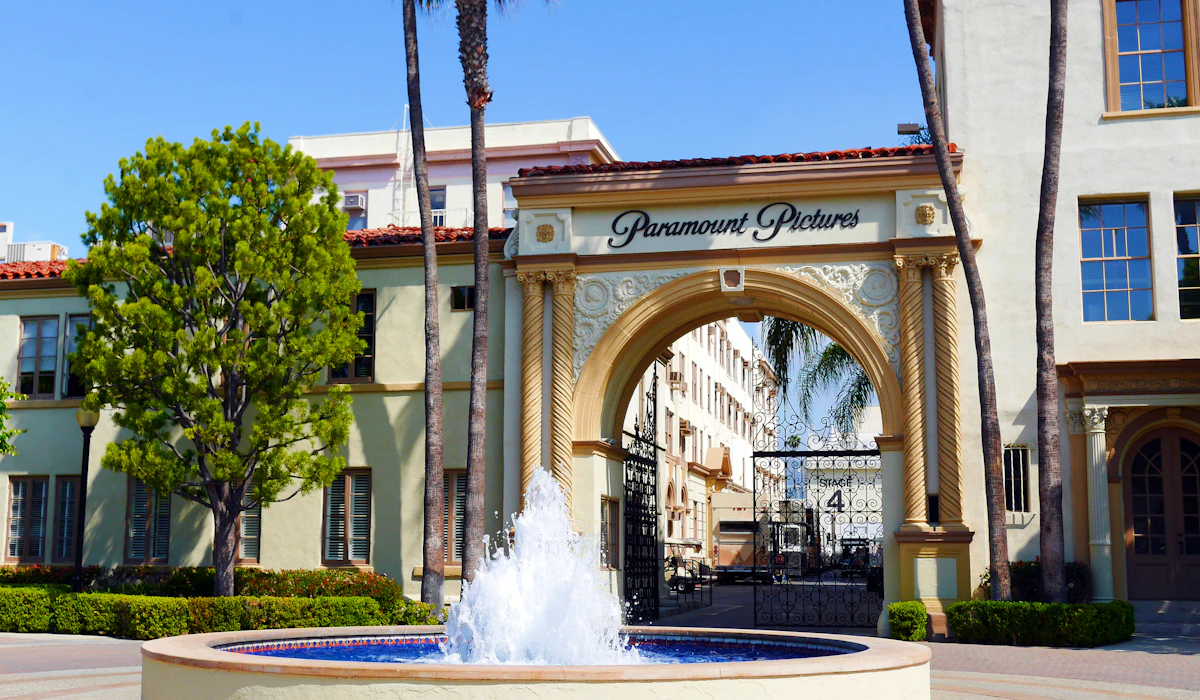
Paramount’s Melrose Avenue lot offers walking tours past its iconic arched gate, made famous in countless films and photographs, along with soundstages still in active use. Guides point out specific buildings used for classic productions dating back nearly a century.
The tour requires advance booking, since the lot remains a working production facility rather than a static attraction.
Sony Pictures Studios Tour
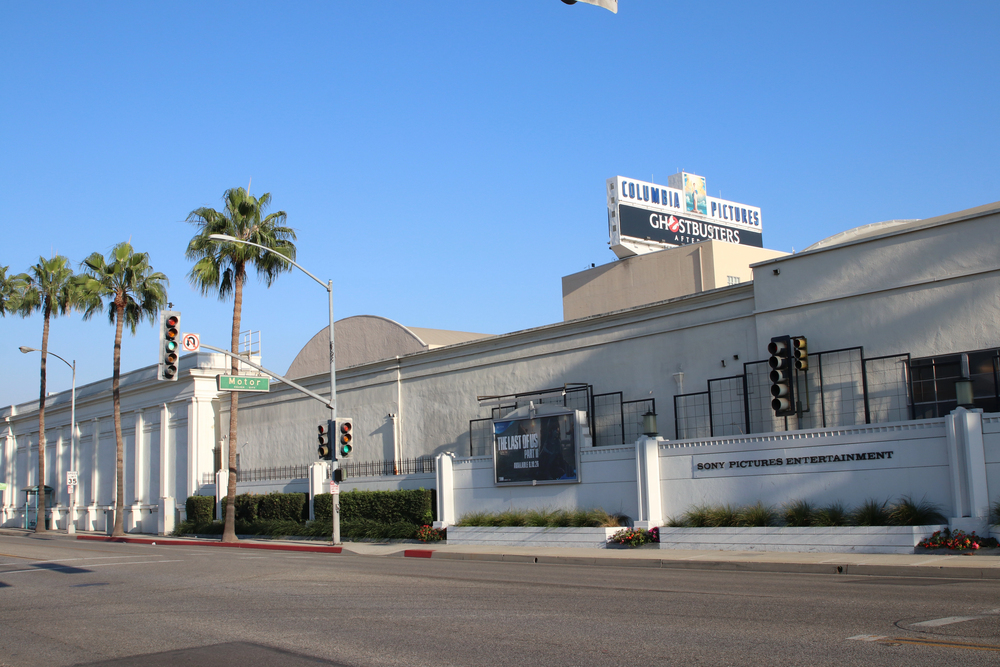
Located in Culver City on part of the former MGM lot, this tour walks guests past soundstages that hosted productions from the golden age of Hollywood through current releases. The route includes buildings tied to classic film history alongside modern television production spaces.
Photography restrictions apply in several areas due to active filming.
Griffith Observatory
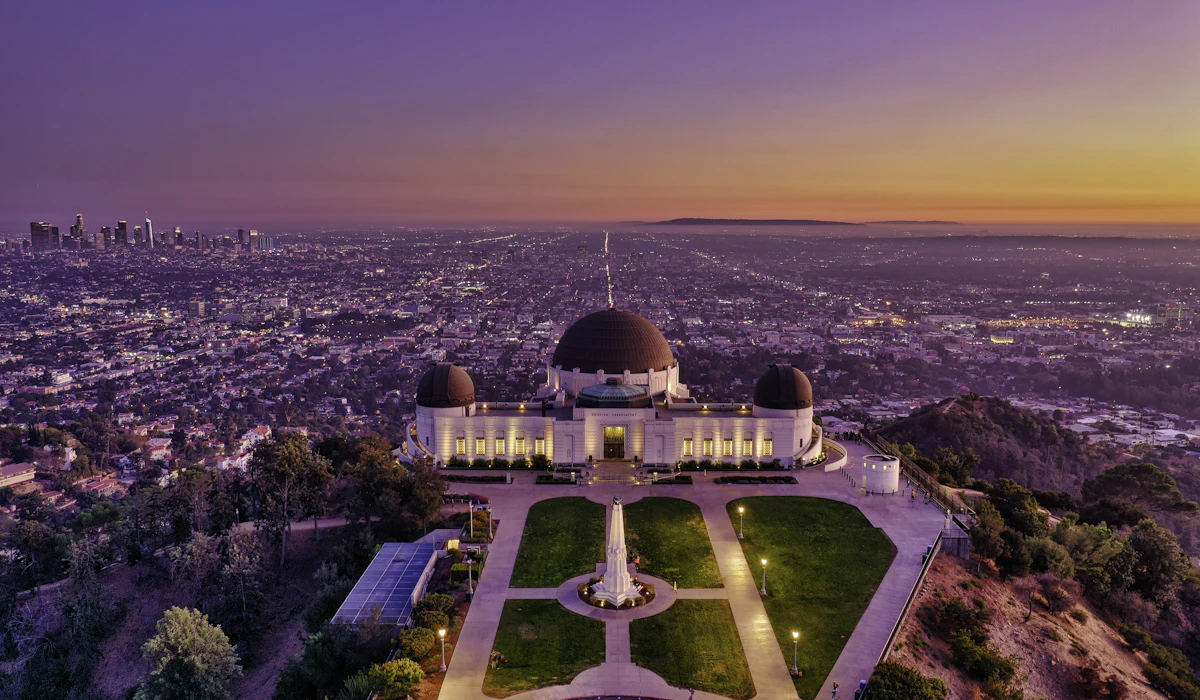
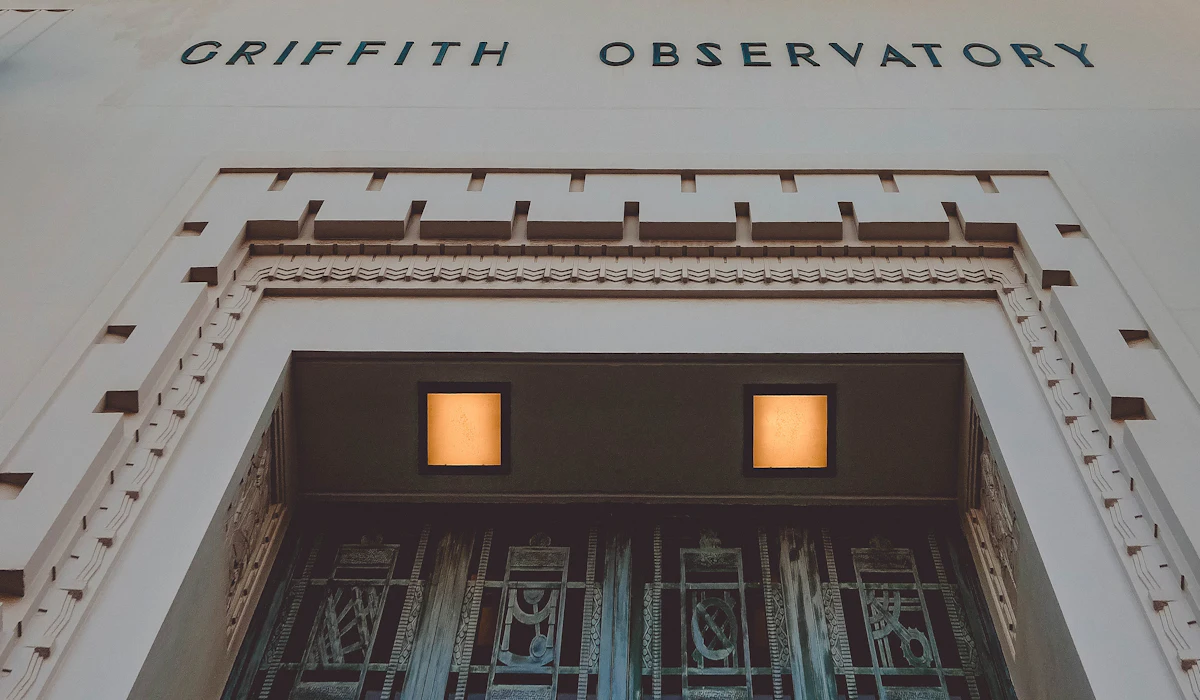
Perched above the city with a view that has appeared in dozens of productions, the observatory’s grounds and exterior architecture featured prominently in a well-known modern musical and an earlier film about a troubled teenager. Visitors can walk the same terraces and lawns shown on screen, and admission to the building itself is free.
The planetarium adds a functioning attraction beyond the film connection.
Bronson Caves
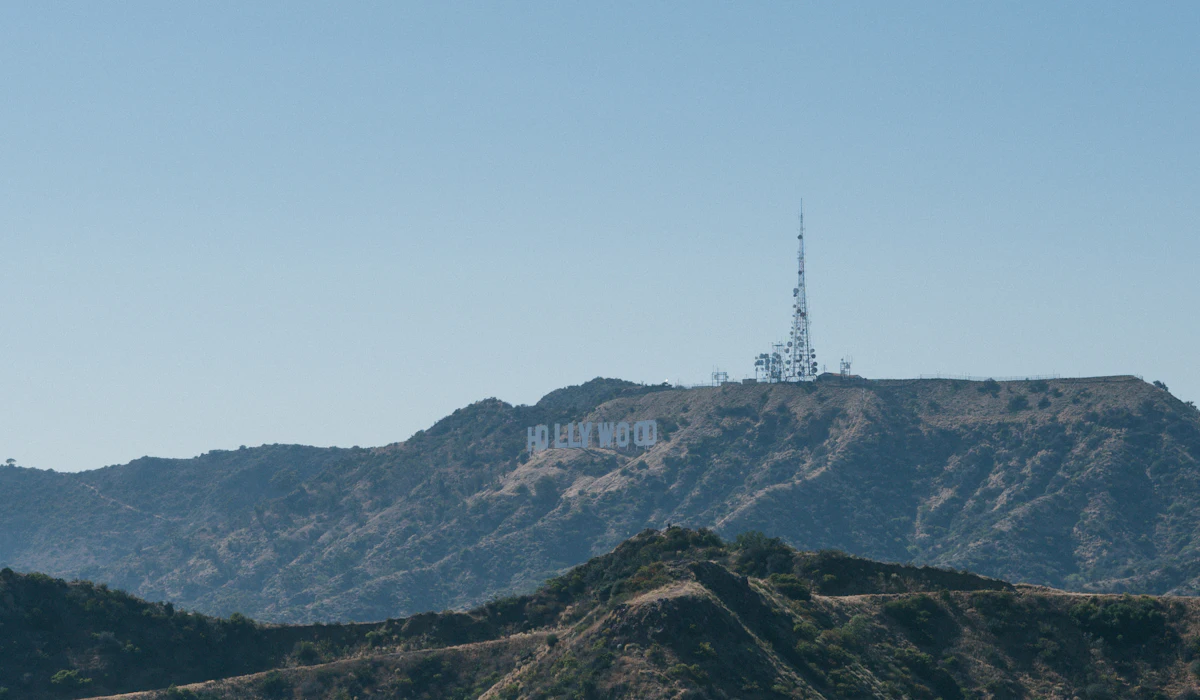
Tucked into Griffith Park, this former quarry has stood in for cave entrances and rocky outcrops in a long list of westerns and a well-known 1960s superhero television series. The short hike to reach it makes for an easy stop, and the cave itself is small enough to explore in a few minutes.
No fee or reservation is required to visit.
Venice Beach
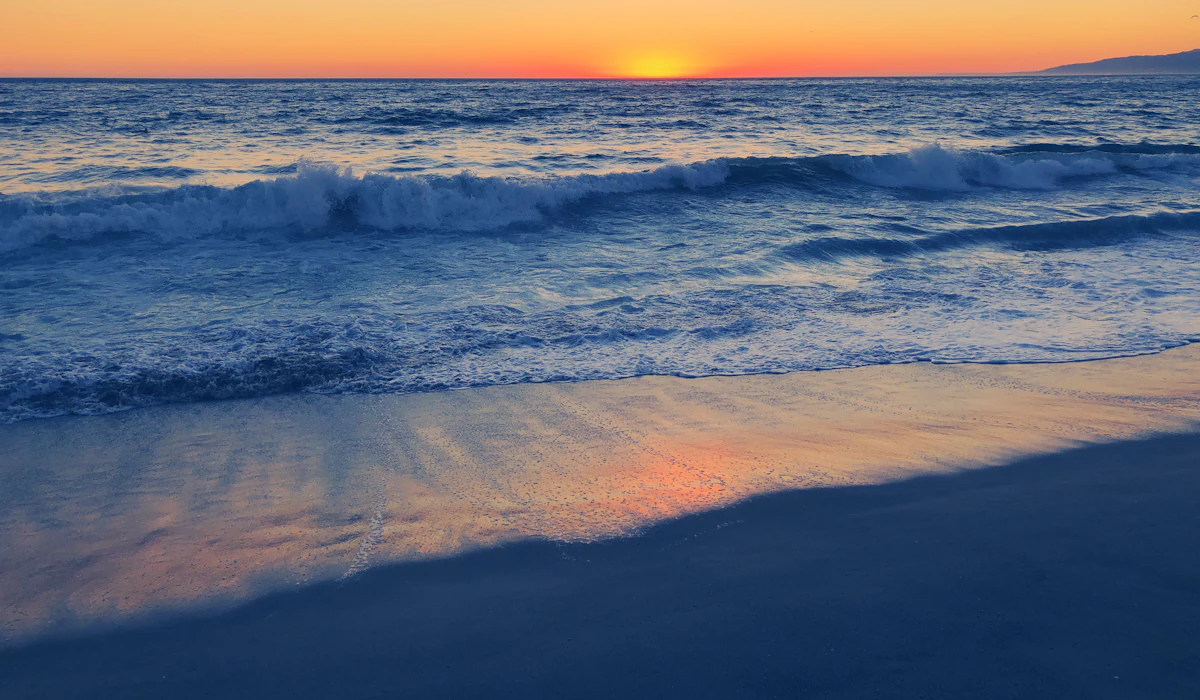
The boardwalk, canals, and muscle-building platform have appeared in decades of films and music videos, often used to signal a specific brand of Southern California eccentricity. Unlike a studio set, this is simply a public beach neighborhood, open at any hour without a ticket.
Street performers and skaters continue to give it the same visual texture filmmakers keep returning for.
Union Station
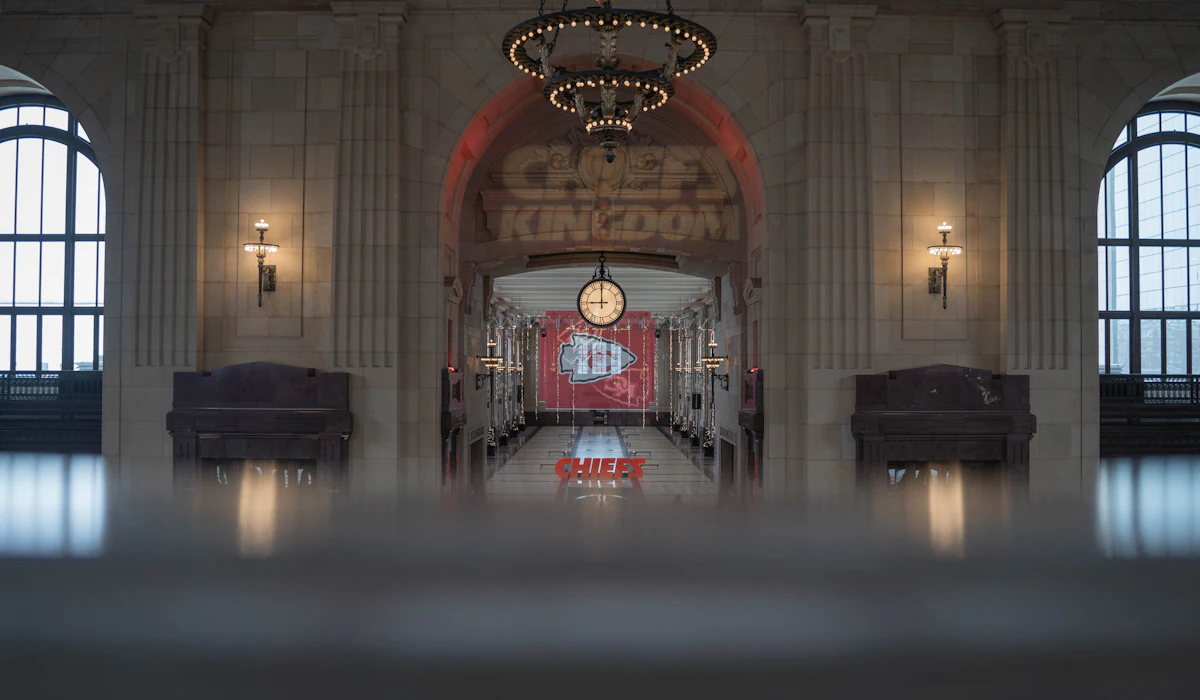
Downtown’s grand transit hub, with its blend of Art Deco and Mission Revival architecture, has served as a backdrop for science fiction, noir, and countless other genres. Because it remains a working train station, visitors can walk through the same waiting hall and corridors seen on screen without any special access.
The building’s ticket concourse alone justifies a stop for its architecture.
Bradbury Building
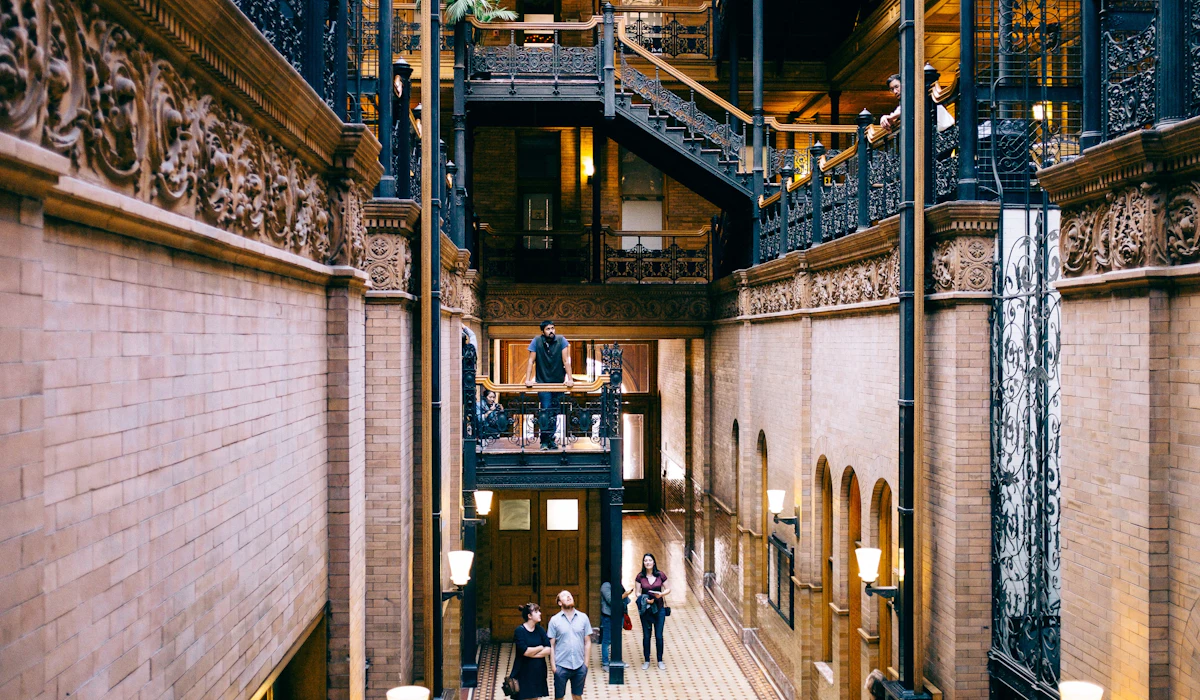
This downtown office building’s interior atrium, with its wrought iron staircases and skylight, appeared in a landmark science fiction film and a well-known romantic comedy decades apart. The ground floor remains open to the public during business hours, though upper floors are private office space.
The ironwork looks almost identical to how it appeared on screen generations ago.
Griffith Park Merry-Go-Round
This vintage carousel has been a popular filming location for movies, television shows, and commercials, appearing in productions including Silent Movie, Twins, Buffy the Vampire Slayer, and The Mentalist. It still operates as a working carousel open to the public for a small fee.
The surrounding picnic areas make it an easy stop alongside other Griffith Park attractions.
Hollywood Sign
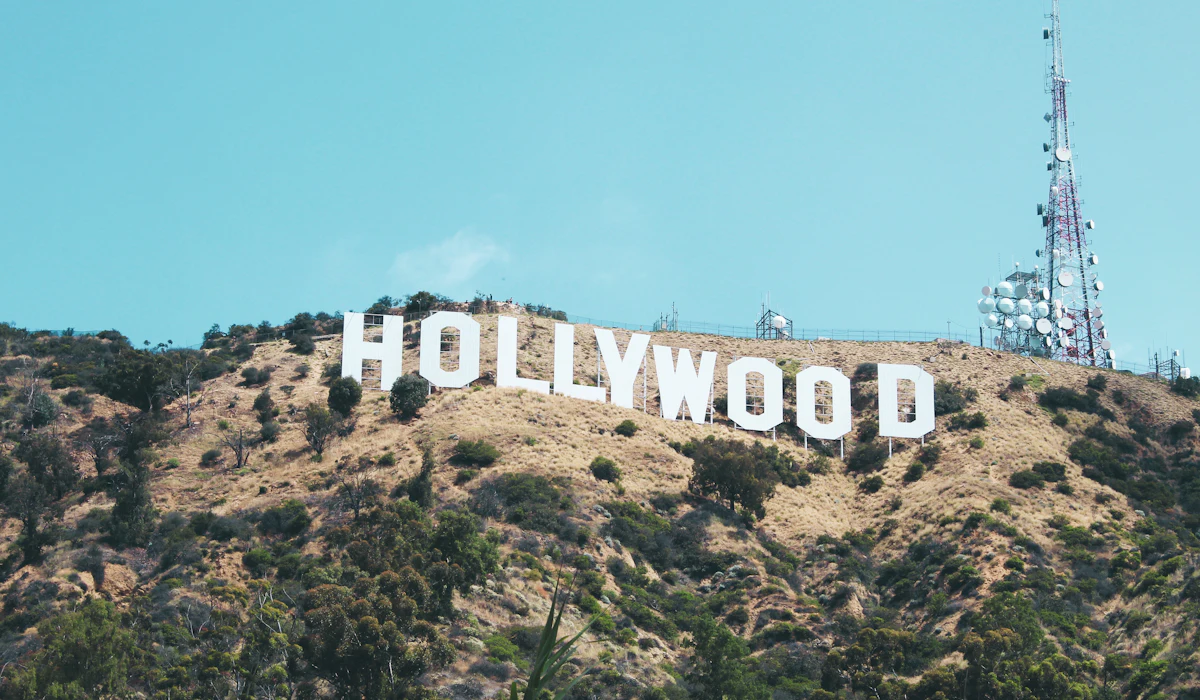
Beyond its status as a citywide symbol, the sign and the hillside surrounding it have appeared in scenes depicting everything from disaster films to teen comedies. Several hiking trails in Griffith Park lead to viewpoints with unobstructed views of the letters.
No ticket or reservation is needed, just a reasonably early start to beat both crowds and heat.
Santa Monica Pier
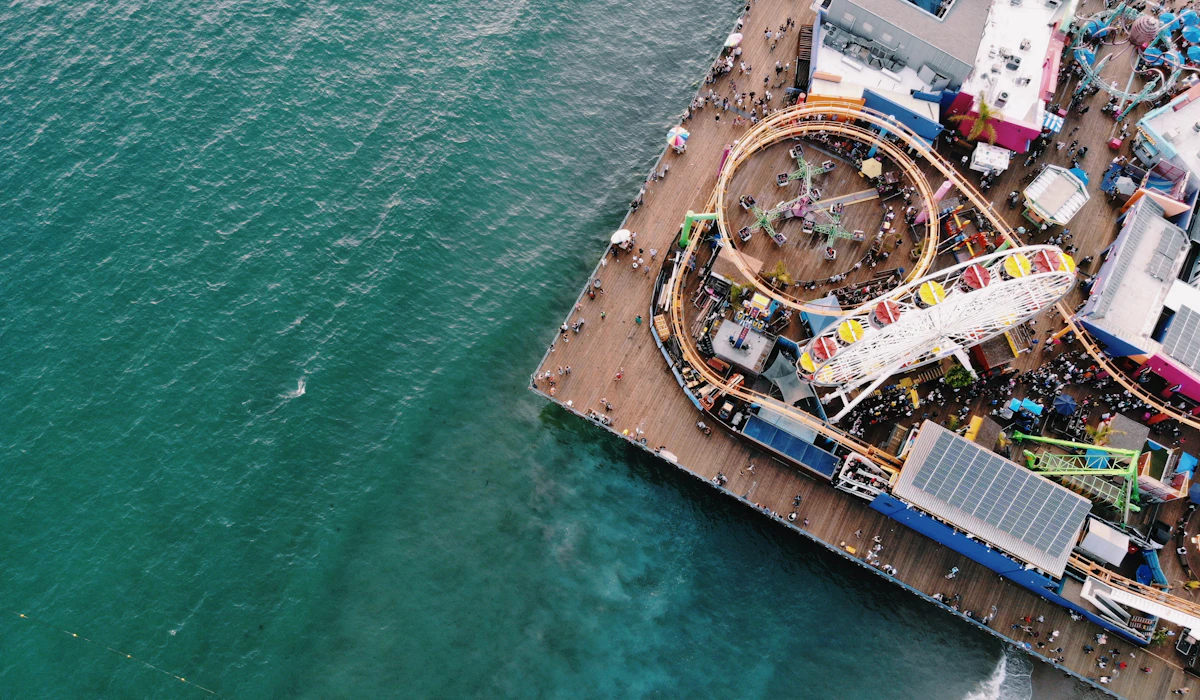
The pier’s Ferris wheel and carousel building have shown up in films spanning from mid-century classics to modern comedies, often used as visual shorthand for a Southern California ending. The pier operates as a public amusement area year-round, with rides running on a normal ticket basis.
Its carousel building alone dates back to the 1910s and has its own film history separate from the rides outside.
Venice Canals
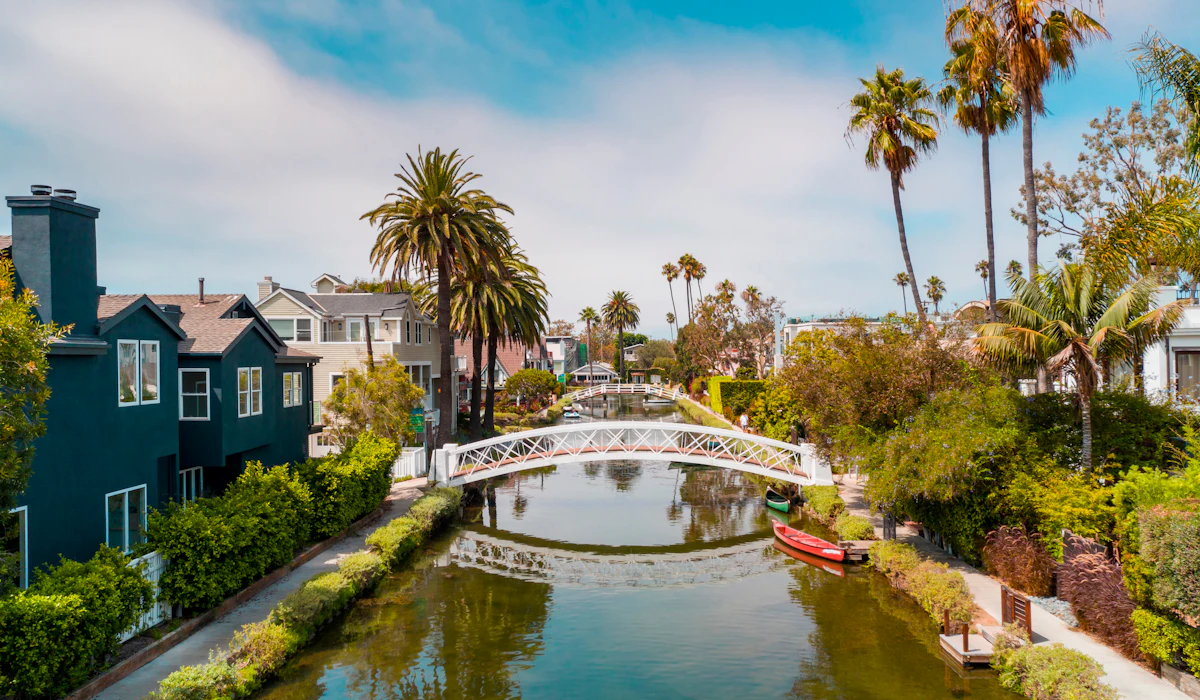
Built in the early twentieth century to evoke the original Venice, these narrow waterways and footbridges have shown up in music videos and films looking for an unexpected corner of the city. The canals run through a quiet residential neighborhood open to public walking paths at all hours.
Visitors should be mindful that the surrounding homes are private residences.
Malibu Creek State Park
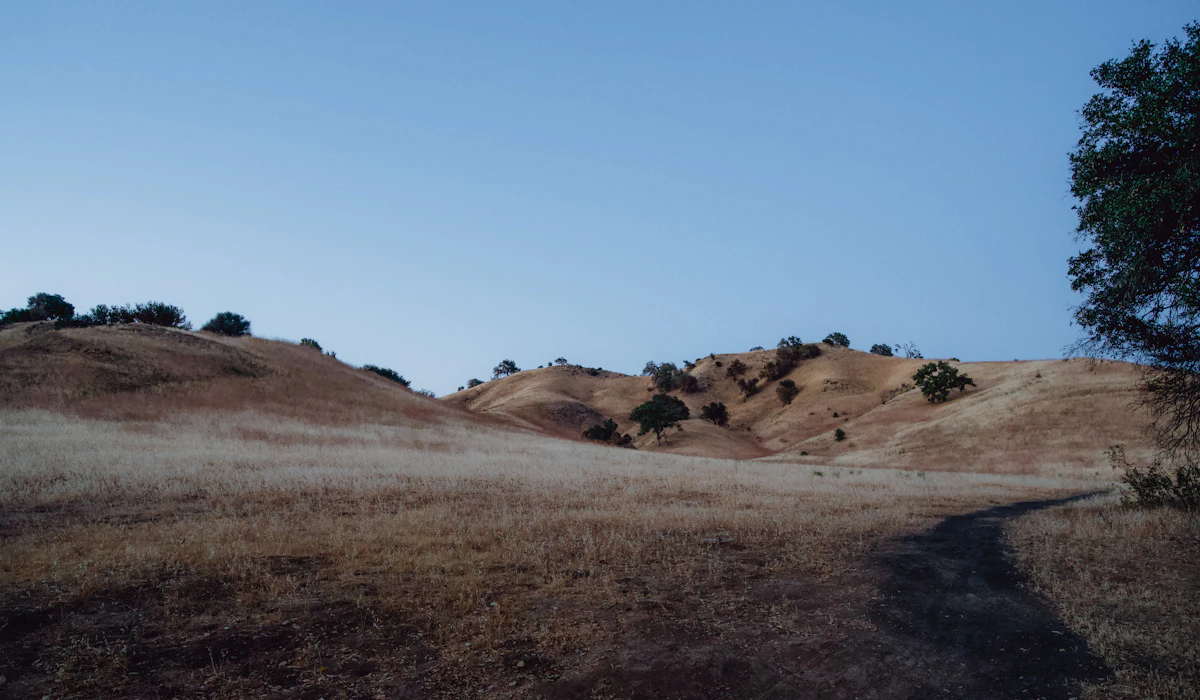
Long used as a backlot for film and television productions, this park’s rolling hills once served as the setting for a long-running war-era television series. Remnants of old sets and a preserved section of the original road remain visible along certain trails.
The park charges a standard day-use vehicle fee and offers marked trails leading to the former filming areas.
Vasquez Rocks Natural Area Park
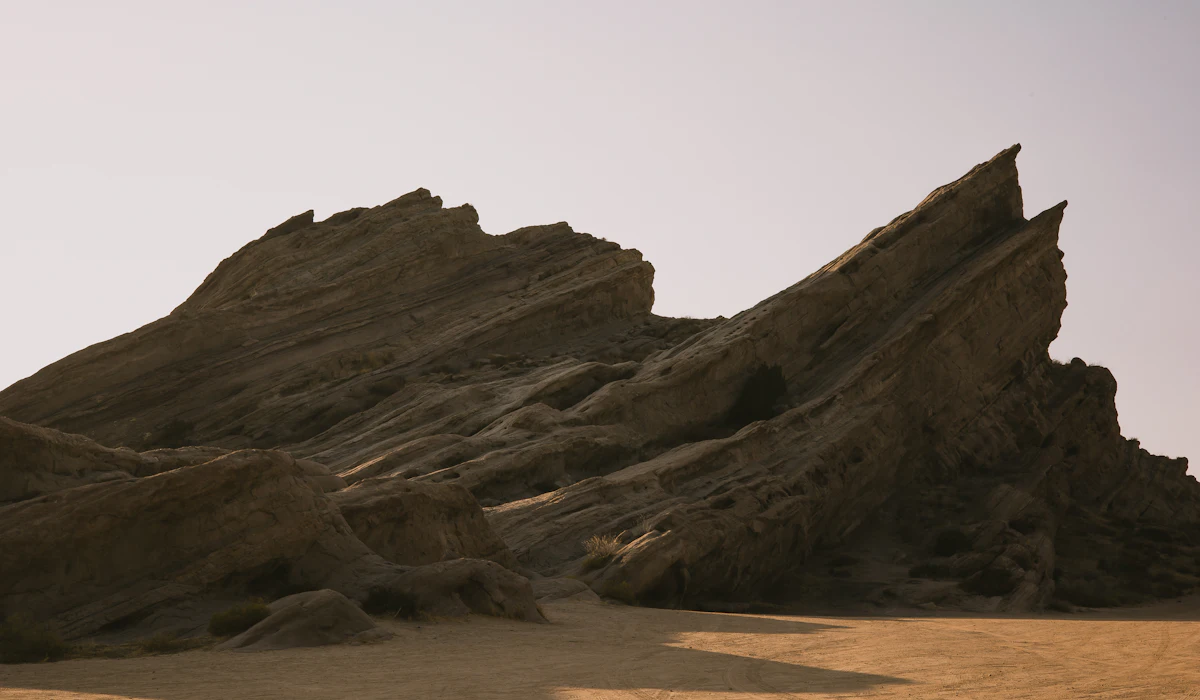
These dramatic tilted rock formations north of the city have appeared in a well-known science fiction franchise’s fight scenes, along with numerous westerns dating back decades. The park is free and open to the public, with trails winding directly among the formations used on camera.
Rangers occasionally point out specific rock faces tied to particular productions.
Millennium Biltmore Hotel
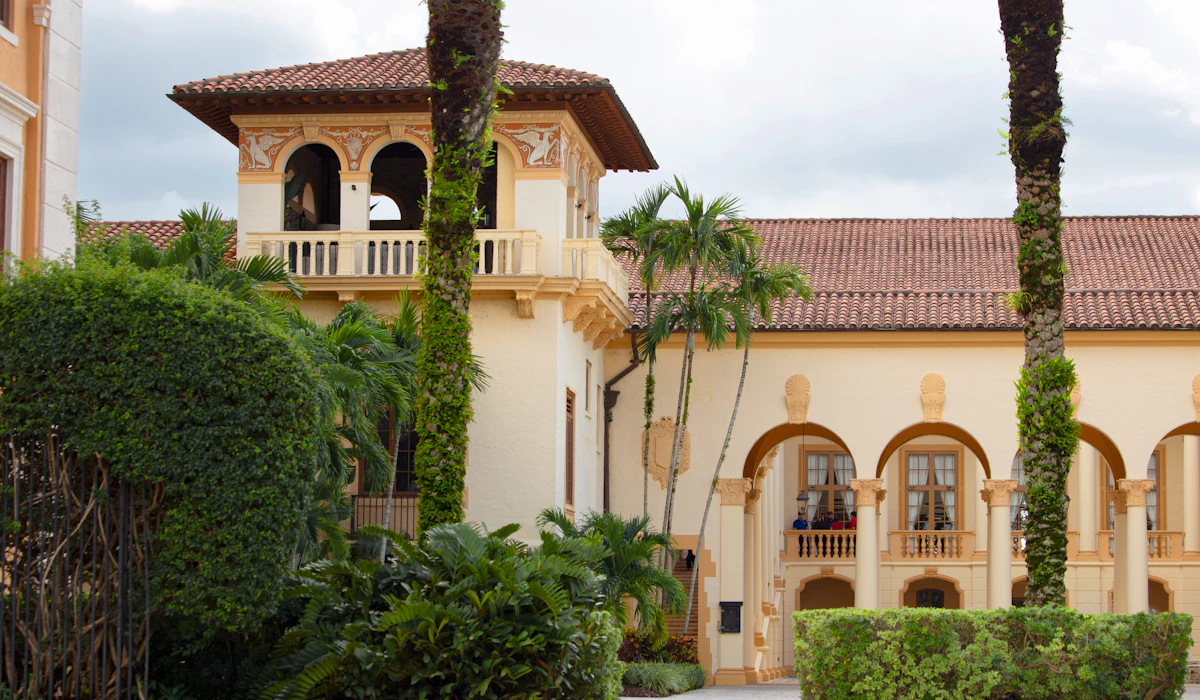
This downtown hotel’s grand ballroom and lobby have hosted film shoots ranging from a supernatural comedy to a heist franchise’s climactic sequences. As a functioning hotel, its public areas remain accessible to visitors having a meal or a drink, even without a room booked.
The Crystal Ballroom’s ornate ceiling is a frequent standout in productions filmed there.
Hollywood Roosevelt Hotel
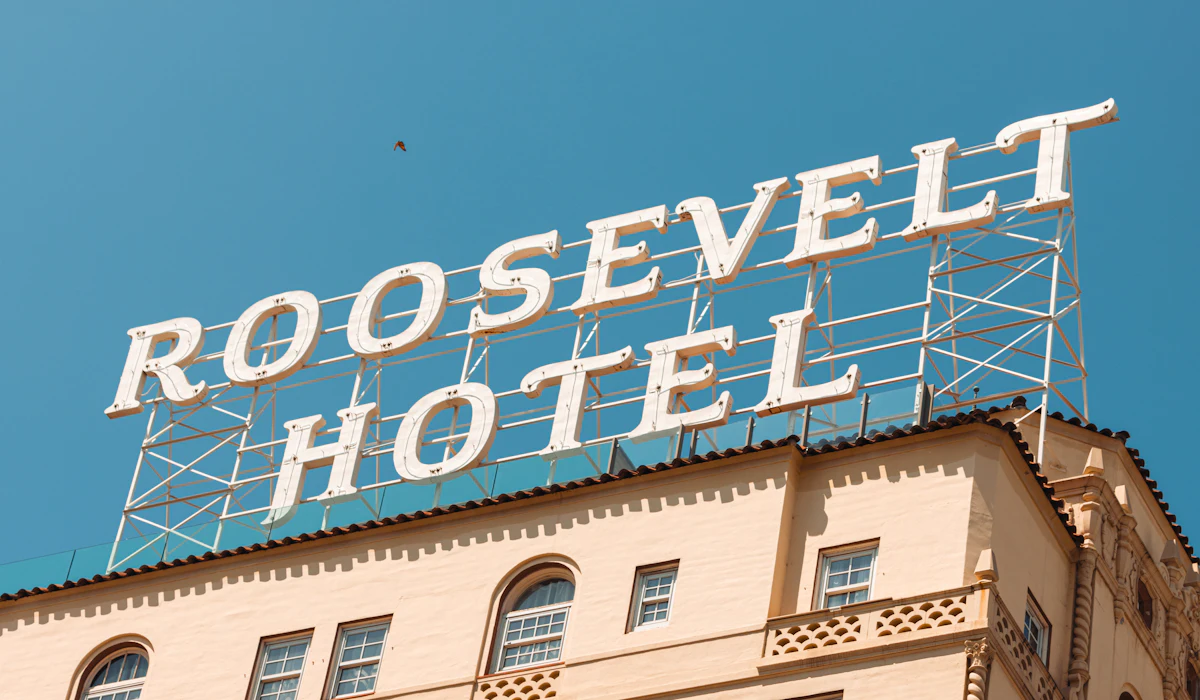
Home to the first Academy Awards ceremony, this hotel’s pool and lobby have appeared in numerous films and music videos referencing old Hollywood glamour. Its public bar and restaurant areas are open to non-guests.
The historic Blossom Room, where that first ceremony took place, still hosts events on the property.
Paramount Ranch
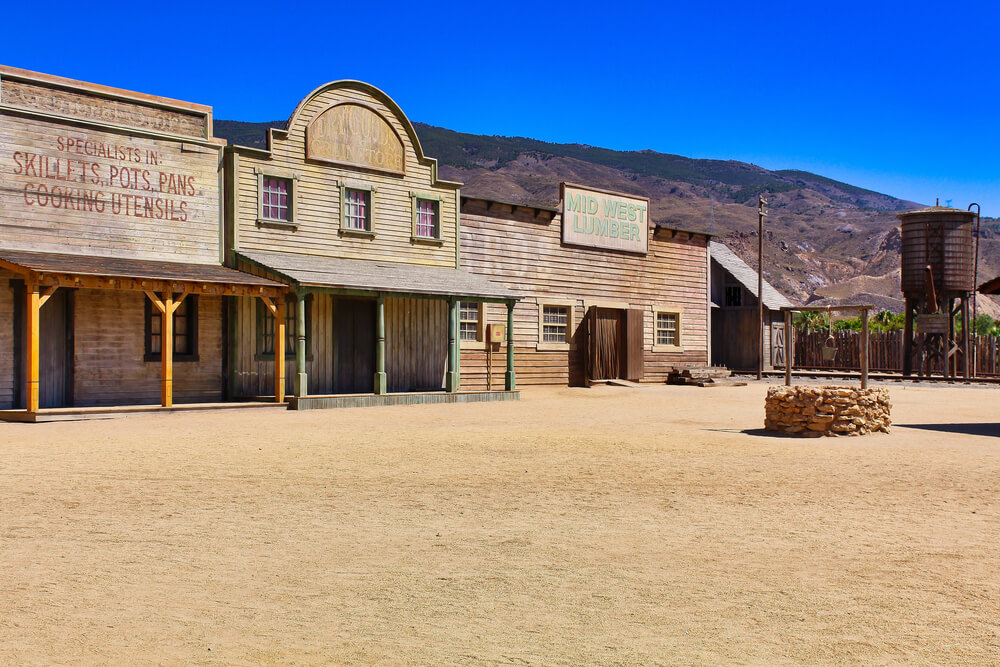
Once a working backlot with a standing western town set, this National Park Service property in the Santa Monica Mountains hosted a well-known prestige television series before a 2018 wildfire destroyed most of the original structures. The land remains open to the public for hiking, and rebuilding is underway with new visitor and event structures planned for the site.
Future movie sets are expected to return as a later phase of the project, with the National Park Service currently targeting 2027 for completion of the new facilities.
The Wiltern Theatre
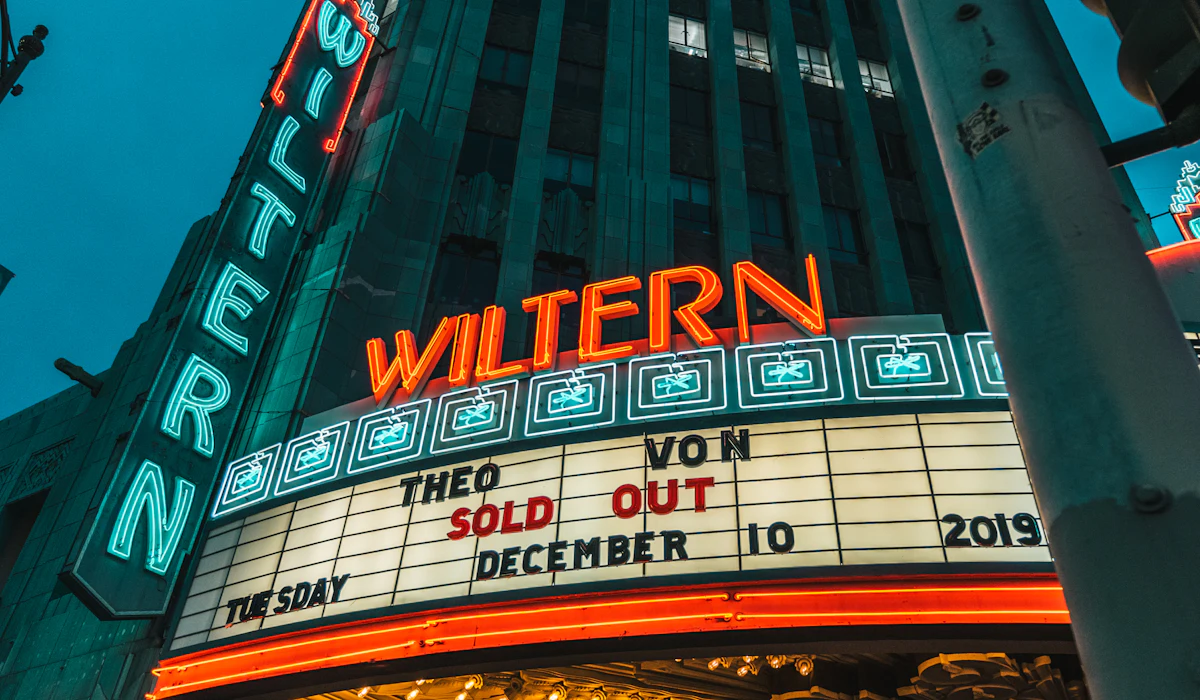
This Art Deco theater on Wilshire Boulevard, recognizable by its striking green terra cotta exterior, has appeared in music videos and films looking for a distinctly Los Angeles concert venue. It continues to operate as a working concert hall, meaning the best way to see the interior is by attending a scheduled show.
The exterior remains visible from the sidewalk at any time.
Los Angeles City Hall
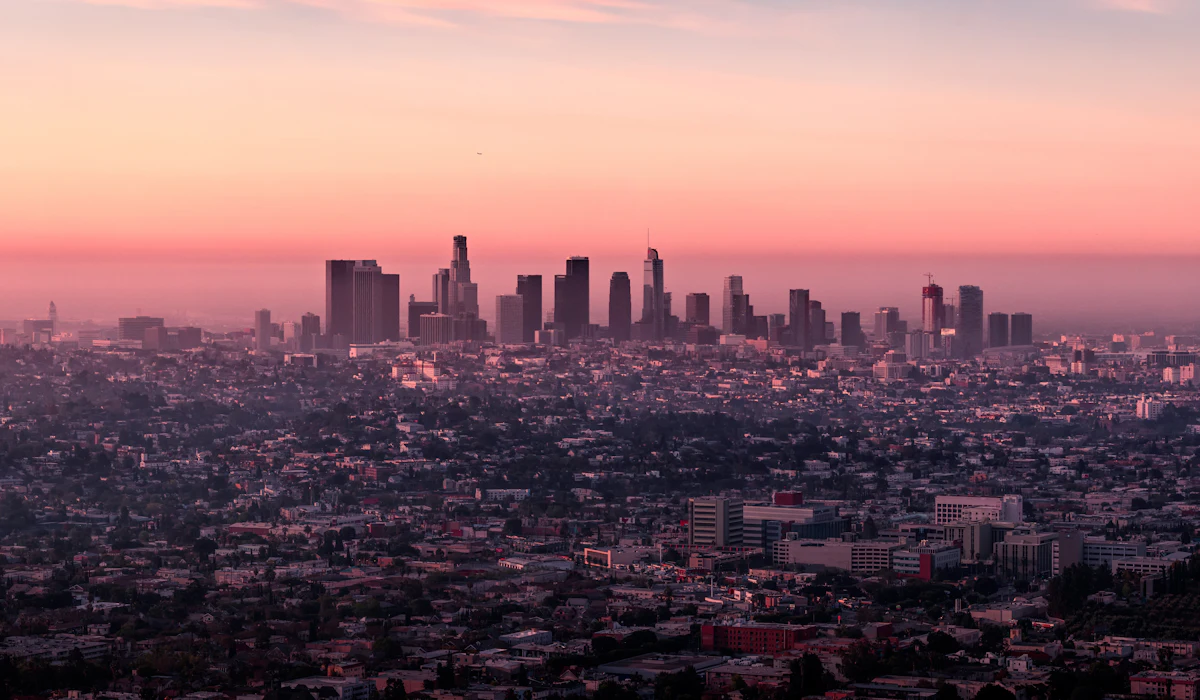
The tower’s distinctive silhouette has represented everything from a fictional metropolis’s government building to the Daily Planet in early superhero adaptations. An observation deck near the top offers panoramic views of the city and is open to the public on weekdays free of charge.
Security screening is required before entering the building.
The Queen Mary
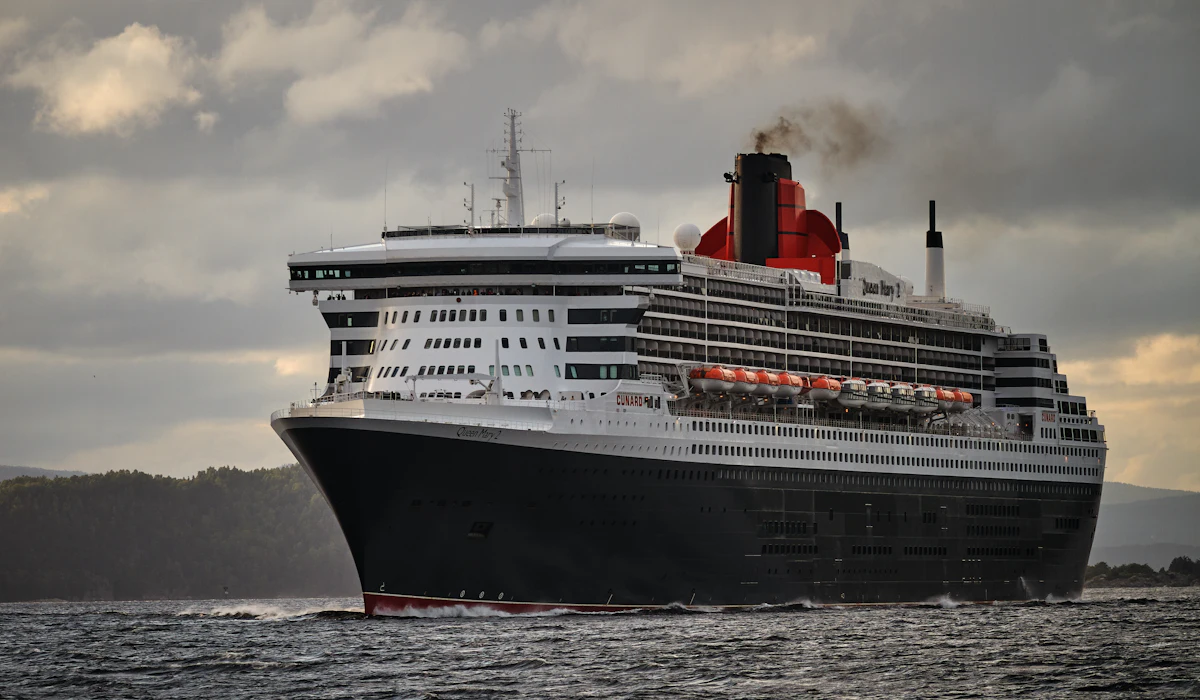
Permanently docked in Long Beach, this retired ocean liner has served as a filming location for productions ranging from disaster films to ghost-themed television specials, aided by its own reputation for reported hauntings. The ship operates as a hotel and museum, with self-guided and guided tours available to non-guests.
Several staterooms and public decks used in filming remain part of the standard tour route.
Chinatown Central Plaza
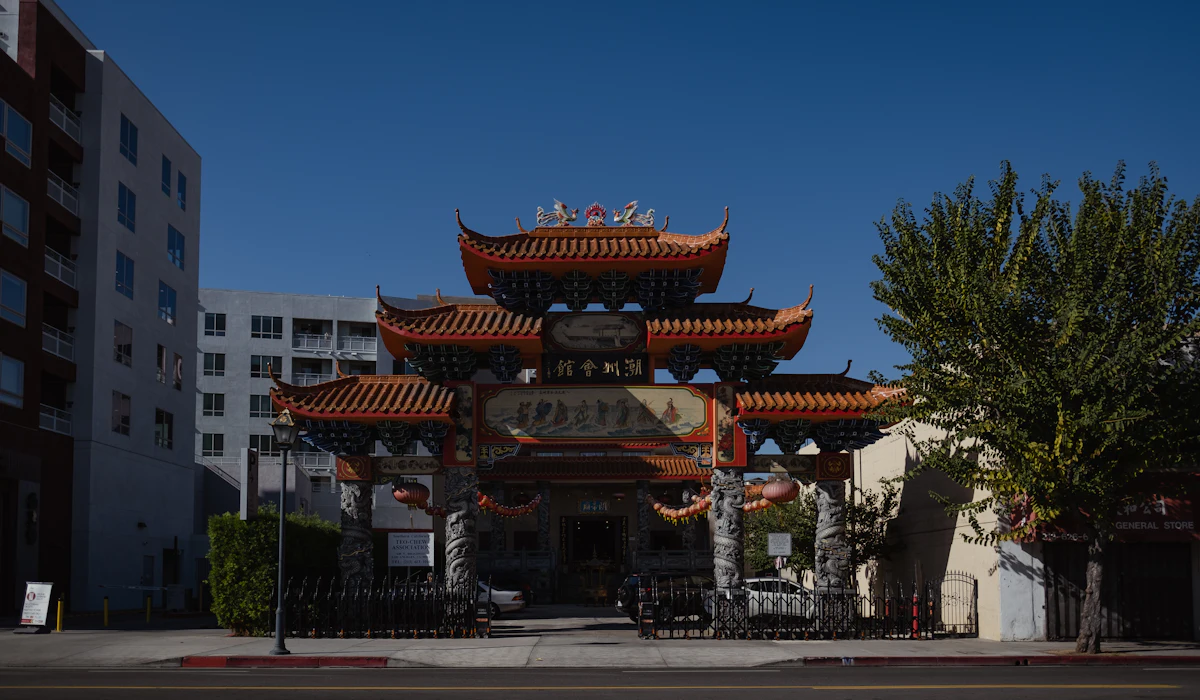
This historic plaza, with its ornamental gate and string-lit courtyard, appeared in a landmark 1970s noir film that borrowed the neighborhood’s name for its title, despite filming only partially in the actual district. The plaza remains a functioning commercial area with shops and restaurants.
Evening visits catch the same lighting that made the area recognizable on screen.
TCL Chinese Theatre
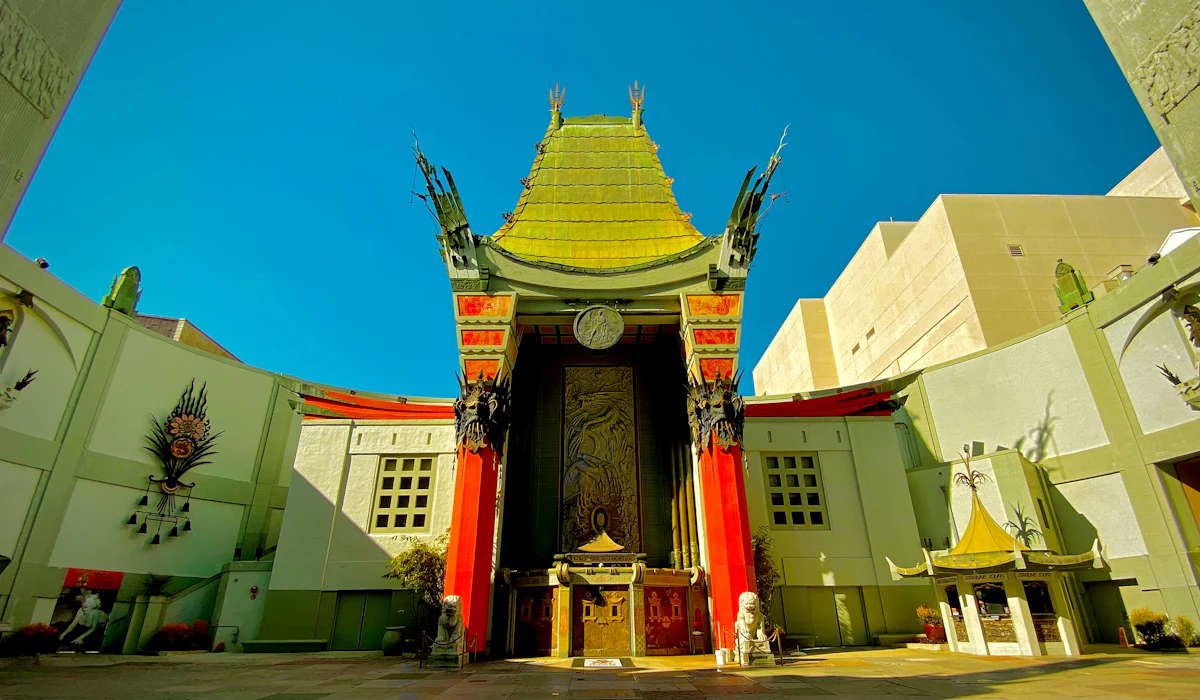
Beyond its handprint forecourt, this theater’s ornate auditorium has hosted premieres and appeared as a location in films about Hollywood itself. IMAX screenings are open to the public on a standard ticket basis, offering a chance to see the interior beyond the courtyard.
The building’s pagoda-style architecture has remained largely unchanged since it opened in the 1920s.
Angels Flight Railway
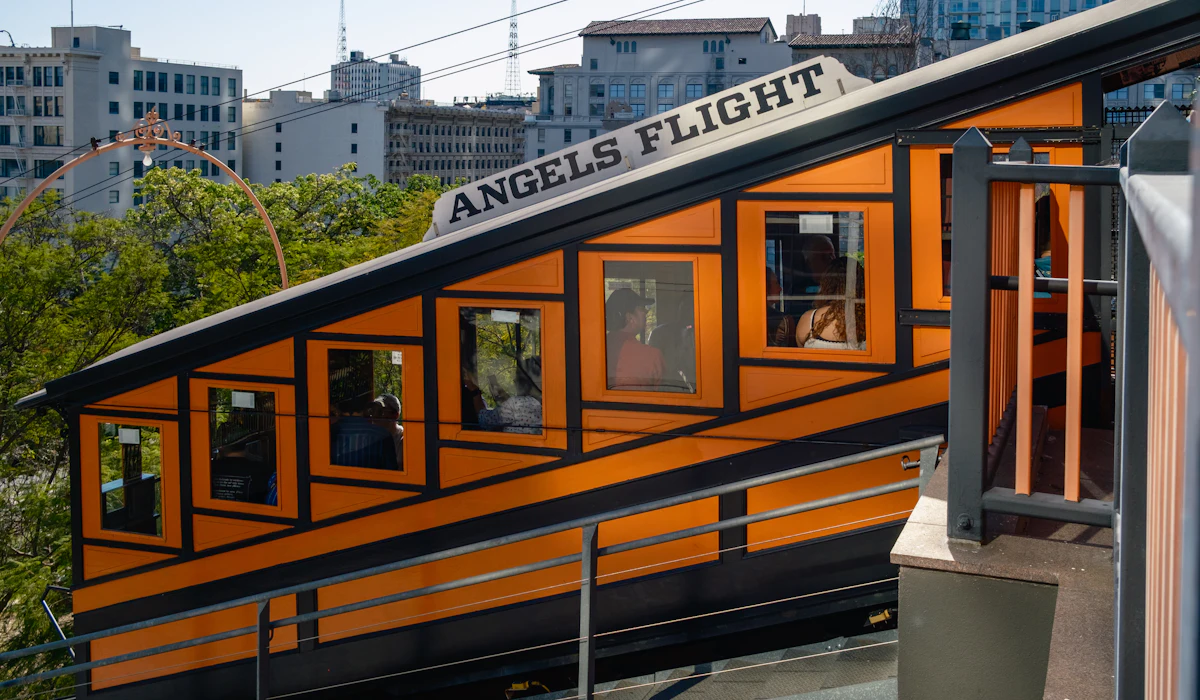
Billed as the world’s shortest railway, this funicular connecting Bunker Hill to downtown’s historic core has appeared in noir films for generations, often used to signal old Los Angeles atmosphere. The railway operates as a functioning public transit line for a small fare.
Its bright orange cars remain visually distinct from anything else in the downtown skyline.
Los Angeles Theatre
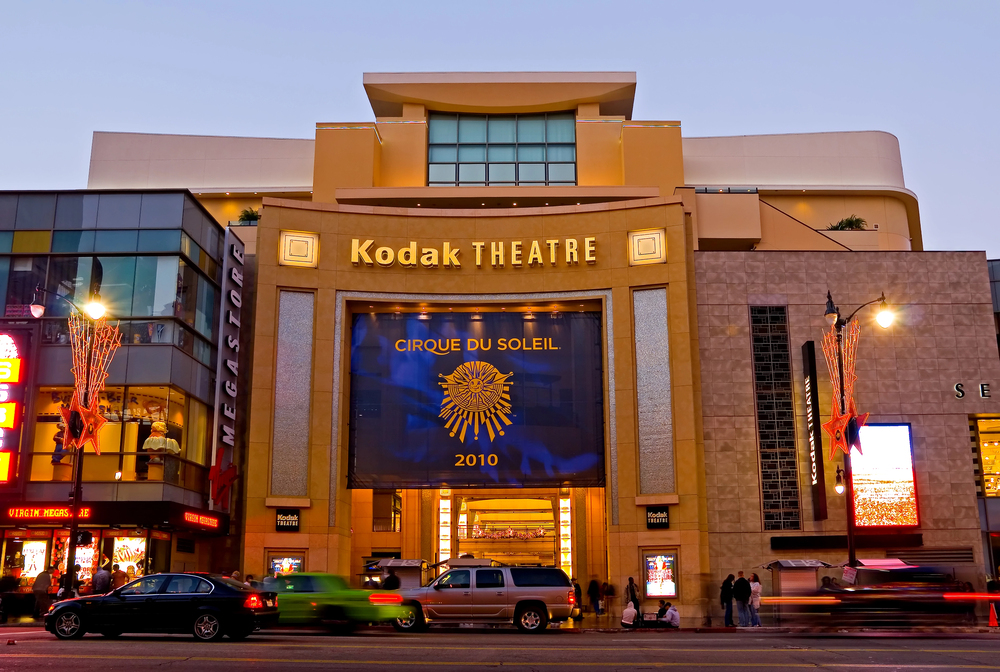
One of downtown’s ornate movie palaces from the golden age of cinema, this theater’s opulent lobby and auditorium appeared in a modern romantic comedy exploring a breakup through nonlinear storytelling. It hosts occasional public screenings and events rather than daily operation as a cinema.
Guided historic theater tours through downtown occasionally include stops inside.
Exposition Park And Coliseum
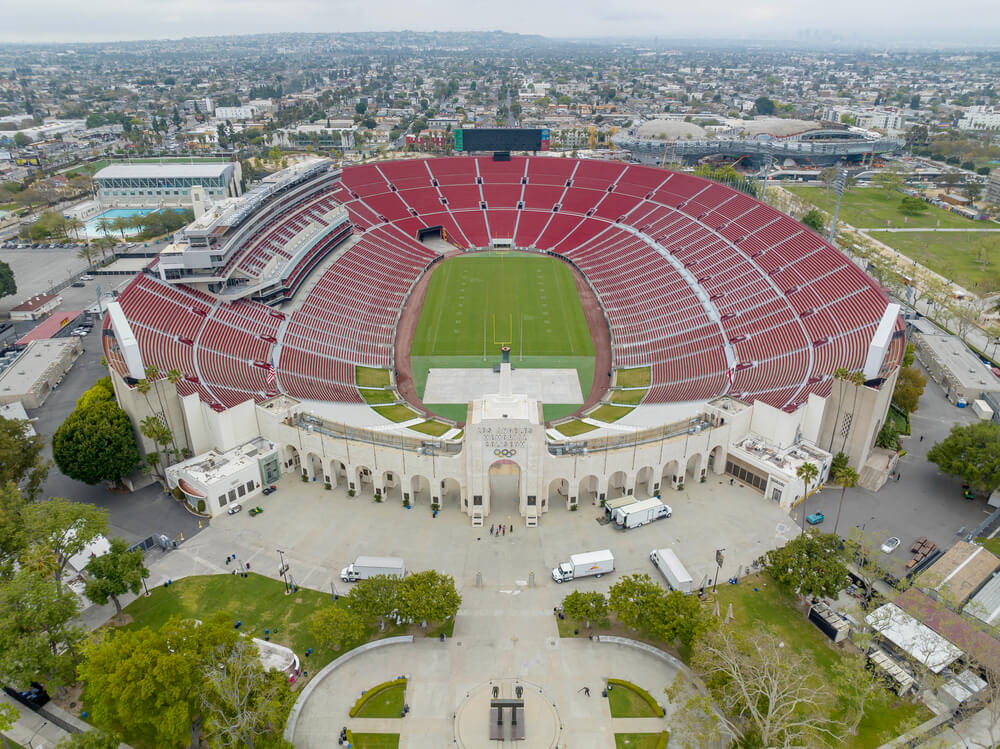
Home to a stadium that has hosted two Olympic Games, this park and its landmark arena have appeared in sports films and disaster movies looking for a recognizable stadium setting. The surrounding museums and rose garden remain open to the public daily, and stadium tours run on select dates.
Its distinctive peristyle end has remained visually consistent across decades of use on screen.
The Backlot Behind The Postcard
A film set only works because someone convinces a camera that a fabricated street is real, and Los Angeles has spent a hundred years perfecting exactly that trick. Walking through these locations in person tends to shrink them.
The alley looks narrower, the plaza looks smaller, and the trick becomes obvious the moment there’s no lens framing it for you.
That shrinking feeling isn’t a disappointment so much as an education. Once someone learns how a five-minute walk of studio street becomes an entire fictional town on screen, it’s hard to watch any film shot in this city the same way again.
More from Travel Pug

- 20 Best Beach Towns in the Carolinas
- 13 Destinations Where Tourists Regularly Regret Their Trip
- 20 Things You Actually Get in First Class
- 20 Small Airports With Aviation Museums
- 20 Places in the U.S. That Are Perfect for a Reset Trip
Like Travel Pug’s content? Follow us on MSN.