

There’s a particular kind of meal that only happens in certain places — the kind where the fish was still swimming that morning, the cook has been making this same dish for forty years, and the restaurant has no website because it doesn’t need one. Island cruise stops have a reputation for tourist traps and overpriced lobster rolls, and plenty of them deserve that reputation.
But buried inside nearly every major itinerary is at least one spot where the locals actually eat, where the seafood is stupidly fresh, and where you’ll spend the rest of the trip wishing you’d skipped the buffet and come here instead. These are those places.
Santorini, Greece
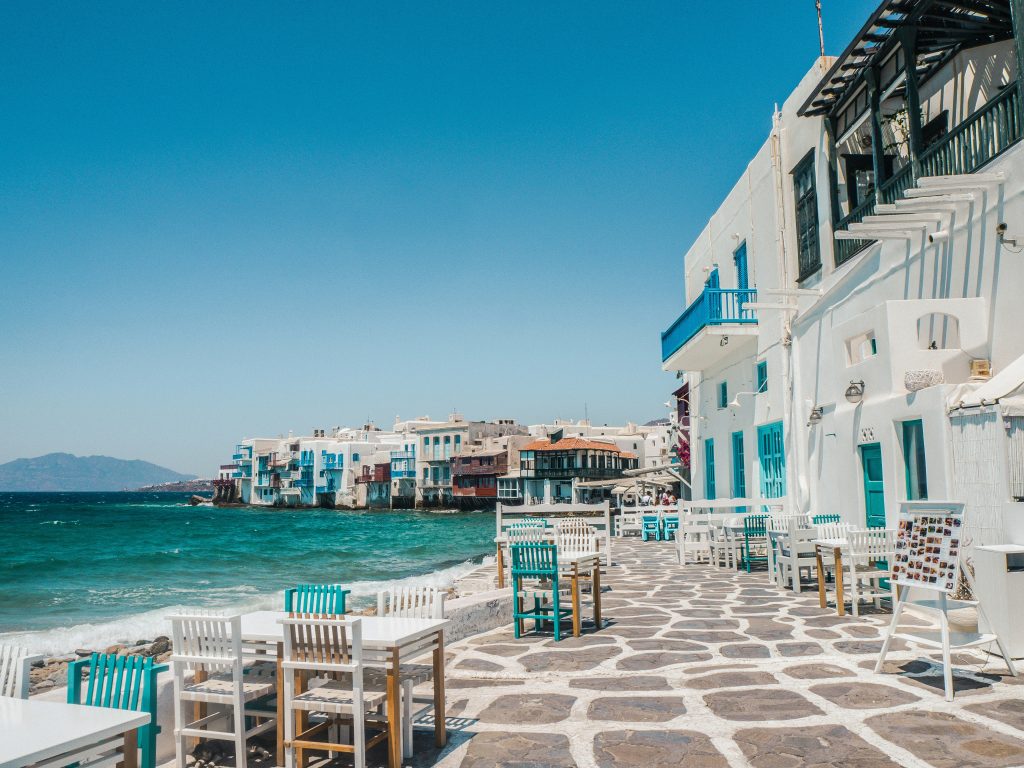
The octopus hanging outside a taverna in Oia isn’t a decoration. It’s lunch, sun-drying the old way, the way it’s been done on this island for generations before anyone thought to photograph it.
Order it grilled, with nothing but lemon and olive oil, and you’ll understand why some flavors don’t need improvement.
Nassau, Bahamas
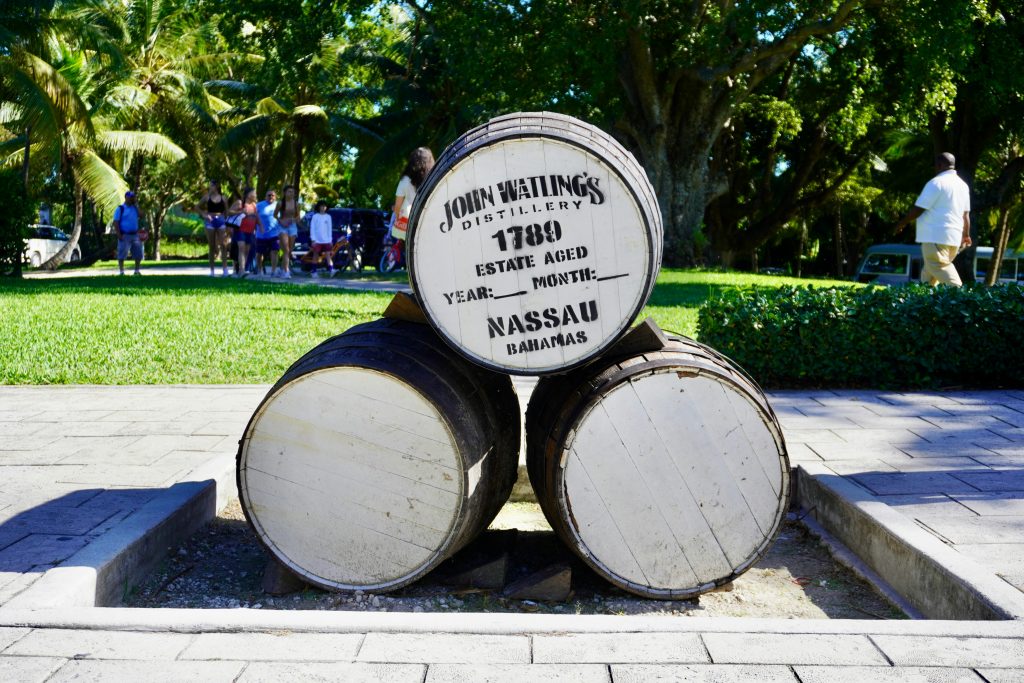
Conch is the whole point in Nassau, and the fish fry at Arawak Cay is where you go to eat it properly. Cracked conch, conch salad, conch fritters — all of it made by vendors who’ve been working these stalls for decades, and none of it costs what you’d pay at the resort.
The lime-forward conch salad alone, made fresh in front of you, is worth the detour from the cruise pier.
Dubrovnik, Croatia
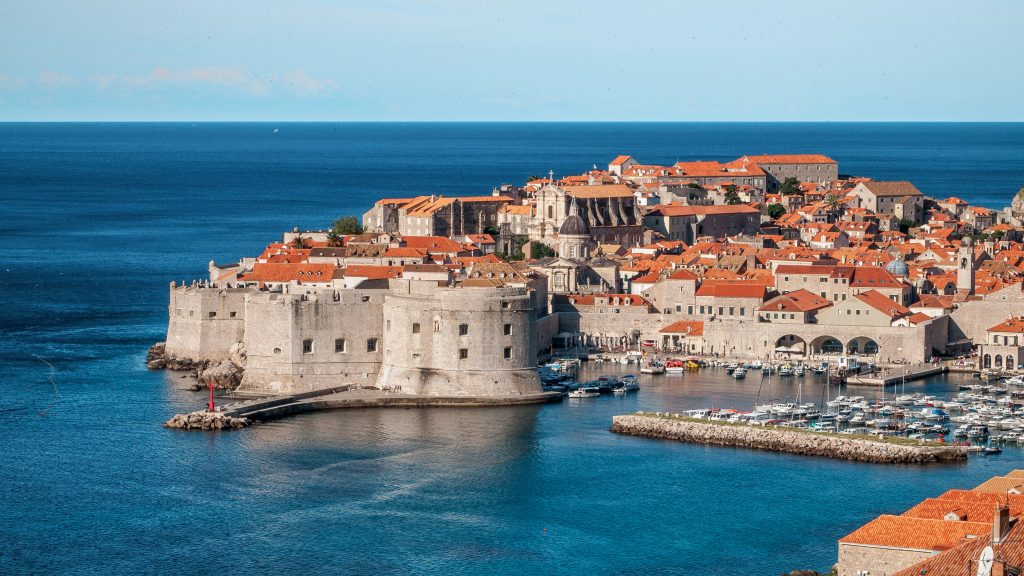
Dubrovnik has a way of hiding its best tables in plain sight — a small konoba tucked behind the city walls, no sign worth reading, chairs practically spilling into someone’s courtyard — and yet the brodeto simmering on the stove inside that room is the kind of slow-cooked fish stew that makes every other version feel like it was rushing somewhere. The Dalmatian coast’s relationship with the Adriatic is old and unhurried, and the cooking reflects that: grilled sea bass here isn’t dressed up, isn’t sauced into something unrecognizable, it’s just fish that happens to be very, very good.
So the lack of fanfare is the whole point.
Honolulu, Hawaii
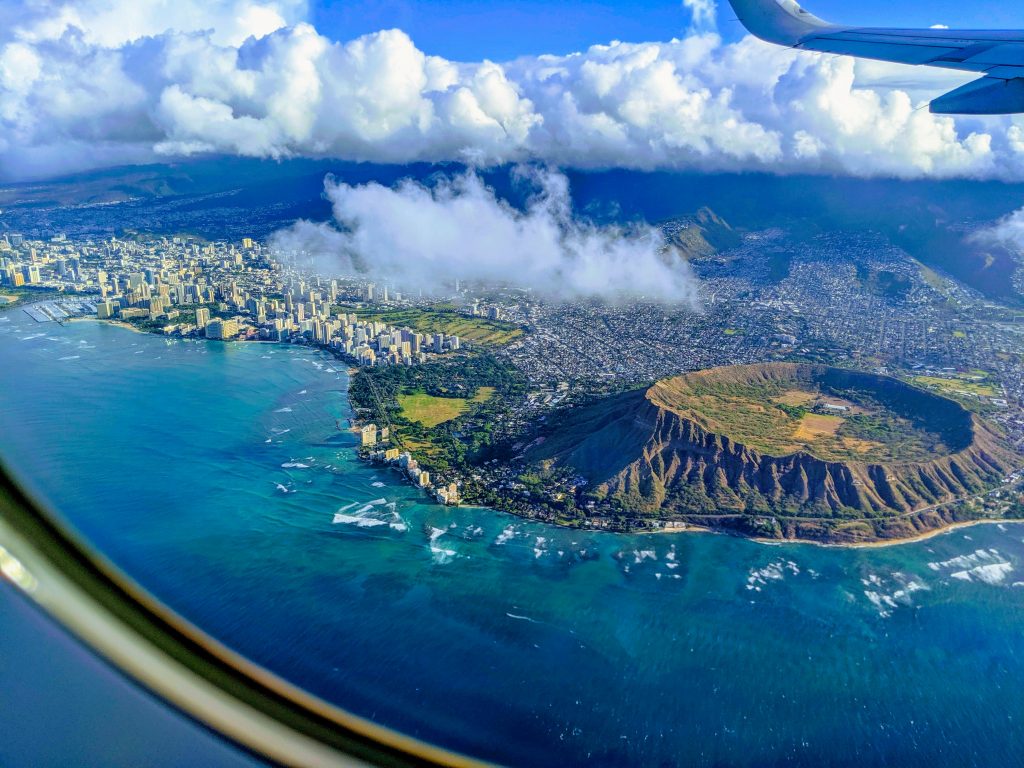
Poke built its reputation here long before it became a bowl trend at every strip mall in America. The original — ahi tuna, soy, sesame, sea salt, maybe some limu seaweed — is still the best version, and you’ll find it at places like Ono Seafood or Foodland’s deli counter, where locals line up on weekday lunches without any fuss.
This is seafood as everyday food, not spectacle, which is exactly what makes it so good.
Bergen, Norway
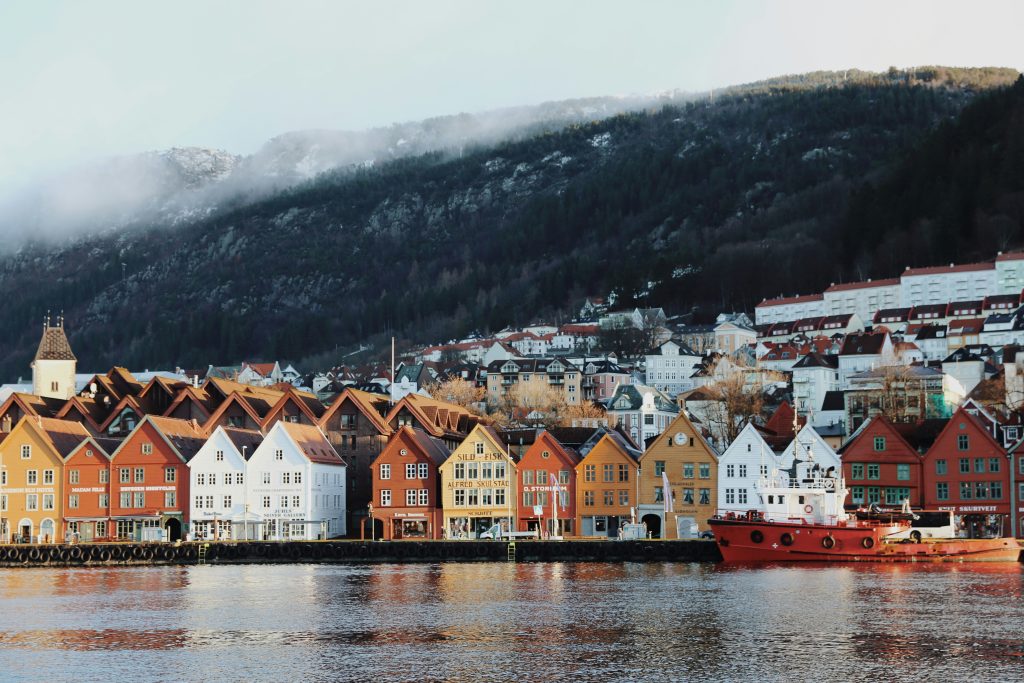
Bergen is a city that smells like the sea even when you’re miles from the water, and the historic Fish Market has been a center of seafood trading since the 12th century — which is either a charming historical detail or a sign that the Norwegians figured something out about freshness very early on and saw no reason to change it. The king crab legs, the smoked salmon, the fish cakes handed over in paper: none of it is glamorous, and the market stalls can feel aggressively casual, almost indifferent to impressing you.
But that indifference is earned. The quality doesn’t need a presentation.
Cozumel, Mexico
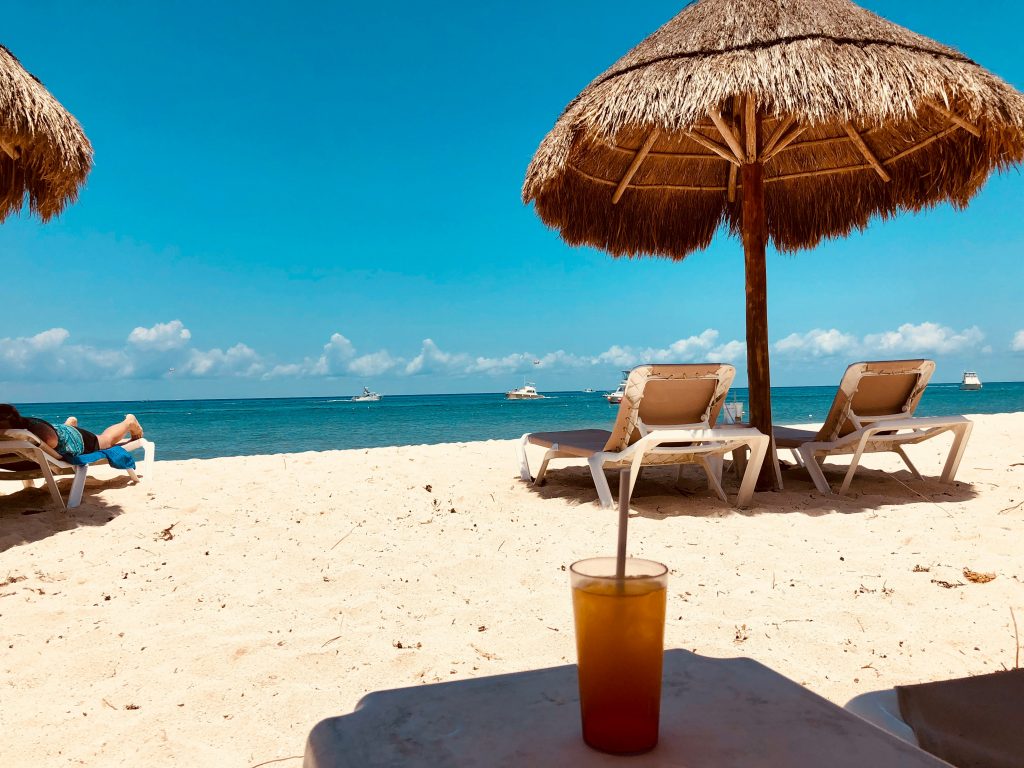
Ceviche in Cozumel is a lesson in what acid and time can do. Local red snapper, lime juice, white onion, habanero — not the watered-down version served at resorts, but the real thing, served in a plastic cup at a mercado stall with a sleeve of crackers.
The fish is so fresh that the lime barely has to work.
Mykonos, Greece
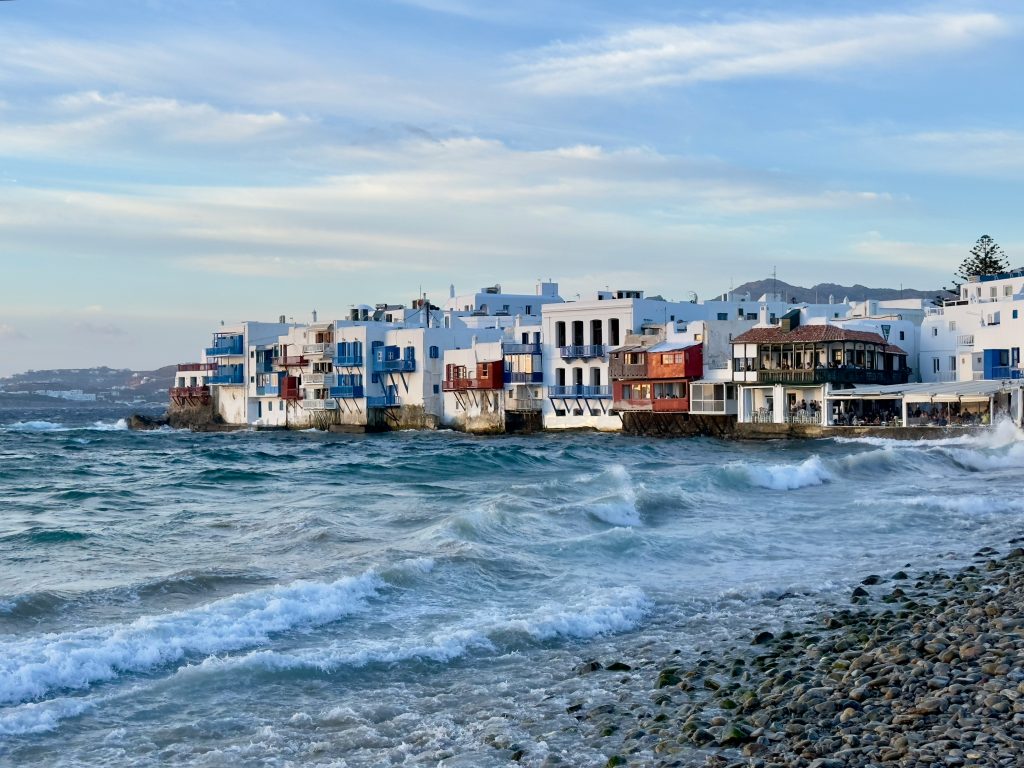
Mykonos has a nightlife reputation that tends to overshadow the fact that it sits in the middle of the Aegean and the seafood is exceptional. The restaurants along the Little Venice waterfront are touristy, fair enough, but wander ten minutes back into the island’s older neighborhoods and you’ll find psarotavernas — fish taverns — where the grilled whole fish is priced by weight and the wine comes in carafes and nobody is performing anything for anybody.
Grilled lavraki, sea urchin pasta when it’s in season: this island knows what it has.
St. John’s, Antigua
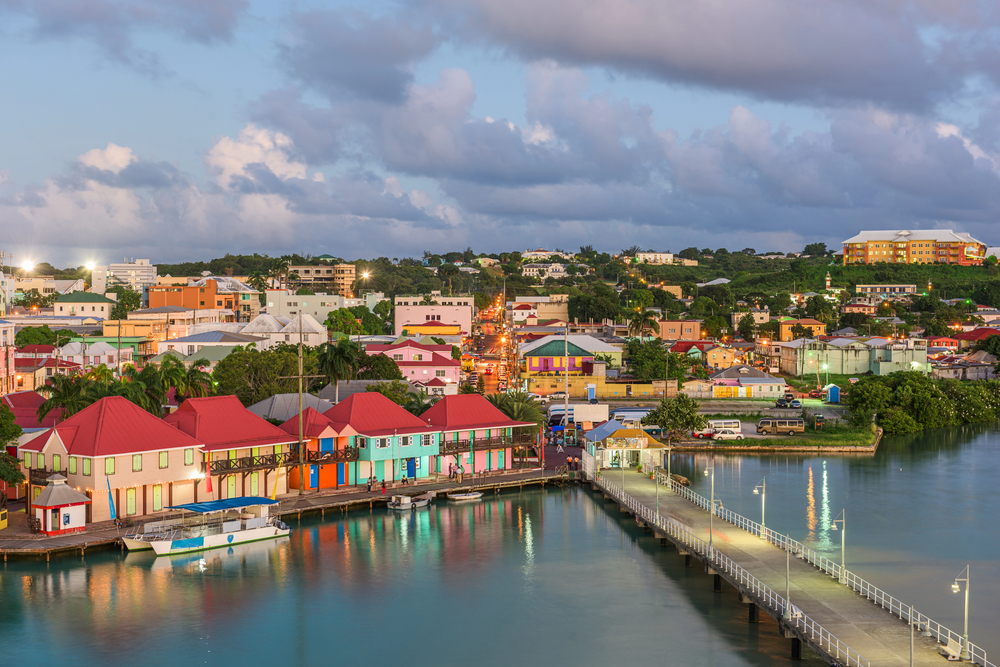
The fishing boats come into local fishing harbors around St. John’s, and the supply chain from there to your plate is remarkably short. Antigua’s national dish is fungee and pepperpot — a cornmeal base with a rich, slow-cooked stew — but it’s the simply grilled mahi-mahi at local beachfront restaurants around Dickenson Bay or Runaway Bay that reveals what happens when fresh Caribbean fish meets nothing more complicated than butter and herbs.
Go at lunch, when the fish is freshest and the crowd is mostly locals on a break from work.
Reykjavik, Iceland
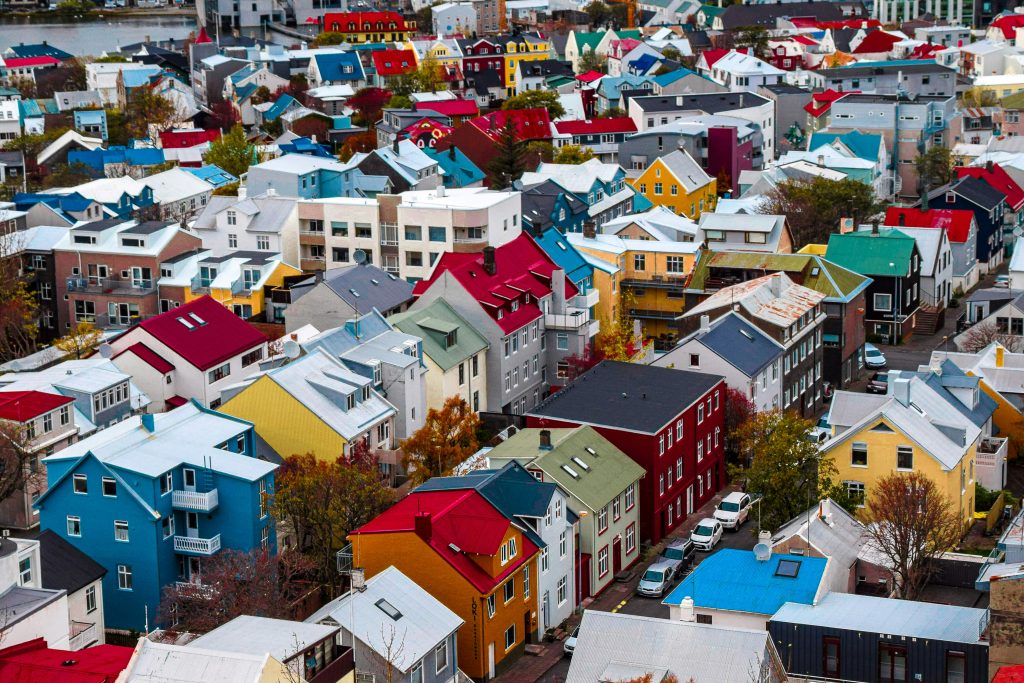
Iceland is cold, stubborn about tradition, and completely correct when it comes to fish. The langoustine soup served at Sægreifinn — a tiny green shack on the old harbor that seats maybe twenty people and operates with the organizational energy of a very confident grandmother — has been converting skeptics since the 1990s, and the Arctic char, which appears on menus across the city, tastes clean in a way that seems almost structural, like the water itself is part of the flavor.
You don’t come to Reykjavik for a seafood experience. You come and realize that the seafood experience was the reason all along.
Roatan, Honduras
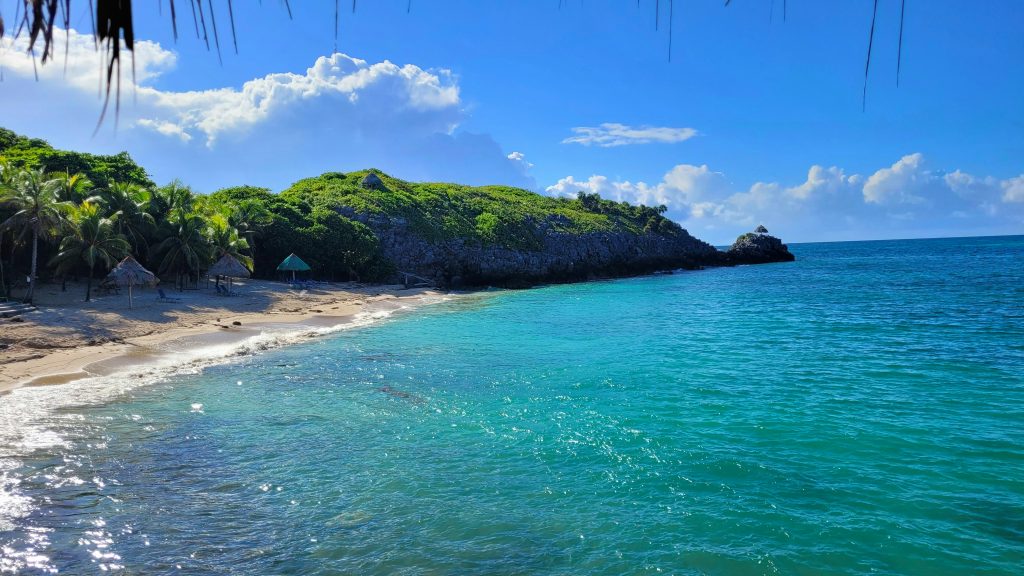
Roatan doesn’t get the press it deserves. The reef running along its southern coast means the fish market is stocked with species that other Caribbean islands have to import, and the whole-grilled red snapper at beachside spots in West End — cooked over open coals, served with rice and beans and a wedge of lime — costs less than a sandwich at the cruise terminal.
Locals eat here every day, and the proof is in the plastic chairs and the total absence of a printed menu.
Bora Bora, French Polynesia
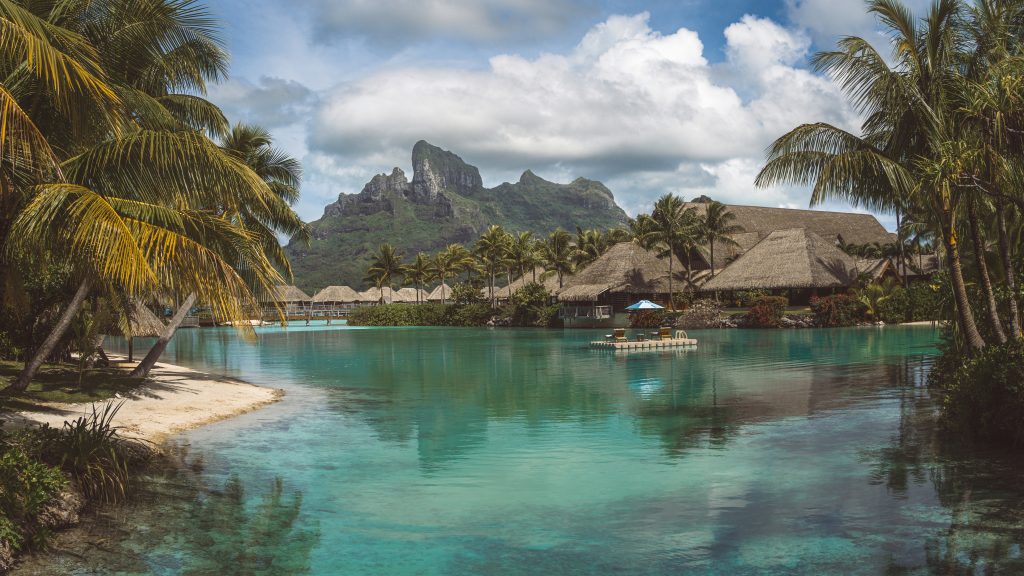
The poisson cru at a roulotte — a food truck, essentially, the kind that lines the waterfront in Vaitape most evenings — is one of the genuinely great dishes of the Pacific. Raw tuna marinated in lime juice and then mixed with coconut milk, cucumber, and tomato: it’s bright and fatty and cool in a way that makes perfect sense in this particular heat.
French Polynesia took French technique and Polynesian ingredients and produced something entirely its own.
Cartagena, Colombia
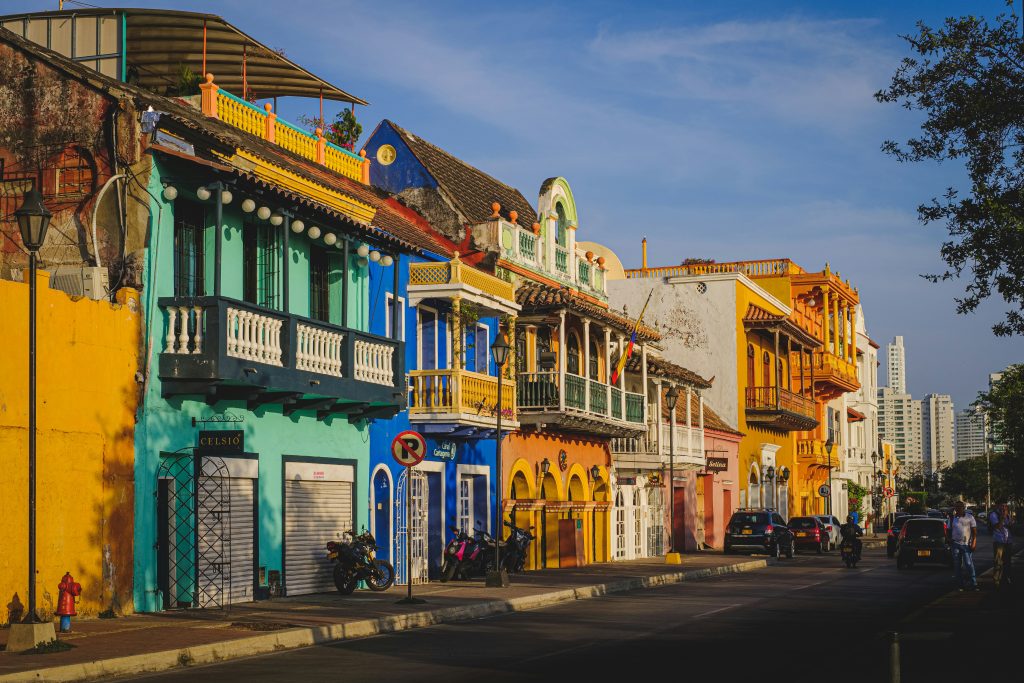
The seafood along Cartagena’s waterfront has no patience for subtlety. The bandeja de mariscos — a platter of shrimp, squid, fish, and crab, all cooked hard and fast over high heat and seasoned with the kind of confidence that only comes from making the same dish ten thousand times — arrives at the table as a statement rather than a suggestion.
Locals eat at the palenqueras’ stalls near the old city walls, and the coconut rice alongside the seafood is itself worth the trip.
Juneau, Alaska
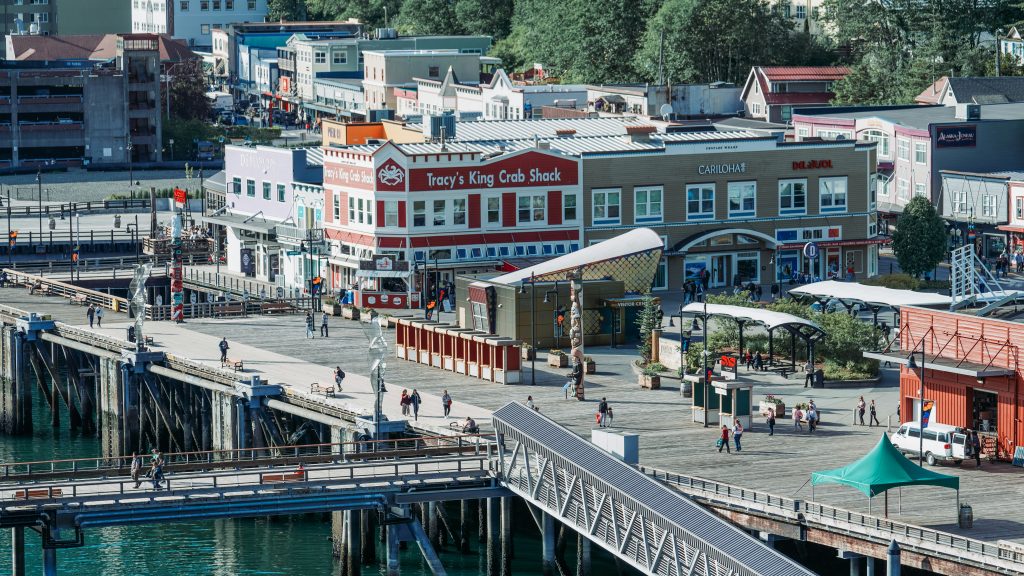
Juneau is surrounded by water on three sides and mountains on the fourth, and the king salmon here is taken very seriously, which is the correct attitude to have. The fish runs in summer turn local restaurants into something approaching religious experiences — Deckhand Dave’s food truck, parked near the waterfront, has served halibut fish and chips with a cult following that most sit-down restaurants would trade for. ‘
Wild-caught, local, nothing frozen: that’s the standard, and it shows.
Valletta, Malta
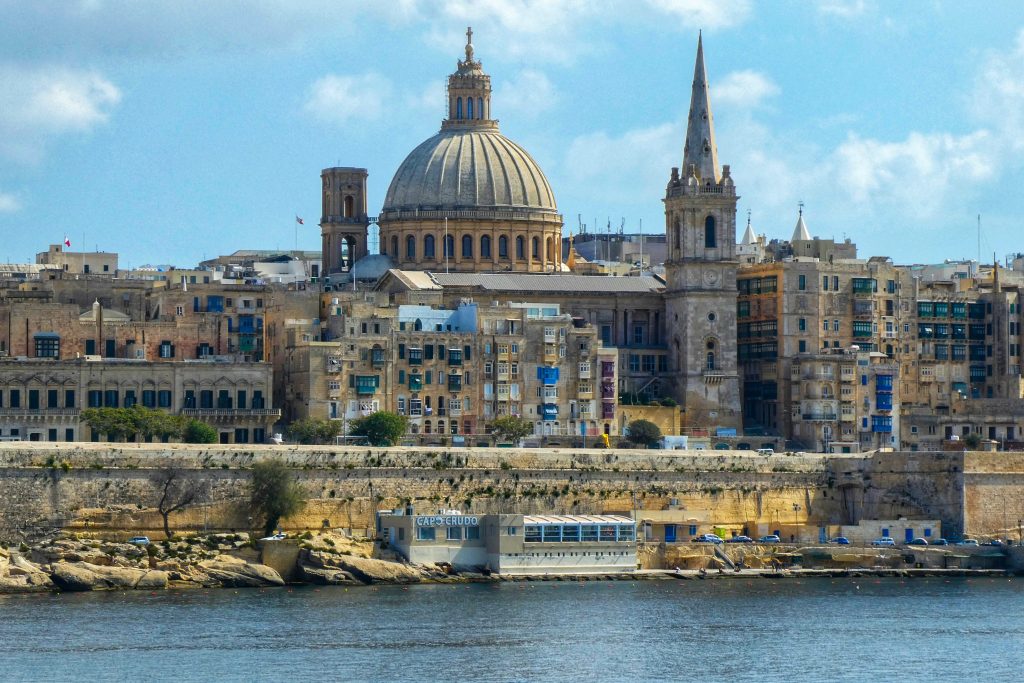
Malta sits at the crossroads of Mediterranean trade routes that have been active for three thousand years, and the fishing culture reflects a kind of accumulated stubbornness — techniques and recipes that absorbed Sicilian, North African, and Moorish influences without losing their own logic. The lampuki, a local dolphinfish, appears on menus in late summer and is often baked in a pie with cauliflower and olives in a combination that sounds unlikely and tastes correct.
The waterfront in Marsaxlokk, a fishing village twenty minutes from Valletta, is where you actually go — Sunday market, painted luzzu fishing boats, tables full of locals arguing about football over platters of grilled swordfish.
Bridgetown, Barbados
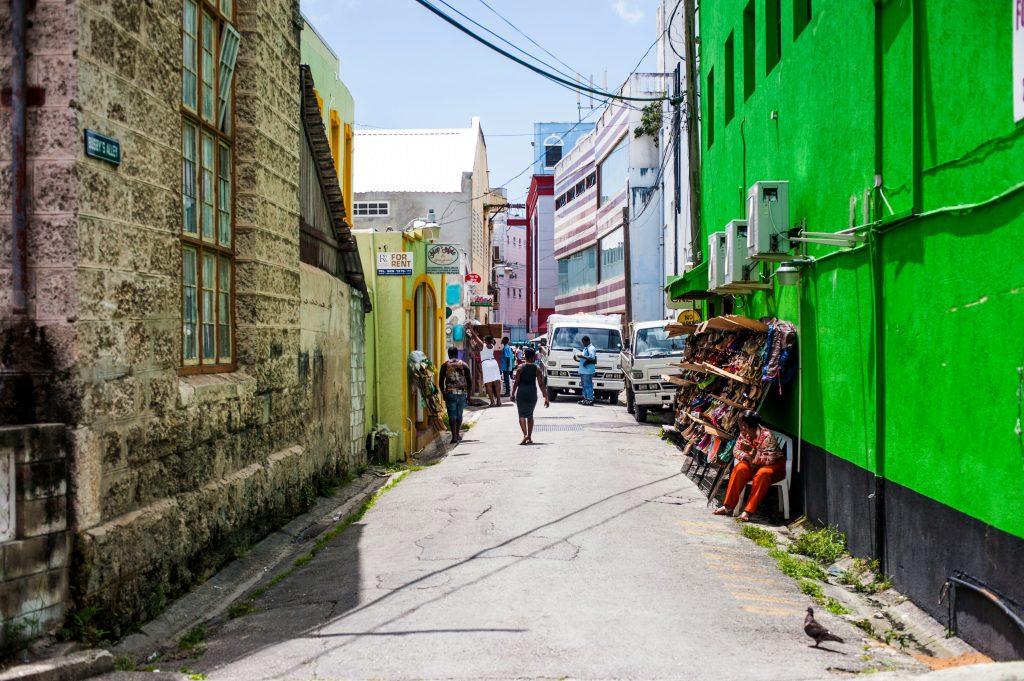
Flying fish is Barbados’s national symbol, which tells you something about how central it is to daily life here. The flying fish cutter — steamed or fried fish tucked into a salt bread roll with Bajan seasoning — sold at the roadside stands and especially around Oistins is the correct way to eat in this country, and the Friday night fish fry at Oistins is one of the Caribbean’s great communal meals.
Nothing about it is fancy and everything about it is right.
Portofino, Italy
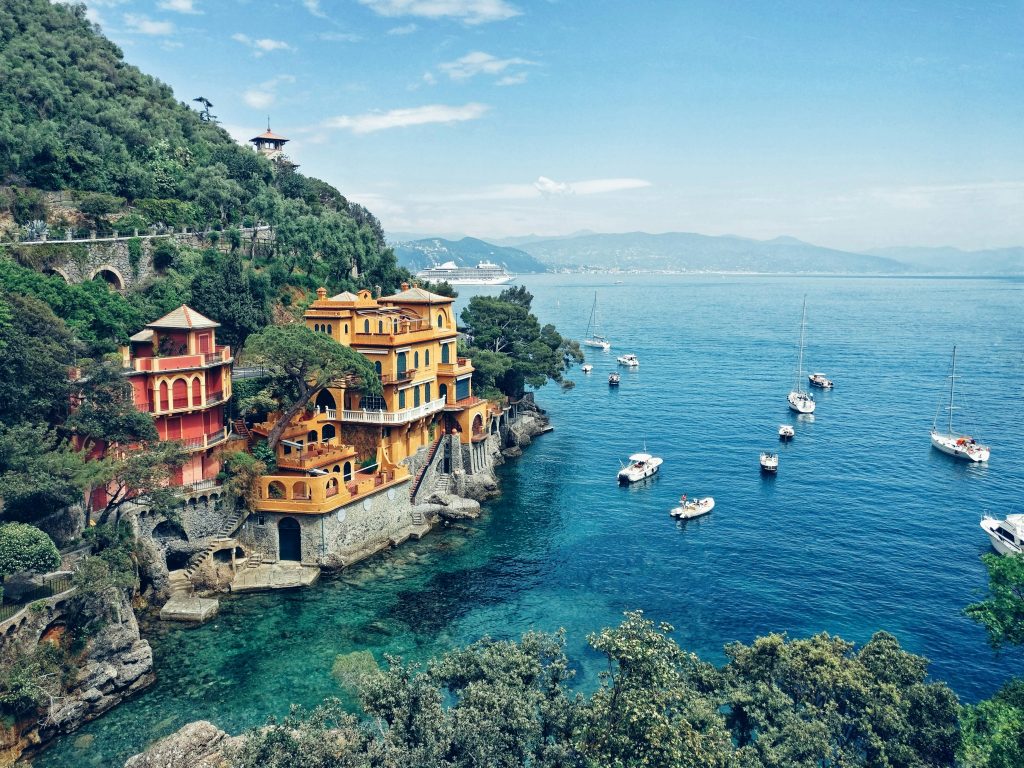
Portofino looks like a painting and occasionally behaves like a tourist set, but the trofie al pesto with shrimp at a properly local trattoria — not the one with the chalkboard sign in six languages, the one where the waiter seems vaguely irritated by your presence — is the real deal. The Ligurian coast treats seafood and pasta as a single conversation rather than two separate courses, and the fish stew, buridda, made with stockfish and pine nuts, is an argument for taking the road less photographed.
Ocho Rios, Jamaica
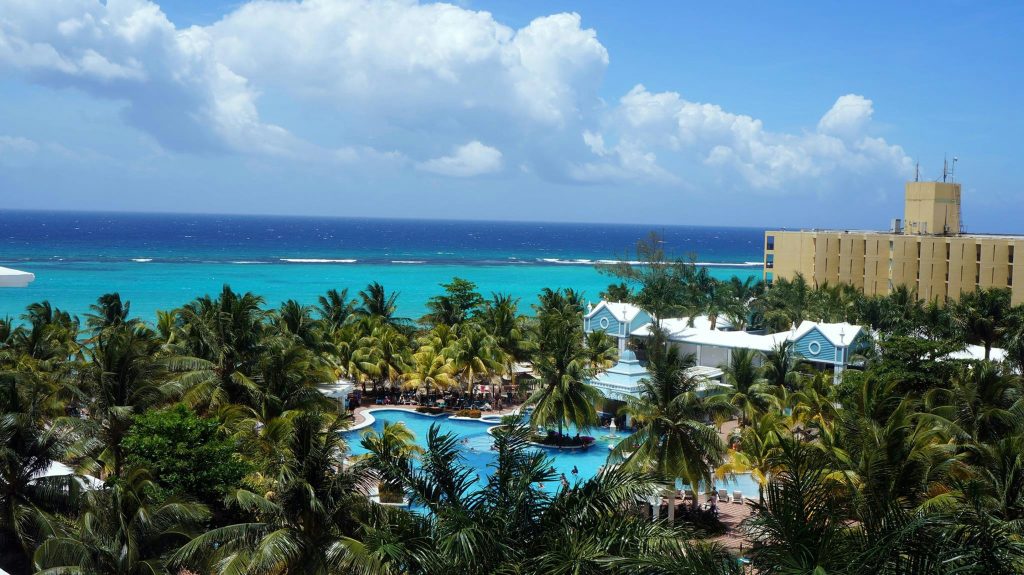
Scotch bonnet and escovitch pickling liquid and extremely fresh snapper: these three things together produce one of the Caribbean’s most assertive dishes. Escovitch fish, served at roadside shacks outside of town rather than at the resort pools, is vinegary and spicy and deeply savory all at once — a dish that was never designed to be polite.
Gloria’s Rendezvous near St. Ann’s Bay is the kind of place that exists entirely outside the cruise itinerary and entirely inside the real island.
Nuku’alofa, Tonga
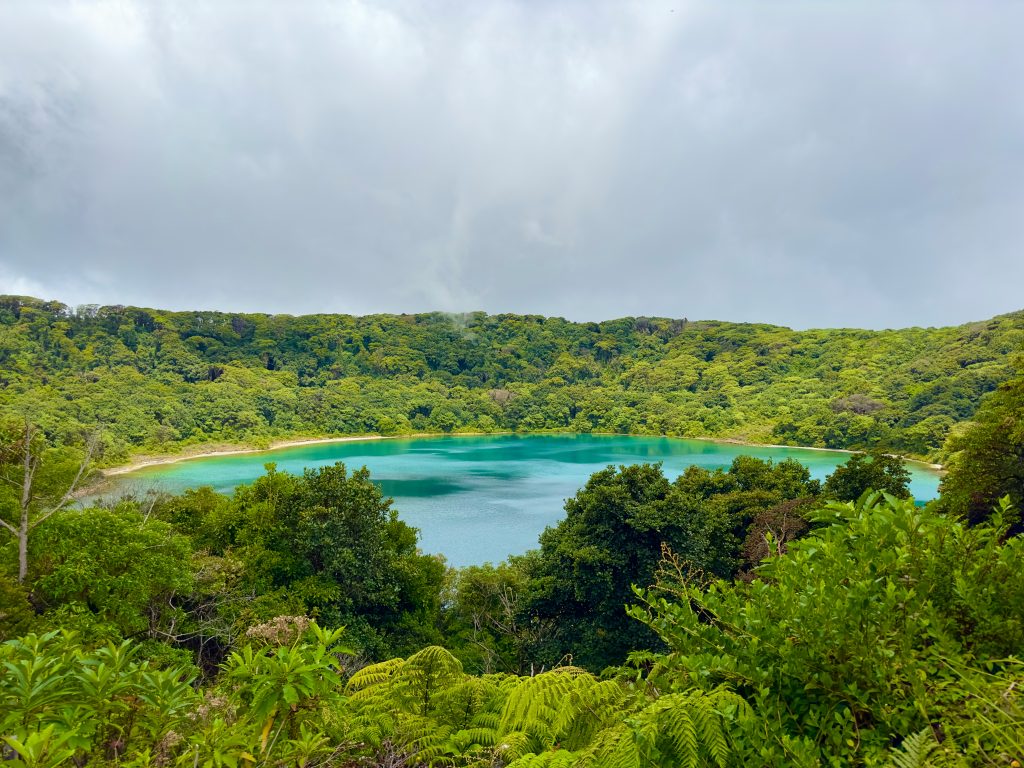
Tonga is not on every cruise itinerary and that gap is genuinely puzzling. The ota ika — raw fish marinated in citrus and coconut cream, the Tongan version of a Pacific classic — is prepared with a particular gentleness here, the coconut milk richer and less acidic than in neighboring islands, the fish (often walu or snapper) left in larger pieces that hold their texture.
This is quiet food, the kind that doesn’t announce itself, and it’s better for it.
Willemstad, Curaçao
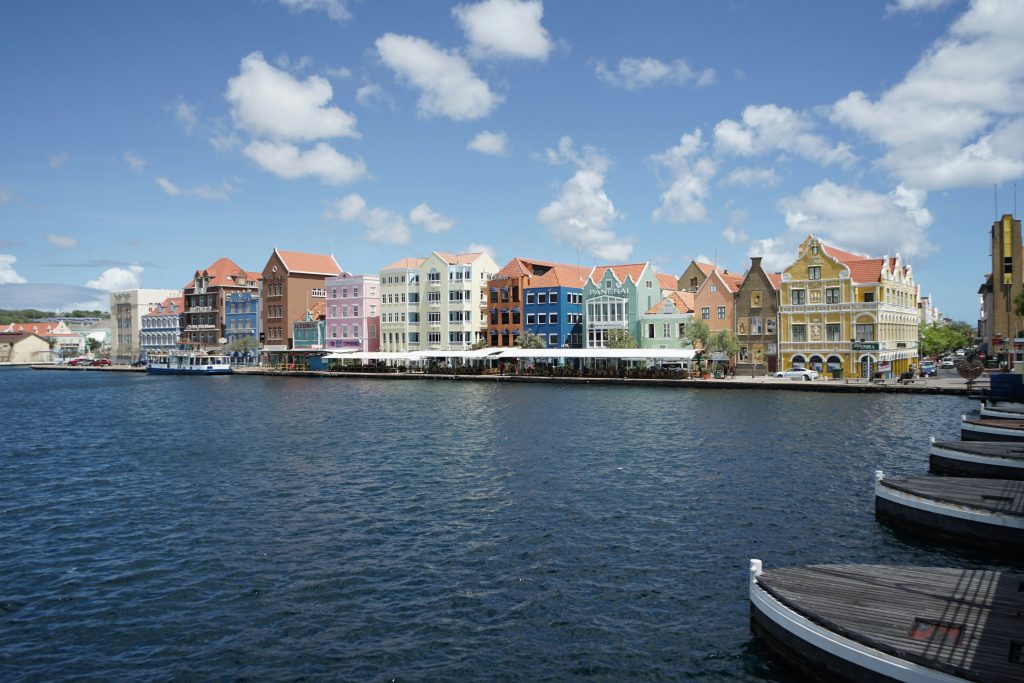
Willemstad’s floating market — Venezuelan fishing boats moored along the Sint Annabaai canal — supplies fresh fish directly to the city’s cooks every morning, and the results end up in places like the snack stands and local restaurants in Pietermaai that tourists frequently walk past on the way to the Instagram-worthy painted buildings. The keshi yena, technically a meat dish, also appears in a fish version stuffed with snapper and olives and raisins that manages to be both historical artifact and genuinely delicious at the same time.
Mahe, Seychelles
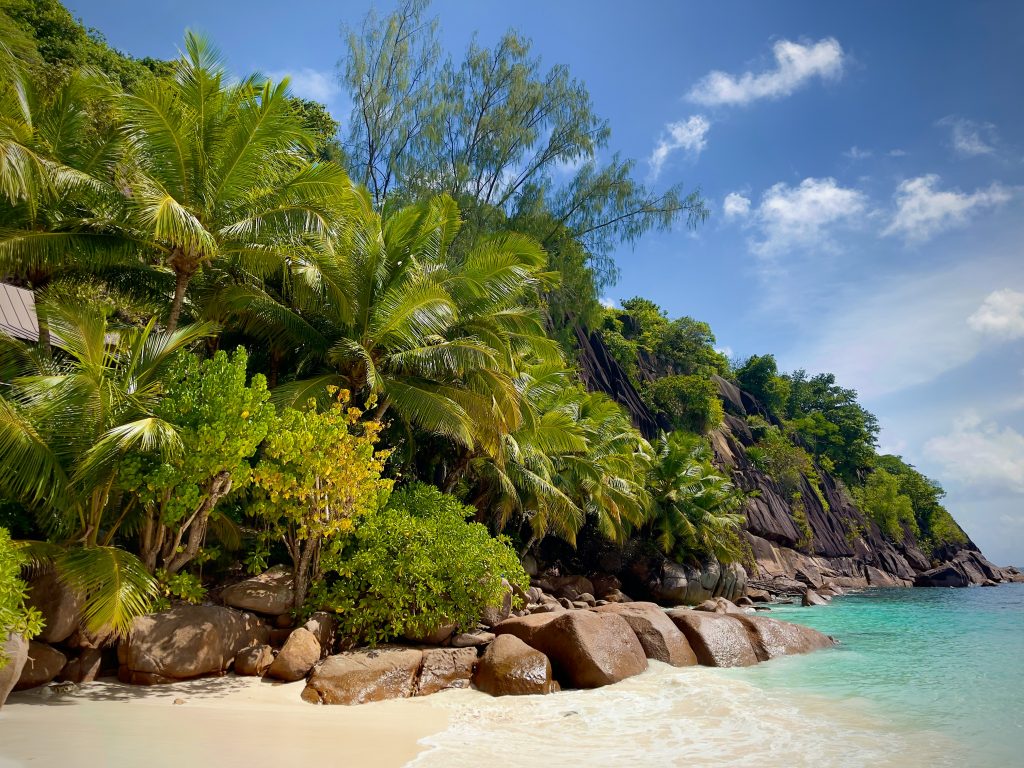
The Creole seafood of the Seychelles is built on coconut milk, turmeric, and chili, with the day’s catch — often bourgeois, a local red snapper variety, or swordfish — cooked in a sauce that has been slowly absorbing those flavors for an hour before you sit down. The market at Sir Selwyn Clarke in Victoria has been the center of the island’s food supply chain since the 1960s, and the fish section alone — the colors, the scale, the noise — is worth the taxi ride from the cruise pier.
This is seafood that carries geography in every bite.
Papeete, Tahiti
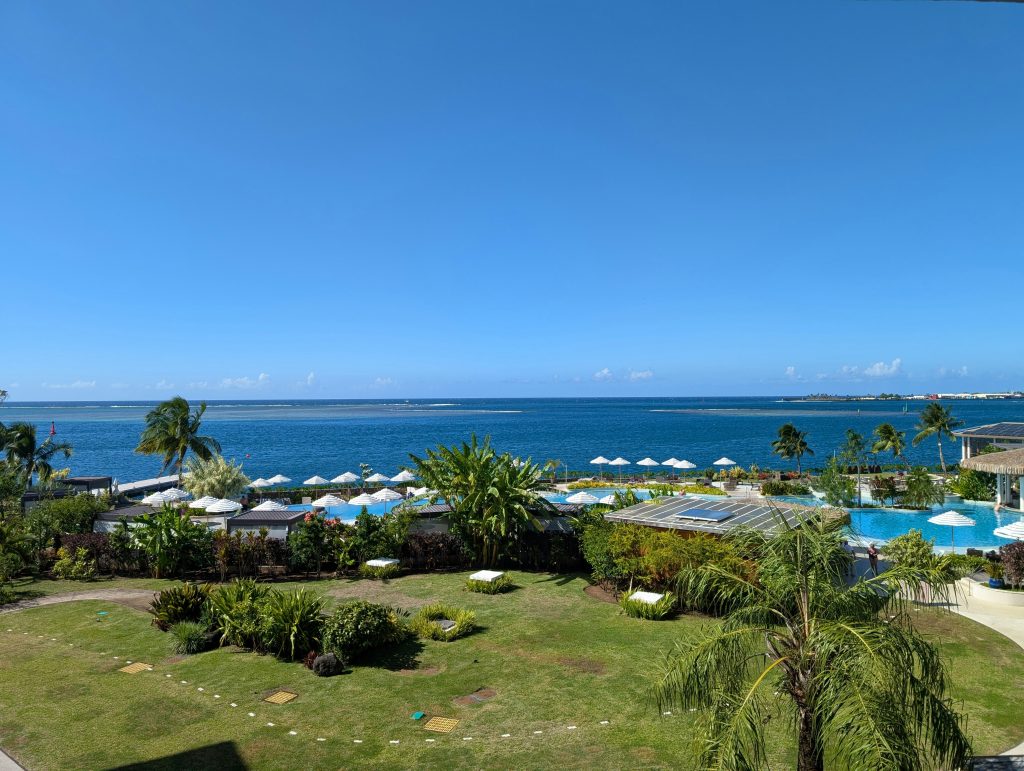
The roulottes of Papeete do not look like somewhere you’d eat one of the best meals of a cruise trip, but appearances in Tahiti are reliably unreliable. These mobile restaurants — pulled up around the Vaiete Square waterfront after dark, strung with lights, run by families who’ve occupied the same parking spot for generations — serve grilled mahi-mahi in vanilla sauce that is somehow both deeply French and unmistakably Polynesian, and the poisson cru here has a coconut richness that the resort versions rarely manage.
So you sit on a folding chair at a plastic table and eat extremely well.
Tórshavn, Faroe Islands
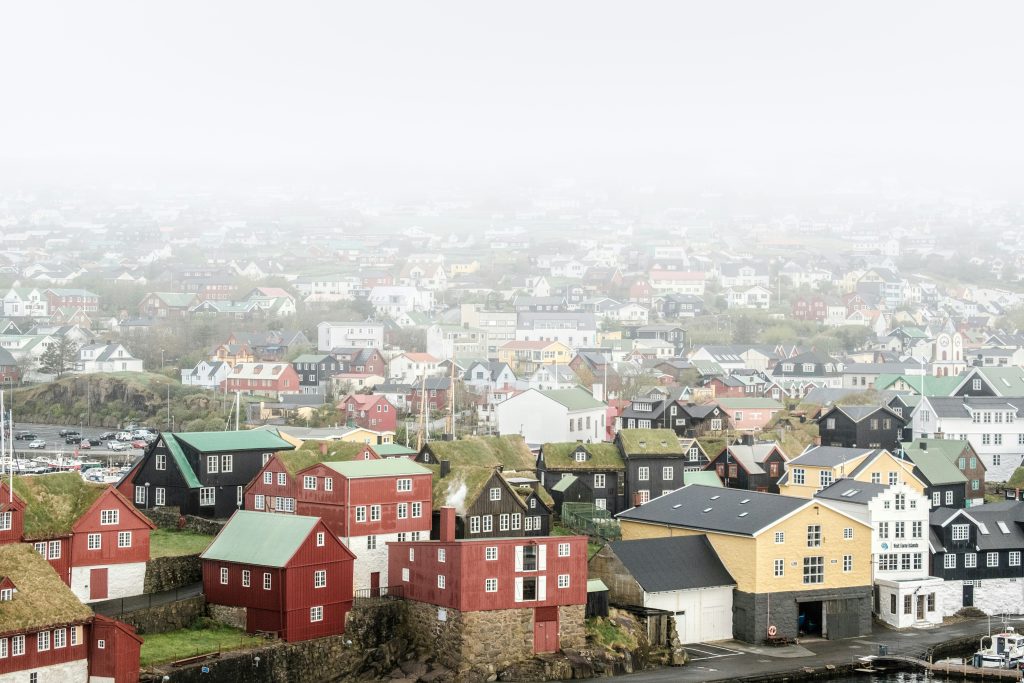
The Faroe Islands are 17 specks of rock in the North Atlantic, windswept to the point of argument, and the seafood there is some of the most serious in the world. Atlantic salmon farmed in the island’s clear fjord waters, wind-dried skerpikjøt (technically lamb, but the drying philosophy applies to fish too), and the fresh cod served at restaurants in Tórshavn that cost about a third of what you’d pay in Copenhagen for something half as good: this is a place that fishes because it has to and eats well because it takes the results seriously.
Hạ Long, Vietnam
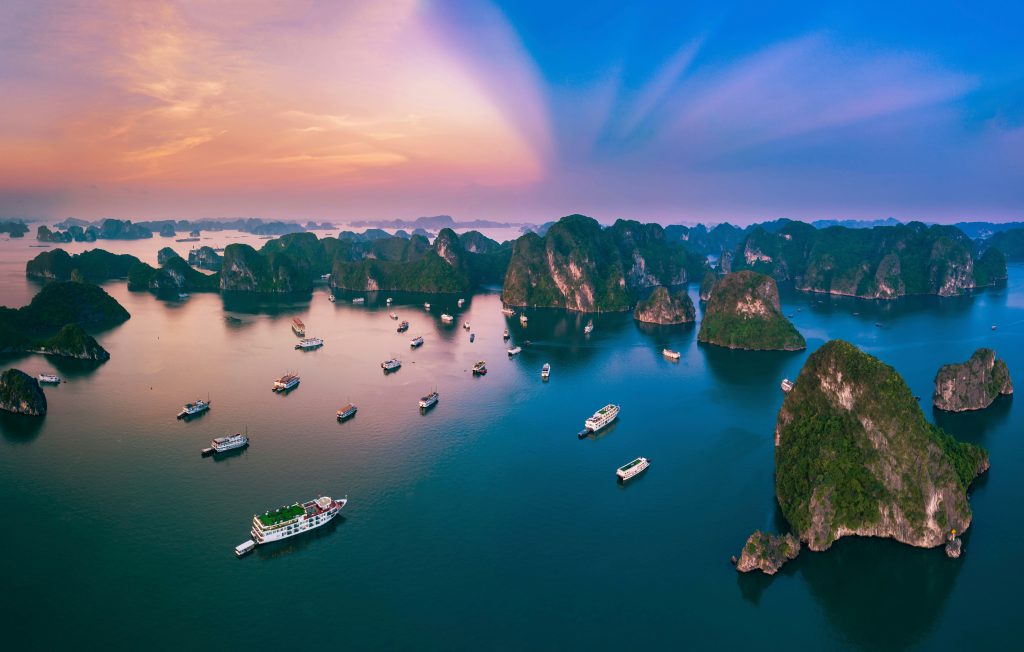
Halong Bay’s floating fishing villages mean the seafood doesn’t travel far before it reaches you — in some cases, it travels from a net directly to a boat kitchen. Steamed clams with lemongrass, grilled squid with chili salt, whole steamed crab: the cooking on the overnight cruise junks that navigate these limestone-karst waters is casual and confident in equal measure.
The squid in particular, caught at night using lanterns off the stern, has a sweetness that refrigerated seafood simply doesn’t replicate.
Kotor, Montenegro
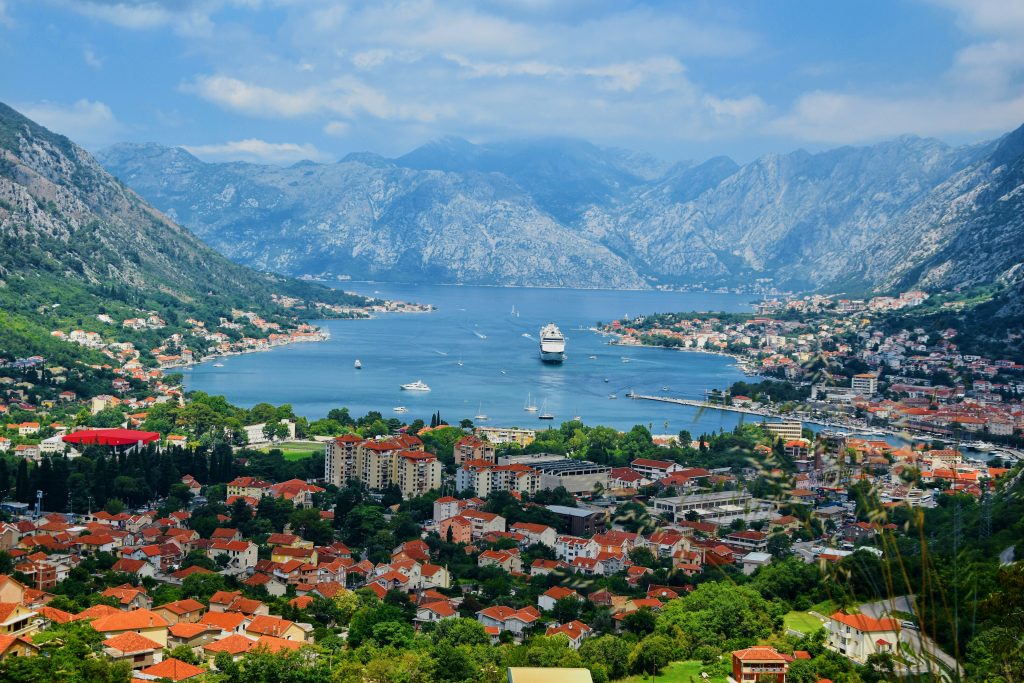
Kotor sits at the edge of a bay so sheltered it behaves more like a fjord than an inlet, and the mussels farmed in those calm, cold waters are exceptional — clean, plump, and deeply saline in a way that tastes like the bay itself. The restaurants along the old town walls serve them steamed with white wine and garlic in quantities that seem optimistic until you start eating and realize the quantity was, if anything, conservative.
Montenegro is a small country that doesn’t overcomplicate things, and the mussels are proof that restraint can be a form of confidence.
Stone Town, Zanzibar
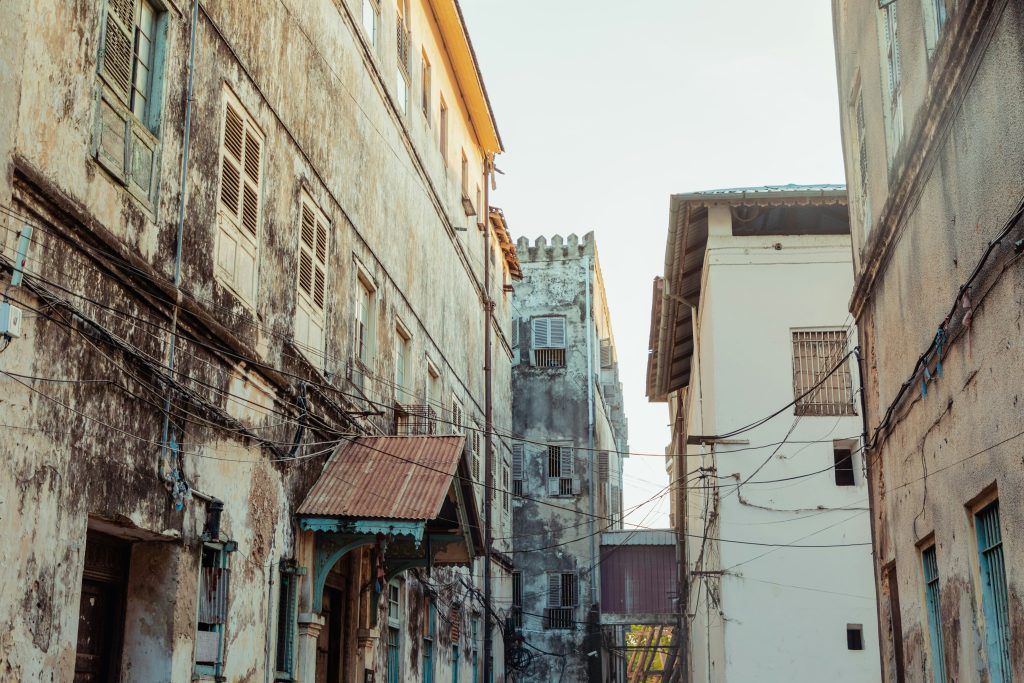
Zanzibar’s seafood culture runs through the spice trade that defined the island for centuries — the grilled fish and prawn skewers at the Forodhani Gardens night market in Stone Town are cooked over open coals and served with coconut chutney and tamarind sauce in combinations that taste like a map of trade routes. The octopus, marinated in a paste that includes cardamom and coriander alongside the more expected chili, reflects an island that absorbed flavors from India, Arabia, and coastal Africa and turned them into something singular.
There is nowhere else on a cruise itinerary quite like it.
Colombo, Sri Lanka
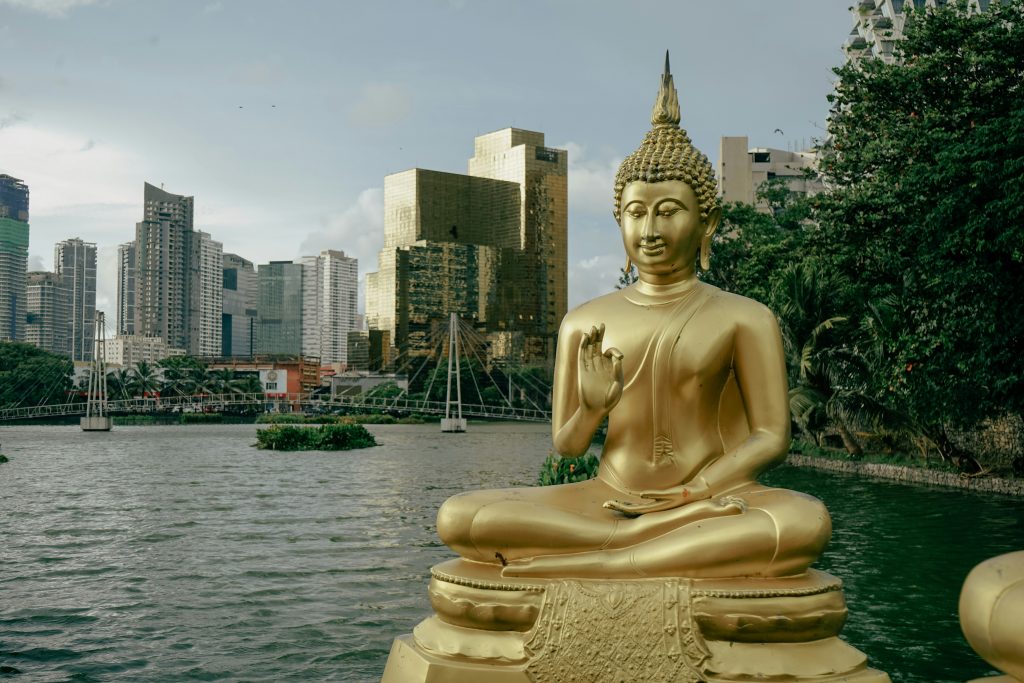
Sri Lanka’s deviled prawns — stir-fried hard and fast with curry leaves, dried chili, and a vinegar-forward sauce that lands somewhere between savory and lip-numbingly spicy — are the kind of dish that recalibrates your understanding of what seafood can be. The fish market in Negombo, just north of Colombo, is one of the largest in South Asia, and the Dutch-era canal system still carries catches from the lagoon into the city’s kitchens.
The ambul thiyal, a sour fish curry made with goraka fruit, is ancient and correct and not available anywhere else in the world.
Where the Best Meal Finds You
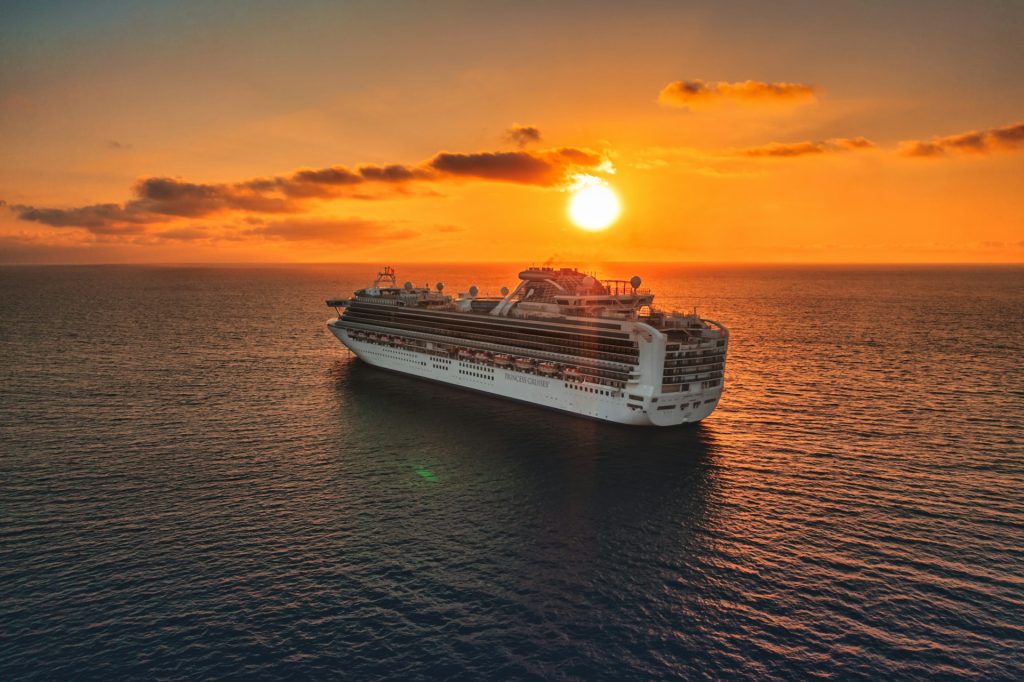
The honest truth about cruise stops and seafood is that the best meal rarely happens where the itinerary suggests you should eat. It happens at a market stall you almost walked past, at a table that required pointing at things on a board you couldn’t read, at a place recommended by someone you met on the dock who had no reason to impress you. The islands on this list have in common a coastline and a culture that treats fresh fish as a daily fact rather than a special occasion — and that attitude produces something no five-star restaurant can manufacture on demand.
You just have to be willing to wander a little further than the ship wants you to go.
More from Travel Pug

- Underrated Italian Towns That Beat the Tourist Crowds
- Las Vegas Tourist Traps to Skip
- Prettiest Towns in Every US State
- 18 passport-free countries for Americans
- Signs Your Cruise Is Not Worth The Cost
Like Travel Pug’s content? Follow us on MSN.