

There’s a version of cruise planning where the balcony cabin feels non-negotiable — where the dream of sipping coffee over open water at sunrise seems worth whatever premium the cruise line decides to charge that week. And then there’s the version where you actually do the math, look at how you spent your last cruise, and realize you were in the casino at midnight and at the pool by 9 a.m. and never once sat on that balcony for more than ten minutes at a stretch.
Interior cabins have carried a reputation as the budget option, the fallback, the thing you book when you can’t afford better. That reputation has always been more marketing than reality — and the gap between what you pay and what you actually lose is a lot narrower than the cruise lines would prefer you to believe.
The Price Gap Is Enormous
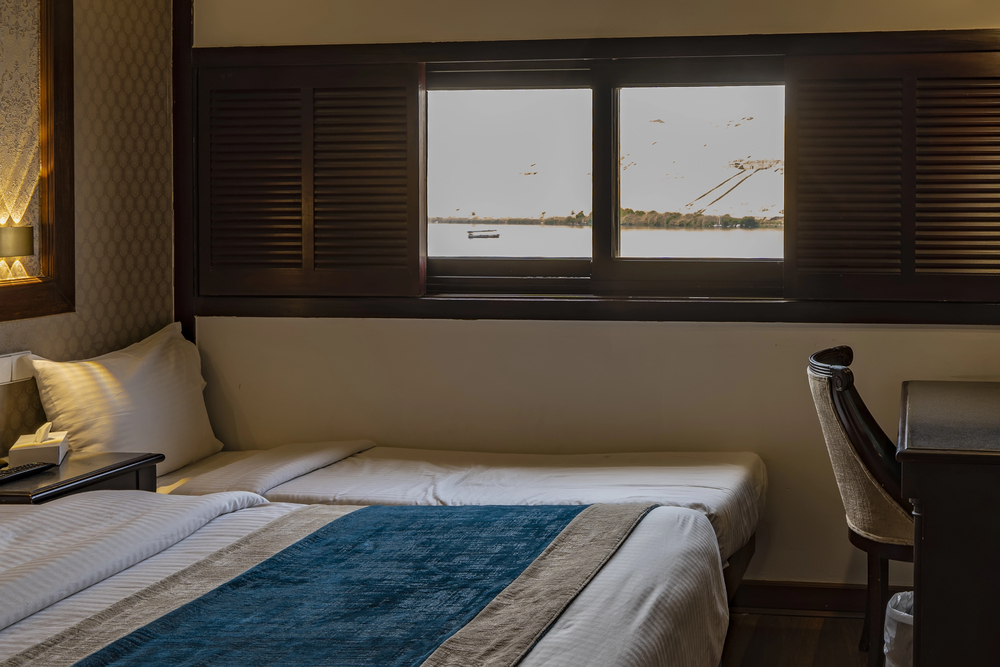
The difference between an interior cabin and a balcony on the same sailing can run anywhere from $400 to over $1,500 per person. That’s real money — the kind that buys shore excursions, specialty dinners, drink packages, or a flight upgrade home.
Spending it on a sliding glass door and a plastic chair requires a level of commitment to outdoor sitting that most cruise passengers simply don’t have.
Blackout Curtains Are Genuinely Underrated
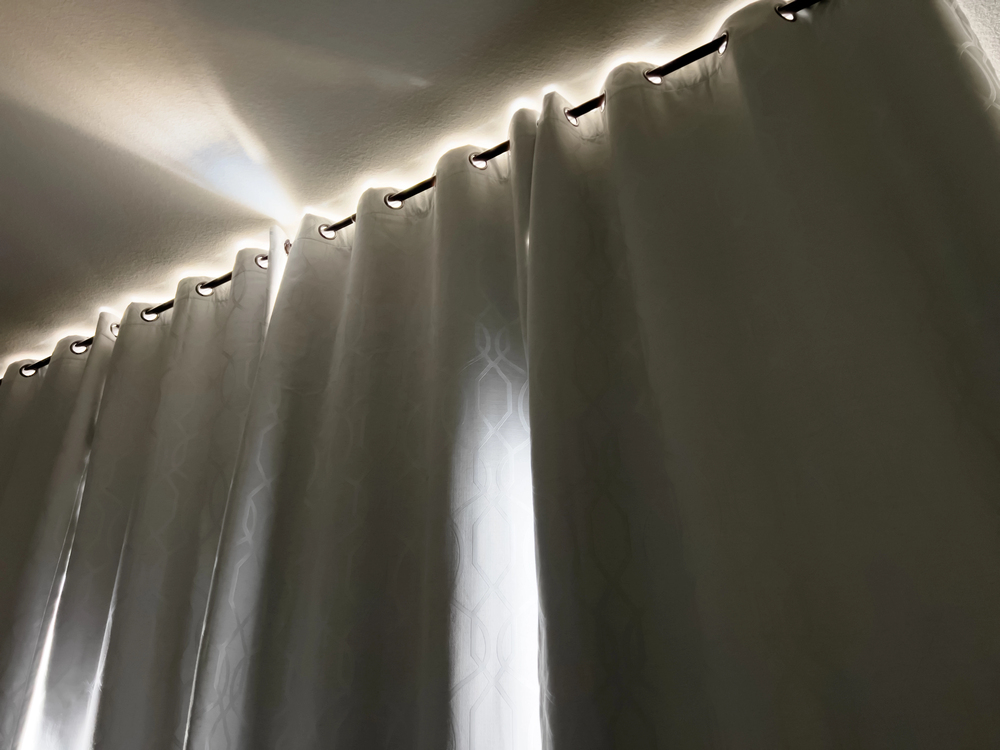
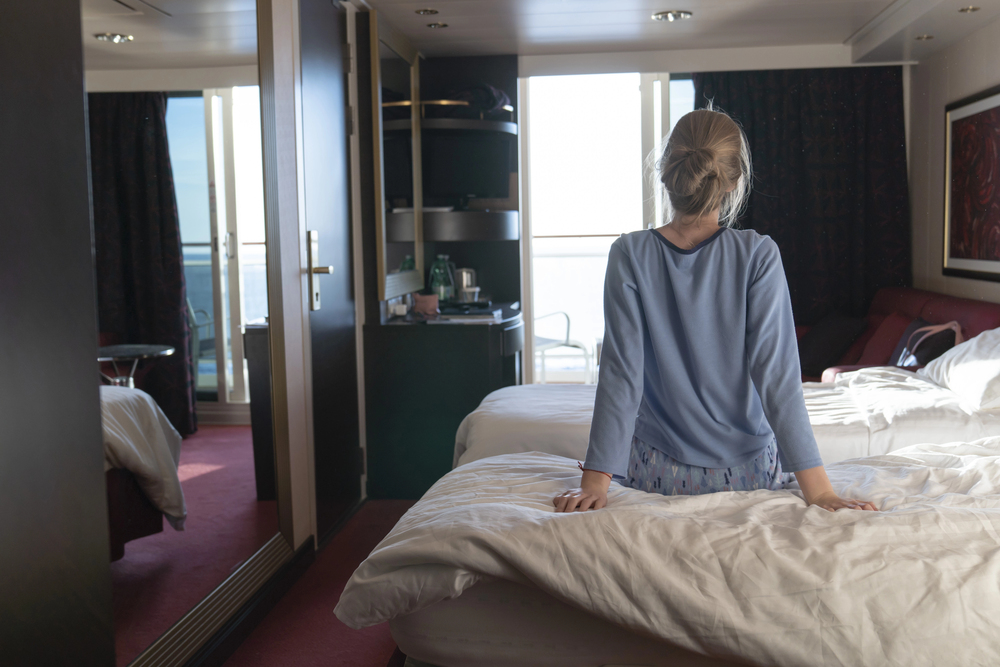
The interior cabins are dark. Completely, stubbornly, impressively dark — the kind of dark that a blackout curtain on a balcony cabin only approximates.
If your body has ever betrayed you by waking at 6 a.m. because light crept around the edges of a curtain, you already understand why this matters more than it sounds.
The Noise Situation Is Reversed from What You’d Expect
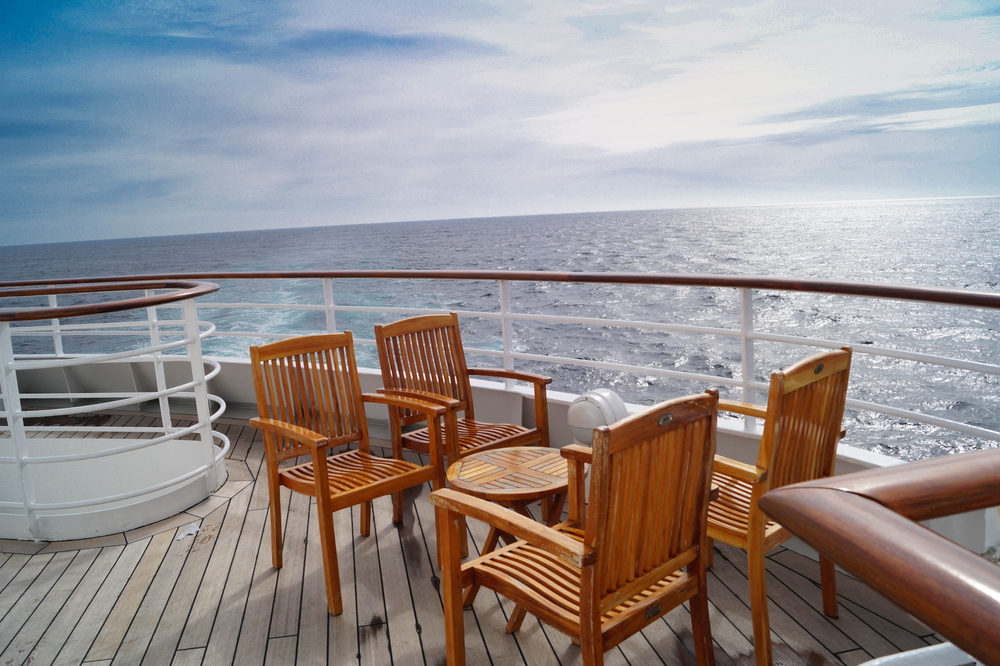
Balcony cabins aren’t quieter — they’re often louder, in ways that catch people off guard. The glass door that connects you to that romantic ocean view also connects you to every conversation on the adjoining balcony, every chair scrape, every neighbor who decides 11 p.m. is a fine time for a phone call outdoors.
An interior cabin, deep in the hull, insulates you from all of it.
Sleep Quality on Cruises Is Wildly Underestimated

A cruise ship moves — sometimes gently, sometimes not — and the cabins closest to the center of the ship, which tend to be interior cabins on lower decks, experience dramatically less motion than cabins on higher decks near the hull’s edge. For anyone prone to seasickness or light sleeping, that central placement is the kind of advantage that only registers at 3 a.m. in rough seas, by which point it registers very strongly.
The Balcony Tax Applies to Every Sailing You Ever Book
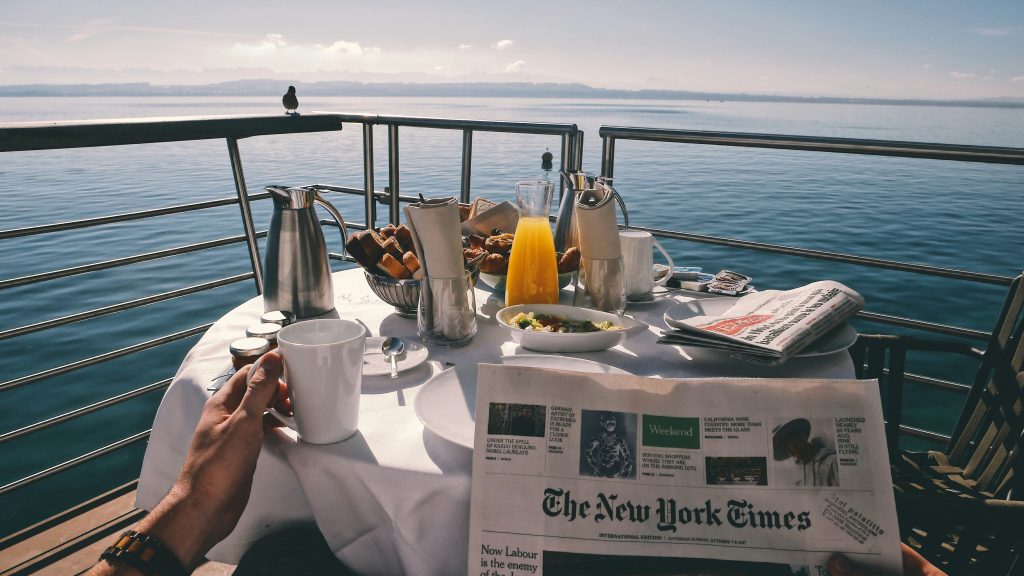
Choosing a balcony isn’t a one-time splurge — it’s a recurring charge that attaches itself to every future cruise the moment you decide it’s your standard. So the person who “always books a balcony” isn’t paying a premium once; they’re paying it on a five-night Bahamas trip, a seven-night Mediterranean, a repositioning cruise where the ship spends two days at sea.
That adds up to a number most people have never bothered to calculate, and most people probably shouldn’t.
Interior Cabins Free Up Budget for What Actually Creates Memories
Nobody comes home from a cruise raving about how much time they spent on the balcony. They talk about the cooking class in a Sicilian village, the private catamaran in St. Maarten, the dinner at the chef’s table on deck twelve.
Excursions and experiences are where cruise memories actually live — and the money saved on cabin category buys a lot of both.
The Ship Is the Destination

Cruise ships are enormous, deliberately engineered environments designed to keep you occupied, fed, entertained, and socially engaged across every waking hour. There are pools, hot tubs, bars, restaurants, theaters, sports courts, spas, libraries, and observation decks — all of which are available regardless of what cabin category you booked.
The balcony’s appeal rests entirely on the assumption that you’ll spend meaningful time in your cabin, which, on a well-designed ship, is the one thing the entire vessel is architected to prevent.
Privacy on Balconies Is More Fiction Than Fact
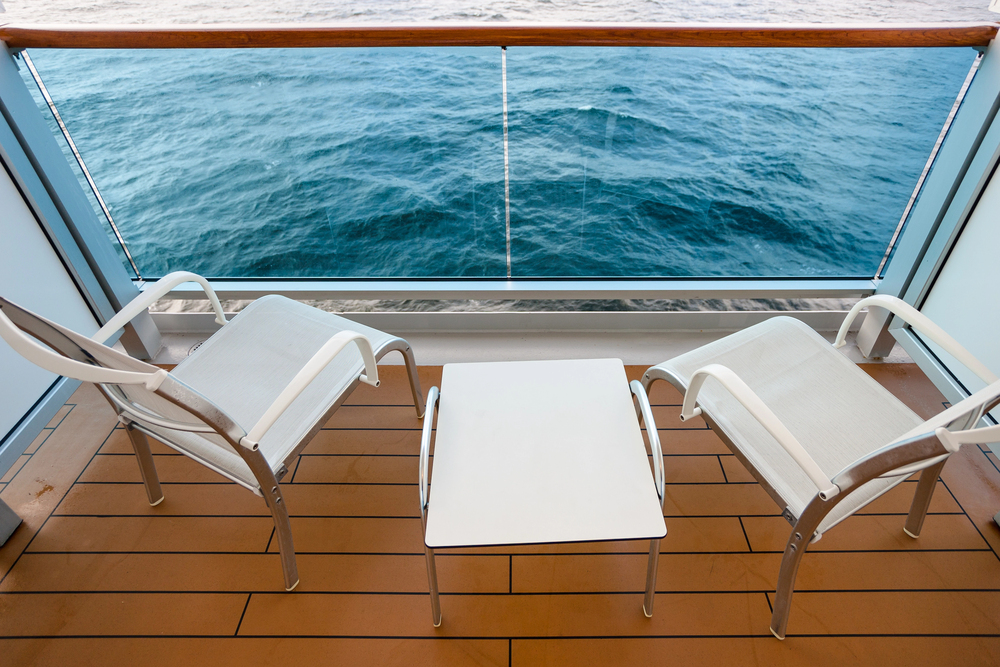
A cruise ship balcony is not a private retreat — it’s a small ledge separated from the identical small ledge next to it by a divider that is, at best, partially opaque. The cabins above and below have a direct sightline.
The lifeboats on some ships sit at balcony level and block the view entirely. What gets sold as a serene personal ocean experience turns out, in practice, to be something closer to a slightly elevated sidewalk café with saltwater.
The Upgrade Opportunity Works in Your Favor

Booking an interior cabin opens up a specific kind of cruise strategy — the onboard upgrade path. Ships frequently oversell premium categories and offer last-minute upgrades at reduced rates to interior passengers in the days before sailing or at embarkation.
The person who paid full price for their balcony gets nothing; the interior passenger sometimes gets handed an ocean view or even a balcony for a fraction of what the original upgrade would have cost.
Climate Control Is Entirely Yours

An interior cabin is a sealed environment. The temperature you set is the temperature you get, full stop — no condensation from a glass door, no heat bleeding in from a sun-baked balcony, no night air sneaking through a seal that doesn’t quite close.
It sounds like a minor thing until you’ve spent a Caribbean night in a cabin that the humidity outside has decided to visit regardless of your preferences.
Balconies Are Useless in Cold Weather Itineraries

Alaska, Norway, Iceland, the British Isles — some of the most dramatic cruise itineraries on earth run through water that is cold, windy, and indifferent to the concept of balcony sitting. People who book balcony cabins on Alaska sailings spend a great deal of time looking at their balcony through the glass door with a cup of coffee in their hand, which is also available from the interior corridor outside an interior cabin and requires considerably less money.
Interior Cabin Rates Create Better Per-Day Value
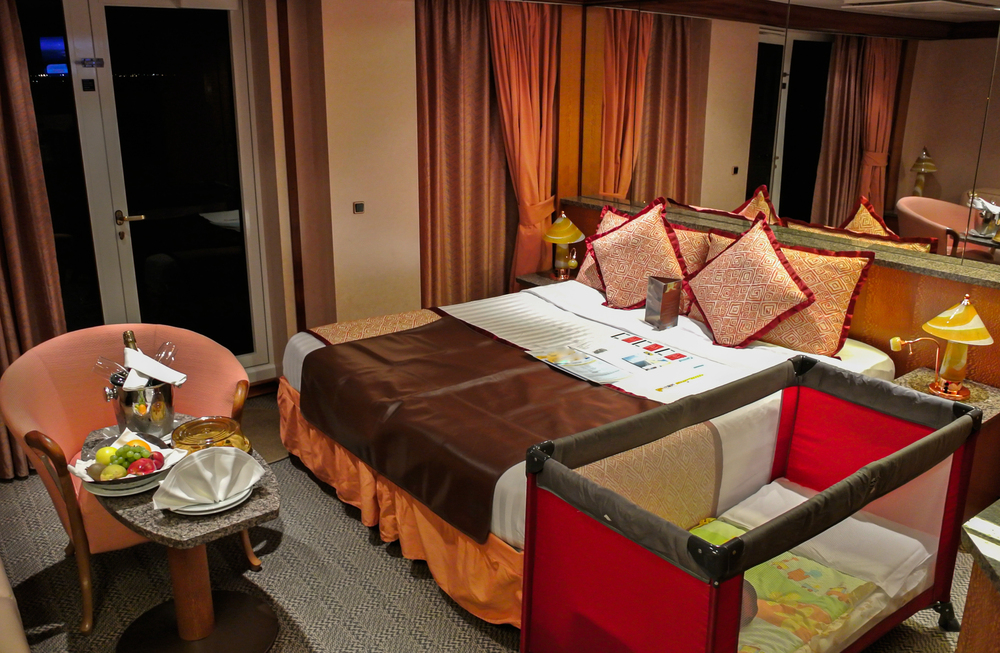
When the cost of a cruise is spread across its daily rate, the interior cabin’s value becomes almost absurd. A seven-night Caribbean sailing in an interior can run under $70 per person per day on mainstream lines — a rate that includes accommodation, all meals, entertainment, and transportation.
That comparison doesn’t flatter most hotels, most resorts, or, frankly, most apartments.
The Port Days Argument Dismantles the Balcony Case
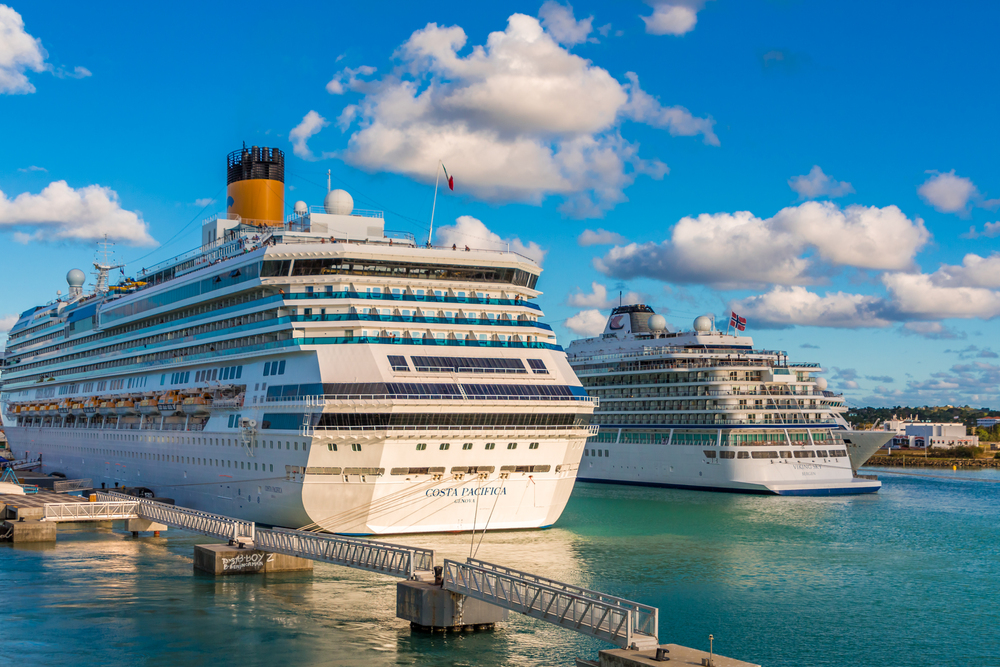
On a port-intensive itinerary — the kind where the ship docks somewhere new every morning and you’re off the gangway by 8 a.m. — the cabin becomes purely functional. You sleep there, shower there, and leave.
The balcony sits unused for the entire sailing, which is a fairly expensive piece of furniture to carry across the Atlantic and back.
Interior Cabins Are Often Better Positioned on the Ship
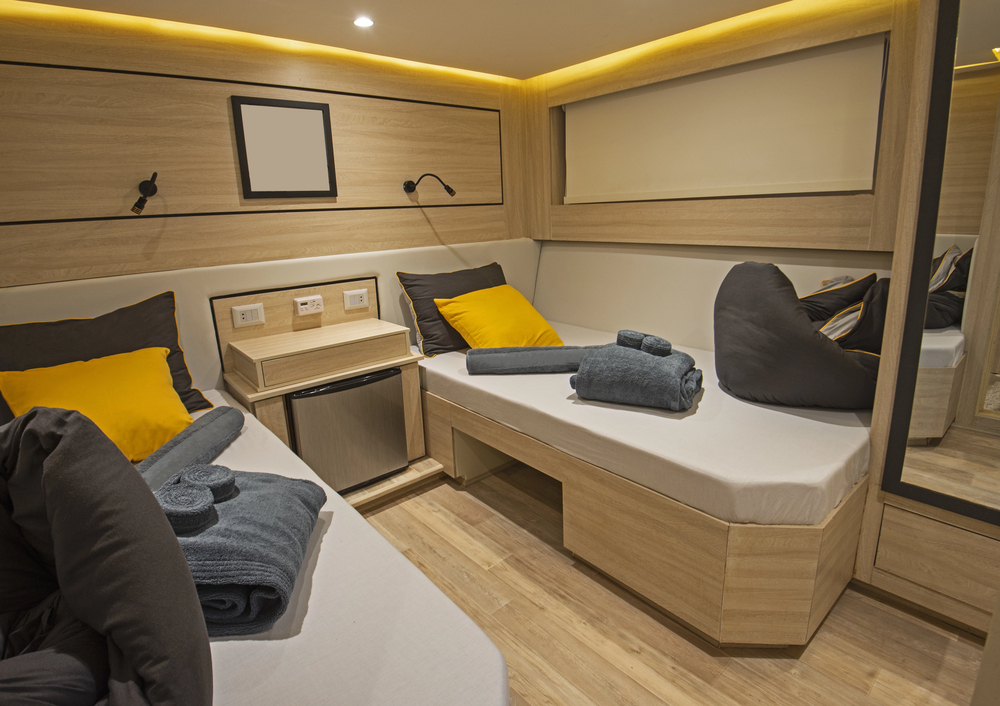
The most desirable placement on a cruise ship — midship, lower decks, centered between bow and stern — tends to be where interior cabins cluster, because those positions have no exterior wall to sell a view from. The result is that interior passengers often end up with the most stable, most conveniently located cabins on the vessel while balcony passengers sit in the wings, literally and figuratively.
The “Wasted” Argument Applies More to Balconies

There’s a persistent idea that booking an interior cabin means “wasting” the ocean setting — that you’re paying to be surrounded by water and then voluntarily ignoring it. But the ship’s public spaces put that ocean directly in front of you through floor-to-ceiling windows in the observation lounge, from deck chairs at the bow, from the promenade that wraps the hull.
The ocean isn’t hidden from interior cabin passengers. It’s just not billed to them separately.
Modern Interior Cabins Are Not What They Used to Be
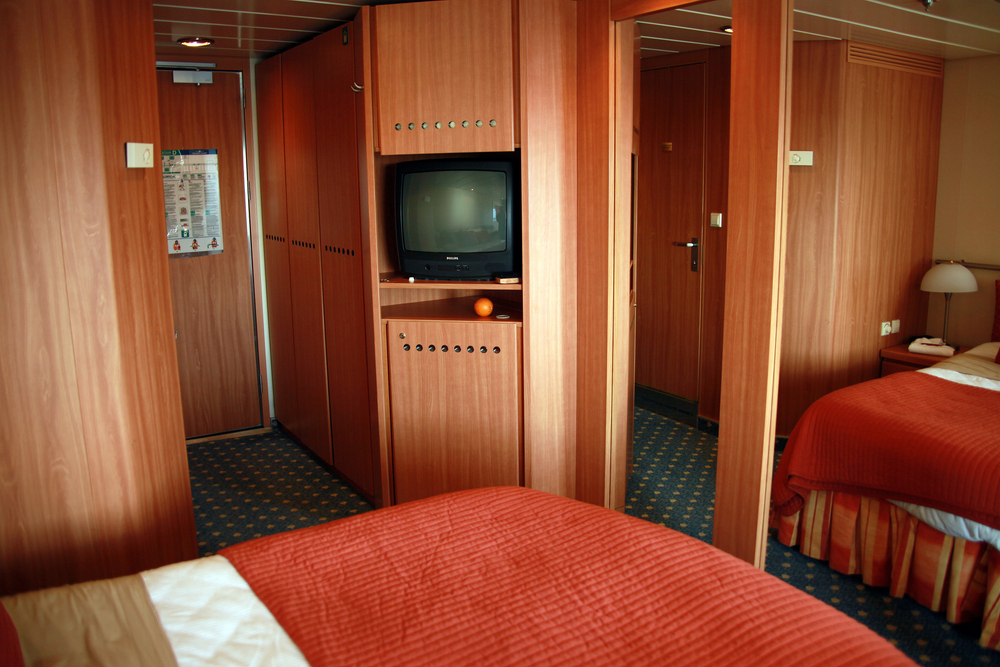
— Photo by oscarcwilliams
The windowless box that interior cabins once were has been largely replaced by something considerably more thoughtful on newer ships. Norwegian, Royal Caribbean, and MSC have introduced virtual balcony cabins with floor-to-ceiling LED screens showing real-time exterior feeds, infinite ocean views projected onto walls, and interior staterooms with design language that makes the space feel expansive rather than compressed.
The category has genuinely evolved, and the stigma attached to it hasn’t kept pace.
You Can’t Use the Balcony While the Ship Is in Port
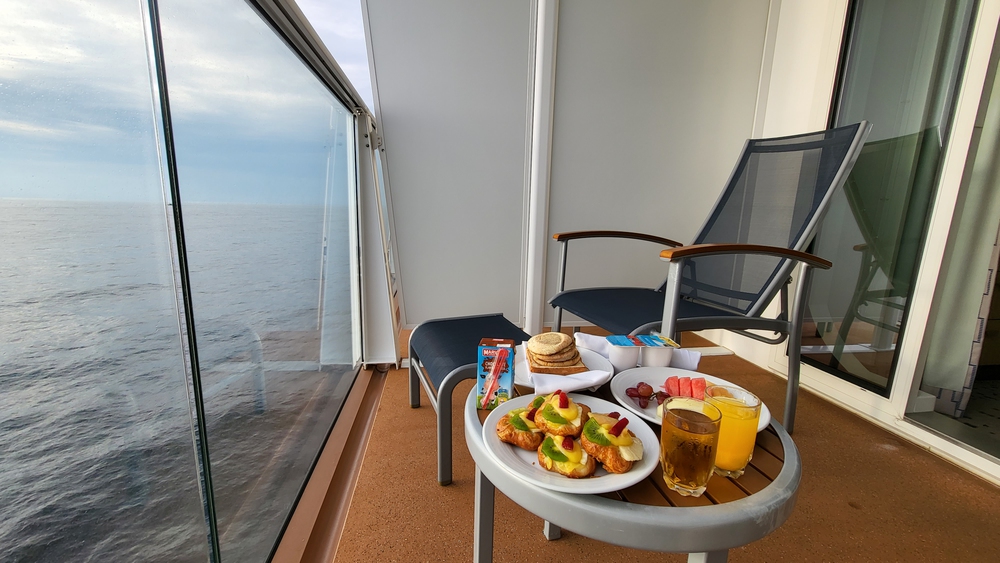
Most cruise lines prohibit — or strongly discourage — balcony use while the ship is docked, particularly in ports where the view is a working pier, a container terminal, or another ship parked six feet away. The balcony that was sold on the strength of “waking up to the harbor” sometimes means waking up to a steel hull with a logo on it.
The interior cabin passenger missed nothing.
The Sunlight Argument Works Against Balcony Cabins
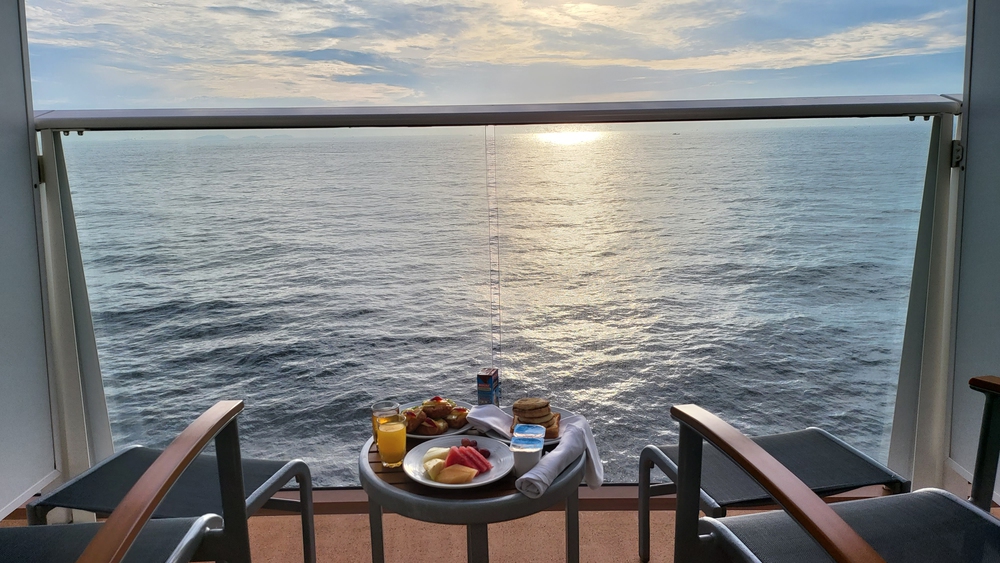
A west-facing balcony in the afternoon on a Caribbean sailing gets direct sun — the kind that heats the cabin itself, bleaches the furniture, and makes the space unusable during the exact hours when conditions are warmest. An east-facing balcony after noon offers shade and not much else.
The sun moves, the ship moves, and the direction your balcony faces when you book it is rarely the direction it faces when you want to use it.
Balcony Upgrades Encourage Cabin Isolation
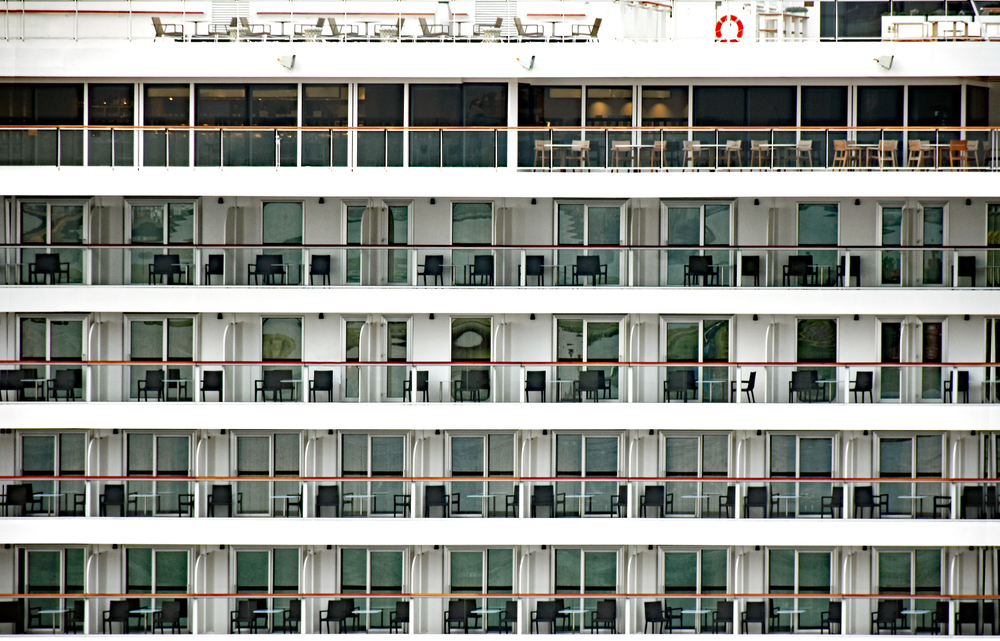
There’s a version of cruising where people retreat to their balcony with a bottle of wine and call it an evening — and while that sounds peaceful in the abstract, what it actually means is that the passenger spent $1,200 extra to skip the jazz trio in the atrium, the trivia night on deck five, and the comedian who turned out to be surprisingly good. Cruises reward people who engage with the ship.
The balcony, charming as it is, pulls in the opposite direction.
The Savings Compound Across a Couple or Family

For a solo traveler, the interior cabin savings are meaningful. For two people, they’re substantial.
For a family of four booking two interior cabins versus two balcony cabins, the difference can cross $3,000 on a single sailing — a figure that covers airfare, pre-cruise hotel nights, and enough shore excursions to fill every port day. The balcony math gets harder to defend with every additional passenger added to the booking.
Balcony Doors Are a Security and Safety Consideration
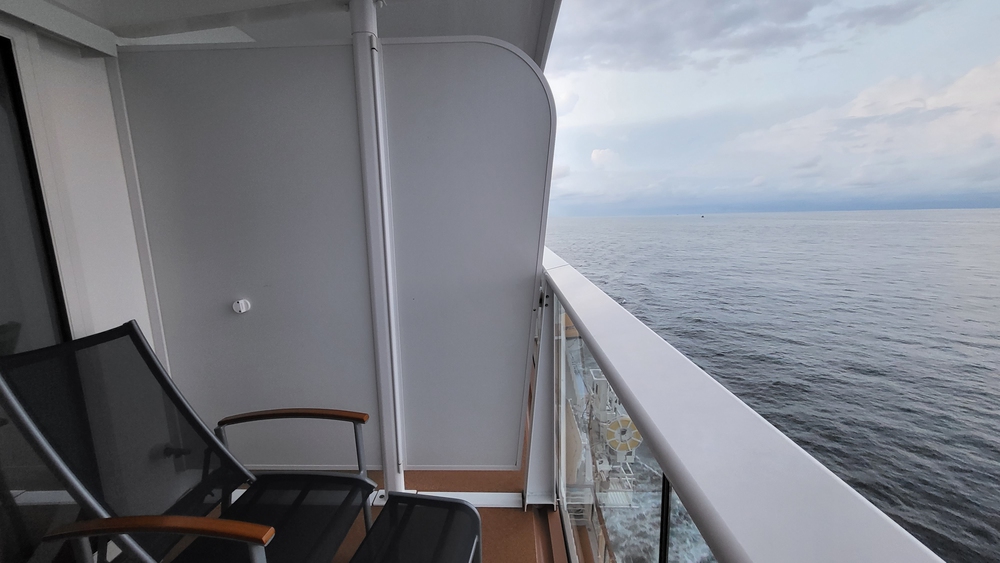
Cruise ship balconies require management — doors that lock properly, railings that keep children at a safe distance, a surface that becomes slippery when wet. Interior cabins remove a category of concern entirely. For travelers with young children or anyone who finds the maintenance of that kind of vigilance exhausting on vacation, that simplification is genuinely valuable.
The View Diminishes on Long Sea Days
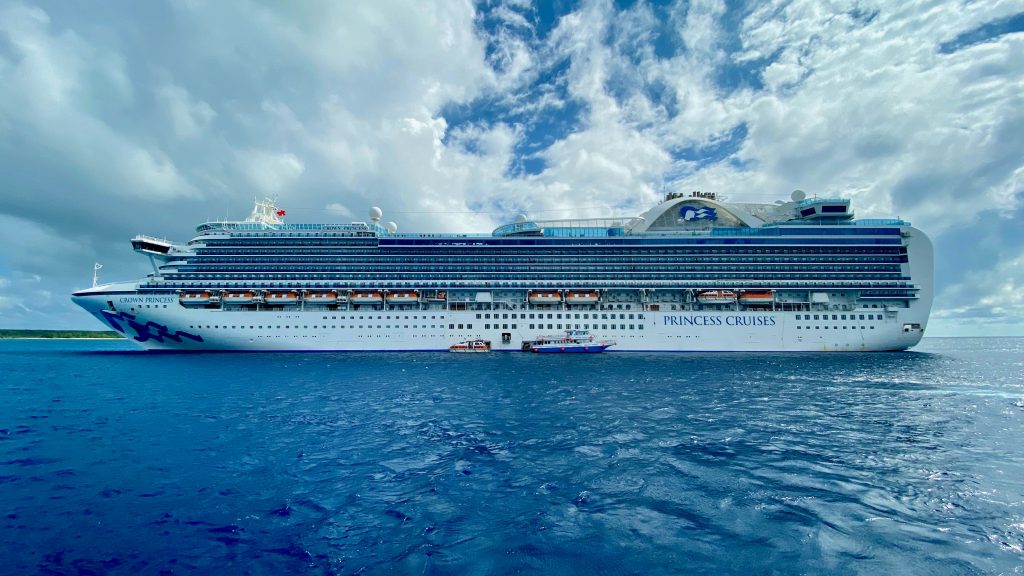
On a transatlantic crossing or a sea day in the middle of a Pacific itinerary, the balcony view is water in every direction, which is beautiful for roughly forty-five minutes and then becomes something the brain quietly categorizes as wallpaper. The observation deck at the ship’s bow provides the same vista, framed by the vessel’s forward motion, with other passengers and cocktails and the particular energy of people watching the horizon together — none of which costs extra.
Interior Cabins Encourage You to Explore the Ship
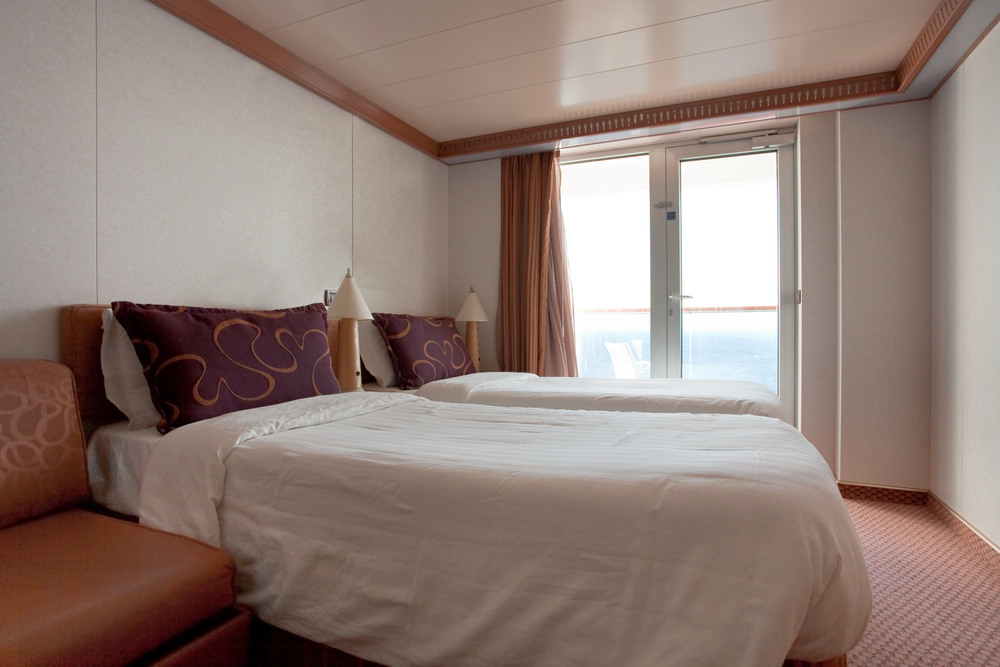
There’s something to be said for having no private outdoor retreat — it sends you out into the ship to find what you want rather than defaulting to the balcony out of proximity. Passengers who explore tend to find the hidden spots: the quiet bar on deck fourteen that nobody else has discovered, the library with the deep chairs and the ocean view that’s almost never crowded, the sunrise spot at the bow that exists for everyone regardless of what they paid for their cabin.
The Stigma Is a Manufactured One

Cruise lines charge more for balconies because passengers will pay more for balconies — not because balcony cabins deliver a proportionally better experience. The premium exists because the category exists, and the category exists because someone decided to create it and attach an aspirational story to it.
Interior cabins represent the original cruise cabin experience, and generations of passengers had excellent cruises in them before the industry decided ocean views required an upcharge.
Repositioning Cruises Make Interior Cabins Brilliant
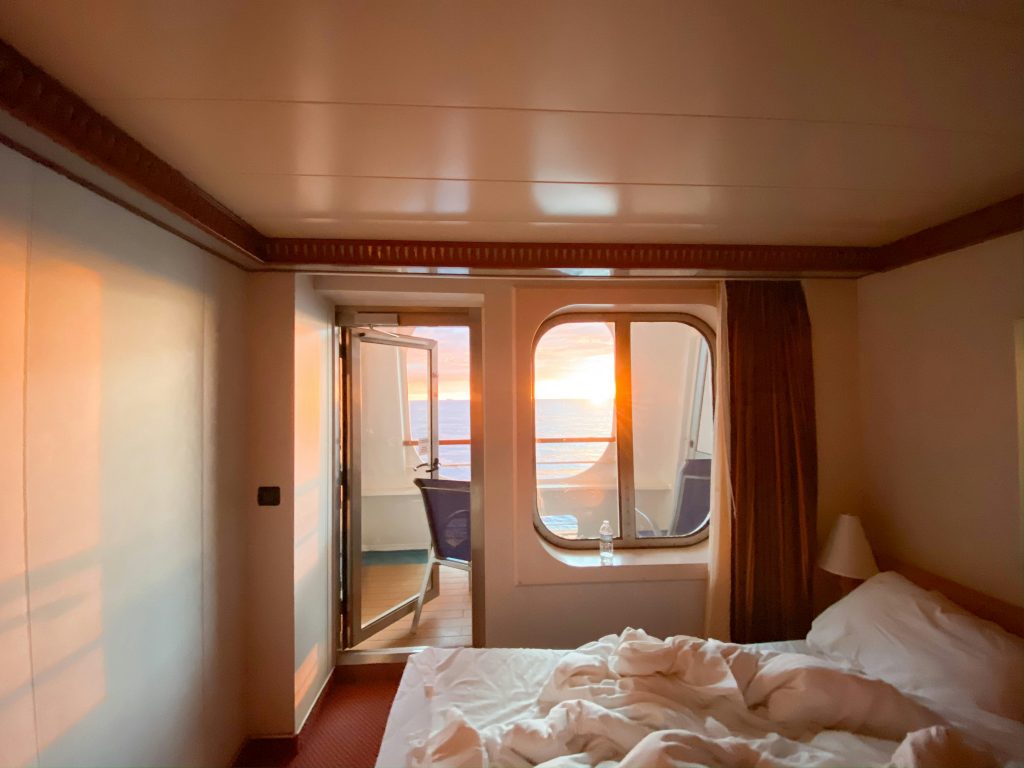
A transatlantic or transpacific repositioning cruise is, by definition, mostly sea days — the entire point is the passage, not the ports. On those sailings, the ship itself is the experience, which makes the cabin a place to sleep and dress and nothing else.
The interior cabin on a repositioning voyage isn’t a compromise; it’s the correct answer to a question that barely needs asking.
Specialty Dining Costs Less Than the Upgrade Difference

The gap between an interior cabin fare and a balcony fare on a seven-night sailing almost always exceeds the cost of booking specialty restaurants every night of the cruise. Choosing between a balcony and nightly dinners at the steakhouse, the Italian, and the sushi bar is a genuine trade-off — and the dinners are something you’ll talk about.
The balcony is something you’ll mention once, briefly, when someone asks what kind of cabin you had.
The Ship’s Outdoor Deck Space Is Genuinely Generous
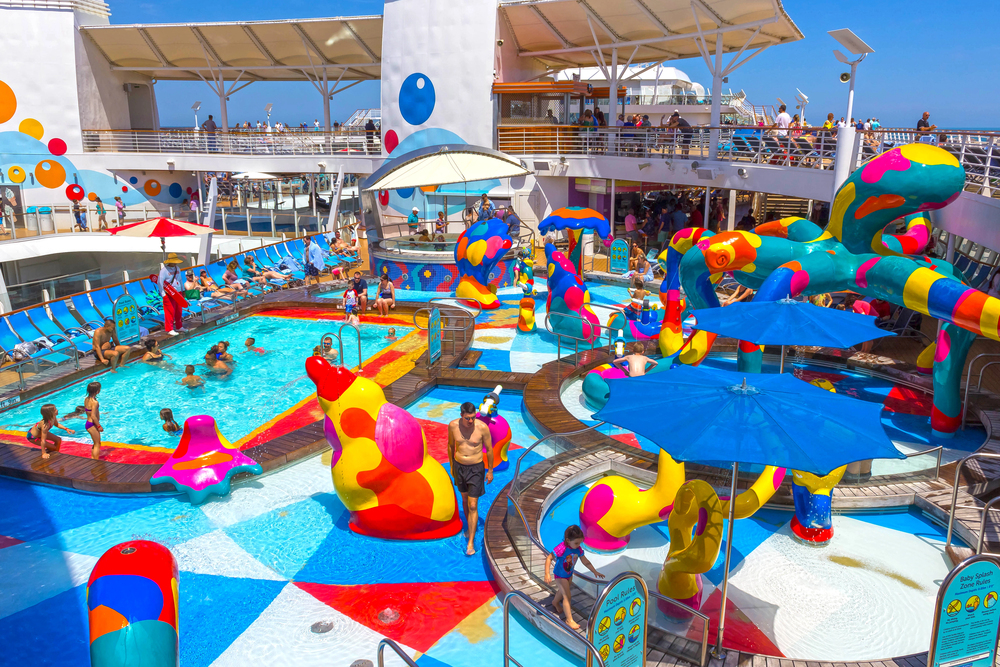
Modern cruise ships allocate significant square footage to outdoor passenger areas — the pool deck, the solarium, the promenade, the sports deck, the observation areas fore and aft. Interior cabin passengers have access to all of it, at all hours, without paying the balcony premium.
The outdoor space per passenger on a large ship often exceeds what a private balcony provides, and it comes with a bar.
Late Checkout Makes the Cabin Irrelevant on Departure Day

Disembarkation days on most cruises require passengers to vacate their cabins by 8 or 9 a.m. regardless of when the ship docks or when their flight departs. The last morning of the cruise — the one where a balcony sunrise sounds most appealing — is precisely the morning when the cabin stops being yours.
It’s a small indignity, but it’s a consistent one, and it applies equally to the person who paid $1,500 more for the ocean view.
The Repeat Cruiser Calculus Changes Everything
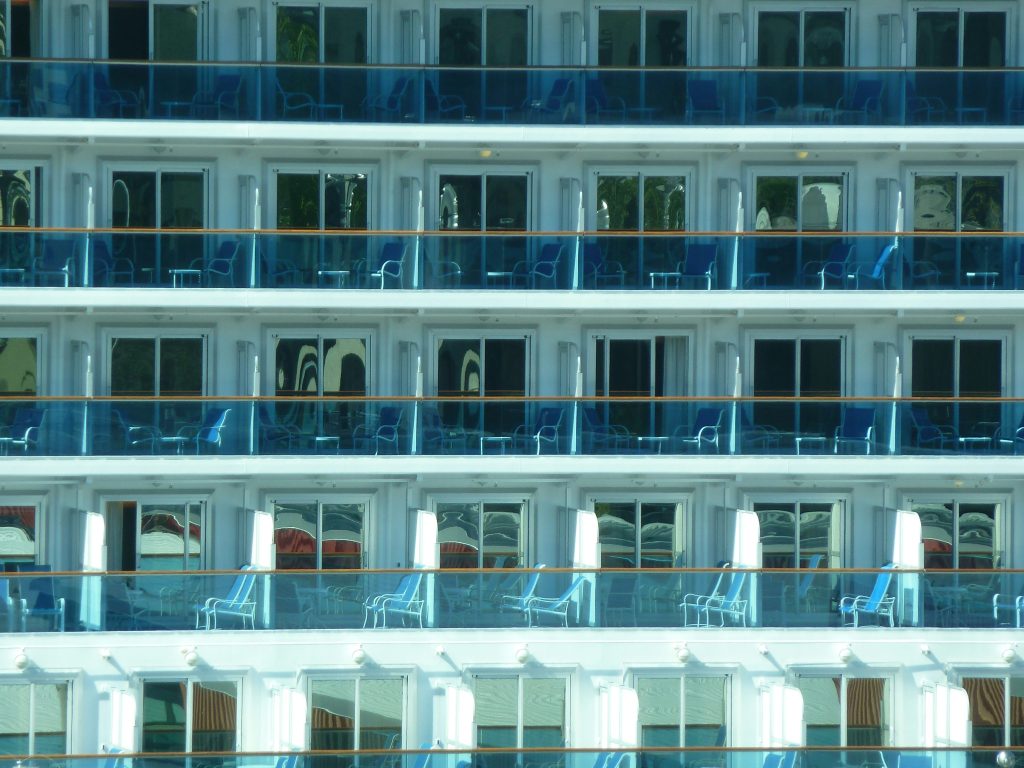
Someone who takes three cruises a year, every year, is making a lifestyle decision with the cabin category they choose. At $600 average savings per sailing, the interior cabin passenger is banking $1,800 annually — enough for an extra cruise every other year, or a premium experience on an itinerary that genuinely rewards the investment.
The balcony passenger is paying a recurring fee for a feature they’ve already decided they can’t live without, which is a different kind of relationship with a piece of furniture than most would willingly choose.
What Actually Makes a Cruise Worth Taking
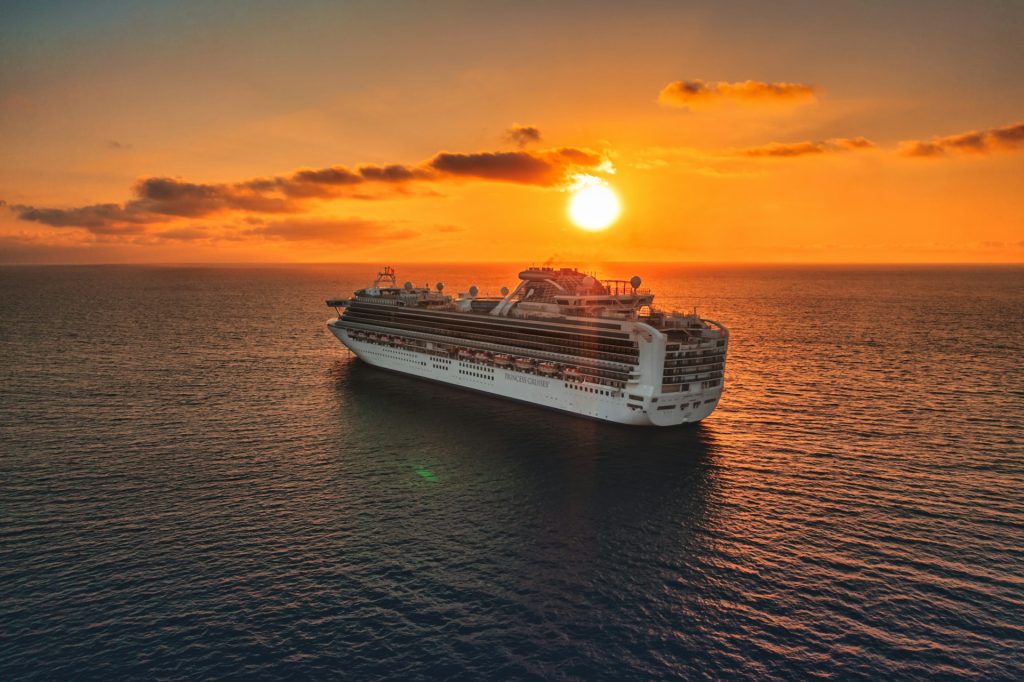
The best cruises in anyone’s memory tend to share a few qualities: a great itinerary, at least one extraordinary shore experience, food that surprised them, and people they enjoyed spending time with — strangers who became table companions, or a partner they finally had uninterrupted time with. None of those qualities live on the balcony.
They live in the choices made with the money saved by not booking one. Interior cabins don’t diminish the cruise experience. In most cases, they fund it.
More from Travel Pug

- Underrated Italian Towns That Beat the Tourist Crowds
- Las Vegas Tourist Traps to Skip
- Prettiest Towns in Every US State
- 18 passport-free countries for Americans
- Signs Your Cruise Is Not Worth The Cost
Like Travel Pug’s content? Follow us on MSN.