

Octopus is a test of a cook’s patience. Rushed, it turns to rubber, and treated properly, with slow simmering, a hot grill or a few days drying in the sun, it becomes one of the great foods of the Mediterranean.
Nearly every harbor around this sea has its own way with it. Some ports pile it into pies, others hang it on lines like laundry, and many serve it grilled, braised or marinated.
These are the places where the octopus on the menu actually means something.
Octopus Drying on Lines in Mykonos
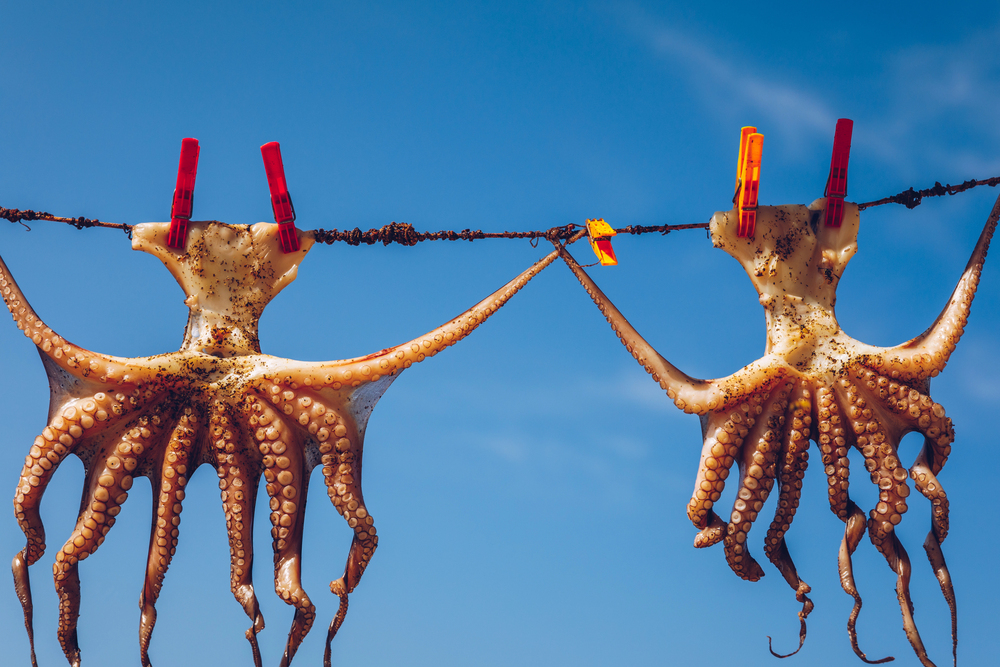
Mykonos is known for nightlife, but its Little Venice waterfront still shows an older tradition. Tavernas and fish sellers hang octopuses on lines and racks in the sun to dry, which concentrates their flavor and firms the flesh before grilling.
The dried octopus is then charred over coals and dressed with olive oil, lemon and oregano, served as a meze with ouzo. Watching the sun set behind the windmills with a plate of it is a classic Greek island scene.
The sight of octopus drying in the breeze has become one of the most photographed food moments in the Aegean.
Grilled Octopus at Ammoudi Bay, Santorini
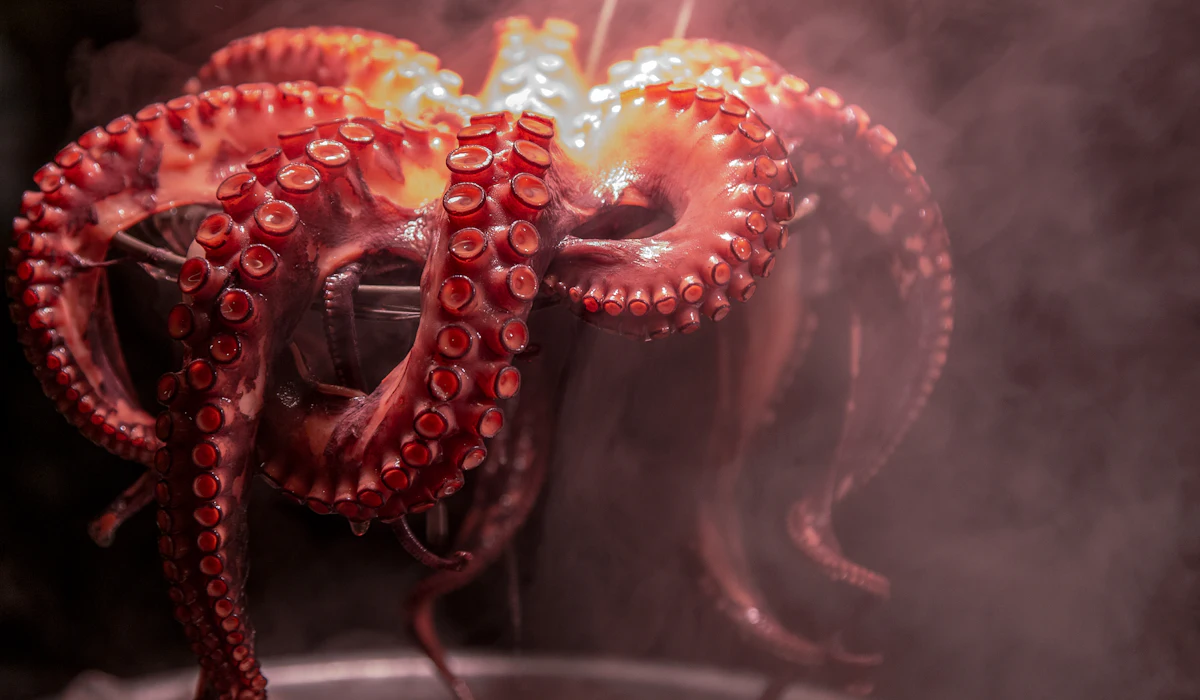
Ammoudi Bay sits at the foot of the cliffs below Oia, reached by a long flight of steps or a winding road. A handful of tavernas line the tiny harbor, setting tables so close to the water that waves sometimes splash diners.
Grilled octopus is a popular choice, often alongside fava, the yellow split pea puree that Santorini is famous for. Seafood from local waters has long been part of the harbor’s appeal.
Cruise passengers tender into Fira, then travel across the island to reach Oia and Ammoudi.
Mikrolimano Meze Near Piraeus
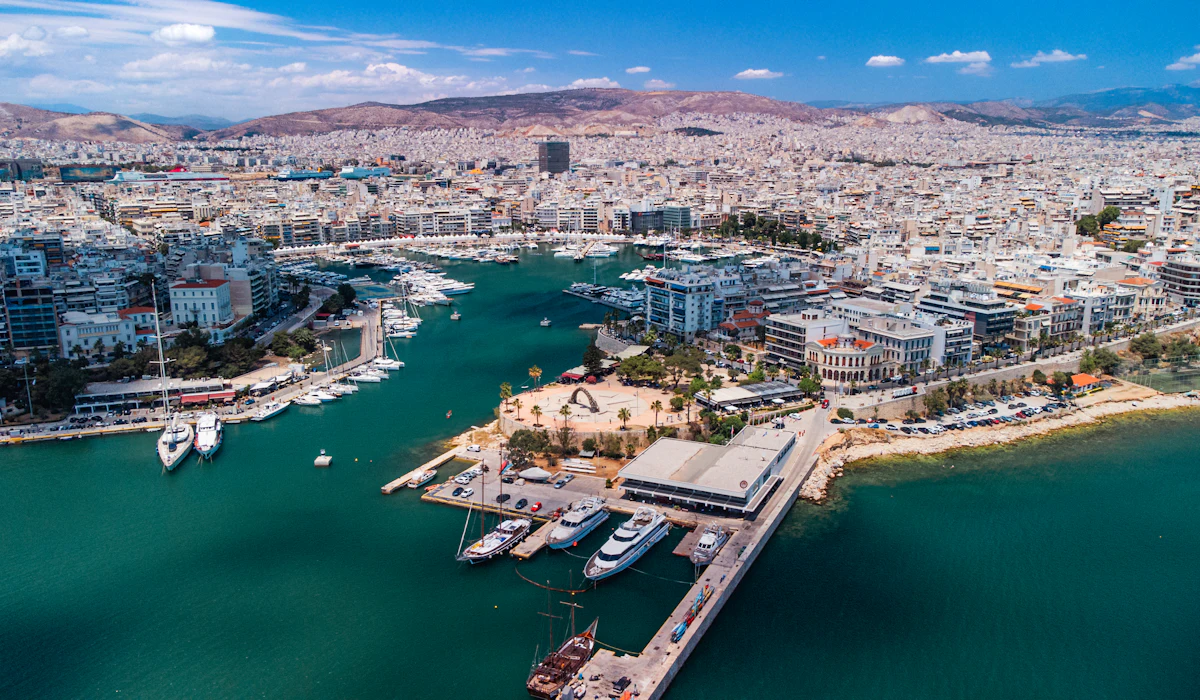
Mikrolimano is a small, horseshoe-shaped harbor in Piraeus, just around the headland from the main cruise terminal serving Athens. Its waterfront is lined with fish tavernas where grilled octopus and octopus marinated in vinegar appear among the meze.
The marina fills with yachts and fishing boats, and the setting feels far calmer than central Athens. Lunch here works well before or after a ship departs.
Ouzo or tsipouro is a standard pairing. Weekend lunches run long, and locals often linger at the same table until early evening.
The harbor is especially pretty at dusk, when the lights of the yachts come on along the seawall.
Chania’s Octopus With Short Pasta
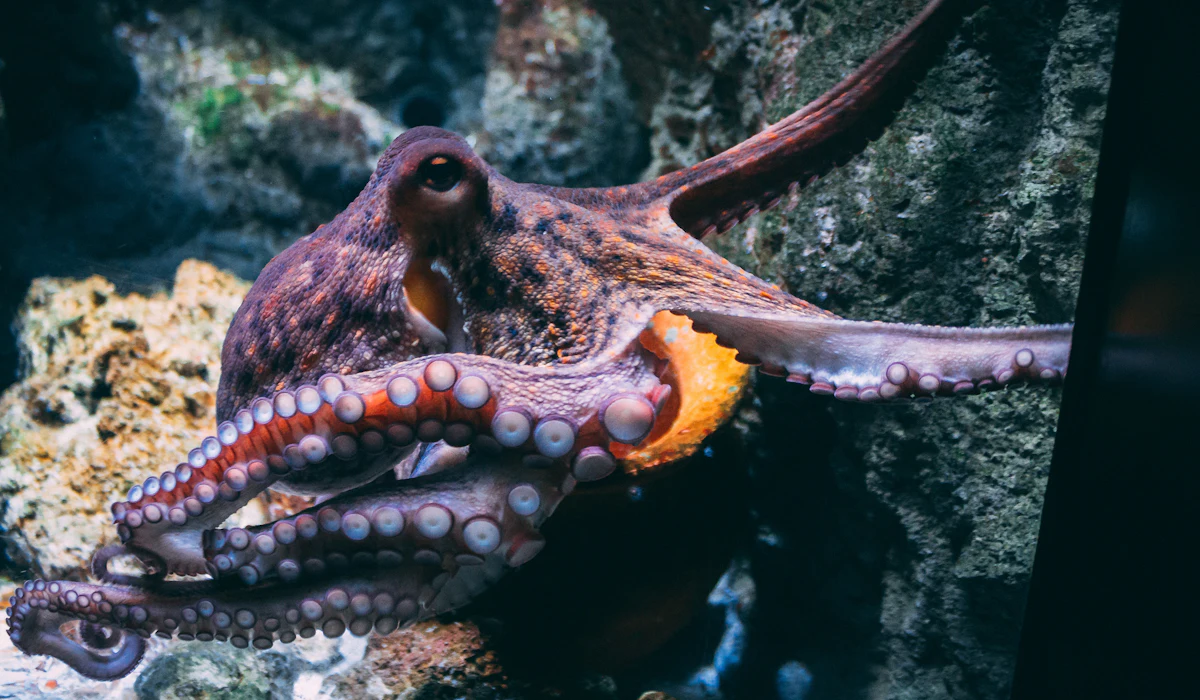
Chania, on the northwest coast of Crete, has a Venetian harbor ringed with tavernas, and its octopus specialties reflect the island’s long cooking traditions. Octopus is often slowly simmered with tomato, red wine and bay leaf, then finished with short pasta that soaks up the sauce.
Cretan cooks also serve octopus grilled or marinated in vinegar. Cruise ships dock at nearby Souda Bay, from which Chania is reached by road.
Few dishes capture the Greek habit of turning simple ingredients into something rich quite as well.
Kefalonian Octopus Pie in Argostoli
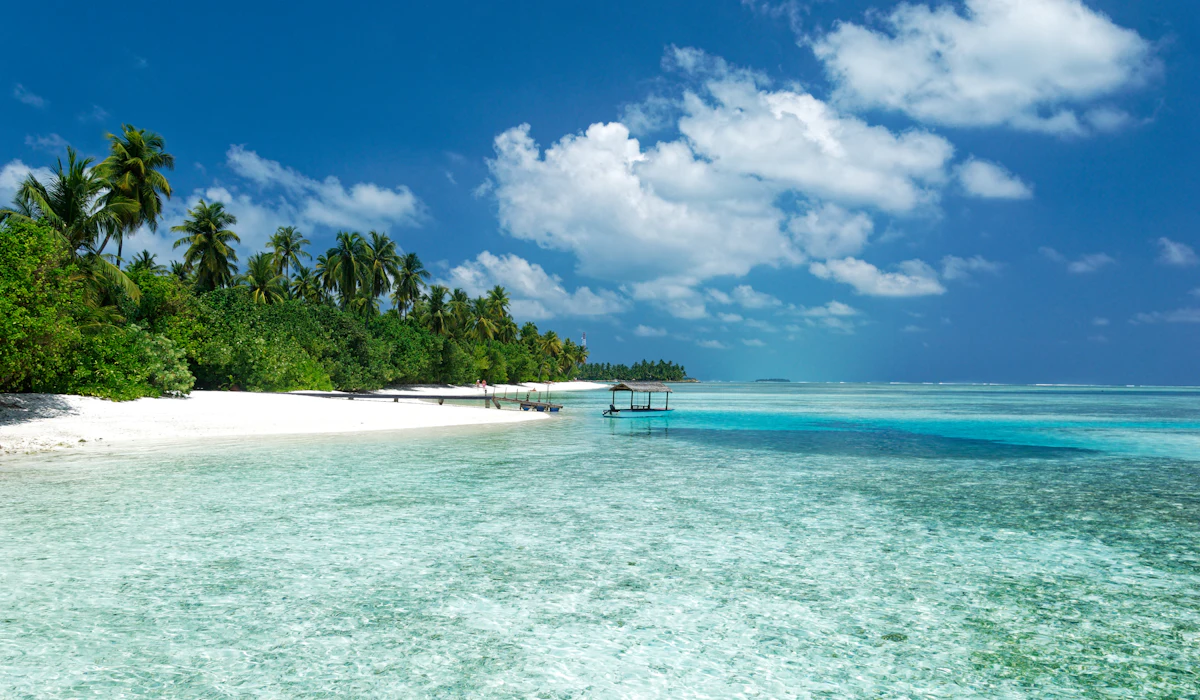
Argostoli is the capital of Kefalonia in the Ionian Sea, and the island is known for its savory pies baked in thick pastry. Alongside the famous three-meat pie, local cooks also prepare regional pies with octopus, rice, tomato and herbs.
Kefalonians also serve wine-marinated octopus with a sharp garlic sauce called aliada. Loggerhead sea turtles often swim in the harbor at Argostoli, rising to feed near the fishing boats.
Robola, the island’s crisp white wine, pairs naturally with octopus, and several wineries sit within easy reach of the port.
Tsipouradika Rounds in Volos
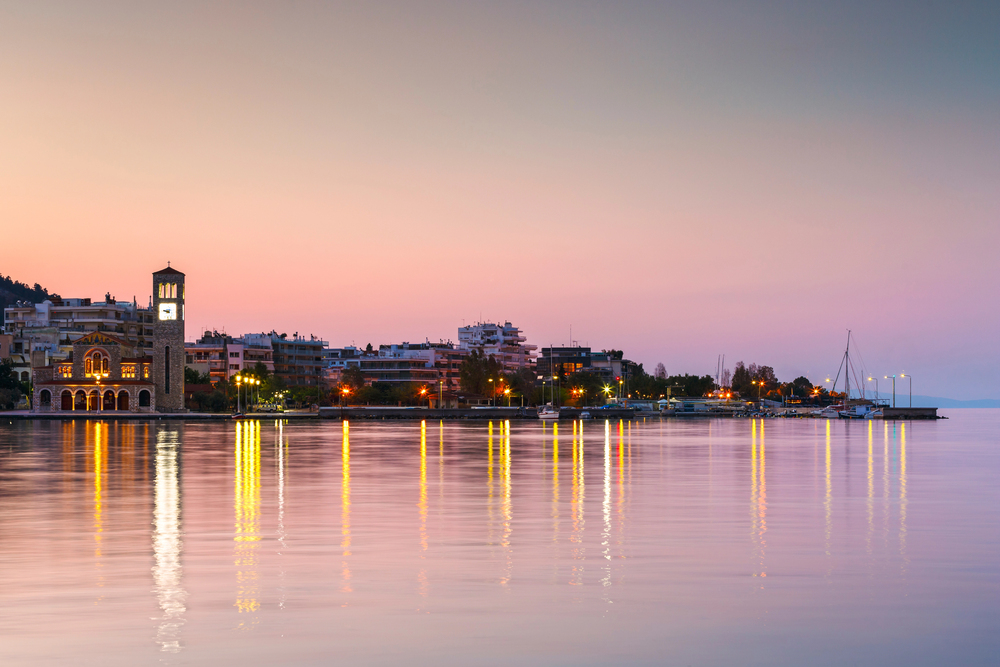
Volos, on the Pagasetic Gulf below Mount Pelion, is the home of the tsipouradiko, a kind of taverna built around small bottles of tsipouro, a strong grape spirit. Each new bottle ordered traditionally comes with a small plate from the kitchen, chosen according to the food and drink, and grilled or marinated octopus turns up often.
The system turns lunch into a long, unpredictable procession of seafood. Volos gets fewer cruise calls than the big islands, which keeps its waterfront local.
The town’s tradition owes much to refugees from Asia Minor who settled here in the 1920s.
Slow Stifado in Thessaloniki
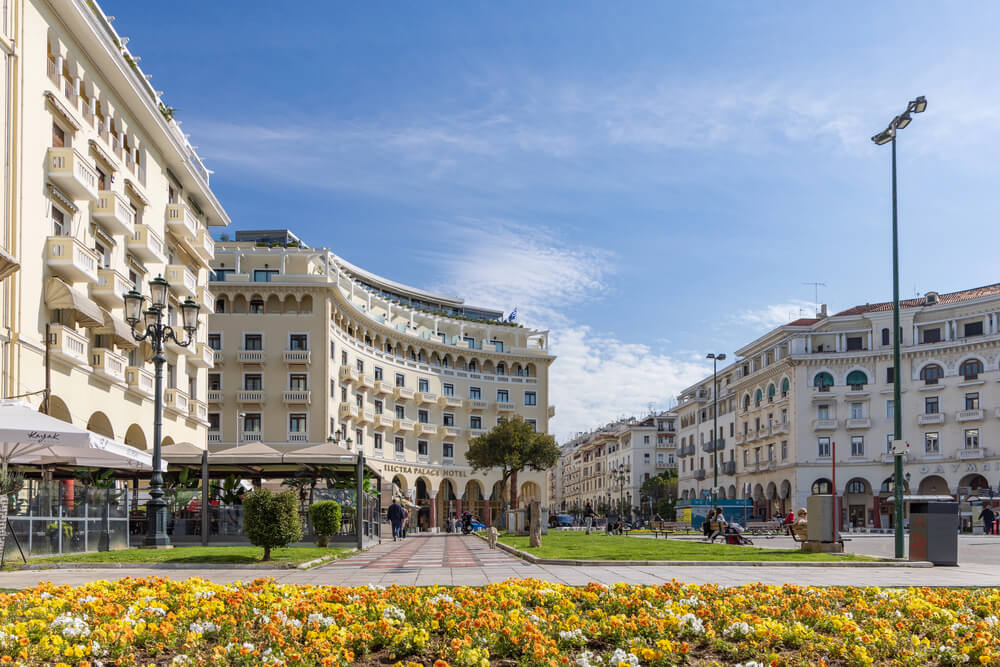
Thessaloniki, Greece’s second city, is known across the country as a food capital, and its tavernas and ouzeries serve a range of octopus dishes. Octopus stifado braises the octopus slowly with small pearl onions, red wine, vinegar and spices until the sauce turns glossy and sweet.
The Ladadika district near the port, a former warehouse quarter for olive oil, is packed with places serving traditional Greek dishes and seafood. The Modiano and Kapani markets nearby supply much of the city’s seafood.
Cruise ships dock at the port, with the central districts accessible by a short taxi ride or longer walk.
Fish Market Dinners in Bodrum
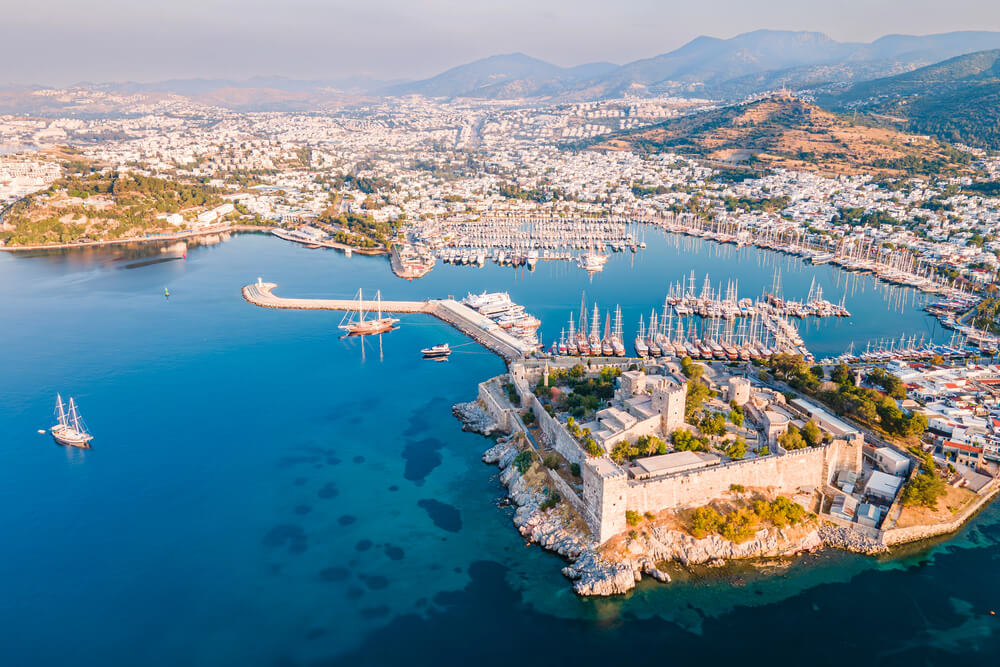
Bodrum, on Turkey’s Aegean coast, has a fish market with an unusual arrangement. Diners choose octopus, fish or shrimp from the market stalls, then may take their selection to a nearby restaurant to have it prepared, with meze, salad and bread added to the meal.
Grilled octopus, or ahtapot, dressed with olive oil and lemon, is a popular choice. The castle of St.
Peter, built by the Knights Hospitaller, overlooks the harbor and now houses a museum of underwater archaeology. Evenings in the market run late, loud and cheerful.
Ahtapot Salad Near Ephesus in Kusadasi
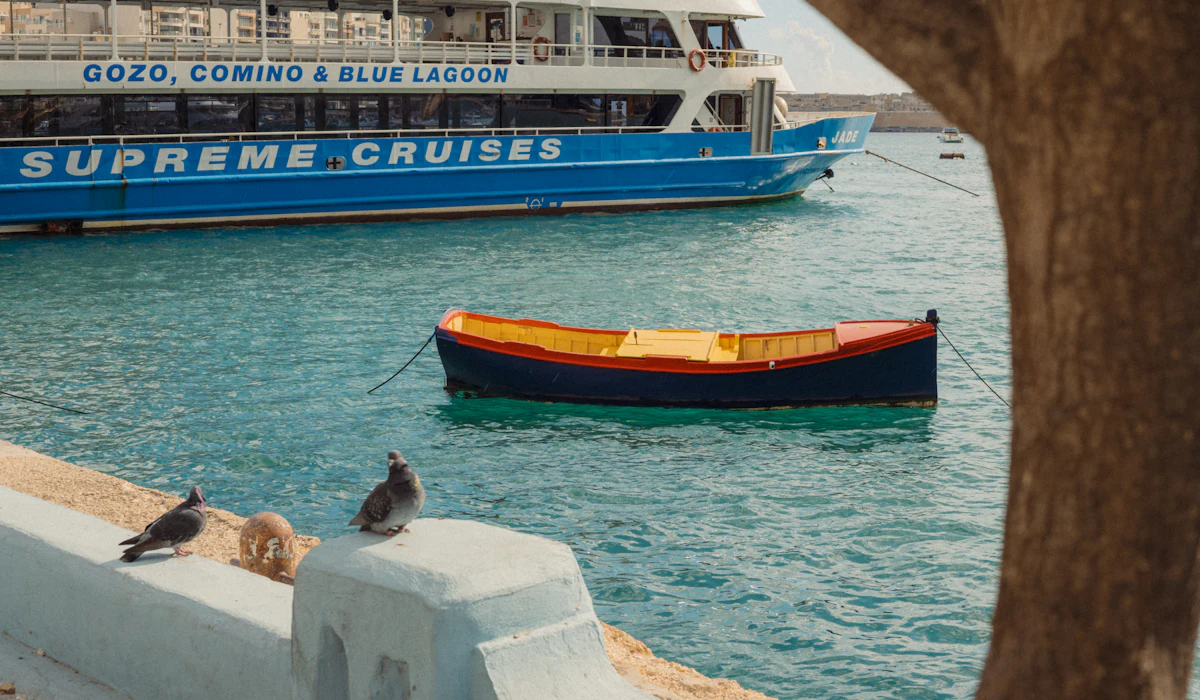
Kusadasi is the Turkish port for the ruins of Ephesus, and its harbor restaurants lean heavily on Aegean meze. Ahtapot salatasi, an octopus salad of tender sliced octopus with olive oil, lemon, parsley and sometimes pickled vegetables, is a common seafood meze.
It arrives cold, which makes it a welcome dish after a hot morning among the ruins. Grilled octopus is common too.
The best tables face Pigeon Island and its Byzantine fortress, linked to the mainland by a causeway. A shaded table there makes an easy final stop before reboarding.
Cypriot Meze and Red Wine Octopus in Limassol
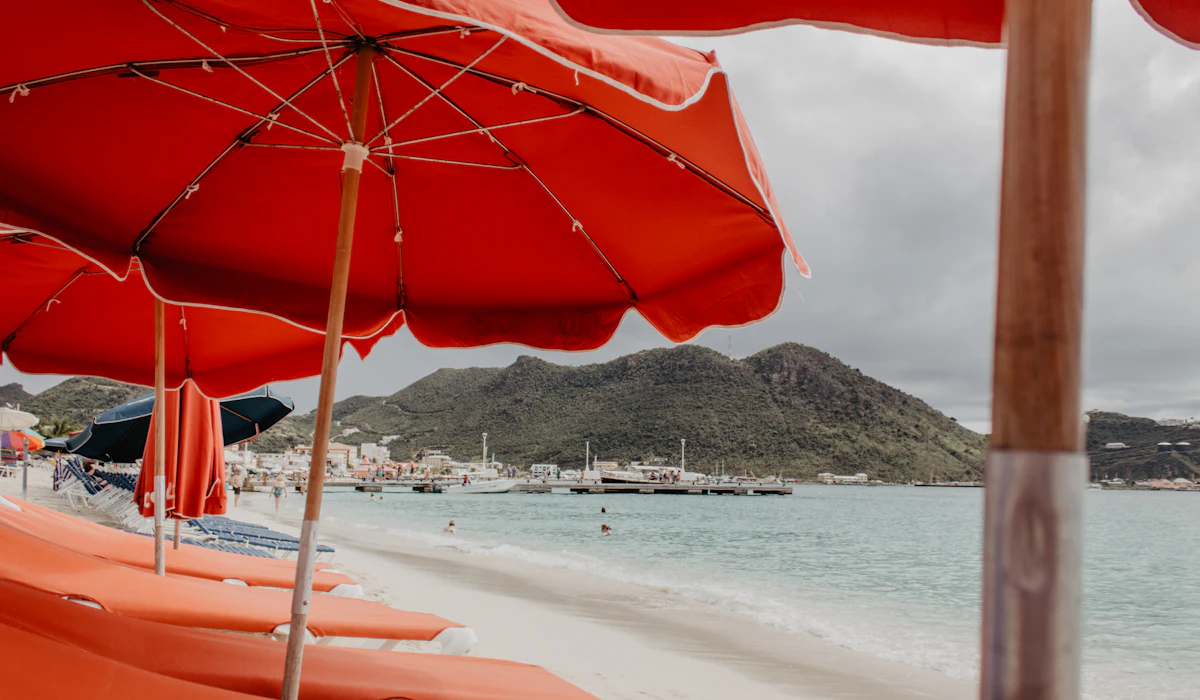
Limassol, Cyprus’s main cruise port, serves octopus as part of the island’s famous meze, a long parade of small dishes that can run to many plates. Octapodi krasato, octopus braised in red wine with onions and bay leaf, is a traditional Cypriot preparation, often appearing among the seafood courses.
Commandaria, a sweet Cypriot dessert wine with a history stretching back centuries, is another local specialty. The old harbor area has been renovated with restaurants and a marina.
Pacing matters, because the meze keeps coming long after appetites fade.
Dalmatian Salad Lunches in Dubrovnik
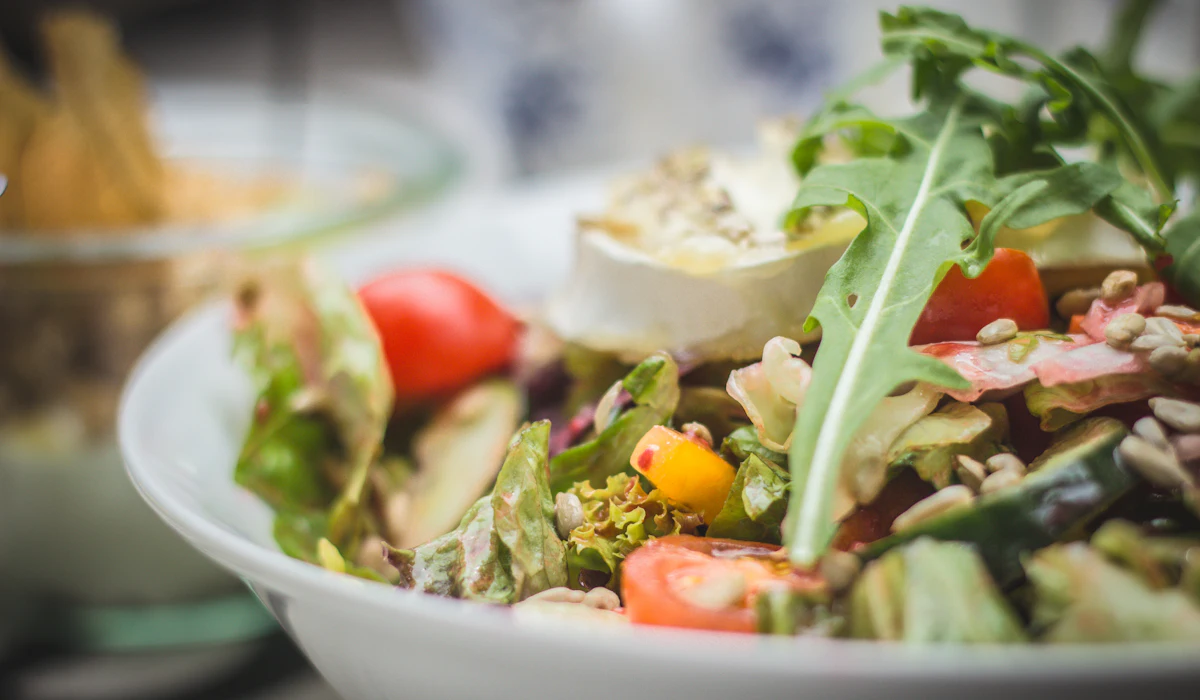
Dubrovnik sits on the Dalmatian coast, and its restaurants inside and just outside the old city walls serve salata od hobotnice, a chilled octopus salad dressed with olive oil, vinegar, onion and sometimes capers. It is a familiar part of Dalmatian seafood cooking and a common light lunch in summer.
Local octopus is caught along the rocky coast nearby. Cruise ships dock at Gruz harbor, with the old town reachable by bus, taxi or on foot for those with enough time.
Eating octopus salad on a terrace overlooking the Adriatic is about as Croatian as a meal gets.
Peka-Baked Octopus in Split
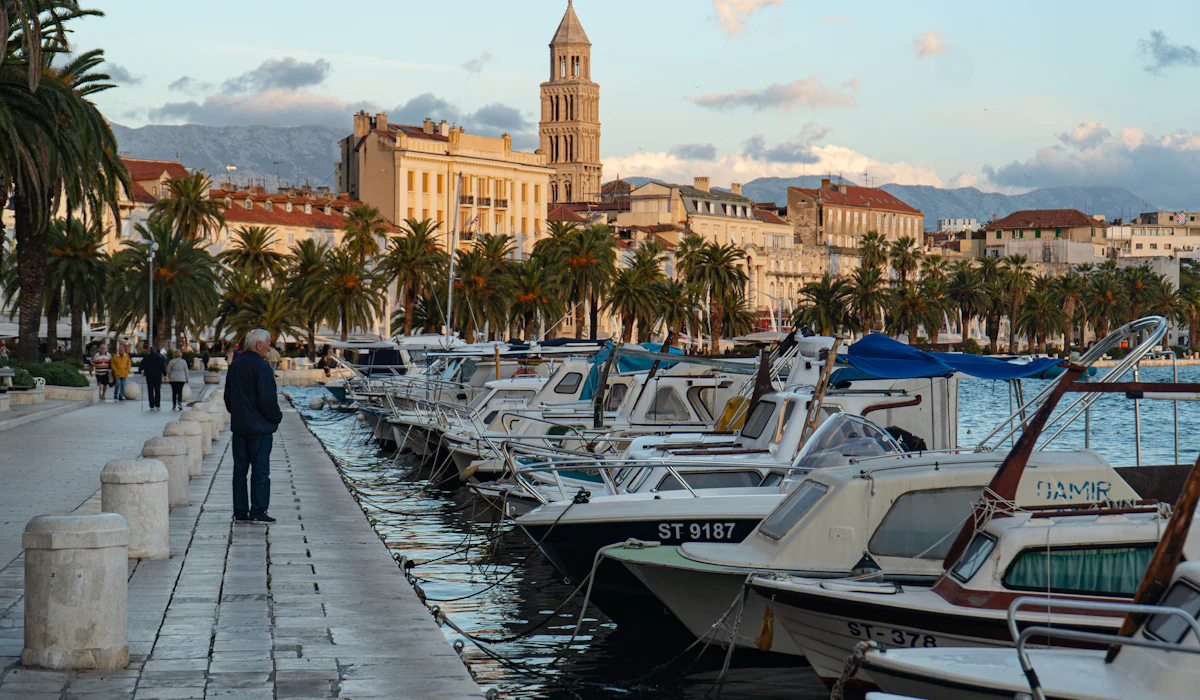
Split, home to the Roman emperor Diocletian’s palace, is a good place to try hobotnica ispod peke, octopus baked under a peka. The peka is a heavy iron or clay bell placed over a tray of octopus, potatoes, onions and olive oil, then covered with glowing embers for an hour or more.
Many restaurants require the dish to be ordered in advance because of the cooking time. The result is tender octopus in a rich, smoky broth.
Restaurants in and around Split, particularly traditional konobas, serve their own versions.
Buzara Pots in the Bay of Kotor

Kotor sits deep inside the Bay of Kotor in Montenegro, where cruise ships glide past mountain walls rising straight from the water. Local restaurants cook octopus buzara-style, simmered in white wine, garlic, parsley and olive oil, a method shared across the eastern Adriatic.
Octopus salad also appears on many seafood menus in the old town. The walk up the city walls to the fortress of San Giovanni builds a serious appetite.
The views from the top are worth every one of the many steps, and a cold plate of octopus waits at the bottom.
Polpo alla Luciana in Naples
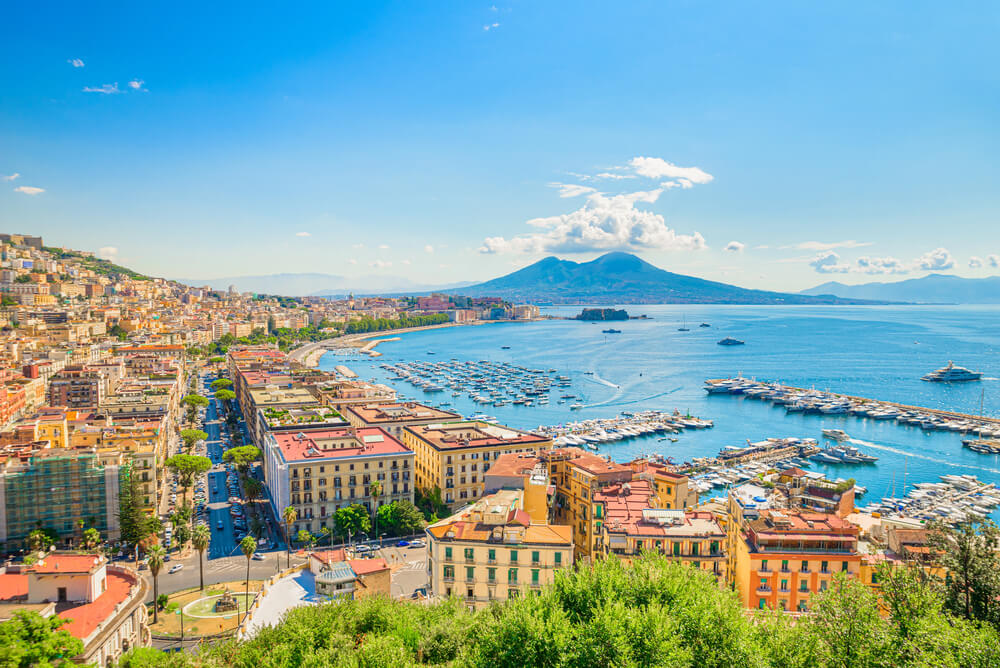
Naples gives its name to polpo alla Luciana, octopus cooked in a covered terracotta pot with tomatoes, olives, capers and garlic. The dish takes its name from Santa Lucia, the old fishermen’s quarter along the waterfront below the city.
Neapolitans like to repeat a local saying that the octopus cooks in its own water, because the dish uses almost no added liquid. Restaurants around Borgo Marinari, beside the Castel dell’Ovo, serve it within sight of the bay.
The cruise terminal is relatively close to the historic center, though the walk takes time.
Raw Octopus on the Bari Seafront
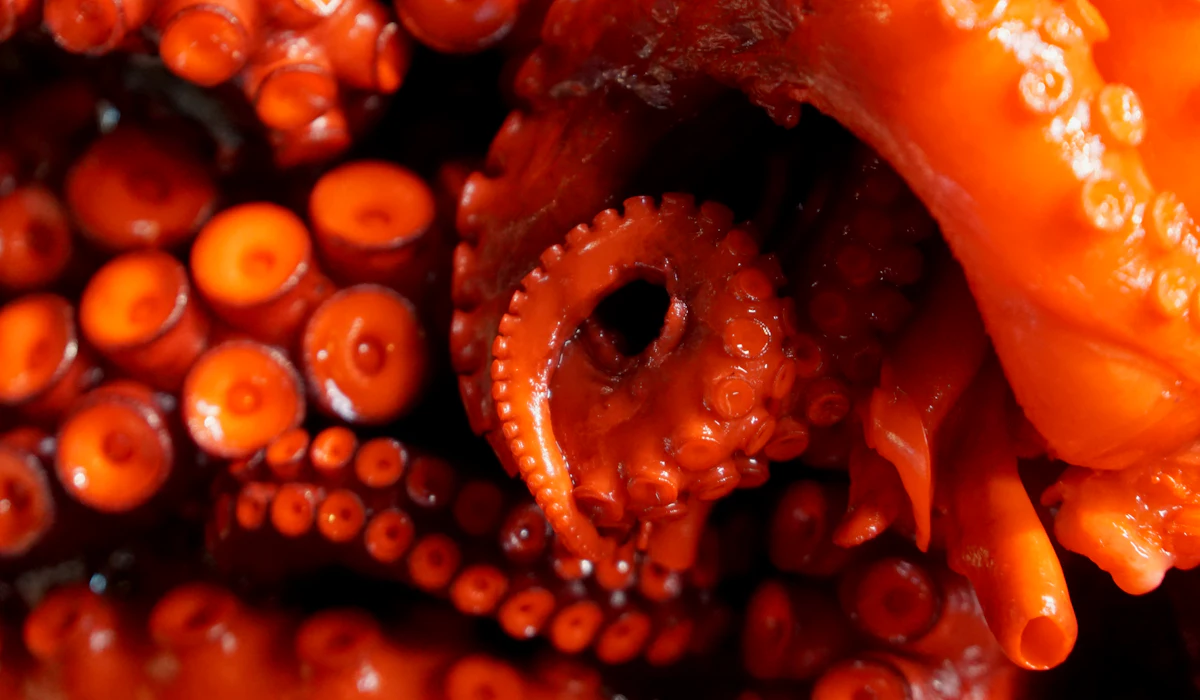
Bari, in Puglia, has an octopus tradition that surprises many visitors. Fishermen at the old harbor near the seafront traditionally tenderize freshly caught octopus by beating it and then swirling it in baskets until the tentacles curl, a process locals call arricciare.
The octopus is then eaten raw, or served very simply after preparation, often with a squeeze of lemon and a cold beer, at informal stalls by the water. The most famous gathering spot is known in local dialect as Nderr a la lanze.
Bari’s cruise port sits close to the old town, making the waterfront accessible on foot depending on the berth.
Street Stalls of the Purpari in Palermo
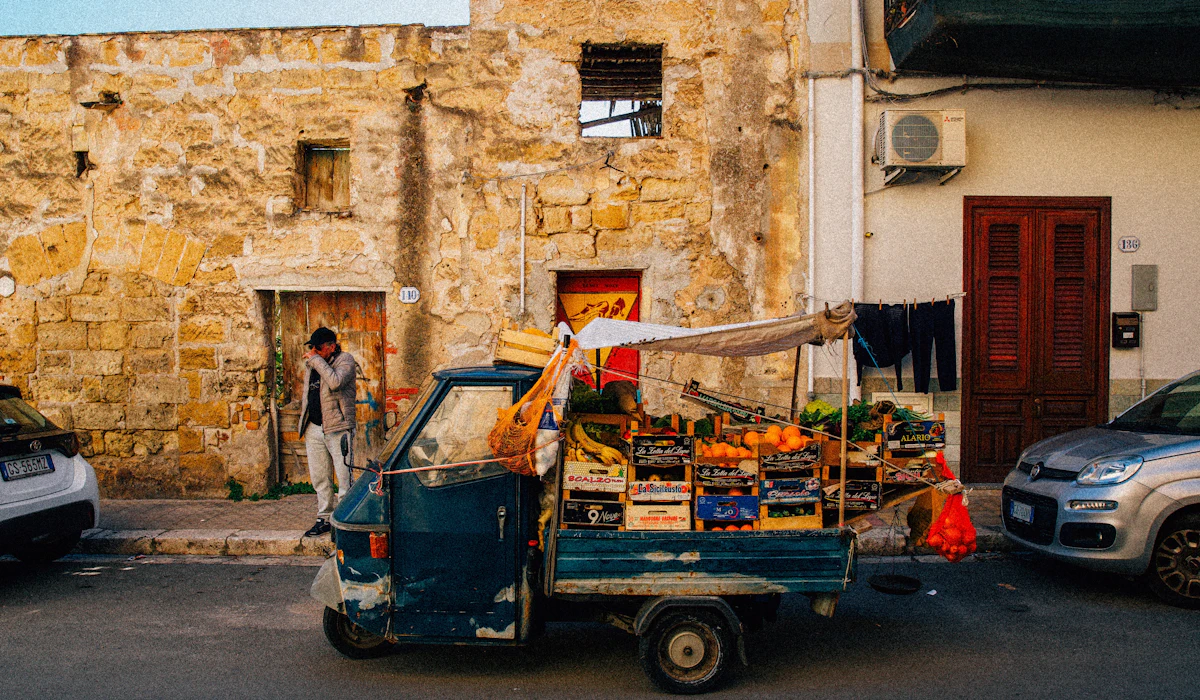
Palermo has a long tradition of street octopus, sold boiled from stalls and carts by vendors known as purpari. The octopus is cooked in large pots, sliced to order and served simply with lemon and salt, often eaten standing up.
The city’s great markets, including the Vucciria and the Capo, are full of fishmongers and street food. Palermo’s food culture reflects Arab, Norman and Spanish influences layered over centuries.
Cruise ships dock in the port area, with the historic center accessible by taxi or on foot depending on the berth. Mornings are best, when the stalls are fully stocked.
Ligurian Octopus and Potatoes in Genoa
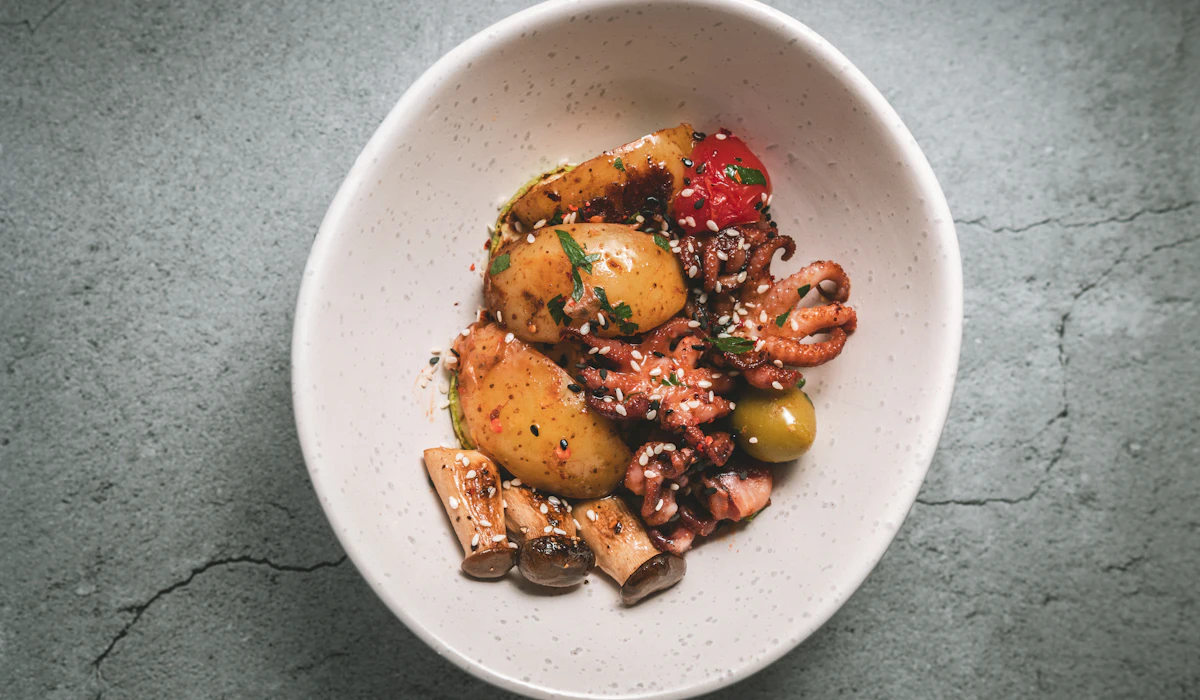
Genoa, Italy’s largest port and the gateway to the Italian Riviera, has its own simple octopus classic. Polpo e patate pairs tender boiled octopus with potatoes, olive oil, parsley and sometimes Taggiasca olives, served warm or at room temperature.
The dish shows the Ligurian preference for light, clean flavors and good olive oil. Genoa’s narrow medieval alleys, called caruggi, hide small trattorias serving it alongside pesto and focaccia.
The cruise terminal sits near the old port, with the historic center and Genoa Aquarium within reach.
Sardinian Antipasto in Cagliari
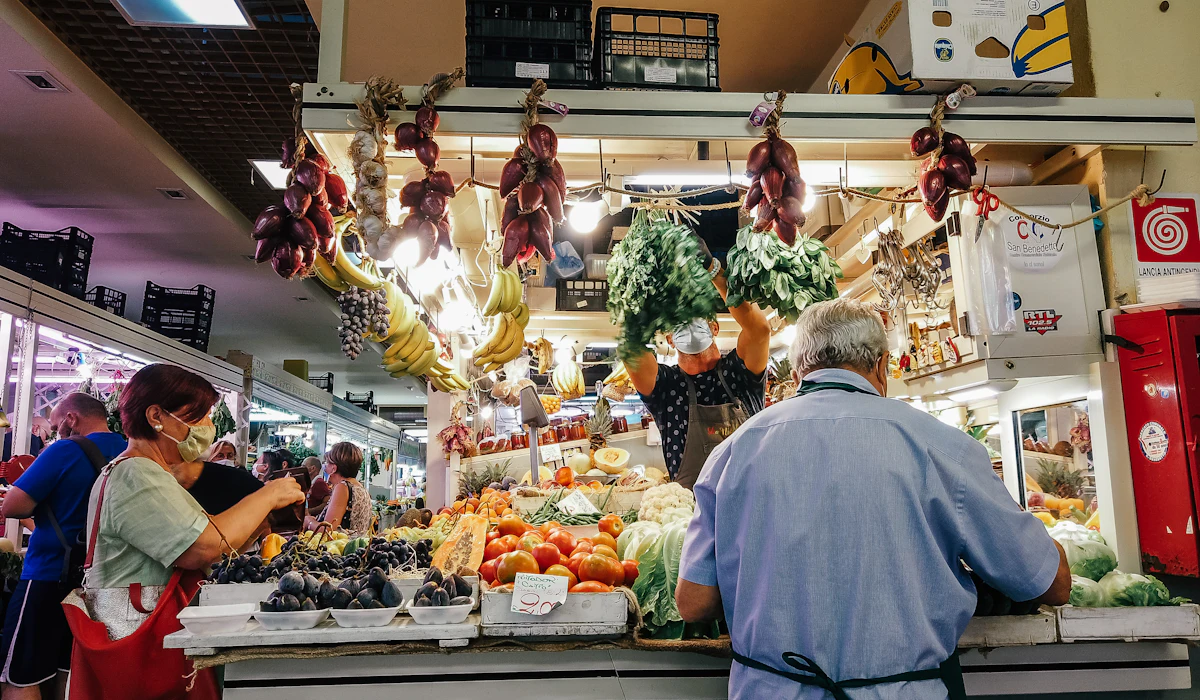
Cagliari, the capital of Sardinia, sits on the island’s south coast, and its seafood restaurants often begin meals with a cold antipasto of octopus salad. Tender octopus is tossed with potatoes, celery, olive oil and lemon or parsley.
Sardinia’s cuisine leans inland and pastoral, but Cagliari’s coastal location gives seafood a central place on the table. The city’s San Benedetto market is a major covered market with a substantial fish section.
Flamingos often feed in the lagoons just outside town.
Folpetti in the Bacari of Venice
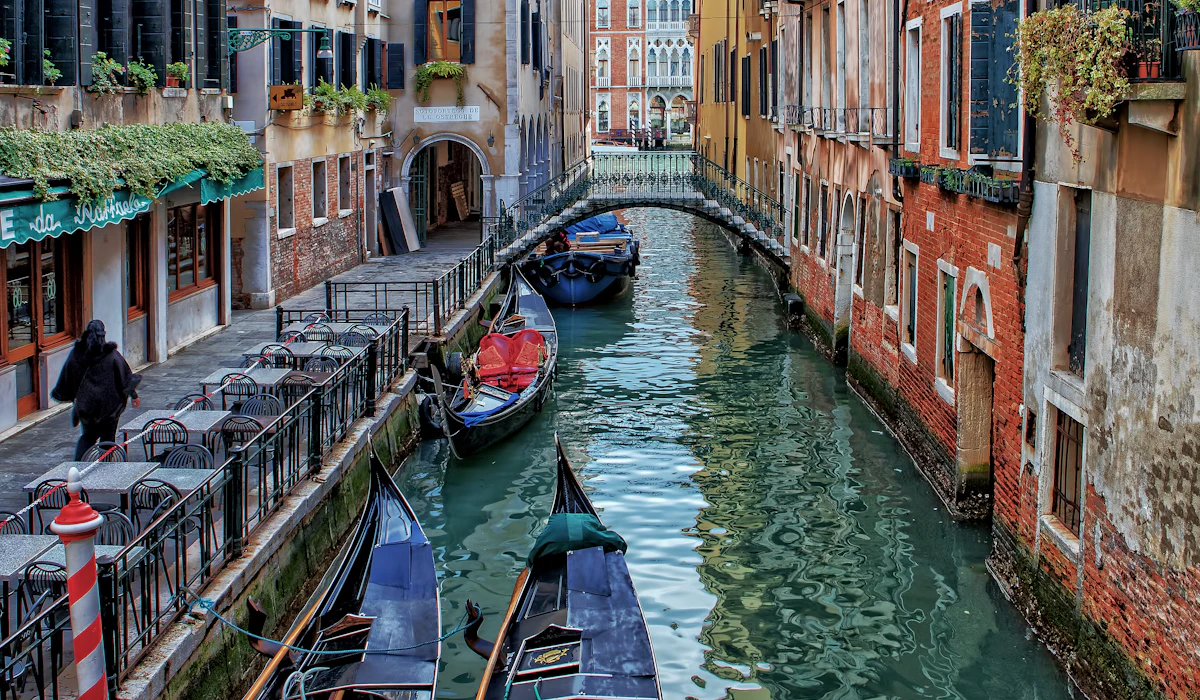
Venice’s bacari, small wine bars scattered through the city, serve tiny boiled octopuses called folpetti and related small octopus species as part of the cicchetti tradition of snacks eaten standing at the counter. The octopuses are boiled until tender and dressed with olive oil, garlic and parsley.
A glass of local wine, called an ombra, is the classic accompaniment. The Rialto fish market supplies many of the bars in the mornings.
Cruise passengers arriving at the city’s cruise facilities need to transfer into central Venice by the permitted transport options before beginning a bacaro crawl.
Cacciucco Stew at Livorno
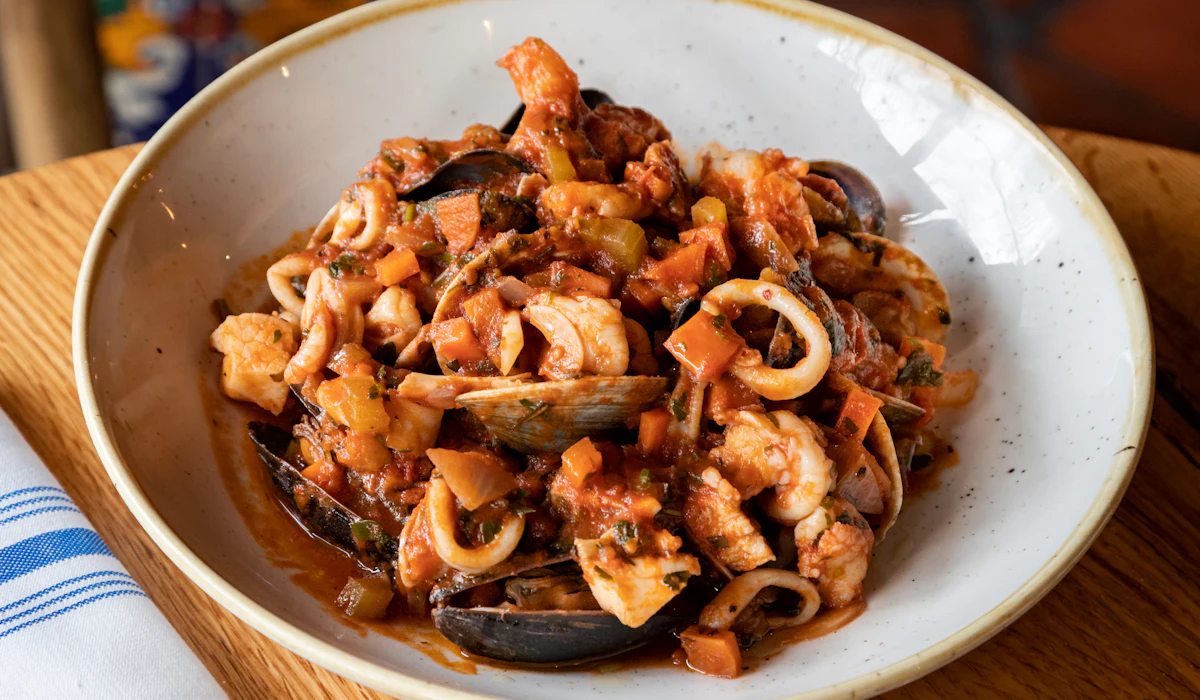
Livorno, the cruise port for Florence and Pisa, is the home of cacciucco, a hearty Tuscan seafood stew that traditionally includes octopus, squid, mussels and several kinds of fish. The stew is cooked with tomato, garlic, red pepper and wine, then ladled over toasted bread rubbed with garlic.
Local tradition says a proper cacciucco needs at least five types of seafood, one for each C in its name. Many cruise passengers head straight inland, which means they miss this dish entirely.
Staying in port for lunch is a strong argument for Livorno.
Stuffat tal-Qarnit in Valletta

Valletta, the walled capital of Malta, is a classic Mediterranean cruise call, and Maltese kitchens serve stuffat tal-qarnit, an octopus stew with tomatoes, olives, capers, onions and red wine. The dish is often served with crusty Maltese bread for soaking up the sauce.
Fresh octopus also appears grilled or in salads. Marsaxlokk, a fishing village a short drive away, fills its harbor with colorful wooden luzzu boats painted with protective eyes on the bow.
Its Sunday fish market is a popular place to see the island’s fishing culture and seafood trade.
Galician Pulperias in Barcelona
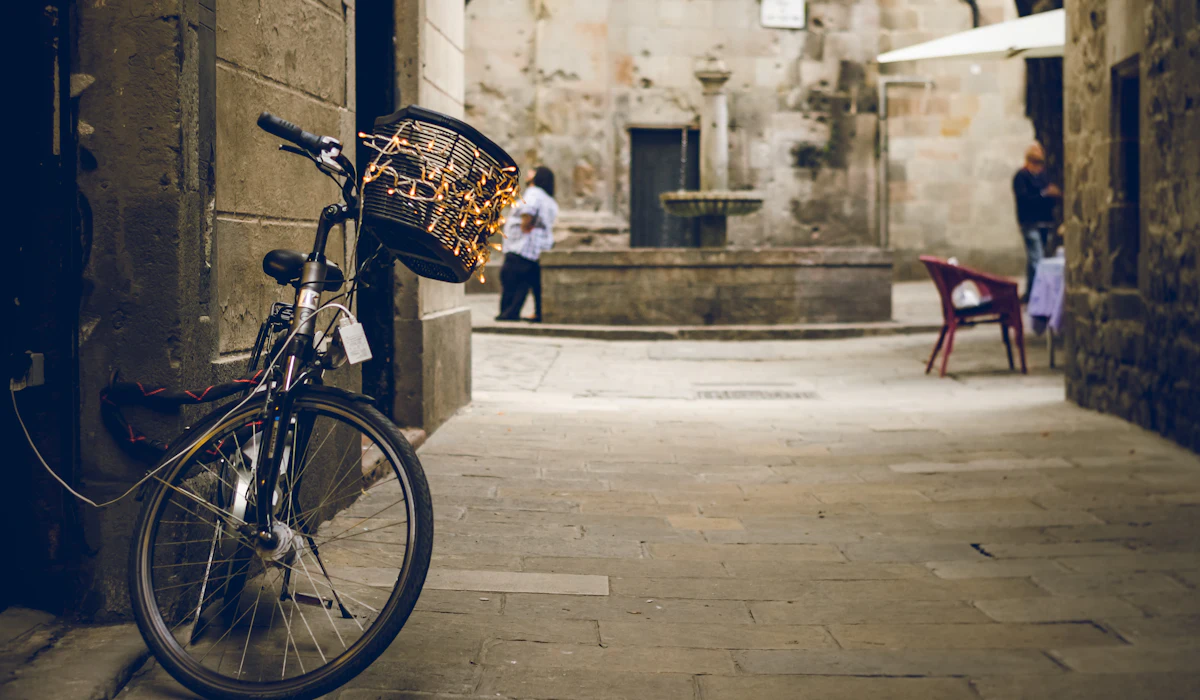
Barcelona sits on the Mediterranean, but some of its most popular octopus comes from the Atlantic tradition of Galicia. Galician migrants brought pulperias, octopus houses, to cities across Spain, and Barcelona has restaurants that serve the tradition.
The dish they serve, pulpo a la gallega, is boiled octopus sliced with scissors onto a wooden plate, then dressed with olive oil, coarse salt and smoked paprika, usually over boiled potatoes. It arrives fast and makes a substantial snack or small meal.
The cruise terminals sit near the city center, with the Gothic Quarter and La Barceloneta accessible by shuttle, taxi or public transit depending on the terminal.
Pop amb Ceba in Mahon
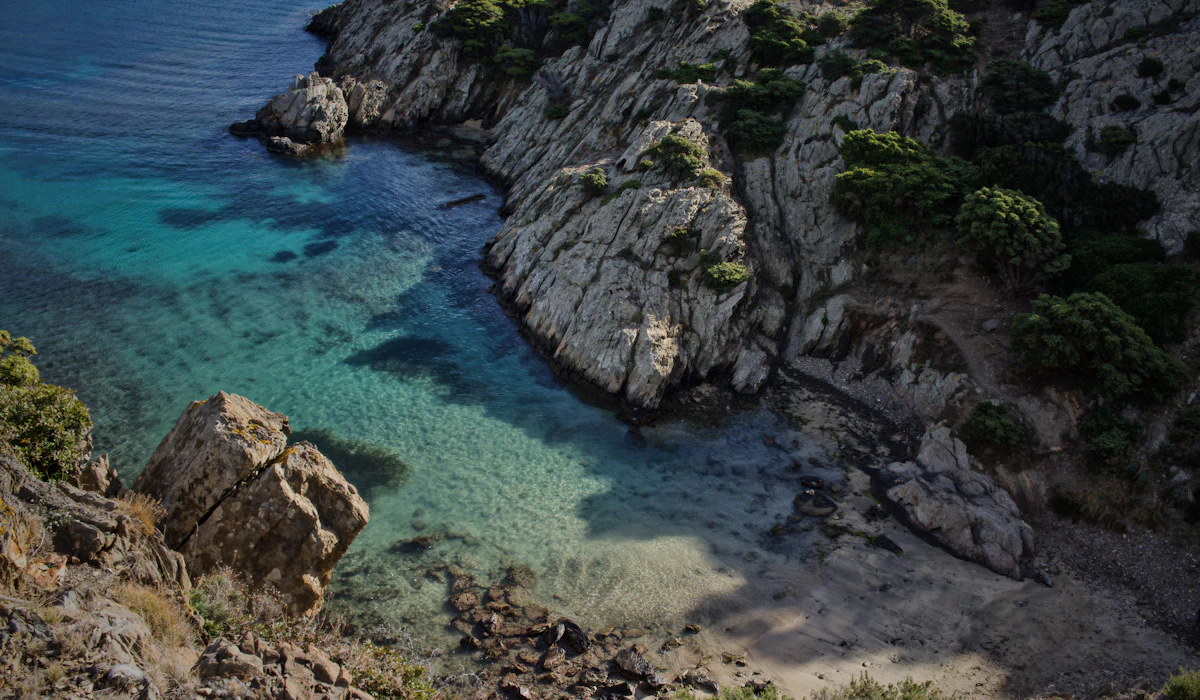
Mahon, the capital of Menorca, sits at the head of one of the longest natural harbors in the Mediterranean, a deep inlet where cruise ships sail into the harbor near the town. Menorcan cooks serve pop amb ceba, octopus braised slowly with a large quantity of onions until both turn soft and sweet.
It is a Balearic home dish rather than a showpiece, which makes it particularly interesting to seek out at traditional local restaurants. The harbor waterfront is lined with places to eat.
Mahon is also said to have given its name to mayonnaise.
Dried Octopus at Santa Pola Near Alicante
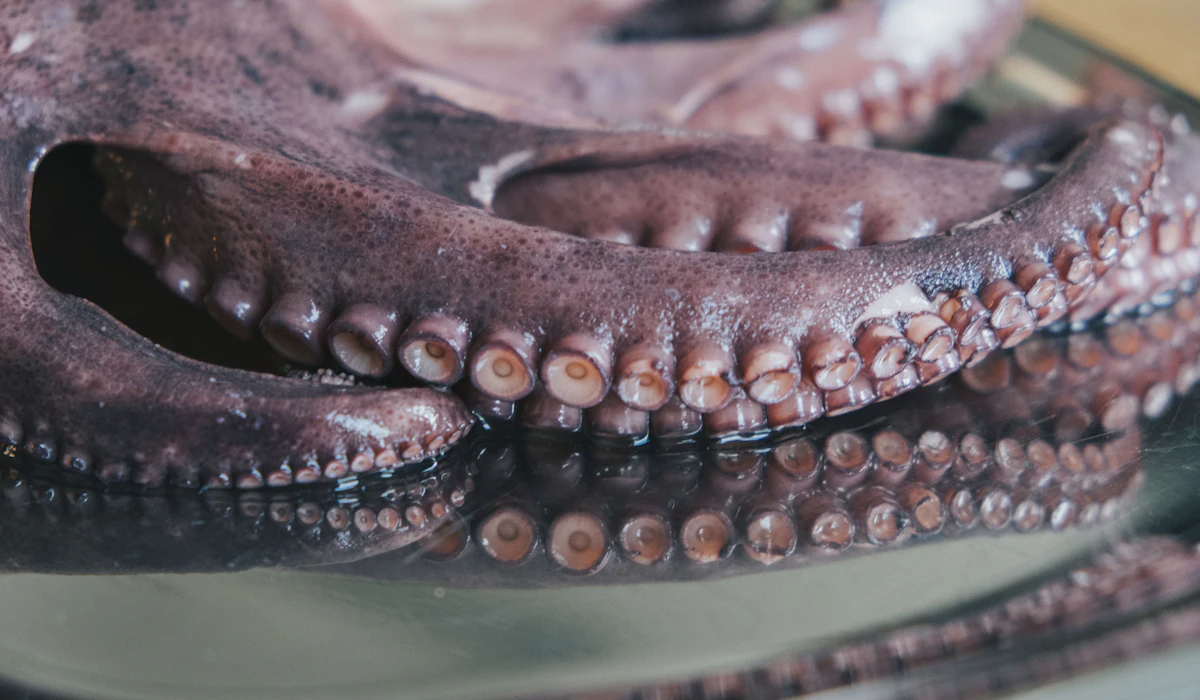
Santa Pola, a fishing town just south of Alicante, is known for pulpo seco, octopus dried in the open air before cooking. Fishermen have traditionally hung the octopus on lines along the waterfront, where the sun and sea breeze dry it over several days.
It is then grilled and served in strips as a tapa, chewy and intensely savory. Santa Pola has an important fishing industry and is closely associated with this preparation.
Cruise ships dock at Alicante, roughly 20 to 30 minutes away by road depending on traffic. The town’s waterfront promenade is the best place to see the local fishing atmosphere and, when present, drying octopus.
Tielle Pies in Sète
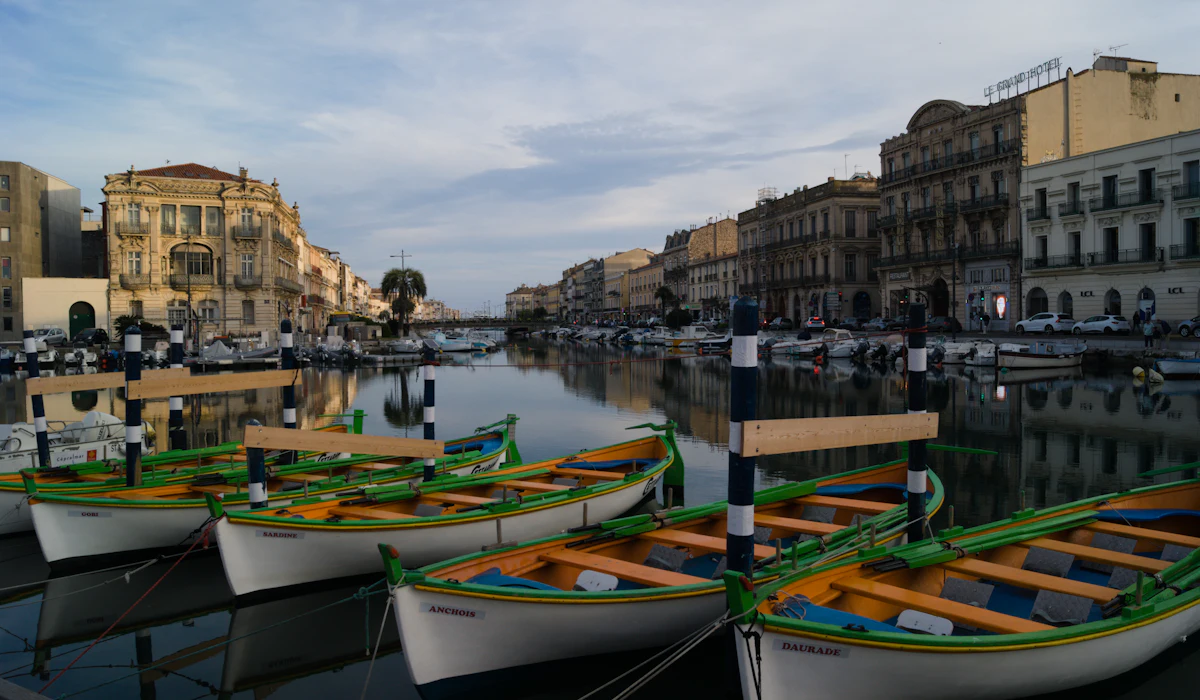
Sete, a canal-laced port in the south of France, is famous for the tielle, a round, crimped pie filled with octopus stewed in a spiced tomato sauce. Fishermen from Gaeta, north of Naples, brought the recipe when they settled in Sete in the late 19th century, and a local family began selling it commercially in 1937.
Today bakeries across town sell tielles in individual and family sizes. The town square even holds a fountain shaped like a giant octopus.
Cruise ships that call at Sète put passengers within reach of the town’s bakeries and waterfront.
Provencal Braises in Marseille
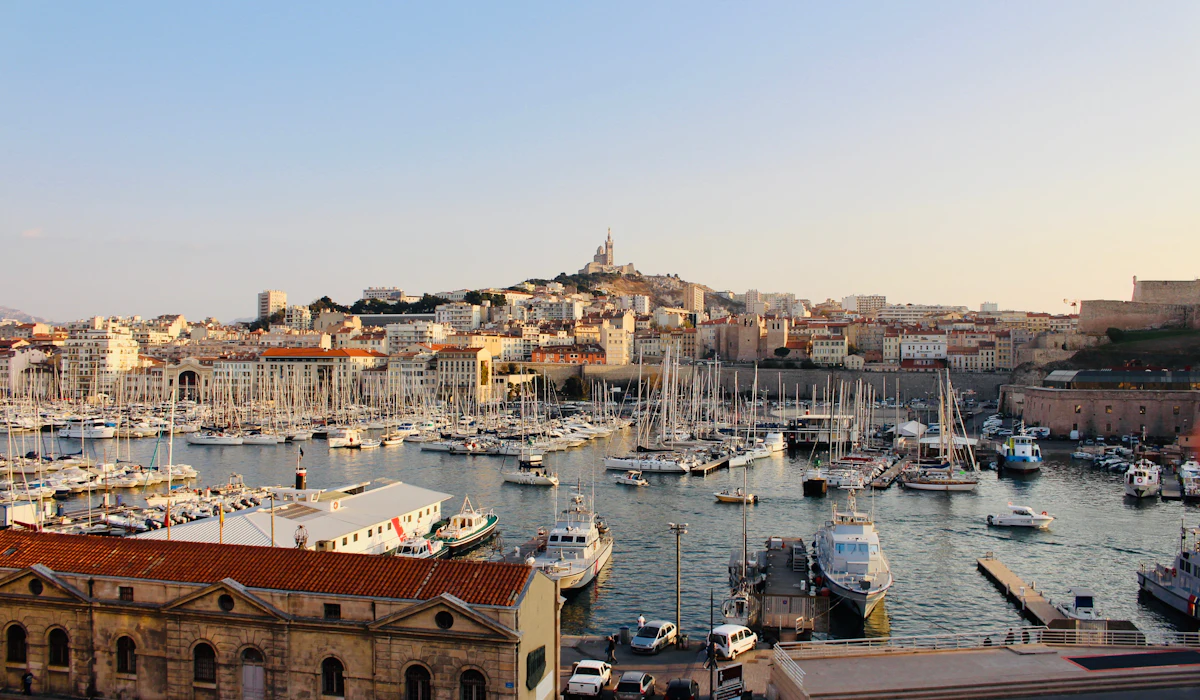
Marseille, France’s oldest city and largest Mediterranean port, is famous for bouillabaisse, but its kitchens also serve octopus in the Provencal style. Poulpe a la provencale can feature octopus stewed with tomatoes, white wine, garlic, olives and herbs from the surrounding hills.
Restaurants around the Vieux Port and the small fishing harbor of Vallon des Auffes serve versions of it. Fishermen still sell their catch each morning at the fish market around the Vieux Port.
Cruise passengers reach the Vieux Port by shuttle bus from the terminals.
Patience Is the Secret Ingredient
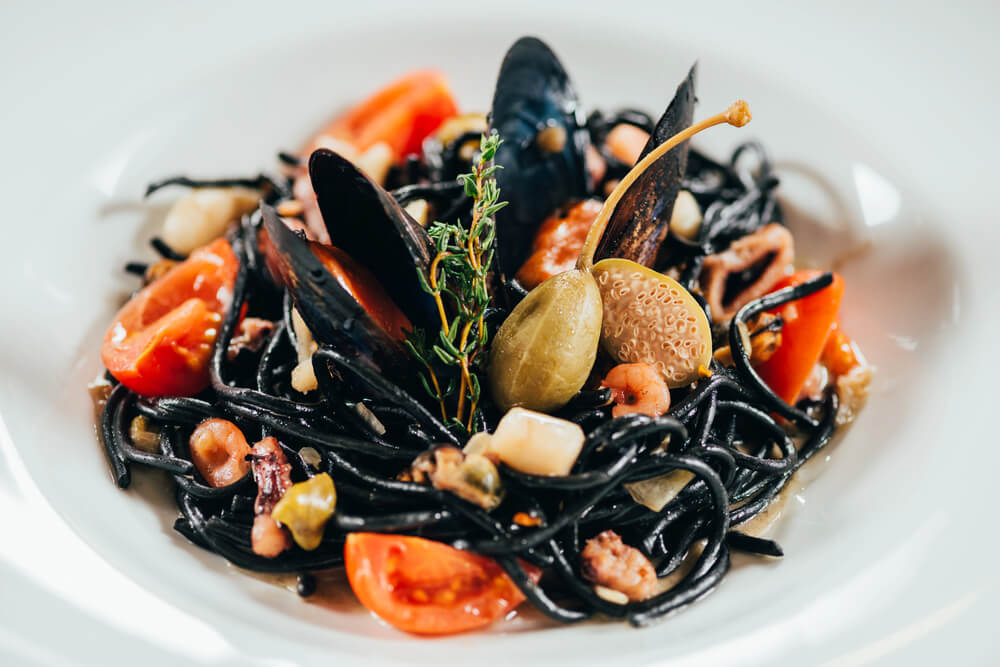
Octopus rewards the cooks who refuse to hurry it. Drying lines in Mykonos and Santa Pola, iron bells buried in embers in Split and terracotta pots in Naples all solve the same problem in different ways.
Every port arrived at its own answer, and each answer tells something about the place.
That is why octopus makes such a good guide to the Mediterranean. The dish changes from harbor to harbor, but the respect for the animal and the time it takes stay constant.
Ordering it in port is a way of tasting centuries of local patience. The best meal is rarely the most elaborate one; it is the one that connects the dish to the harbor, the kitchen and the traditions that shaped it.
More from Travel Pug

- Underrated Italian Towns That Beat the Tourist Crowds
- Las Vegas Tourist Traps to Skip
- Prettiest Towns in Every US State
- 18 passport-free countries for Americans
- Signs Your Cruise Is Not Worth The Cost
Like Travel Pug’s content? Follow us on MSN.