

Planning your backpacking adventure through South America is exciting, but staying alert to common scams can save you money and stress. South America attracts millions of backpackers yearly, and while the vast majority of hostels are legitimate and welcoming, some scammers do target tourists in and around accommodation areas.
Most issues are preventable with basic awareness and common sense.Here is a list of 15 scams that travelers should know about when exploring South America’s hostel scene.
Taxi driver hostel closure lie

This well-documented scam involves taxi drivers claiming your hostel is closed for renovations and offering to take you to a ‘better’ accommodation nearby. The driver gets a commission from the alternative hostel, which often charges inflated rates.
This scam is a favorite among taxi drivers in places like Mancora, Peru, where drivers will push hard, saying your accommodation is unsafe. Always insist on going to your original destination.
Fake police impersonators
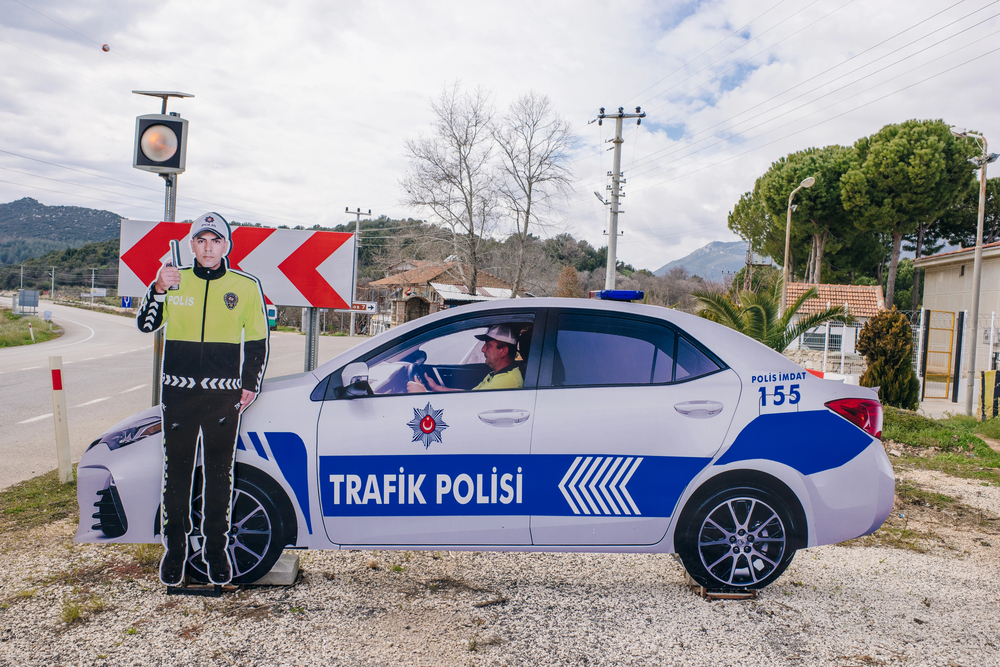
In Cartagena, Colombia, backpackers have encountered scams involving fake police officers who approach tourists and claim to be conducting routine checks for counterfeit money and drugs. They demand to see your passport and wallet, then either steal money or force you to withdraw cash. Real police will never ask you to hand over belongings privately or go to ATMs.
Broken taxi meter scam
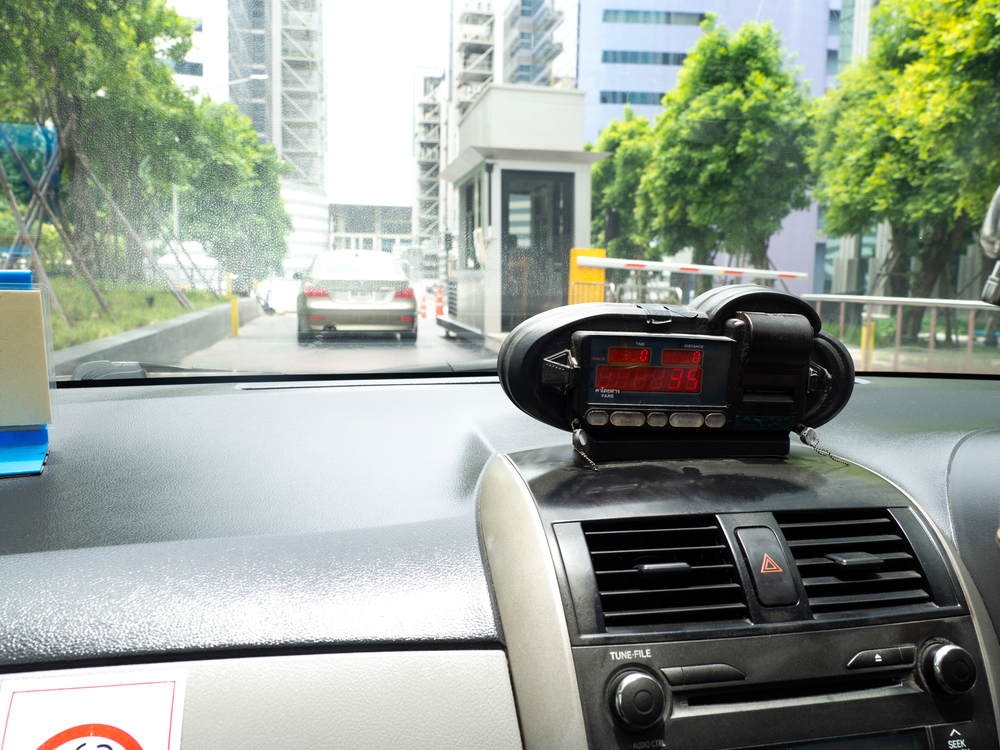
Drivers claim their meter is broken and quote inflated fixed prices or encourage you to get in without agreeing on a fare. In many countries, such as Ecuador, it’s a legal requirement for cab drivers to use the meter.
Your trip gets charged at an extortionately high rate, and drivers may become aggressive if you challenge the fare.
ATM card skimming
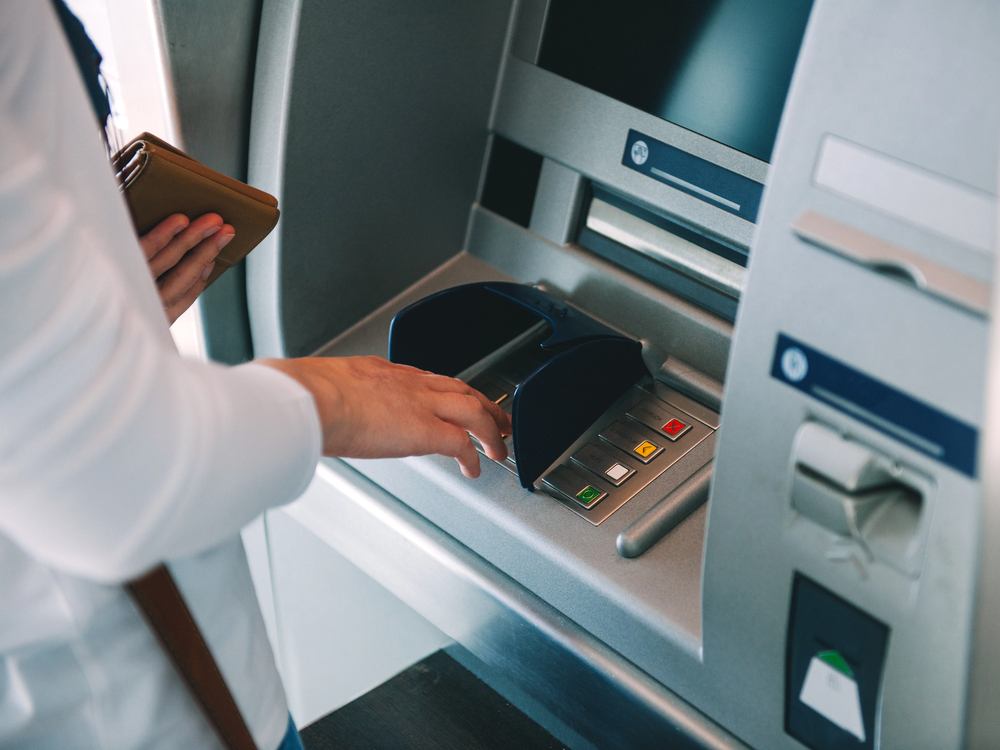
To prevent this kind of scam, always use indoor ATMs located within banks, preferably during business hours, as these are less likely to have skimming devices installed. Sketchy areas around hostels might have compromised ATMs that steal your card information.
The fraudulent charges appear weeks later when you’re in another country.
Distraction pickpocketing
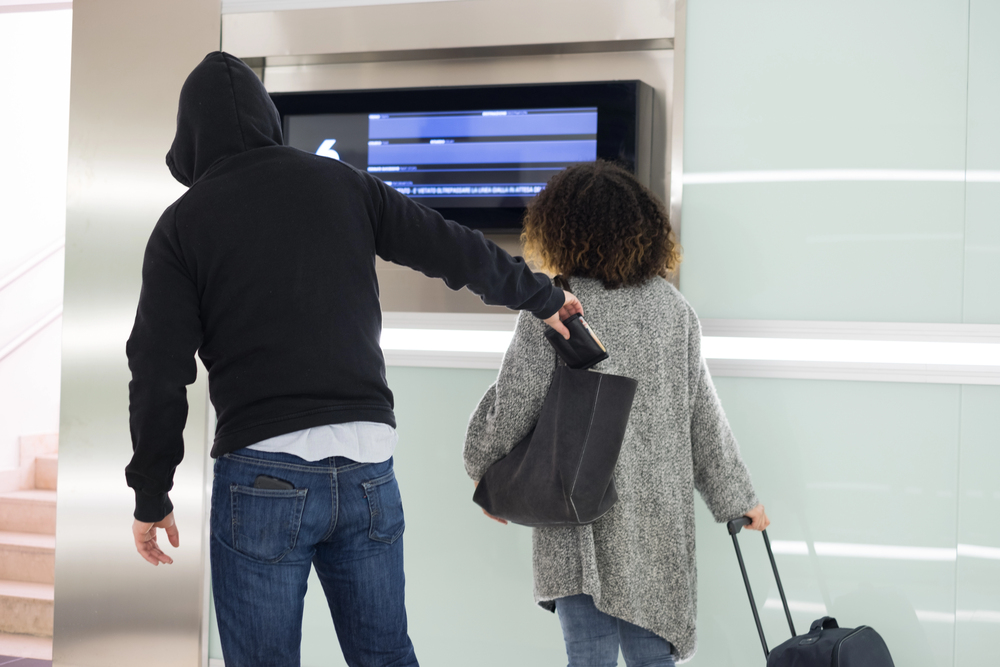
During travels in Chile, the ‘dirt on the bag’ trick targets backpackers, where someone calls out that your bag is covered with dirt and offers to help clean it. While you’re distracted removing your backpack, accomplices grab valuables from your front pack.
Similar scams involve spilling substances on you or claiming there’s something on your shirt.
Fake tour arrangements

Staff at some hostels offer deals on tours to popular attractions, but the tour company might be unreliable or overpriced. In tourist hotspots, unofficial guides offer their services and then demand high fees after the tour, which is common near major attractions like Machu Picchu.
Always book tours through reputable agencies and clarify costs beforehand.
Overcharging foreigners

Foreigners are unfortunately often overcharged due to their perceived wealth, so it’s always a good idea to ask the price before you commit to paying for something. Some establishments quote different prices for locals versus tourists for the same accommodation or services.
This dual pricing system is especially common in Peru and Bolivia.
Fake booking websites

Scammers create websites that mimic legitimate hostels, using stolen photos and fake reviews. Fraudsters set up hoax websites that mimic legitimate hotels, using their content, including stolen high-quality property images.
These sites often use domain names similar to genuine ones with slight variations to confuse victims.
Express kidnapping setup
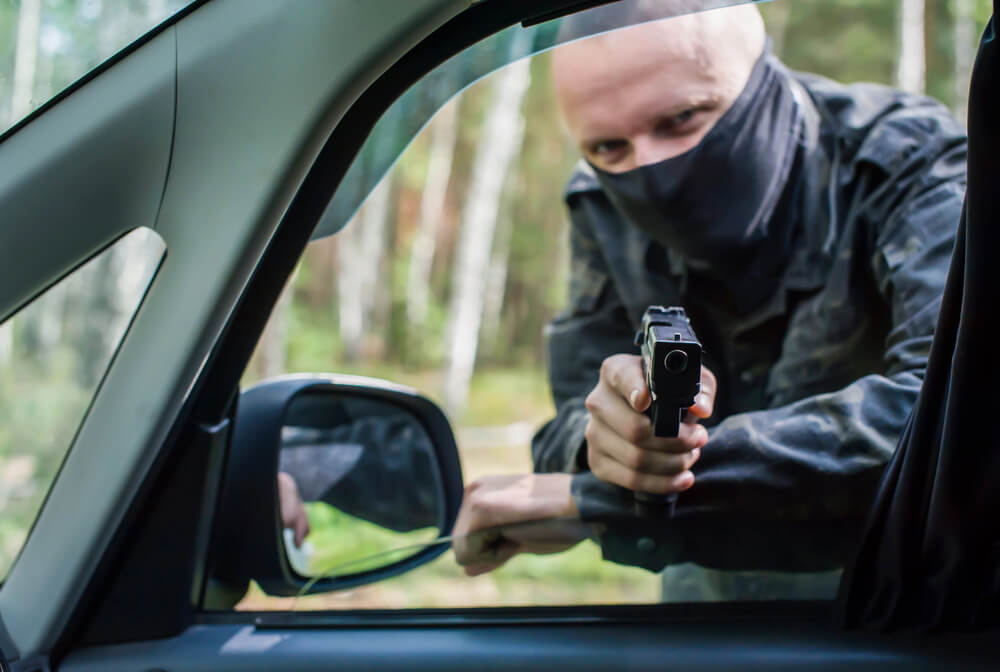
In Medellín, there have been reports of taxi drivers driving with their windows open, then acting surprised when an armed robber pulls up on a moped at traffic lights and demands money. This coordinated scam involves taxi drivers working with accomplices to rob passengers. Always insist drivers keep windows up during journeys.
Hidden booking fees

Popular booking platforms sometimes add extra charges during currency conversion. They tack on an extra 1-3% during the currency conversion for everyone, whether or not you have a gold card.
What appears as a modest deposit might cost significantly more on your statement due to inflated exchange rates.
Fake currency exchange

In places like Máncora, Peru, taxi drivers will confuse you so thoroughly that you won’t realize until they’ve driven off that they’ve switched your big note for fake small notes of ‘change’. Some hostels or nearby shops offer to exchange money at ‘special rates’ but give counterfeit bills or shortchange you significantly.
Overpriced extras

Once you arrive, some hostels hit you with surprise charges for things that should be included. Wi-Fi access, towel rental, or kitchen use can cost extra.
These unexpected fees often appear only during checkout when you have limited options. Always ask about all potential charges upfront.
Fake damage charges
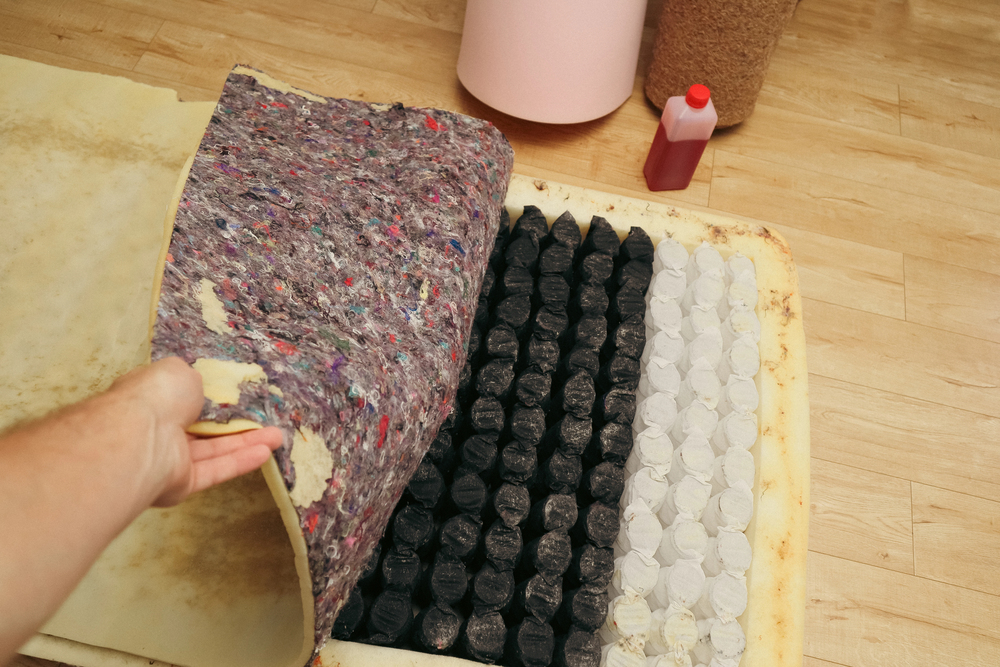
This involves claiming you damaged something that was already broken. Staff point to stained mattresses or cracked mirrors and demand payment from your deposit. By turning off the Wi-Fi in your vacation rental, scammers can automatically claim compensation from platforms like Airbnb.
Take photos of your room and any existing damage when checking in.
Luggage theft by staff
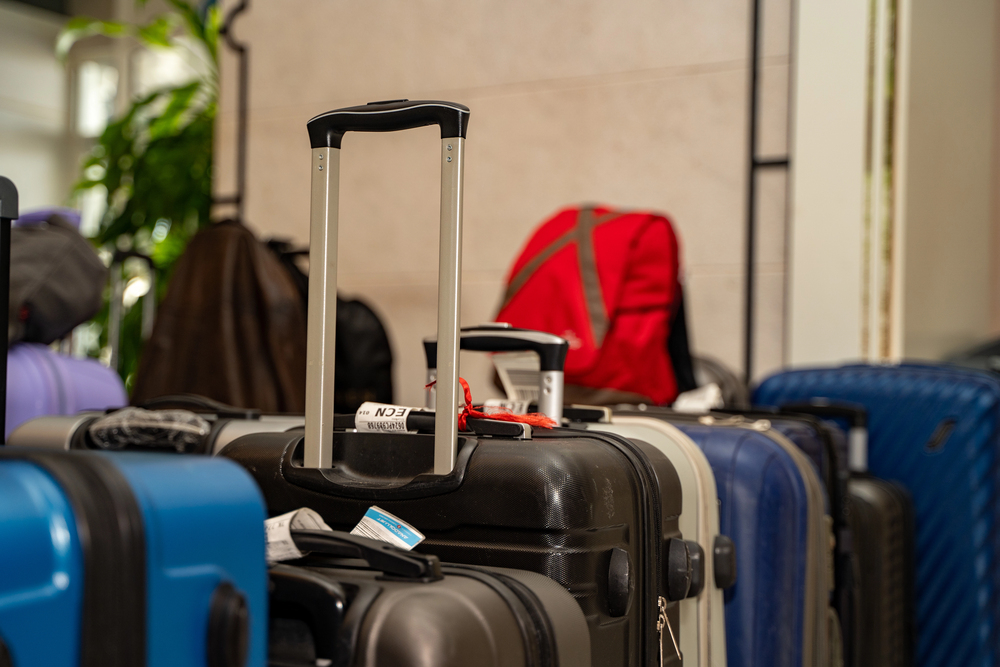
Problems can occur if you want a private room in a hostel since staff can enter and usually do to clean the room, and some volunteers who work for accommodation don’t always have your best interests in mind. While rare, opportunistic theft by staff or volunteers does happen.
Theft in hostels is usually a crime of opportunity — a staff member peeks into your bag to see if there’s an easy grab.
Fake networks
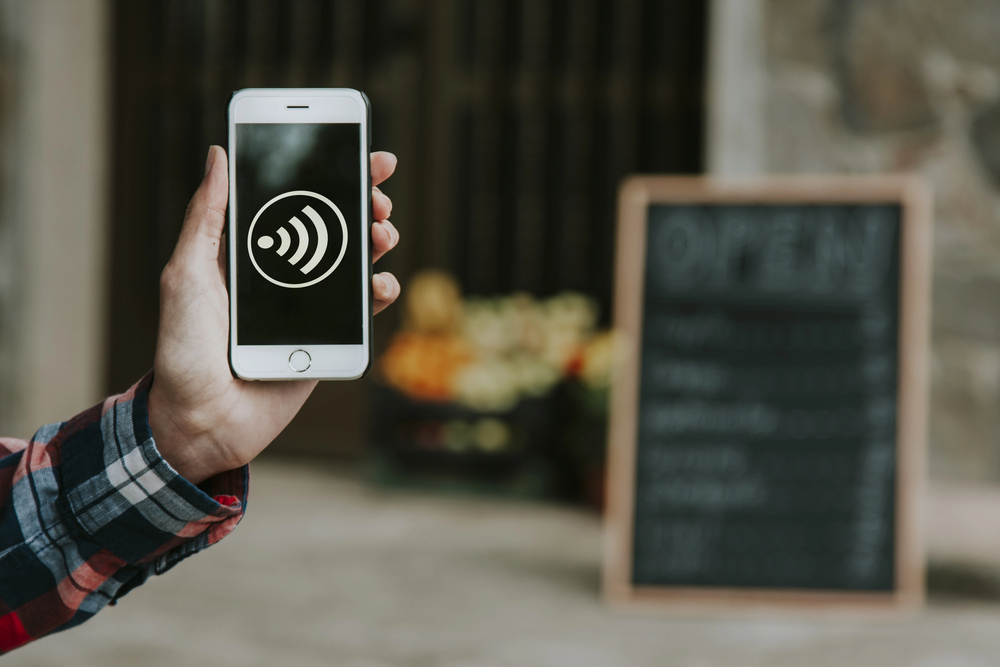
Hackers set up fake free Wi-Fi networks at airports and hotels to intercept your login and financial details. That ‘Hostel_Free_Wi-Fi’ network might not be provided by the accommodation. These networks are designed to steal passwords and banking information from unsuspecting travelers.
Stay smart, travel safe

While backpacking through South America can be an unforgettable adventure, it’s essential to stay alert to common scams that target travelers. Most of these issues are preventable with basic research, asking questions, and trusting your instincts.
The vast majority of hostels are honest and safe, and millions of backpackers have amazing experiences across South America every year. A bit of awareness and common sense goes a long way toward ensuring your trip remains smooth and scam-free.
More from Travel Pug

- Underrated Italian Towns That Beat the Tourist Crowds
- Las Vegas Tourist Traps to Skip
- Prettiest Towns in Every US State
- 18 passport-free countries for Americans
- Signs Your Cruise Is Not Worth The Cost
Like Travel Pug’s content? Follow us on MSN.